

2018 Ford Ranger 2.2 XLT 4x4 (A) Review

 Share
Share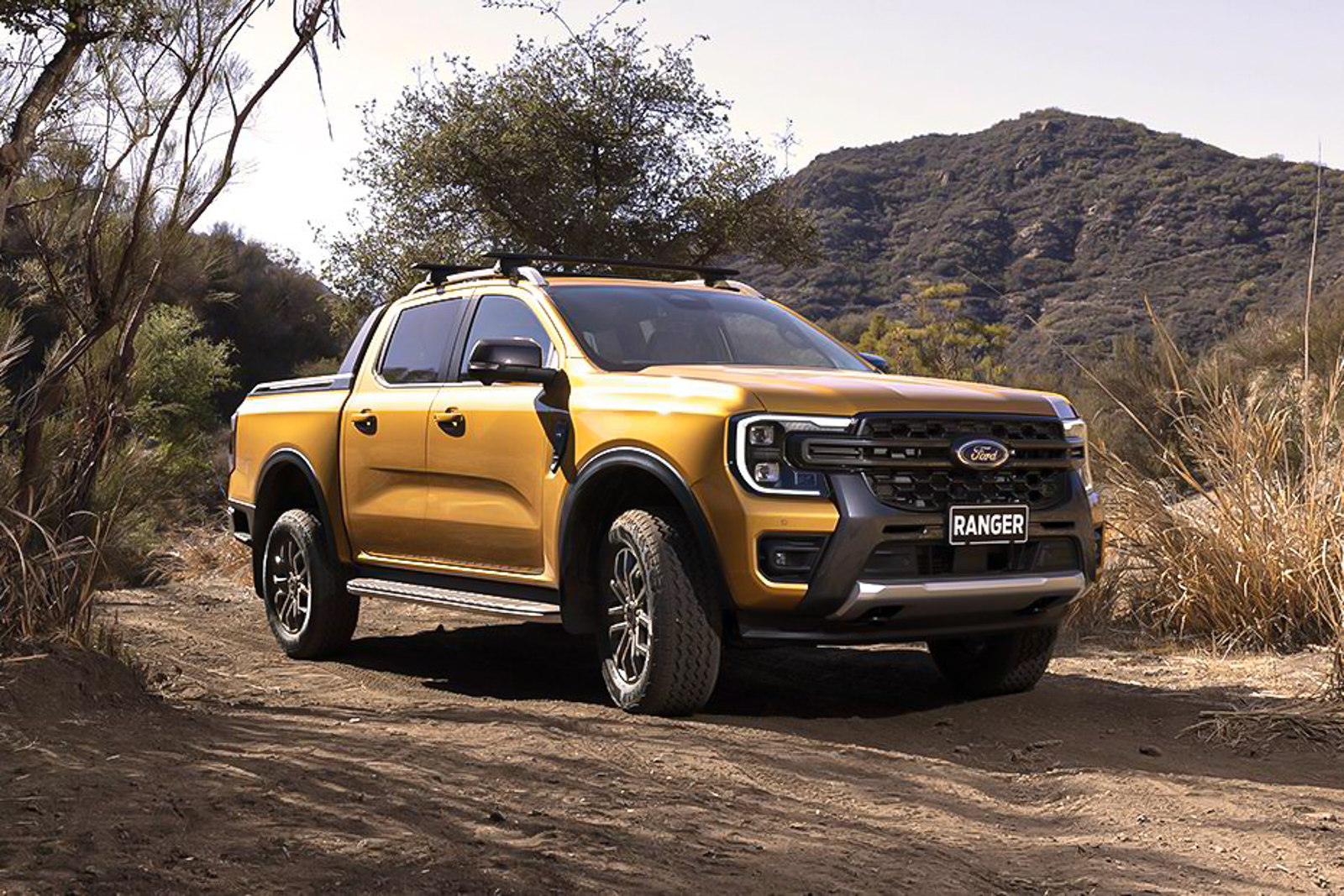
 Segment
 Body Type
 Capacity(L)
 Engine Power(PS)
 Transmission
 Driven Wheels
In the Malaysian pickup truck market, vehicles that can balance daily commuting, cargo needs, and a certain level of off-road capability have always been the focus of consumers. The 2018 Ford Ranger 2.2 XLT 4x4 (A), as a popular choice in this segment, attracts many users with its balanced power, practical features, and rugged positioning. In this review, we will focus on testing its performance in urban driving, highway cruising, and light off-road scenarios to see if this classic pickup can still meet the core needs of today's users.
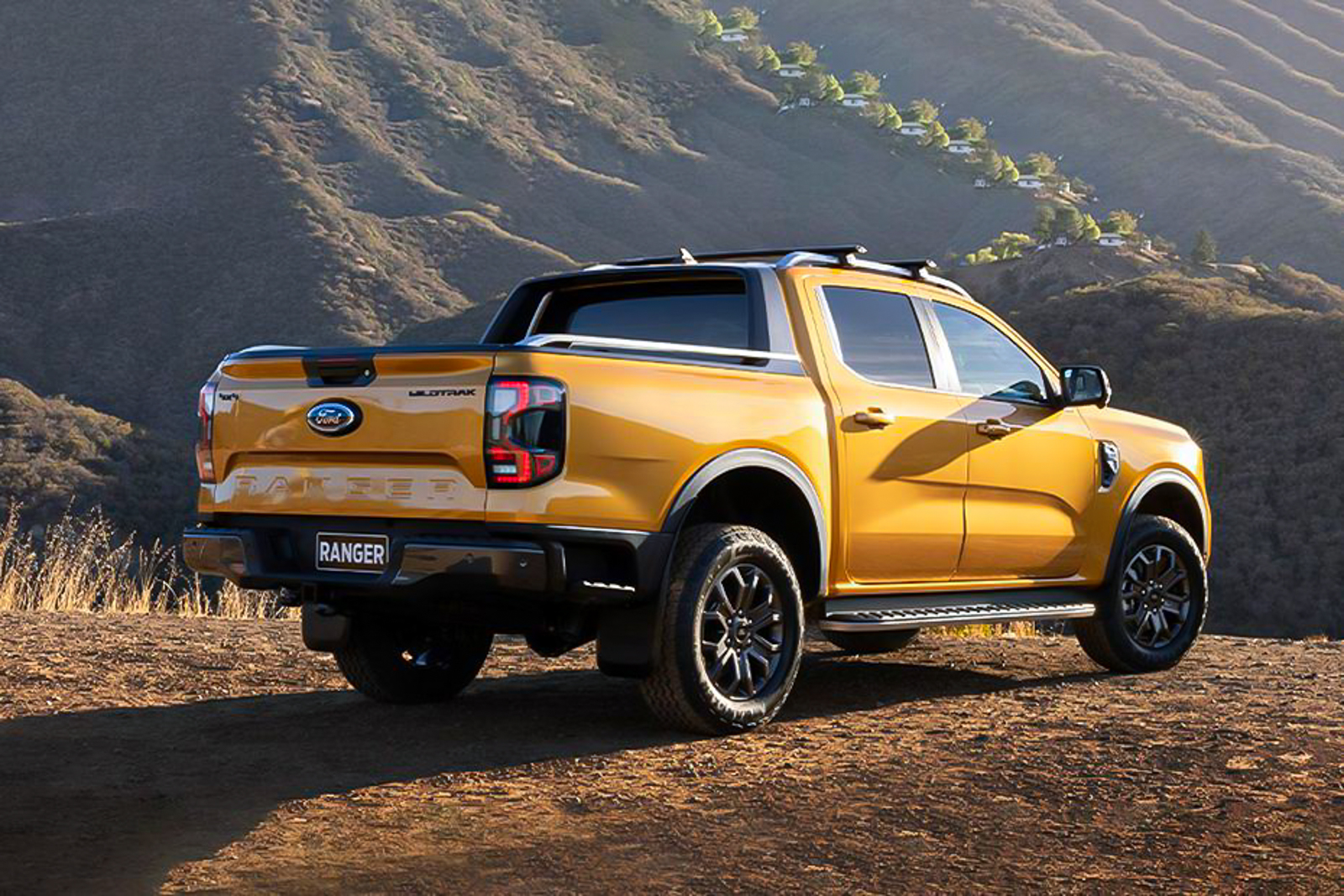
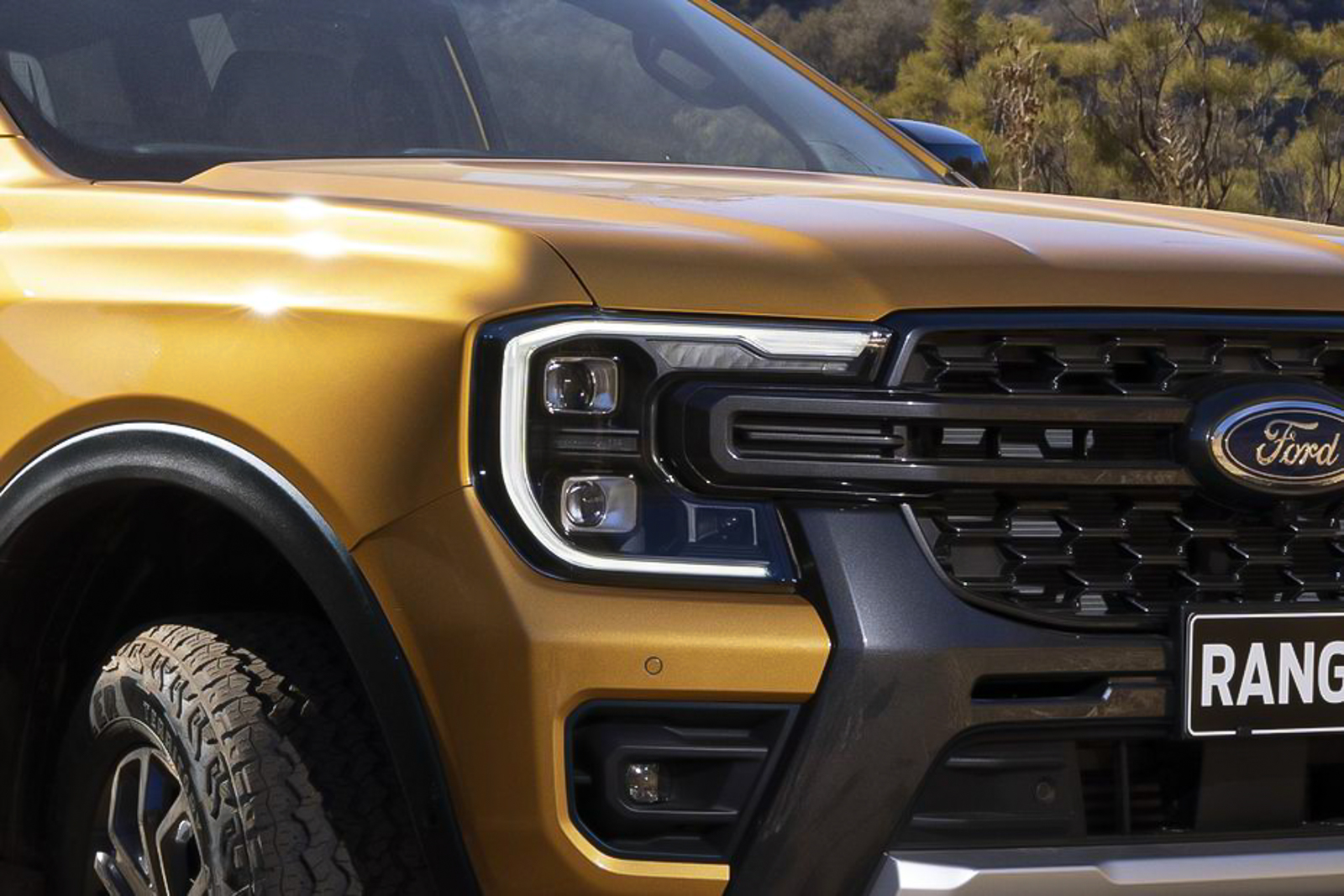
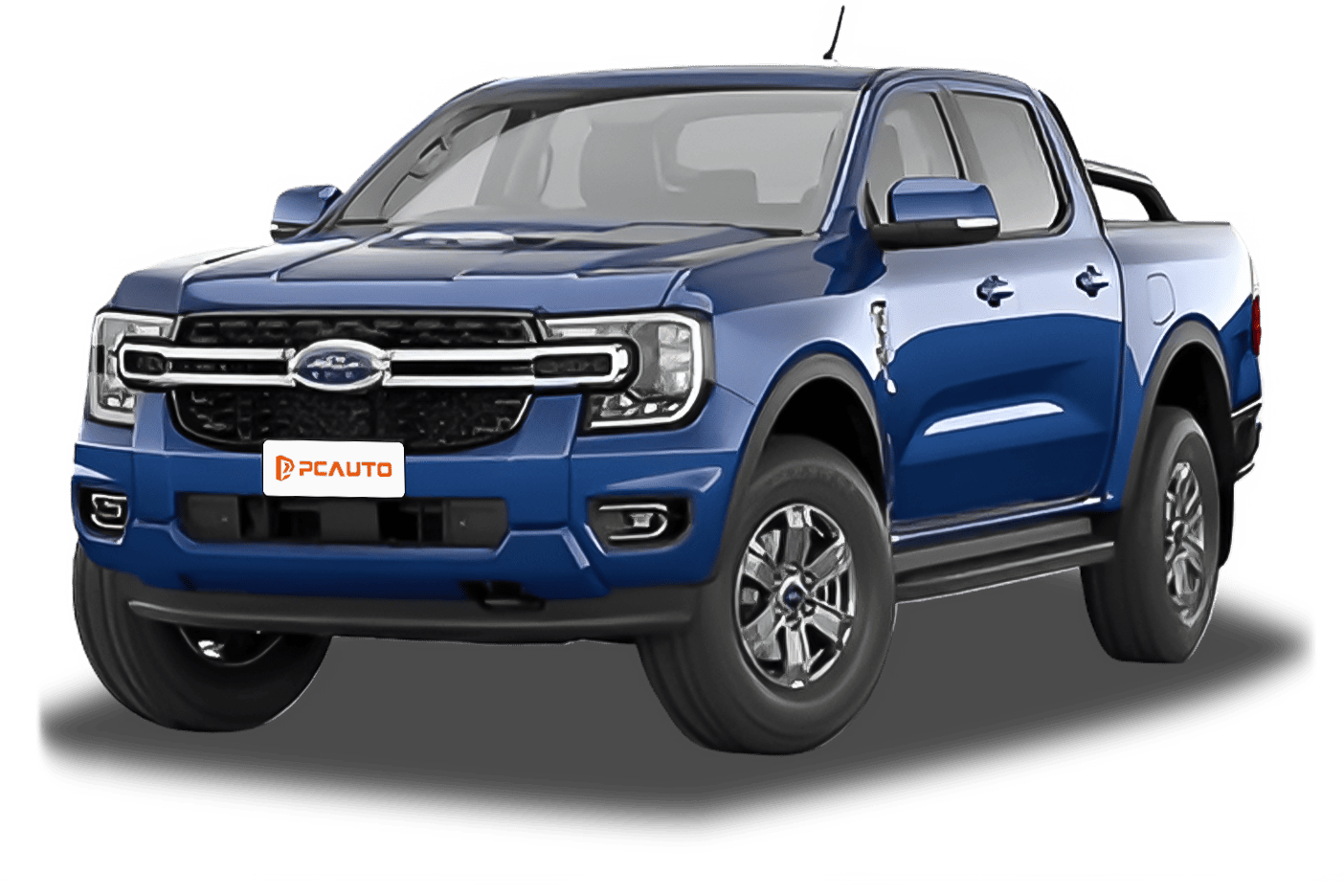
In terms of exterior design, the 2018 Ranger 2.2 XLT continues the rugged style of Ford's pickup family. The front face features a trapezoidal chrome grille paired with rectangular halogen headlights on both sides, giving it a bold visual impression. A black plastic skid plate is added below the front bumper to enhance the off-road vibe. The side profile reveals straight lines, with a length of 5,362mm and a wheelbase of 3,220mm, providing a long and sleek proportion. The muscular lines around the wheel arches further enhance its sense of power. At the rear, the vertical taillight assembly echoes the front design, and the cargo bed is equipped with practical tie-down points. Overall, the design is simple yet functional, with a mid-to-high level of recognition in its class.
Sitting inside, the interior primarily uses dark hard plastic, fitting the utilitarian nature of a pickup, but the addition of a few silver trim details lends it a slightly refined touch. The dashboard features an analog electronic-illuminated design, offering clear displays and intuitive readings of RPMs, speed, and other information. The multi-function steering wheel comes standard with buttons for volume control and answering phone calls, making it convenient to operate. The center console is straightforward in layout; though it lacks a large-sized touchscreen, it does include a 220V/230V power outlet, which is highly practical for outdoor electricity needs. For seating, the front row is manually adjustable with firm padding that offers good support. The rear seats are foldable, with storage space underneath, suitable for storing tools or small items, thus maximizing space utilization.
Space performance is one of Ranger's strengths. The width of 2,120mm and wheelbase of 3,220mm provide ample rear legroom, with about two fist widths of leg space for a 175cm-tall passenger in the back row. Although specific data on the cargo bed's capacity is unavailable, its standard size is sufficient to meet daily cargo needs, such as transporting construction materials or outdoor equipment. Features such as keyless entry, automatic headlights, and rain-sensing wipers enhance everyday convenience, while the ISOFIX child seat interface caters to family users' needs.
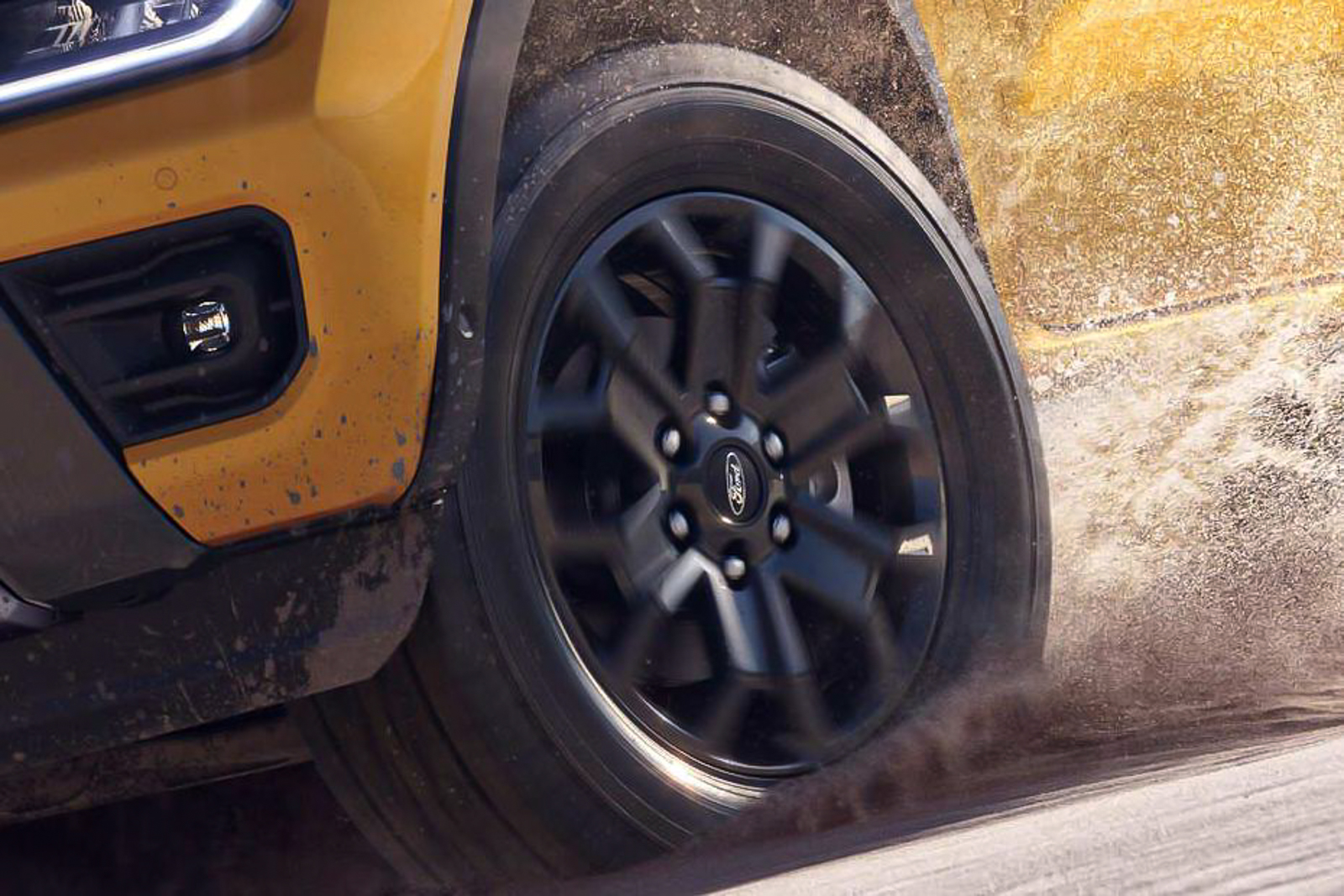
In terms of powertrain, the 2.2T diesel engine delivers a maximum output of 160PS, with peak torque available as low as 1,600rpm, paired with a 6-speed automatic transmission. Acceleration is fairly responsive, and a light press on the accelerator pedal showcases the low-end torque advantage of the diesel engine. Even when fully loaded, the vehicle does not struggle to start. During highway cruising, the engine maintains around 2,000rpm, the gear shifts smoothly, and when the accelerator is pressed further for overtaking, the power output remains linear, meeting normal highway overtaking needs. The driving modes include 2H, 4H, and 4L options, and when switched to 4H mode for light off-road conditions, the vehicle’s passability improves significantly. For instance, on muddy or gravel roads, the tires show stable traction performance.
The handling and chassis performance align with the positioning of a pickup truck. The front double-wishbone independent suspension can filter out most minor vibrations when dealing with bumpy city roads, but there is still noticeable bouncing in the rear row when going over speed bumps. The steering wheel feels relatively heavy to turn, with precise steering. The vehicle maintains good stability during high-speed driving without feeling floaty. As for the brakes, the front ventilated disc brakes offer linear braking performance, with a braking distance that is on par with other models in the same class.
The fuel consumption performance is worth mentioning. Under combined road conditions, the tested fuel consumption is approximately 8.5L/100km. During highway cruising, it can be as low as 7.2L/100km. For a 2.1-ton 4x4 pickup, this result is relatively economical. Regarding noise control, the noise of the diesel engine is quite prominent at idle, but when driving, wind and tire noise are kept within an acceptable range and do not affect normal conversations inside the car.
In summary, the 2018 Ford Ranger 2.2 XLT 4x4's core strength lies in its balanced performance—it combines the low torque and fuel efficiency of a diesel engine with the 4x4 system's capability to handle mild off-roading. At the same time, its space and configuration can meet the needs of daily family usage. Compared with its competitor, the Toyota Hilux 2.4 G 4x4, the Ranger has slight advantages in terms of wheelbase and power parameters, and its price offers better value for money. This vehicle is suitable for two types of users: individual business owners who need to balance cargo transport and family outings, and outdoor enthusiasts who require a reliable utility vehicle. Overall, the 2018 Ranger 2.2 XLT 4x4 is a practical pickup with "no obvious shortcomings," effectively balancing work and life needs.
Ford Ranger Car Compare
Ford Ranger Loan Calculator
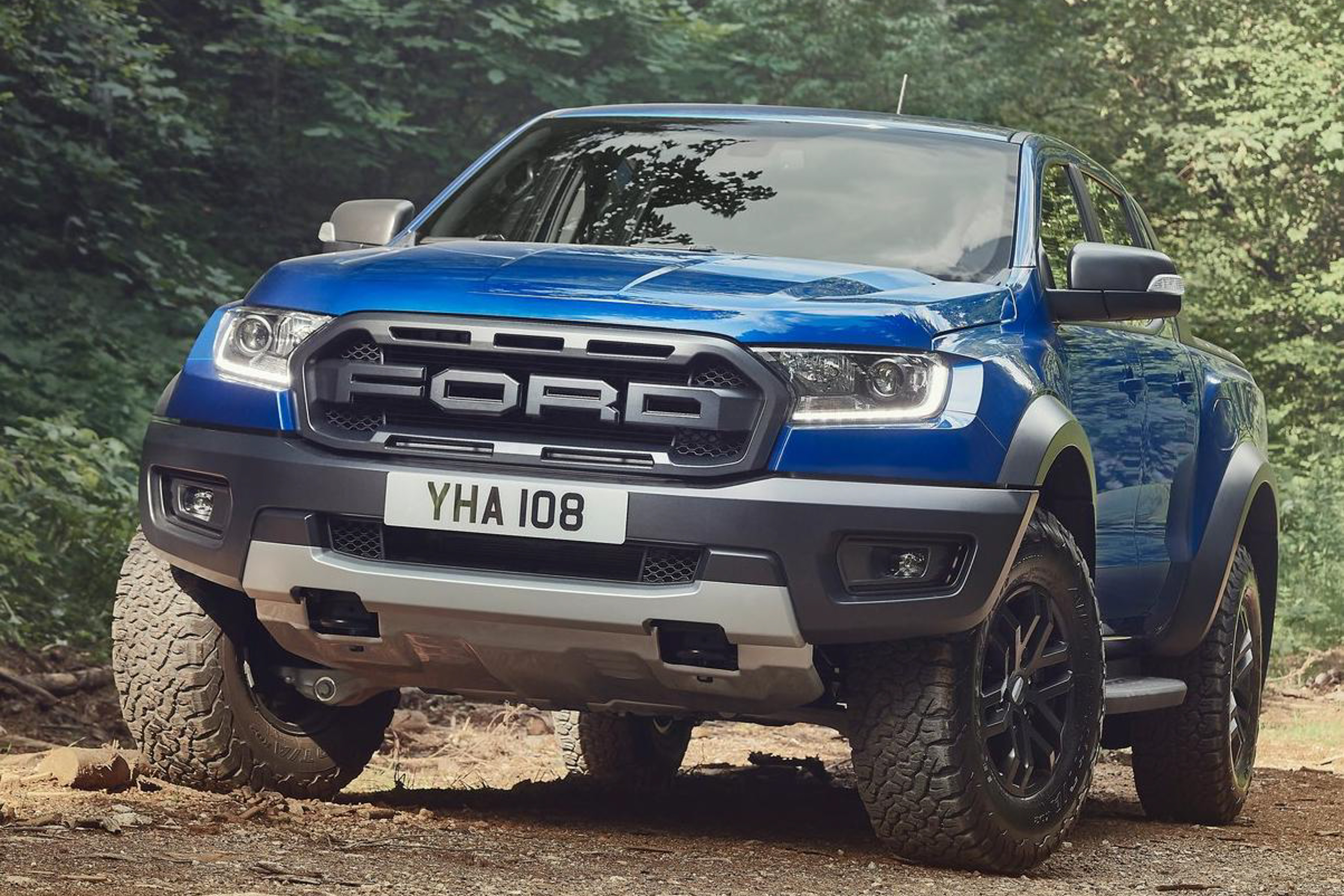
Cars With Similar Price And Features
5
Rank in Pickup
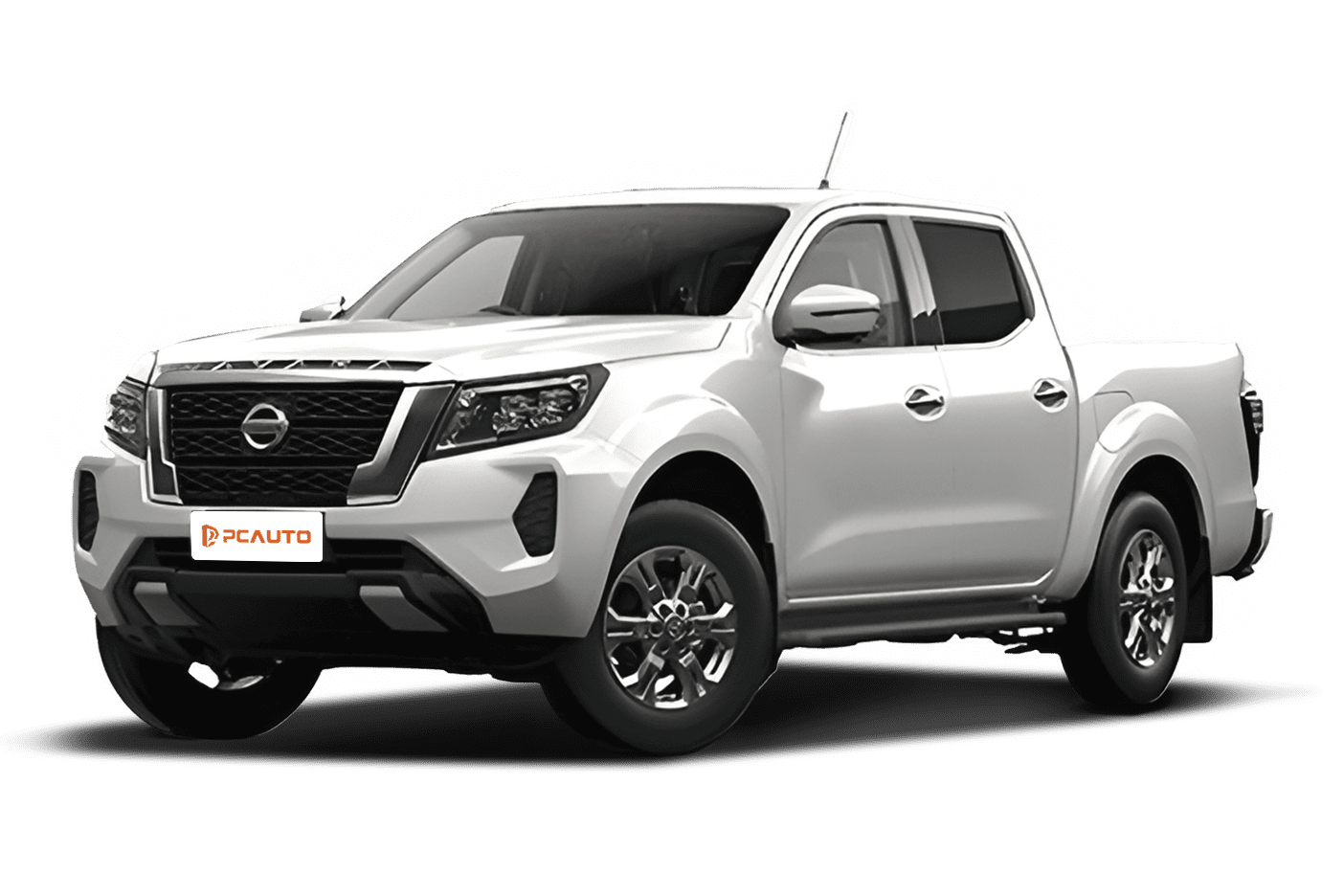
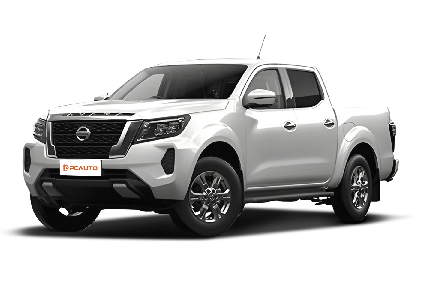
2023 Nissan Navara 2.5 VL Black Edition is a pickup truck that balances household comfort with light off-road capability, featuring exclusive black trims, a full suite of active safety features, and practical configurations, precisely catering to the needs of families and small business owners.
4
Rank in Pickup
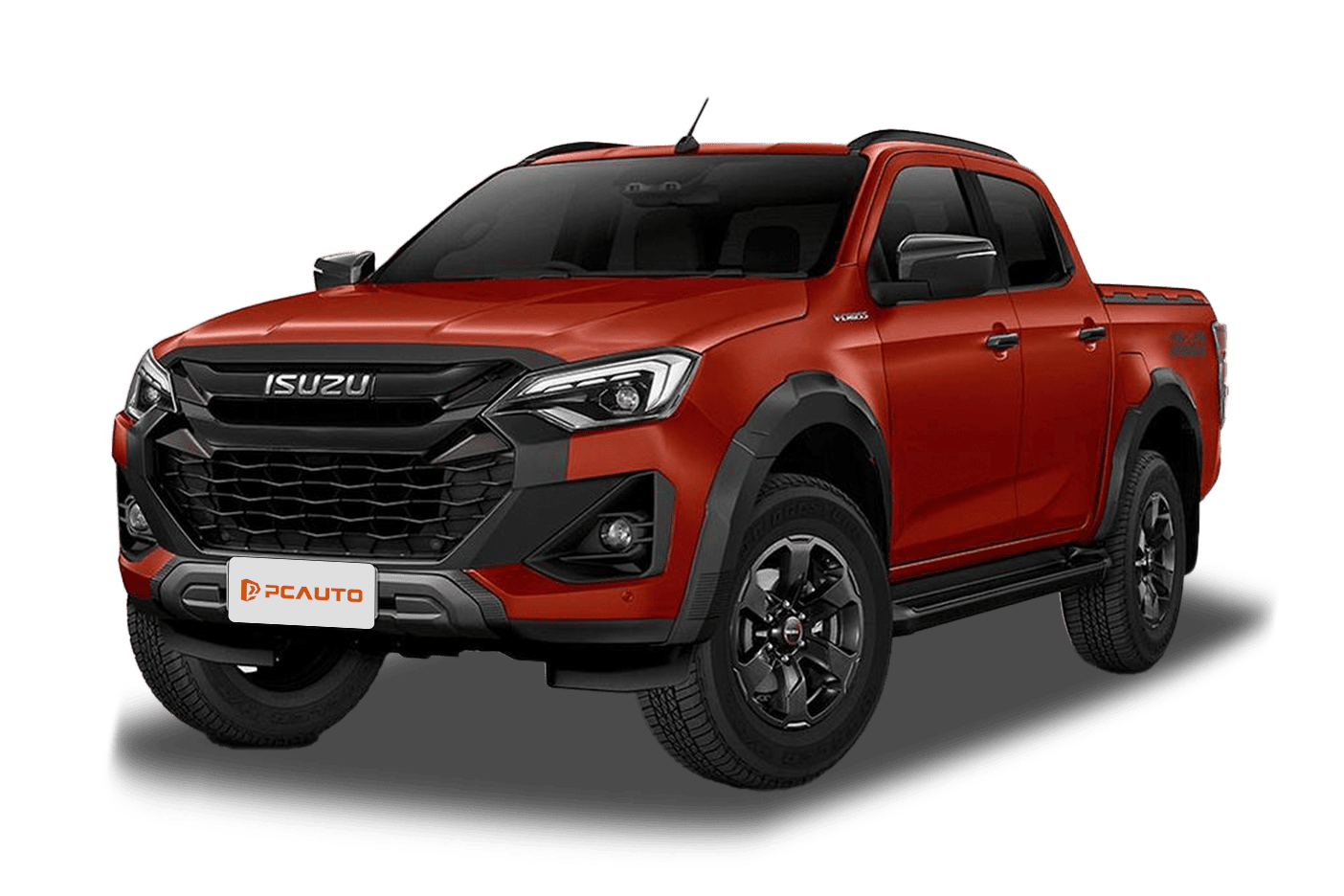
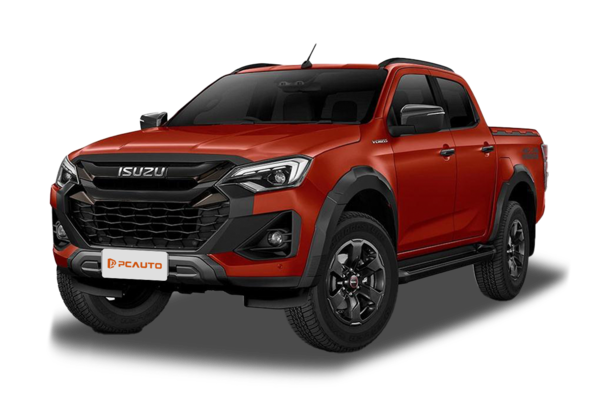
2025 Isuzu D-MAX 1.9L 4x2 Low Ride is an entry-level passenger pickup, offering a balance of practical space, reliable diesel performance, and fuel economy, suitable for family transport and small business cargo needs.

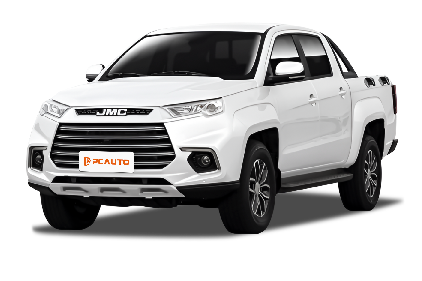
2023 JMC Vigus Pro White Series 2.0L 4WD 8AT combines rugged design, practical features, and powerful diesel performance, balancing everyday durability and mild off-road needs, making it a high-value choice for pickup users.
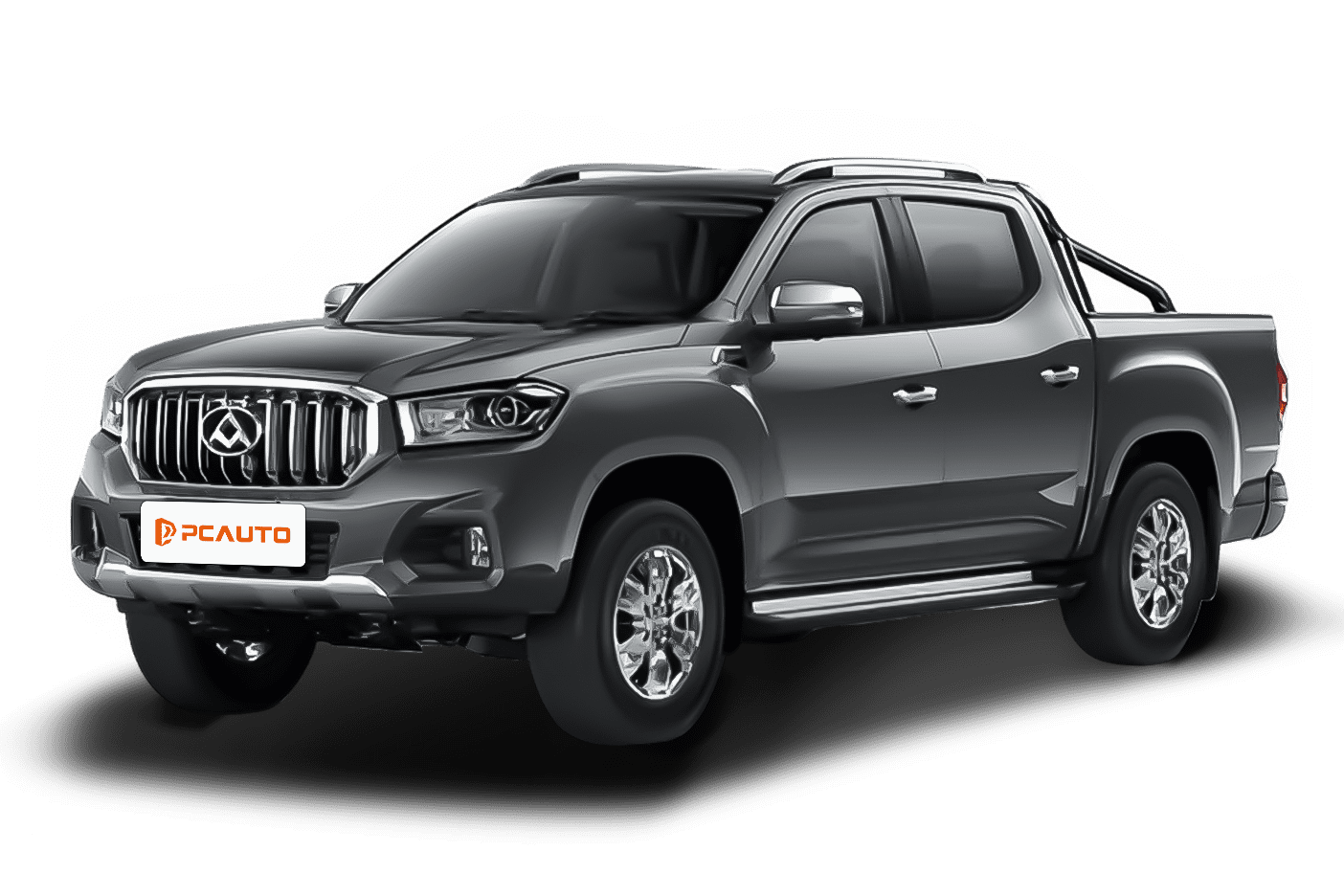
2022 Maxus T60 2.8L 4WD AT is a practical pickup truck that balances work and life. The strong diesel torque and 4WD capability meet cargo and off-road needs, while the premium features and spacious interior enhance daily comfort.