

2018 Ford Ranger 2.2 XLT 4x4 (M) Review

 Share
Share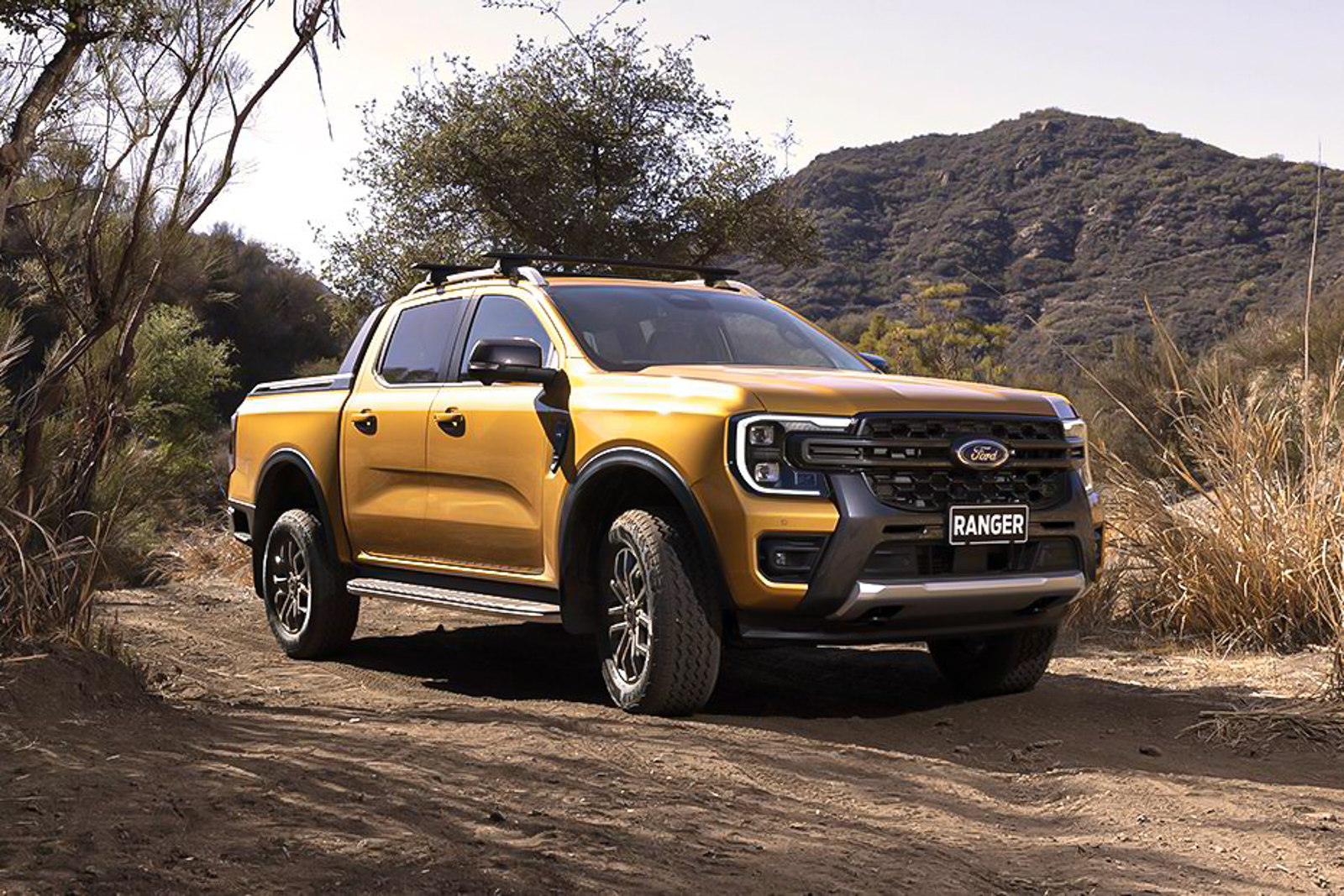
 Segment
 Body Type
 Capacity(L)
 Engine Power(PS)
 Transmission
 Driven Wheels
For local users who frequently travel between urban and rural areas while balancing family and light off-road needs, midsize pickup trucks have always been a "must-have choice" in the market. The 2018 Ford Ranger 2.2 XLT 4x4 Manual Version, priced at less than RM102,000, targets the mid-range pickup market focused on practicality and four-wheel-drive performance. This time, we got the actual vehicle, with the main purpose of testing its overall performance in daily commuting, family cargo needs, and light unpaved road conditions to see if this classic model can still meet the needs of today's users.
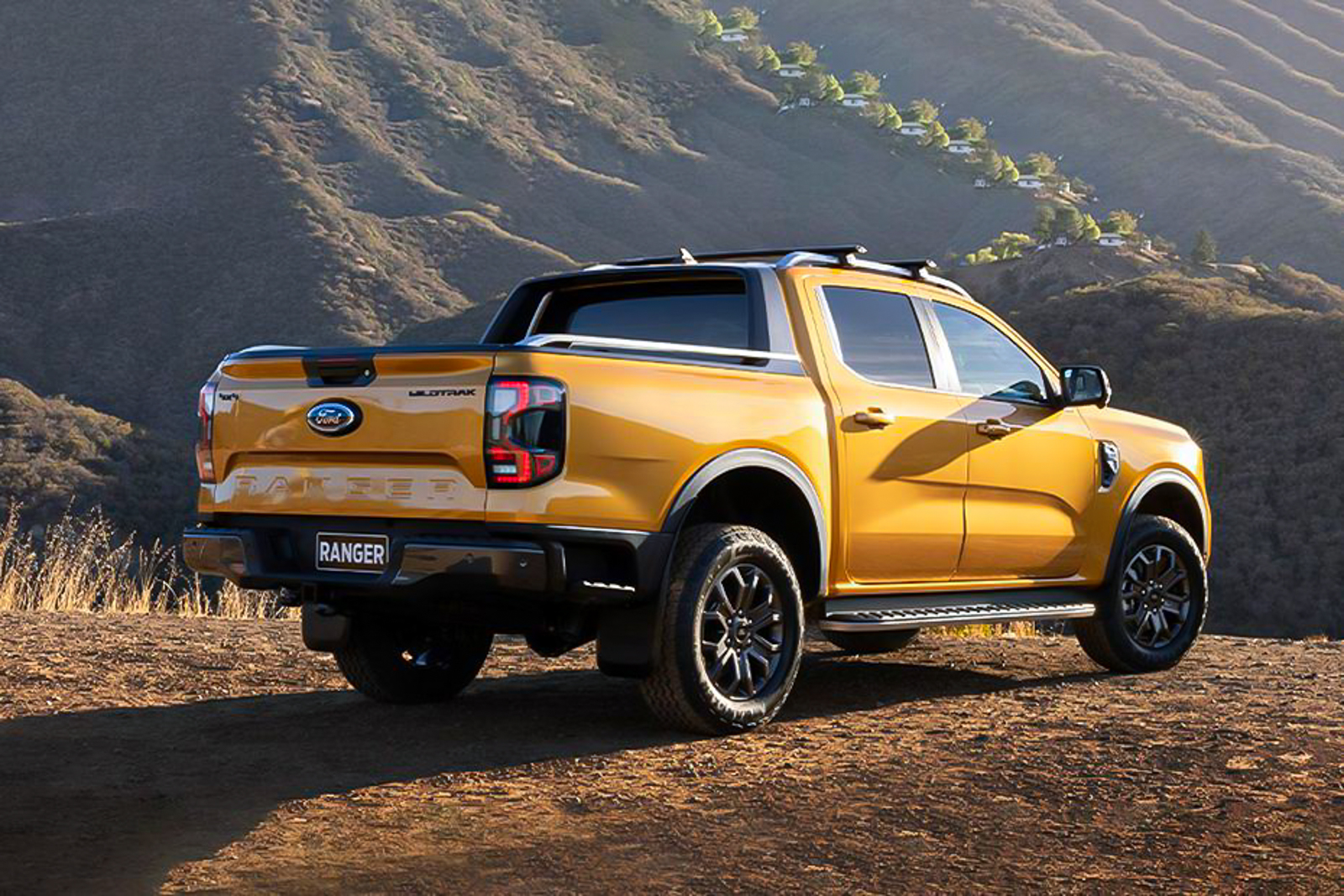
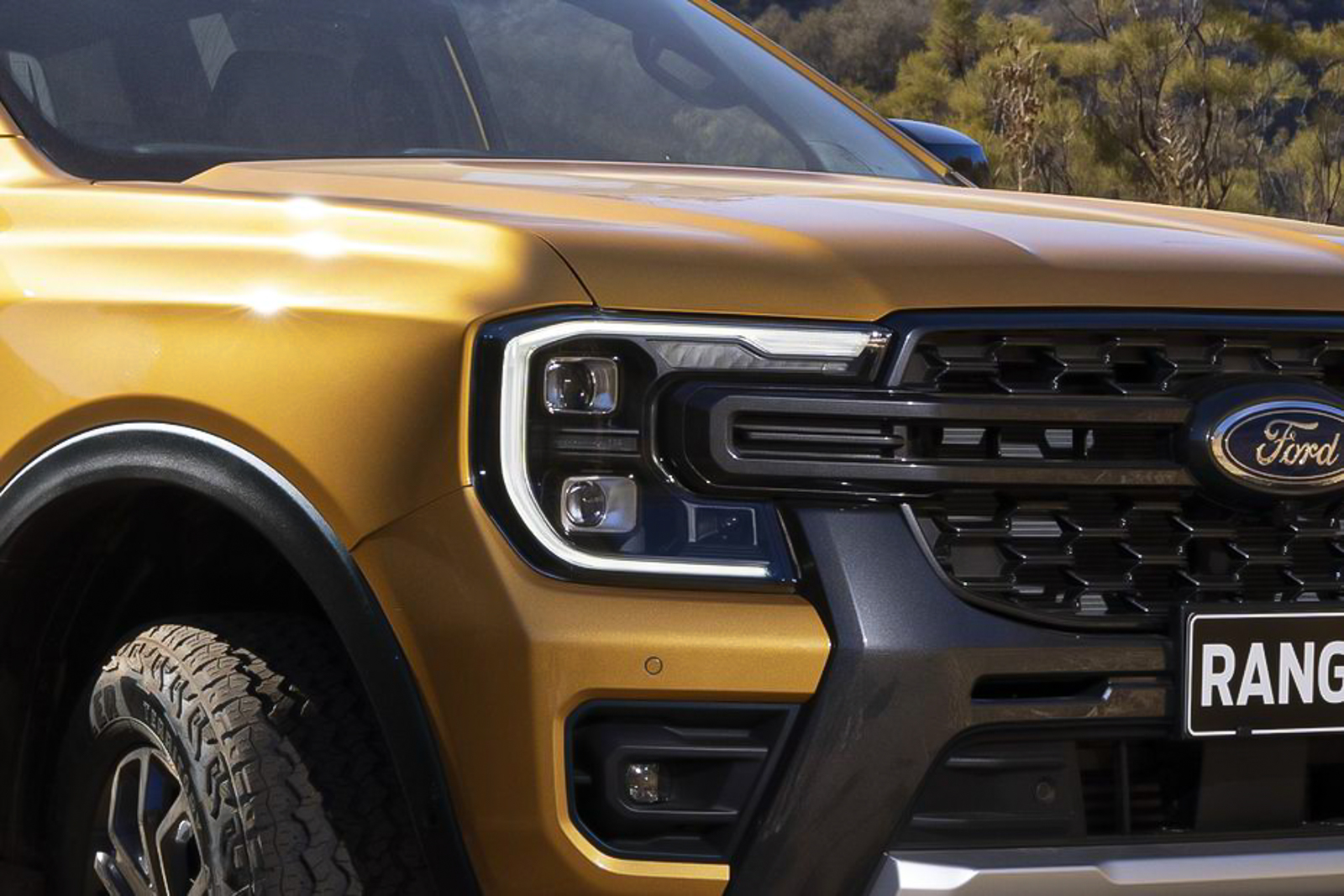
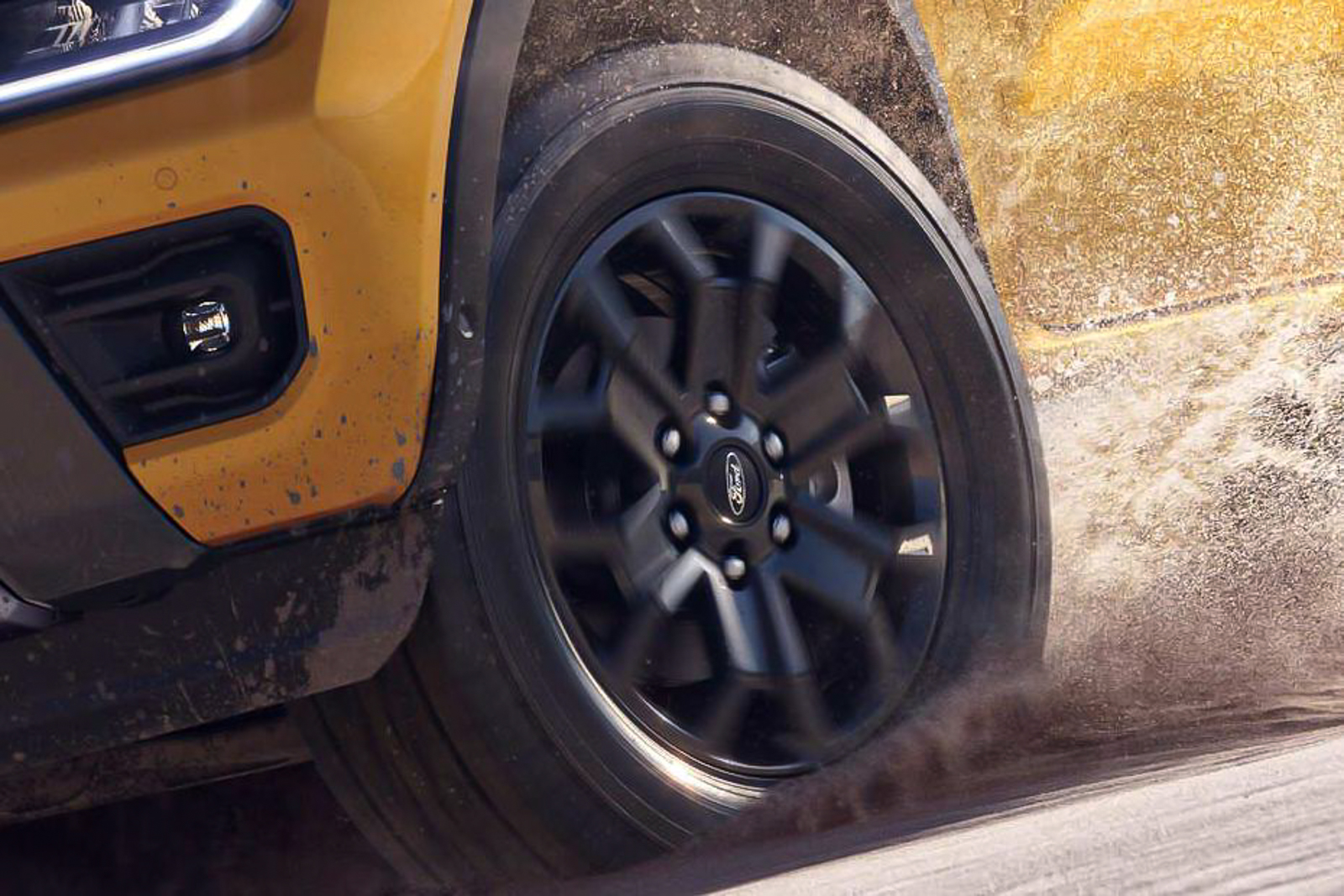
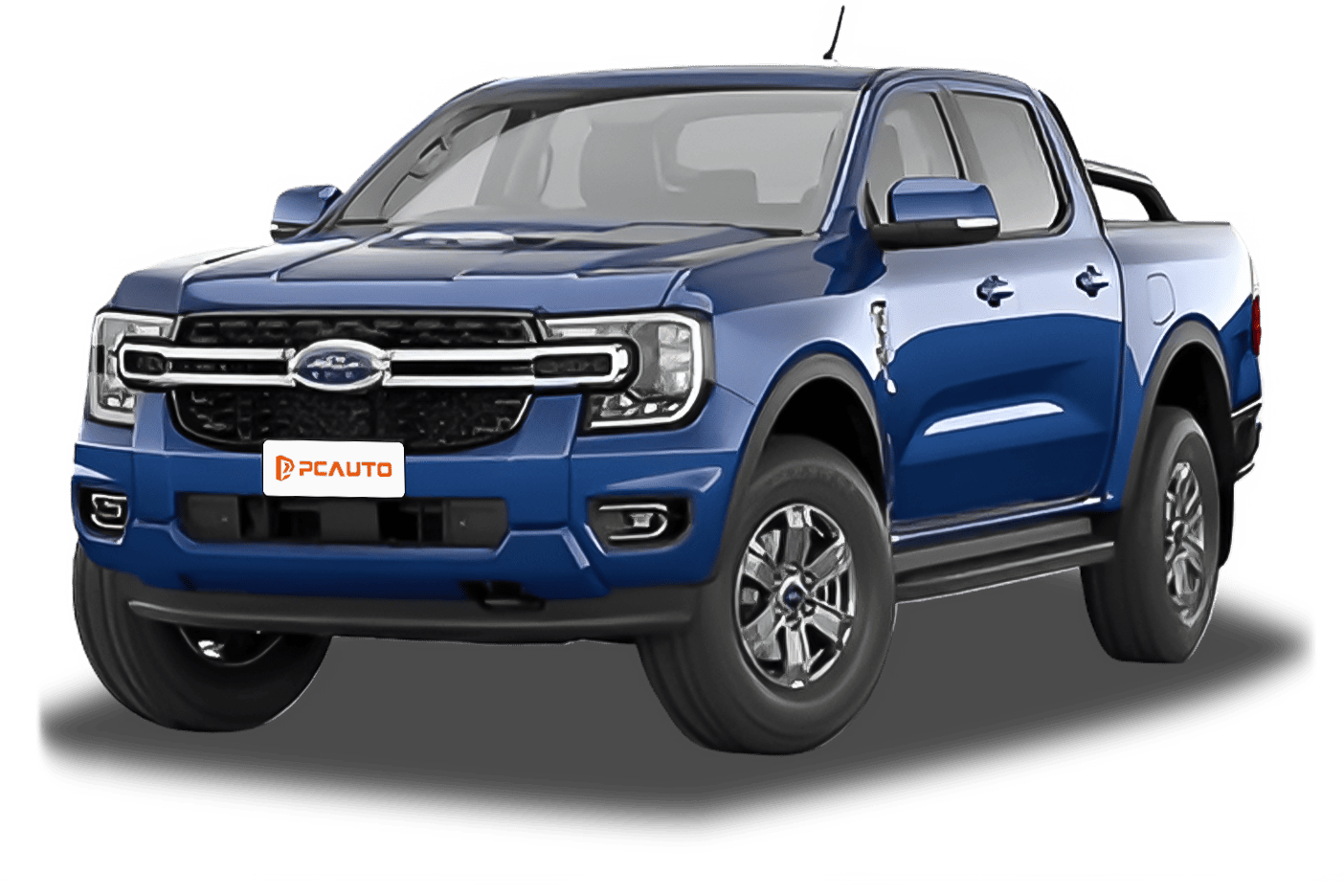
In terms of appearance, the 2018 Ranger 2.2 XLT maintains Ford's signature rugged pickup style. The front features a large trapezoidal grille accented with chrome trim, offering good recognition; the square-shaped halogen headlights on both sides include an automatic lighting function, which reduces the hassle of manual operation during the rainy mornings or evenings commonly experienced locally. The side of the vehicle has straight lines; its length of 5362mm and width of 1860mm ensure sufficient cargo space, while the muscular lines around the wheel arches enhance the off-road vibe. The 255/70 R16 tires balance on-road comfort and traction on unpaved roads. The rear design is simple, with vertically arranged taillights matching the overall style of the vehicle. The grab handle on the cargo bed's tailgate makes opening and closing easier. Overall, the appearance is free of excessive decorative elements, leaning towards a practical, utility-oriented design.
Inside the cabin, the interior predominantly features dark hard plastic. Although the texture feels firm, the seams are well-finished, matching the common standard for pickup trucks at this price point. The dashboard layout is clear, with a radio and air conditioning control area on the top, a storage compartment below, and a 220V power outlet in the middle, which is very practical for users needing to connect external devices. The steering wheel is a multifunctional design, with the left side controlling volume and track changes while the right side adjusts instrument panel information, making operation intuitive. The instrument panel features an electronically illuminated analog style, clearly displaying information like RPM and speed, even in strong sunlight. The seats are manually adjustable; the front row has decent support, and long drives do not cause significant fatigue. The rear seats can be folded upwards, revealing hidden storage space underneath for tools or small items. The air conditioning is a single-zone manual design, cooling quickly to counter the local hot weather. Cup holders in the front and storage compartments in the door panels provide adequate storage for daily use.
In terms of space, the 3220mm wheelbase is considered mainstream among trucks in its class. For front-seat passengers, a height of 175cm still leaves two fists-worth of headroom and ample legroom. In the rear, there's about one-and-a-half fists of legroom and two fists of headroom, which, while not particularly spacious, is sufficient for short family trips or occasional passenger-carrying while transporting goods. The internal dimensions of the cargo bed are not specified but, based on actual measurements, it can accommodate two standard-sized suitcases or a folded bicycle without issue. The tailgate height is moderate, making loading and unloading items relatively effortless. The door panel storage compartments can fit large bottles of beverages, and the central armrest box is deep enough to hold a phone and wallet. The storage design generally considers the convenience of daily use.
Regarding performance, the 2.2T diesel engine delivers a maximum horsepower of 160PS, with peak torque output available as early as 1600rpm, paired with a 6-speed manual transmission. When starting, after engaging the clutch and lightly pressing the accelerator, the power response is direct without the typical lag associated with diesel engines. In 2nd and 3rd gear, torque output is abundant, making it easy to maneuver through congested city traffic. At highway speeds, the 6th gear maintains an RPM of about 2000 at a speed of 100km/h, and noise control is decent, with wind and tire noise not particularly pronounced. When switched to four-wheel drive mode, the vehicle handles muddy roads or slight cross-axle conditions well. The hill-start assist function prevents the vehicle from rolling back on steep slopes, giving the driver sufficient confidence. The manual gearbox has a moderate shift travel distance, and the clear gear positions make it easy for beginners to adapt quickly.
In terms of handling and chassis performance, the front double wishbone independent suspension filters out most small bumps when dealing with commonly seen potholes on local roads, and the body shows no obvious shaking. The rear leaf spring suspension feels a bit stiff when the vehicle is unloaded, but the comfort improves significantly when fully loaded. The steering wheel has a moderate weight and a linear return torque. When cornering, the body roll is well controlled, and there is no floating sensation. The brake pedal travel is slightly long, but the braking force output is uniform, and the body posture remains stable during sudden braking. In terms of fuel consumption, real-world tests on mixed road conditions show an average of approximately 8.5L/100km, and it can drop to around 7.8L/100km on highways. For a vehicle weighing 2.1 tons, this fuel consumption performance can be considered economical.
For the off-road performance test, we chose light unpaved roads in the local suburbs. After activating four-wheel drive mode, the vehicle performed well on gravel roads and shallow potholes, with sufficient tire grip and no slipping issues. Although there is no specific data on ground clearance, the vehicle passed over most curbs or small obstacles without scraping the bottom. Regarding noise control, while driving at high speeds, wind noise mainly originates from the A-pillars, and tire noise becomes more pronounced on rough roads. However, overall, the noise remains within an acceptable range. The idling noise of the diesel engine is not too loud inside the cabin and does not affect normal conversations.
Overall, the core advantage of the 2018 Ford Ranger 2.2 XLT 4x4 manual version lies in its balanced practicality: the diesel engine is fuel-efficient, the manual transmission is durable and reliable, and the four-wheel-drive system is capable of handling light off-road scenarios. Its space and storage layout can meet the needs of families or those using it as a utility vehicle. Priced at less than RM 102,000, it offers decent value in its class. Compared to competitors like the Toyota Hilux 2.4E or Mitsubishi Triton 2.4 M, the Ranger has richer features (such as automatic headlights, rain-sensing wipers, and electrically folding side mirrors), and its four-wheel-drive performance holds up well.
This vehicle is more suitable for users who need to balance daily commuting, family usage, and light off-road adventures, such as small business owners for transporting goods or families who enjoy weekend camping trips in the suburbs. While it doesn't boast particularly luxurious features, it performs well in terms of reliability and practicality, making it an all-rounder pickup capable of tackling a bit of everything.
In summary, the 2018 Ford Ranger 2.2 XLT 4x4 manual version is a pragmatic choice. It doesn't come with overly fancy designs but meets users' expectations with its core functionalities. If you're looking for a reliable, economical pickup that can handle a variety of scenarios, this is a model worth considering.
Ford Ranger Car Compare
Ford Ranger Loan Calculator
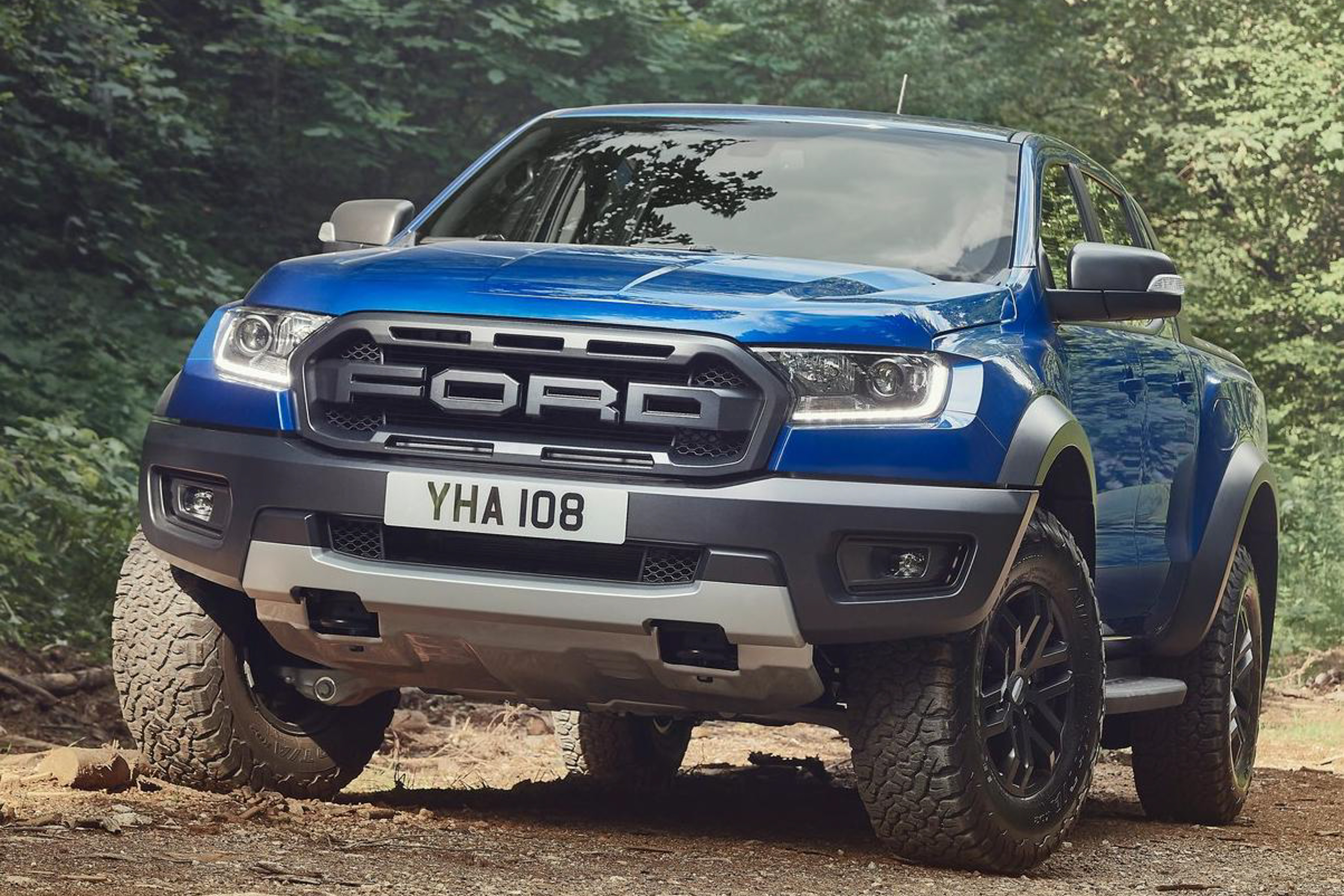
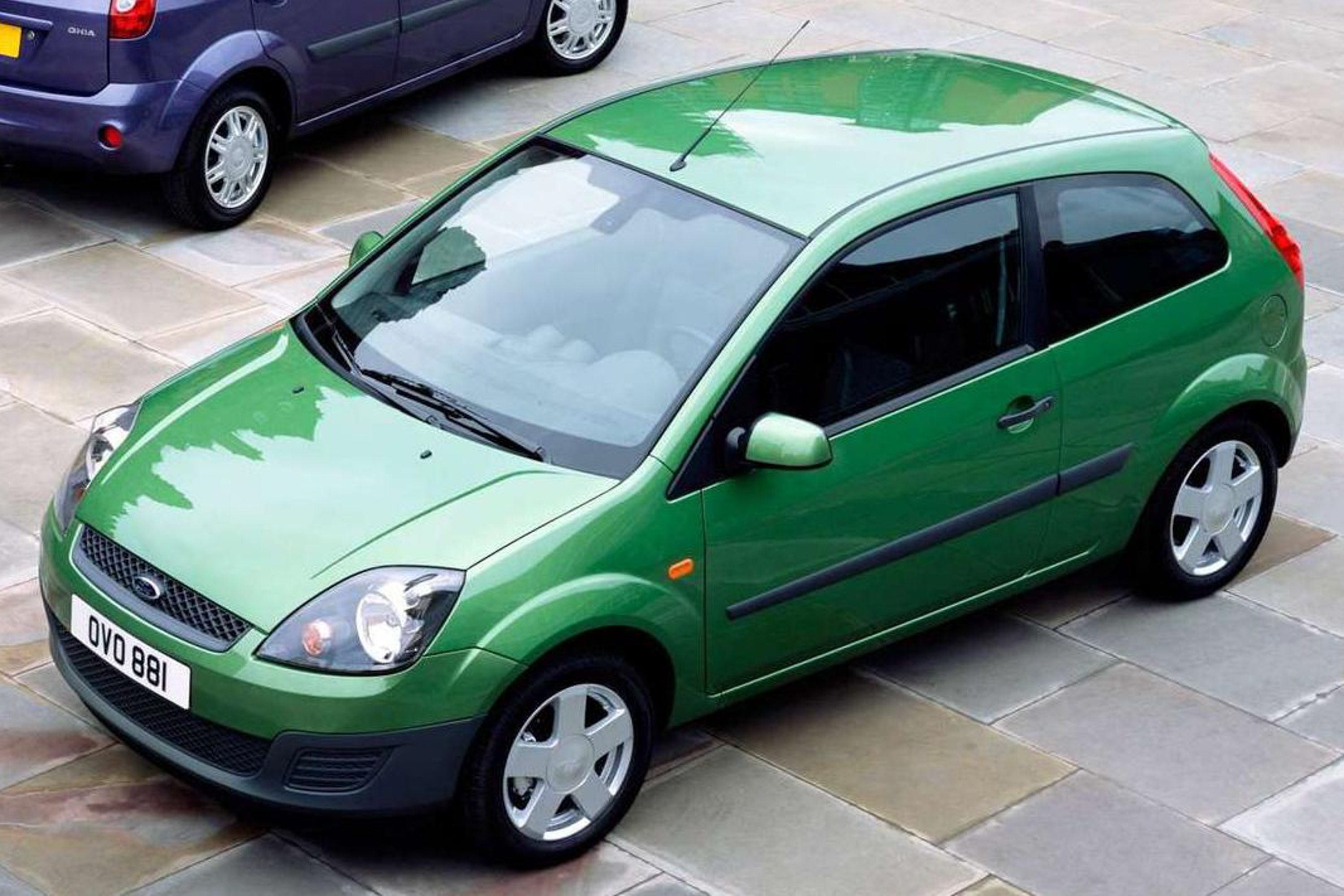
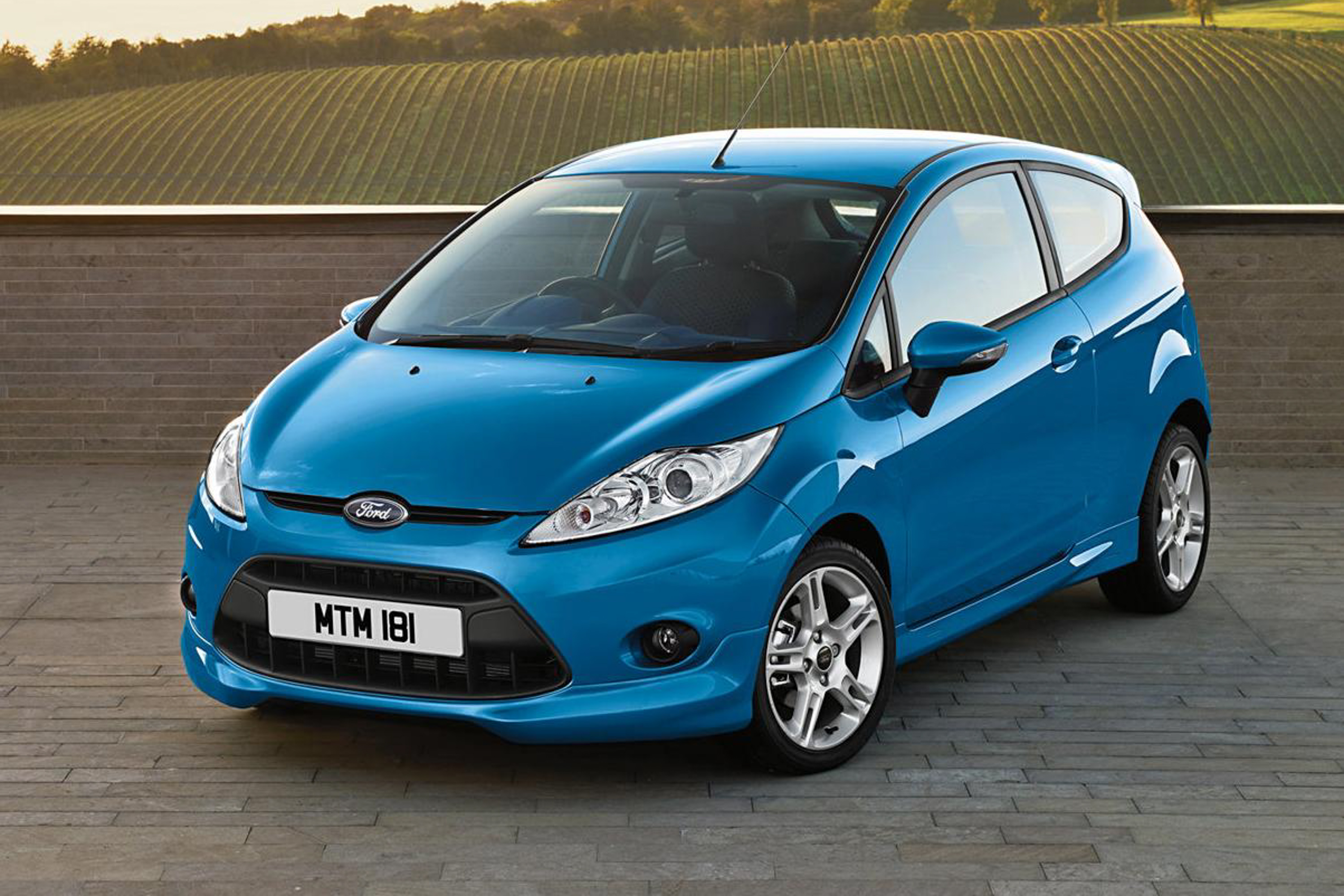
Cars With Similar Price And Features
5
Rank in Pickup
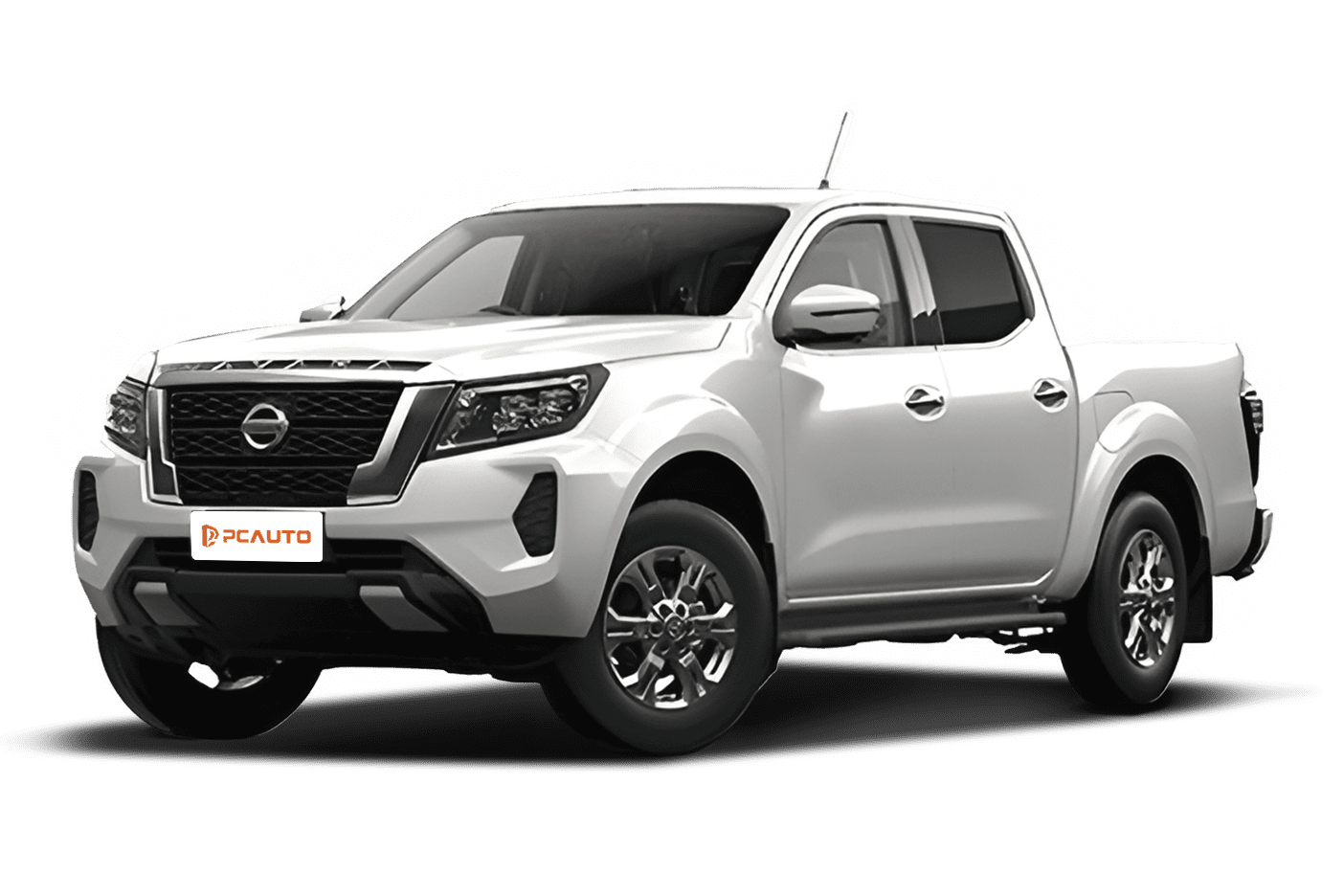
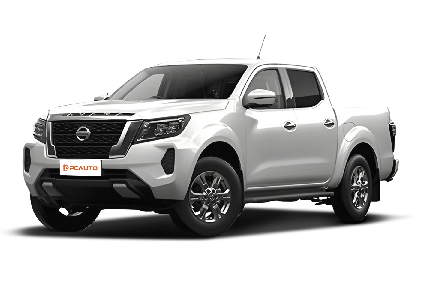
2023 Nissan Navara 2.5 VL Black Edition is a pickup truck that balances household comfort with light off-road capability, featuring exclusive black trims, a full suite of active safety features, and practical configurations, precisely catering to the needs of families and small business owners.
4
Rank in Pickup
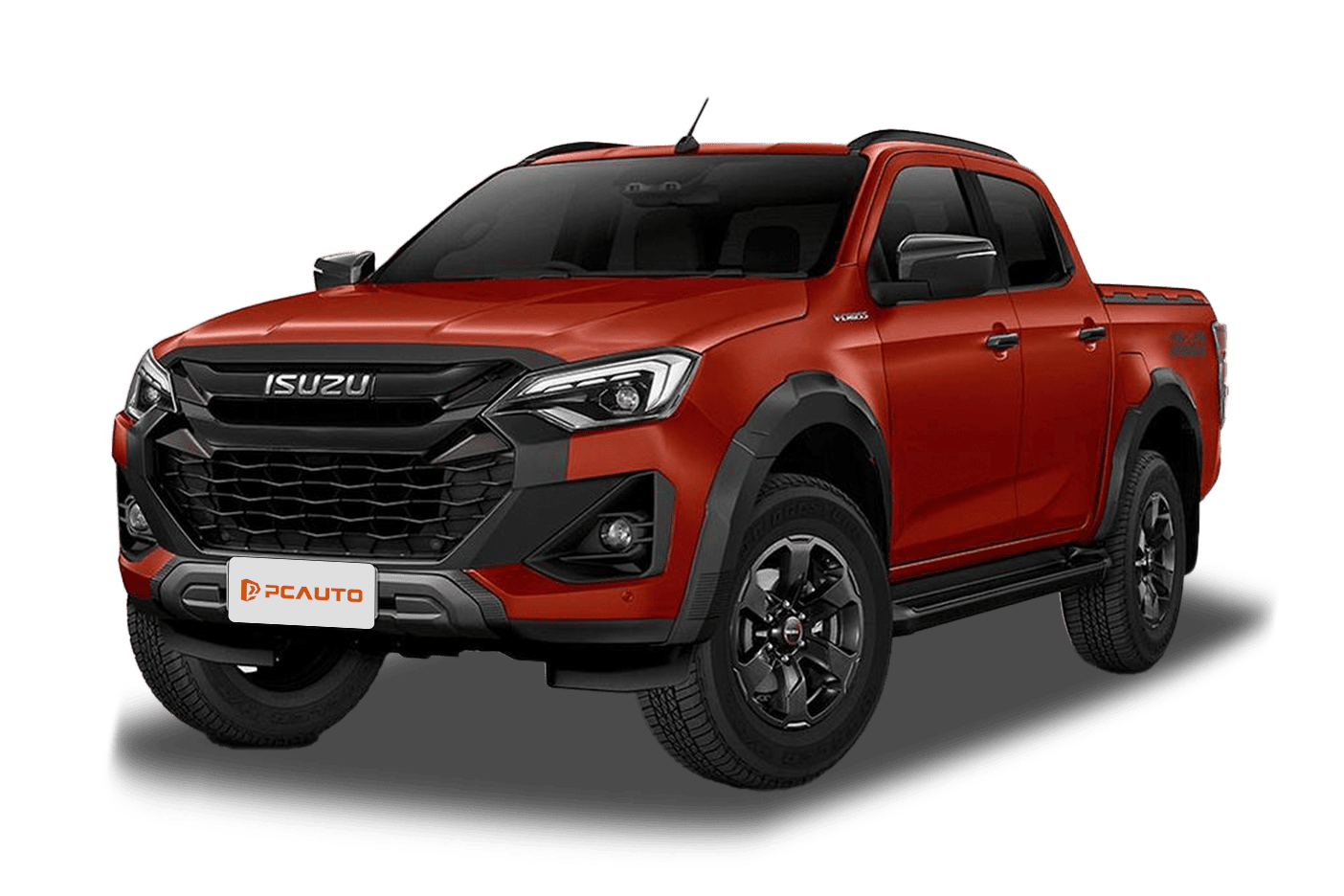
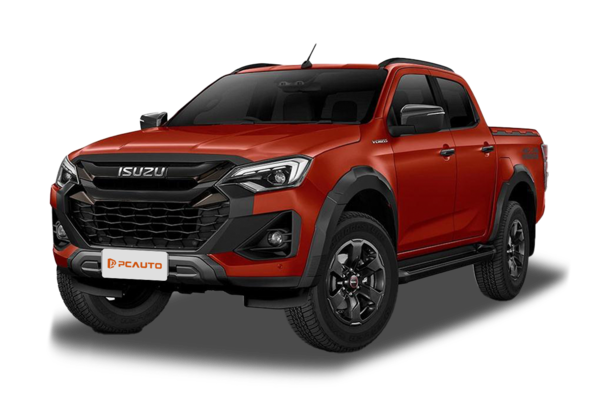
2025 Isuzu D-MAX 1.9L 4x2 Low Ride is an entry-level passenger pickup, offering a balance of practical space, reliable diesel performance, and fuel economy, suitable for family transport and small business cargo needs.

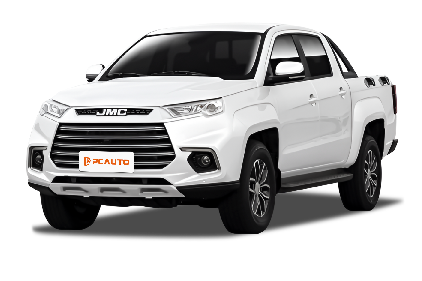
2023 JMC Vigus Pro White Series 2.0L 4WD 8AT combines rugged design, practical features, and powerful diesel performance, balancing everyday durability and mild off-road needs, making it a high-value choice for pickup users.
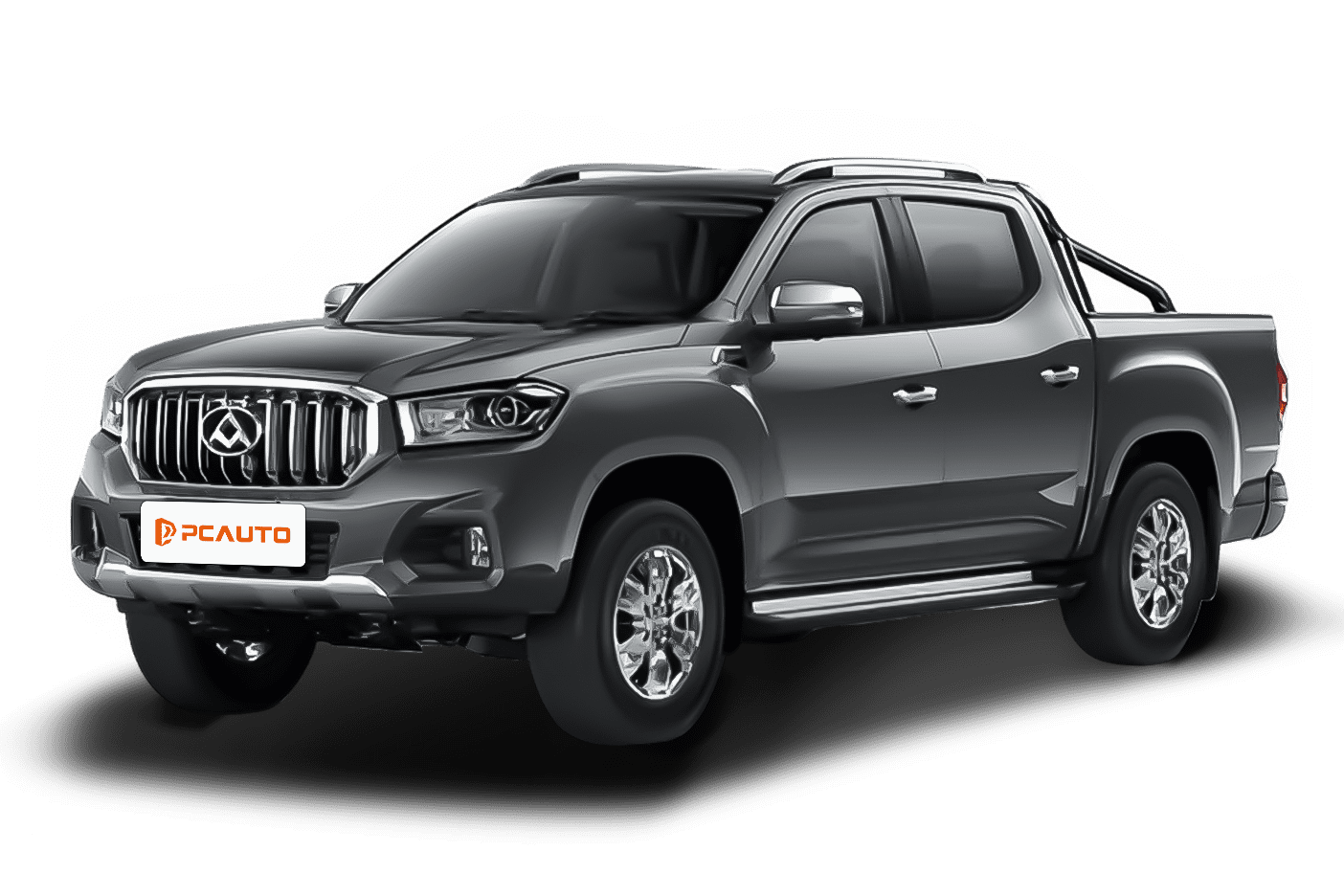
2022 Maxus T60 2.8L 4WD AT is a practical pickup truck that balances work and life. The strong diesel torque and 4WD capability meet cargo and off-road needs, while the premium features and spacious interior enhance daily comfort.