
2018 Ford Ranger Raptor 2.0 Bi-Turbo Review

 Share
Share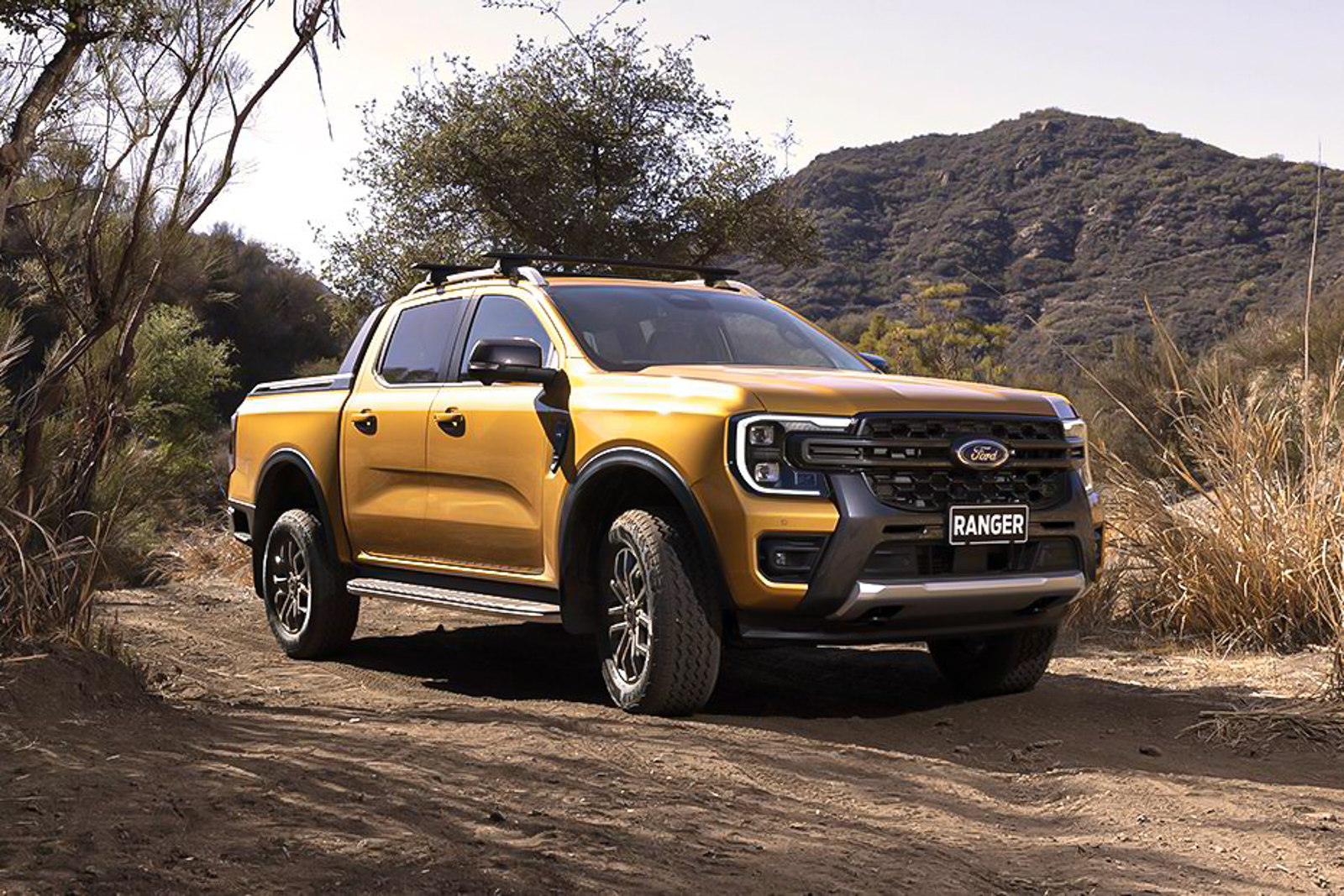
 Segment
 Body Type
 Capacity(L)
 Engine Power(PS)
 Transmission
 Driven Wheels
Malaysia's pickup truck market has always been a battleground where practicality meets performance demands, and the arrival of the 2018 Ford Ranger Raptor 2.0 Bi-Turbo directly targets users who need daily cargo capabilities while craving hardcore off-road experiences. As the high-performance version of the Ranger series, it not only continues the practicality of pickup trucks but also boasts targeted upgrades in power and off-road configurations. This time, we got our hands on the real car with the main purpose of verifying whether it can simultaneously meet the comfort of urban commuting and the capability on unpaved roads to see if the label "performance pickup" lives up to its name.
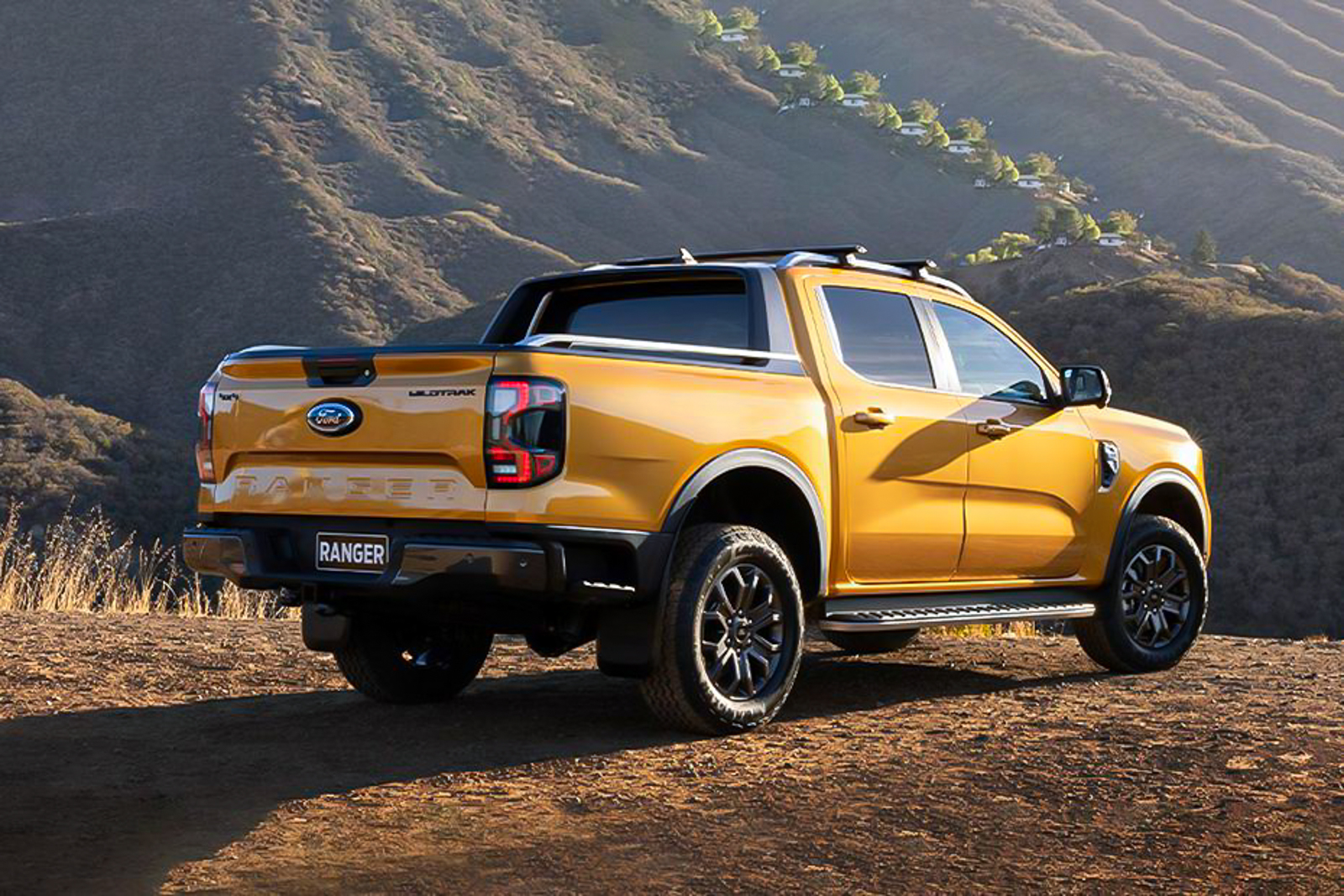
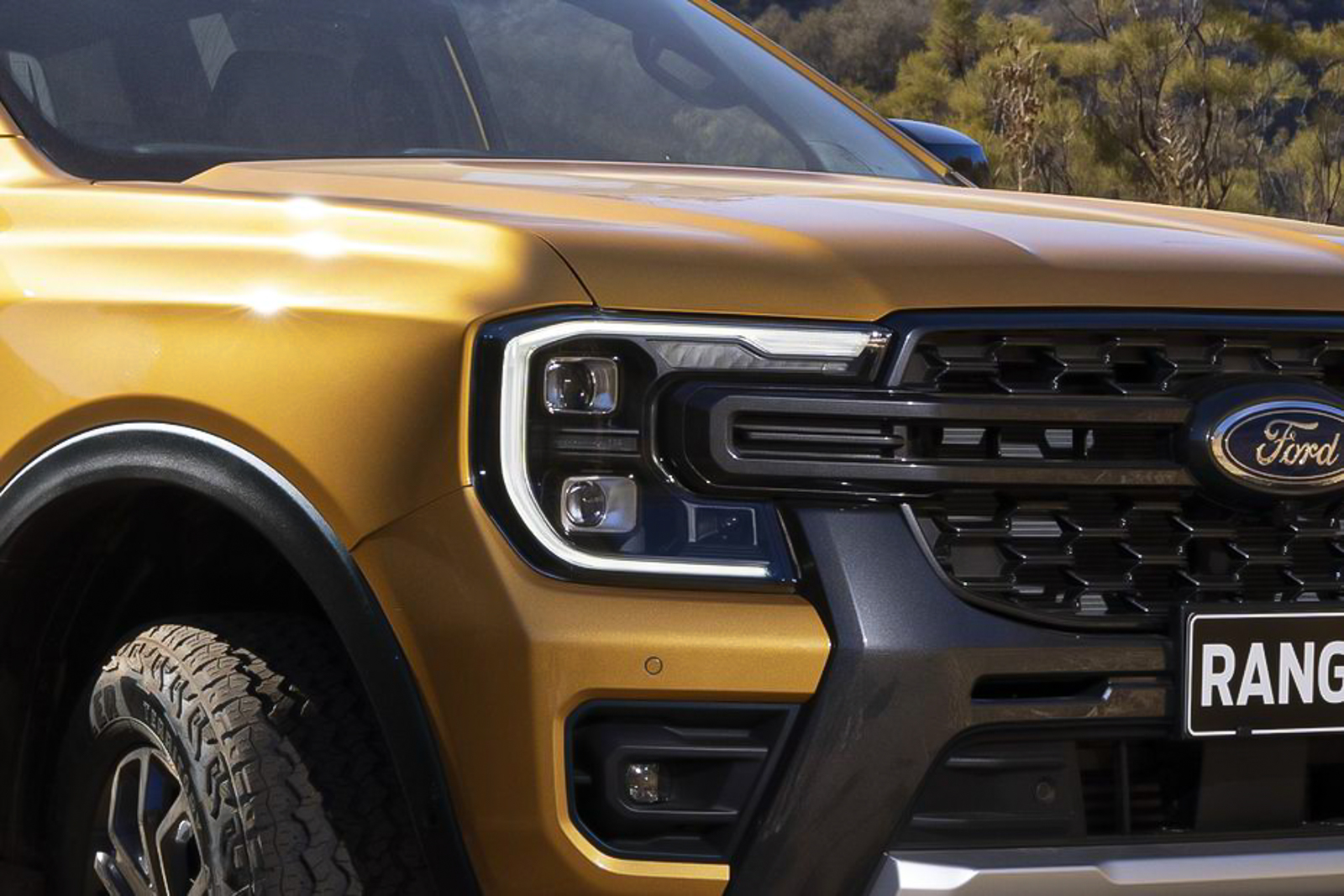
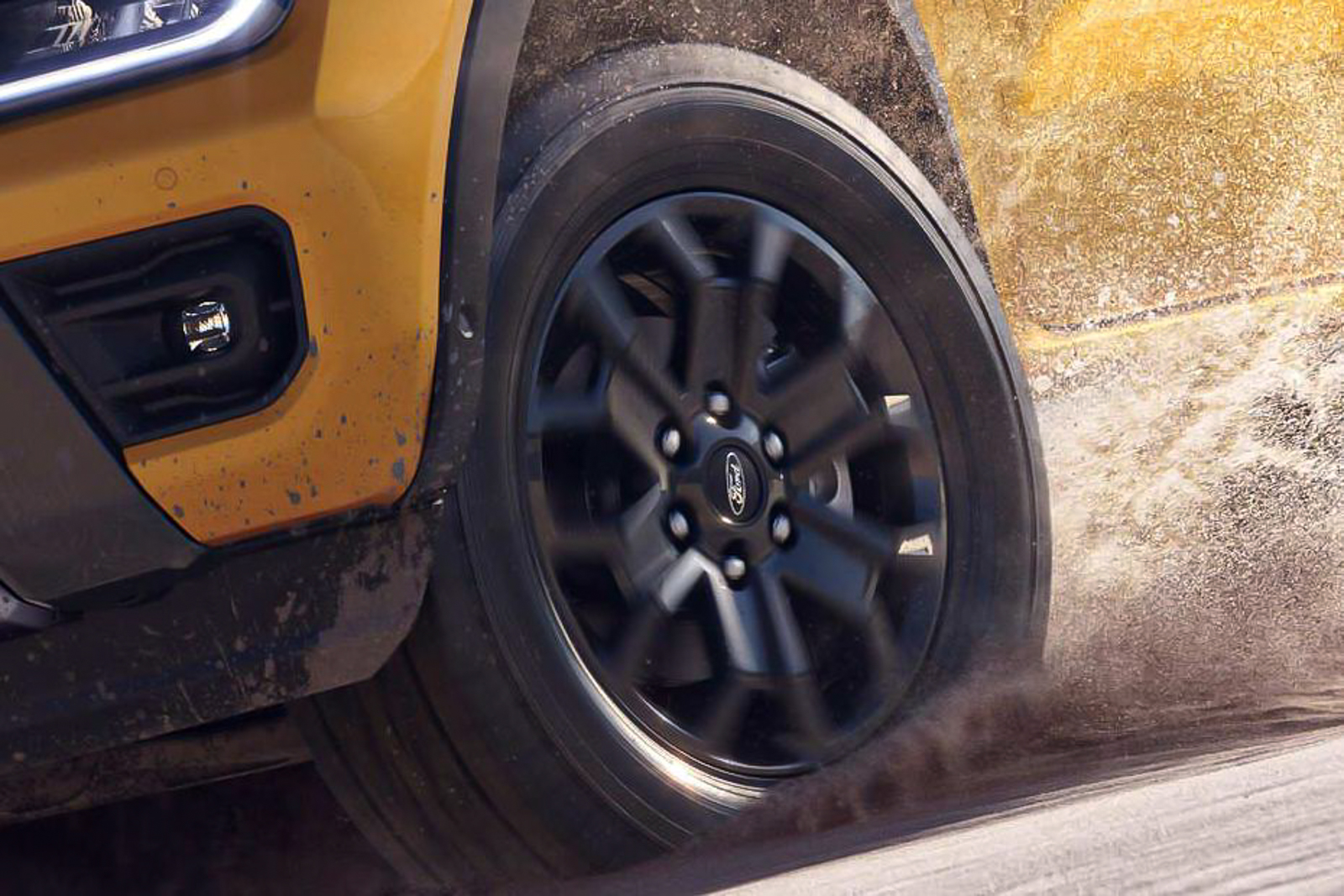
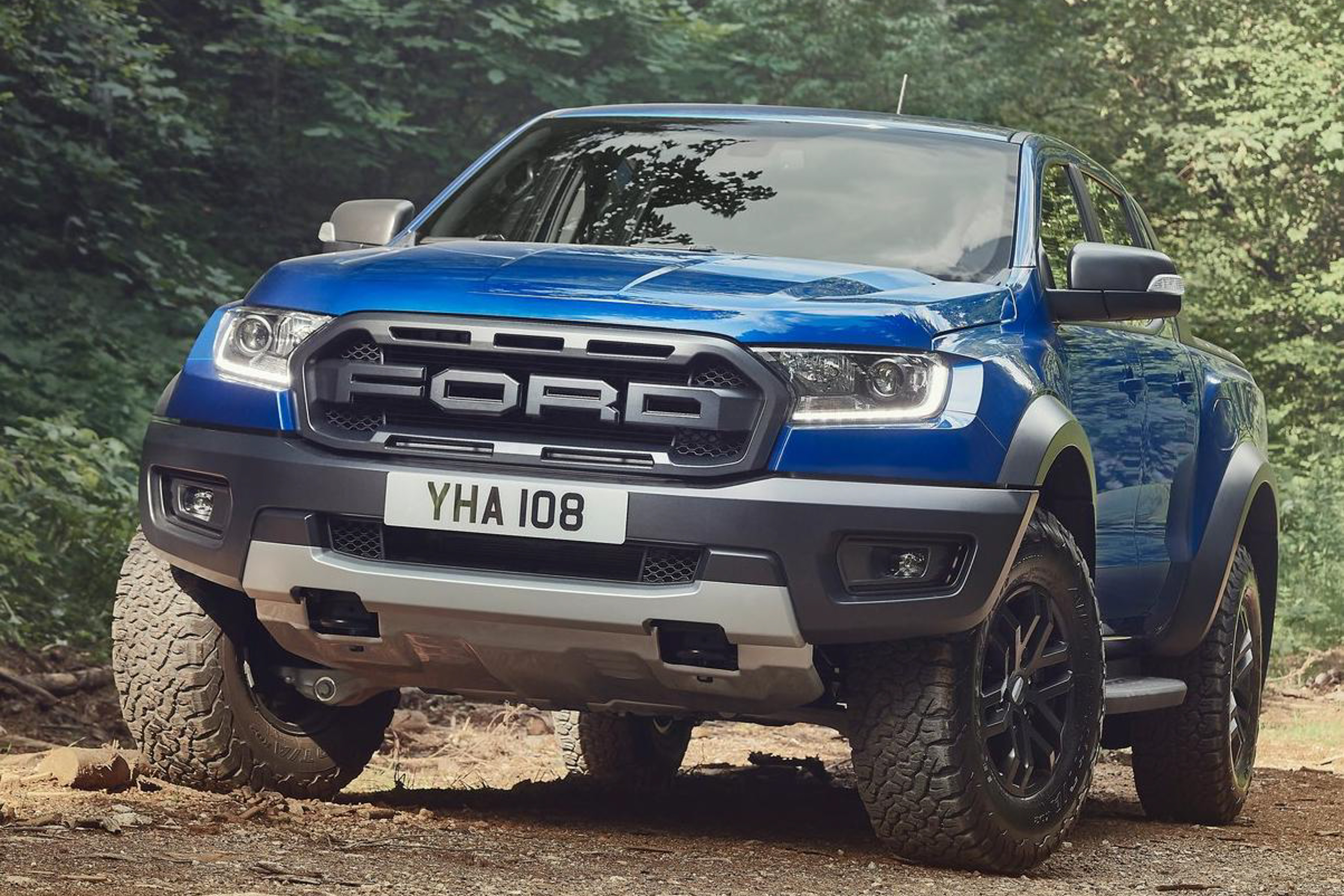
In terms of appearance, the Raptor’s recognizability far surpasses the standard version of the Ranger. The front features a large black trapezoidal grille, along with the "FORD" lettering, emphasizing its rugged style. The body lines are tough and sharp, and the flared fenders in combination with 285/70 R17 all-terrain tires deliver a highly impactful visual impression. The rear of the car retains the practical layout of a pickup truck, with vertically designed taillights and a tow hook below the rear bumper, balancing aesthetics and functionality. The lighting system comes standard with xenon headlights and daytime running lights, and the automatic headlight function switches automatically in tunnels or rainy weather, enhancing convenience.
Stepping inside the vehicle, the interior style leans towards practicality but features some performance-inspired touches in the details. The center console adopts a symmetrical layout, with materials primarily consisting of hard plastic, although the door panels and seats are wrapped in leather for a reasonably pleasant touch. The 10-inch central control screen supports Apple CarPlay and Android Auto with smooth operation. In terms of features, the front seats support 8-way electric adjustment, with the driver's seat also providing lumbar support. The rear seats can be folded upwards, providing storage space underneath, which is convenient for placing tools or small items. The dual-zone automatic air conditioning can meet the different temperature needs of the front and rear passengers, and the rear row is equipped with air-conditioning vents and USB ports, ensuring rear passenger comfort during long trips. The instrument panel features a combination of digital and analog design and can display information such as tire pressure and slope needed for off-road driving, which is highly functional.
In terms of space, the Raptor has a wheelbase of 3,220mm, providing a spacious front row seating area. For a passenger standing 180cm tall, with the seat adjusted, there is still a fist's distance of headroom. Rear legroom is moderate, fine for short trips, but may feel slightly cramped for longer journeys; however, for a pickup truck, it meets the standard. The cargo capacity is 1,180L, easily accommodating large luggage or tools, and the sides of the cargo bed are equipped with tie-down hooks for securing items. With a minimum ground clearance of 283mm, the approach and departure angles are larger than those of the standard Ranger version, making it less likely to scrape the undercarriage during off-road driving.
In terms of performance, the 2.0L twin-turbo diesel engine delivers a maximum power of 213PS and a peak torque of 500N·m, paired with a 10-speed automatic transmission. The power responds actively at startup, and a light push on the accelerator provides a noticeable thrust; mid-to-late acceleration is also solid, and the transmission shifts smoothly without significant jerking during overtaking. In off-road mode, the part-time four-wheel-drive system can transition between two-wheel drive, high-speed four-wheel drive, and low-speed four-wheel drive. Together with the rear differential lock, it performs strongly on muddy or rocky roads. We tested its fuel efficiency, finding approximately 10L/100km in urban conditions and around 8.5L per 100km on highways. For a vehicle weighing 2.3 tons, this performance meets expectations.
The Raptor's chassis tuning leans towards off-road performance, but it doesn't feel overly bumpy when driving in the city. The front double-wishbone independent suspension and rear solid axle non-independent suspension can filter out most vibrations when driving over speed bumps. The steering is precise with minimal dead zone, and the vehicle remains stable at high speeds. During off-road driving, the long suspension travel handles significant uneven terrain with ease, and the 4WD system engages quickly to provide excellent off-road capability. In terms of noise control, there is some wind and tire noise at high speeds, but the diesel engine noise is well suppressed and does not affect conversations inside the cabin.
For safety features, the Raptor comes standard with 6 airbags, ABS, ESP, and hill-start assist, as well as front and rear parking sensors and a 360-degree panoramic camera to prevent minor collisions during parking. ISOFIX child seat anchors are also equipped, offering peace of mind for families traveling with children.
In summary, the core strengths of the 2018 Ford Ranger Raptor 2.0 Bi-Turbo lie in its powerful performance, excellent off-road capabilities, and relatively rich configuration. Compared to its class competitor, the Toyota Hilux Rogue, it boasts stronger power parameters and more comprehensive off-road features, though at a slightly higher price point. It is suitable for users who need to balance work and off-road life, such as those frequently visiting construction sites while enjoying weekend adventures, or families seeking a pickup truck that is both practical and fun. If you're looking for a performance pickup that can work hard and handle off-road adventures, the Raptor is definitely worth considering.
Ford Ranger Car Compare
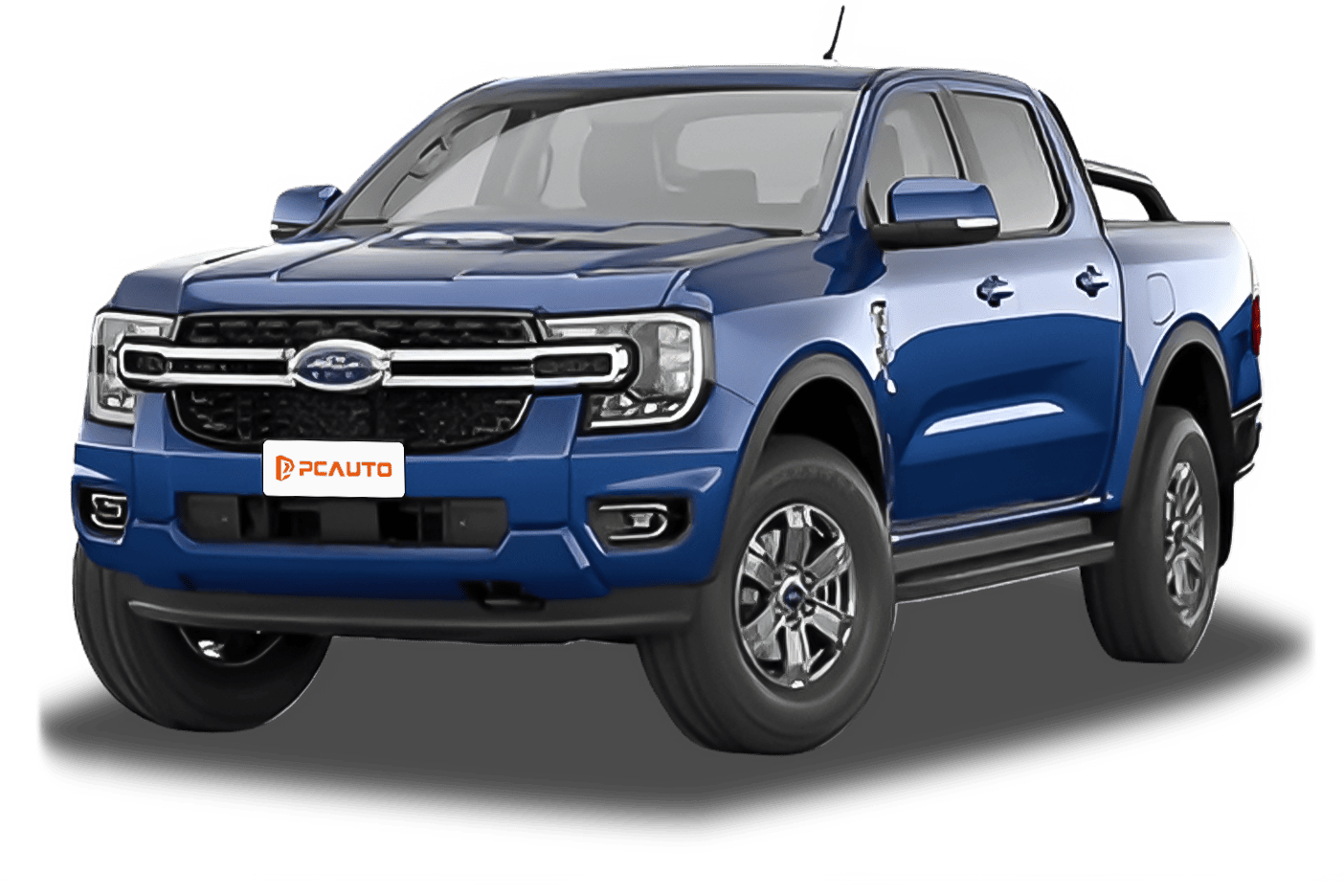
Ford Ranger Loan Calculator
Cars With Similar Price And Features
5
Rank in Pickup
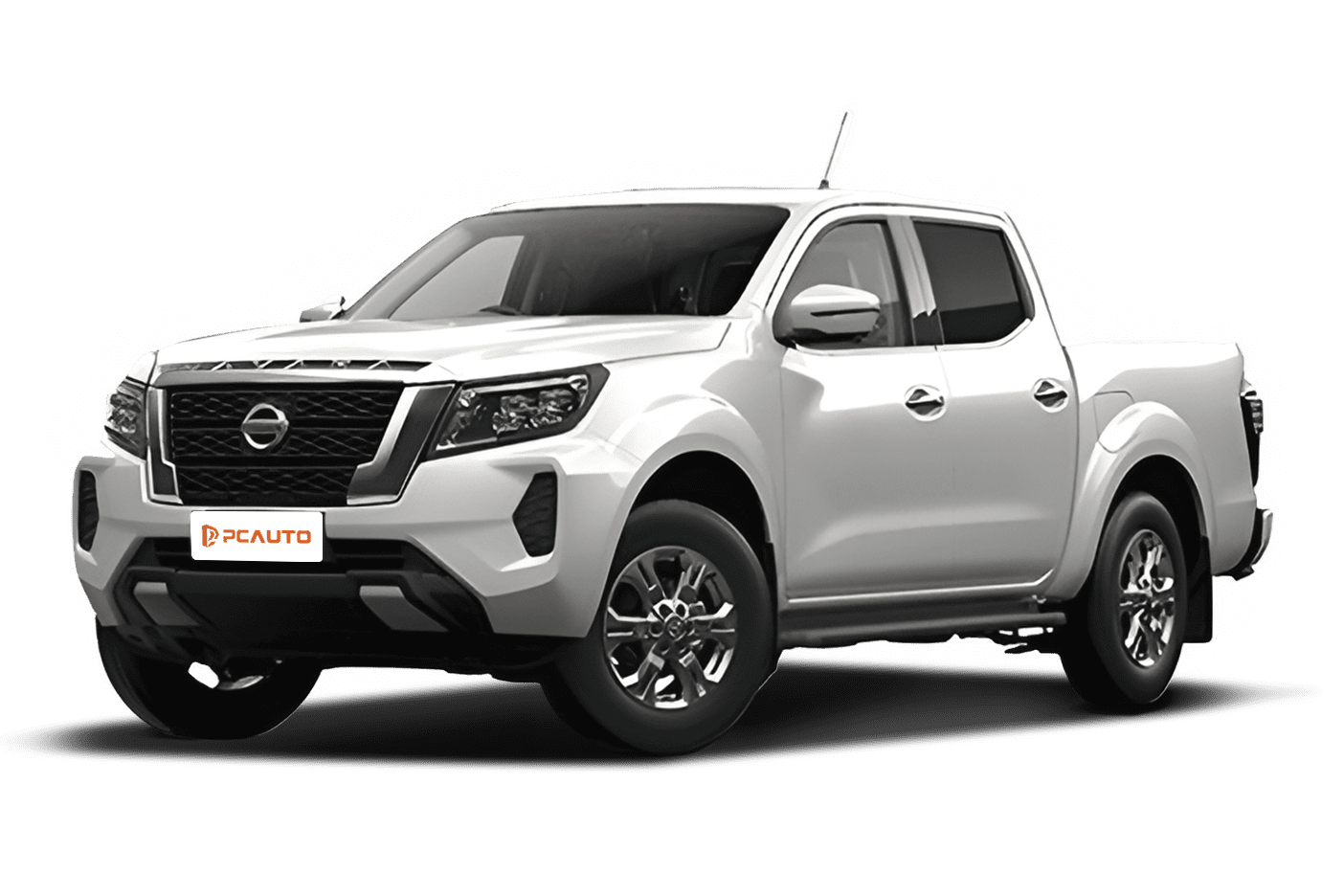
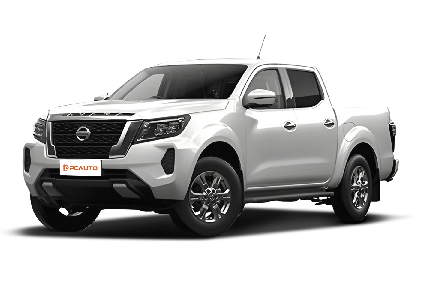
2023 Nissan Navara 2.5 VL Black Edition is a pickup truck that balances household comfort with light off-road capability, featuring exclusive black trims, a full suite of active safety features, and practical configurations, precisely catering to the needs of families and small business owners.
4
Rank in Pickup
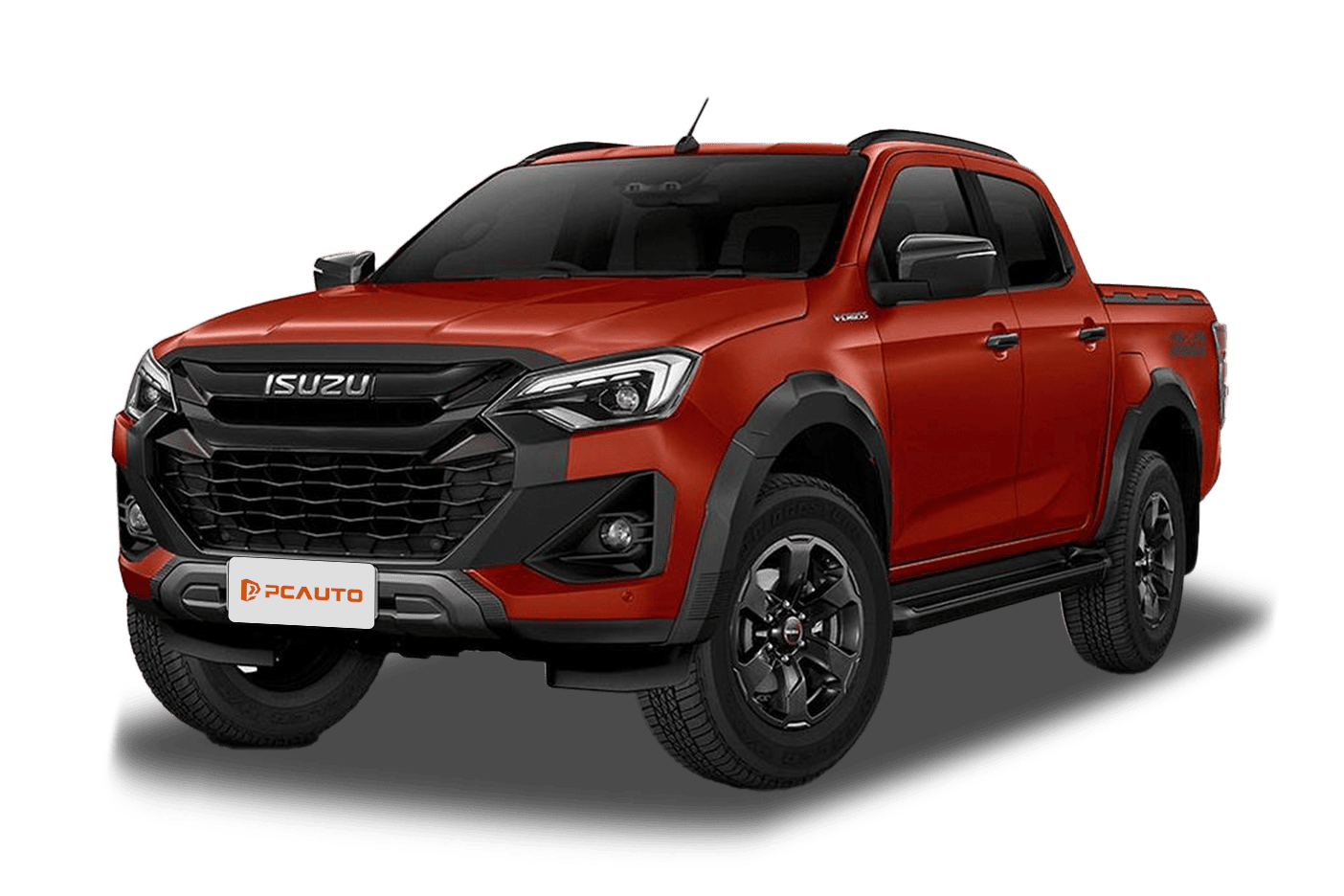
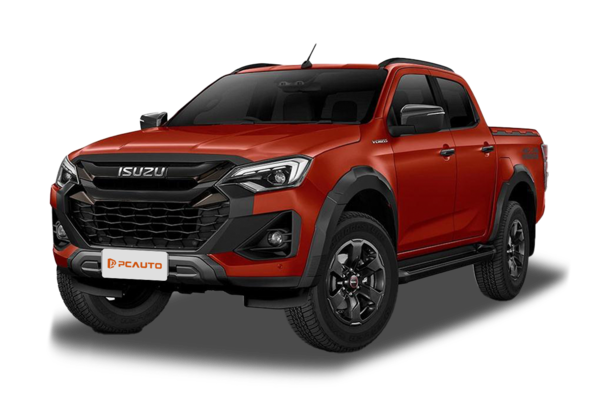
2025 Isuzu D-MAX 1.9L 4x2 Low Ride is an entry-level passenger pickup, offering a balance of practical space, reliable diesel performance, and fuel economy, suitable for family transport and small business cargo needs.

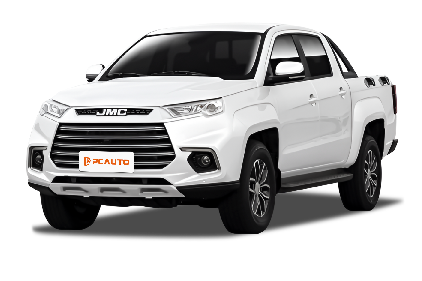
2023 JMC Vigus Pro White Series 2.0L 4WD 8AT combines rugged design, practical features, and powerful diesel performance, balancing everyday durability and mild off-road needs, making it a high-value choice for pickup users.
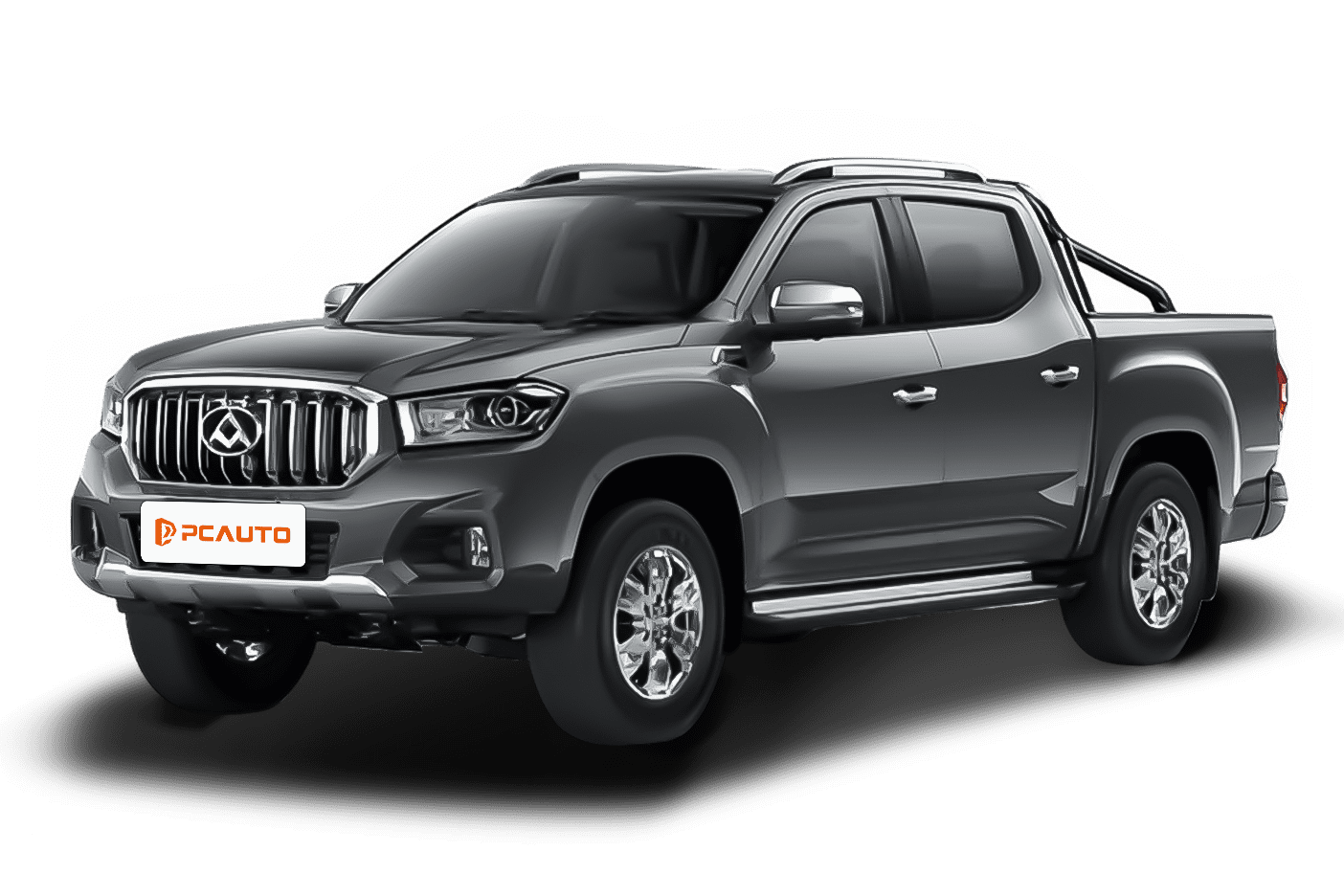
2022 Maxus T60 2.8L 4WD AT is a practical pickup truck that balances work and life. The strong diesel torque and 4WD capability meet cargo and off-road needs, while the premium features and spacious interior enhance daily comfort.