

2018 Honda City 1.5 Hybrid Review

 Share
Share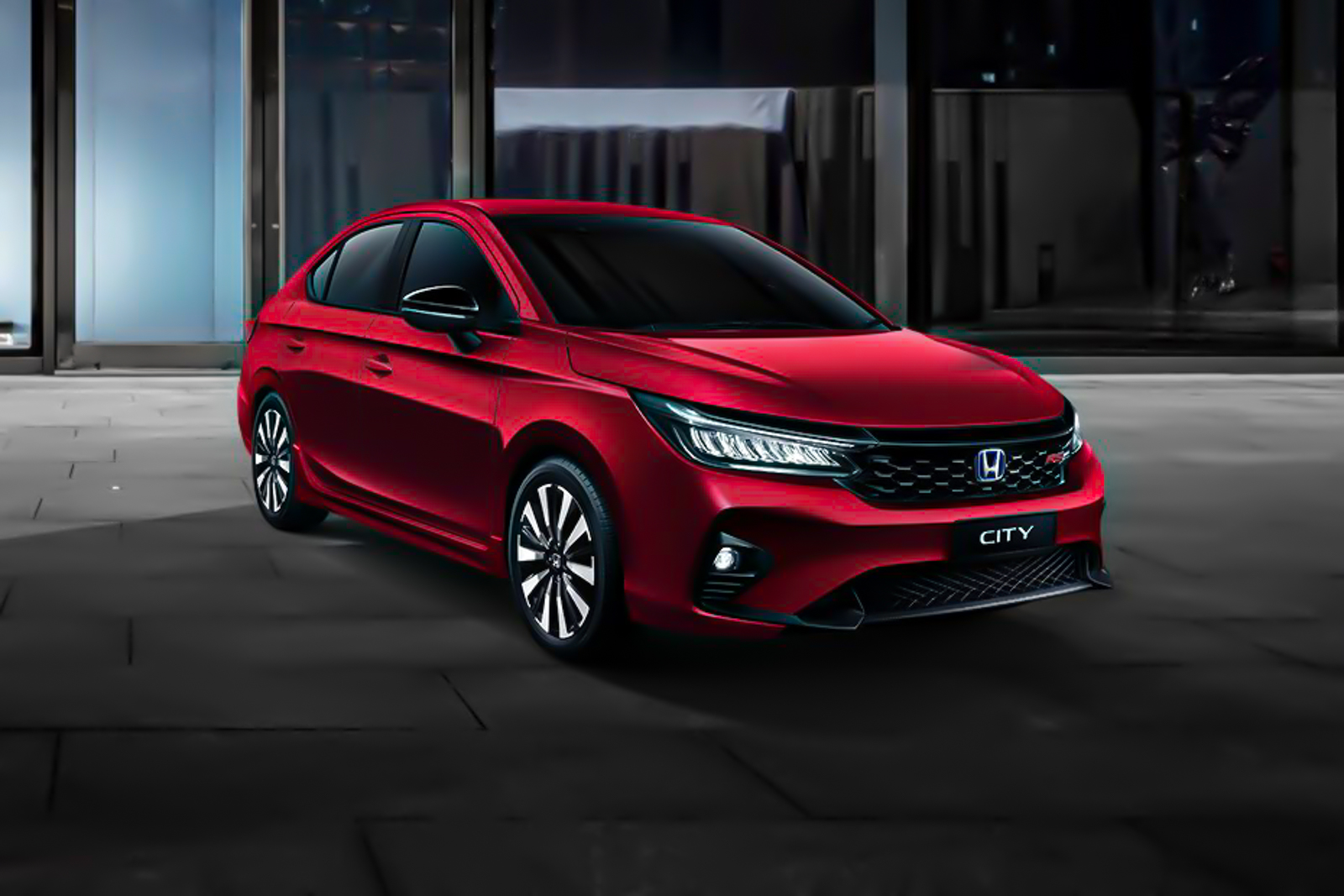
 Segment
 Body Type
 Capacity(L)
 Engine Power(PS)
 Transmission
 Driven Wheels
In Malaysia's B-segment sedan market, fuel efficiency and practical space have always been the core demands of family users. The 2018 Honda City 1.5 Hybrid, as a representative hybrid vehicle in this segment, attracts many consumers who prioritize long-term cost savings with its core selling points of "fuel economy + Honda's reliable quality." This test drive will focus on its design, space, driving performance, and daily practicality to see if this hybrid sedan can meet the diverse needs of local users.
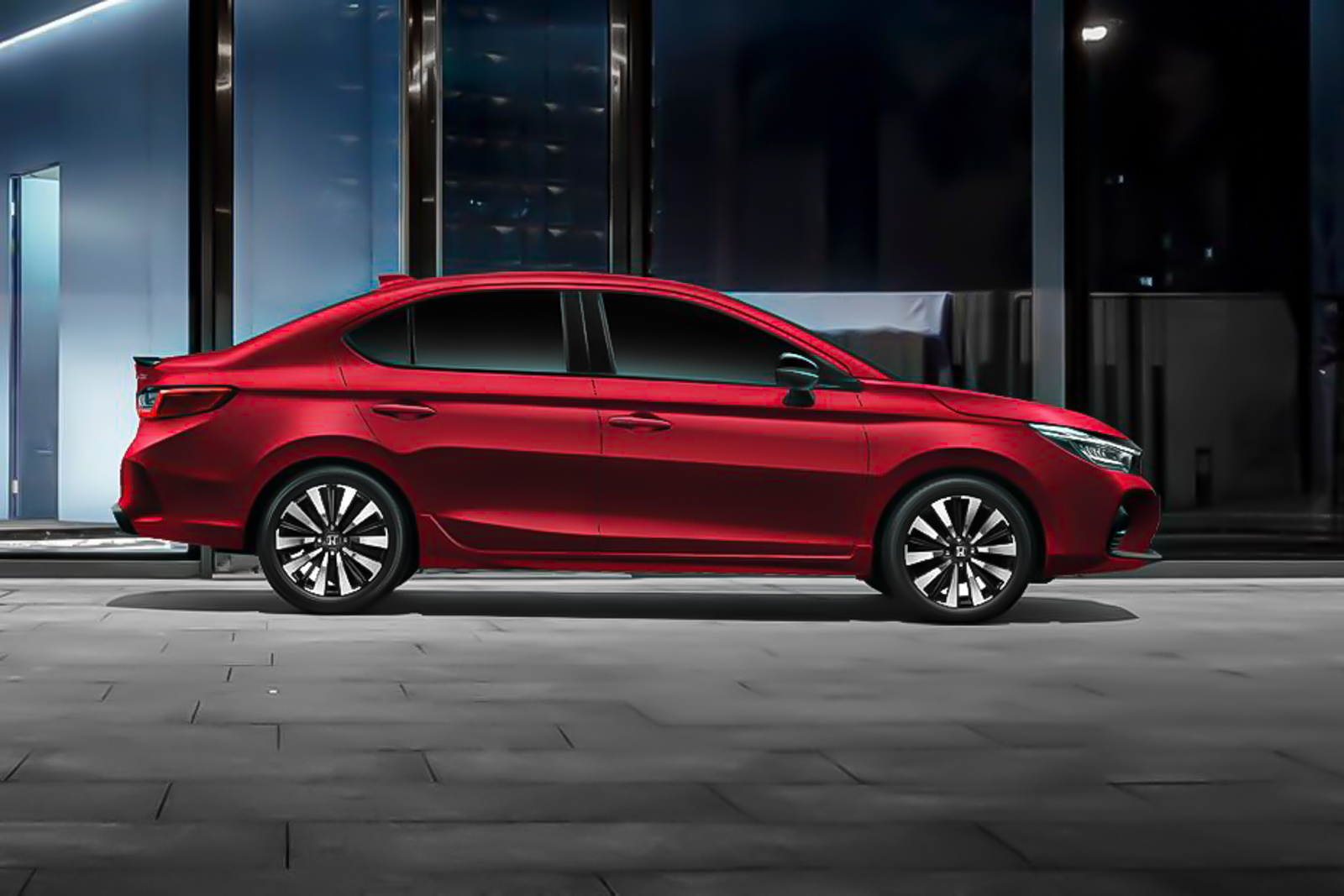
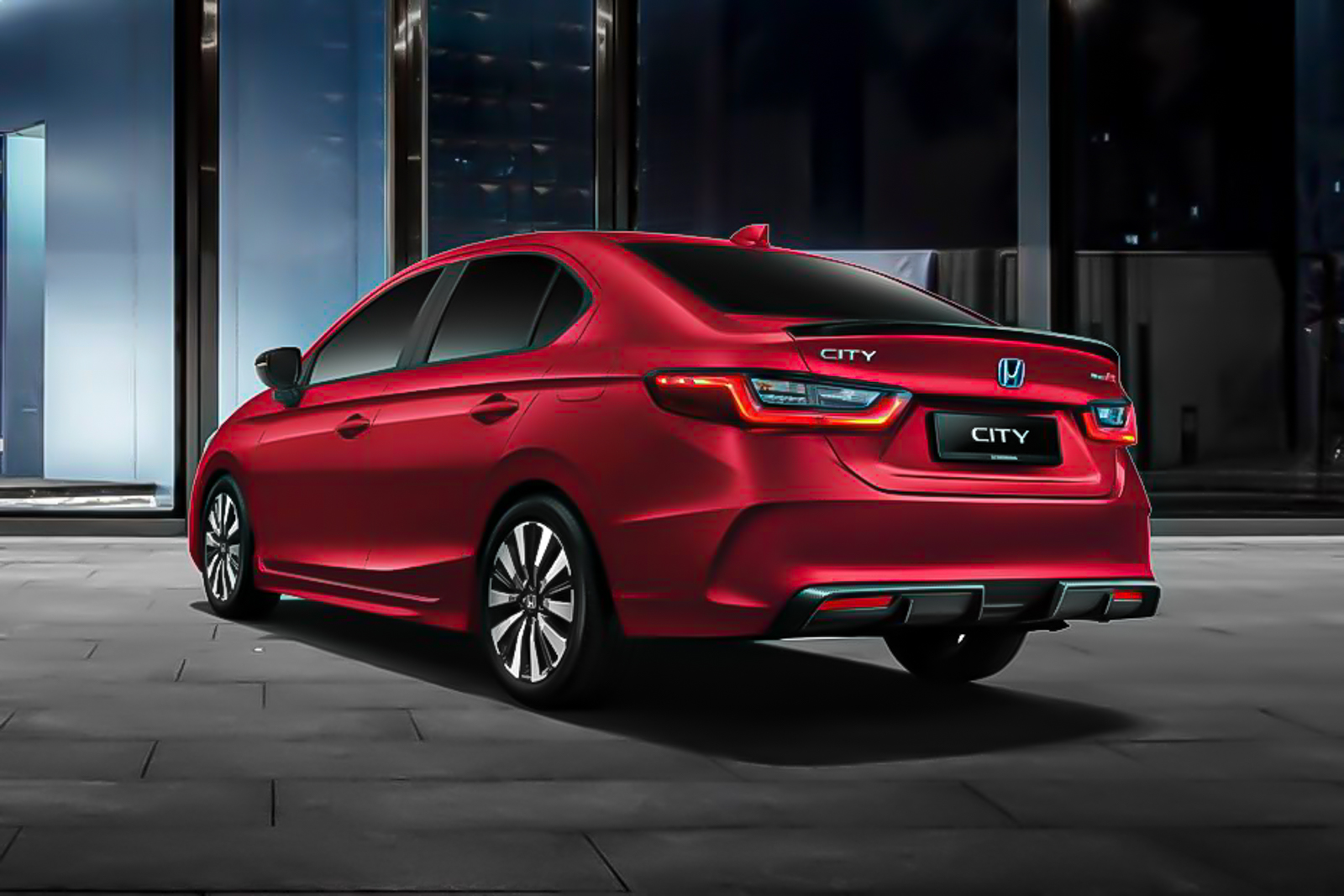
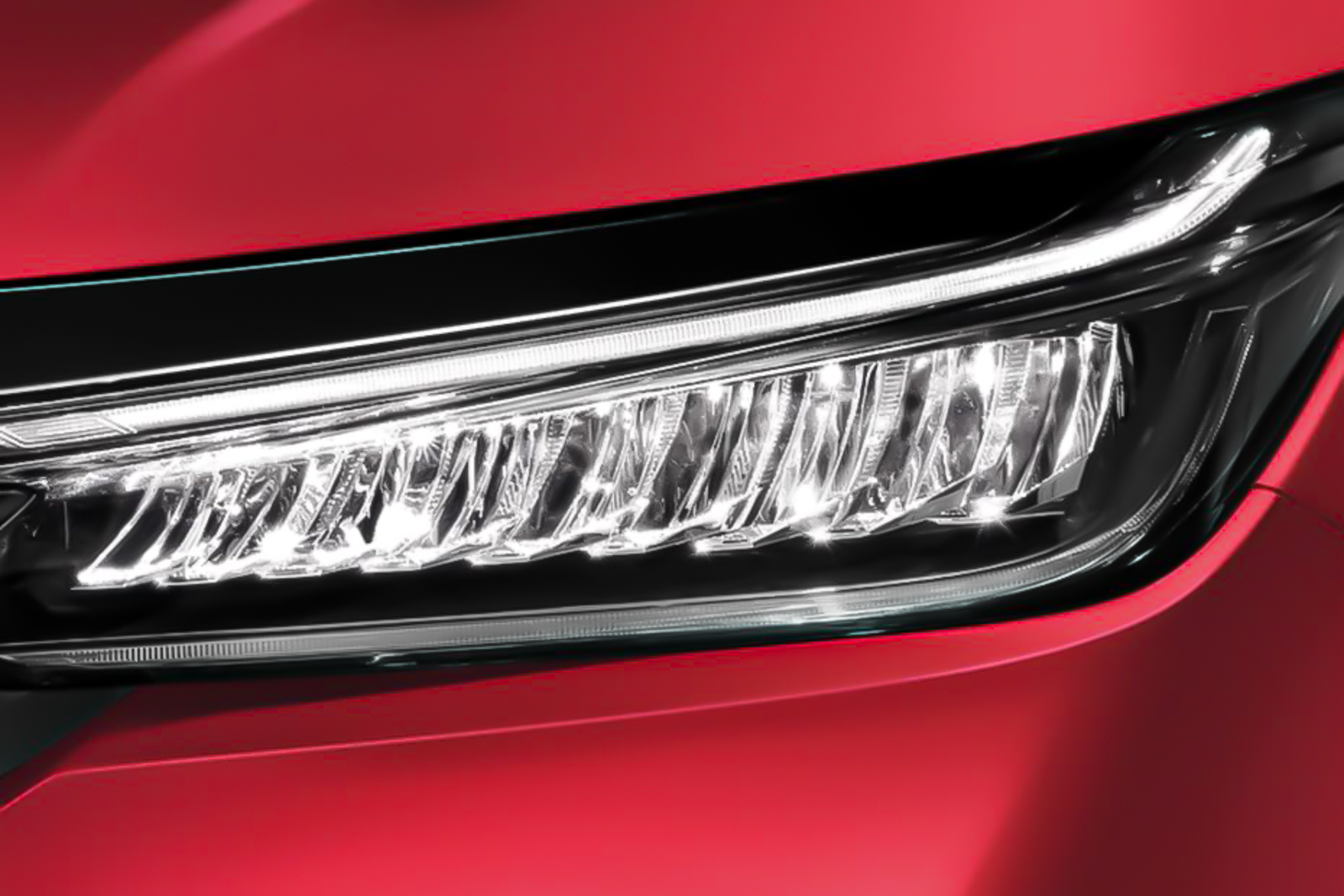
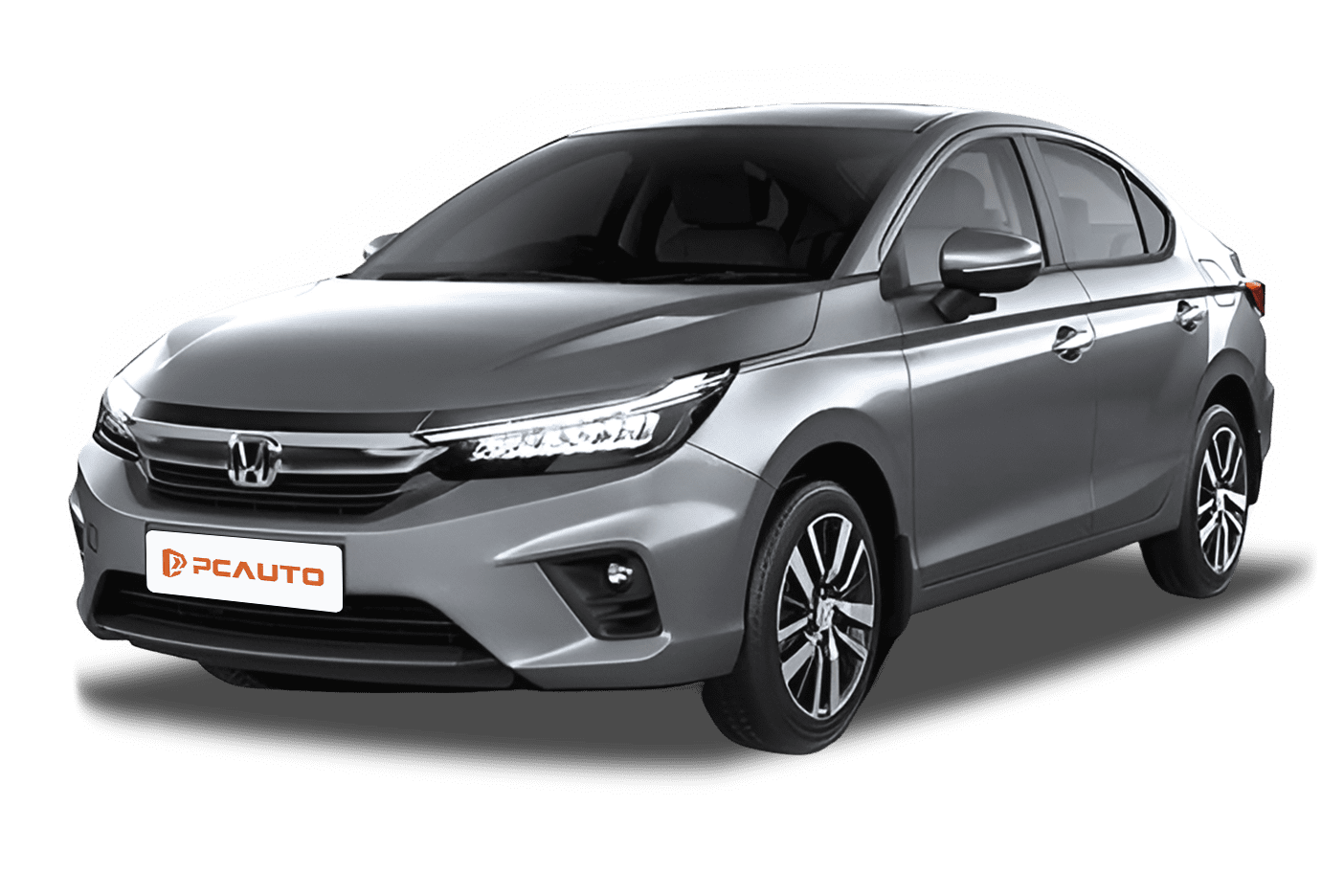
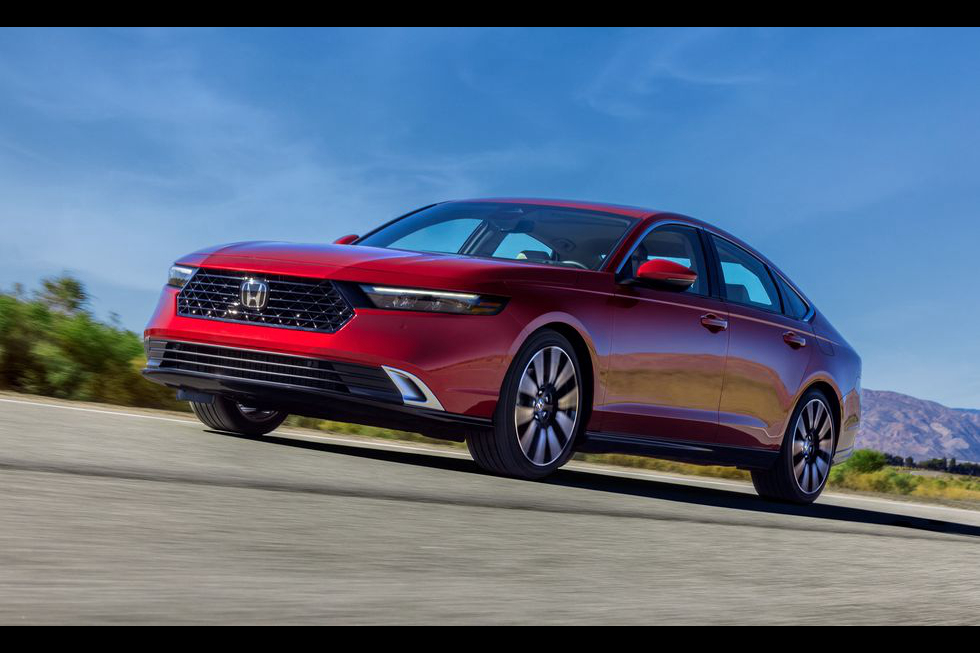
In terms of appearance, the 2018 City Hybrid continues the family design style with smooth lines that lean towards a family-oriented look. The front fascia features Honda's signature chrome grille, matched with LED daytime running lights and halogen main headlights, providing high recognition. The side profile showcases a waistline running from the front to the rear of the car, paired with 16-inch tires, offering a harmonious proportion. At the rear, the LED tail light cluster is connected with a chrome strip, resulting in a clean and elegant finish. Compared to the standard gasoline version, the hybrid version adds a "Hybrid" badge in some details to signify its unique identity. However, the overall design remains largely unchanged, maintaining a focus on a stable and practical look.
Inside, the interior style leans practical, with a simple and clear layout for the dashboard. The central control area is equipped with a 6.8-inch touchscreen, supporting basic multimedia functions with fairly responsive operations. Regarding materials, the upper dashboard uses hard plastic, but the seams are well-finished, aligning with the positioning of this class. In terms of equipment, the standard keyless entry, push-start button, and multifunction steering wheel (with paddle shifters) enhance daily convenience. The single-zone automatic air conditioning in the front, rear air vents, and a 220V power outlet take into account the needs of family users. The seats are manually adjustable, and the rear seats support a 60:40 split fold, which can expand the trunk space after folding, further enhancing practicality.
For space performance, its 2600mm wheelbase is at the mainstream level for B-segment vehicles. The front row offers ample space; a passenger with a height of 175cm still has a fist-worth of headroom. In the rear, legroom is about two fists, and headroom is one fist, meeting the everyday commuting needs of families. The trunk has a capacity of 536 liters, which can easily accommodate three 20-inch suitcases. Its storage capability performs well within the same segment. Additionally, the interior is designed with multiple storage compartments, such as door panel storage slots and a central armrest box, making it convenient for storing small items.
For dynamic driving, the City Hybrid is equipped with a 1.5L naturally aspirated engine combined with an electric motor, delivering a combined maximum power of 137PS and paired with a DCT gearbox. During start-up, the electric motor engages first, providing quick and smooth power response with no jolts common to gasoline cars. At medium to low speeds, the electric motor works in tandem with the engine, resulting in brisk acceleration. When overtaking and stepping harder on the accelerator, power output is sufficiently confident. As for driving modes, although there is no dedicated sport mode, the paddle shifters allow adjustment of energy regeneration levels, adding an element of driving fun.
The handling and chassis performance align with a family-oriented focus. The front MacPherson independent suspension is tuned for comfort, effectively filtering out bumps when navigating Malaysia’s common speed bumps or uneven roads, ensuring passengers do not feel obvious discomfort. The steering is precise, with minimal play, and the body’s roll is well-controlled during cornering, resulting in stable overall driving dynamics. In terms of braking, the brake pedal feels linear, and the braking force is adequate, providing a strong sense of safety.
Fuel efficiency is the core advantage of hybrid models, with an officially rated combined fuel consumption of 5.7L/100km. During actual test drives, urban congestion fuel consumption was approximately 6.2L/100km, while on highways it was around 5.3L/100km, meeting expectations. Compared to fuel-powered vehicles of the same class, City Hybrid has a significant advantage in fuel efficiency, which can save a considerable amount on fuel costs over the long term.
In terms of ride comfort, the cabin noise control is good, with wind noise and tire noise not being noticeable during high-speed driving; the seat cushioning is moderate, making long durations of sitting less tiring. The engine start-stop technology and hill start assist function enhance everyday driving convenience. It should be noted that the hybrid system produces slight vibrations when the engine engages, but this does not affect the overall experience.
Overall, the core advantages of the 2018 Honda City 1.5 Hybrid lie in its fuel efficiency, practicality of space, and balanced features, along with Honda's solid reputation for reliability in the Malaysian market. Compared with competitors of the same class, its fuel efficiency outperforms the Toyota Vios fuel version, while its space and features are not inferior to the Nissan Almera. It is suitable for users who value fuel economy and family daily usage, particularly those frequently commuting in the city or having long-distance travel needs.
In conclusion, the 2018 City Hybrid is a well-rounded family sedan with no significant shortcomings, capable of meeting the daily needs of most families. If you prioritize economic practicality and value brand reliability, this car is worth considering.
Honda City Car Compare
Honda City Loan Calculator
Cars With Similar Price And Features
6
Rank in Sedan
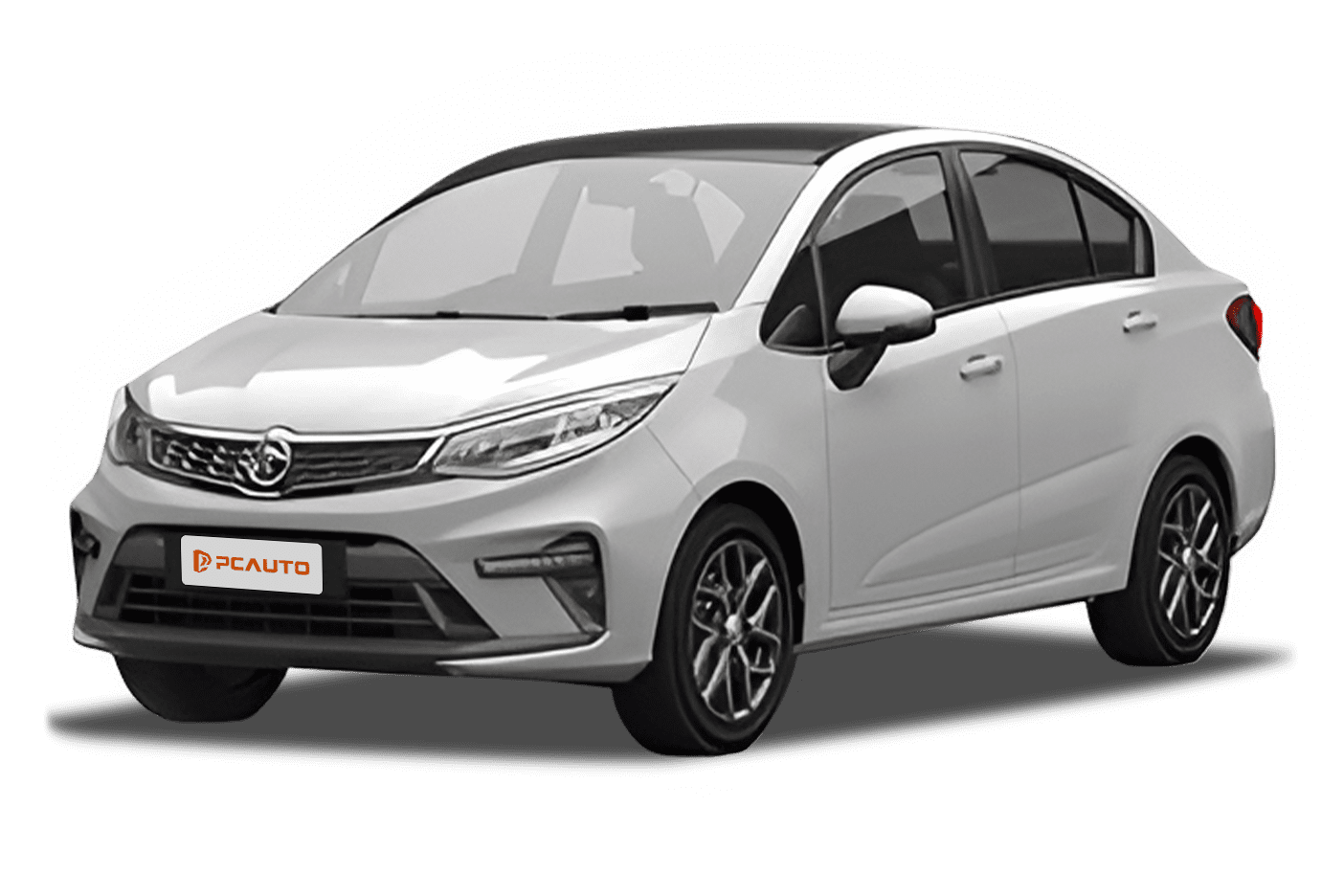
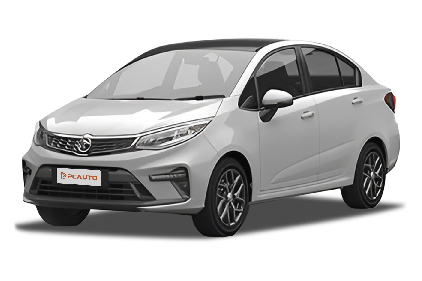
2023 Proton Persona 1.6 Standard CVT is an affordable, safety-configured entry-level family sedan with practical space, balancing daily commuting and family needs.
18
Rank in Sedan
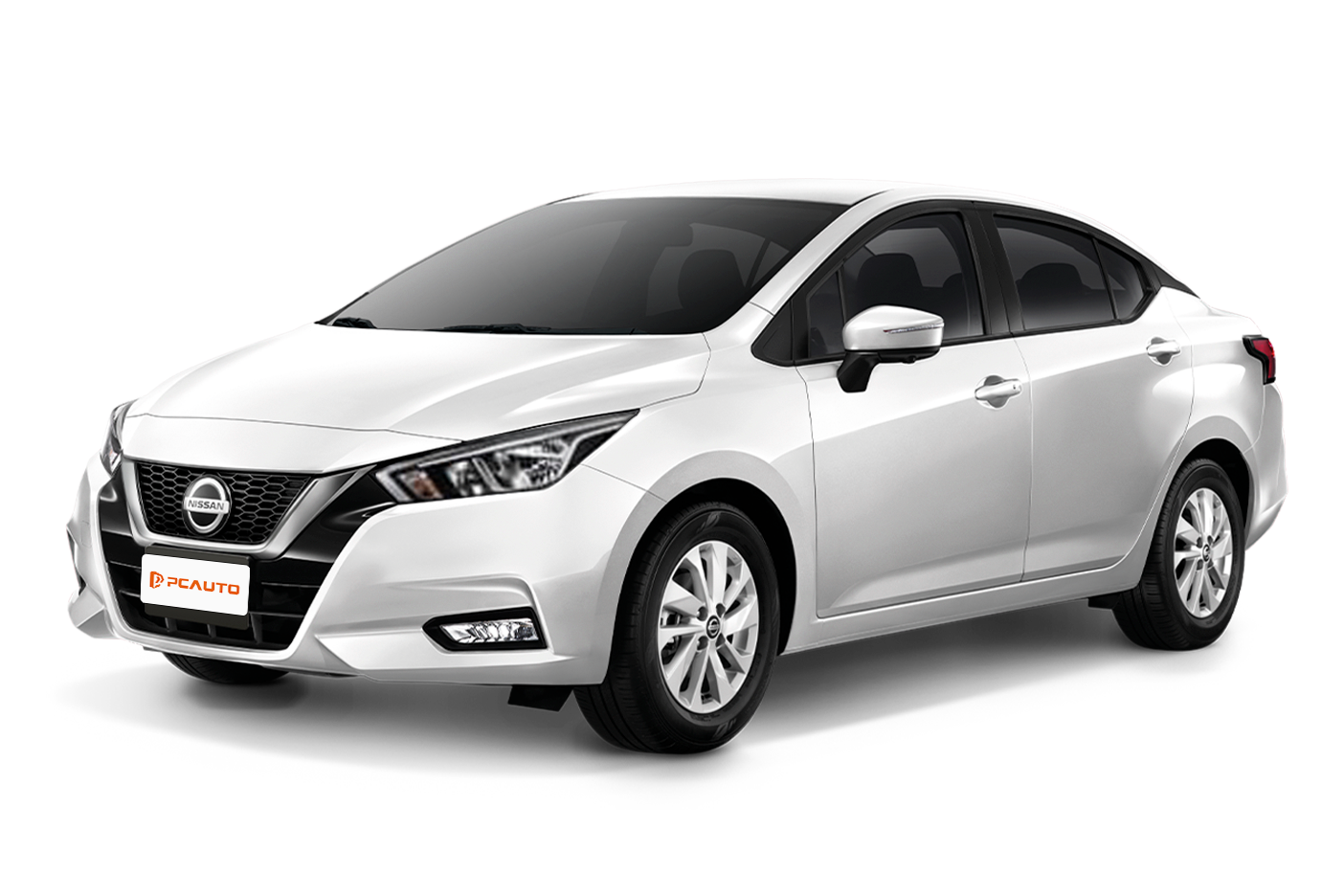
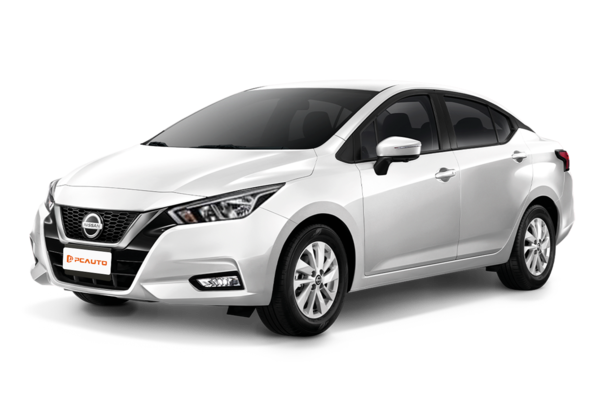
The 2024 Nissan Almera 1.0L Turbo VL is an affordable, practical, fuel-efficient, and well-equipped mid-size family sedan designed for consumers who value hassle-free commuting and family needs.
5
Rank in Sedan
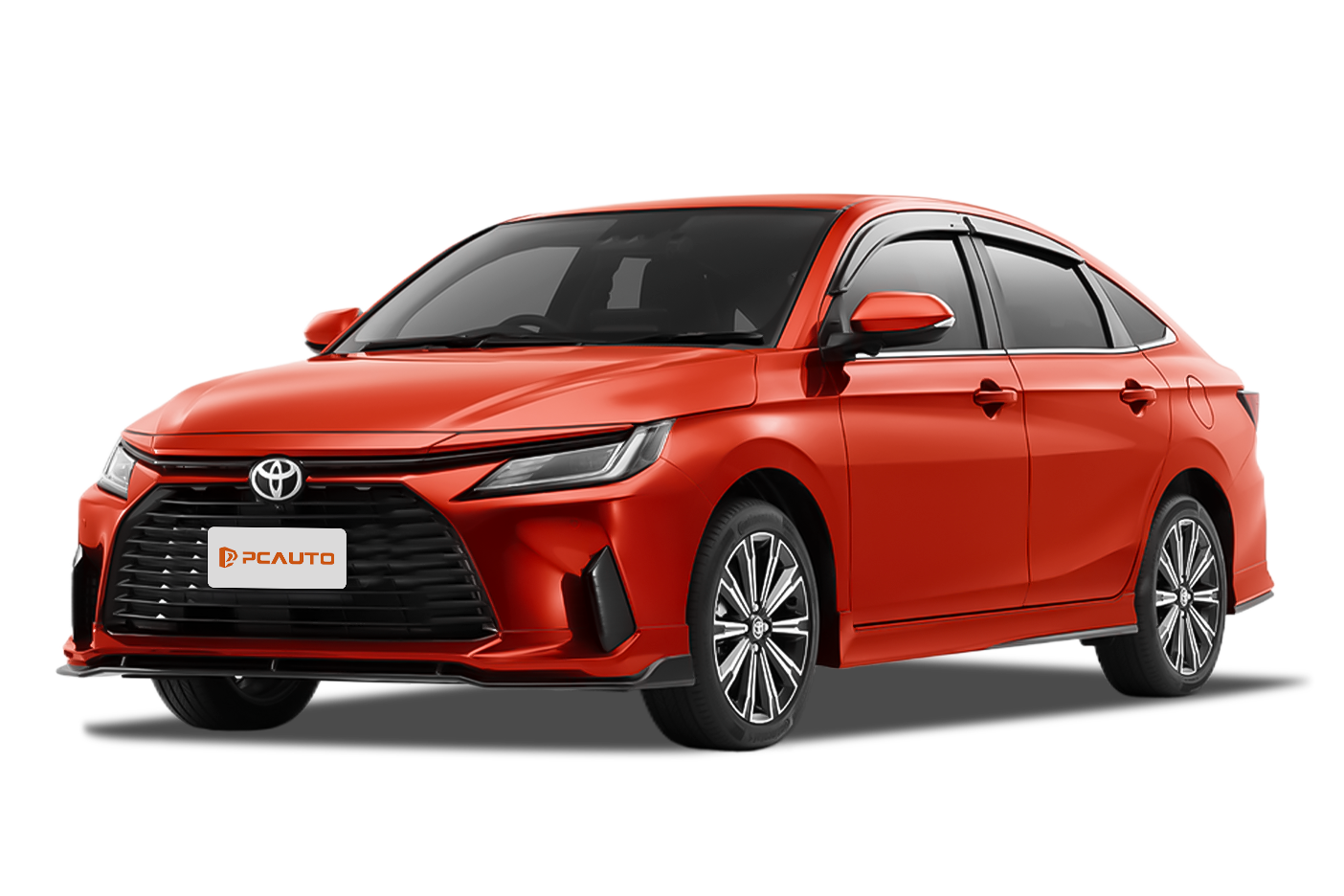
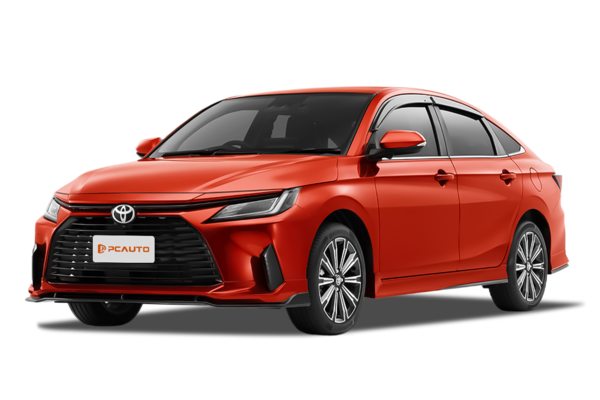
2023 Toyota Vios 1.5E AT, as a mid-range model in the facelift, with features such as the TSS Intelligent Safety System, HUD, and other high-end features being made available, along with balanced space and fuel efficiency, making it a high-value B-segment sedan choice in Malaysia.
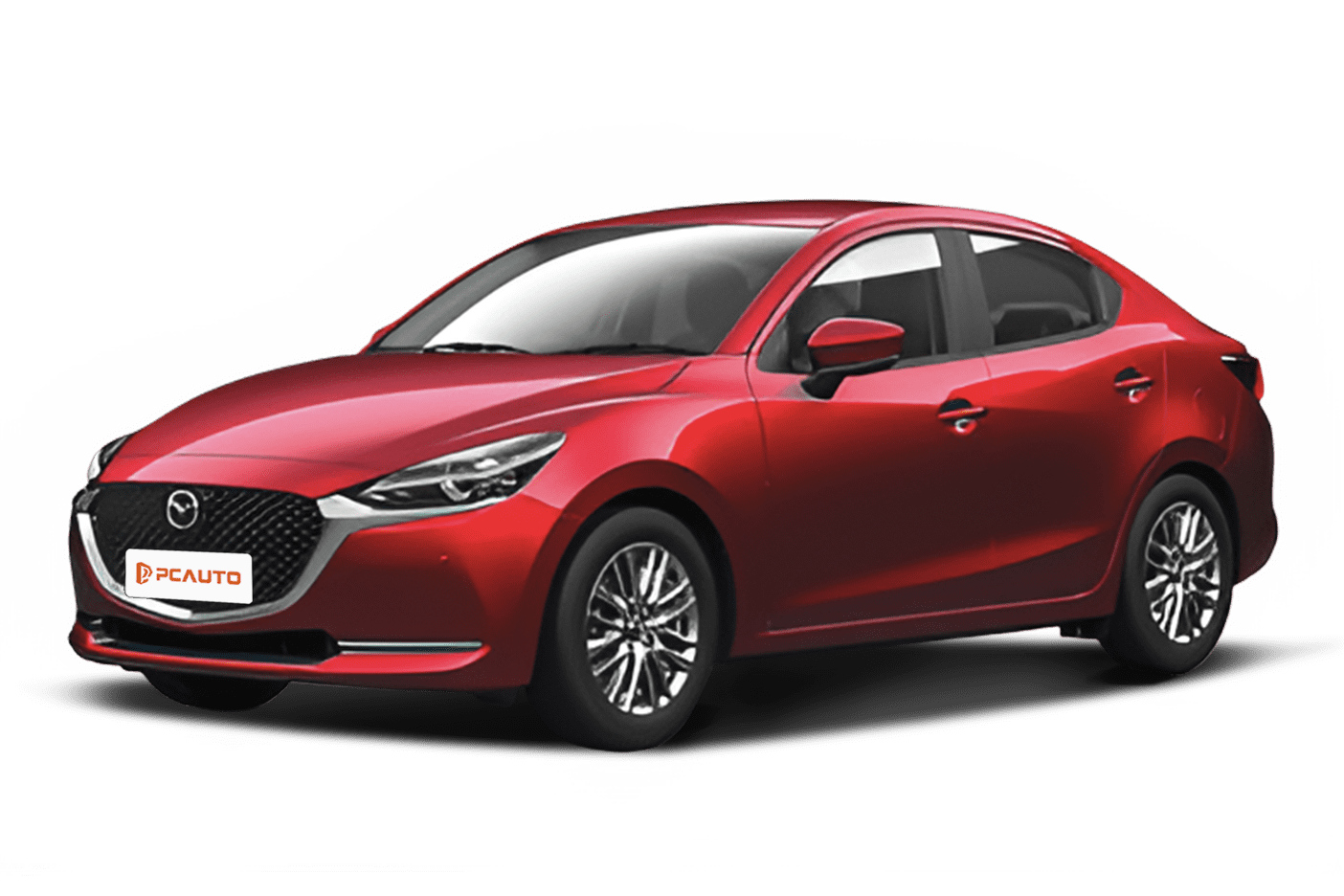
2023 Mazda 2 Sedan 1.5L is a family sedan that balances driving dynamics and practical features, with a price slightly over 100,000 MYR, making it suitable for urban commuting needs.