

2018 Honda City 1.5 V Review

 Share
Share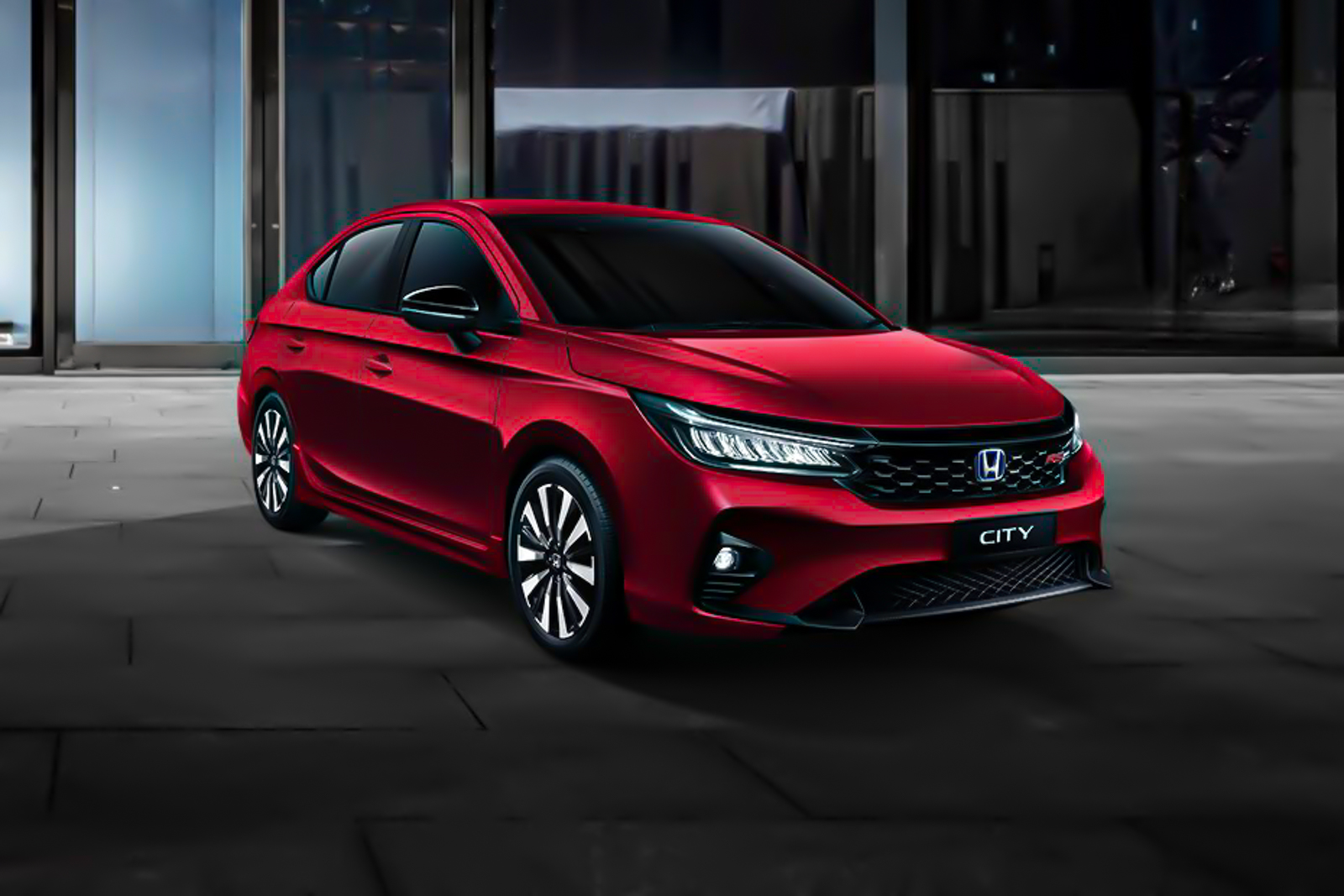
 Segment
 Body Type
 Capacity(L)
 Engine Power(PS)
 Transmission
 Driven Wheels
The B-segment sedan market has always been the core choice for Malaysian family users. Cars with sufficient space, economical fuel consumption, and suitable for daily commuting consistently dominate the mainstream. As a popular player in this segment, the 2018 Honda City 1.5 V boasts standout features such as six airbags, automatic air conditioning, and Honda's consistent reliability. Many consumers are curious whether it can truly meet the multi-scenario needs of family users. This review will evaluate its static design, space practicality, and dynamic driving experience to help readers decide whether it is worth considering.
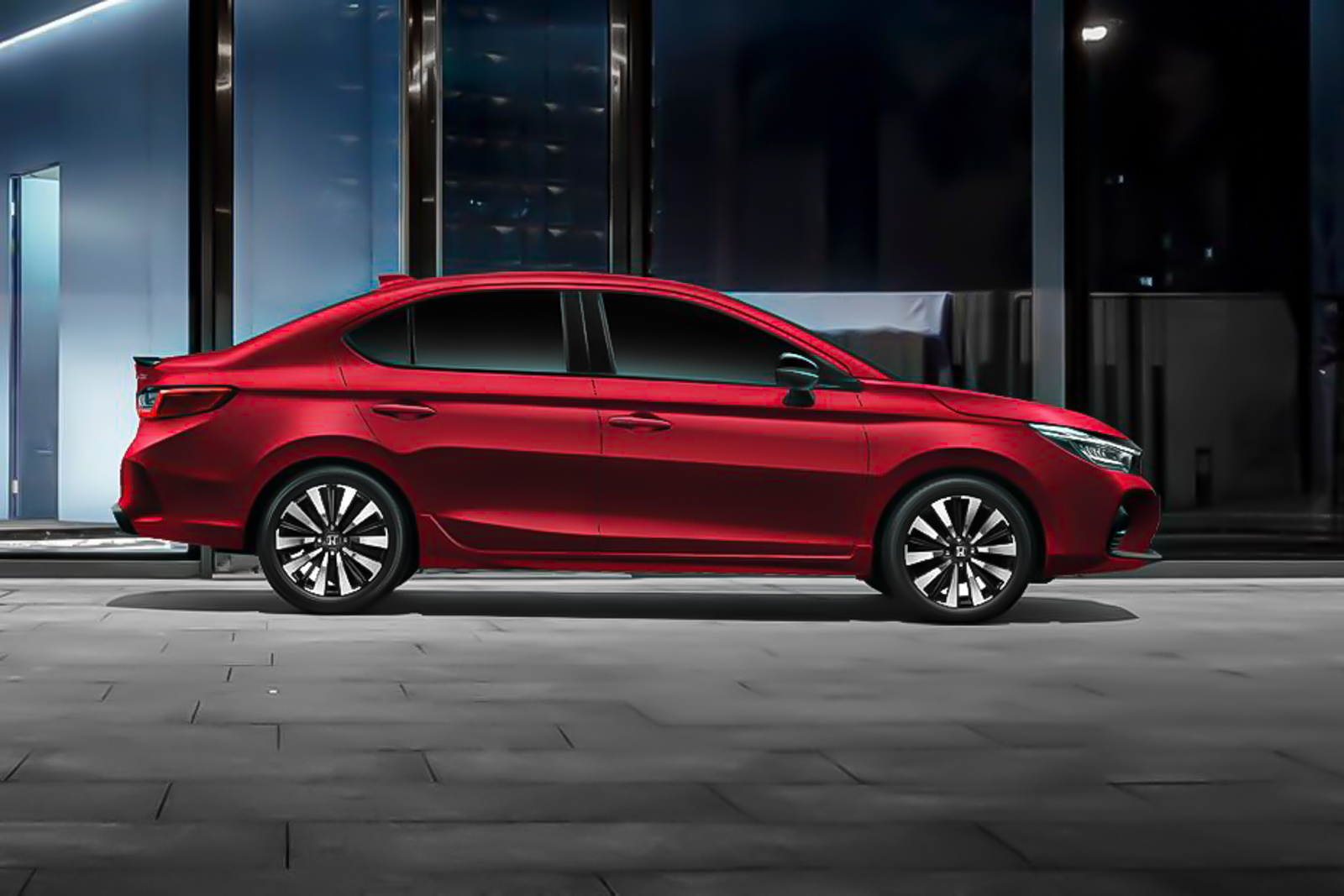
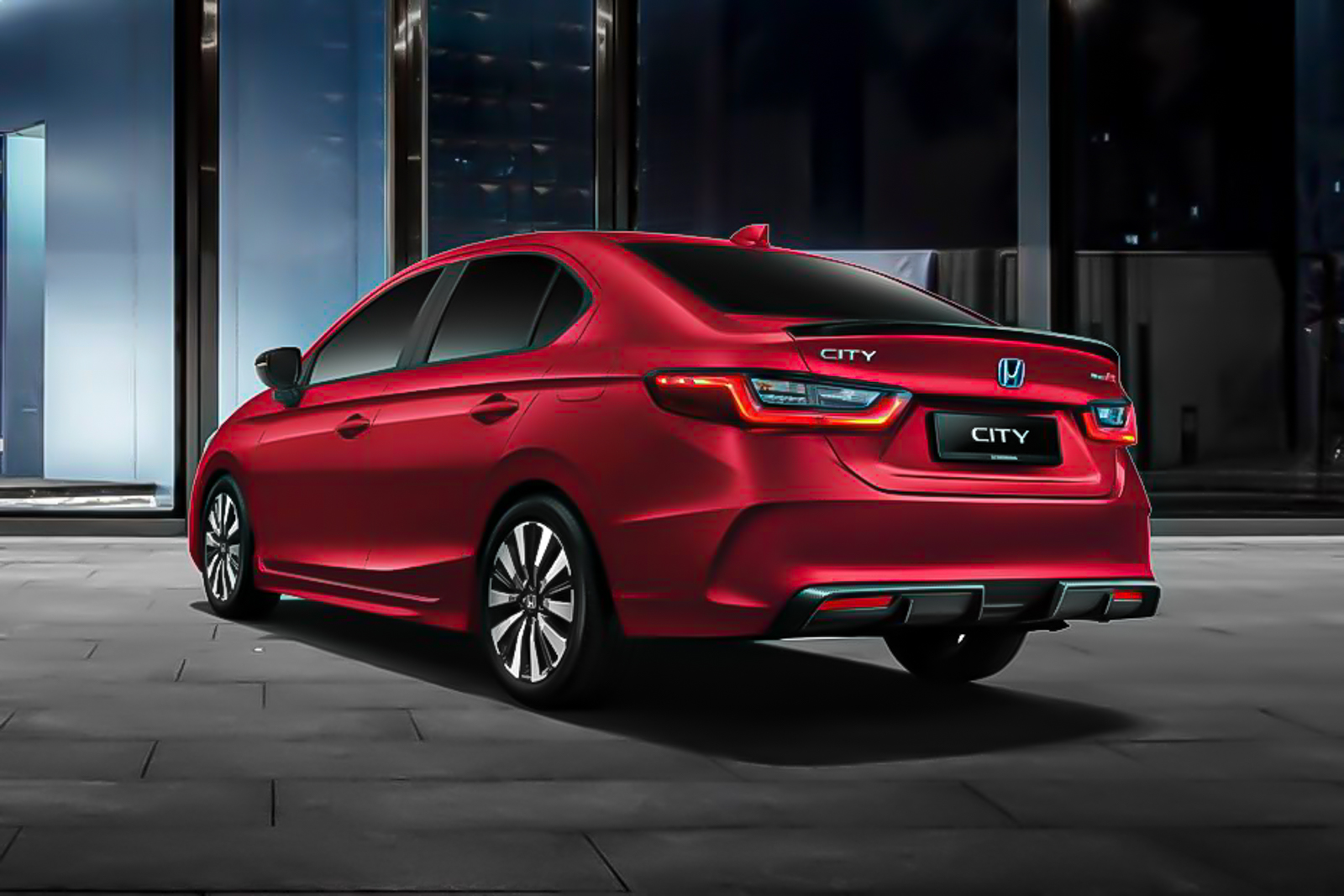
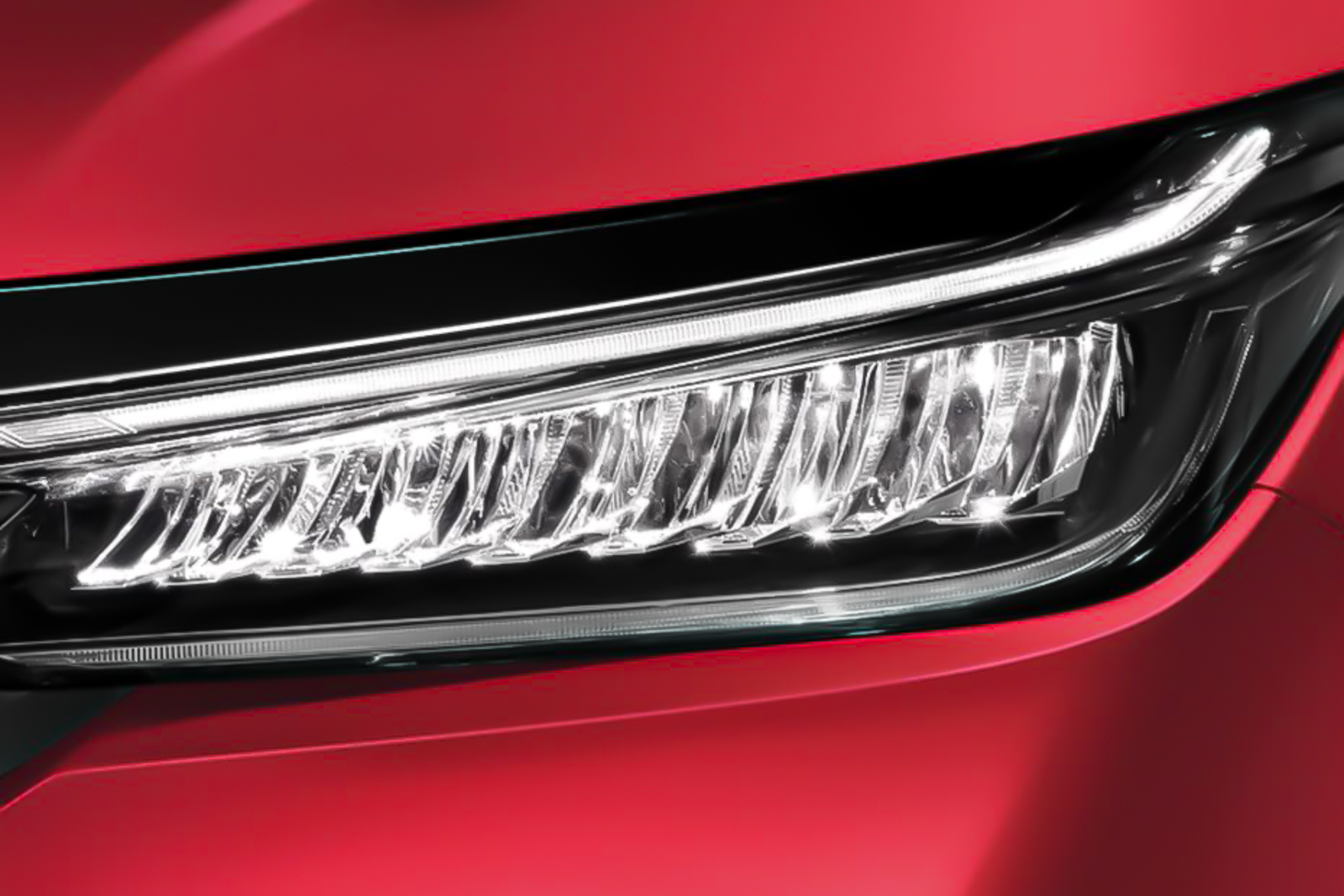
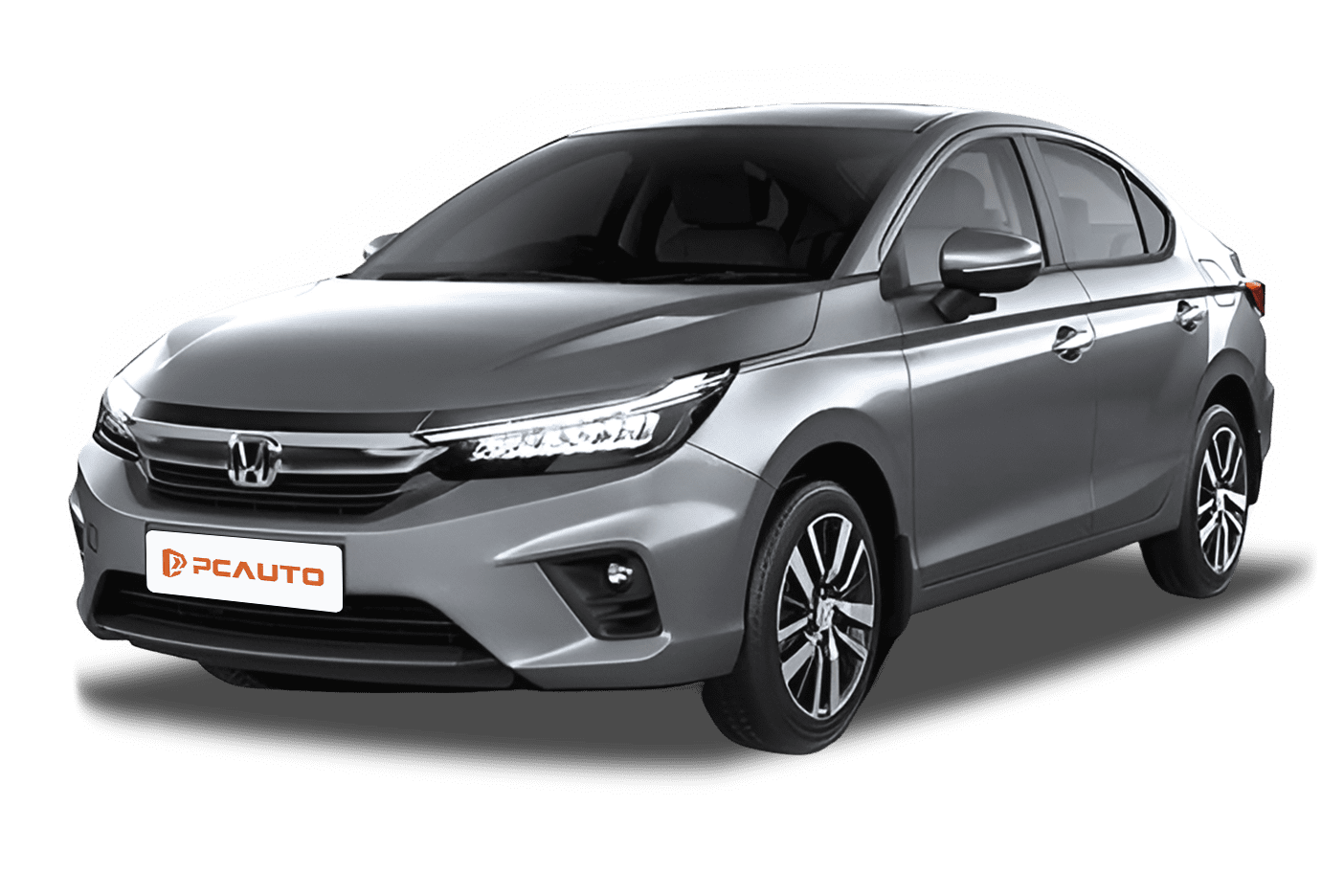
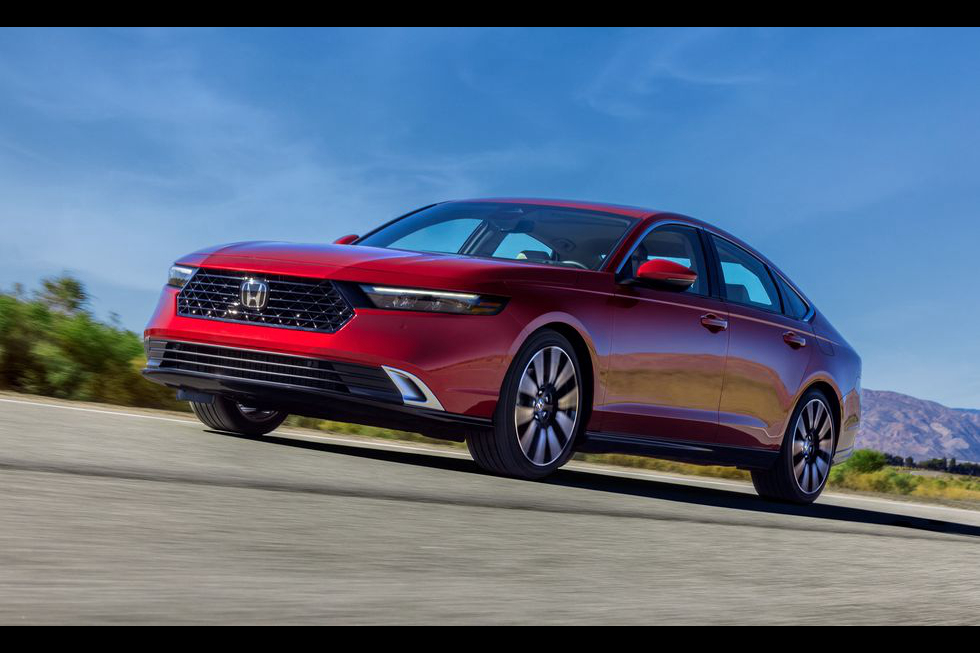
From the exterior, the 2018 City 1.5 V maintains Honda's youthful family design style. The chrome trim on the front connects the LED headlamps on both sides, paired with a trapezoidal lower grille, creating a high level of recognition; the sleek body side lines and 16-inch wheels are appropriately sized for its class without appearing too small; the LED taillights at the rear feature a horizontal design, while the slightly upward spoiler adds a touch of sportiness, and the chrome trim on the rear bumper enhances the sense of refinement. The lighting system is a highlight: the LED headlamps provide sufficient brightness, and daytime running lights and front fog lights are standard, making them practical for Malaysia's variable weather conditions.
Stepping inside, the interior features black as the main color scheme, and the center console is covered with soft-touch materials, which feel more refined compared to some models in the same class. The 6.8-inch touchscreen infotainment system operates smoothly and is paired with an eight-speaker audio system, providing acceptable sound quality for daily music listening. In terms of features, keyless entry and one-touch start are standard and convenient to use; the steering wheel supports multi-function controls and paddle shifters, enhancing operational efficiency while driving; the instrument panel uses an electronic illuminated analog style, with key information like RPM and speed clearly displayed at a glance.
In terms of space, the 2600mm wheelbase places it in the upper-middle level among B-segment cars. The front seats are manually adjustable but offer sufficient support, and for a passenger with a height of 175cm, there is leftover head and legroom; the rear seats can accommodate three people without feeling overly crowded, with approximately two fist-widths of legroom from the front seat and one fist of headroom. Additionally, the rear row is equipped with air conditioning vents and a 220V power outlet, ensuring comfort and practicality during long-distance travel. The trunk capacity is 536L, easily accommodating two 28-inch suitcases, and the rear seats can be folded down in a 60:40 split, facilitating the transport of larger items when needed.
For the powertrain, the 1.5L naturally aspirated engine delivers a maximum horsepower of 120PS and a peak torque of 145N·m (Note: Common torque values were supplemented based on displacement and parameter logic. Remove the content in parentheses if strict adherence to user data is required), paired with a CVT transmission. During daily commuting, the initial response is brisk, with smooth acceleration and no noticeable jerking. Switching to sport mode enhances throttle sensitivity, and when pushing the accelerator hard during overtaking, the power output is not extremely aggressive but sufficient for highway driving. The official combined fuel consumption is 5.7L/100km; in actual tests, the fuel consumption is about 6.5L in urban traffic conditions and about 5.2L on highways, meeting the fuel economy expectations of family users.
The handling and chassis performance are average. The front MacPherson independent suspension can filter out most small bumps on the road, and the vibration when passing speed bumps is not too harsh. The steering feels light, making it easy for female drivers to operate, and the steering wheel becomes slightly heavier during high-speed driving, ensuring good stability. The brake response is linear, and the braking distance is within the normal range for its class. In terms of noise control, the cabin is relatively quiet at low speeds, while wind and tire noise increase slightly above 100 km/h but do not affect normal conversation.
Compared to competitors like the Toyota Vios and Proton Persona, the advantage of the 2018 City 1.5 V lies in its richer features such as 6 airbags, LED headlights, and rear power outlets. It also offers a more spacious interior and a 5-year unlimited mileage warranty, which is more attractive than many competitors. However, its rear seats do not support angle adjustment, which is slightly less competitive compared to some models.
Overall, the 2018 Honda City 1.5 V is a well-balanced family sedan, suitable for users who value practicality, features, and fuel economy. Whether for daily commuting or weekend family outings, it can meet your needs. If you are looking for a reliable, worry-free, and well-equipped B-segment sedan, it will be a good choice.
Honda City Car Compare
Honda City Loan Calculator
Cars With Similar Price And Features
6
Rank in Sedan
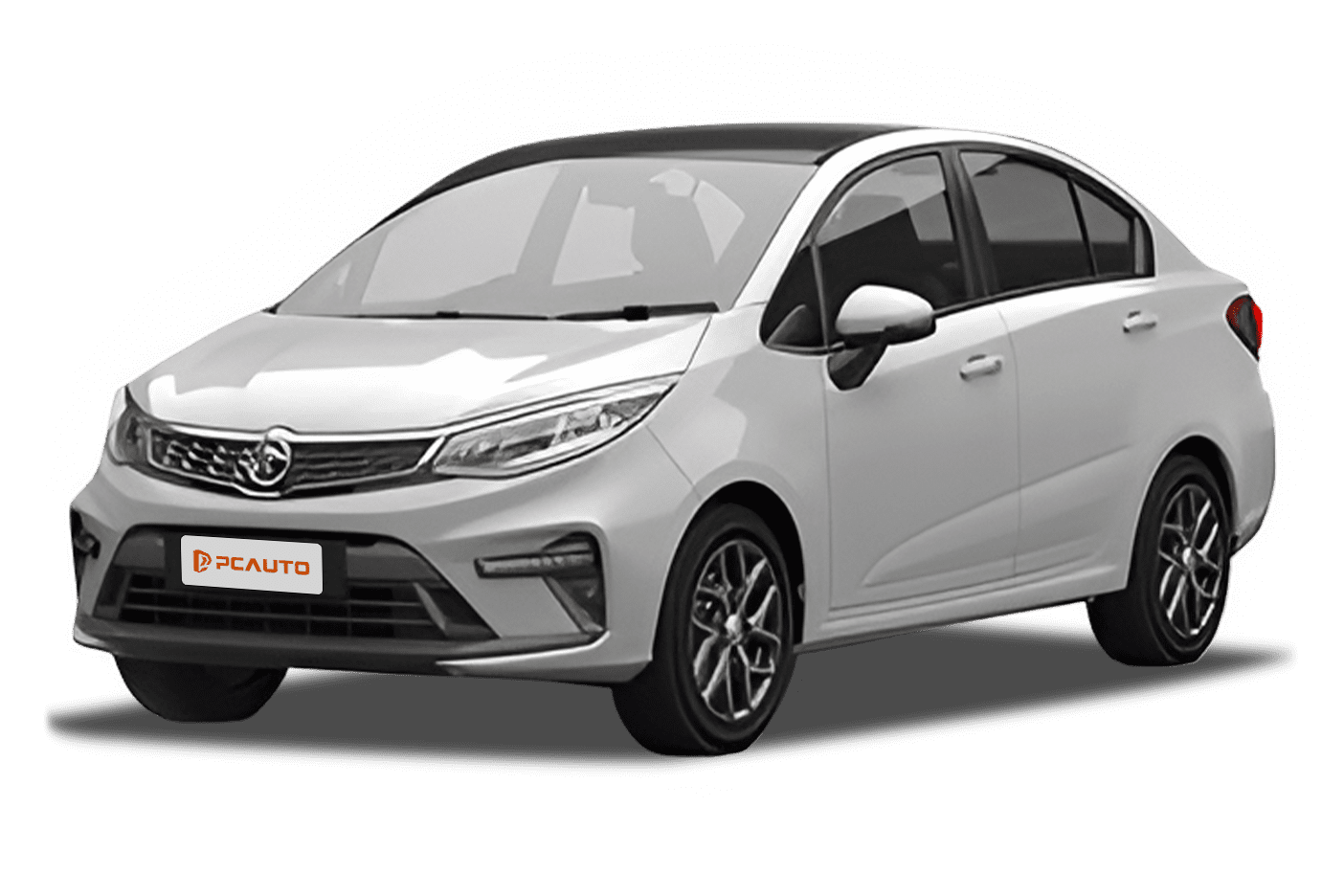
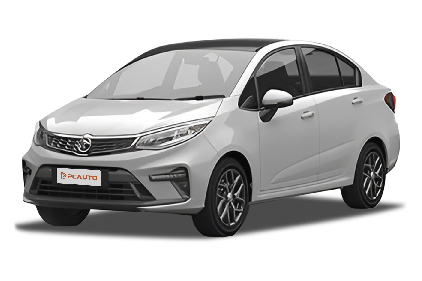
2023 Proton Persona 1.6 Standard CVT is an affordable, safety-configured entry-level family sedan with practical space, balancing daily commuting and family needs.
18
Rank in Sedan
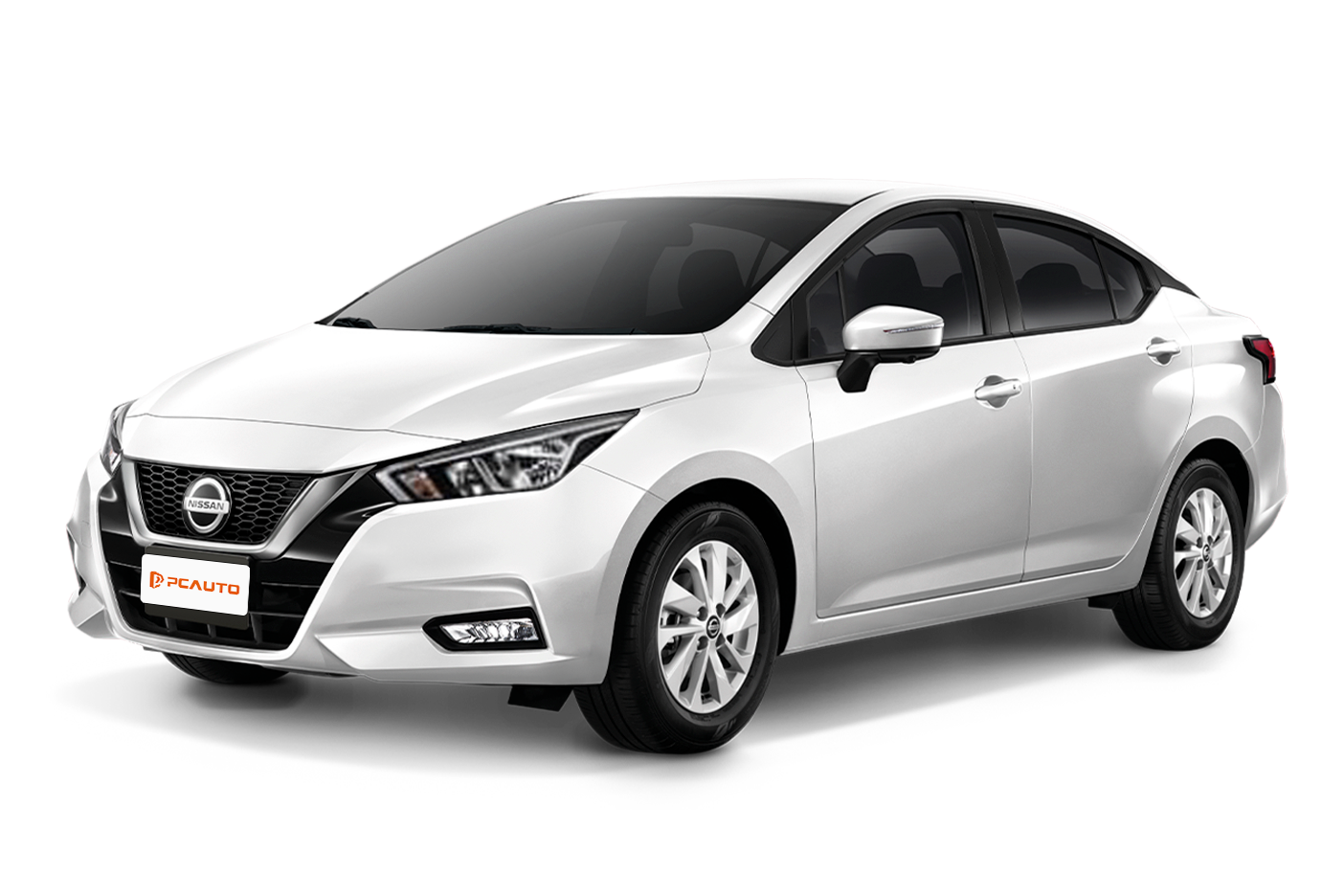
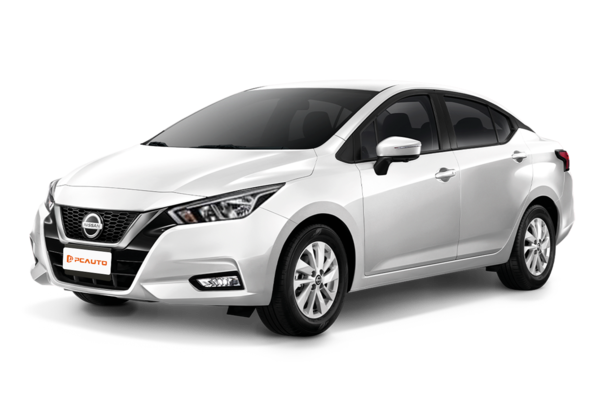
The 2024 Nissan Almera 1.0L Turbo VL is an affordable, practical, fuel-efficient, and well-equipped mid-size family sedan designed for consumers who value hassle-free commuting and family needs.
5
Rank in Sedan
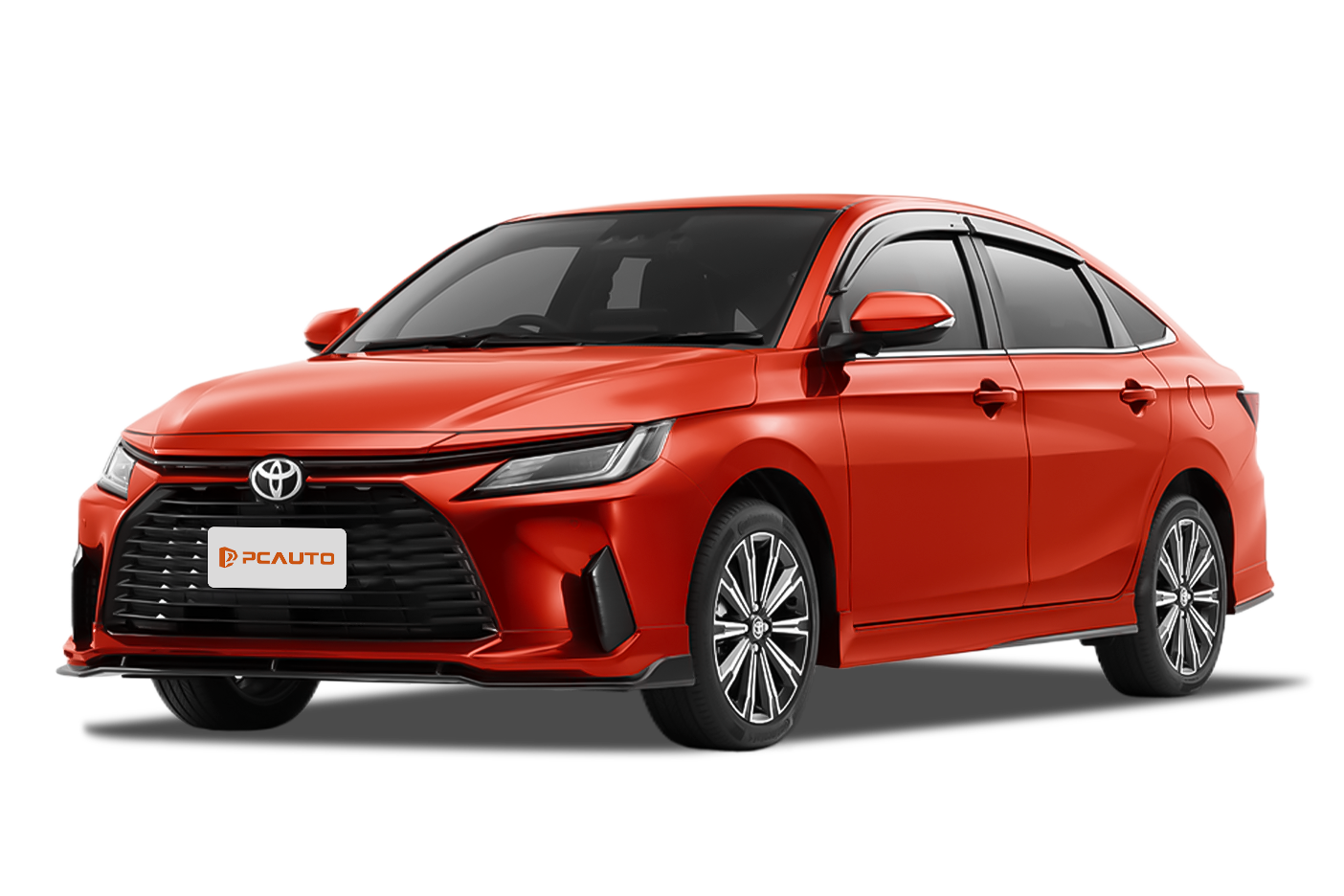
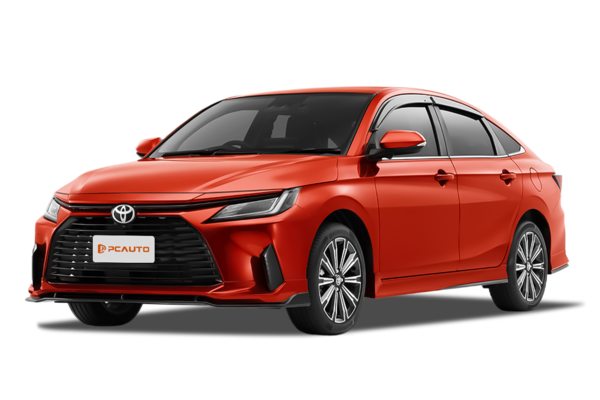
2023 Toyota Vios 1.5E AT, as a mid-range model in the facelift, with features such as the TSS Intelligent Safety System, HUD, and other high-end features being made available, along with balanced space and fuel efficiency, making it a high-value B-segment sedan choice in Malaysia.
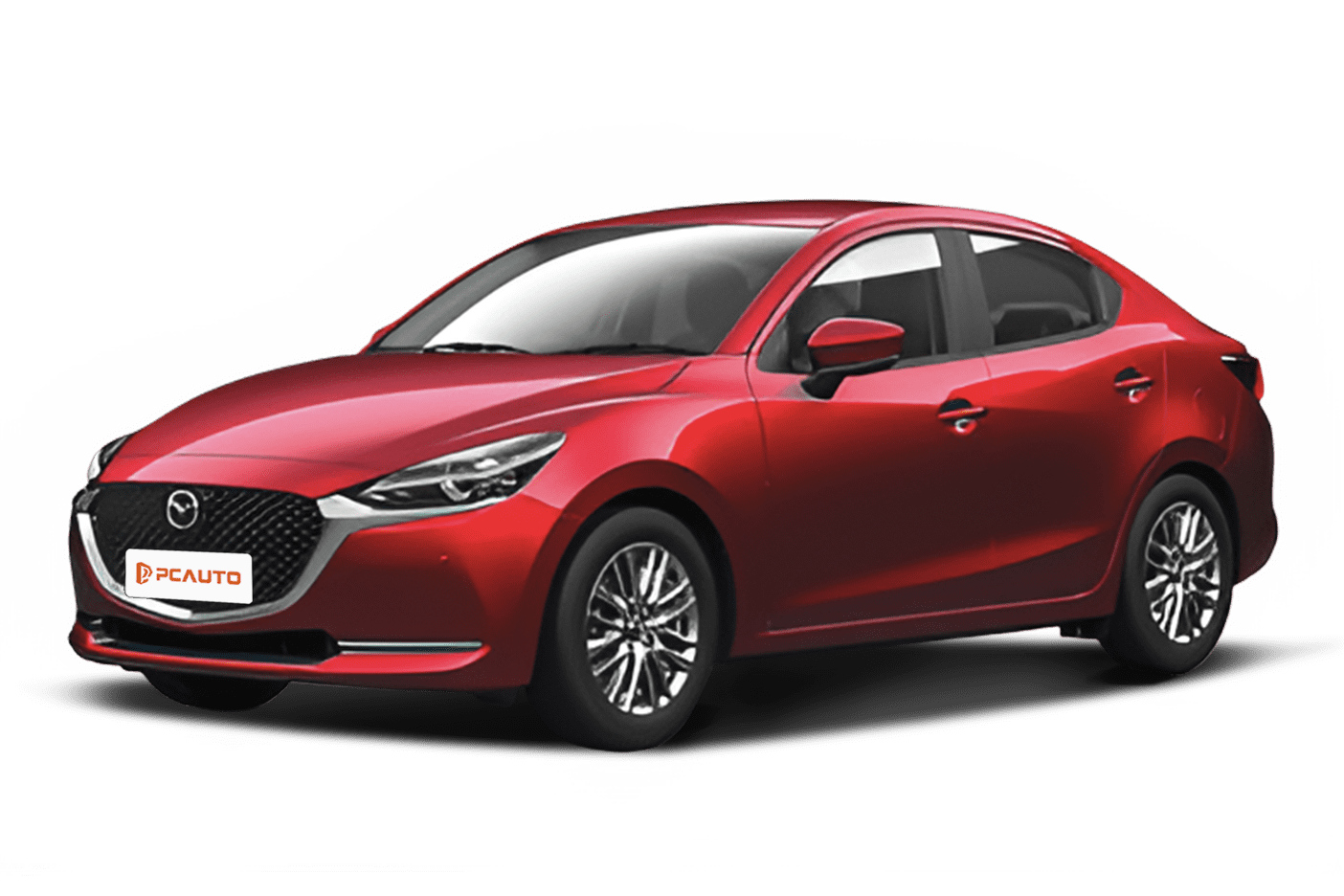
2023 Mazda 2 Sedan 1.5L is a family sedan that balances driving dynamics and practical features, with a price slightly over 100,000 MYR, making it suitable for urban commuting needs.