

2018 Lexus LS 500 Executive Review

 Share
Share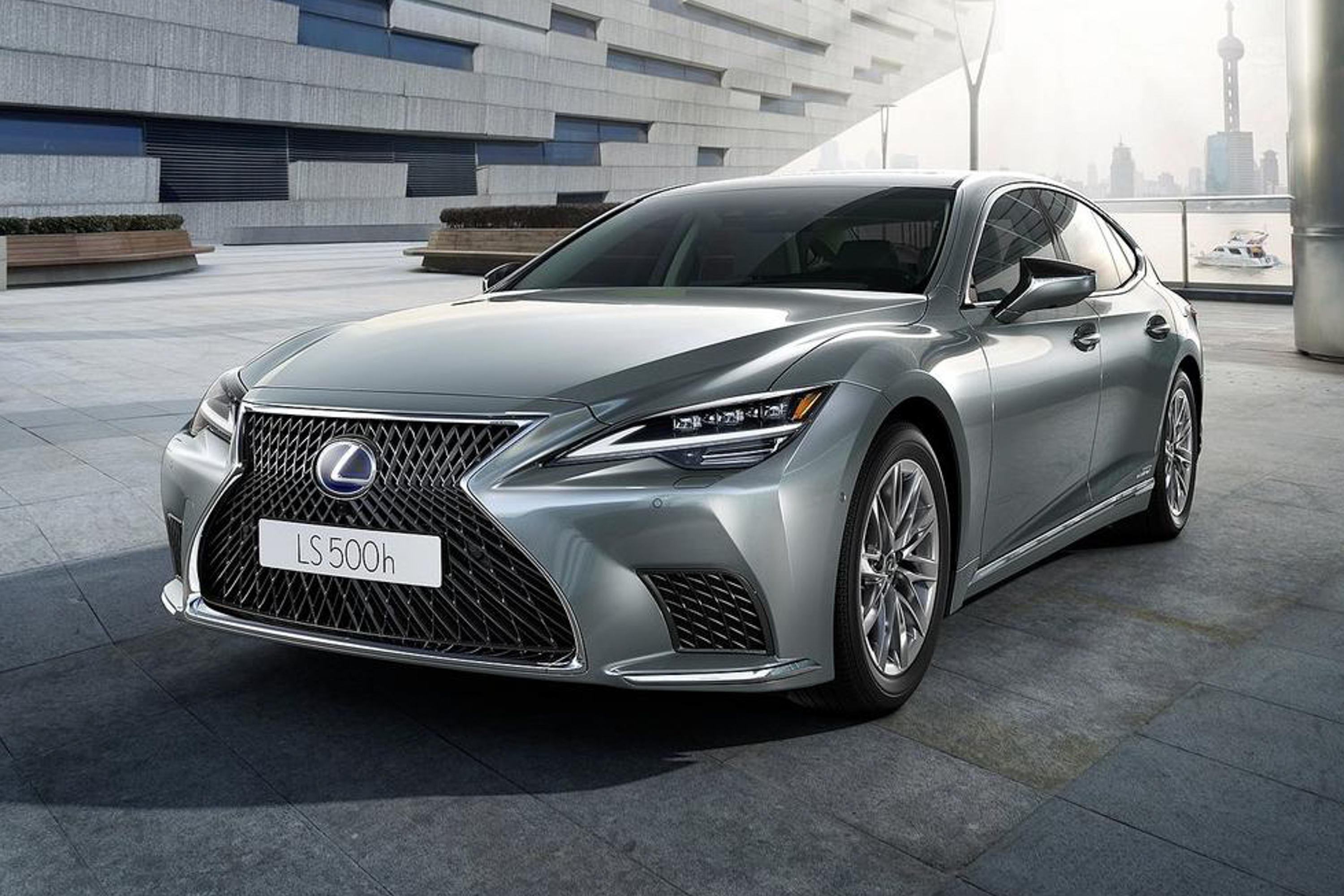
 Segment
 Body Type
 Capacity(L)
 Engine Power(PS)
 Transmission
 Driven Wheels
In Malaysia's luxury sedan market, the Lexus LS series has consistently maintained a significant presence thanks to its balanced sense of luxury and reliability. The 2018 LS 500 Executive, as one of the mid-to-high-end versions in the series, centers its core appeal on "executive-level rear-seat configuration" and "comprehensive safety technology" — both of which are key factors distinguishing a "luxury commuter car" from an "executive sedan" for buyers with budgets in the millions. This review will break down whether it deserves the "Executive" suffix from static experience to dynamic performance, and whether it has sufficient competitiveness among rivals in the same price range.
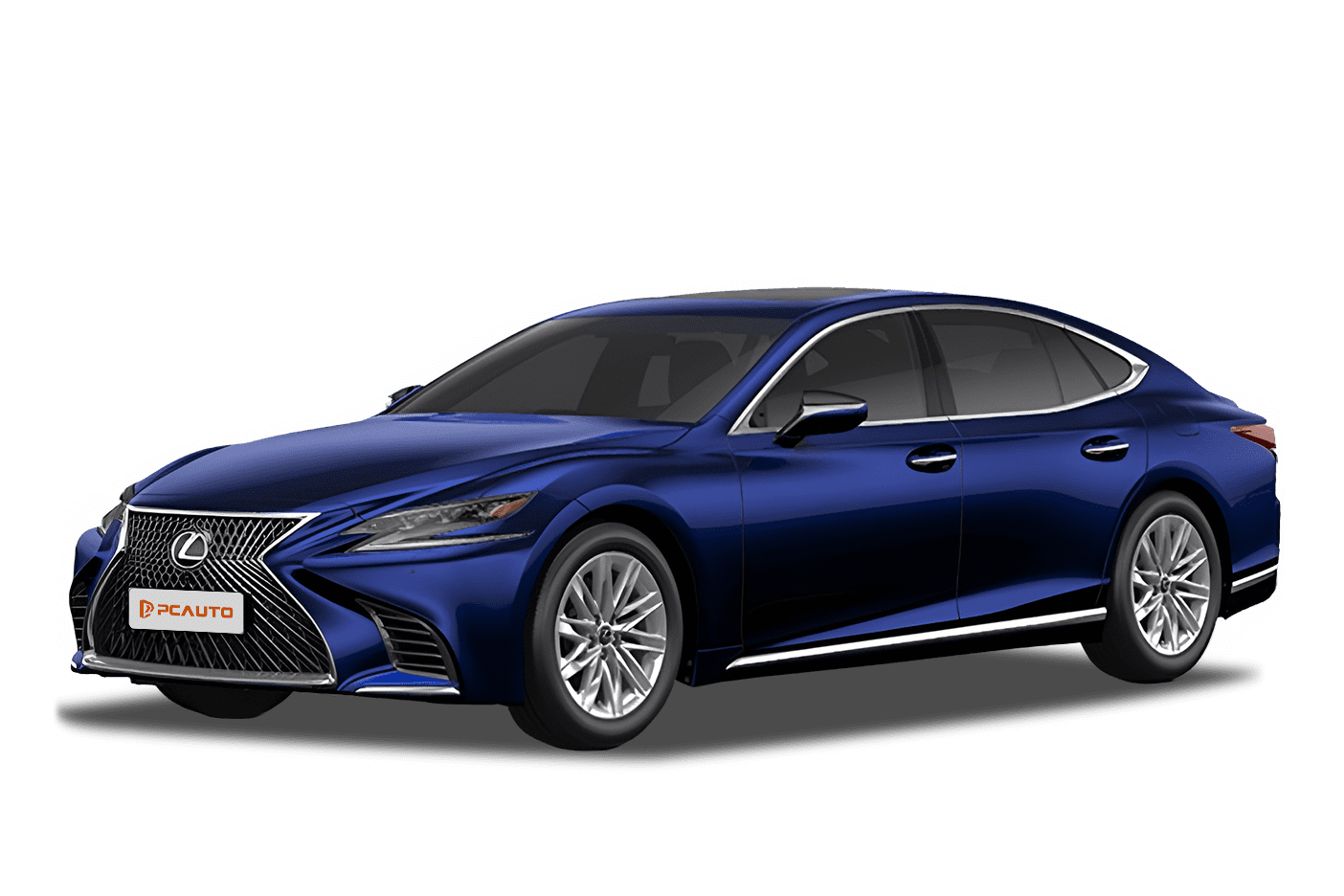
At first glance, the 2018 LS 500 Executive showcases the signature Lexus spindle-style grille, but its dimensions are more exaggerated compared to the standard version, paired with a blackened mesh trim, giving it a highly recognizable look. The side profile exhibits smooth lines, with a waistline extending from the hood to the tail and running through front and rear doors. The 20-inch multi-spoke wheels paired with a body length of 5235mm and a wheelbase of 3125mm create harmonious and sleek proportions. At the rear, the car features through-type LED taillights, with "L"-shaped light strips within the taillights offering exceptional visibility when lit at night. The exhaust adopts a dual-sided, two-outlet layout, exuding a subtle hint of sportiness amidst its understated design. The lighting system features LED as standard across all models, including automatic headlights, daytime running lights, and front and rear fog lamps, offering exceptional practicality.
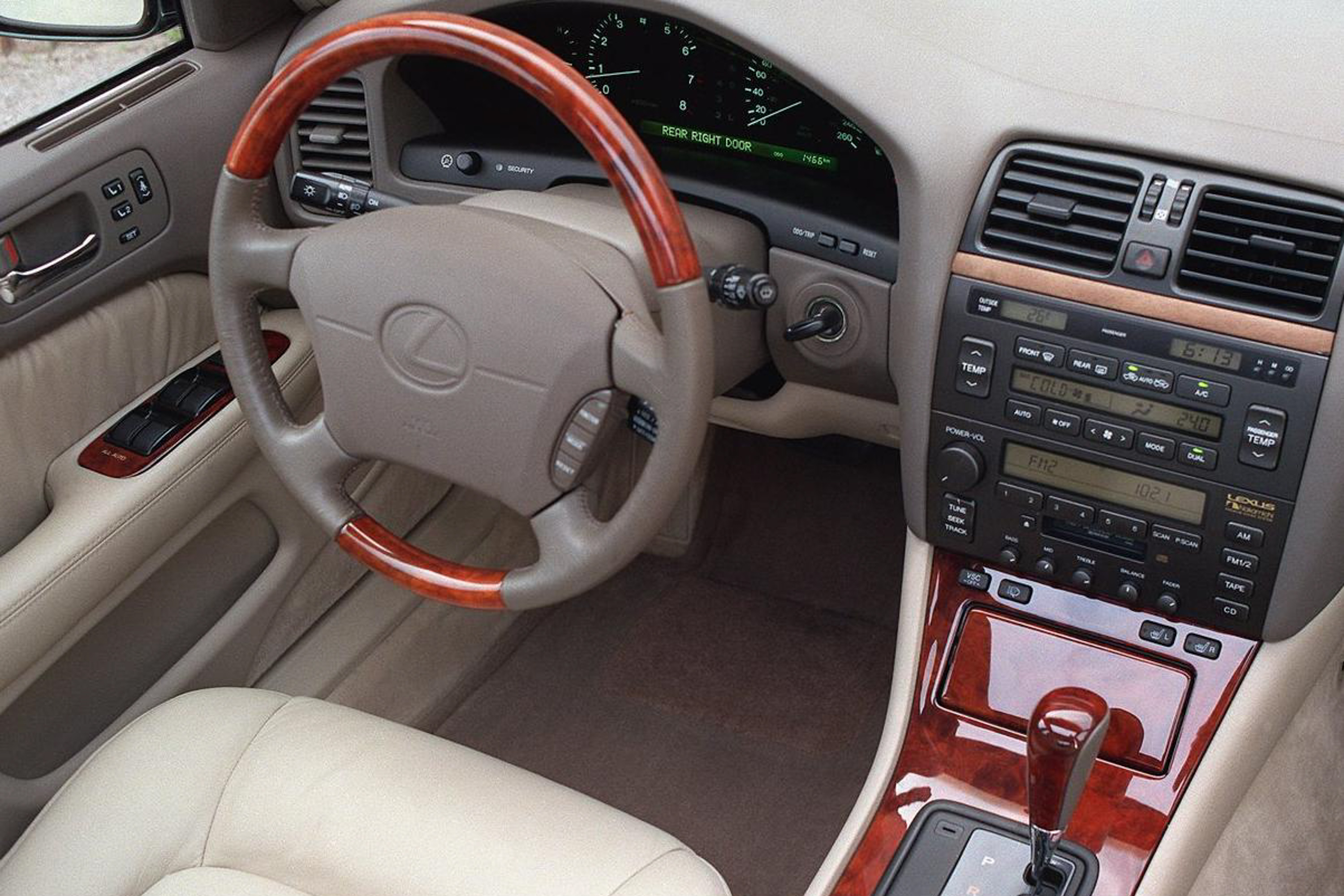
Sitting inside, the first impression is the solid use of materials — large areas of the center console and inner door panels are covered in soft leather, while the armrest box and seat edges are enhanced with wooden decorative panels, providing a refined tactile experience. The center console layout leans slightly towards the driver, with a clear 12.3-inch large screen and simple operational logic. However, it requires physical knobs for control, which might require some adjustment for users accustomed to touchscreens. The instrument panel adopts a fully digital design, capable of displaying navigation, vehicle status, and other information, while the HUD head-up display projects key details like speed and navigation directions directly onto the windshield, enabling easy access without having to lower your head while driving.
In terms of space, the front seats support 28-way electric adjustment with memory function, ensuring drivers of any physique can find a comfortable sitting posture. The highlight is the rear: the right-side seat supports 22-way adjustment and is equipped with an Ottoman leg rest, which can be fully reclined for rest during long journeys. The rear central armrest integrates a touchscreen that allows control of the air conditioning, seat massage, and multimedia systems. The seats themselves come with heating, ventilation, and massage functions, complemented by independent rear air conditioning, providing an unparalleled executive-level experience. The trunk offers a capacity of 440L, enough to accommodate two 28-inch suitcases, making it suitable for both daily business and family use.
For power, the 2018 LS 500 Executive is equipped with a 3.4L naturally aspirated V6 engine, delivering a maximum power of 421PS, with peak torque available as early as 1600rpm, paired to a CVT transmission. The response on initial acceleration is brisk, with no delay when pressing the accelerator. Mid-to-high-range acceleration is equally robust — during overtaking, pressing the accelerator deeply prompts the transmission to quickly simulate gear shifts, delivering a strong push-back sensation. Driving modes include Economy, Standard, and Sport. In Sport mode, the steering wheel becomes heavier, and power output turns more aggressive, ideal for when you occasionally feel like "letting loose."
In terms of handling performance, the steering wheel is precise with minimal dead zones, allowing for a clear sense of the car's direction when changing lanes. The chassis adopts a multi-link independent suspension system, tuned for comfort, but it provides sufficient support during cornering, making body roll not obvious. When navigating bumpy roads, the suspension can filter out most fine vibrations, and there is no harsh impact when crossing speed bumps, balancing handling and comfort perfectly. Safety features are its strong suit: 10 airbags, lane change assist, lane departure warning, active braking, and other features come as standard. The front and rear parking sensors and panoramic cameras also make parking easier, which is particularly practical for a large sedan.
In terms of fuel consumption, the official combined fuel consumption is 9.5L/100km. Actual tests show around 11-12L in city driving, and about 8L on highways, which is considered above average for a luxury sedan with a 3.4L engine. Noise control has been well-handled; wind noise and tire noise are not significant during highway driving. The Mark Levinson 23-speaker sound system delivers clear audio quality, allowing an immersive music experience even at high speeds.
In conclusion, the core strengths of the 2018 LS 500 Executive stand out: its rear-section executive configuration has almost no competitors within the same price range (such as entry-level BMW 7 Series or low-end Mercedes S-Class), its safety features are comprehensive, and its power and handling can meet daily needs. It suits two types of users: first, business professionals who often need to entertain clients, as the rear seat comfort and tech features are impressive; second, high-income families prioritizing passenger experience, as the spacious interior and comfortable seats make long-distance travel more enjoyable. If your budget is around 1 million MYR and you're looking for a luxury sedan that balances business and family use, this car is worth considering.
Lexus LS Car Compare
Lexus LS Loan Calculator
More Lexus Reviews
Cars With Similar Price And Features

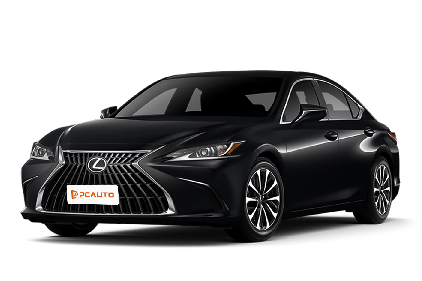
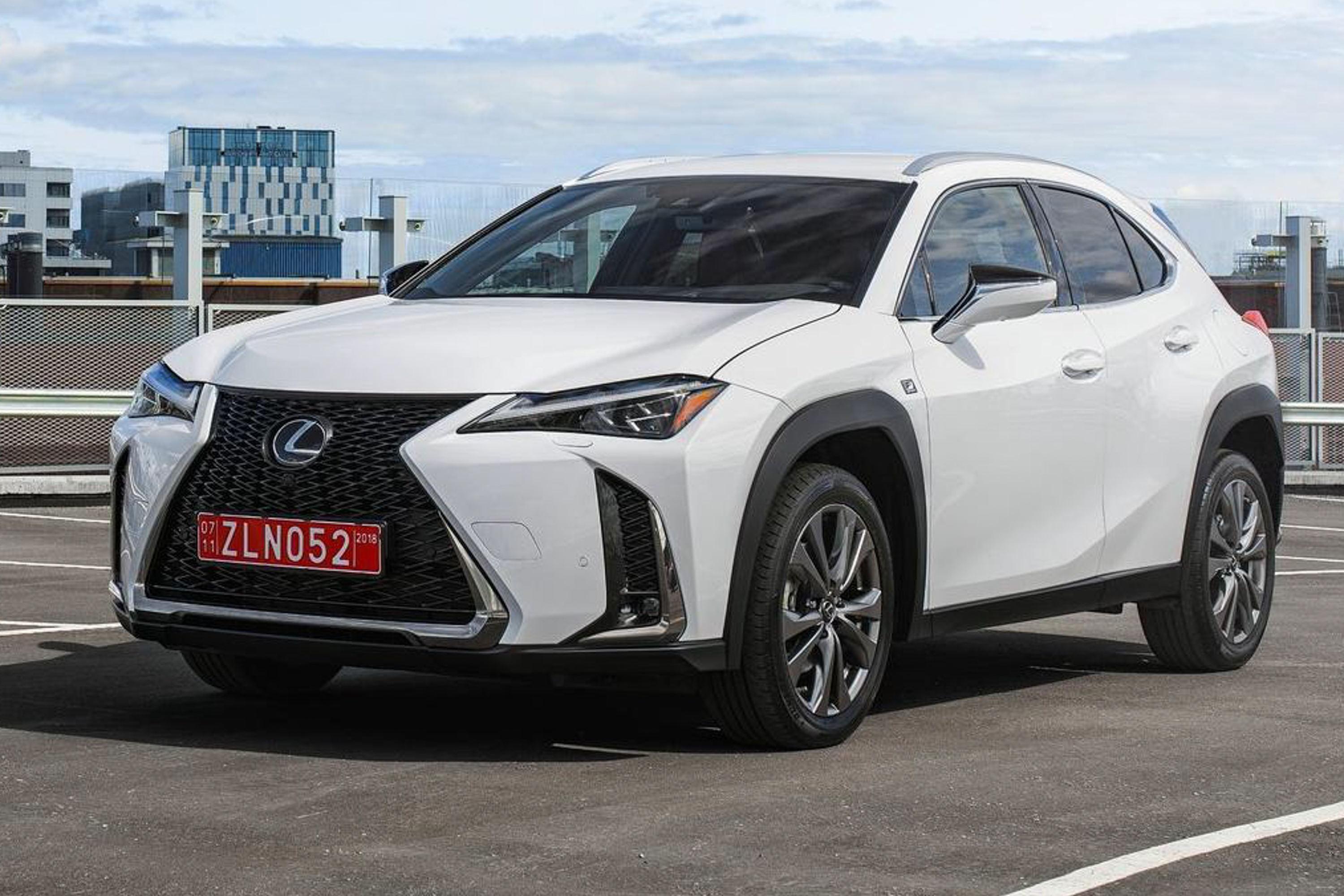
2024 Lexus ES as a practical choice in the luxury mid-size sedan market, with a balanced and comfortable driving experience, rich safety features, and a reliable brand reputation, precisely catering to the needs of family users and young elites.
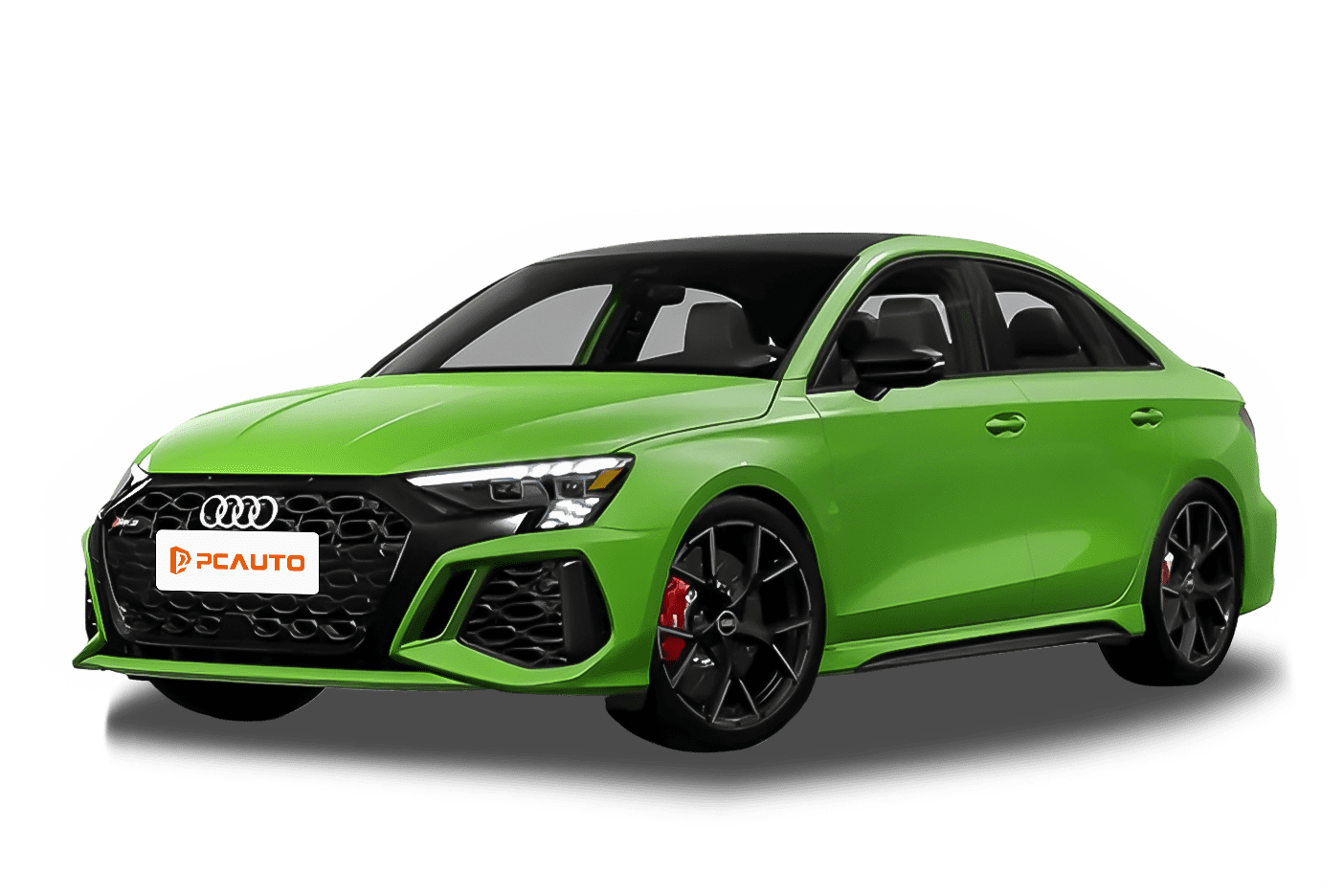
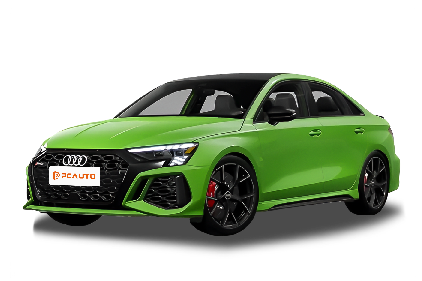
Audi RS3 Sportback is a luxurious and compact "pocket rocket" that balances 400PS five-cylinder performance, Quattro control, and practicality for family use, with a sporty design and a full sense of technology.

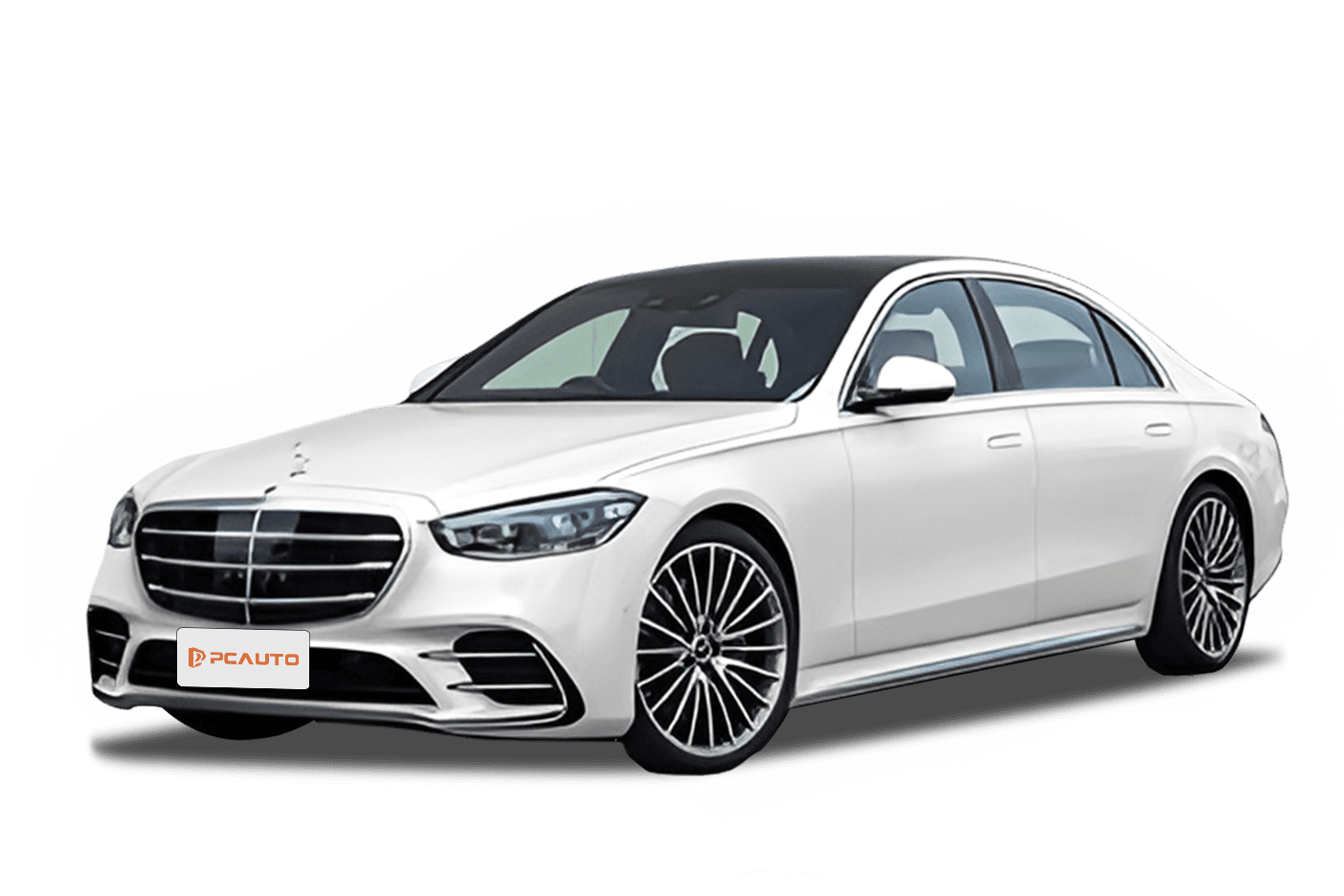
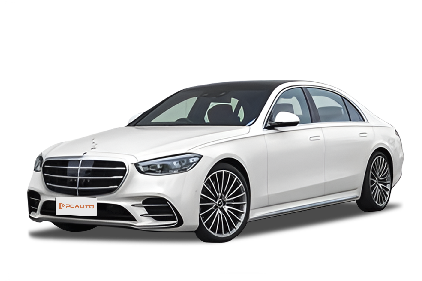
2022 Mercedes-Benz S-Class S 580 e, as the flagship plug-in hybrid model, offers a luxurious rear-seat experience with its extended wheelbase, a practical 100km pure electric range, and advanced intelligent features, balancing luxury and the practicality of new energy.

2019 Maserati Quattroporte GranSport is a luxury sedan that combines Italian sporty design with executive-level space. With a powerful 3.0T engine and precise handling, it balances the needs of passionate driving and business travel.