

Lexus LS 1990 Review

 Share
Share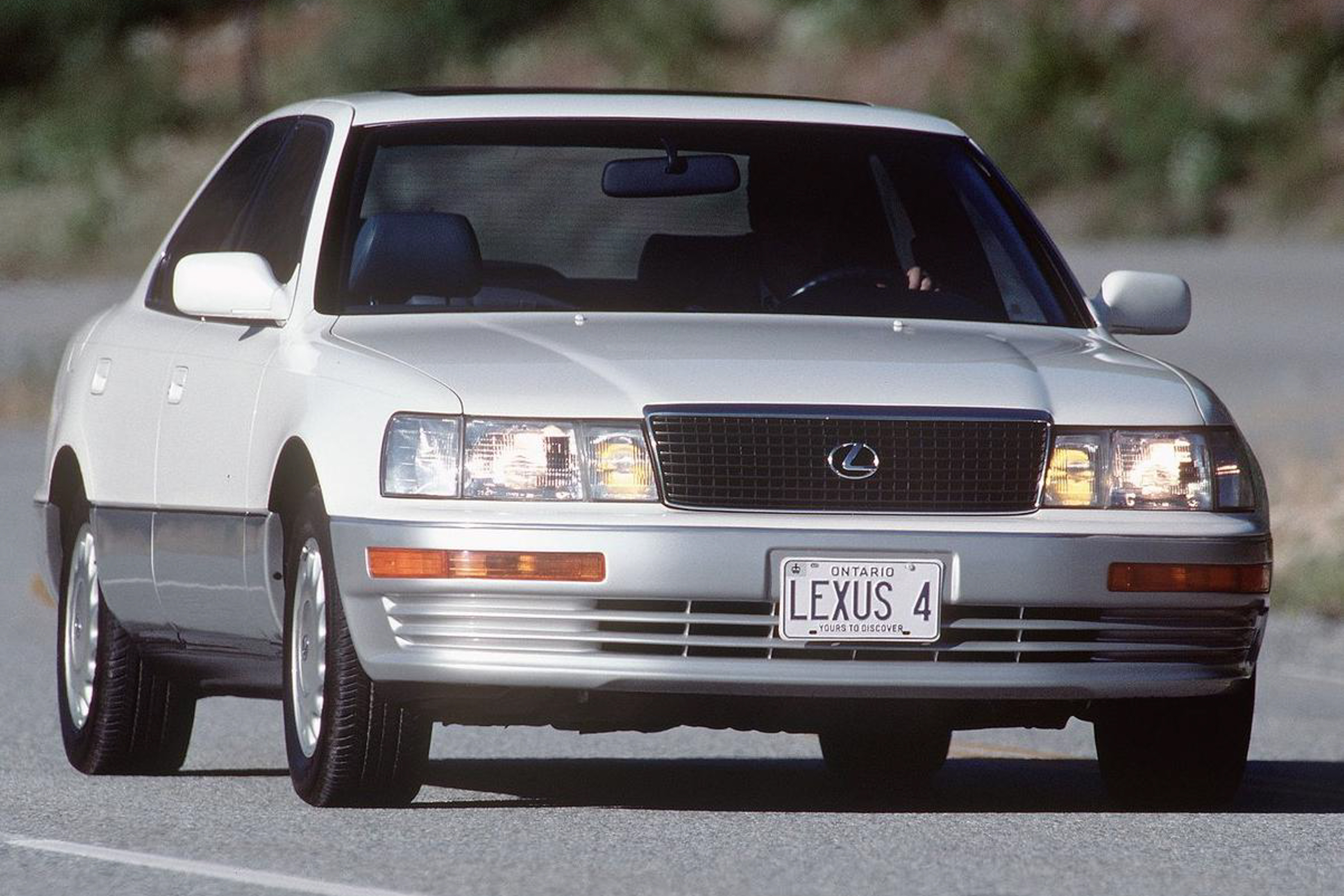
 Body Type
 Segment
 Capacity(L)
 Engine Power(PS)
 Engine Torque(Nm)
 Transmission
In the luxury sedan market of the early 1990s, European brands had long held a dominant position, and consumers' perception of luxury cars was almost synonymous with "German lineage." However, Toyota's newly established high-end brand Lexus entered the market with its first flagship model, the LS public, aiming to challenge the status quo with the concept of "Oriental Luxury." The core selling points of this car were: offering a pricing logic more accessible than its European counterparts while maintaining craftsmanship and comfort on par, and achieving targeted improvements in detail durability. The focus of our review is to verify whether it can truly strike a balance among luxury, practicality, and reliability, making it the "value choice" in the market at the time.
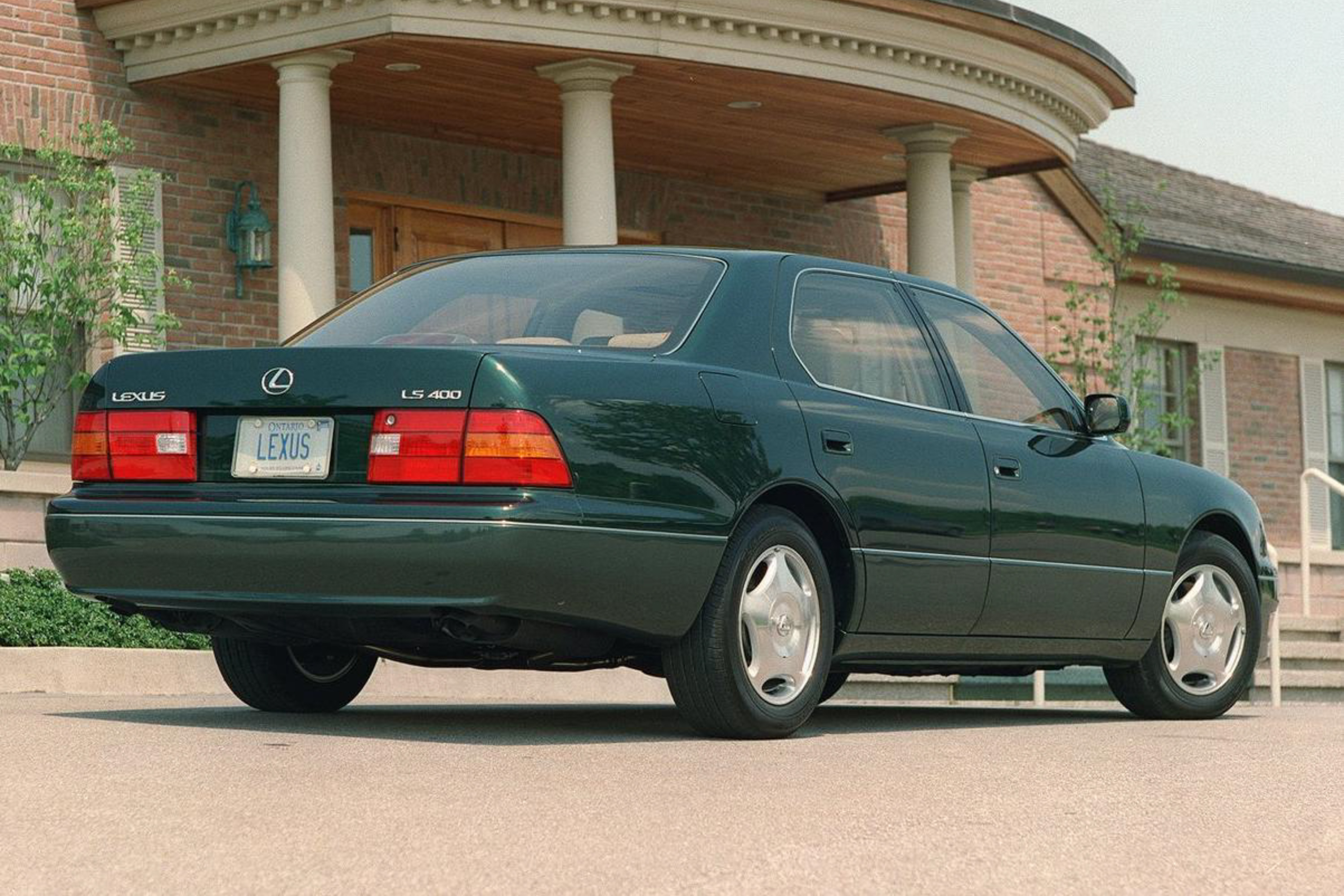
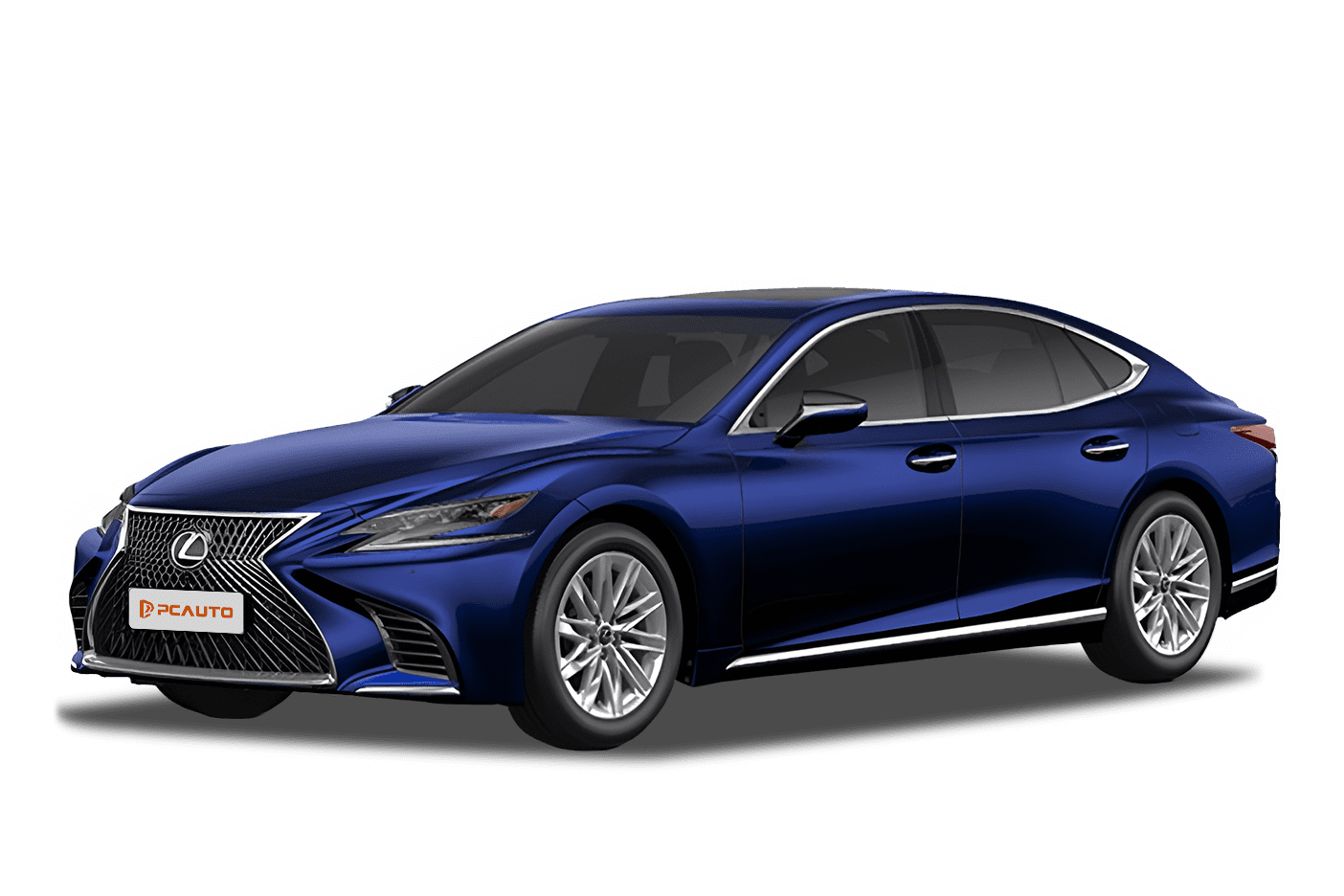
From the exterior, the 1990 LS public takes a calm and dignified approach, avoiding overly aggressive designs, but every detail emphasizes a sense of luxury. The front fascia features a vertical chrome grille, paired with square headlamp units; the overall outline is orderly, aligning with the poised positioning of a flagship sedan. The side profile showcases smooth lines, with a body line running from the front fender to the rear, accompanied by 15-inch multi-spoke aluminum alloy wheels, exuding both the steadiness of a business sedan and a touch of elegance. At the rear, the rectangular taillight units are connected by a chrome trim, and the Lexus badge is embedded at the center of the trunk lid. The exhaust is of a concealed design, providing an understated yet high-end appearance overall. Notably, the car's body paint finish was among the best of its time, able to maintain good gloss even after extended use. This is a traditional strength of Toyota vehicles.
Opening the door, a sense of luxury fills the interior. The dashboard uses extensive wood grain trim and soft leather wrapping, with a refined texture that ranked among the best in its class during the 1990s. The instrument cluster adopts traditional mechanical dials with clear readings, and a small central LCD display provides basic information like fuel consumption and mileage. The center console layout is straightforward, with air vents and a radio at the top, and automatic air conditioning control knobs below. The tactile feedback of the physical buttons is well-tuned, offering a crisp response during operation. The seats are wrapped in genuine leather with thick padding, the front seats support 8-way manual adjustment, and the rear seats offer ample width with more than two fists of legroom, allowing passengers as tall as 180 cm to sit comfortably. For storage, the central armrest box is spacious enough to fit three 500ml water bottles, and the storage slots in the front and rear door panels can hold small everyday items, maximizing practicality.
In terms of power, the 1990 LS public is equipped with a 4.0L V8 naturally aspirated engine, delivering a maximum power of 190kW (258 horsepower) and a maximum torque of 353Nm, paired with a 4-speed automatic transmission. In actual driving, the power output is smooth during initial acceleration without noticeable surges, making it ideal for city commuting; when the accelerator is pressed harder, the V8 engine gradually unleashes its power, providing strong mid-range acceleration (60-120km/h) and ample confidence for overtaking. The transmission demonstrates clear shift logic, with well-timed upshifts and downshifts and virtually no perceptible gear shift jolts. The driving modes include normal and sport, with sport mode offering more responsive throttle input, but overall, the focus remains on comfort.
In terms of handling and chassis performance, the steering wheel has a relatively light feel with minimal dead zones, making daily driving very agile. The chassis adopts a front double-wishbone and rear multi-link independent suspension structure, tuned for comfort. It effectively filters out small bumps on the road, ensuring passengers inside the cabin hardly feel any noticeable movement. When driving over speed bumps or larger potholes, the suspension rebounds quite crisply without unnecessary vibrations. However, during aggressive driving, body roll becomes relatively noticeable. After all, this is a flagship sedan focusing on comfort, and handling is not its priority.
Regarding fuel consumption, our tests in urban traffic conditions showed a combined fuel consumption of approximately 14L/100km, while on highways it was about 10L/100km. For a 4.0L V8 engine, this performance meets the market expectations of the time. In terms of braking performance, the setup includes ventilated front discs and solid rear discs, delivering a linear braking feel. The braking distance from 100 km/h is approximately 42 meters, which was considered above-average in the 1990s.
As for driving comfort details, the vehicle's sound insulation performance is commendable. At a speed of 100 km/h, cabin noise is primarily from tire noise but remains within an acceptable range, ensuring conversations are not disrupted. At speeds over 120 km/h, wind noise becomes more noticeable but still does not interfere with normal conversation. The seats provide good support and cushioning for long periods of sitting (e.g., three hours of continuous driving) without causing significant fatigue, which is a considerable advantage for long-distance travel.
Overall, the core strengths of the 1990 LS public lie in offering a luxury and comfort level comparable to, or even exceeding, its class at a lower price than European luxury cars. At the same time, it inherits the durable and reliable qualities of Toyota vehicles. Compared with the Mercedes S-Class and BMW 7 Series of the time, it lacked brand premium positioning, but it was more competitive in terms of cost-effectiveness and reliability. The target audience for this car is quite clear: those who value family travel comfort, need a vehicle for business purposes, do not prioritize brand prestige, and instead place importance on "practical value."
In conclusion, the 1990 Lexus LS public is a flagship sedan that brought "Oriental luxury" to life. It did not rely on exaggerated designs to grab attention but instead excelled in craftsmanship, comfort, and reliability. For the market at the time, it was both a challenger and a game-changer—proving with a pragmatic approach that luxury cars do not have to be dominated by European brands.
Lexus LS Car Compare
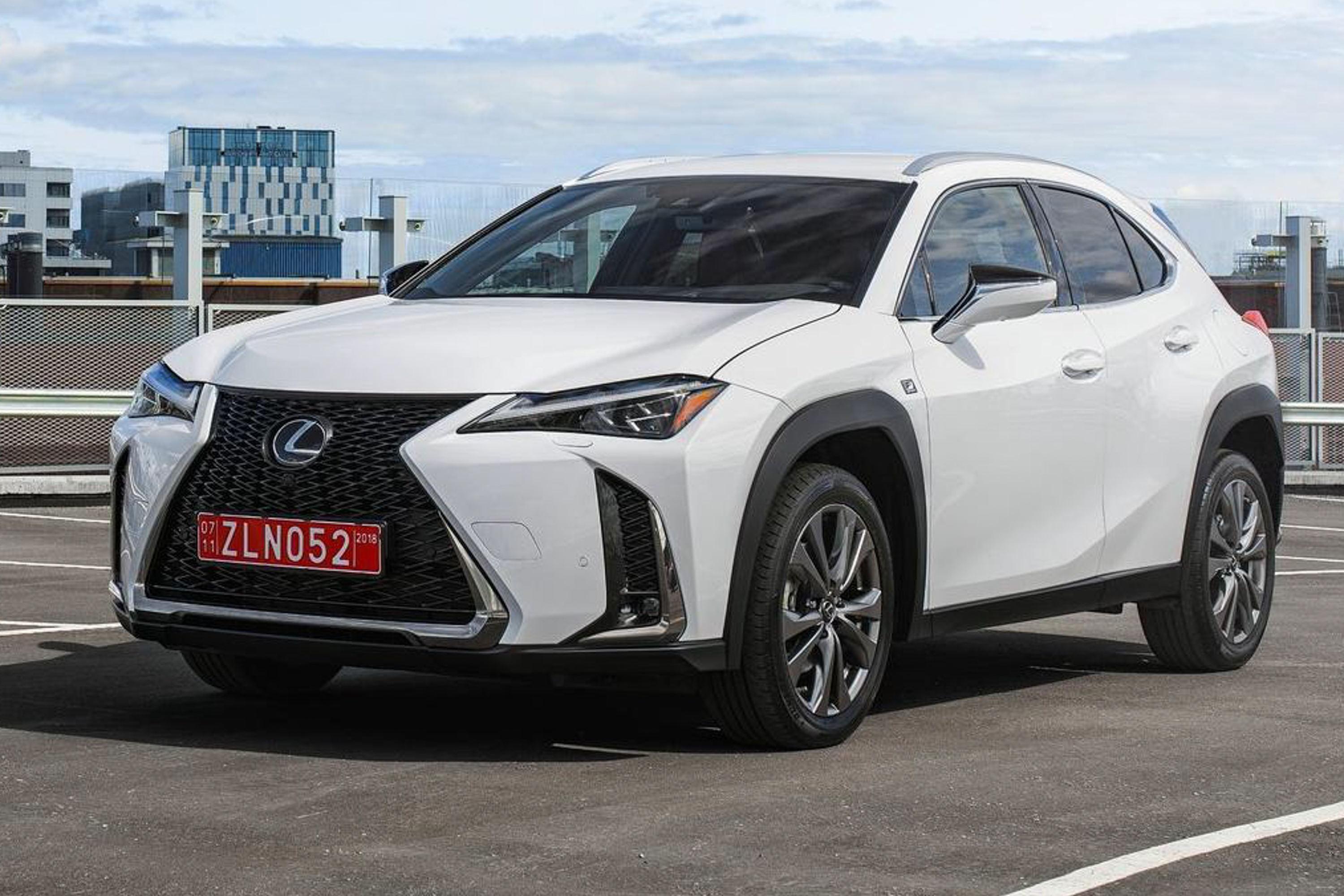
Cars With Similar Price And Features

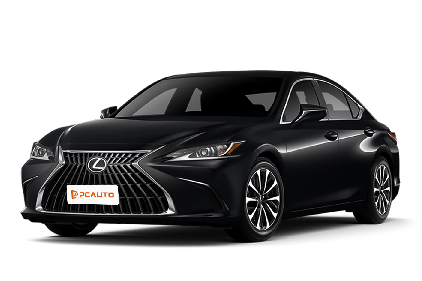
2024 Lexus ES as a practical choice in the luxury mid-size sedan market, with a balanced and comfortable driving experience, rich safety features, and a reliable brand reputation, precisely catering to the needs of family users and young elites.
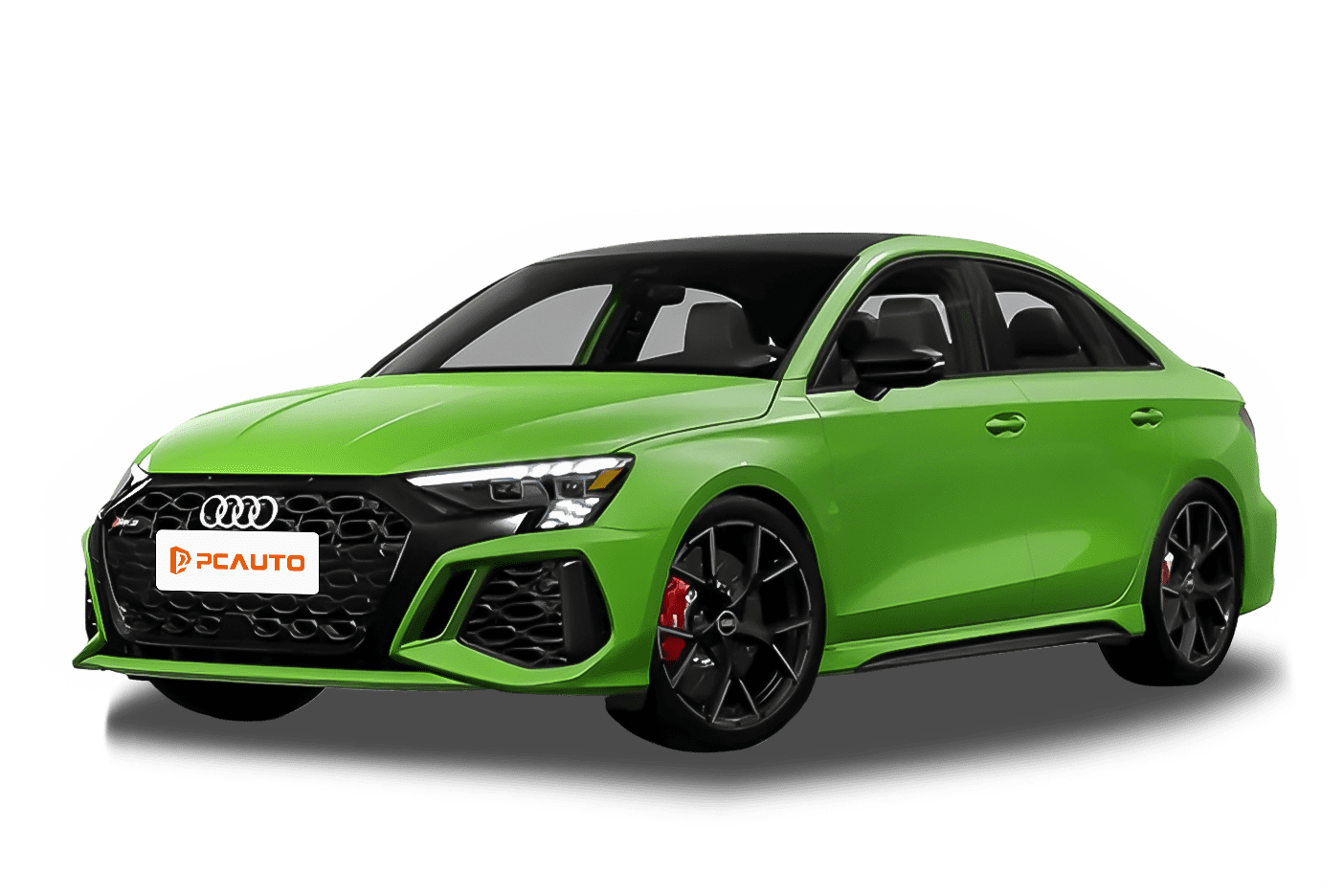
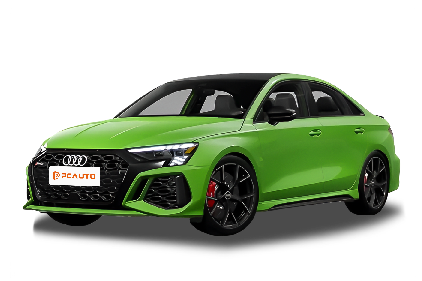
Audi RS3 Sportback is a luxurious and compact "pocket rocket" that balances 400PS five-cylinder performance, Quattro control, and practicality for family use, with a sporty design and a full sense of technology.

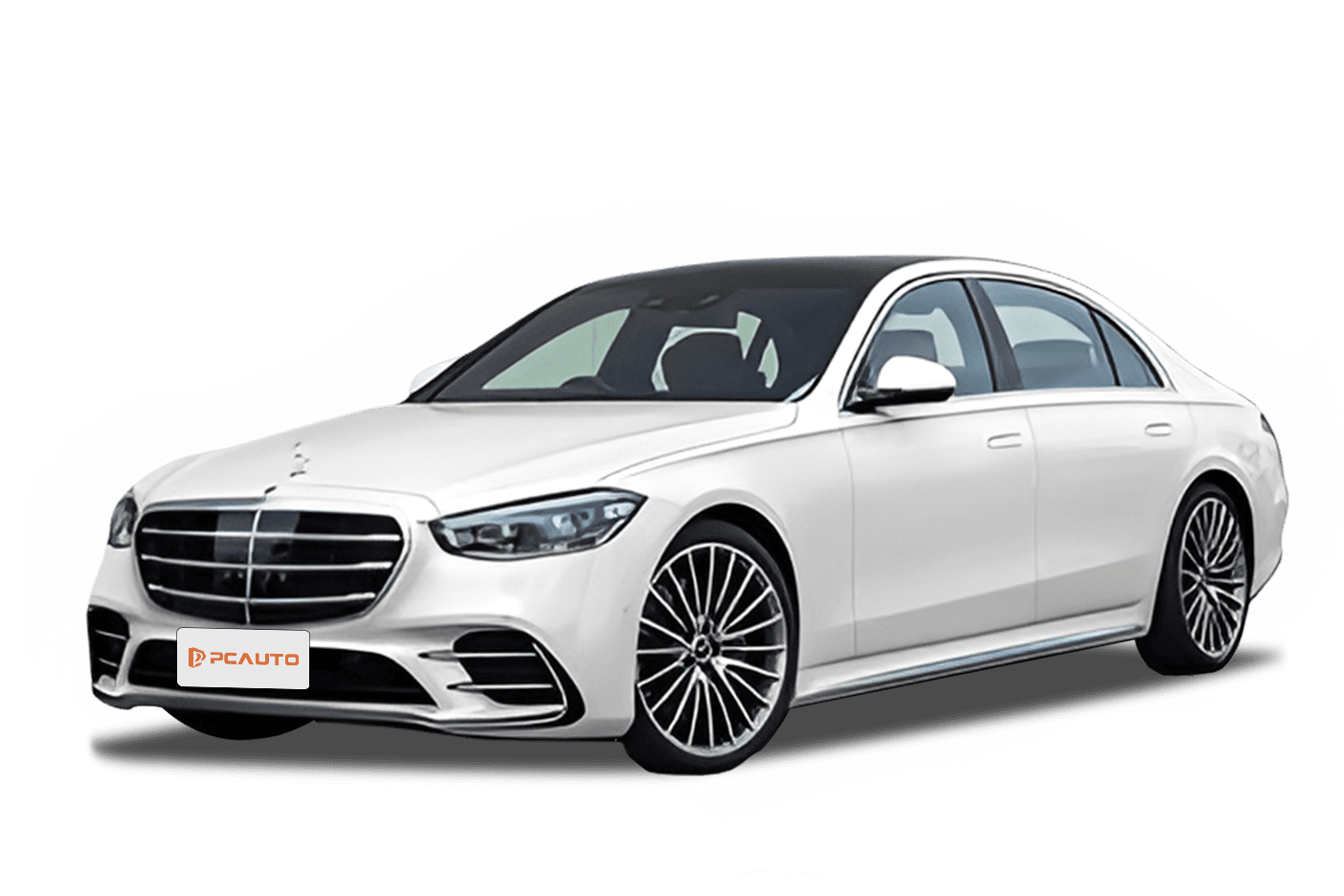
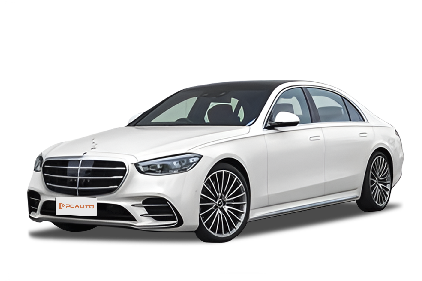
2022 Mercedes-Benz S-Class S 580 e, as the flagship plug-in hybrid model, offers a luxurious rear-seat experience with its extended wheelbase, a practical 100km pure electric range, and advanced intelligent features, balancing luxury and the practicality of new energy.

2019 Maserati Quattroporte GranSport is a luxury sedan that combines Italian sporty design with executive-level space. With a powerful 3.0T engine and precise handling, it balances the needs of passionate driving and business travel.