

Lexus LS 1998 Review

 Share
Share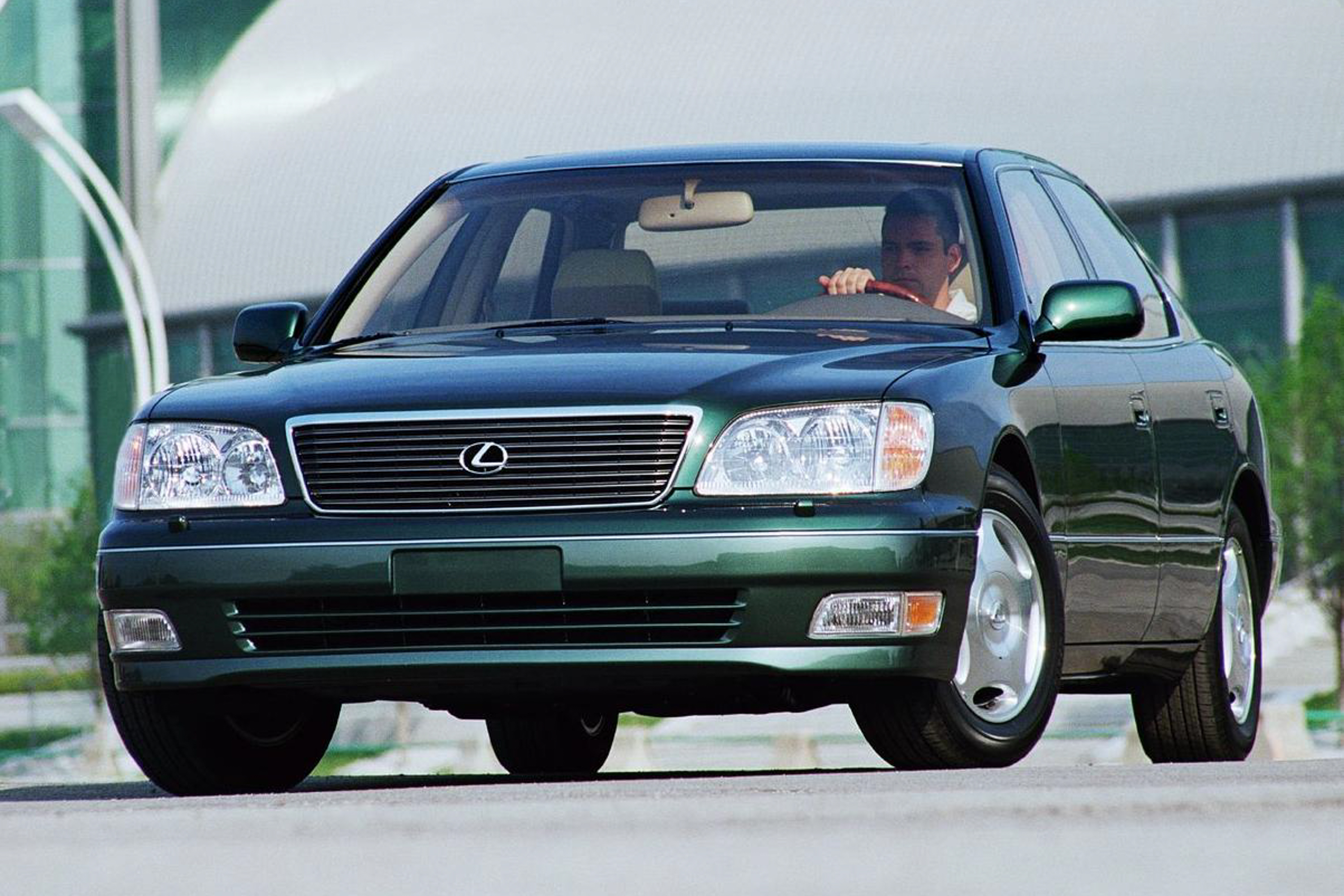
 Body Type
 Segment
 Capacity(L)
 Engine Power(PS)
 Engine Torque(Nm)
 Transmission
In Malaysia's luxury car market in 1998, German brands once dominated, and consumers' perception of luxury sedans was mostly rooted in rigorous mechanical quality and brand premiums. As Lexus LS, a high-end brand model under Toyota, entered the market during this period, it perfectly filled the gap in demand for "high-value luxury cars." This time, we got the 1998 Lexus LS public test car, with the core purpose of exploring how it competes in luxury and driving experience with German cars in the same class based on Toyota's reliability, while also verifying whether it could truly become the "practical choice" in the luxury car market at that time.
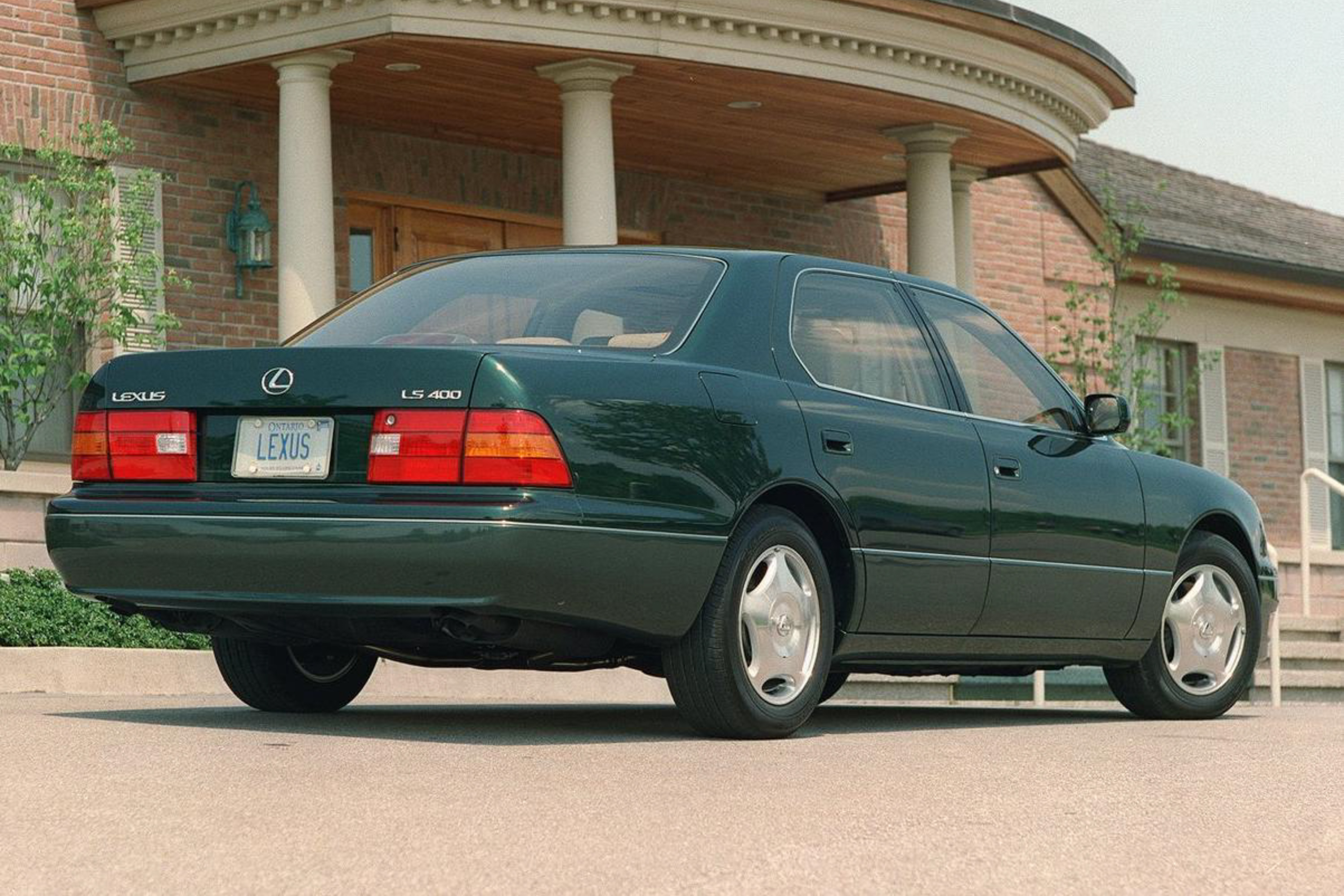
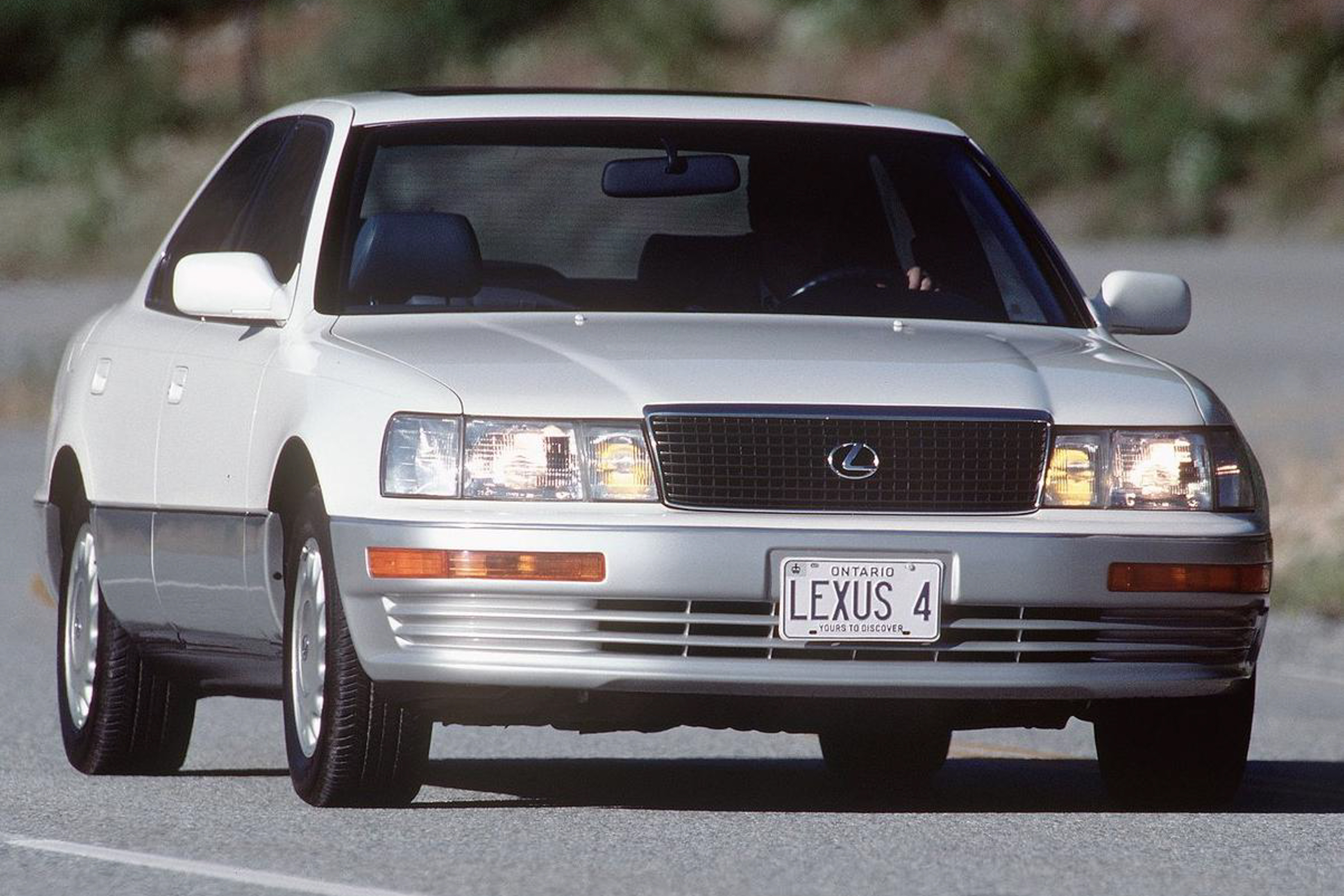
From the exterior, the 1998 LS public adopts a stable and atmospheric design, with an overall classic luxury sedan profile that avoids excessive aggressive lines. At the front, a large chrome-plated grille paired with Lexus's iconic badge gives it a high degree of recognition; the rectangular headlights on both sides use halogen lamps, with a simple internal structure, and the lighting range was at mainstream levels at the time. The side profile of the car has smooth lines, with a waistline extending from the front fender to the rear. The chrome trim at the bottom of the doors enhances the sense of refinement. The 16-inch multi-spoke aluminum alloy wheels with factory-installed tires look well-proportioned with the car's body. The rear design is also square, with horizontally arranged taillights integrating brake lights and turn signals. The chrome trim on the trunk lid echoes the front, and the overall design, while not ostentatious, aligns with the steady and dignified temperament expected of a luxury car.
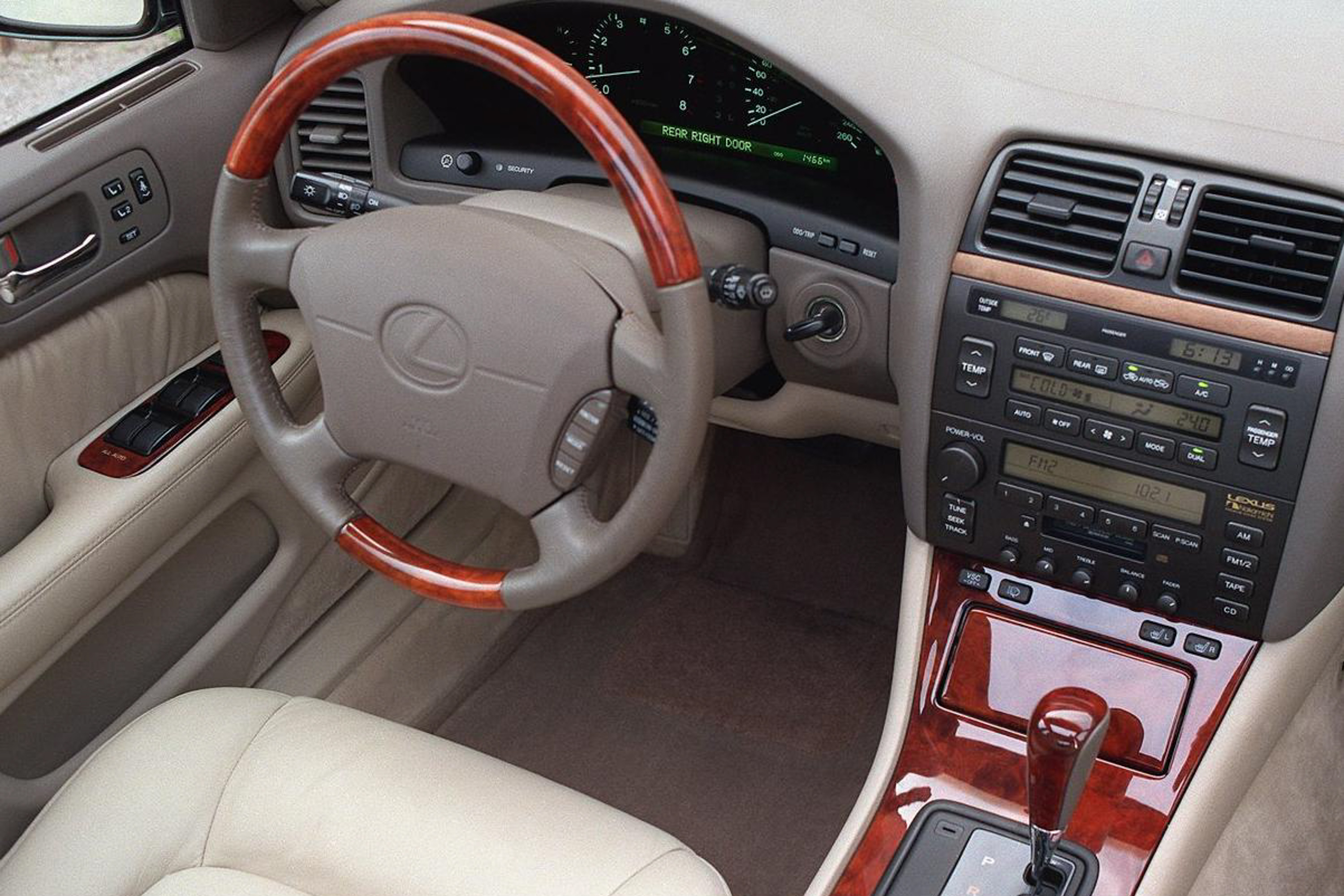
Sitting inside, the interior design of the 1998 LS public emphasizes "warm luxury." The center console adopts large wooden panels and soft leather upholstery, which provides a delicate touch, with materials considered above-average among same-class models at the time. The steering wheel adopts a four-spoke design, with a leather wrap that feels comfortable to hold. The instrument panel uses traditional mechanical pointers, displaying clear information such as RPM, speed, fuel level, and water temperature. The center console area has a simple layout, with a single-disc CD player on the upper section and the air conditioning control area below. The buttons have moderate tactile feedback, and the operation logic is straightforward, allowing first-time users to get familiar quickly. The seats are made of leather, with the front seats supporting electric adjustment, including lumbar support functions. The rear seats are well-padded, offering spacious legroom, with about two fist distances remaining for passengers even if they are 180cm tall. As for storage space, the front central armrest box is relatively large and can hold daily items, while the door panel storage compartments can accommodate two bottles of water. The trunk has a capacity of about 500L, meeting the storage needs of luggage for family trips.
In terms of performance, the 1998 LS public is equipped with a 4.0L V8 naturally aspirated engine, producing a maximum output of 290 horsepower and a peak torque of 394 N·m, paired with a 4-speed automatic transmission. During actual driving, the power delivery is smooth during the initial acceleration phase. The throttle response isn't particularly aggressive, but when pressed harder, the V8 engine's reserve power gradually unleashes, providing a linear acceleration process. It only takes a light press on the throttle to deliver sufficient power for overtaking. When switched to Sport Mode, the transmission's shift logic becomes more responsive, with faster downshifts and improved power response. In terms of handling, the steering wheel offers moderate steering effort, with a level of accuracy that was commendable for luxury cars at the time. The suspension system uses a front double wishbone and rear multi-link independent suspension, tuned for comfort. When passing over speed bumps or uneven roads, the suspension effectively filters out vibrations, with minimal jolting felt in the cabin. When cornering, the body roll is kept within reasonable limits, ensuring passenger comfort is not significantly affected. In terms of fuel consumption, urban mileage averages around 15L per 100 kilometers, while highway mileage is approximately 11L per 100 kilometers, which is consistent with the consumption level of a V8 engine.
In terms of ride comfort, the 1998 LS public performs admirably. The cabin's sound insulation is excellent, effectively controlling engine noise, tire noise, and wind noise while driving. Even when traveling at a high speed of 120km/h, passengers inside can have normal conversations. The seats offer good wrapping and support and remain comfortable even during long rides. The gearbox shifts smoothly with no obvious jolting, making daily driving very effortless.
Overall, the core advantage of the 1998 Lexus LS public lies in its "balance" — it not only offers the power reserve of a V8 engine but also delivers a comfortable ride experience. Additionally, Toyota's reputation for reliability adds to its merits. Compared with its peers like the Mercedes-Benz S-Class and BMW 7 Series, it offers better value for money and lower maintenance costs. On the other hand, when compared with other Japanese luxury cars of the time, it stands out with its luxury feel and power performance. This car is suitable for families who value a combination of "comfort and reliability" or small business owners in need of a business commute car — those who do not prioritize flashy brand prestige but care about practicality and comfort in everyday use.
In conclusion, the 1998 Lexus LS public is a "pragmatic luxury sedan." It does not intentionally pursue radical design or performance, but rather finds an excellent balance between luxury, power, comfort, and reliability. For consumers wanting to experience a V8 luxury car without bearing the high maintenance costs, it is undoubtedly a worthwhile option to consider.
Lexus LS Car Compare
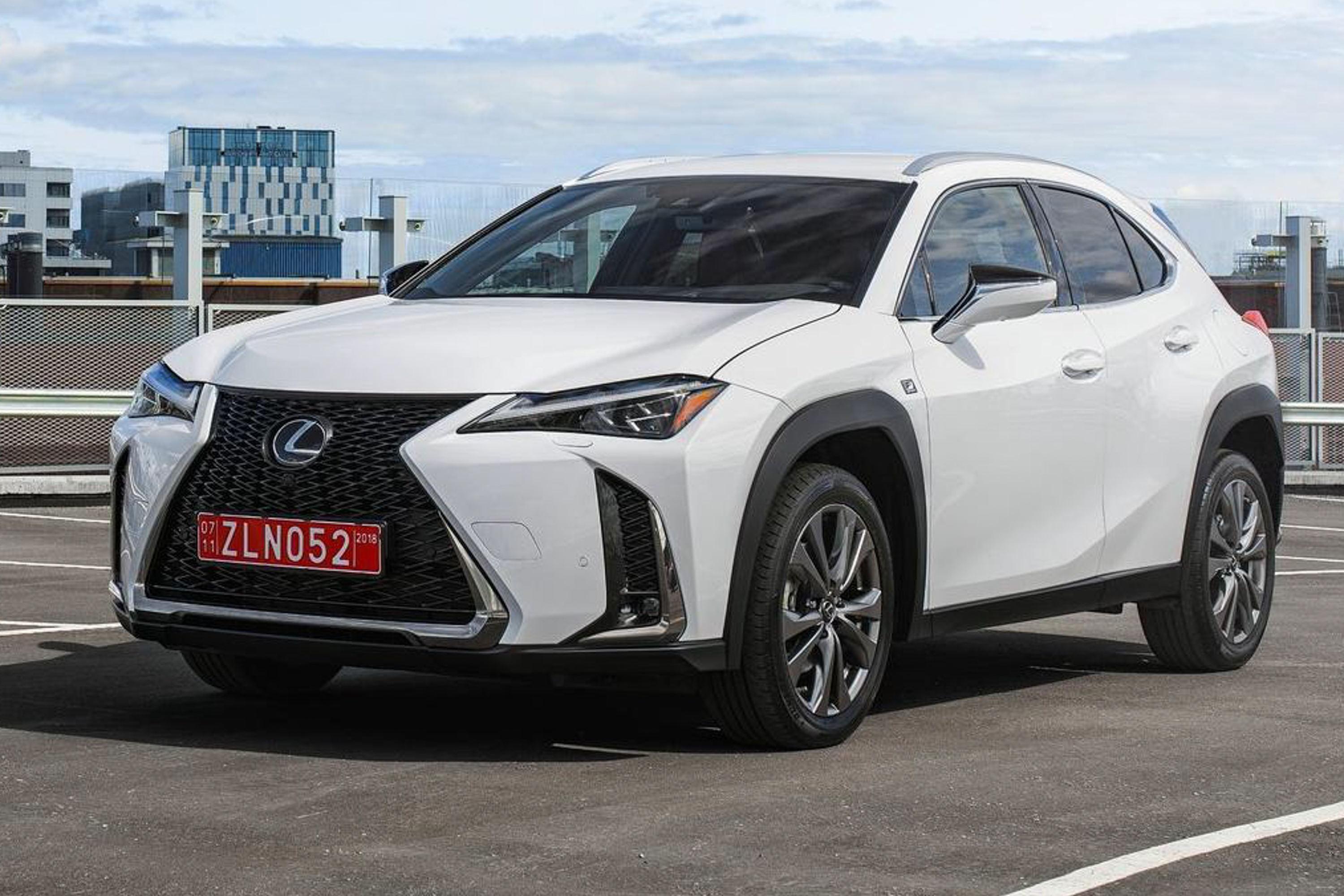
Cars With Similar Price And Features

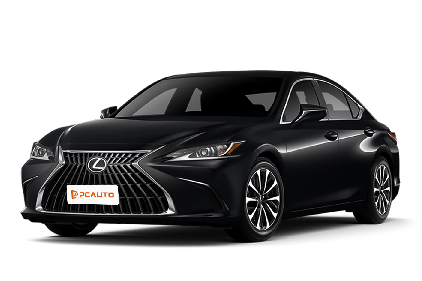
2024 Lexus ES as a practical choice in the luxury mid-size sedan market, with a balanced and comfortable driving experience, rich safety features, and a reliable brand reputation, precisely catering to the needs of family users and young elites.
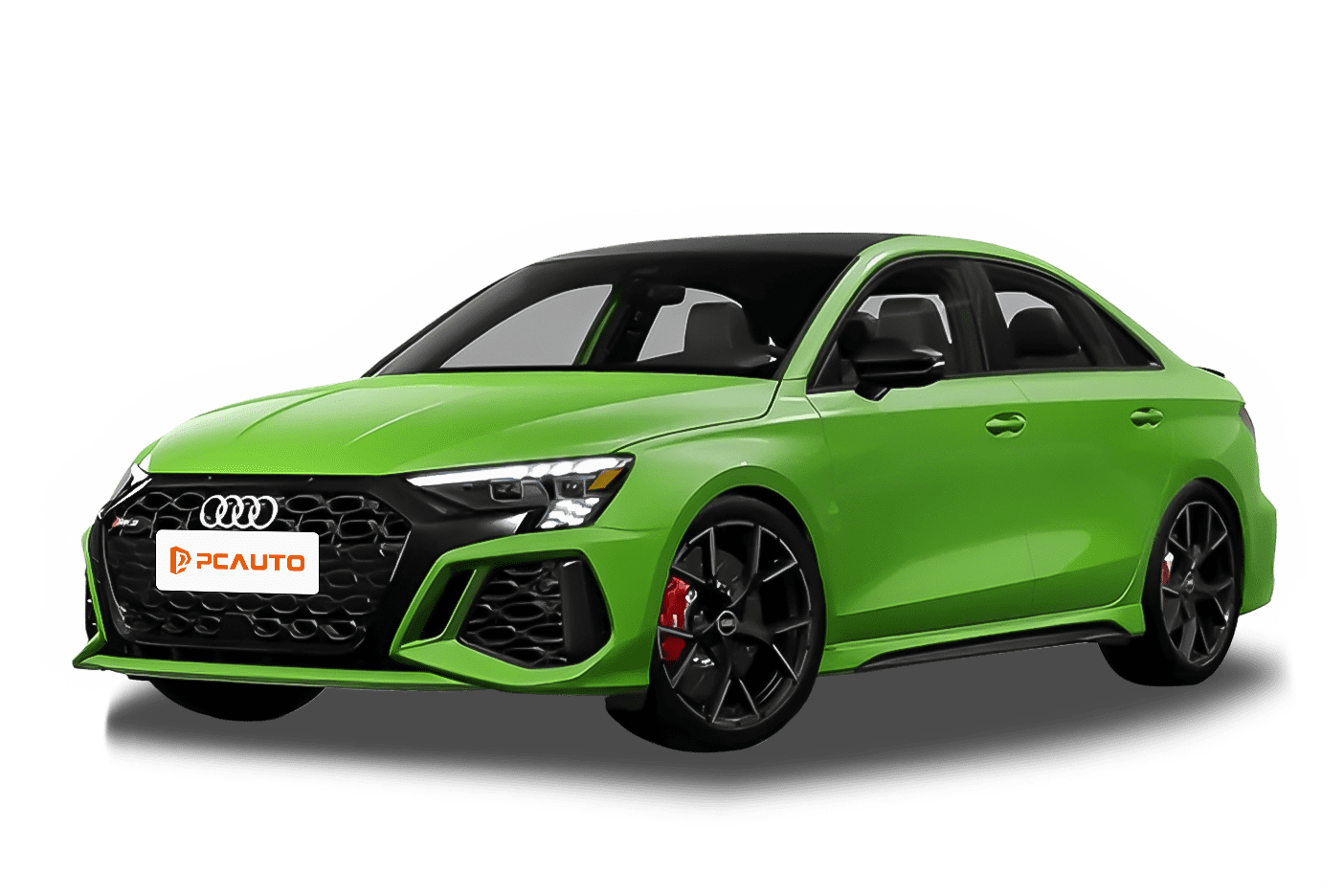
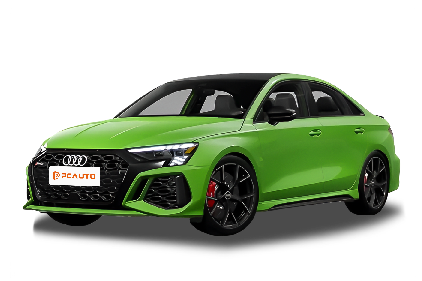
Audi RS3 Sportback is a luxurious and compact "pocket rocket" that balances 400PS five-cylinder performance, Quattro control, and practicality for family use, with a sporty design and a full sense of technology.

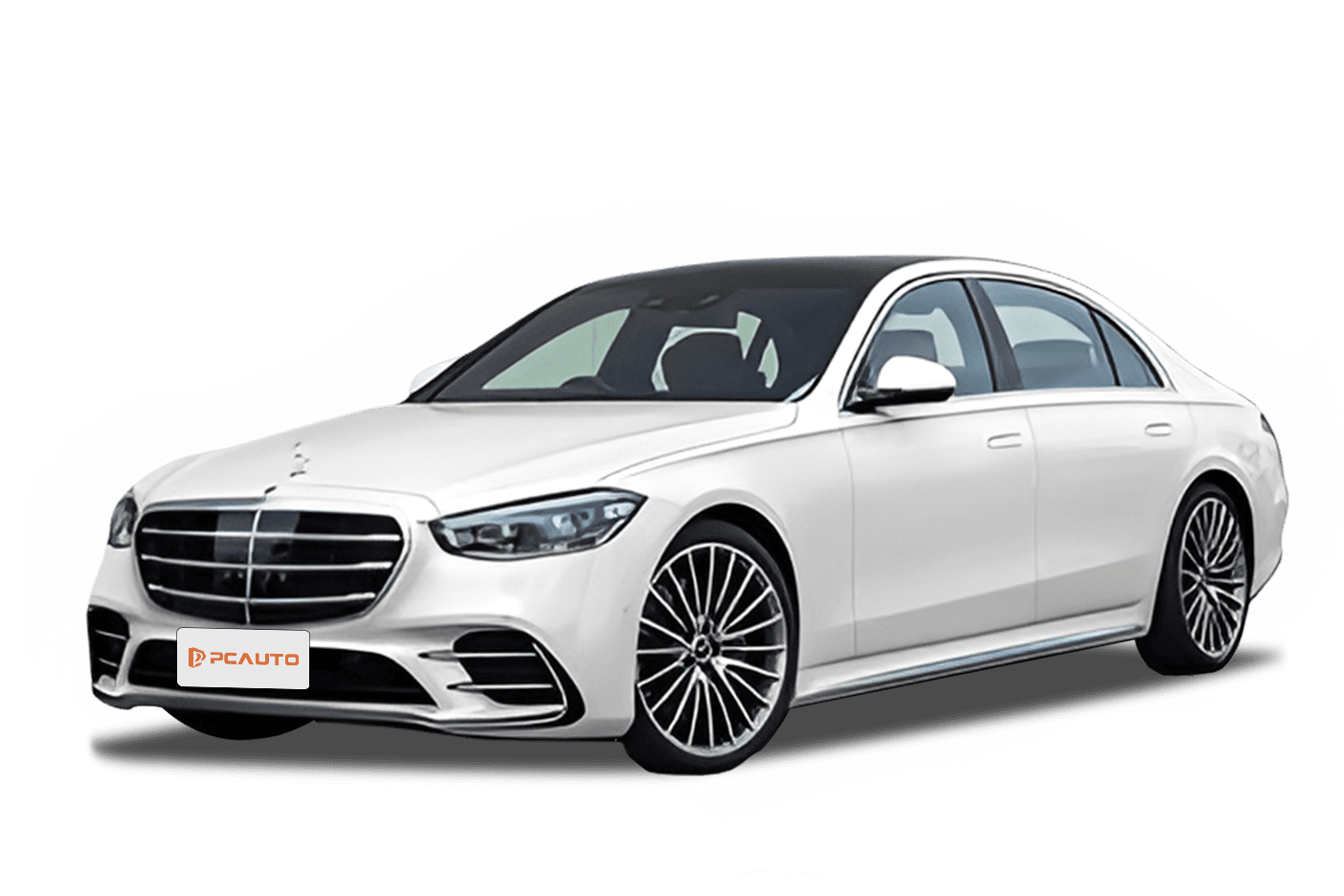
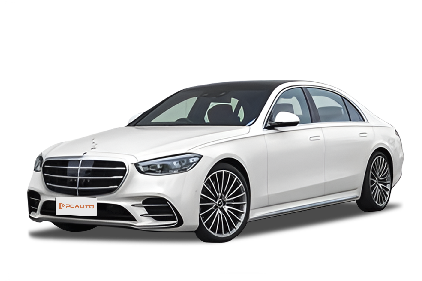
2022 Mercedes-Benz S-Class S 580 e, as the flagship plug-in hybrid model, offers a luxurious rear-seat experience with its extended wheelbase, a practical 100km pure electric range, and advanced intelligent features, balancing luxury and the practicality of new energy.

2019 Maserati Quattroporte GranSport is a luxury sedan that combines Italian sporty design with executive-level space. With a powerful 3.0T engine and precise handling, it balances the needs of passionate driving and business travel.