

Lexus UX 2019 Review

 Share
Share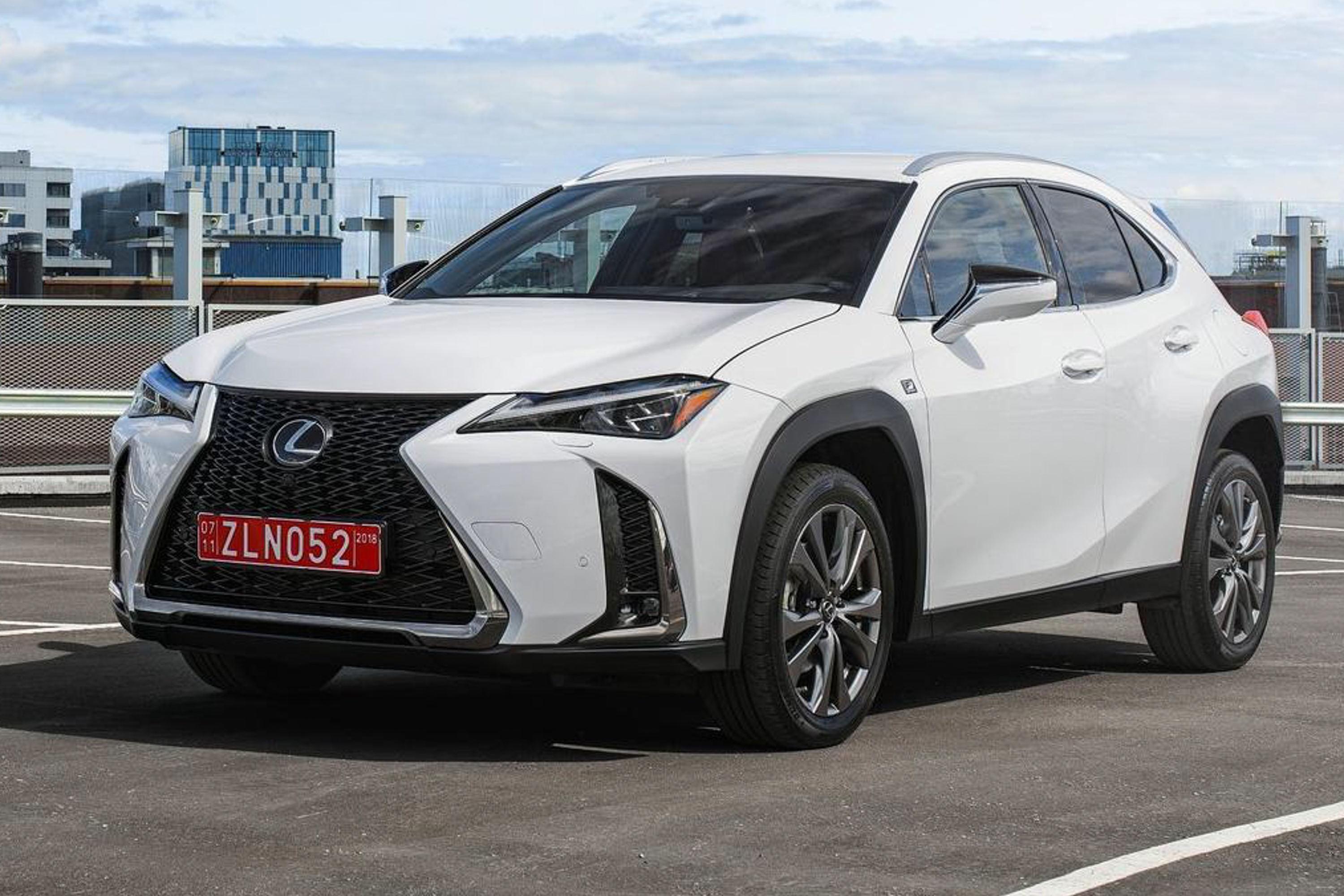
 Body Type
 Segment
 Capacity(L)
 Engine Power(PS)
 Engine Torque(Nm)
 Transmission
In recent years, the luxury compact SUV market in Malaysia has continued to heat up. Young consumers not only want the texture of luxury brands but also hope for vehicles that are flexible and easy to drive. The Lexus UX 2019 is aimed precisely at this niche market. As an entry-level SUV under the Lexus brand, it not only continues the brand's consistent sense of refinement but also optimizes space and handling for urban users, with some surprising features in terms of configuration. This time, we got a test car, and the core focus is to see whether it can stand out among popular models like the X50 and CX-30 with its luxury attributes and balanced performance.
From a distance, the design of the UX falls within the typical Lexus family style. The spindle-shaped grille is moderately sized, appearing neither overly exaggerated nor too subdued, paired with sharp LED headlight groups on both sides, giving the front end high recognizability. The side profile is smooth, with a waistline extending from the A-pillar to the rear, adding depth to the side view. The 17-inch alloy wheels feature a dynamic design and maintain harmonious proportions with the body. At the rear, the light bar spanning the width of the car is simple in design, and the dual-exhaust layout adds a touch of sportiness. For the lighting system, the front headlights feature Lexus’s signature L-shaped daytime running lights, which are striking when illuminated; at night, the light bar at the rear creates an appealing visual effect. Overall, the exterior design of the UX balances a sense of luxury with youthfulness, making it one of the more visually appealing models in its class.
Sitting inside the car, the interior layout of the UX is driver-centered, with the central control panel tilted towards the driver, making it convenient to operate. In terms of interior materials, the upper dashboard and the inner sides of the door panels are wrapped in soft materials that feel nice to the touch. Coupled with silver trim and piano lacquer panels, the overall texture lives up to the standards of a luxury brand. The central screen measures 7 inches and supports both touch and physical button control. The interface design is simple, and the response speed is quite fast, but the resolution is average. In terms of features, the UX comes standard with dual-zone automatic climate control, keyless entry/start, and a rear-view camera. Mid to high-end models are also equipped with seat heating, a panoramic sunroof, and a Mark Levinson sound system. Regarding the seats, the front seats are well-contoured and feature soft padding, making long rides comfortable. The legroom of the rear seats is average, leaving about a fist of space for passengers around 175cm tall, though the headroom feels slightly cramped due to the sloping roof design. For storage space, the door pockets, central armrest box, and cup holders are practical. The standard trunk capacity is 320 liters, which can be expanded to 714 liters with the rear seats folded down, meeting daily family needs without issue.
In terms of power, the UX is equipped with a 2.0L naturally aspirated engine, delivering a maximum power of 171 horsepower and a peak torque of 205 Nm, paired with a CVT transmission. During actual driving, power output is relatively smooth in the starting phase, and throttle response is quite sensitive. However, significant power surge only kicks in when the engine exceeds 3000 rpm. Switching to Sport mode makes the throttle response more aggressive, and the transmission’s shifting logic adjusts accordingly. While the acceleration doesn’t provide a strong pushback feeling, it’s fully adequate for daily urban commutes. The steering wheel is precise, with minimal play and a light touch, which makes it very friendy for female drivers. In terms of the chassis, the UX features a front MacPherson strut independent suspension and a rear multi-link independent suspension, tuned for comfort. It absorbs most of the bumps on uneven roads, but when cornering at high speeds, the body lean becomes relatively obvious, and the handling is average. As for noise control, the UX performs well — at within speeds of 60km/h, almost no significant noise is heard inside the cabin. Beyond 80km/h, wind noise and tire noise increase somewhat, but remain within acceptable limits. Regarding fuel consumption, we covered 100km each on urban roads and highways, with a combined fuel consumption of 6.8L/100km, which is decent.
Overall, the core advantages of the Lexus UX 2019 lie in its luxurious interior quality, decent configuration, and reliable brand reputation. Compared to vehicles in the same class, the UX stands out with interior materials and craftsmanship that are significantly better than the X50, and offers richer configurations than the CX-30, though the price might be slightly higher. It is suitable for consumers who value luxury and brand appeal, particularly young families, and it is capable of handling daily city commutes and short trips. If your budget allows and you are looking for a premium compact SUV with a sense of sophistication, the UX would be a good choice.
Lexus UX Car Compare

More Lexus Reviews
Cars With Similar Price And Features
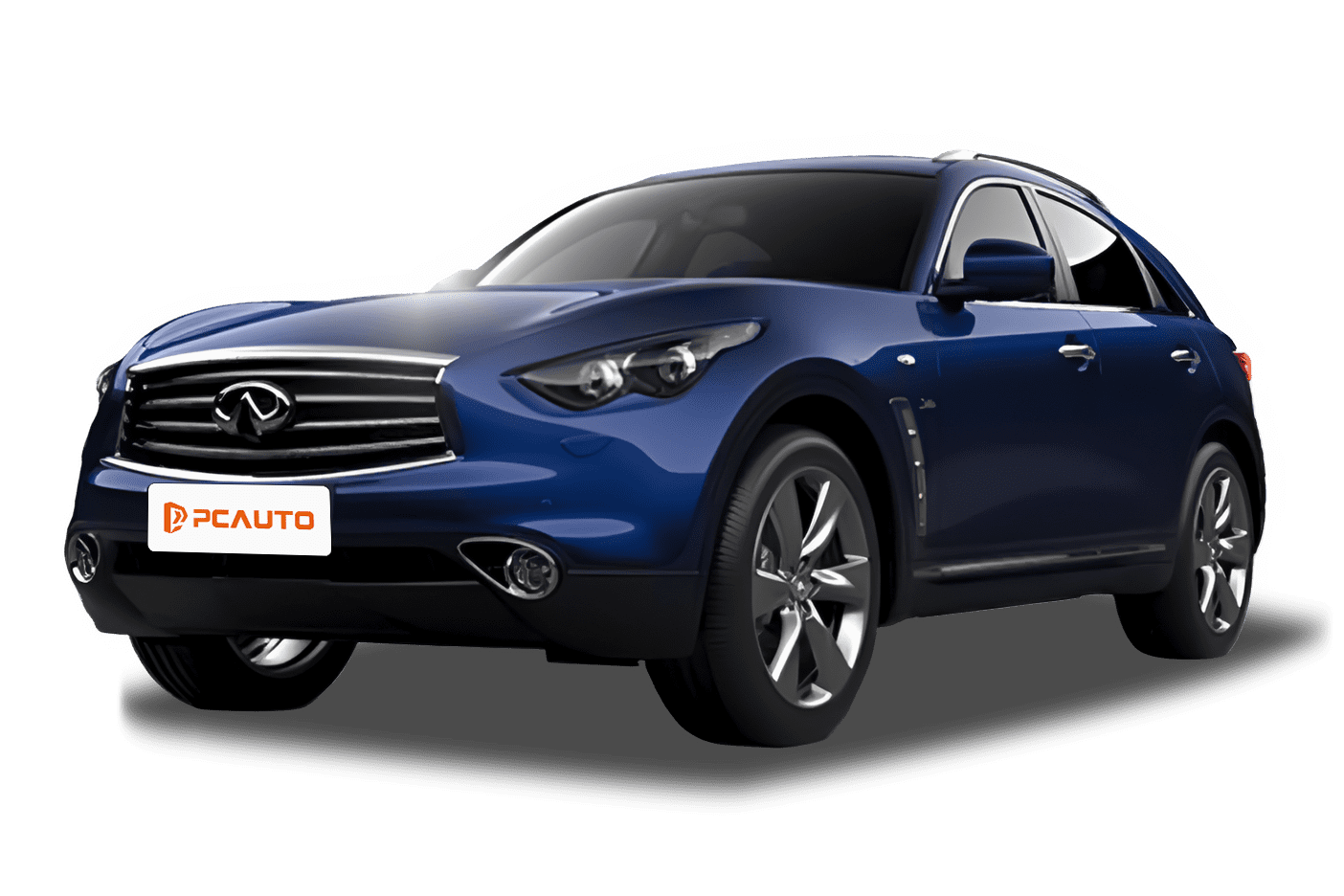
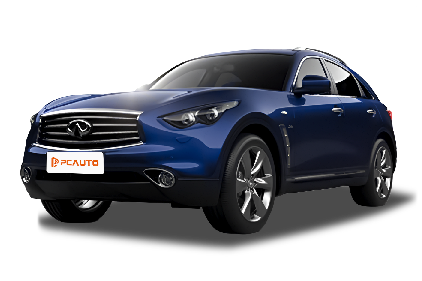
2017 Infiniti QX70 3.7 GT is a luxurious mid-size SUV that combines the dynamic design of a coupe-style SUV, 324PS V6 power, and practical configurations, meeting the balanced needs of family use and driving pleasure.

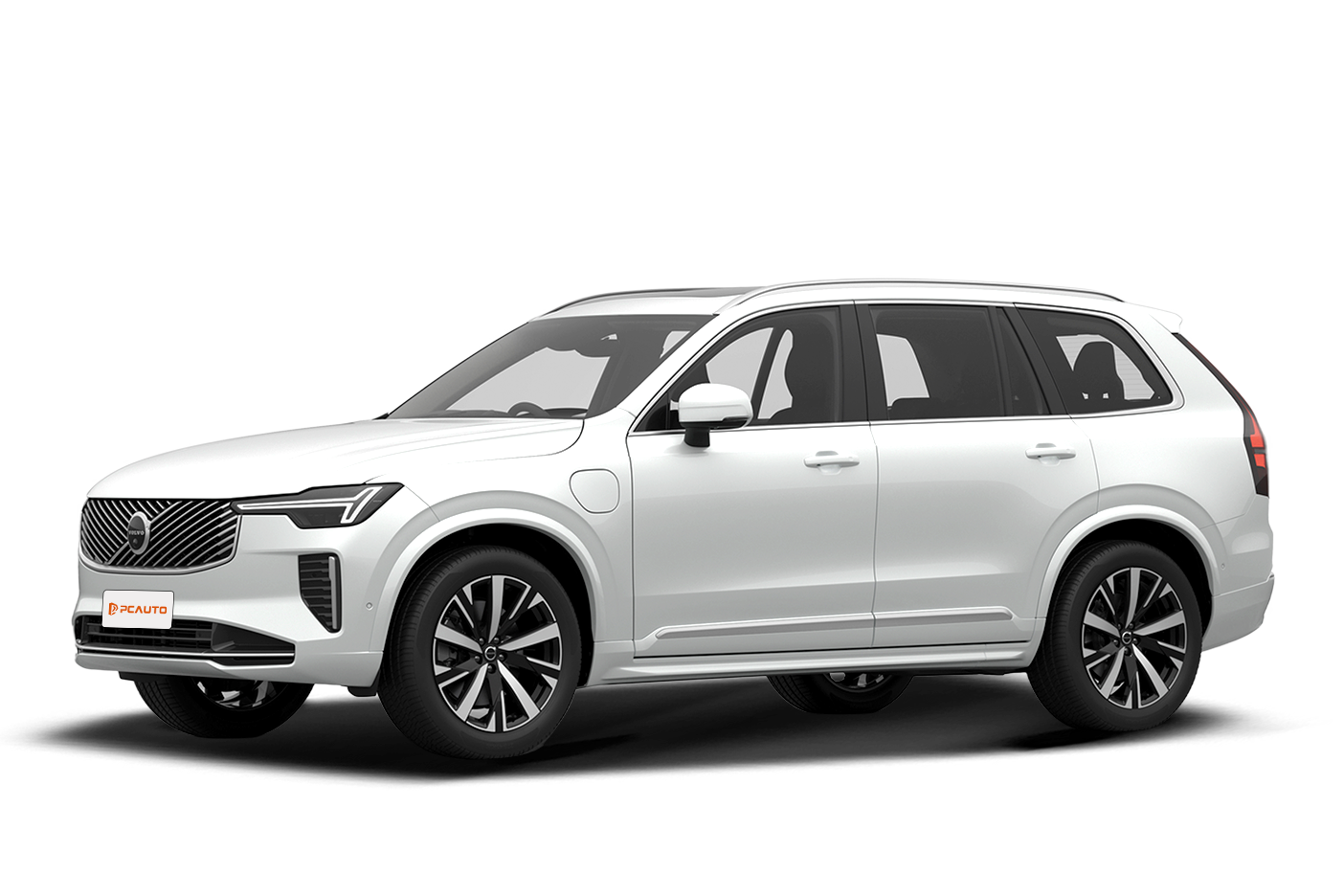
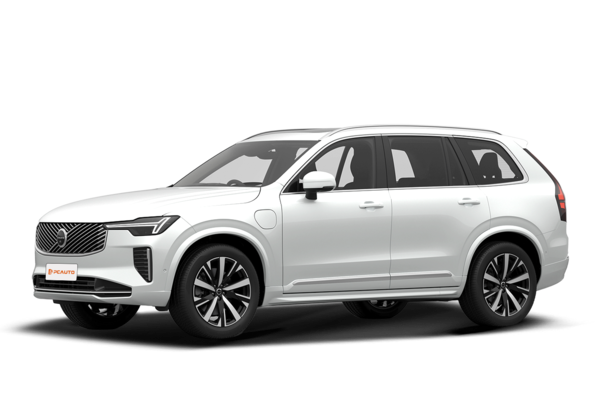
2025 Volvo XC90 Ultra B5, as an Executive-level luxury 7-seat SUV, optimizes fuel efficiency with a mild hybrid system, enhances comfort with air suspension across the range, coupled with an intelligent cockpit, balancing space and safety, showcasing outstanding capability.
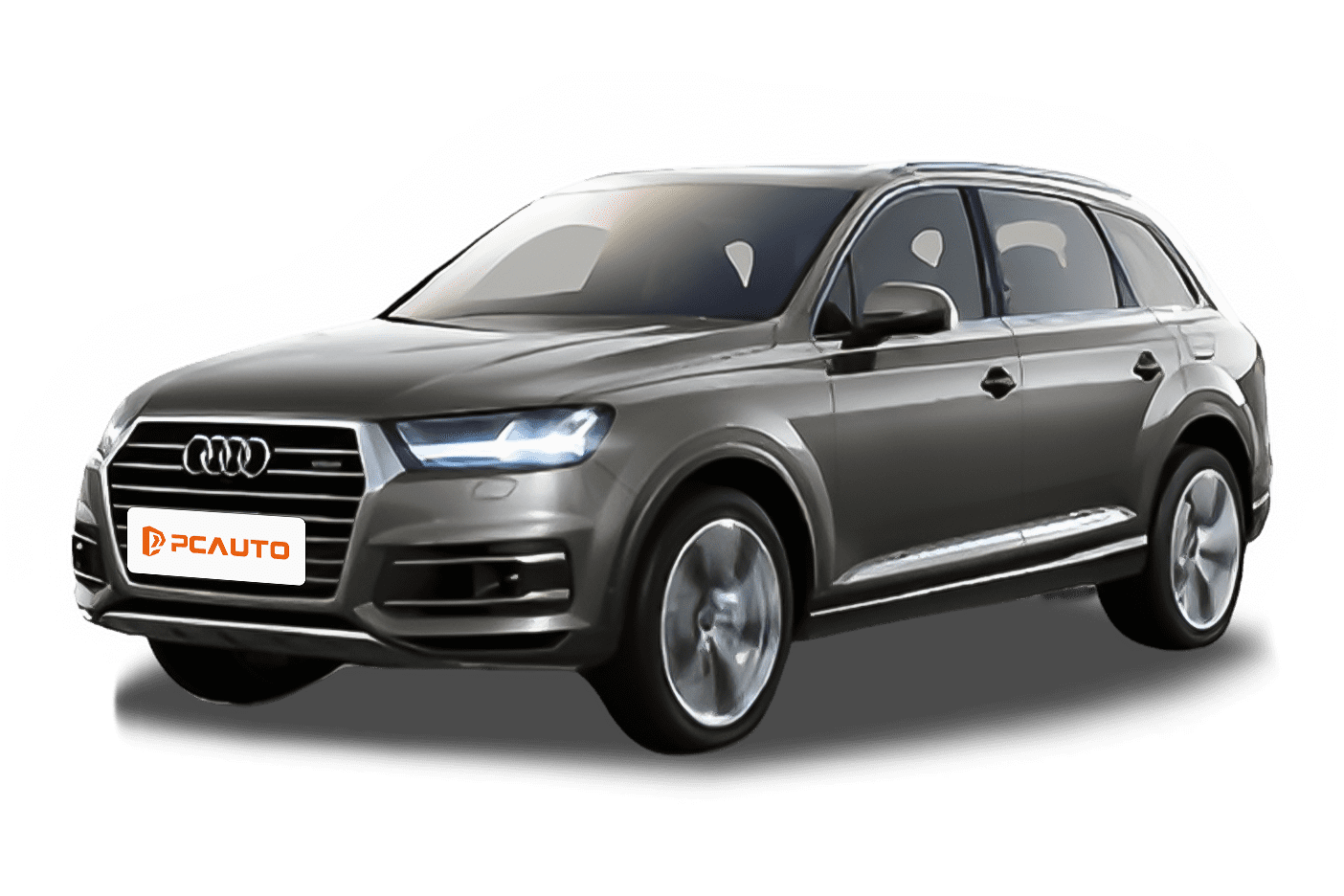
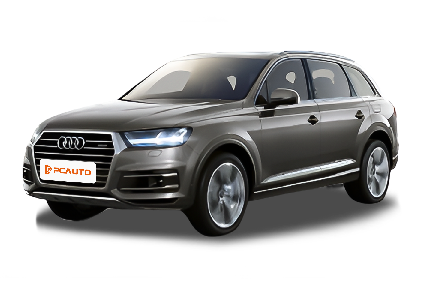
2025 Audi Q7 S line 3.0 TFSI, with its high cost-effectiveness, sporty appearance, luxurious interior, powerful performance, and flexible space, becomes a strong contender in the luxury mid-to-large SUV market.
23
Rank in SUV
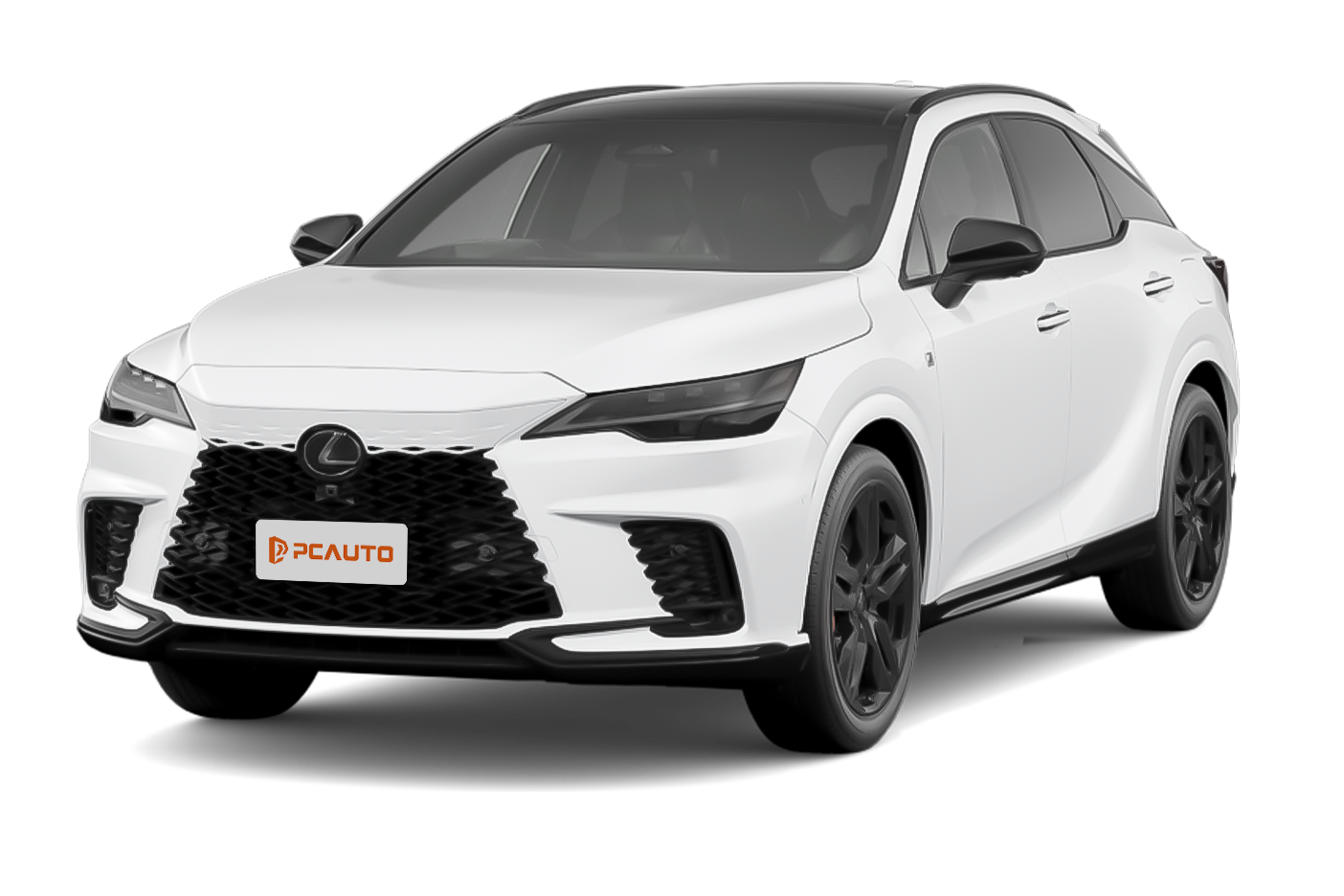
2025 Lexus RX 500h F Sport Special Edition is an executive-level hybrid SUV that balances performance, luxury, and technology, featuring a 2.4T hybrid system, exclusive 21-inch wheels, and a 14-inch central control screen as its core highlights.