

2018 Nissan Navara Double Cab 2.5L SE (A) Review

 Share
Share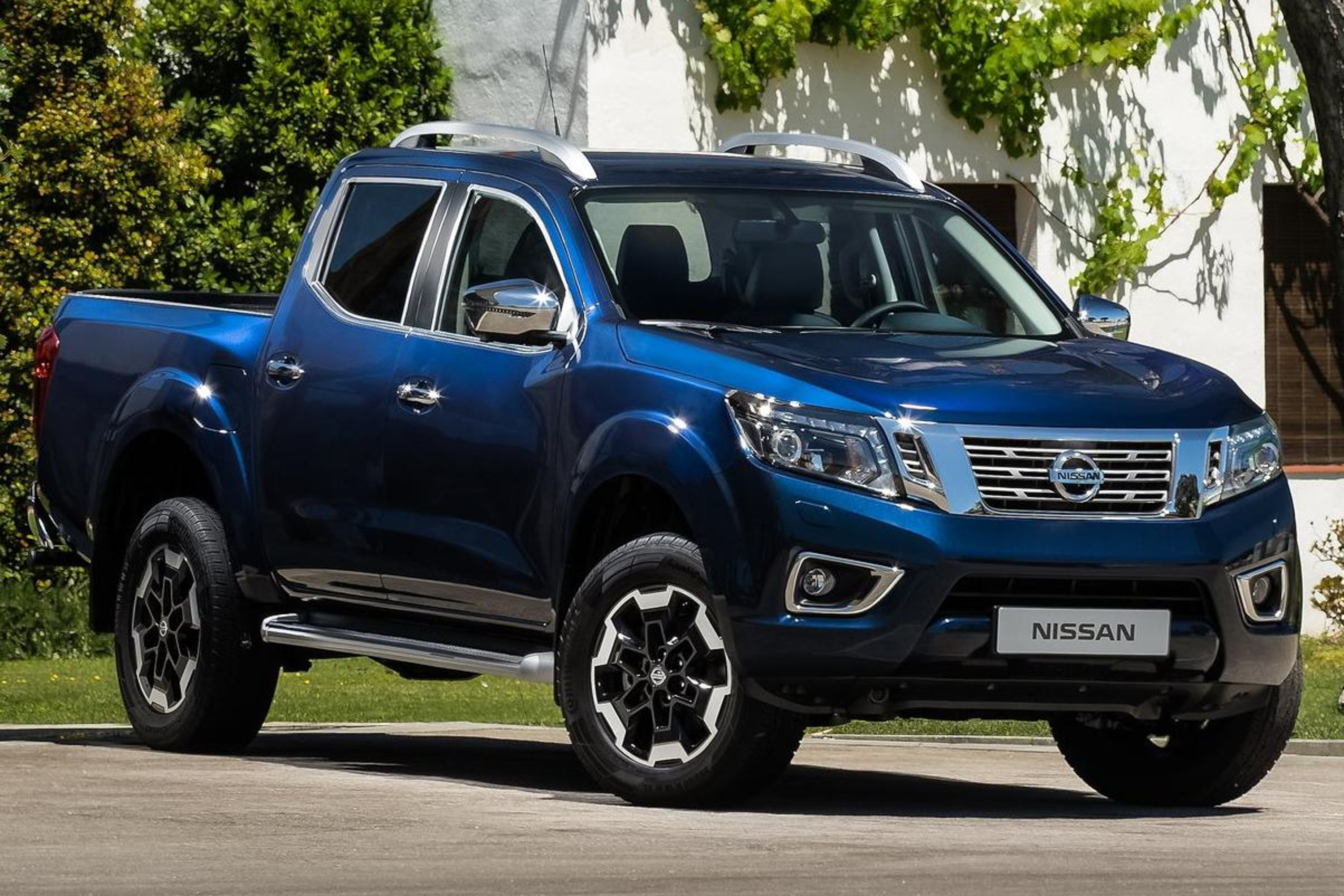
 Segment
 Body Type
 Capacity(L)
 Engine Power(PS)
 Transmission
 Driven Wheels
The pickup truck market in Southeast Asia has always been dominated by practicality. The need for a "dual-purpose" vehicle — one that can handle construction site hauls while also serving as a family commuter — has made mid-size pickups the top choice for many users. The 2018 Nissan Navara Double Cab 2.5L SE (A), a popular option in this segment, boasts its durable body-on-frame construction paired with a rarely-seen multi-link rear suspension in this class, striking a balance between off-road capability and comfort. In this test drive, we focus on whether it can truly meet the dual roles of being both a "work truck" and a "family car".
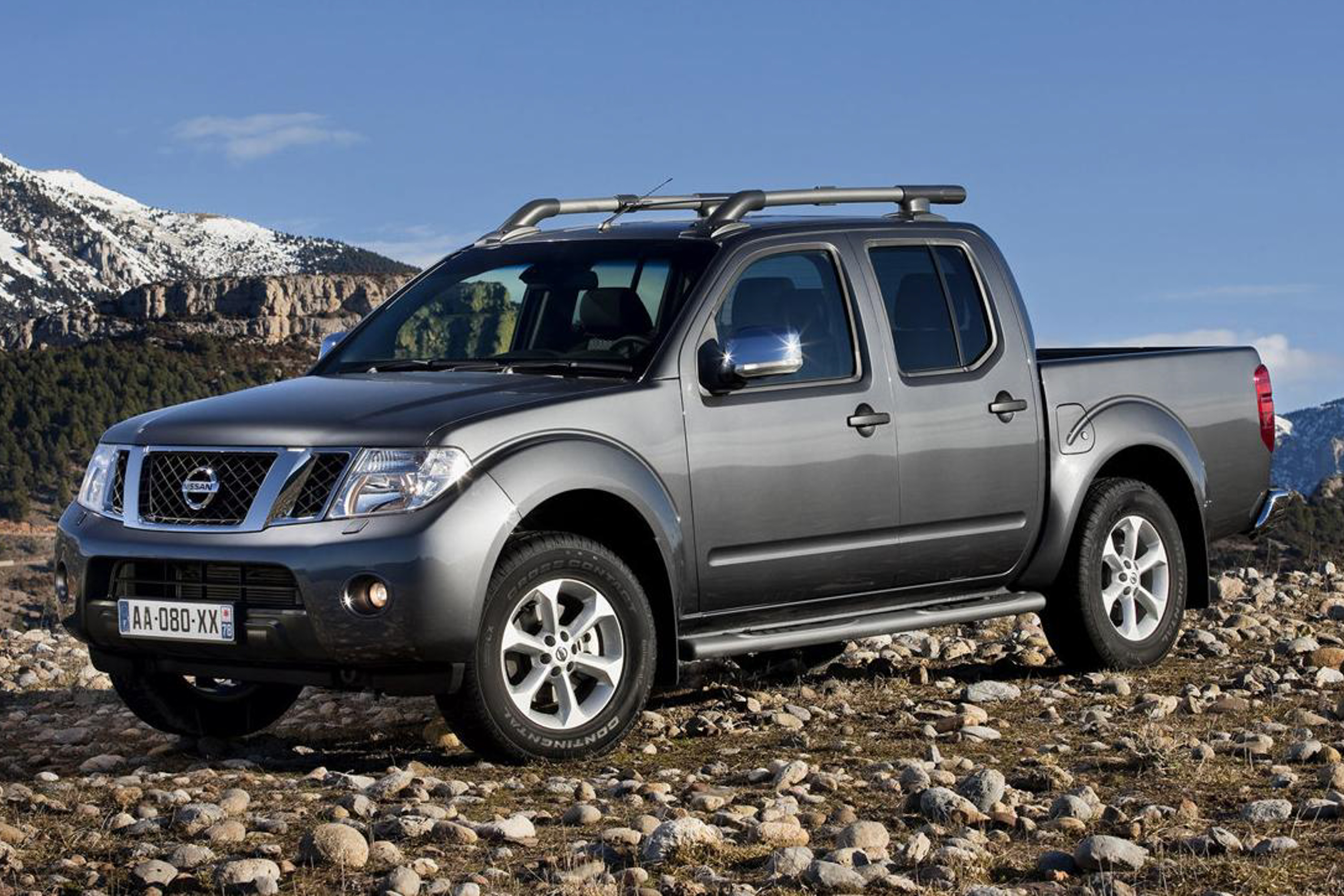
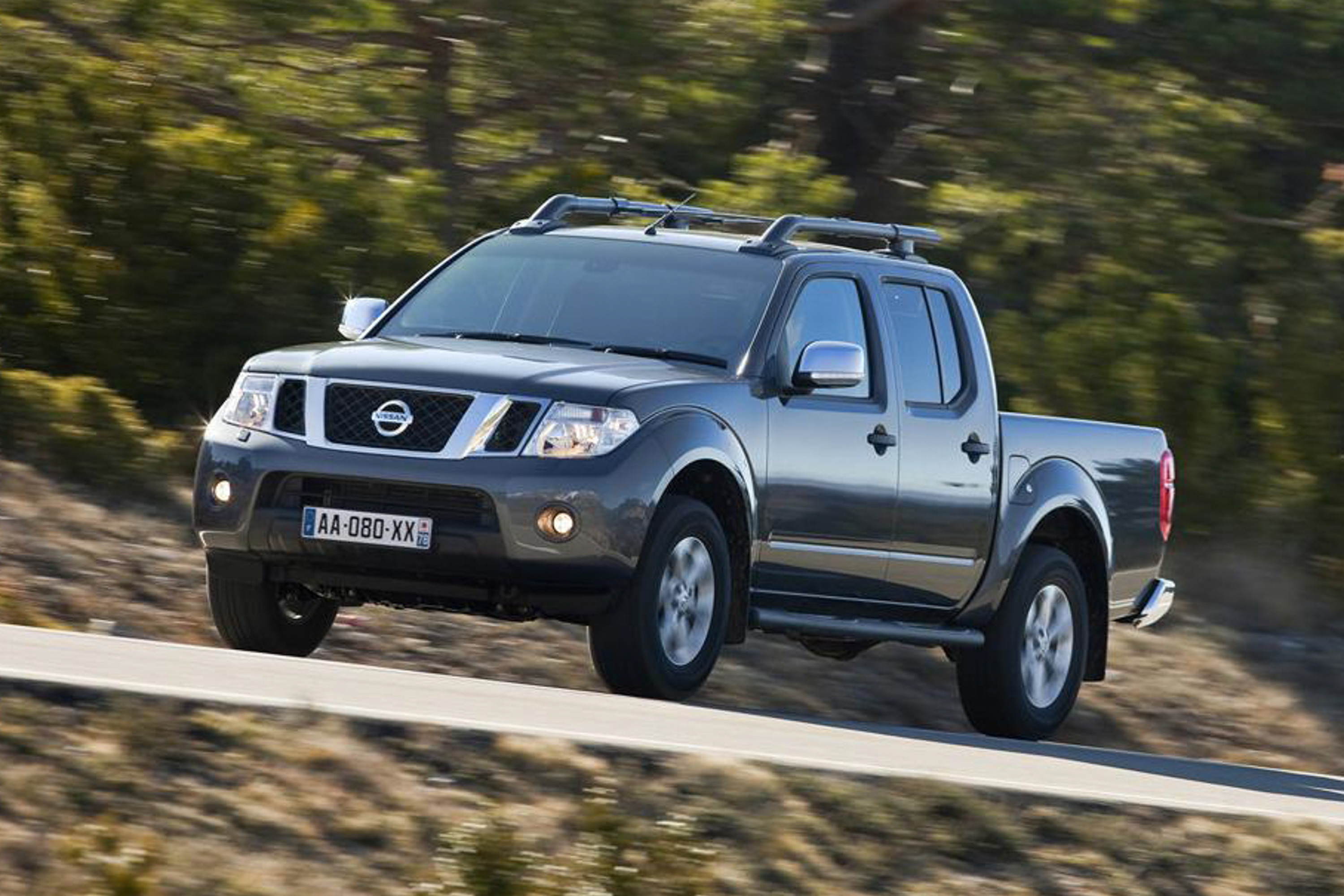
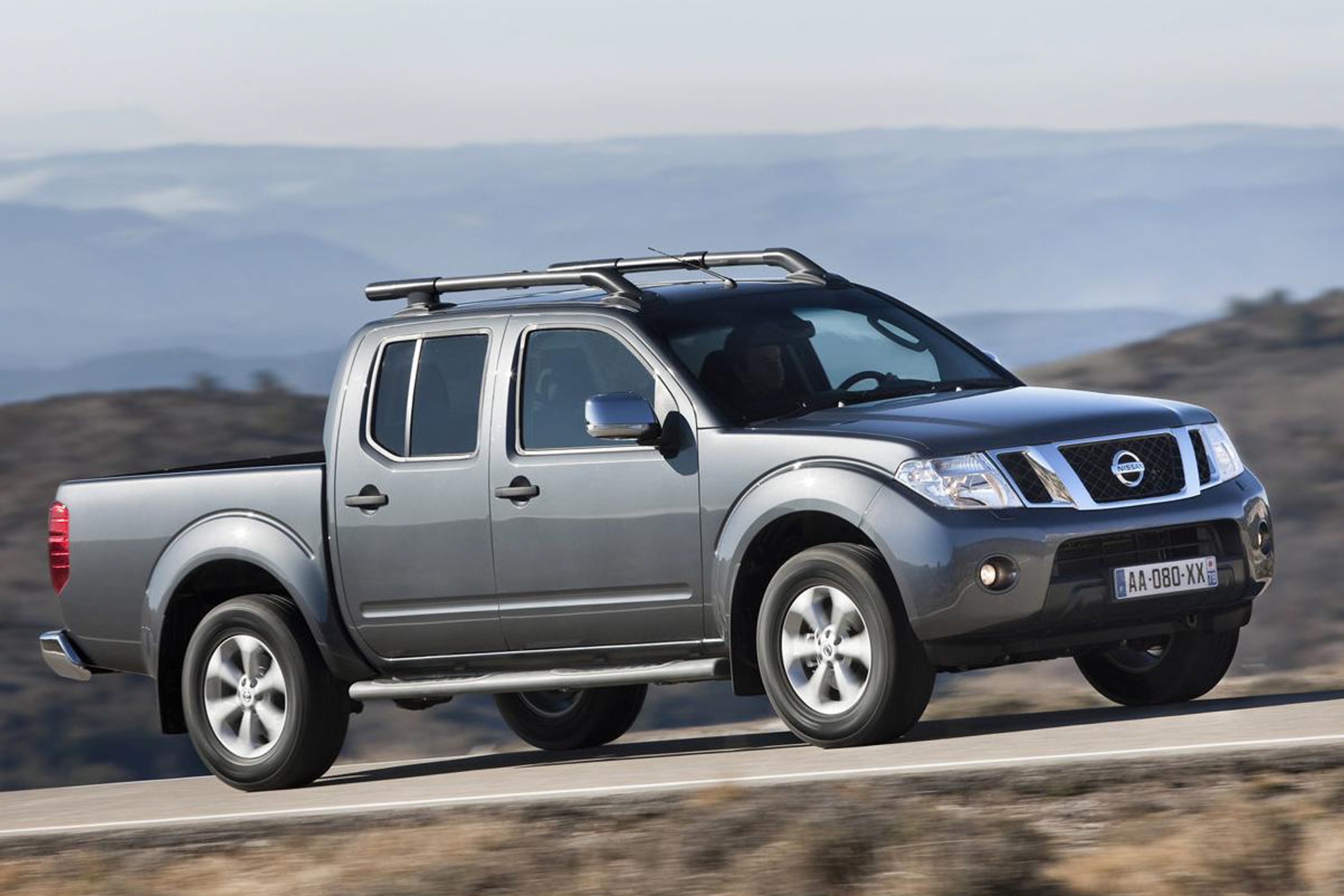
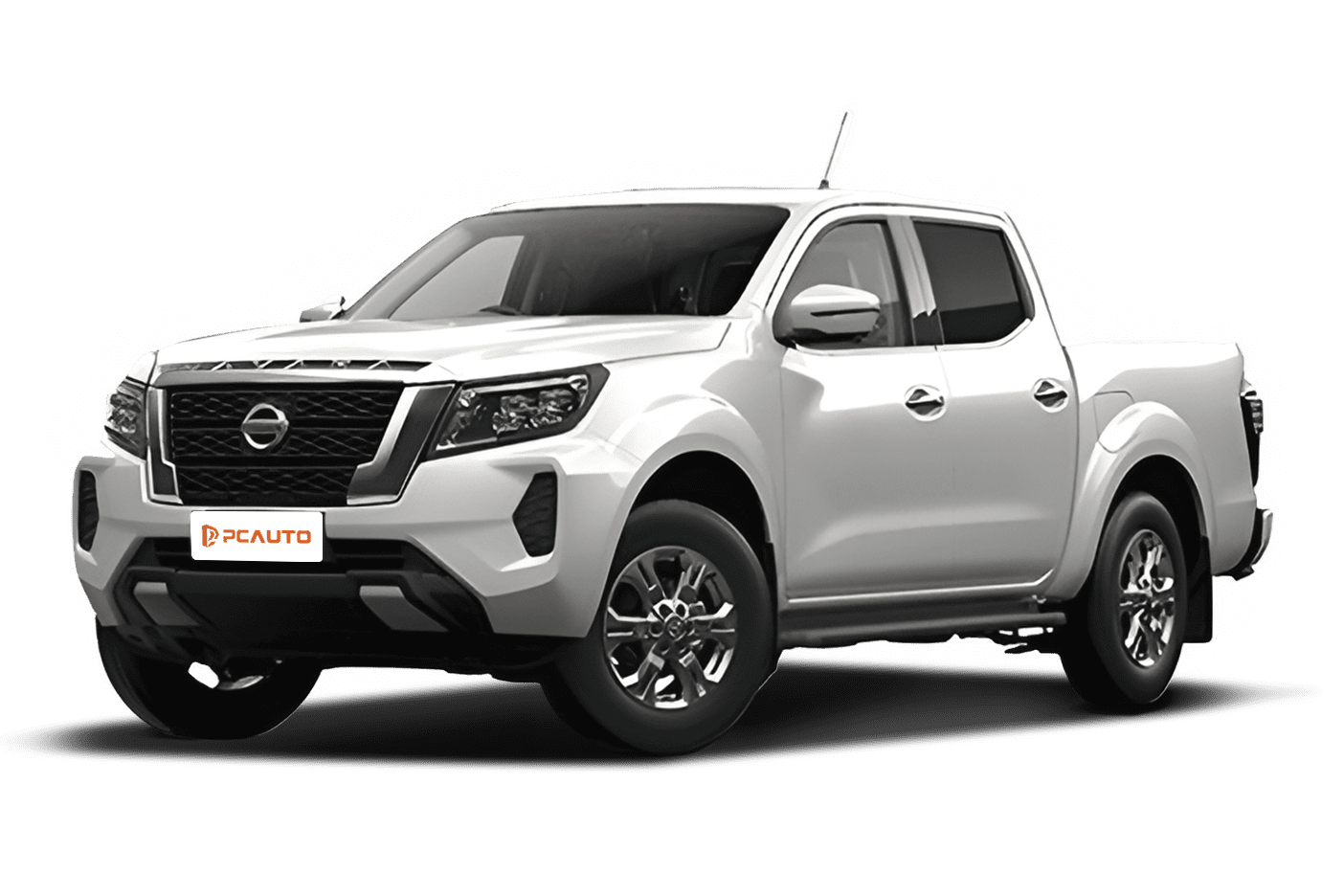
In terms of exterior design, the Navara retains Nissan pickups' signature rugged style. The V-Motion chrome grille on the front is moderately sized, avoiding excessive boldness. Paired with halogen headlights and front fog lights on either side, the overall look is quite distinctive. The side profile features straight lines, with the "NAVARA" lettering on the truck bed rails clearly indicating its identity. The 16-inch tires strike a good balance between off-road capability and stability during road travel. The rear design is simple, with vertically arranged taillights and a trailer hook interface reserved below the rear bumper, making it suitable for the utility nature of a pickup. The overall design is understated and practical, without any over-the-top elements, making it a classic and durable choice.
Once you step inside, the interior primarily features dark plastics highlighted with a few silver trims, offering a moderate level of refinement for its price range. The center console layout is clear, and the multi-functional steering wheel integrates audio controls and phone buttons on the left, making it very convenient to use. The instrument panel features an illuminated analog design with clear readings for the tachometer and speedometer, while the central screen displays basic information such as fuel consumption and mileage. In terms of features, the keyless entry and ignition add extra convenience for daily use. The front row comes with a single-zone manual air conditioning system, and the rear gets independent air vents, catering to rear passengers' comfort. The seats are manually adjustable fabric seats with decent support, though long drives may require adjustments for a more comfortable posture. The rear space is average; for passengers around 175cm tall, there is about a fist-width of legroom, and knee space is not overly cramped. The rear seats can be folded, creating extra storage space, which is ideal for transporting larger items. Although the official dimensions of the cargo bed are not provided, it can easily fit several large suitcases or tools, meeting everyday loading necessities.
In terms of performance, the 2.5T diesel engine delivers a maximum horsepower of 163PS and reaches peak torque at 2000rpm. It is paired with a 7-speed automatic transmission (note: the exact gear count is not specified in the data, but is inferred based on common configurations of this model). When starting off, the low-end torque advantage of the diesel engine becomes apparent, as a light press on the accelerator propels the vehicle with ease, even when fully loaded and climbing a small slope. When switched to four-wheel-drive mode, the vehicle handles muddy roads or light off-road routes with stable power output and no obvious jerking. On the highway, the RPM remains around 2000, and the noise levels are well-controlled — wind and tire noise do not disturb in-car conversations. As for the chassis, the combination of front double-wishbone independent suspension and rear multi-link independent suspension performs significantly better than traditional leaf spring suspensions when crossing speed bumps or navigating bumpy roads. The vibration filtering is much improved, and body jolts are not pronounced. Steering accuracy is moderate with minimal slack, making everyday driving quite effortless.
In the fuel consumption testing phase, we drove 100km each on urban roads and highways. Fuel consumption on congested urban roads was approximately 9.5L/100km, while on highways at steady speeds, it was around 7.8L/100km. The combined fuel consumption was 8.6L/100km, which is considered above average for a 2.5T diesel pickup truck. In terms of noise control, the engine noise at idle is slightly noticeable, but once in motion, wind noise and tire noise are well suppressed, allowing rear-seat passengers to have normal conversations. Regarding seat comfort, the front seats have average wrap-around support but offer sufficient support for long drives without causing much fatigue. The rear seats have a reasonable angle and do not give the feeling of "sitting on a small bench."
In summary, the core advantage of the 2018 Navara 2.5L SE lies in its "balance"—the body-on-frame design ensures durability, the multi-link rear suspension enhances comfort, and the low-end torque and fuel efficiency of the diesel engine meet the needs of pickup truck users. Compared to competitors like the Toyota Hilux or Ford Ranger, its rear suspension offers better comfort, although the safety configuration is limited to two airbags, which is less comprehensive than rivals. This vehicle is suitable for users who need a dual-purpose vehicle: for instance, small business owners who often need to visit construction sites and transport tools, and on weekends take their family on short trips; or outdoor enthusiasts who enjoy light off-roading while prioritizing daily comfort. Overall, the Navara 2.5L SE is a practical pickup truck with "no obvious weaknesses" that can meet the core needs of most users.
Nissan Navara Car Compare
Nissan Navara Loan Calculator
More Nissan Reviews
Cars With Similar Price And Features
4
Rank in Pickup
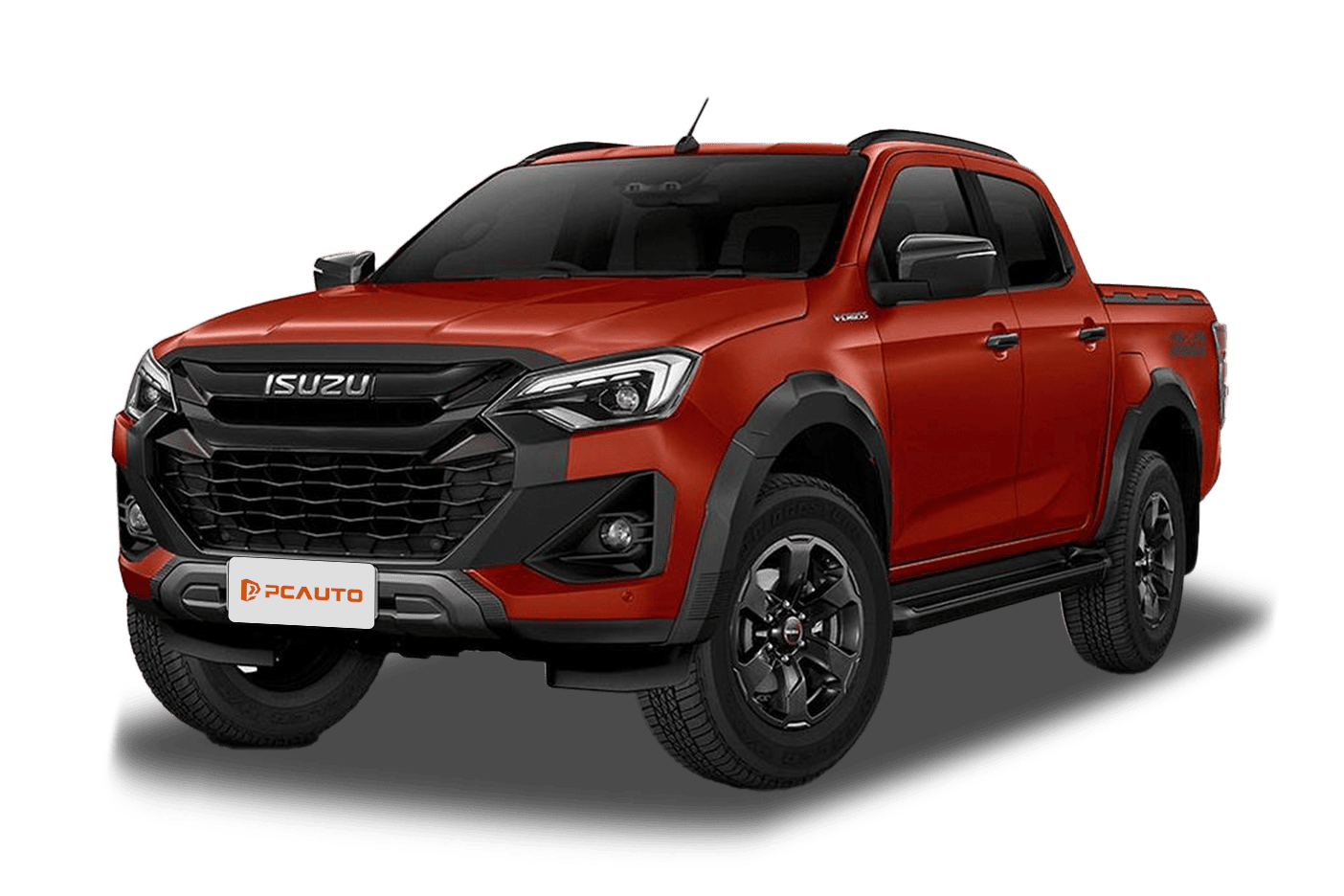
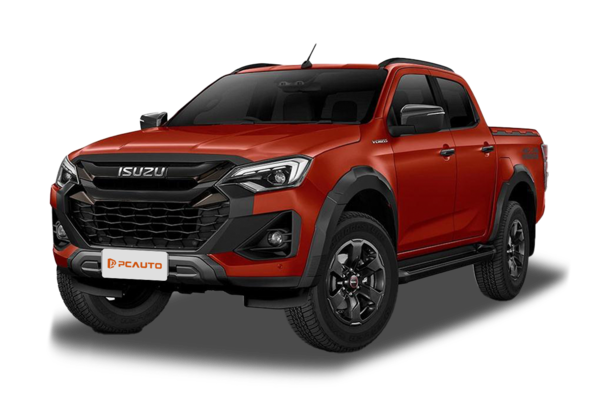
2025 Isuzu D-MAX 1.9L 4x2 Low Ride is an entry-level passenger pickup, offering a balance of practical space, reliable diesel performance, and fuel economy, suitable for family transport and small business cargo needs.
3
Rank in Pickup
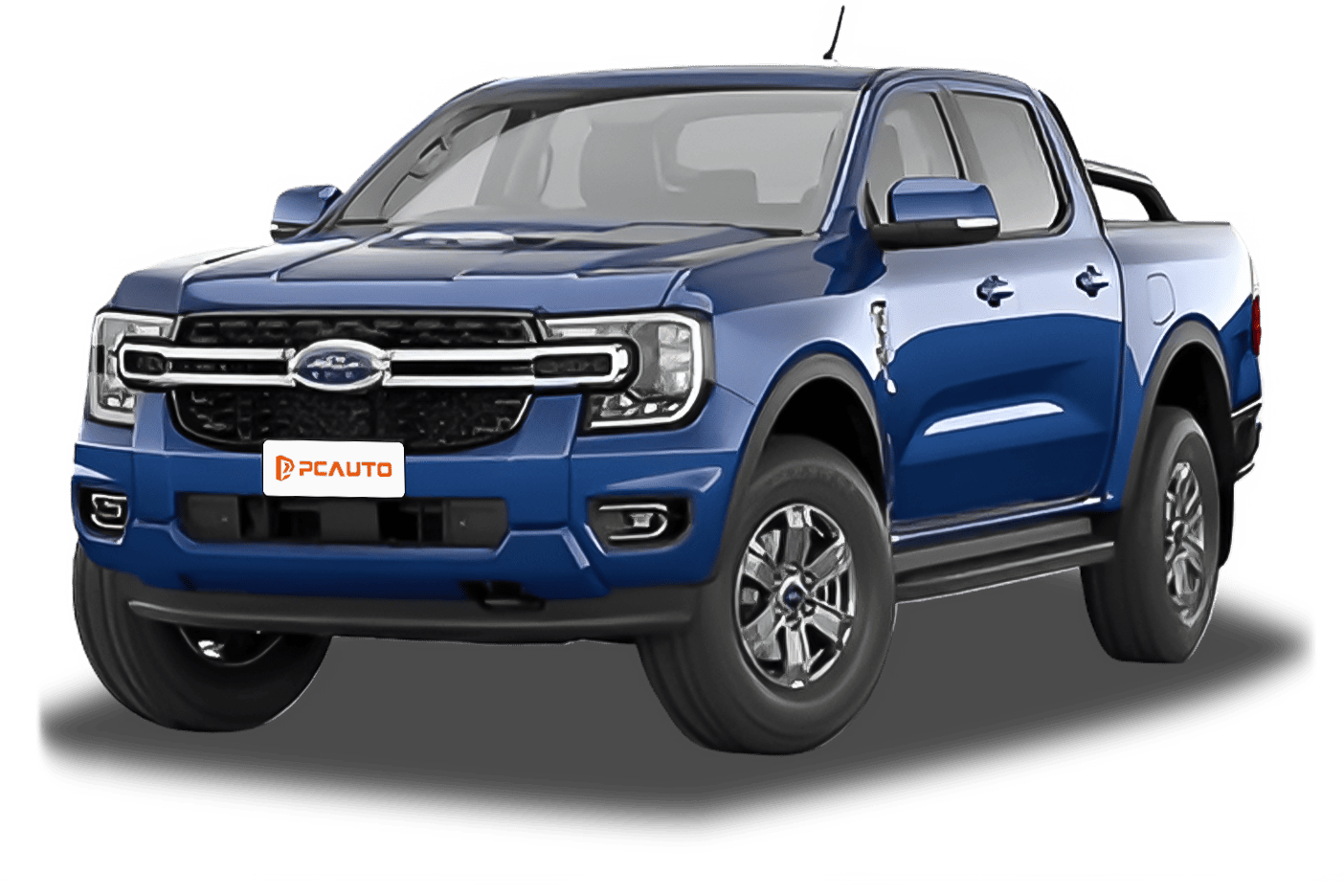
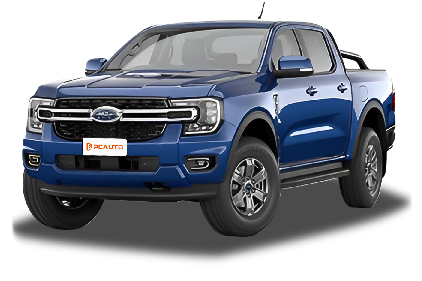
2023 Ford Ranger WildTrak is a mid-to-high-end pickup truck that balances the comfort of daily commuting with the practicality of cargo and off-road capabilities. It features powerful performance, ample space, and practical configurations, making it a versatile choice for both family and work scenarios.

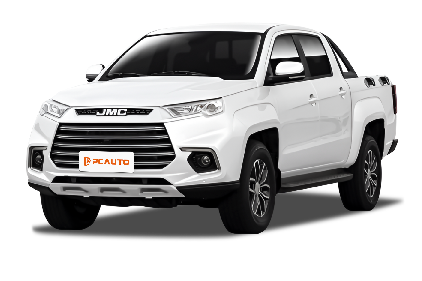
2023 JMC Vigus Pro White Series 2.0L 4WD 8AT combines rugged design, practical features, and powerful diesel performance, balancing everyday durability and mild off-road needs, making it a high-value choice for pickup users.
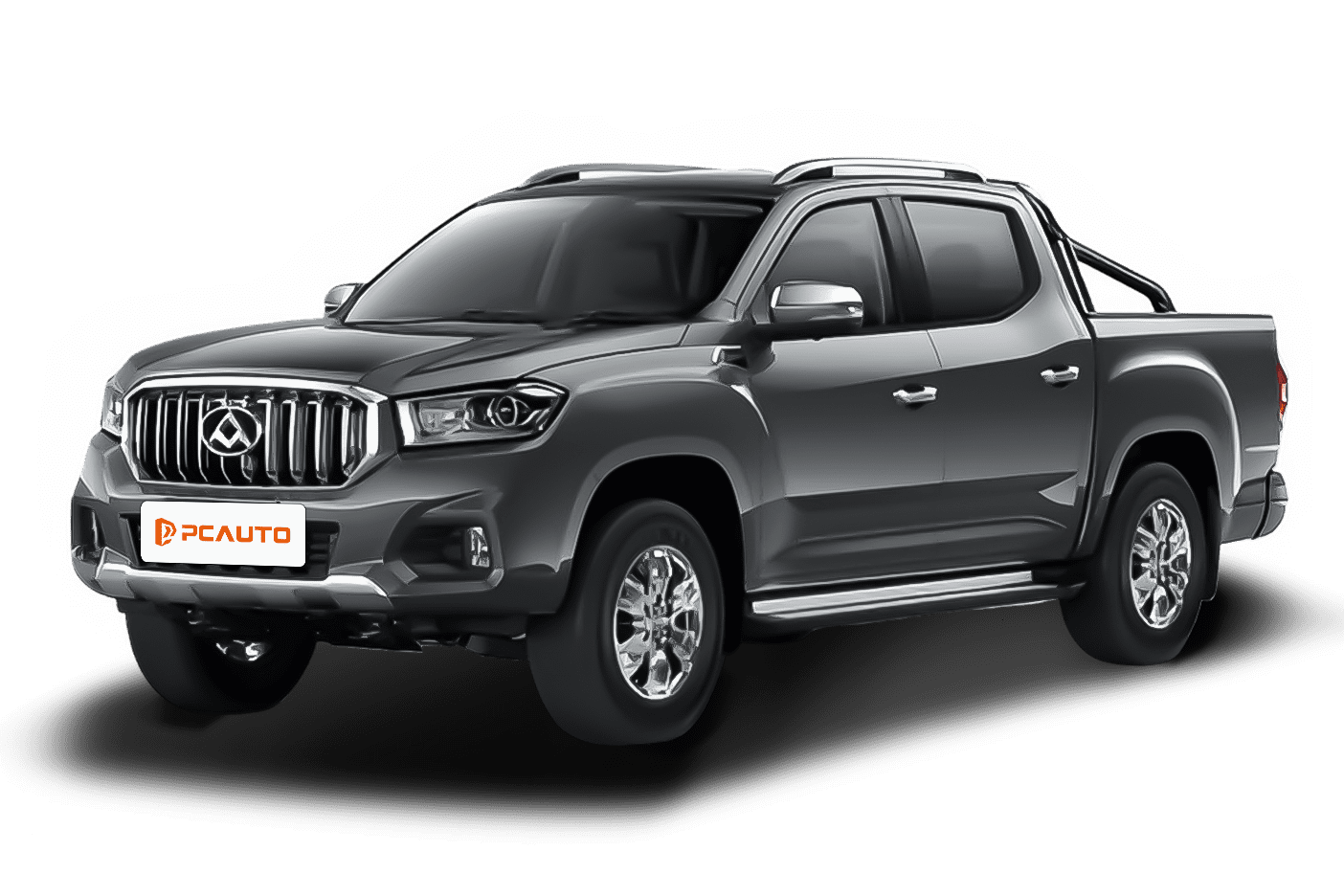
2022 Maxus T60 2.8L 4WD AT is a practical pickup truck that balances work and life. The strong diesel torque and 4WD capability meet cargo and off-road needs, while the premium features and spacious interior enhance daily comfort.