

2018 Nissan Navara Double Cab 2.5L V (A) Review

 Share
Share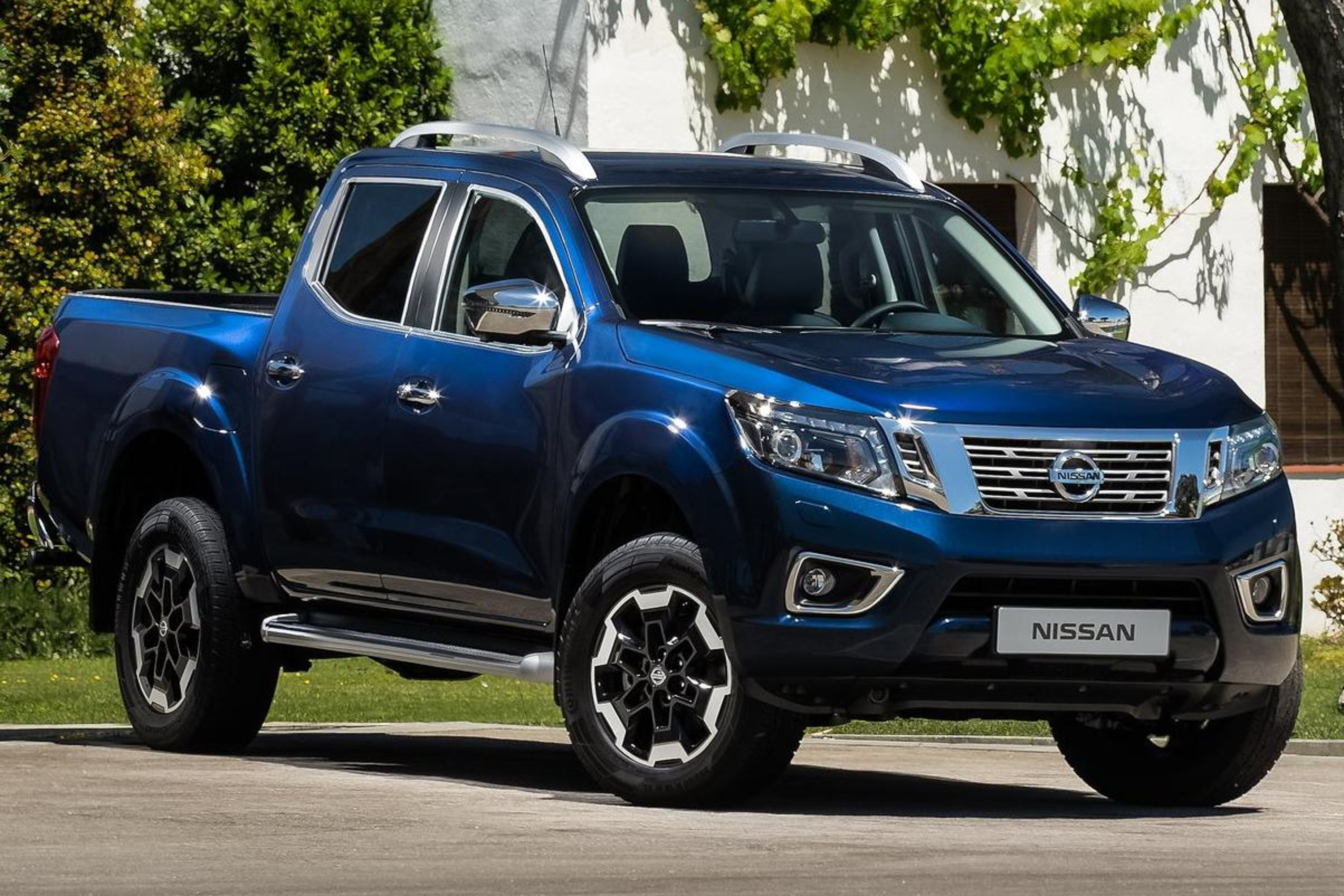
 Segment
 Body Type
 Capacity(L)
 Engine Power(PS)
 Transmission
 Driven Wheels
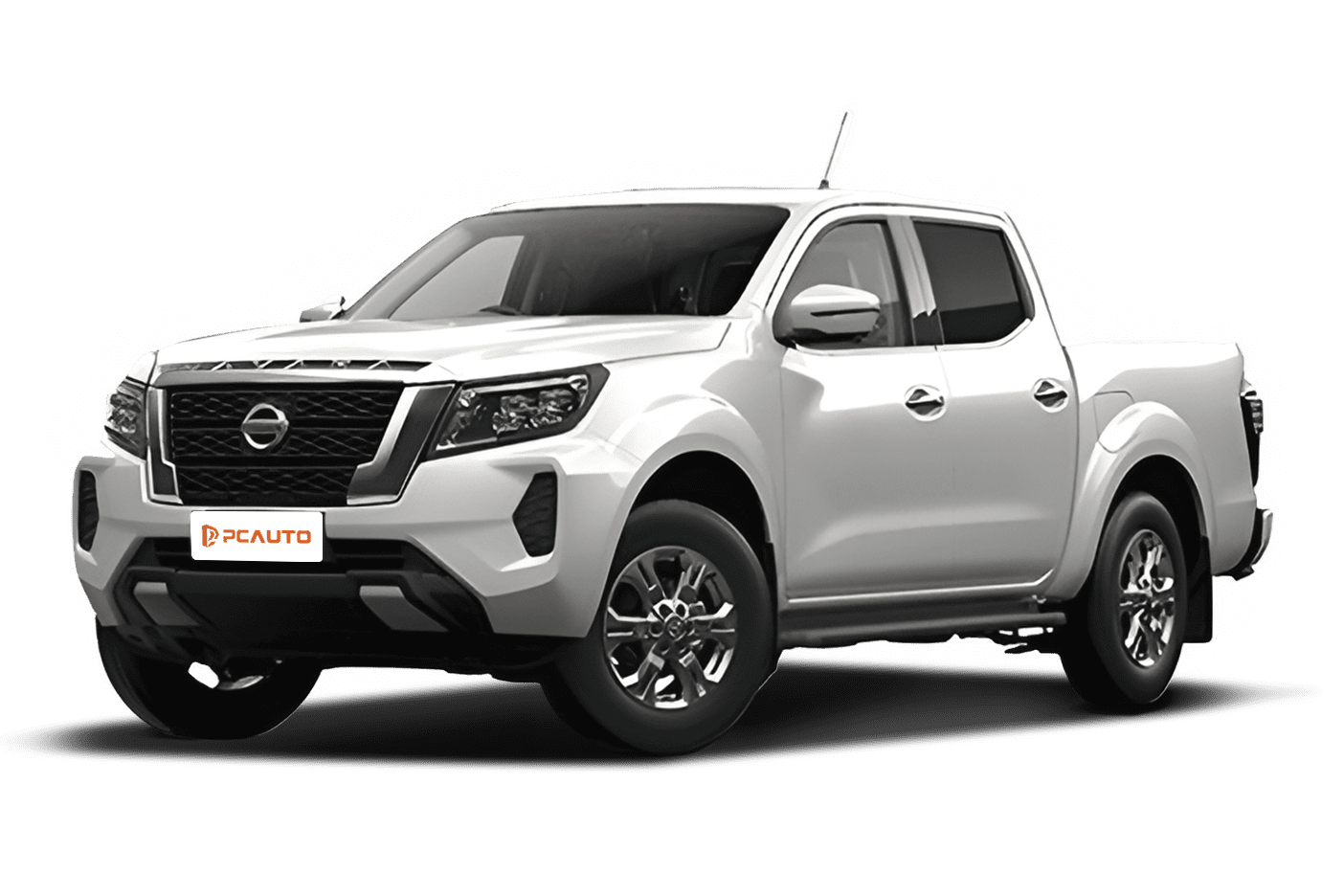
Pickup trucks have always been a popular choice in the local market for balancing work and family needs, especially the 4x4 diesel models, which need to cope with complex conditions at construction sites and in the suburbs while also providing comfort for daily commuting and occasional long-distance travel. The 2018 Nissan Navara Double Cab 2.5L V (A), as one of the earlier models in its class to adopt a multi-link rear suspension, broke the stereotype of pickups being "niche utility vehicles" with its riding comfort. We got our hands on the actual car this time to focus on testing its practical performance, space, and daily driving balance to see if it can still meet users' demand for an "all-purpose" pickup today.
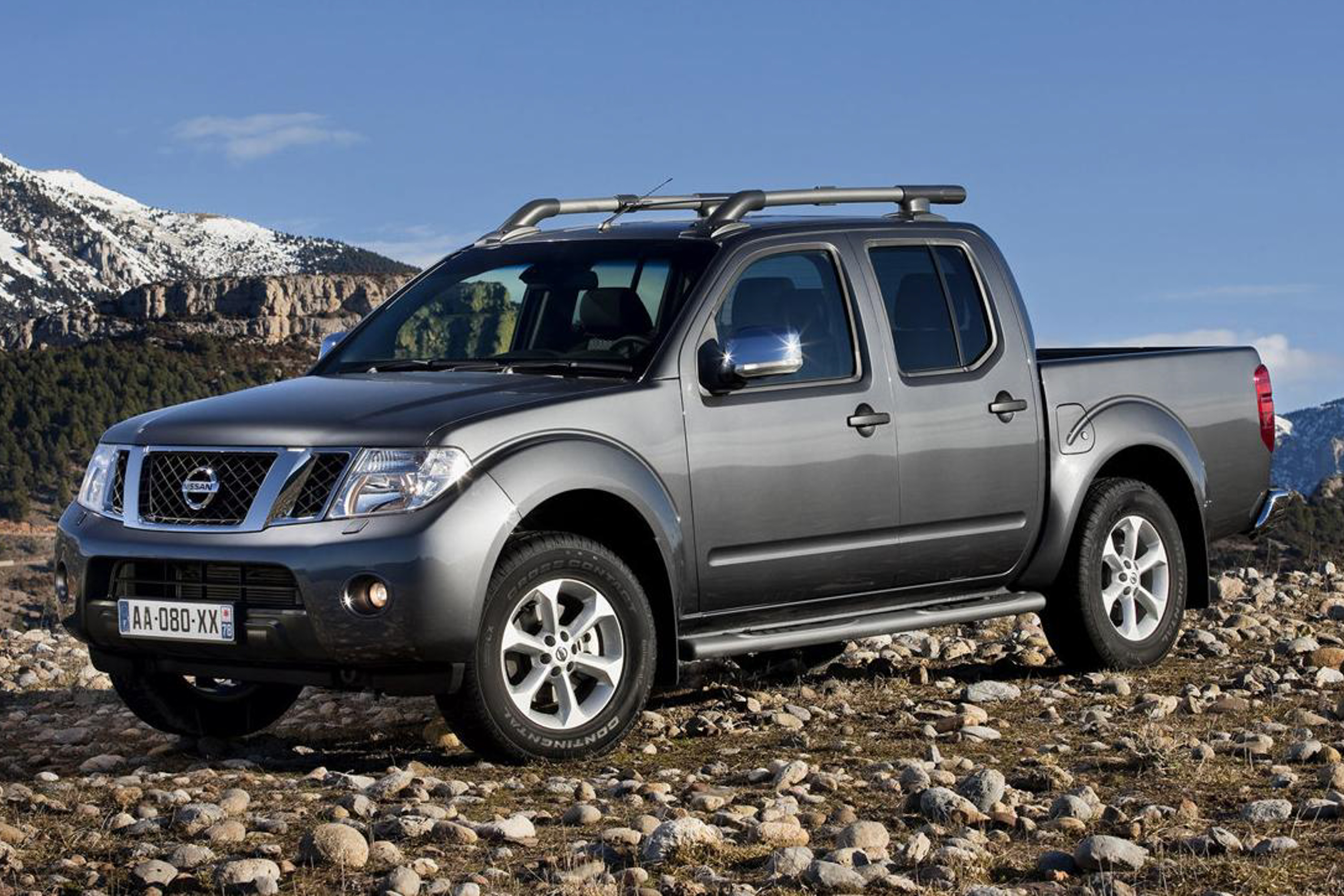
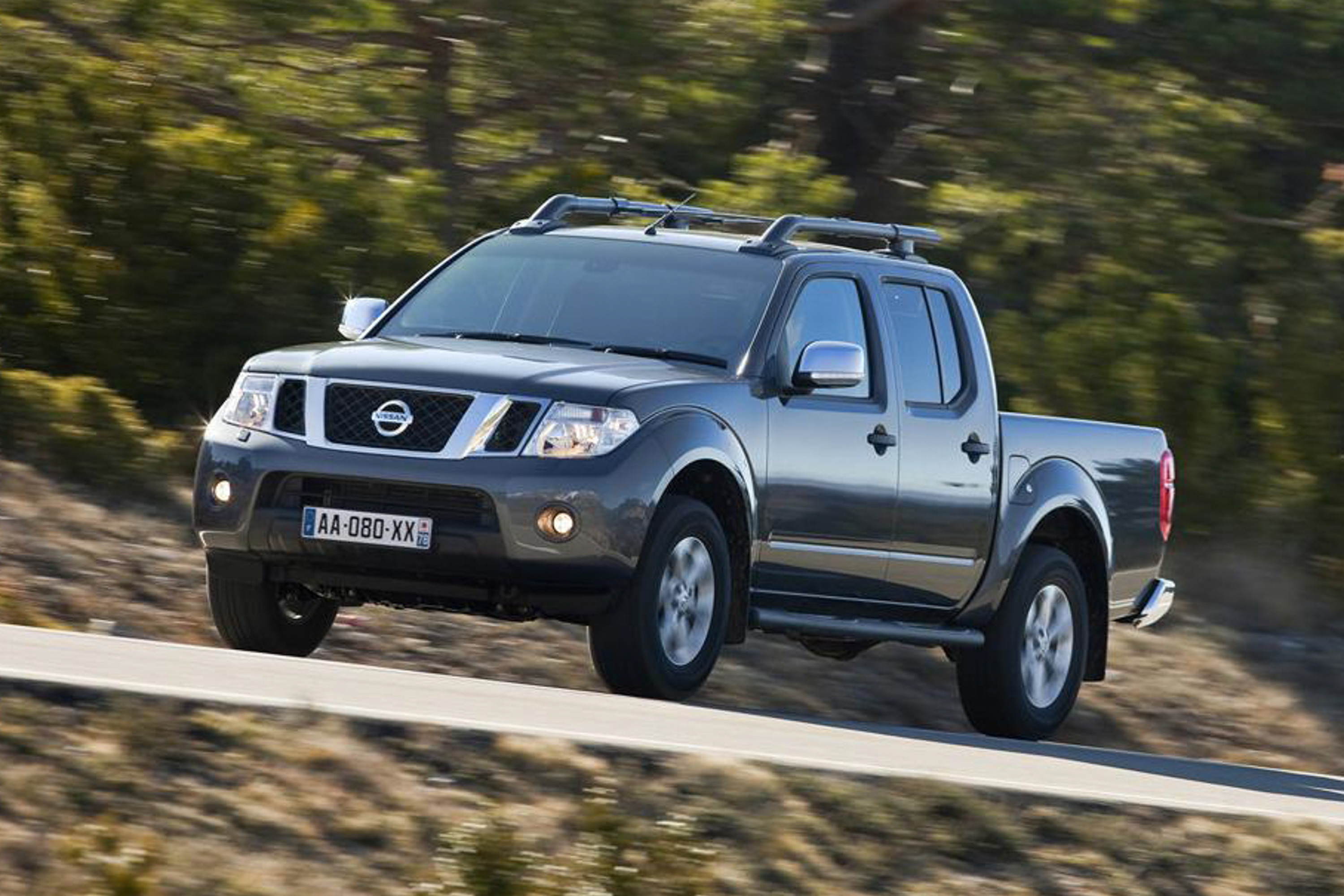
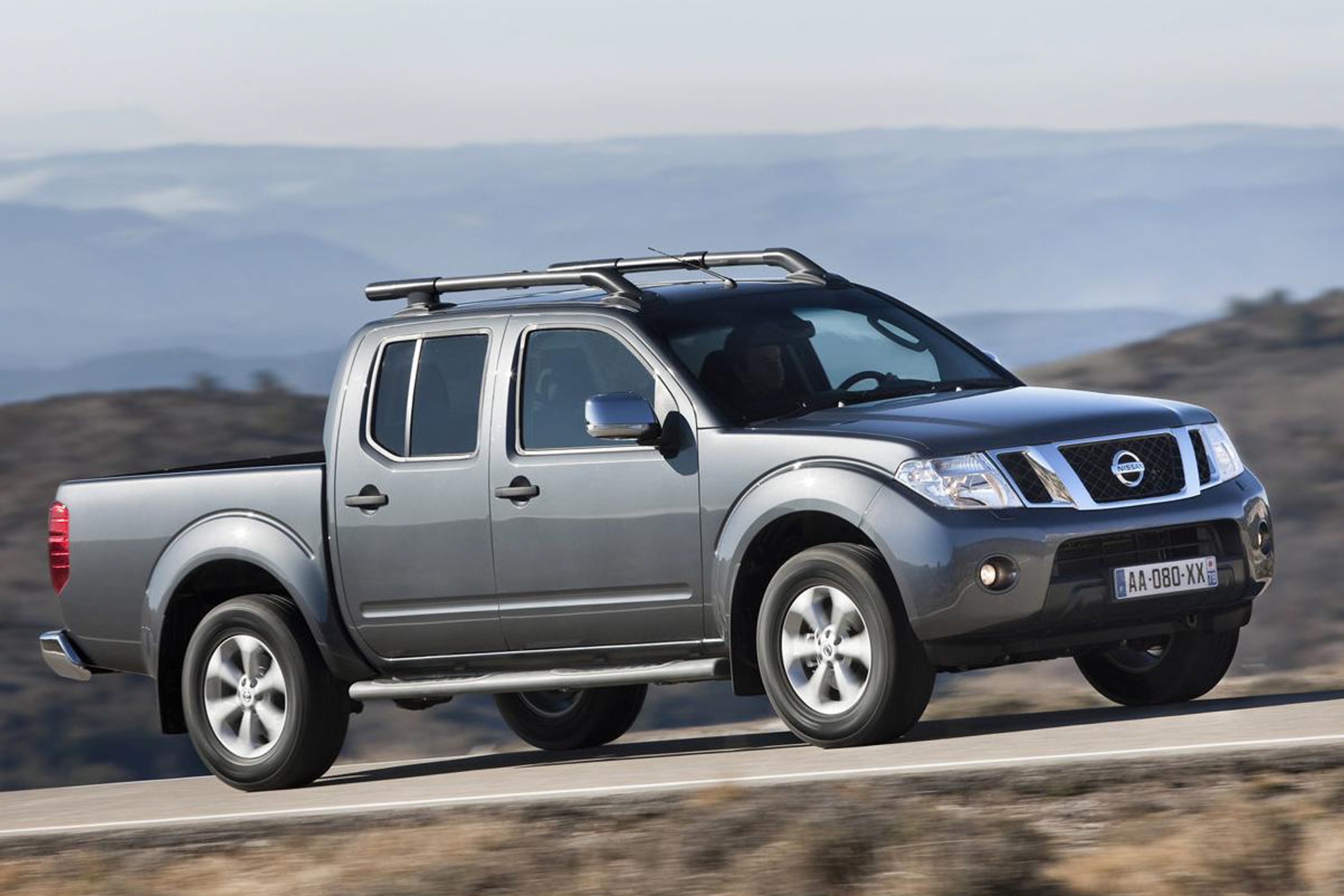
From the appearance, this Navara maintains the typical rugged contours of a pickup, with overall straight lines that are robust but not clumsy. The front features Nissan's family-style V-motion chrome grille paired with sharp halogen headlights on both sides, offering good recognizability; the front fog lamp area is surrounded by black plastic, adding a touch of off-road appeal. The waistline on the side of the car extends from the front fender to the rear, and the running boards below the doors make it easier for passengers to get in and out. The 255/70 R16 tires balance on-road grip and off-road capability. The rear design is relatively simple, with vertical taillights echoing the body lines. The handle and anchor points on the cargo bed are clearly visible, which aligns with its utility attributes. In terms of lighting, automatic headlights and daytime running lights come standard, making daily use quite convenient.
Opening the door, the interior design leans towards practicality, without overly fancy designs. The center console adopts a two-tone scheme with dark on top and light on the bottom. The top is made of hard plastic, but the middle area uses textured trim, which doesn't feel too cheap to the touch. The multifunctional steering wheel integrates buttons for volume control, phone calls, etc., on the left side, making them easy to operate. The instrument cluster has an electro-luminescent analog design with clear tachometer and speedometer readings. The small screen in the center displays basic information like fuel consumption and range. In terms of features, keyless entry and start are highlights, saving the hassle of taking out the key. The front seats have single-zone manual air conditioning, and the rear row also has independent air vents, ensuring rear passenger comfort. The seats are fabric material and manually adjustable in the front, offering good support, though long drives might require posture adjustments. The rear seats feature a tip-up base design, which is very practical and allows for quickly flipping up the seats to create more space for large items. In terms of space, the 3150mm wheelbase offers significant advantages. A 175cm passenger in the front row has two fists of headroom after adjusting their seating position. In the rear, the same passenger enjoys more than two fists of legroom and over one fist of headroom, making it comfortable even for a full load of five people. For storage, the door pockets can hold two large water bottles, the center armrest box has enough depth, and there are also two cup holders in the front row, fully meeting daily needs.
In terms of power, the 2.5L turbocharged diesel engine delivers a maximum of 163PS horsepower, with peak torque available at 2000rpm. It is paired with a 7-speed automatic transmission. The throttle response at start-up is not particularly sensitive, but the low torque advantage of a diesel engine is apparent. A light press on the accelerator is enough to move the 1.8-ton-plus vehicle body, making it effortless to follow traffic in the city or climb hills. During mid-to-high speed acceleration, the transmission shifts smoothly, and stepping hard on the accelerator for overtaking results in downshifts by 1-2 gears, directly delivering power and maintaining confidence even when accelerating beyond 100km/h. The four-wheel-drive system is easy to switch, with two-wheel drive mode being fuel-efficient for daily use, while the four-wheel drive mode ensures passability on muddy or gravel roads. In terms of suspension, the combination of a front double-wishbone independent suspension and rear multi-link independent suspension is the core advantage of this model. When driving over speed bumps or rough roads, the suspension absorbs most of the shocks, preventing passengers in the rear from feeling too bumpy. At high speeds, the body remains stable, and body roll is controlled within the normal range for a pickup during cornering, without a floating sensation. In the fuel consumption test, the city traffic conditions showed around 9-10L/100km, while highway cruising could drop to 7-8L/100km. With an 80L fuel tank capacity, the range exceeds 800km, making it suitable for long-distance trips without frequent refueling. The braking performance is average, with a moderate pedal stroke and linear braking force, making it easy to control during daily driving.
The details of daily driving comfort are well done. Engine noise can be heard at idle, but while driving, wind noise and tire noise are controlled quite well, and at speeds below 100km/h, in-car conversation is not affected. The fabric material of the seats has good breathability, which prevents stuffiness in summer; the rear ISO FIX interface is standard, making it convenient for families with children. However, in terms of safety features, there are only two airbags, which is fewer compared to newer models, so this should be noted.
Overall, the core advantage of the 2018 Navara Double Cab 2.5L V (A) lies in its balance—comfortable ride quality brought by the multi-link rear suspension, spacious interior, and the fuel efficiency of a diesel engine, while still retaining the utility attributes of a pickup truck. Compared to similar models like the Hilux or Ranger, its rear seat comfort stands out, making it more suitable for users who often carry their families. However, its power parameters and safety features are not as competitive as newer models. This car is suitable for those who need to balance work and family responsibilities, such as small business owners, as it can be used to transport goods to construction sites, serve as a daily commuter, or pick up children. On weekends, the four-wheel-drive system can also handle light off-road tasks for camping trips. If you are not pursuing the latest tech features and just want a practical, comfortable, and versatile pickup truck, this Navara is worth considering.
Nissan Navara Car Compare
Nissan Navara Loan Calculator
More Nissan Reviews
Cars With Similar Price And Features
4
Rank in Pickup
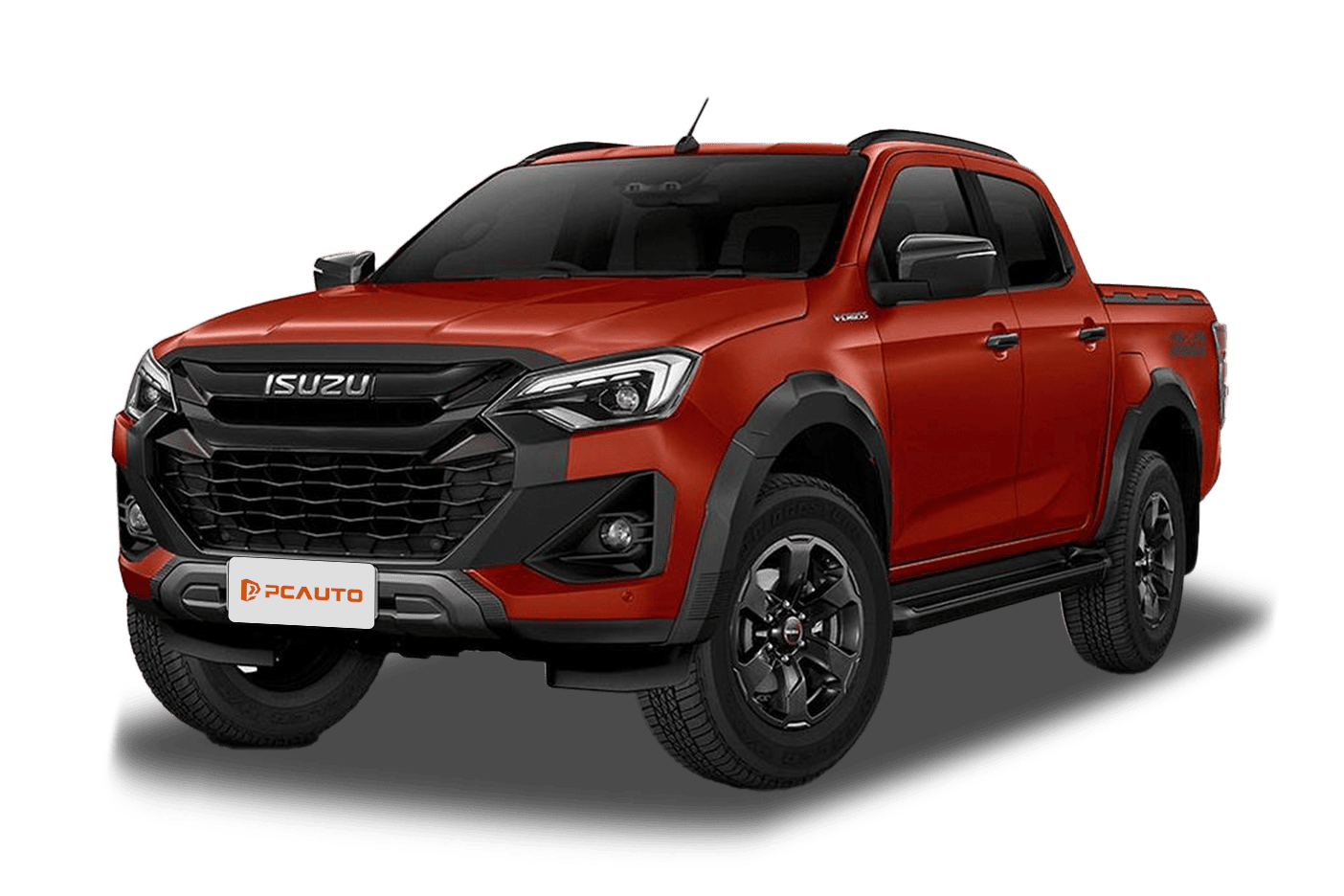
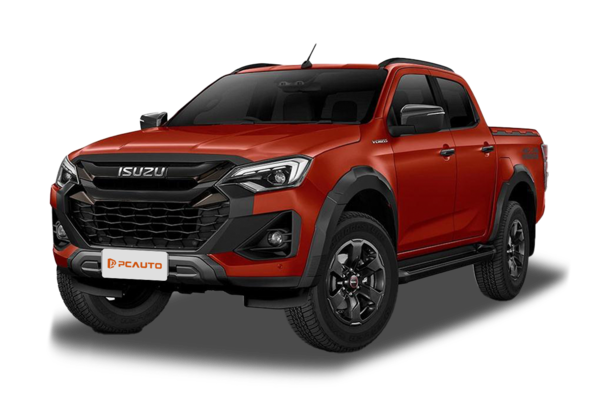
2025 Isuzu D-MAX 1.9L 4x2 Low Ride is an entry-level passenger pickup, offering a balance of practical space, reliable diesel performance, and fuel economy, suitable for family transport and small business cargo needs.
3
Rank in Pickup
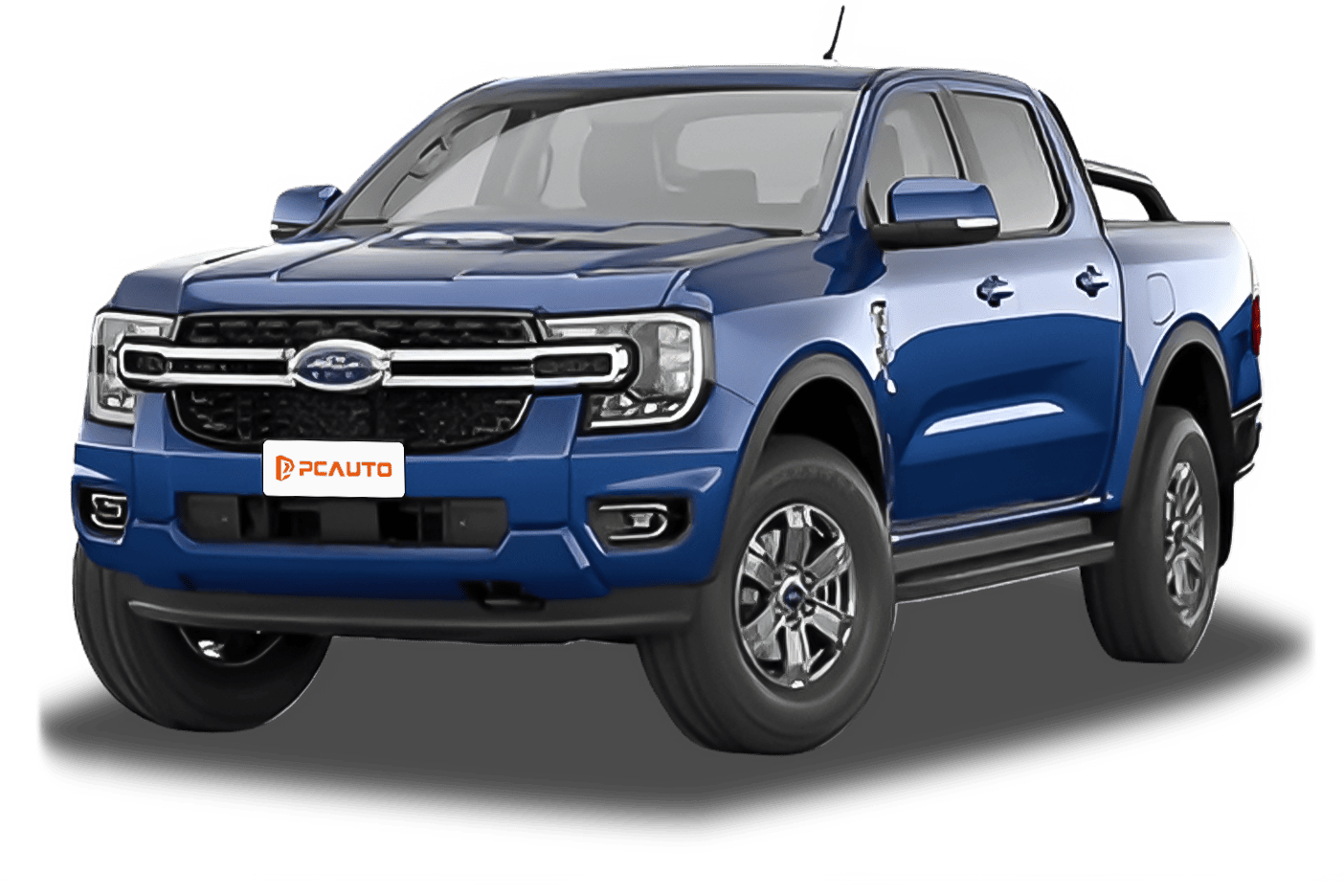
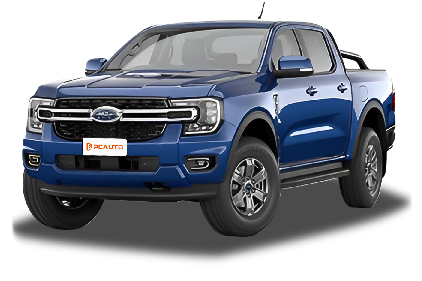
2023 Ford Ranger WildTrak is a mid-to-high-end pickup truck that balances the comfort of daily commuting with the practicality of cargo and off-road capabilities. It features powerful performance, ample space, and practical configurations, making it a versatile choice for both family and work scenarios.

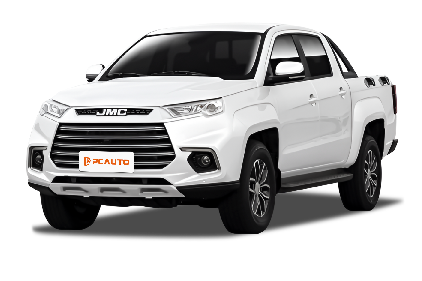
2023 JMC Vigus Pro White Series 2.0L 4WD 8AT combines rugged design, practical features, and powerful diesel performance, balancing everyday durability and mild off-road needs, making it a high-value choice for pickup users.
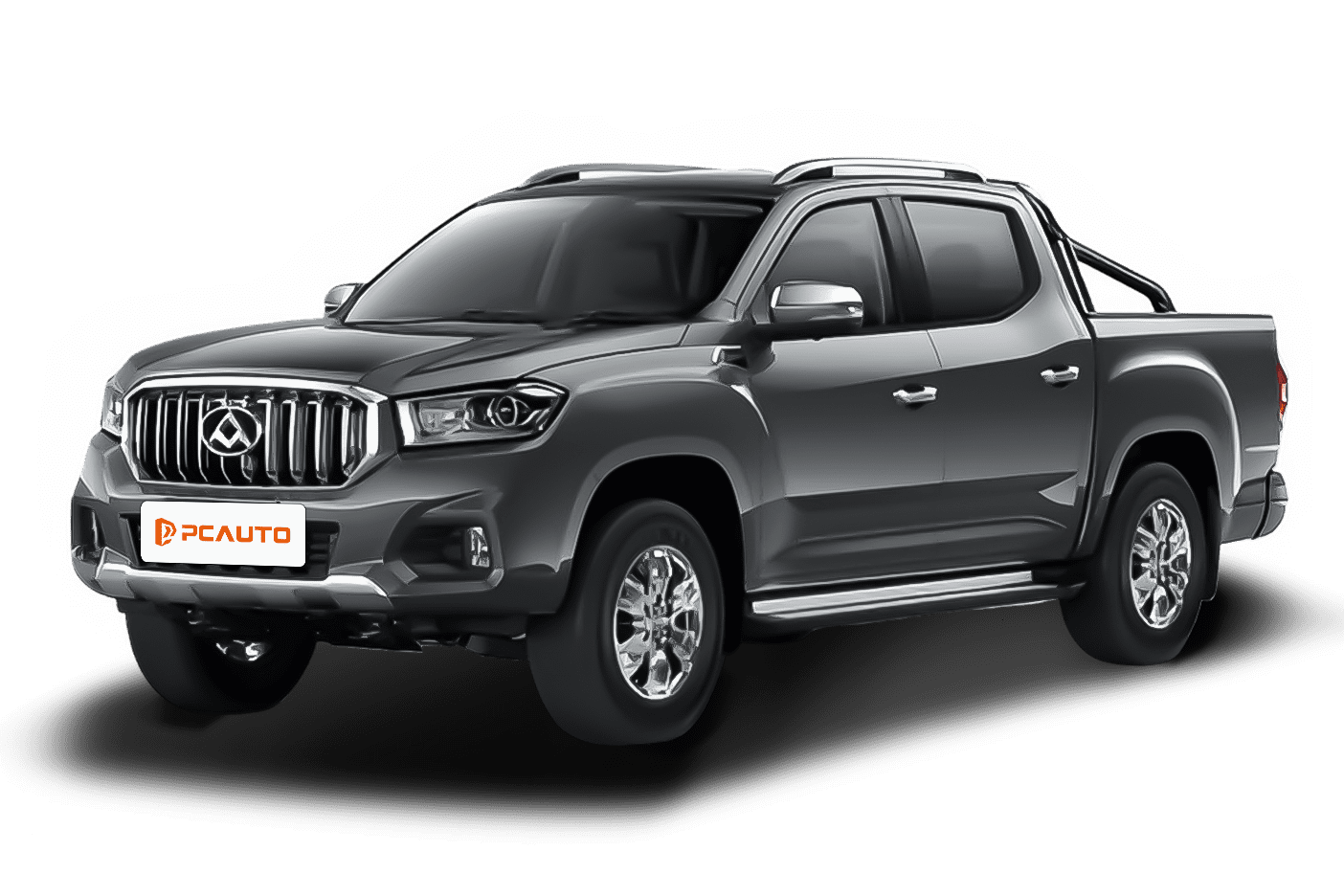
2022 Maxus T60 2.8L 4WD AT is a practical pickup truck that balances work and life. The strong diesel torque and 4WD capability meet cargo and off-road needs, while the premium features and spacious interior enhance daily comfort.