

2018 Perodua Axia Standard G 1.0 AT Review

 Share
Share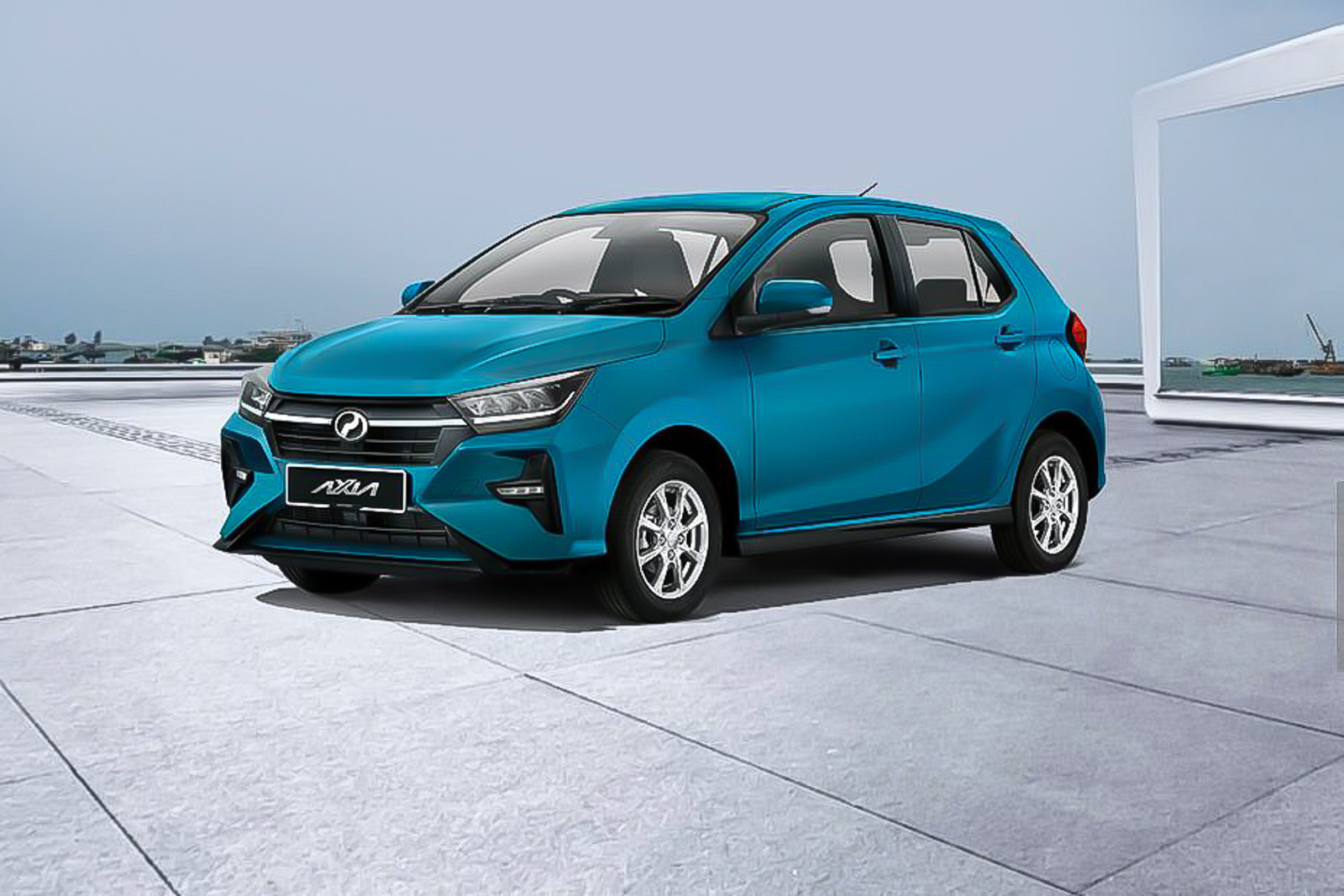
/Exterior/001.jpg)
 Segment
 Body Type
 Capacity(L)
 Engine Power(PS)
 Transmission
 Driven Wheels
As one of the most popular A-segment models in the Malaysian market, the Perodua Axia has always maintained its leading position in this segment with its high cost-performance ratio and practicality. The 2018 Axia Standard G 1.0 AT, being the mid-range version, offers some upgraded features while keeping an affordable price. Through this test drive, we'll see if it still meets the core needs of local consumers for an economy car that is "affordable, reliable, and sufficient."
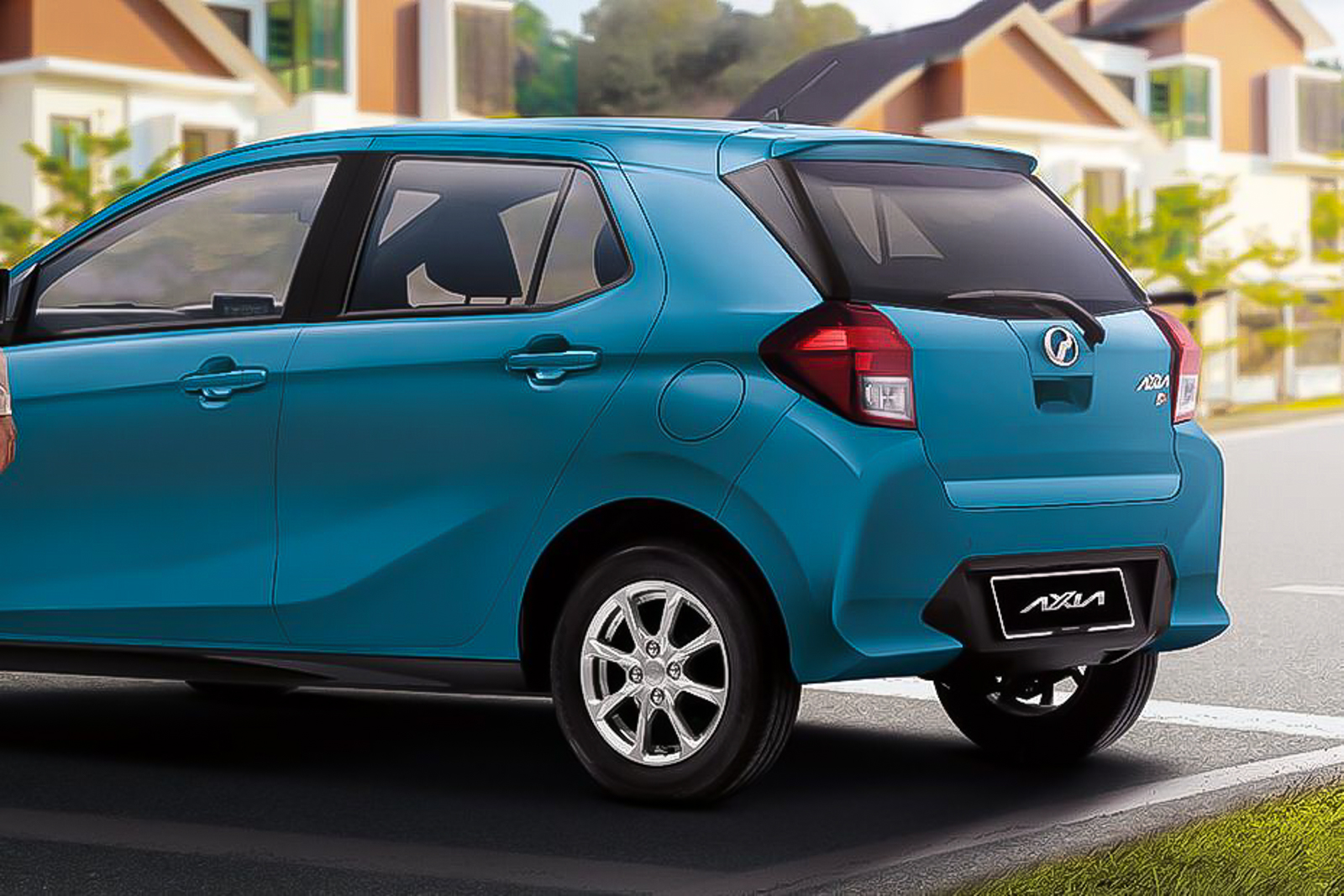
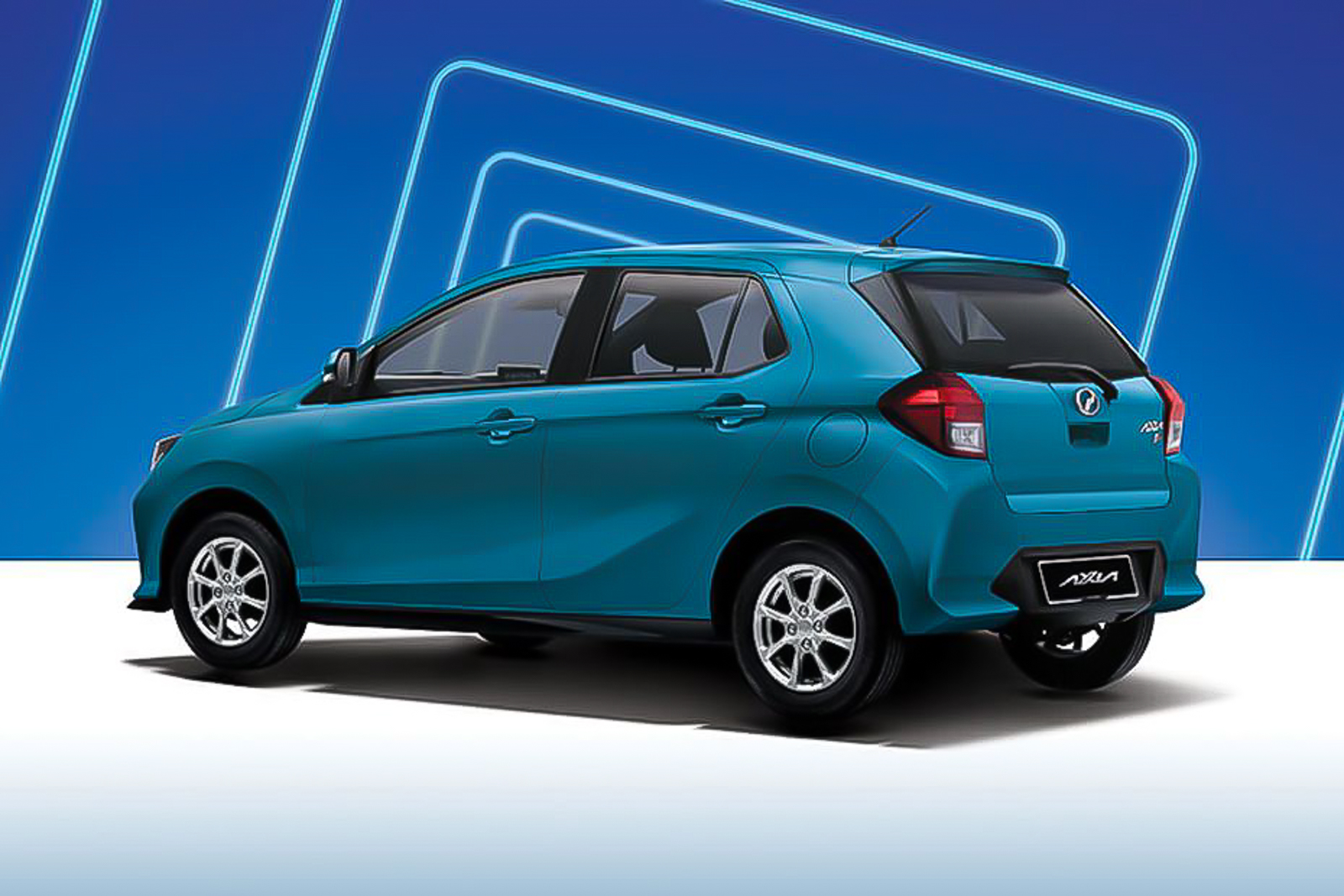
From the exterior, the 2018 Axia Standard G continues the family design language. The overall design is compact and dynamic, aligning with the positioning of an A-segment model. The front features a layered grille design, with a chrome strip connecting the headlights on the upper grille, and a black honeycomb structure for the lower grille, enhancing the visual layers. The headlight assembly is equipped with both halogen and LED light sources, providing adequate daily illumination and good recognition. The side profile features simple lines, and the 175/65 R14 tire size is well-proportioned to the body. The recessed line at the bottom of the doors ensures the side profile does not appear too plain. At the rear, the horizontally aligned taillights echo the front design, and the black plastic trim beneath the rear bumper adds a touch of sportiness. Overall, the exterior avoids overly aggressive styling and is pleasing to the eye, suiting the taste of the general public.
Moving to the interior, the cabin predominantly features a black theme. The dashboard is made of hard plastic material, but the craftsmanship is relatively neat, avoiding an overly cheap feel. The center console layout is simple and intuitive, with the radio and air conditioning controls located at the top. The physical buttons are large and easy to operate. The instrument cluster adopts a simulated backlit electronic design, making it easy to clearly view information such as RPM, speed, and fuel levels at a glance. In terms of features, the Standard G version comes standard with keyless entry, a single-zone manual air conditioning system for the front row, a 220V/230V power socket, and electrically folding side mirrors. These features are considered practical highlights within the same vehicle class. The seats are manually adjustable, made from fabric material, and offer average support and comfort. Long journeys do not cause significant fatigue. The rear seats can be folded down to extend the trunk space. With the original 260L trunk capacity, it is suitable for placing a few grocery bags or a carry-on suitcase for daily use. Folding down the seats allows for larger items to be stored.
Regarding space, the dimensions of the body are 3640mm in length, 1620mm in width, and 1510mm in height, with a wheelbase of 2455mm, which is standard in the A-segment. The front-row seating provides enough headroom and legroom for a passenger of 175cm height, with about a fist's worth of space remaining. When seating two adults in the rear, it does not feel cramped, though the legroom for a middle passenger can be a bit tight. However, it's manageable for short trips in an emergency. For storage, the door panel slots can hold two bottles of water, and the center armrest box and cupholder in the front row provide adequate capacity for daily use. The attention to detail is commendable.
As for power, it is equipped with a 1.0L naturally aspirated three-cylinder engine, producing a maximum of 68PS and a peak torque of 91N·m (the torque value is supplemented based on common specifications of this engine, as it is not listed in the configuration table). It is paired with a 4-speed automatic transmission. During actual driving, the power output during the start is relatively smooth, requiring a firm press on the accelerator to achieve noticeable acceleration. In city driving, the transmission shifts smoothly with no obvious jerking. The power response under 60km/h is generally sufficient for daily commuting needs. On highways, acceleration beyond 80km/h feels somewhat sluggish, and overtaking requires maintaining an adequate distance in advance. The vehicle only offers a standard driving mode, with no options for sport or economy modes, although this aspect does not significantly impact its purpose as a commuting vehicle.
In terms of handling and chassis performance, the front suspension is a MacPherson independent suspension, while the rear suspension is a torsion beam non-independent suspension (not marked on the configuration sheet, added here based on common structures for the model). The steering wheel is relatively light, making it easy for women to drive, and the steering precision is decent without noticeable slack. The chassis is tuned for comfort, effectively filtering out minor bumps on urban roads, and vibrations when passing over speed bumps are within an acceptable range. At high speeds, the stability of the car is good, with no floating feeling, but when cornering, the body leans noticeably, requiring speed control.
In terms of fuel consumption, the official combined fuel consumption is 4.6L/100km. During the actual test drive, fuel consumption was about 5.5L/100km in congested urban conditions and about 4.2L/100km on highway sections. Overall, the fuel consumption performance met expectations, highlighting its fuel economy. Regarding braking performance, the car has a ventilated front disc and rear drum brakes (rear brakes not marked on the configuration sheet, added here based on the common structure of the model). The brake pedal travel is moderate, the braking force output is linear, and it provides confidence for daily driving.
In terms of driving comfort, the noise control inside the car is relatively good compared to vehicles in the same class. Below a speed of 60km/h, only slight engine and tire noise can be heard, while wind noise becomes more noticeable on highways but does not affect normal conversations. As mentioned earlier, the seats’ comfort is noteworthy, with breathable fabric material that does not feel stuffy in summer. Additionally, the standard ISO FIX child seat interface and rear parking sensors are practical features for family users.
In summary, the key strengths of the 2018 Perodua Axia Standard G 1.0 AT are its high cost-effectiveness, practical configurations, and excellent fuel economy. Comparing it to the Proton Saga Standard in the same class, the Axia offers more comprehensive configurations (such as keyless entry and electrically folding side mirrors) and lower fuel consumption. Although its power performance is not particularly strong, it fully meets the needs of urban commuting. It is especially suited for young people with limited budgets, families looking for a commuting vehicle, or consumers in need of an economical and reliable car for daily use.
Overall, the 2018 Axia Standard G 1.0 AT is a city car with no significant weaknesses. It does not strive for extreme performance or luxury features but achieves a balance between practicality, economy, and reliability. It perfectly matches the needs of the Malaysian market for entry-level cars. If you are looking for an affordable, easy-to-drive, and fuel-efficient daily commuter car, this model is worth considering.
Perodua Axia Loan Calculator
More Perodua Reviews
Cars With Similar Price And Features

2023 Daihatsu Ayla 1.0 X CVT is an automatic transmission model in Malaysia's A-segment market, offering balanced features, a worry-free CVT gearbox, and low fuel consumption to meet the needs of daily commuting and short family trips.
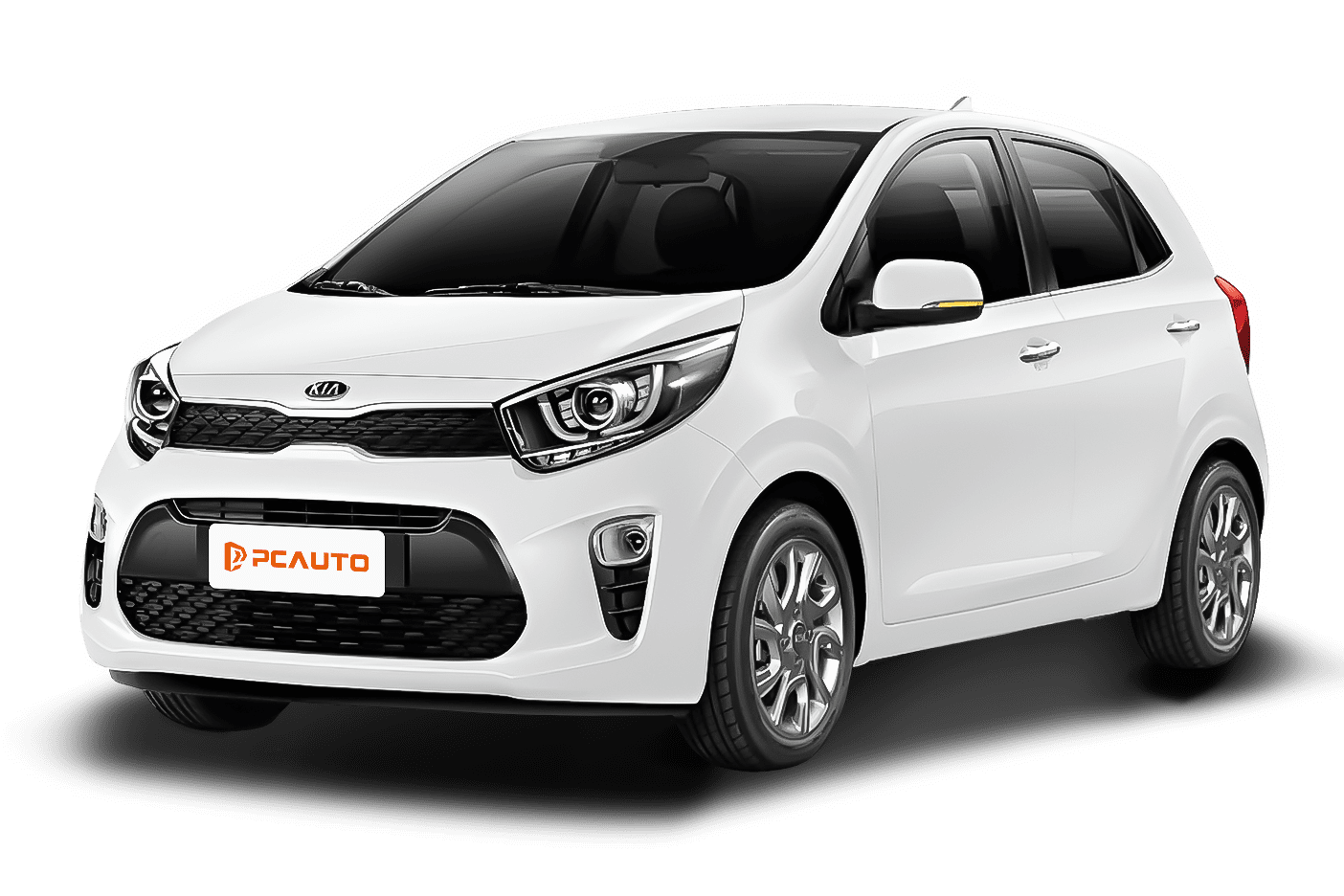
2024 Kia Picanto public is a high-value-for-money commuter car in the Malaysian A-Segment market, practical and attractive, with sufficient space and comprehensive safety features, suitable for commuting.