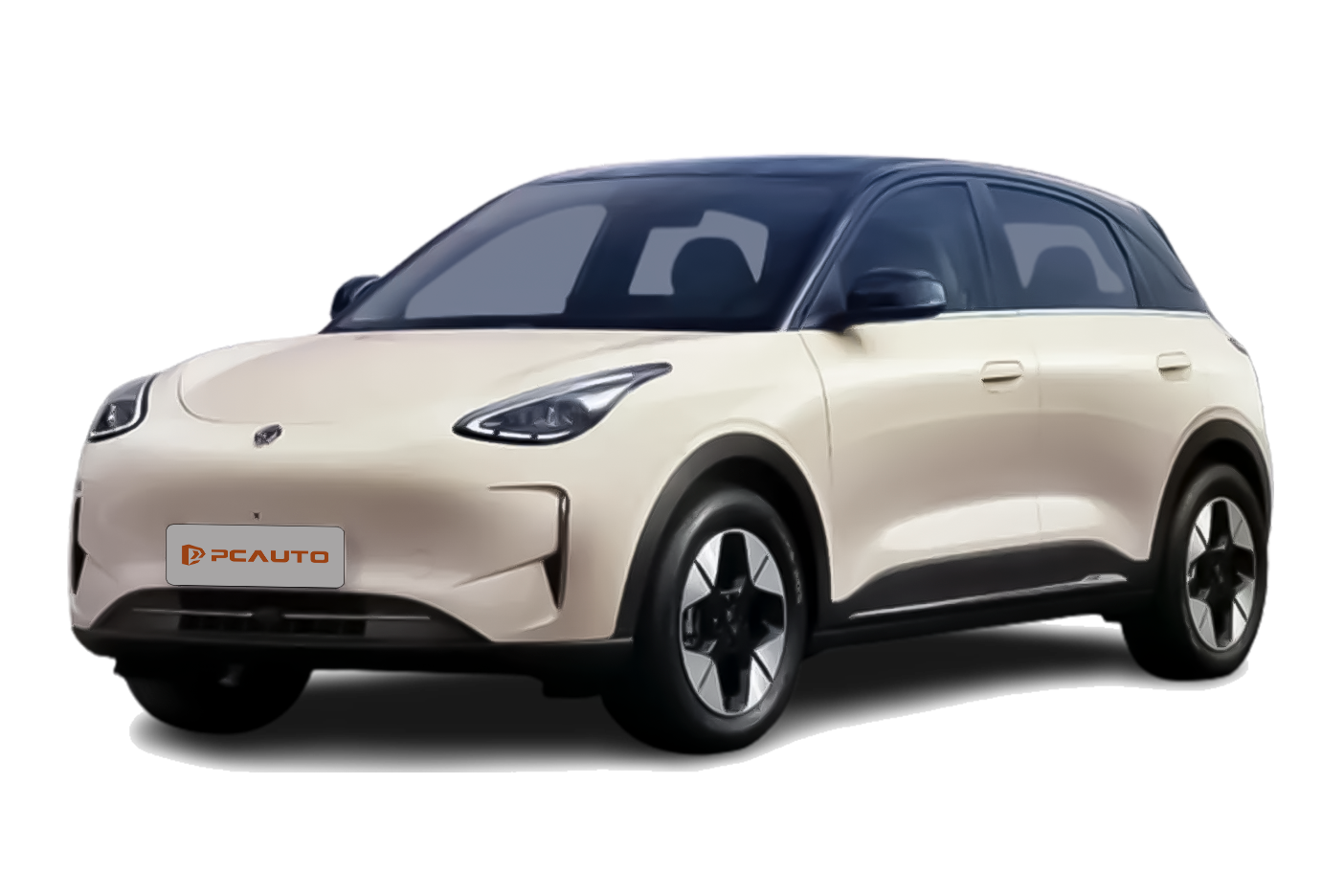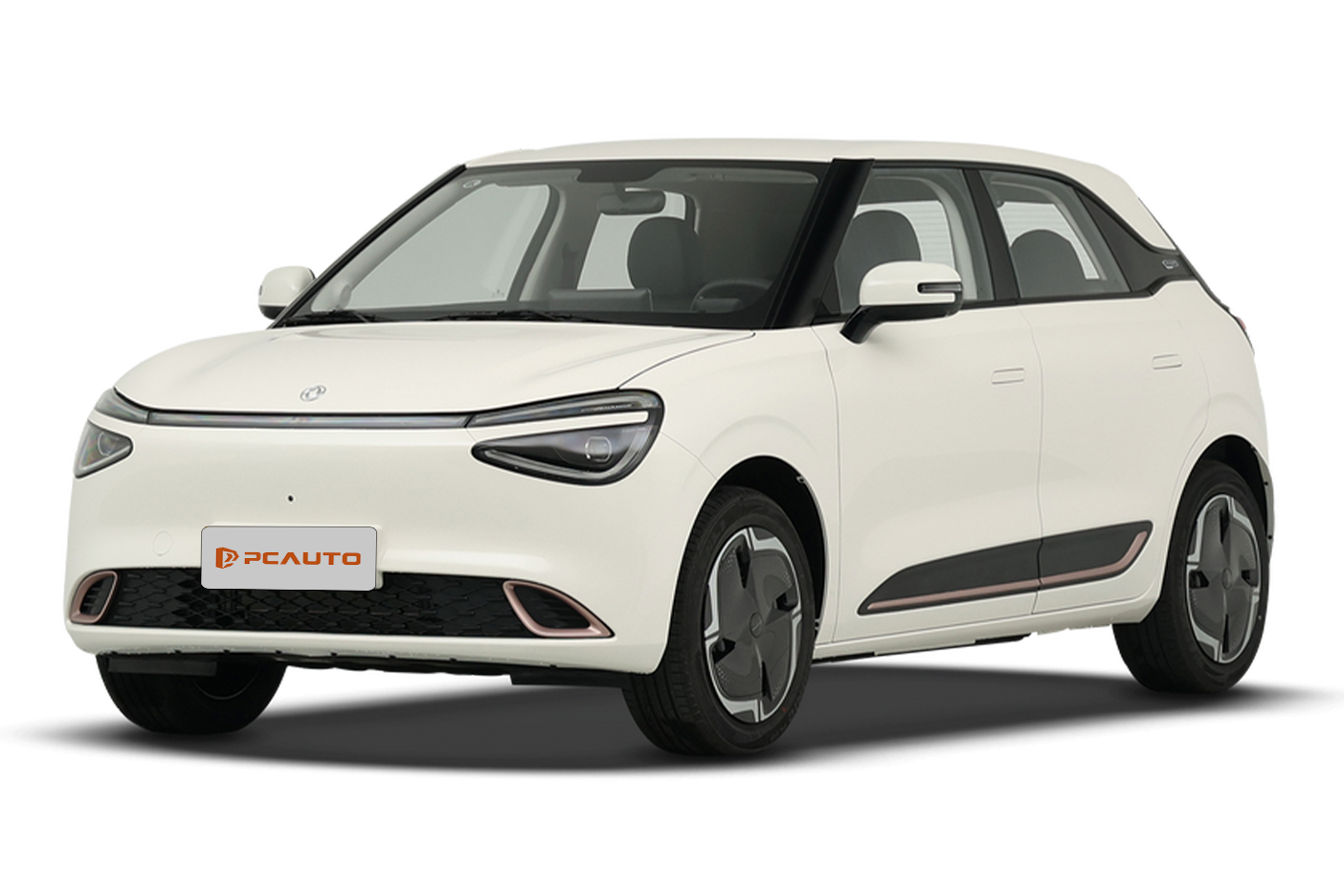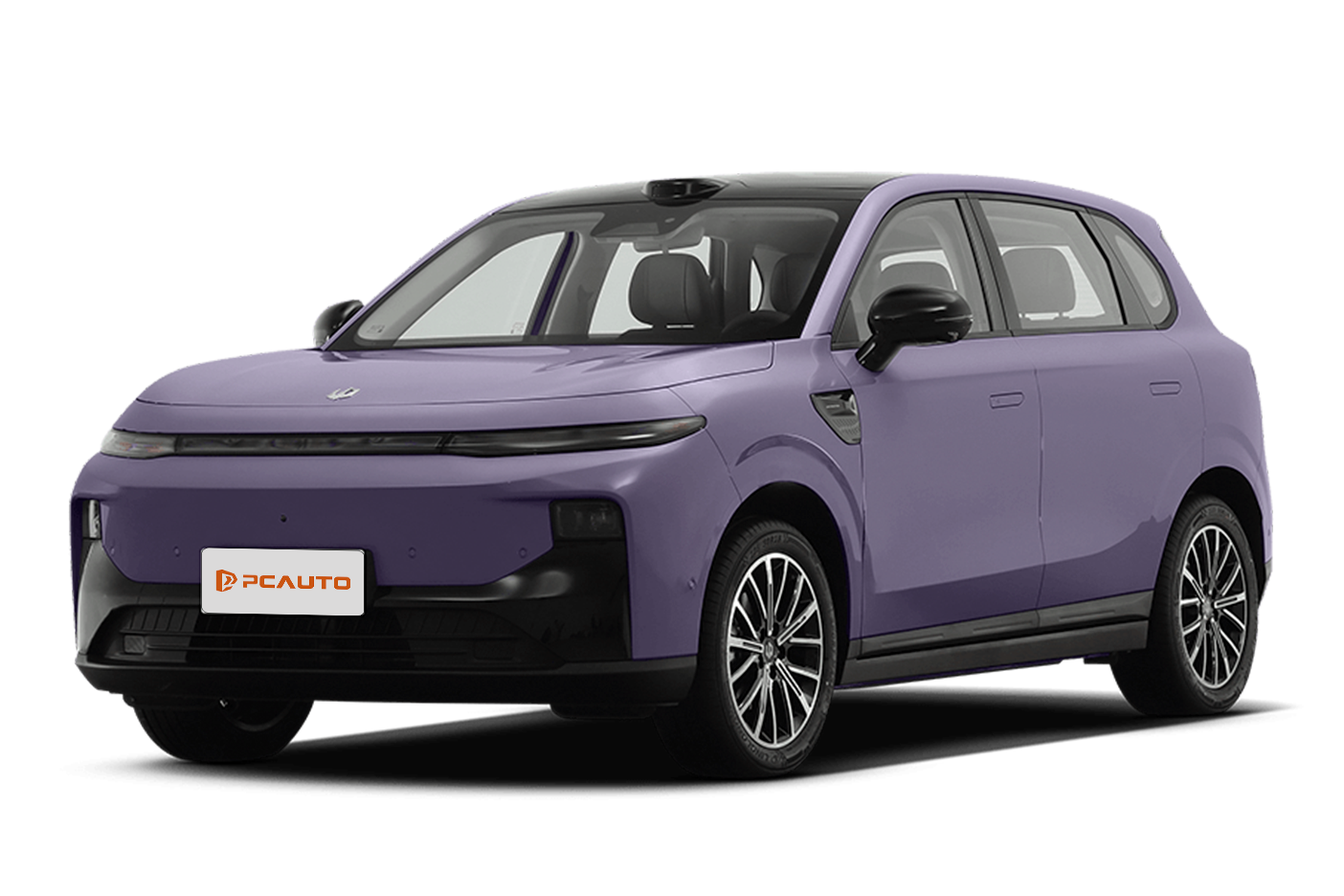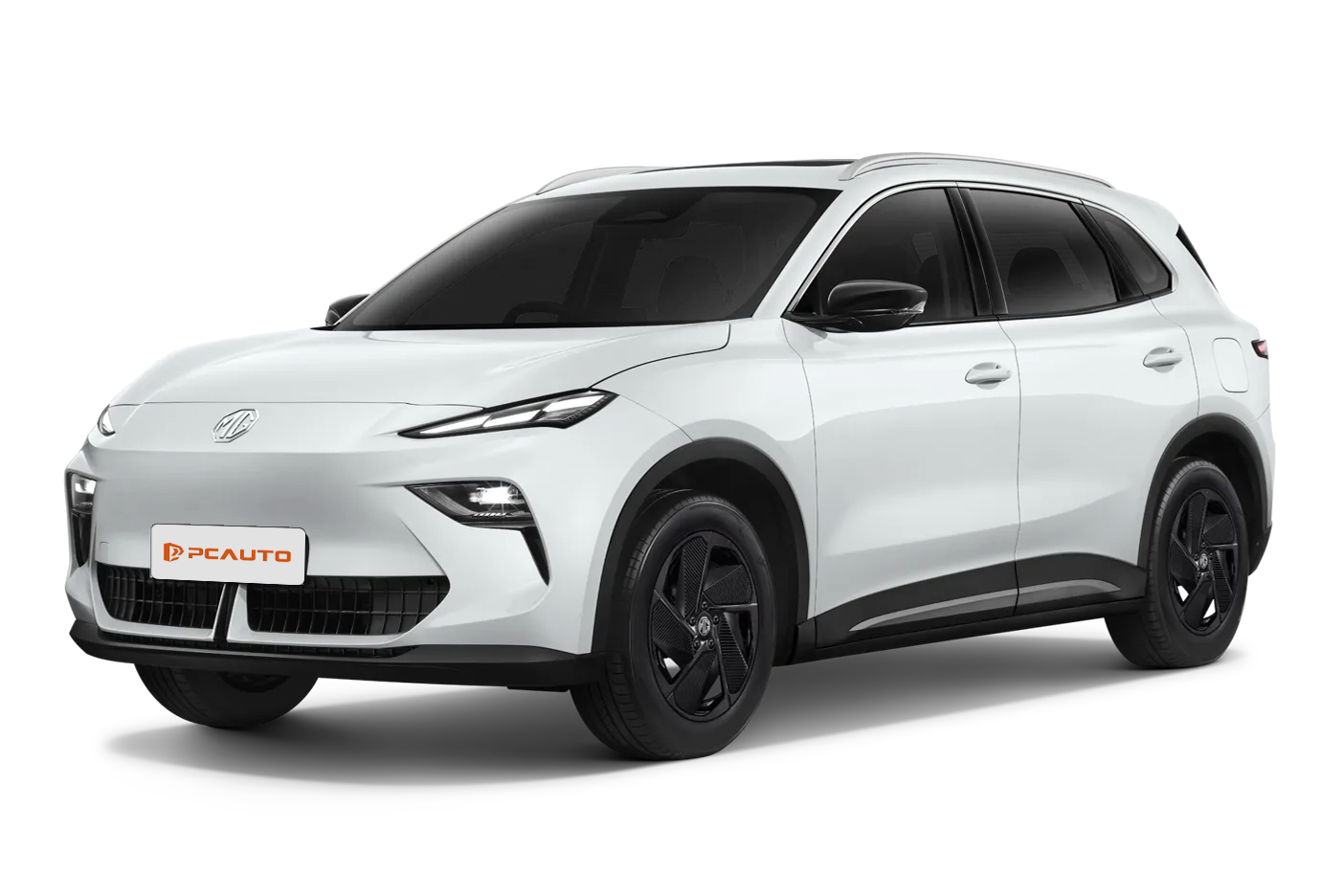
Perodua photo

Perodua QV-E 2025 Review

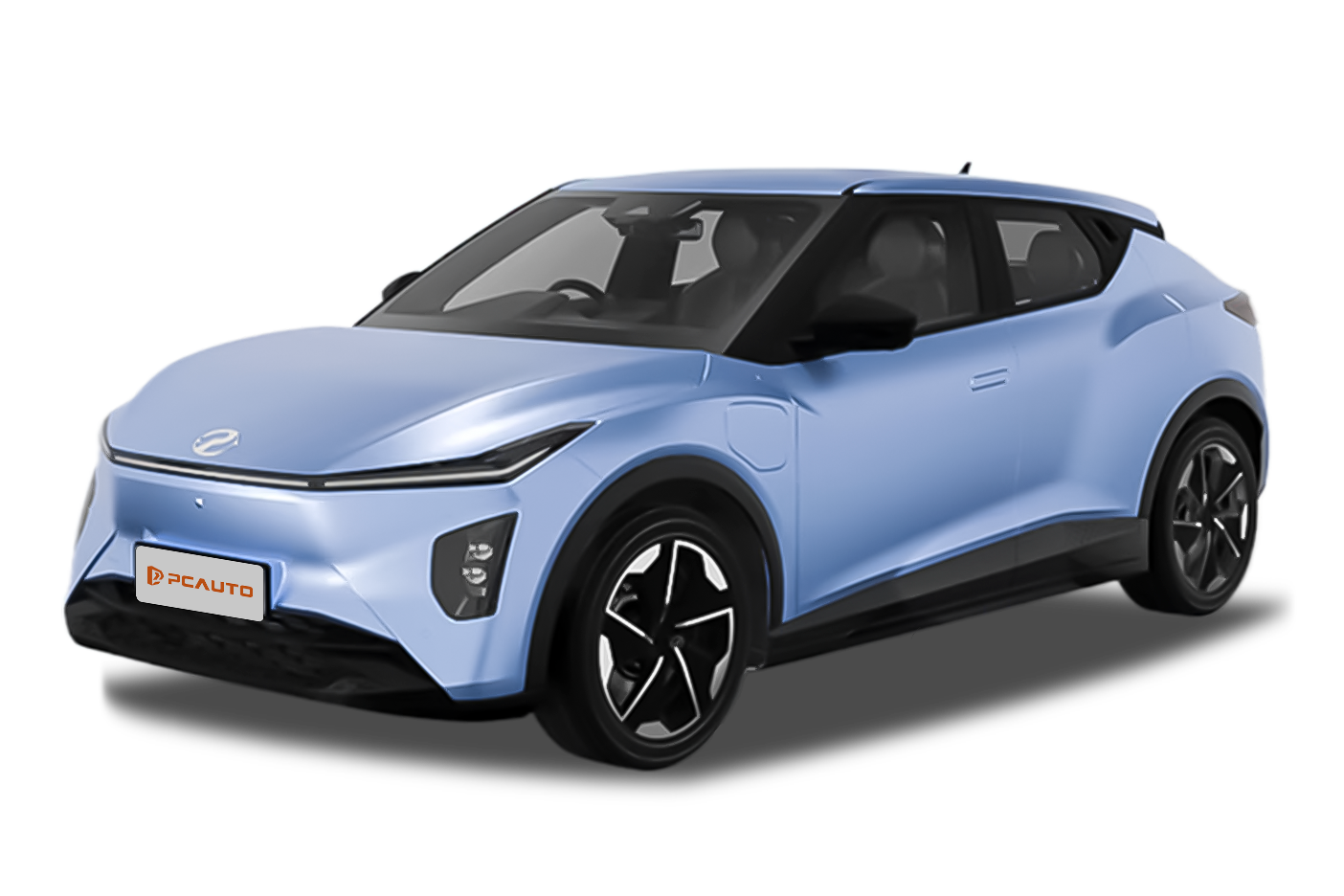
2025 Perodua QV-E is a high-value choice targeting the Malaysian C-segment pure electric market, 204PS power + 445km range + L2 assisted driving fully equipped, priced under 80,000 MYR.
Perodua QV-E photo
Perodua QV-E photo
Perodua QV-E photo
Perodua QV-E photo
Perodua QV-E photo
RM 80,000
Perodua QV-E 2025
Segment
C-Segment
Body Type
SUV
Motor Output(kW)
150
Motor Torque(Nm)
285
EV Range(km)
445
Battery Capacity(kWh)
52.5
Review
User Review
Specs

Recently, the C-segment pure electric vehicle market in Malaysia has seen quite a bit of activity. When choosing a car, consumers not only want sufficient range and practical features but also hope to keep the price in a reasonable range—after all, most families upgrading their vehicles or purchasing their first pure electric car don't want to pay for unnecessary features. Perodua's newly launched 2025 QV-E directly targets the core needs of this segment. With a 204PS motor, an official range of 445km, Level 2 driver assistance as standard, and a price tag of under 80,000 MYR, it has sparked significant interest right upon its debut. This time, we've got our hands on a test car, and the main focus is to see whether its real-world performance matches the on-paper specifications, especially in terms of range achievement and everyday driving convenience, as these are the two aspects most pure electric vehicle users care about.

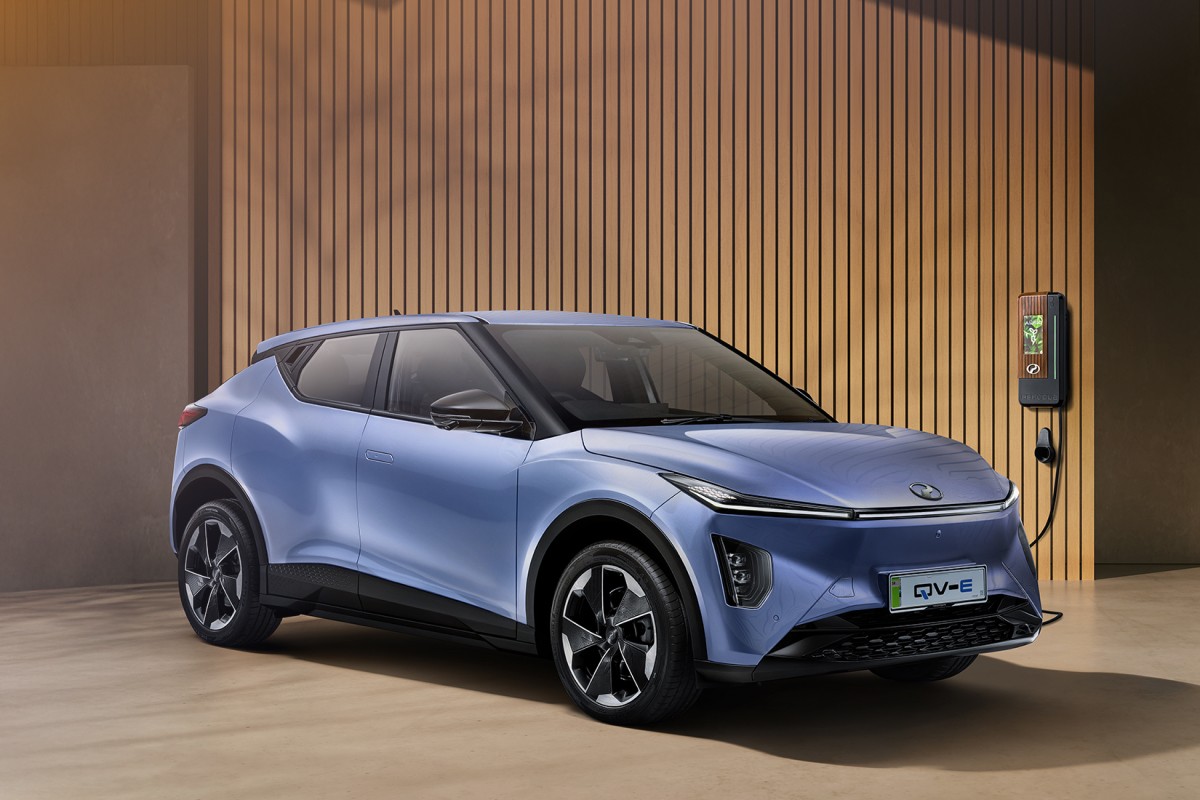
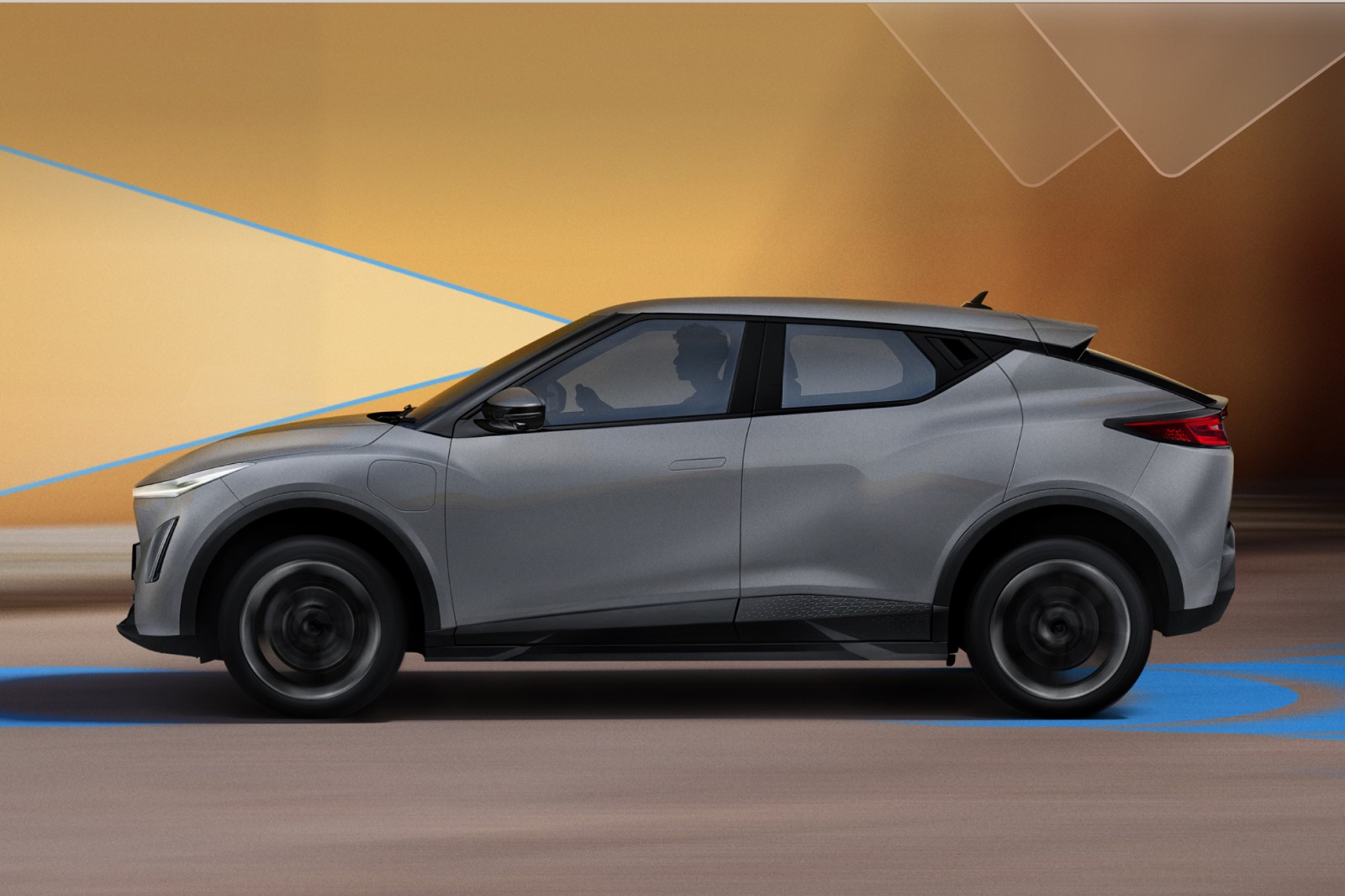
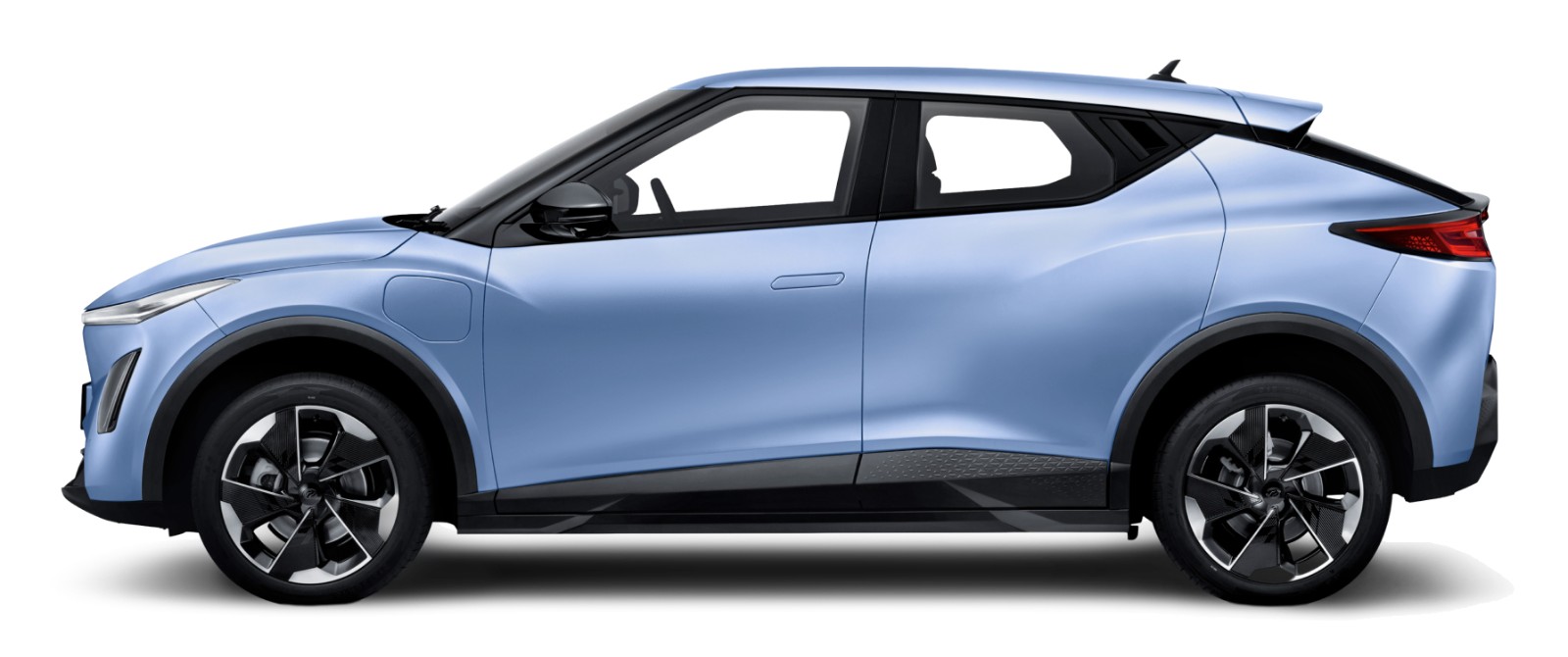
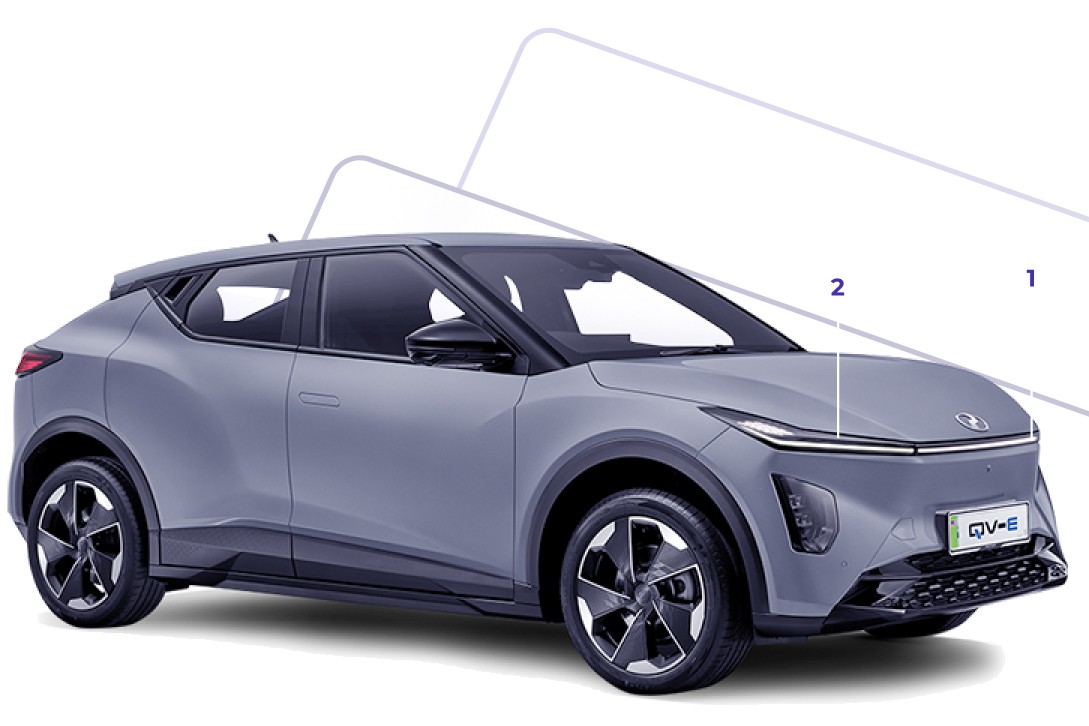
The QV-E’s exterior design is one that grows on you over time, with overall lines leaning towards rounded but carrying a hint of sportiness. The front features a closed grille design, with Perodua's chrome logo in the center. The sharp LED headlights on both sides are connected by a chrome trim at the top edge of the grille, giving the front a wider visual effect. The air intake at the lower bumper is relatively large, paired with front fog lights, adding some dimension. The side profile exhibits a classic hatchback design, with a waistline running from the front to the rear, complemented by 18-inch multi-spoke wheels for balanced proportions. The rear LED taillights adopt a through-type design connected by a chrome trim in the middle, offering high recognition when lit. The bottom edge of the trunk lid has a slight upward curve, forming a small spoiler effect that aligns with the aerodynamic design of electric vehicles. Overall, the exterior avoids overly flashy elements, making it a safe choice for everyday commuting.

Stepping inside, the first thing you notice is the quality of the materials and layout. The dashboard is covered in a large area of soft-touch materials, highlighted with silver trims, providing a texture superior to many models in the same price range. The 10.25-inch full LCD instrument panel and 10.25-inch central control screen are integrated into a dual display design. The screen resolution is quite good, and operation is smooth. A HUD head-up display is standard, allowing drivers to avoid looking down at the instrument panel, adding to convenience. The multifunction steering wheel is wrapped in leather and allows electric adjustment, offering a comfortable grip. The gear selector uses an electronic stalk-shift design, saving space on the center console, which can also be used for storing small items. The front seats are six-way electrically adjustable, providing good back and cushion support, ensuring comfort during long drives. The rear seats can be folded in a 60:40 split. When seating three adults, there's about two fists of legroom and one fist of headroom—not overly spacious, but adequate. The floor is completely flat, preventing the middle passenger's feet from feeling too cramped. Regarding storage, the door panel compartments can hold two bottles of water, the center armrest box is deep enough, and the trunk provides a standard capacity of 320L, expandable to approximately 1200L with the rear seats folded down, accommodating strollers or suitcases without issue.

As for performance, the QV-E is equipped with a 150kW (204PS) permanent magnet synchronous motor, delivering a maximum torque of 285 N·m. Officially, it accelerates from 0 to 100km/h in 7.5 seconds. In real-world driving, the throttle response at start-up is immediate, and you can feel a noticeable push-back sensation with a light press on the pedal, making it easy to keep pace in city traffic or overtake. It offers three driving modes: Eco, Standard, and Sport. In Eco mode, power output is smoother and more suitable for daily commuting; in Sport mode, torque delivery becomes more aggressive with faster acceleration, perfect for drivers seeking some occasional thrill. Regarding range, we drove about half the distance in the city and the other half on the highway while running the air-conditioning and playing music throughout the trip. The energy consumption was approximately 13kWh per 100km, and the actual range achieved was about 390km with an official rating of 445km, yielding a 88% achievement rate. This performance ranks moderately high compared to similar models in its class. For charging, using a 60kW fast-charging station can charge the battery from 30% to 80% in roughly 40 minutes, and using a slow charger will fully charge it in about 8 hours, which is sufficient for daily use.

The handling and chassis performance exceed expectations. The steering wheel feels relatively light, making parking at low speeds very easy. At high speeds, it becomes heavier, and the steering is also precise. The front suspension is a MacPherson independent suspension, and the rear is a torsion beam non-independent suspension, but the tuning is very well done: when going over speed bumps or uneven roads, the suspension quickly filters out jolts without obvious residual vibrations; when cornering, the body roll is well-controlled and does not sway noticeably. As for NVH, at low speeds, there is almost no audible motor noise, while at high speeds, wind noise and tire noise are present but still within an acceptable range, not affecting conversations inside the vehicle. The energy recovery system offers three adjustable levels. At the highest level, releasing the accelerator produces noticeable resistance, almost eliminating the need to use the brake; at the lowest level, it feels similar to a fuel car when coasting, making it easy to adapt to.

Safety features are a major highlight of the QV-E. Six airbags, ABS, and vehicle stability control are all standard. L2 level driver assistance is also included: ACC adaptive cruise control is very useful on highways, automatically following the vehicle ahead and maintaining distance; lane departure warning and autonomous emergency braking systems are responsive and sensitive. On one occasion, the system issued a timely warning and automatically slowed down when the car ahead braked suddenly, avoiding a collision. The automatic parking system is also very practical. Whether parking parallel or reversing into a parking spot, it completes the task quickly, making it very friendly for beginners.

Overall, the advantages of the 2025 Perodua QV-E are very clear: priced at less than 80,000 MYR, it comes standard with dual screens, a HUD, electric seats, L2 level driver assistance, and more, offering a value-for-money package virtually unmatched in its class. The range performance is reliable, suitable for daily commutes and short trips. Its driving quality and comfort can meet the needs of family users. Compared to competitors like the BYD Atto 3 or MG4 EV in the same class, the QV-E offers more comprehensive features at a more affordable price.

If your budget is around 80,000 MYR and you're looking for a well-equipped, reliable, easy-to-drive, and practical electric family car, the QV-E is definitely worth considering. It doesn't rely on flashy designs, but every feature is practical for everyday use. Whether it's for commuting to work or weekend family outings, it can handle it all. All in all, the QV-E is a very well-balanced electric vehicle. In the C-segment market, it offers consumers a solid choice with its reliable features and reasonable pricing.

Pros
Rich and practical safety configuration, responsive active braking, 6 airbags + ISO FIX interface enhance the sense of security
Outstanding urban commuting performance, fast motor torque response, 0-100 km/h acceleration in 7.5 seconds makes overtaking easy
Convenient to operate dual interior screens, practical HUD head-up display, clear and non-reflective under direct sunlight
Cons
The handling limit of the front-wheel drive is low, fast cornering on Yundingshan Road easily causes understeer
The rear seats are relatively hard, making long-distance rides tiring, and there are insufficient storage compartments
The rear suspension is a torsion beam, causing obvious bumps for the rear seats when passing potholes or speed bumps
Overall Rating
4.4
Excellent
From 7 Reviews
Section Rating
Performance
4.4 / 5
Interior Design
4.4 / 5
Safety
4.3 / 5
Exterior Design
4.6 / 5
Showing 7 reviews
5 Excellent
GTI_7
Owner of 2025 Perodua QV-E
As the owner of the 2025 Perodua QV-E, driving in Malaysia for almost three months, I am most impressed with its safety features! For example, I have to navigate the morning traffic on Jalan Ampang in Kuala Lumpur daily, where the road conditions are incredibly chaotic — motorbikes cutting in suddenly, sudden braking by cars ahead, it's all quite common. But the QV-E's autonomous braking system is incredibly responsive. Just last week, a lorry suddenly switched lanes, and the system braked automatically for me, potentially saving my life! With six airbags, seatbelt reminders for all seats, and ISO FIX mounts that make me feel extra secure when taking the kids out, I’d rate its safety a full 5 stars with no complaints! For performance, I’d give it 4 stars because it’s really enjoyable to drive around the city — with 0-100 km/h acceleration in 7.5 seconds, overtaking sluggish MPVs after queuing at toll booths is effortless; the electric motor delivers torque very quickly. However, since it’s a front-wheel-drive car, on my recent trip to Genting Highlands, I felt some understeer in the mid-hills sharp bends when driving a bit faster. Its handling limit isn’t particularly high, but it's more than enough for daily commutes. As for the interior, 4 stars are very reasonable. The 10.25-inch instrument panel and central control screen are integrated, making it convenient to check navigation and adjust the air conditioning. The HUD (Head-Up Display) is still clearly visible even under Malaysia’s bright sun. The front seats are electronically adjustable, so during my long drive to Penang, I could easily adjust to a comfortable position, and my back didn’t feel sore. However, the rear seat material is slightly firm. When I took my parents to Ipoh for a three-hour drive, they felt a bit uncomfortable and said it could be softer. Overall, as a C-segment EV priced at RM80,000, I’m quite satisfied with its performance!
5 Excellent
TCR_Leon
Owner of 2025 Perodua QV-E
As the owner of the 2025 Perodua QV-E, driving in Malaysia for almost two months now, I truly feel like I made the right choice! Full marks for the exterior design—its streamlined body paired with LED headlights stands out in KL traffic, and every time I park in front of Pavilion, people always turn their heads. I deducted one point for the interior, mainly because the plastic texture of the center console is slightly noticeable, but the 10.25-inch dual screens and HUD head-up display are incredibly convenient. Especially on winding mountain roads in Penang, you don’t have to lower your head to check navigation, which is very user-friendly. Performance deserves full marks! With 204 horsepower, overtaking on the highway is especially satisfying. It goes from 0 to 100 in just 7.5 seconds, and overtaking those big trucks on the North-South Expressway is effortless. The pure electric range is 445 kilometers; my round trip from home to work is 50 kilometers, so charging once a week is enough. Moreover, with more and more charging stations in Malaysia, you can charge your car at the mall and shop simultaneously, leaving no room for range anxiety. In summary, as Perodua's first C-class pure electric vehicle, the QV-E’s performance on Malaysian roads has exceeded expectations. Highly recommended to friends considering switching to an electric car!
4 Excellent
M340i
Owner of 2025 Perodua QV-E
As the owner of the 2025 Perodua QV-E, I’ve been driving in Malaysia for nearly two months, and overall, the experience has been pretty good! Let’s talk about the performance first—giving it a score of 4 seems fair to me. After all, as an EV, the initial acceleration is particularly quick. During Kuala Lumpur’s morning rush hour traffic, following cars feels super smooth, and there's no need for frequent acceleration and braking like in a gas-powered car. I was previously concerned about highway performance, but last week I went on the North-South Expressway to Penang, and accelerating to overtake at 110km/h felt confident. The 7.5-second acceleration is sufficient for both city and highway use. However, the rear suspension is a torsion beam, so on bumpy roads like those in Johor Bahru or when hitting speed bumps on the highway, the rear passengers may feel a bit bumpy. If this can be improved, it would be even better. In terms of safety, I also give it 4 points—the configurations are really complete. Last time on a rural road in Selangor, a dog suddenly dashed out, and the automatic braking system stopped the car immediately, giving me quite a scare! When I usually drive on highways using ACC cruise control, the lane-keeping is also very stable, so long drives are less tiring. The 6 airbags and lane-change assist are all very practical features. Especially when traveling with kids, the ISOFIX interface makes it very convenient—feels super secure. However, during heavy rain one time, the rearview camera became a bit blurry—it would be great if it could be upgraded to a 360-degree surround view. All in all, as a locally produced pure electric car in Malaysia, I’m quite satisfied with its performance!
5 Excellent
OctaviaRS
Owner of 2025 Perodua QV-E
As one of the first owners of the 2025 Perodua QV-E, after driving it for three months, I love it more and more! First, let me praise its performance — the torque of this EV is exceptionally direct in Jalan Ampang’s traffic jams during Kuala Lumpur’s morning rush hours. Starting, following cars, and even overtaking are very smooth, and its 7.5-second acceleration is perfectly sufficient for city driving. On highways, it is also very stable at 110 km/h. The interior quality is surprisingly impressive. The 10.25-inch instrument cluster and center control screen are connected, and the operation is smooth. The HUD (Heads-Up Display) is especially practical under Malaysia’s strong sunlight, eliminating the need to look down at the instrument panel. The safety features are maxed out! Last week in Penang, I was almost sideswiped by a car suddenly changing lanes. The lane departure warning and automatic braking system intervened immediately, bringing the car to a stop. With six airbags and ACC adaptive cruise control in the car, I feel very reassured when driving long distances to Genting Highlands. The exterior is also very pleasing to the eye. The LED headlights have high visibility during the day, and the car's body lines look especially exquisite under Malaysia’s sunshine. Every time I park at Lotus, someone asks me what car it is. In short, being able to buy such a well-rounded car at a price of RM 80,000 is truly amazing!
4 Excellent
PajeroV9
Owner of 2025 Perodua QV-E
As the owner of the 2025 Perodua QV-E, driving around Malaysia for almost a month now, let’s talk about the exterior first—giving it 4 stars is pretty fair! The closed grille with the blue accents on the front makes it particularly noticeable in the traffic of KL. The LED headlights look like little lightning bolts when they light up during the day and are bright enough for countryside roads at night. However, while the connected tail lights at the rear look good, in parking lots like those at Sunway Pyramid, the design somewhat overlaps with other EVs, so it’s not exceptionally striking, which is why I deducted some points. I also gave the interior 4 stars! The 10.25-inch dual screens don’t reflect sunlight under Malaysia’s bright sun, which is so much better than my previous Myvi! The seats are made of leather, and even sitting for one or two hours in KL traffic, they don’t feel stuffy. The HUD (head-up display) is super convenient for navigation without having to look down. However, the lack of storage compartments in the back seats is a slight drawback. When I took my family to Genting last time, there wasn’t enough space to place their phones and snack bags. If they could add a couple more compartments, it would be perfect. Overall, the exterior and interior are well-suited for this price range. Driving it in Malaysia feels both classy and practical. If they could fine-tune some details, it would be even better!
1
2
Motor&Battery
Motor Type
Permanent Magnet Synchronous Motor
Motor Output(PS)
204
Motor Output(kW)
150
Motor Torque(Nm)
285
Number Of Motors
1
EV Range(km)
445
Battery Type
Ternary lithium battery
Battery Capacity(kWh)
52.5
General
0-100km/h(s)
7.5
Transmission and Chassis
Transmission
EV
Driven Wheels
Front Wheel Drive
Front Suspension
MacPherson Independent Suspension
Rear Suspension
Trailing Arm Non-independent Suspension
Front Tyres
215/50 R18
Rear Tyres
215/50 R18
Parking Brake
Electric Parking Brake
Size&Capacity
Segment
C-Segment
Length(mm)
4170
Width(mm))
1800
Height(mm)
1502
Wheelbase(mm)
2680
Boot Volume(L)
320
Perodua QV-E photo
Perodua QV-E
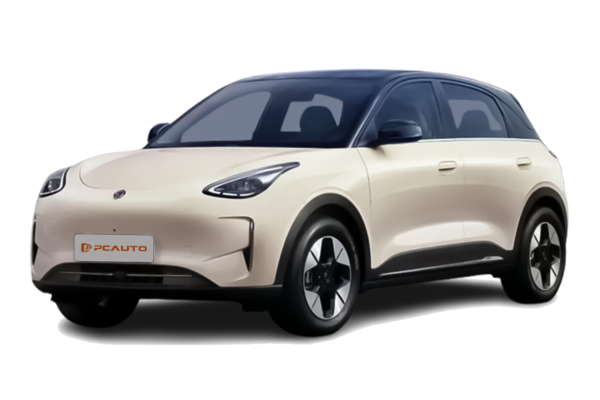
Proton e.Mas 5 photo
Proton e.Mas 5
Perodua QV-E
vs
Proton e.Mas 5
Perodua QV-E photo
Perodua QV-E
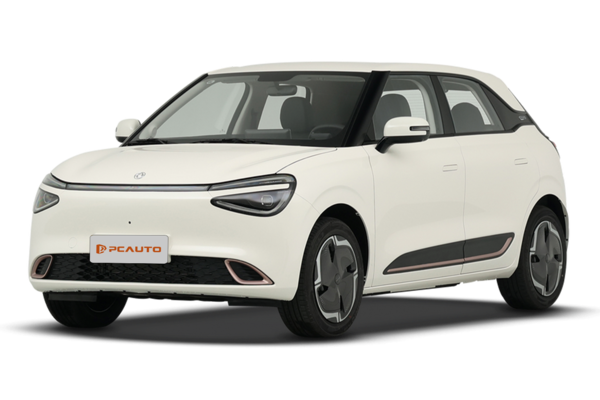
DFSK Box photo
DFSK Box
Perodua QV-E
vs
DFSK Box
Perodua QV-E photo
Perodua QV-E
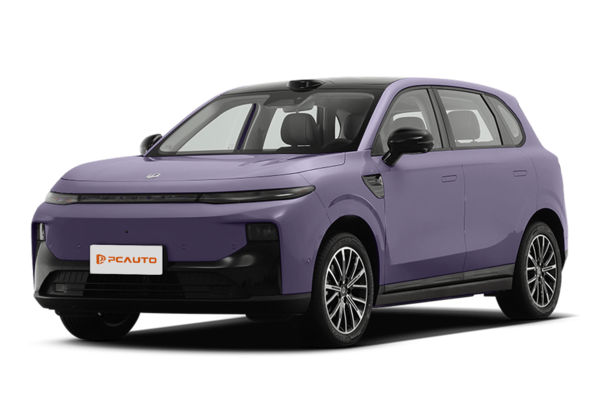
Leapmotor B10 photo
Leapmotor B10
Perodua QV-E
vs
Leapmotor B10
Find out if you can afford your dream car using our user friendly car loan calculator.
Total Amount
Down Payment
Interest Rate(%)
Loan Period (In Years)
Monthly Payment
RM --
Calculate

What is the #1 most popular car?

What are the colors of Aruz 2019?

What is the fuel consumption of Perodua Bezza 2018?