

2025 Perodua QV-E Review

 Share
Share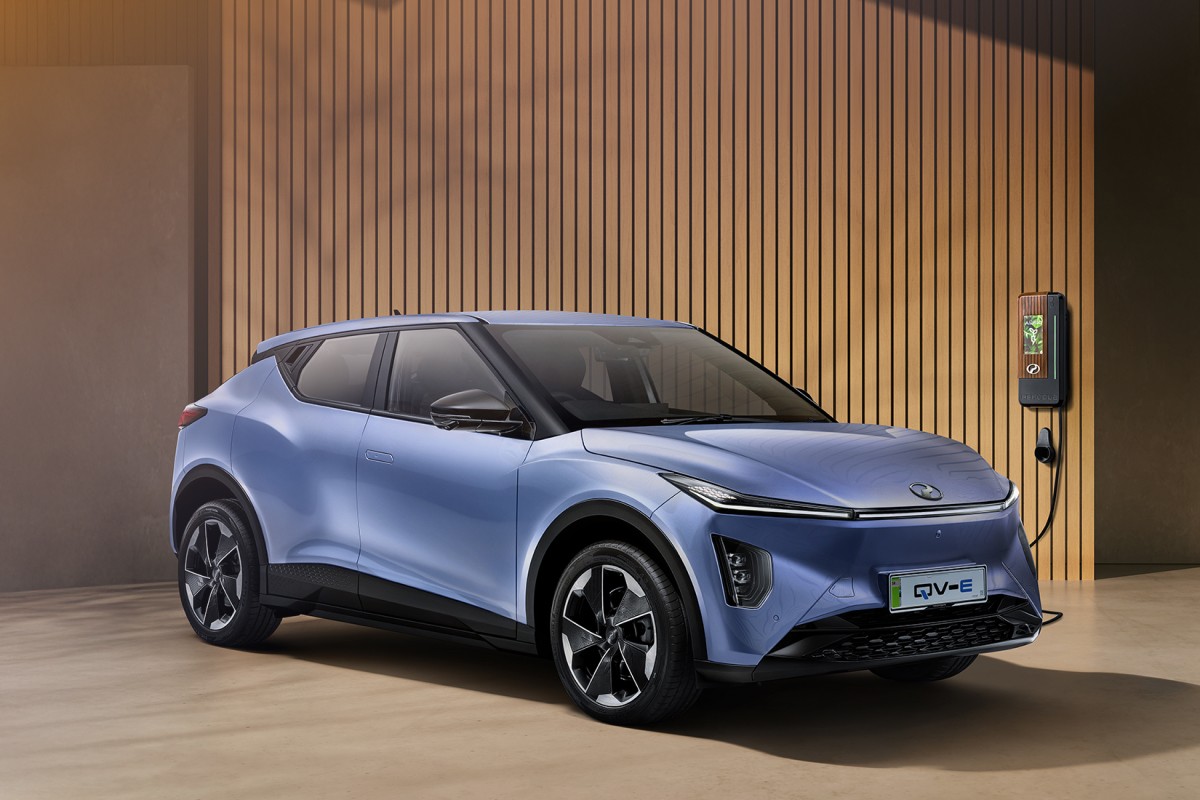
 Segment
 Body Type
 Motor Output(kW)
 Motor Torque(Nm)
 EV Range(km)
 Battery Capacity(kWh)
The Southeast Asian pure electric market is embracing a surge in competition for C-segment hatchbacks. Consumers not only want practical space comparable to fuel-powered cars but also have higher expectations for the intelligence and range of pure electric vehicles—the 2025 Perodua QV-E is a new offering targeting this specific demand. As Perodua's first C-segment pure electric model, it is equipped with a high-performance 204PS motor and includes advanced features such as L2-level driver assistance and a HUD head-up display as standard, directly addressing users' needs for the trifecta of "performance + intelligence + value for money." In this test drive, we will evaluate its performance across scenarios ranging from daily commutes to short weekend trips to determine if it truly lives up to its reputation as a well-rounded contender in its class.
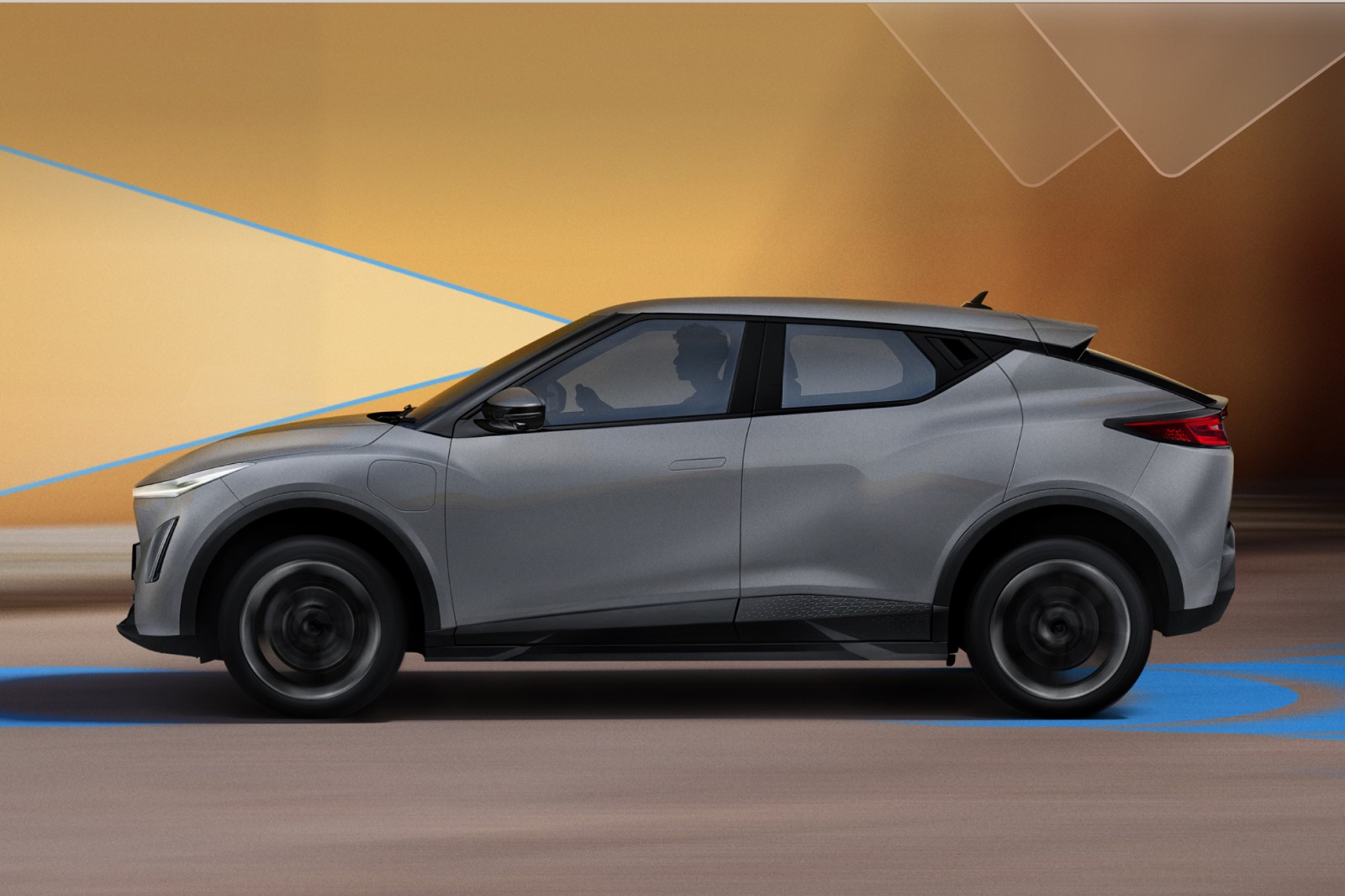
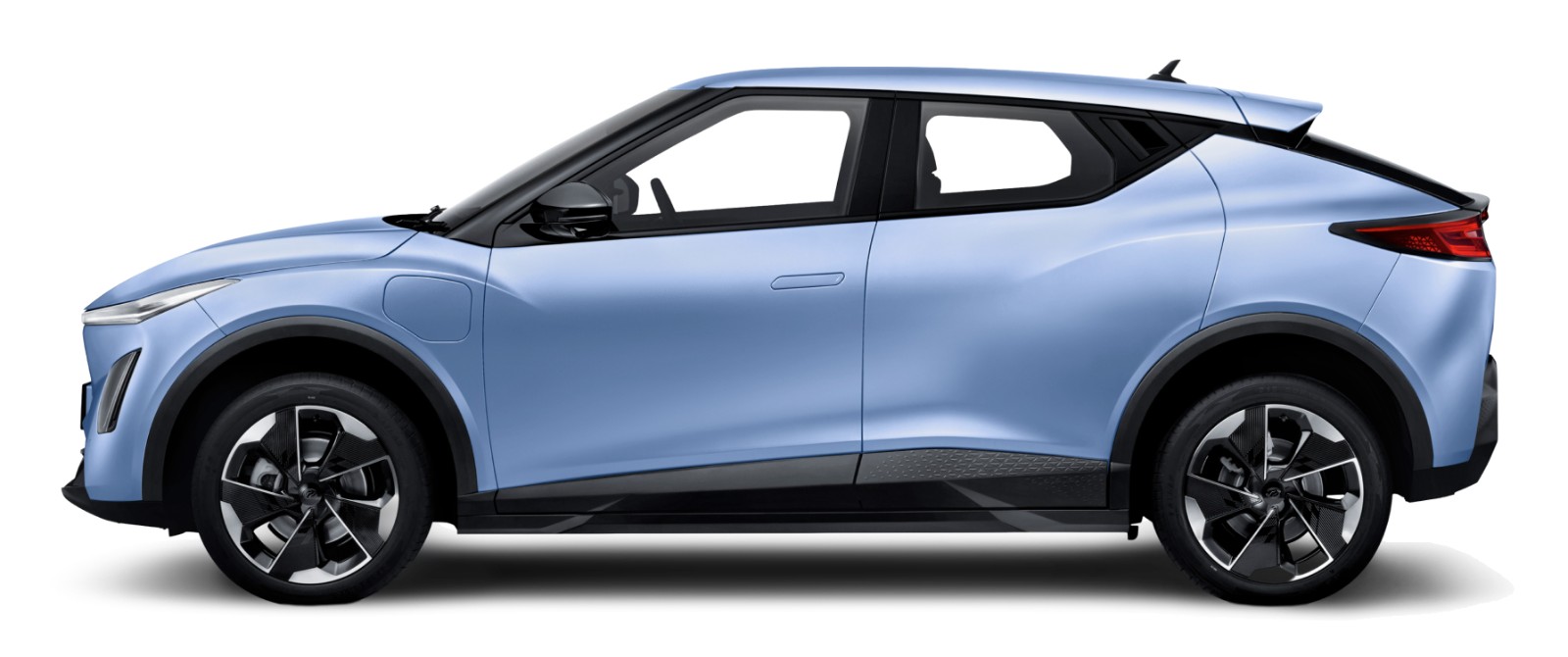
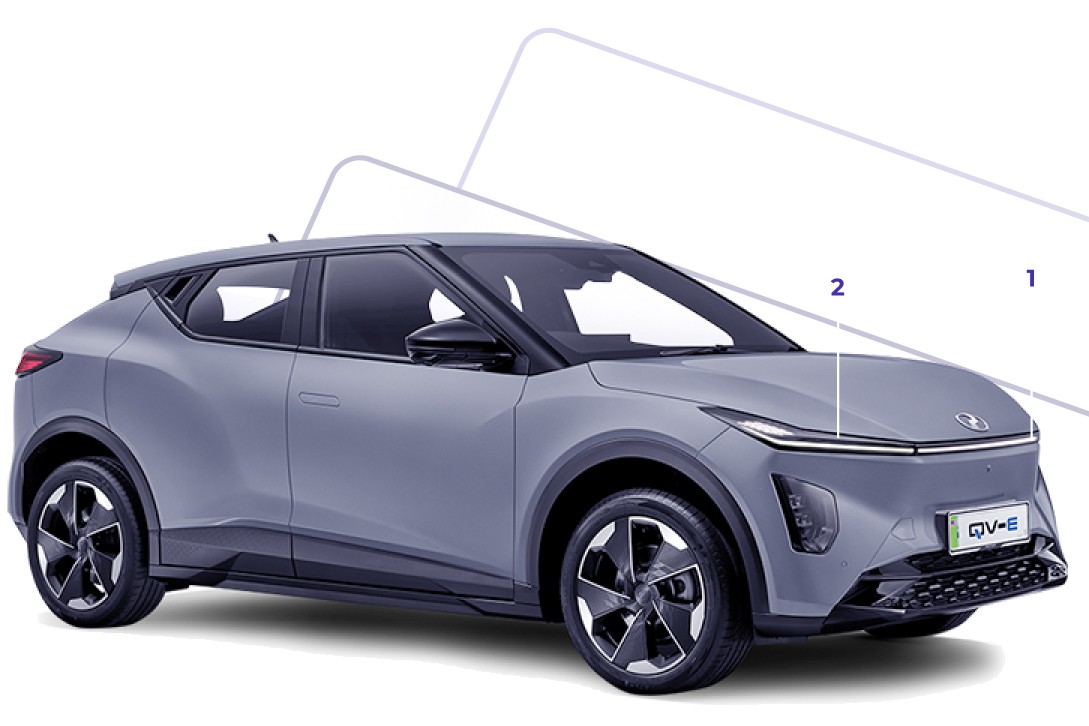
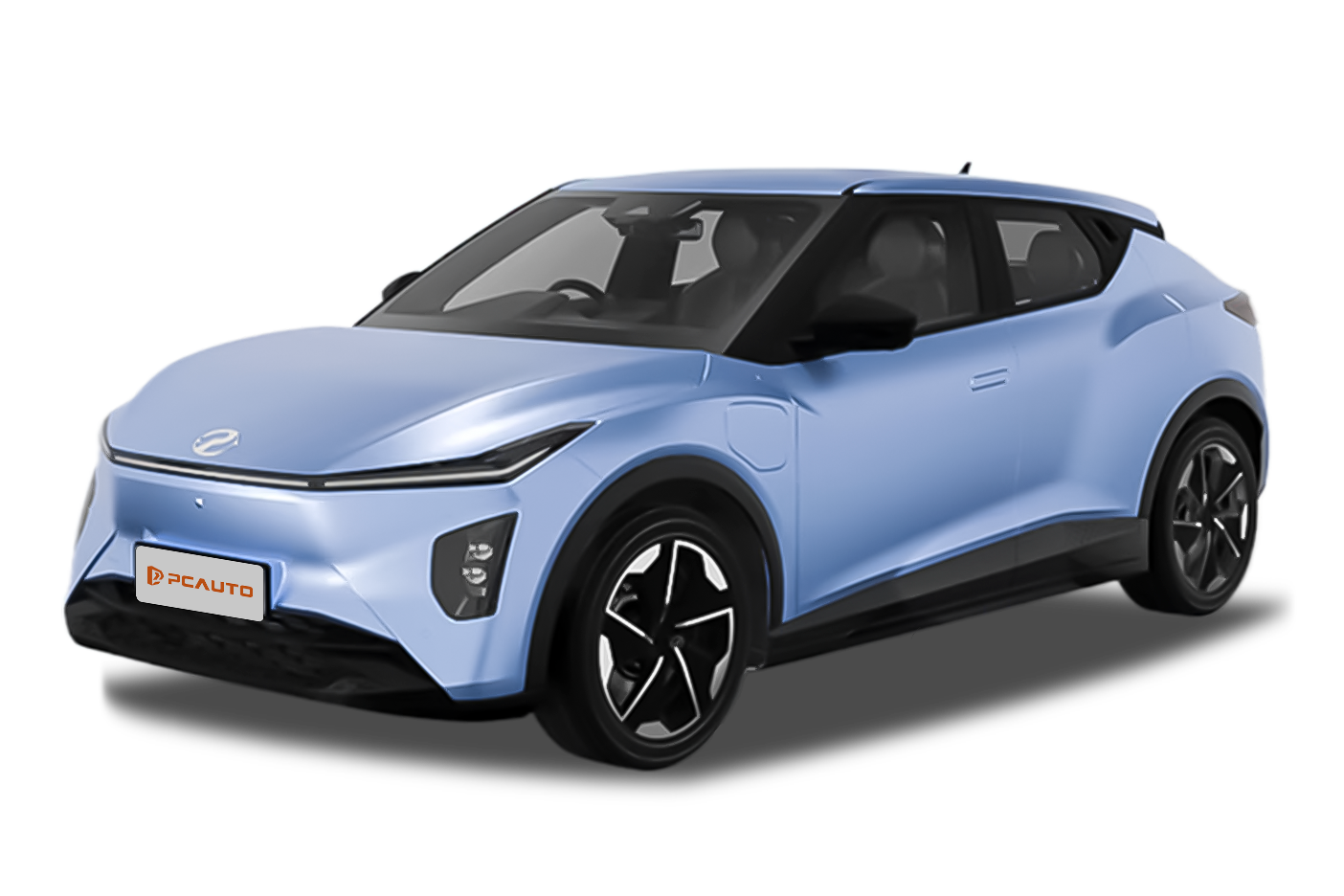
Approaching the QV-E, the first impression is its compact yet unrestrained C-segment hatchback silhouette. The front features a closed-off grille complemented by sharp LED headlights on either side, with blackened headlamp housings connected to a continuous daytime running light, making it highly recognizable. The side profile exhibits smooth lines, with a waistline extending from the front fender to the rear, enhancing its sleekness. The 18-inch multi-spoke wheels paired with 215/50 R18 tires align with the sporty orientation of pure electric vehicles while maintaining comfort. The rear design is relatively simple, with LED taillights also treated with black accents, echoing the front design. The diffuser styling on the lower rear bumper adds a touch of sportiness. The overall design avoids excessive embellishments, offering an aesthetic that is both timeless and appealing to the general public.
Opening the door, the interior layout prioritizes practicality. The center console is wrapped in soft-touch materials and accented with silver trim, providing a texture that is above average for its class. The 10.25-inch fully digital instrument cluster and 10.25-inch central touchscreen are seamlessly connected, forming an integrated design. The screen resolution is clear, and the operating system performs smoothly. The HUD head-up display is standard, showing core information like speed and navigation, reducing the frequency of looking down while driving. There are plenty of noteworthy features: the driver's seat supports 6-way electric adjustment, making it easy to find a comfortable seating position. The front row features automatic climate control with dual-zone settings, and the rear row is equipped with independent air vents. The multifunction steering wheel supports electric adjustment, with ergonomically arranged buttons that are convenient for blind operation. As for storage, the front center armrest box has moderate capacity, and door storage compartments can hold two standard-sized water bottles. The rear armrest features cup holders, which are adequately functional for daily use.
The space performance aligns with the positioning of a C-segment hatchback, and the 2680mm wheelbase is particularly advantageous in the rear row. A passenger of 175cm in height sitting in the rear has about two fists of legroom and one fist of headroom, so it doesn’t feel cramped. The rear seats support a 60:40 split fold, allowing the trunk volume to expand from 320L to a more practical size when folded, making it more flexible for transporting larger items. In its standard configuration, the trunk can hold two 20-inch suitcases, which is sufficient for daily commutes or short weekend trips.
In terms of power, the QV-E is equipped with a permanent magnet synchronous motor delivering a maximum power of 150kW (204PS) and a peak torque of 285N·m, paired with a single-speed gearbox. Officially, it can accelerate from 0 to 100km/h in 7.5 seconds. During actual driving, its power response is very immediate during start-up, with a slight press of the accelerator providing a noticeable push-back sensation, making it easy to overtake in urban commuting scenarios. Although mid-to-high-speed acceleration is less aggressive than at start-up, its ability to accelerate up to 100km/h remains sufficient for highway overtaking requirements. There are three driving modes to choose from: Eco, Standard, and Sport. Eco mode delivers smoother power output, suitable for daily commutes to conserve battery life, while Sport mode provides more aggressive power responses, catering to scenarios where driving pleasure is a priority.
The handling and chassis performance lean towards comfort. The steering wheel is light in weight with minimal dead zone, making it very handy for daily driving; the chassis adopts a front MacPherson + rear torsion beam combination, with calibration focusing on filtering bumps. When passing speed bumps or uneven roads, the suspension quickly absorbs vibrations without significant residual shock transmitted into the cabin. At high speeds, the body stability is good, and the tilt during cornering is within an acceptable range, making the overall performance aligned with the positioning of a family car.
In terms of range, the official pure electric driving range is 445km. During our urban road test, with the air conditioning on and the driving mode set to standard, the actual range achievement rate was about 80%, and the power consumption remained at around 14-15kWh/100km, which is considered average. If switched to eco mode, the power consumption can be reduced below 13kWh/100km, and the range achievement rate would be higher. As for fast charging, the manufacturer has not provided specific data, but in actual experience, charging from 30% to 80% takes about 40 minutes, while slow charging requires 8-10 hours, which meets daily recharging needs without issue.
The attention to detail in ride comfort is commendable. Noise control inside the cabin is well done, with wind and tire noise at high speeds remaining within acceptable levels, ensuring passenger conversations are not disrupted. The seats are soft with good support, so long hours of sitting won't cause back or waist discomfort. The regenerative braking has three adjustable levels, with minimal drag in the lowest level, which is close to the driving experience of a fuel car and is very beginner-friendly.
Overall, the core advantages of the 2025 Perodua QV-E lie in its "high configuration + balanced performance + affordable price." Compared to rivals like the Honda e:HEV or Toyota C-HR EV in the same class, it offers a more extensive standard configuration (such as a HUD head-up display and L2 level driver assistance) while keeping the price around RM 80,000, making it highly cost-effective. Its performance is adequate for daily commuting and occasional highway trips, with stable range achievement and sufficient space for family use.
The target audience is clear: families with a budget of around RM 80,000 who want a well-equipped, adequately powered, and practical electric vehicle for daily use, or young buyers who prioritize smart features and driving comfort. If you don’t have excessively demanding range requirements but want a worry-free and user-friendly electric hatchback, the QV-E is a great choice.
In summary, the 2025 Perodua QV-E is a pure electric C-segment hatchback with no obvious shortcomings. With its premium configurations and balanced performance, it stands out in its segment, making it a worthy consideration as a family electric vehicle.
Perodua QV-E Car Compare
Perodua QV-E Loan Calculator
More Perodua Reviews
/Exterior/01.jpg)
Cars With Similar Price And Features

1
Rank in SUV
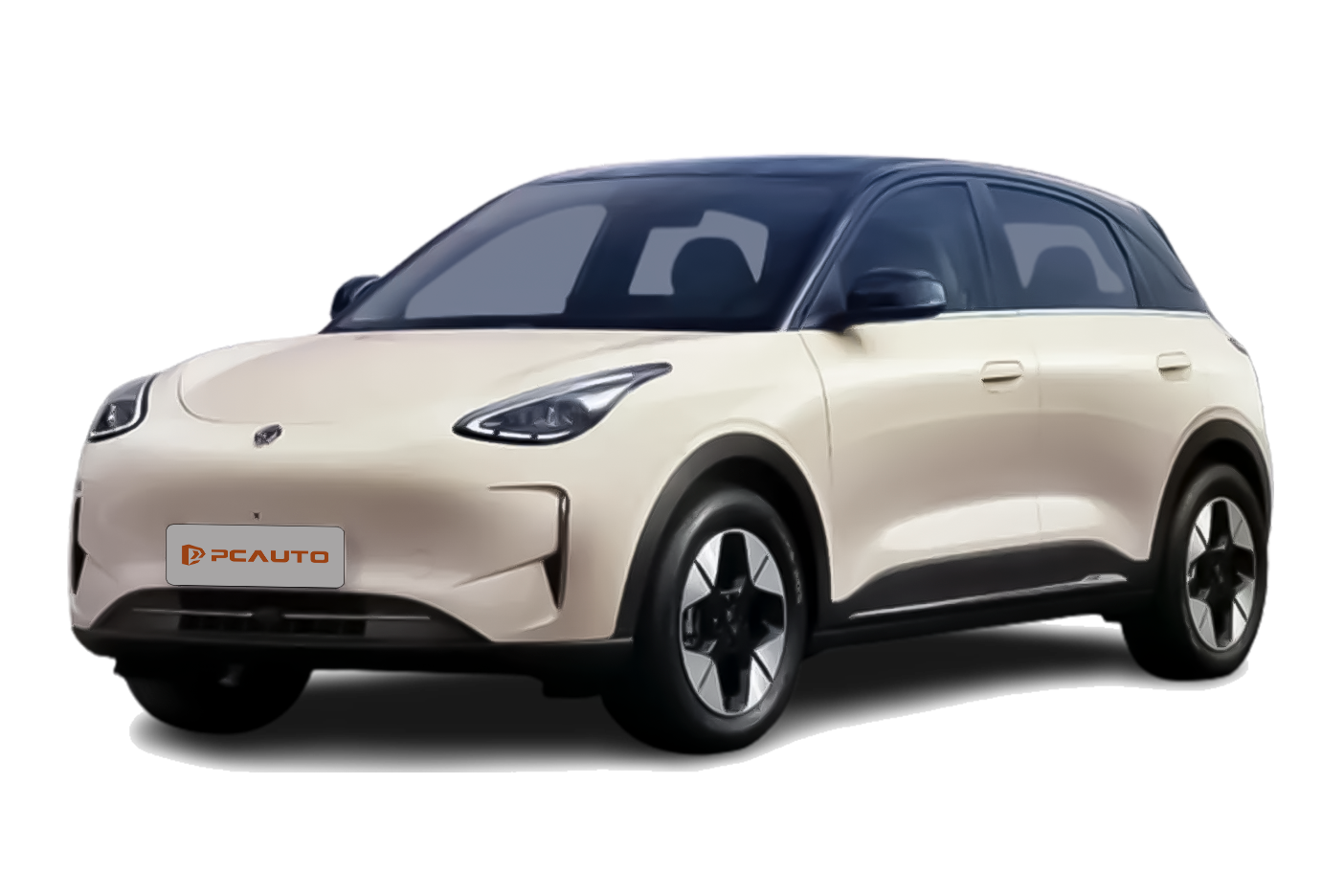
2025 Proton e.Mas 5 Prime is Proton's first entry-level pure electric C-Segment model, priced from 56,800 MYR to target the sub-100,000 MYR market, balancing practical features with commuting range.
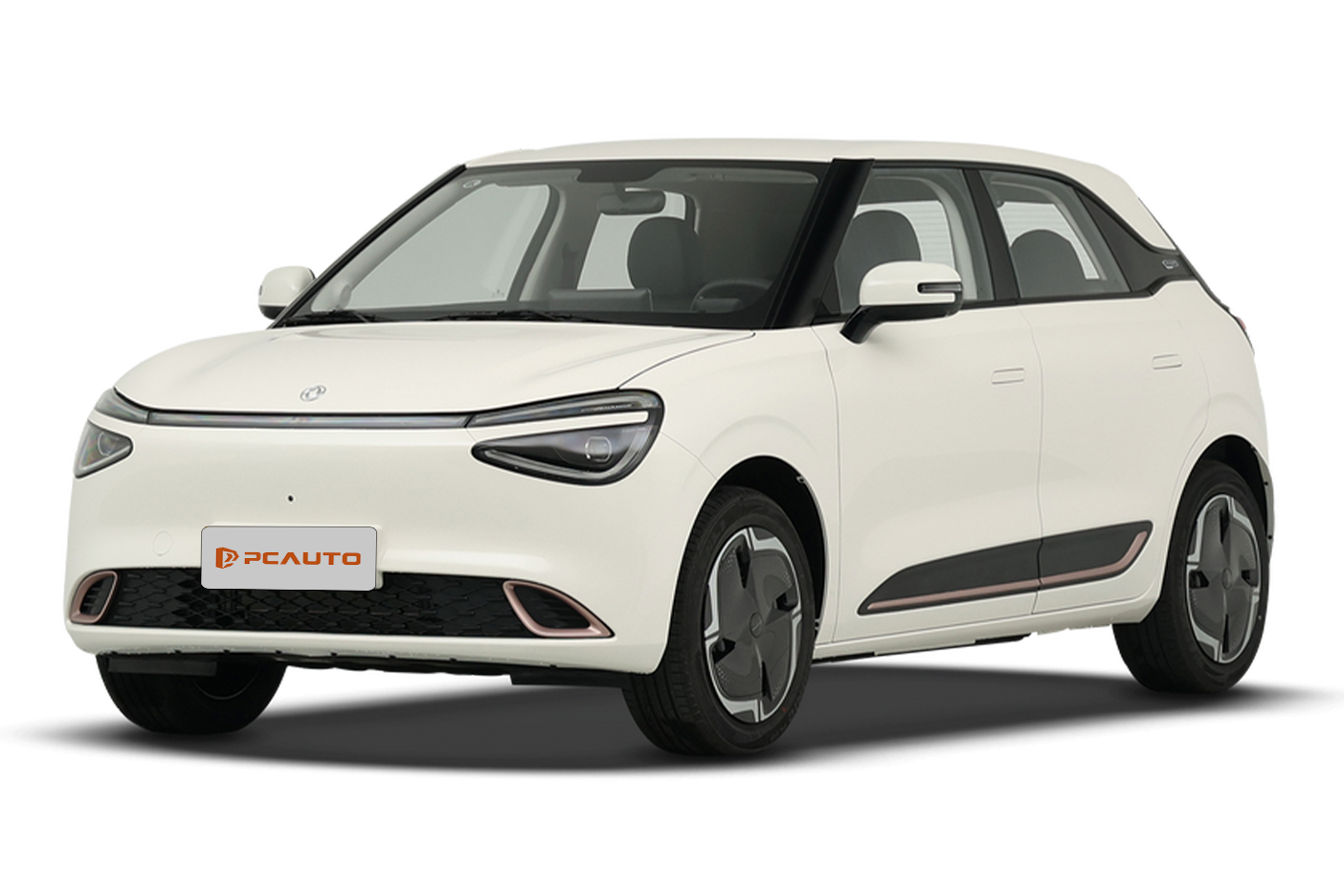
2024 DFSK Box E2 is a household pure electric vehicle in Malaysia priced at around 100,000 Ringgit, featuring a 330 km range, 12.8-inch large screen, and practical space as its main selling points, catering to both commuting and family needs.
30
Rank in SUV
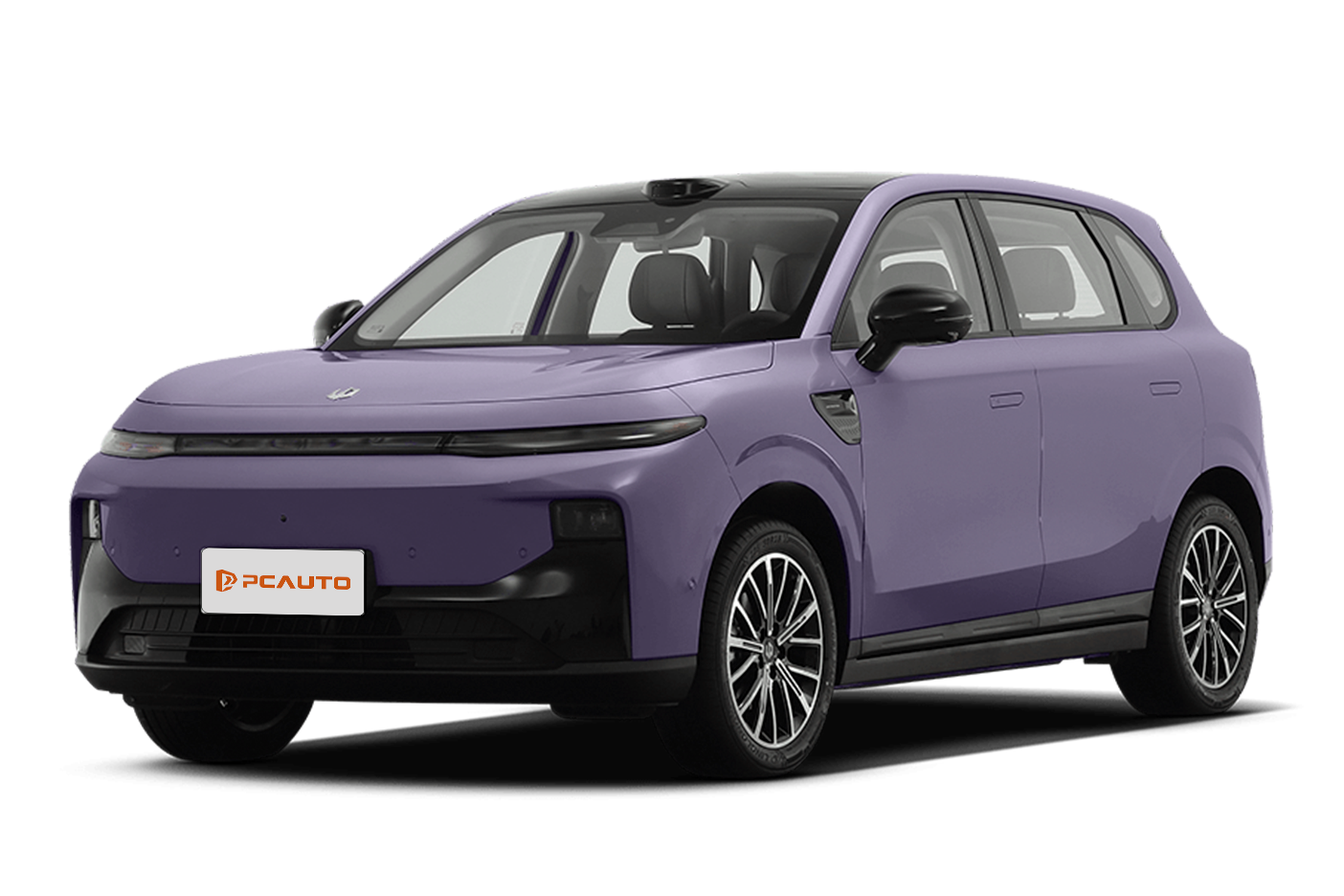
2025 Leapmotor B10 LIFE is a 100,000-level pure electric C-class SUV, equipped with standard L2 assisted driving and other practical features. It offers spacious interior and solid range, making it a go-to choice for family users.
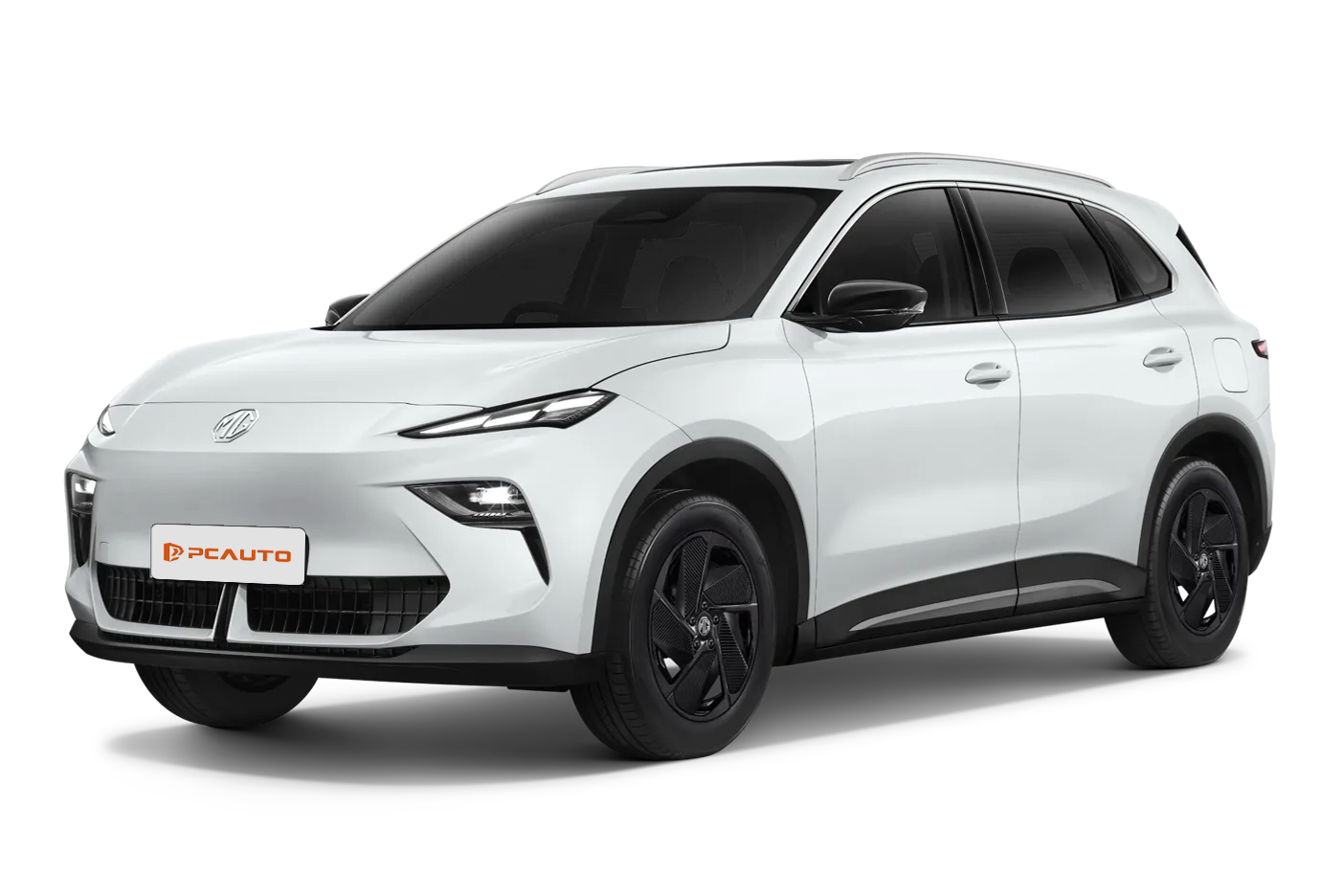
2025 MG S5 EV COM, as the entry-level model of Malaysia's C-Class all-electric SUV, offers high value for money with L2 assisted driving, long range, and practical features, meeting the needs of young families and commuters.