

2018 Perodua Axia Standard G 1.0 MT Review

 Share
Share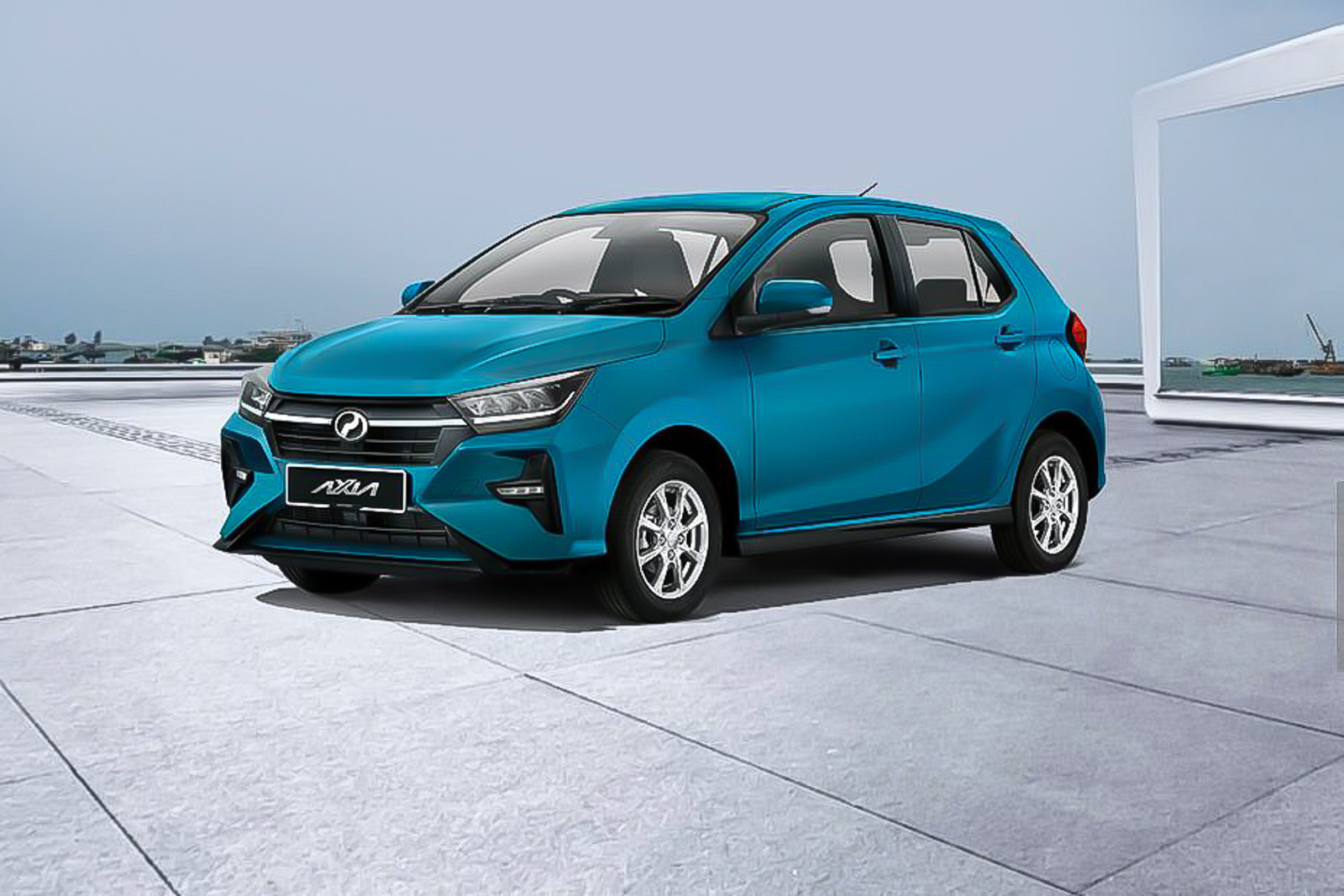
/Exterior/001.jpg)
 Segment
 Body Type
 Capacity(L)
 Engine Power(PS)
 Transmission
 Driven Wheels
The A-segment market in Malaysia has always been the main battlefield for commuter cars. Consumers value affordability, reliability, and practicality the most—after all, for daily commuting, picking up kids, or grocery shopping, there’s no need to pay extra for unnecessary features. The 2018 Perodua Axia Standard G 1.0 MT is a perennial model in this segment, with its 5-year/150,000 km long warranty and pricing of less than RM33,000 being its most attractive features. The purpose of this review is to see if it still meets basic needs without any 'compromises' and if it provides a worry-free experience in daily use.
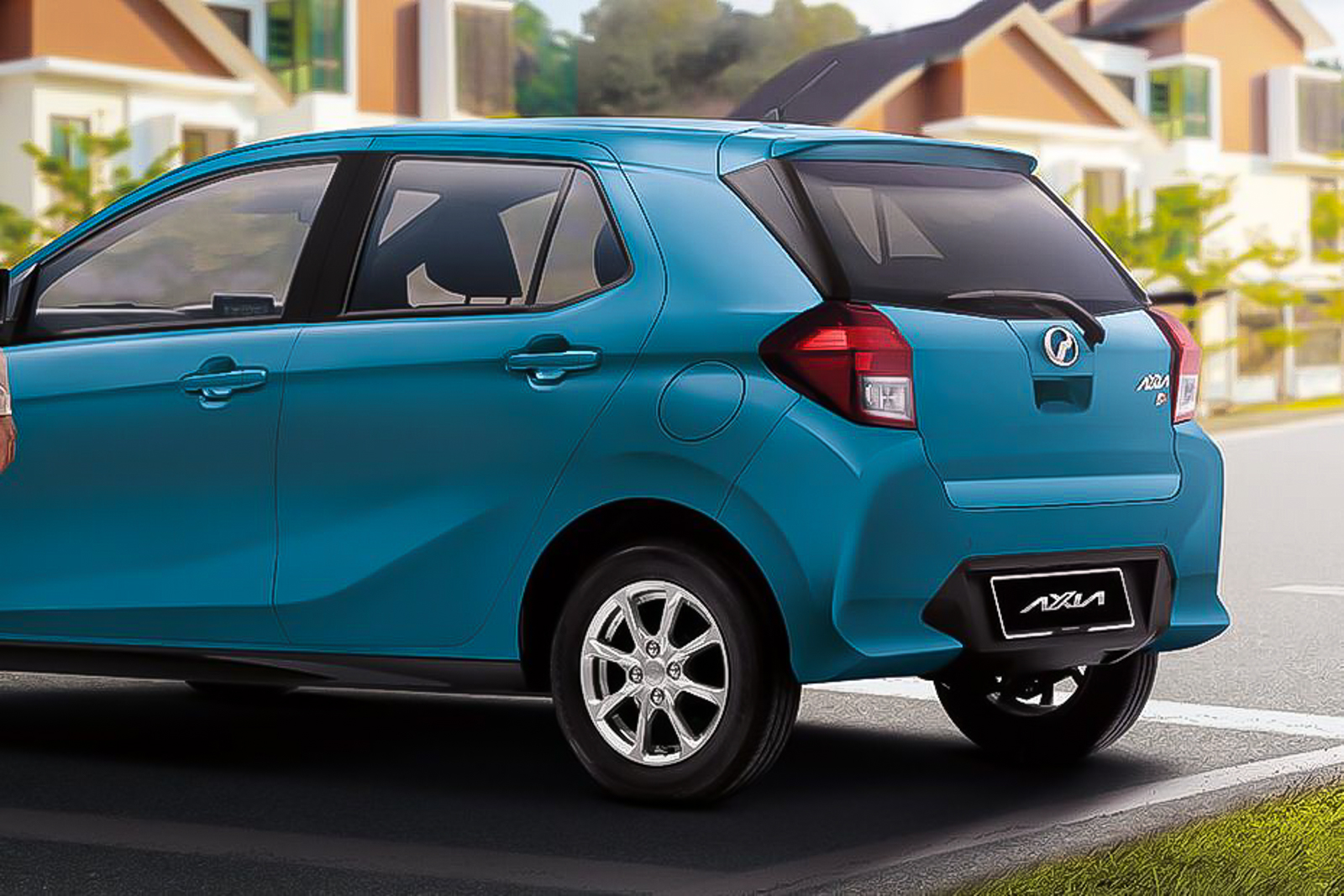
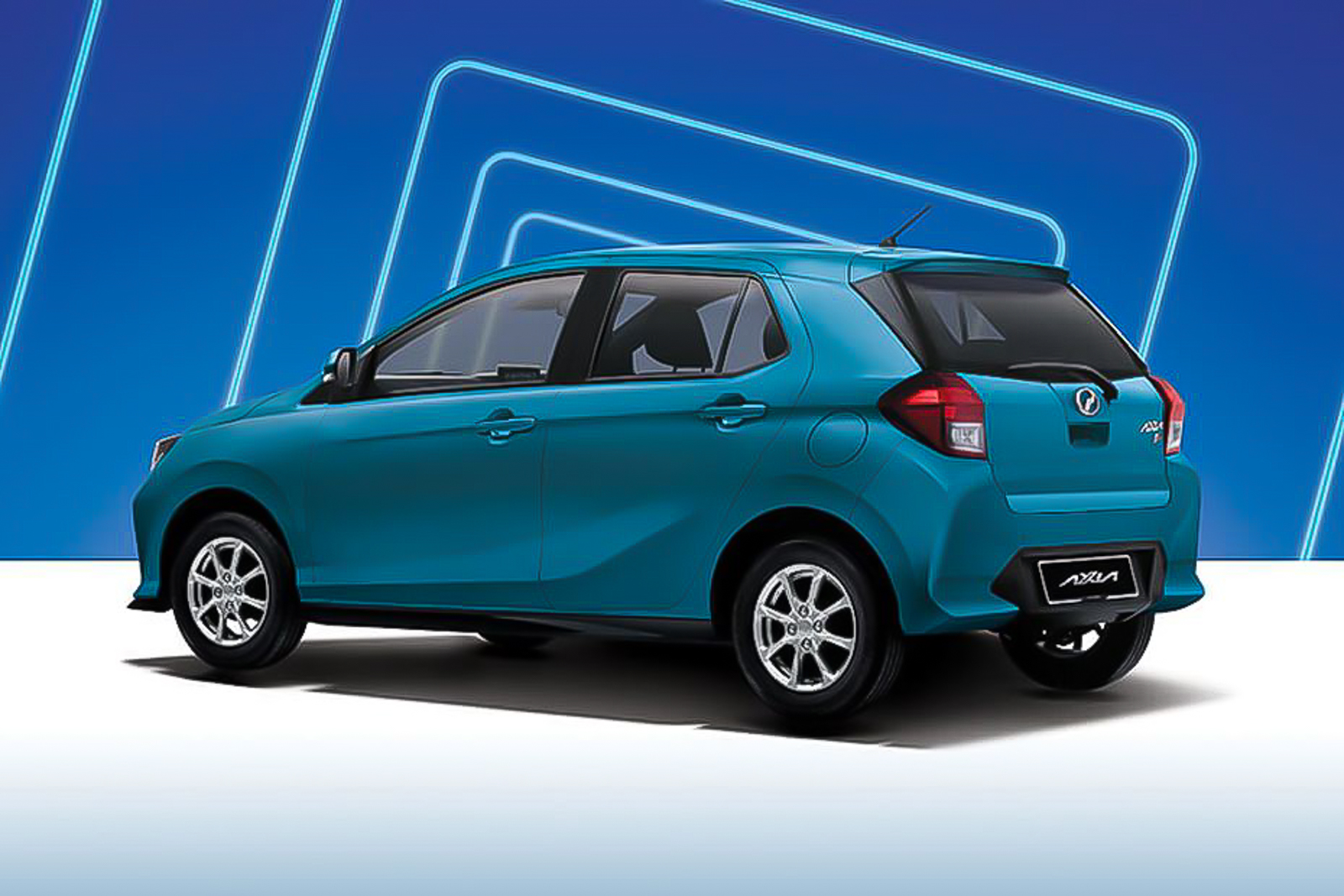
The exterior design follows a compact and practical approach, with no overly flashy elements. The front features a moderately sized grille with Perodua's logo embedded in the center, flanked by a combination of halogen headlights and LED daytime running lights. It's fairly noticeable during the day and sufficient for urban lighting needs at night. The bodylines are simple, with the side profile shaped like a standard hatchback. Its 3640 mm length and 1620 mm width make turning around and parking maneuverable even in tight areas like small residential parking spots or old town alleys. The rear design is conventional, with regular halogen taillights and a black plastic rear bumper trim, aligning with the overall functional-focused concept to ensure drivability and utility.
Stepping inside, the interior prioritizes practicality over luxury, yet the materials feel solid. The dashboard uses hard plastic, but the panel gaps are neatly finished, not giving a cheap feel. The instrument cluster is an electroluminescent analog type that clearly displays information like RPM, speed, and fuel level, making it easy to read at a glance. The center console does not include a large screen but retains basic features like a radio and USB ports. Although simple in functionality, it’s straightforward to operate and won’t be too distracting. There are some configuration highlights: keyless entry and start make daily usage more convenient without the hassle of searching for keys; the front row features a single-zone manual air conditioning unit with knobs that feel sturdy and responsive for temperature and airflow adjustments; both the front and rear rows are equipped with interior lights, making it easy to find items at night; and surprisingly, there’s a 220V/230V power outlet included, which is very useful for occasionally charging laptops or small appliances.
When it comes to space, it’s acceptable for an A-segment vehicle. With a 2455 mm wheelbase, the front seats are manually adjustable, leaving a 175 cm driver with one fist of headroom when seated comfortably. The rear row fits two adults without issue, offering about two fingers of legroom and one fist of headroom. Accommodating three adults would be a bit tight, making it more suitable for short trips. The rear seatbacks can be folded down, expanding the standard trunk capacity of 260L, which is enough to store two 20-inch suitcases or daily groceries. When folded, it can accommodate larger items like a stroller or a folding bike. As for storage spaces, the door panels can hold two water bottles, and there’s a small compartment under the center console for items like a phone or wallet, meeting daily storage needs.
In terms of performance, it comes equipped with a 1.0L naturally aspirated 3-cylinder engine, delivering a maximum output of 68 PS and peak torque at 4400 rpm. It’s paired with a 5-speed manual transmission, where the clutch engagement point is clear, making it easy for beginners to get used to. For city driving, maintaining the engine at 2000-3000 rpm provides sufficient power for smooth starts and following other vehicles. For overtaking, downshifting a gear and revving above 3500 rpm delivers more responsive power. On highways, hitting speeds of 100 km/h keeps the engine running at around 3000 rpm, and further acceleration to 120 km/h is possible, though the RPM rises to above 3500 and noise becomes more noticeable. There is only one standard driving mode, without sport or eco options, which aligns with its role as a commuter car.
The handling and chassis performance lean towards comfort. The steering wheel is lightweight, making it very easy to drive in the city or make U-turns. At high speeds, it becomes slightly heavier, and the straight-line stability is decent. The front suspension is MacPherson independent suspension, and the rear suspension is a torsion beam non-independent suspension. It handles common speed bumps or minor jolts in the city quite well, filtering them out cleanly without feeling overly harsh. However, on bumpy roads, the rear seats may feel a bit bouncy, though it's within an acceptable range. When cornering, the body roll isn't significant, and as long as you're not driving too fast, stability is manageable. After all, it's a commuter car, and there's no need to push its handling to the limit.
Fuel efficiency is one of its advantages, with an official combined fuel consumption of 4.4L/100km. During our actual tests, fuel consumption in congested urban areas was about 5.2L/100km, while highway cruising was around 4.0L/100km. Overall, it averaged between 4.5-4.8L/100km, meeting expectations. The fuel tank capacity is 33L, which allows for about 700km on a full tank, providing decent range without frequent refueling. In terms of braking, it employs ventilated discs at the front and drum brakes at the rear. The brake pedal feedback is linear, inspiring confidence during everyday stops, and it can come to a stable halt during emergency braking.
The details of riding comfort are quite well-managed. In terms of noise control, the engine and tire noise are minimal at low speeds in urban areas. At speeds above 100km/h on the highway, wind and engine noise can be heard inside the cabin but do not interfere with normal conversations. The seats are made of fabric material, and while the cushioning isn't very thick, the support is decent, so long drives won't make you too tired. Is there a rear air vent? No, there isn't, but the front air conditioning has good cooling performance, and the rear passengers can still feel cool air.
In summary, the core strengths of the 2018 Perodua Axia Standard G 1.0 MT are clear: it is affordable, fuel-efficient, has a long warranty, and practical features. Compared to its counterpart, the Proton Saga Standard, it has lower fuel consumption, a longer warranty, and additional features like keyless entry and a 220V power outlet, giving it a higher value for money. Its overall performance is balanced, with no major shortcomings, making it suitable for budget-conscious and practicality-focused buyers, such as recent graduates, a family's second car, or for daily commuting and school runs.
Overall, the 2018 Perodua Axia Standard G 1.0 MT doesn't offer flashy design or powerful performance, but it excels at meeting the core needs of a commuter car — affordability, reliability, and functionality. If you're looking for a worry-free car that meets your daily needs, it's definitely worth considering.
Perodua Axia Loan Calculator
More Perodua Reviews
Cars With Similar Price And Features

2023 Daihatsu Ayla 1.0 X CVT is an automatic transmission model in Malaysia's A-segment market, offering balanced features, a worry-free CVT gearbox, and low fuel consumption to meet the needs of daily commuting and short family trips.
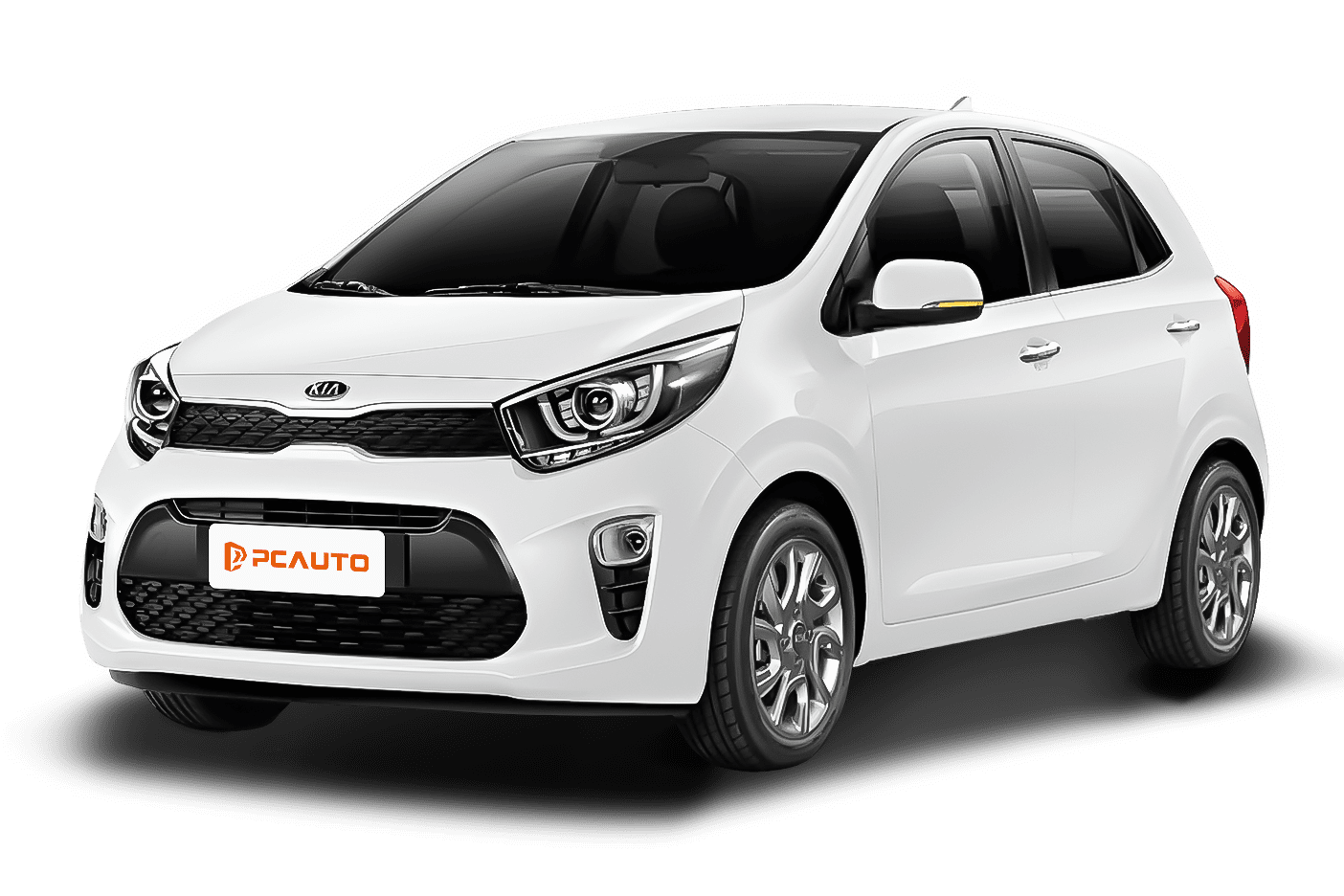
2024 Kia Picanto public is a high-value-for-money commuter car in the Malaysian A-Segment market, practical and attractive, with sufficient space and comprehensive safety features, suitable for commuting.