

2018 Perodua Bezza 1.3 Premium X MT Review

 Share
Share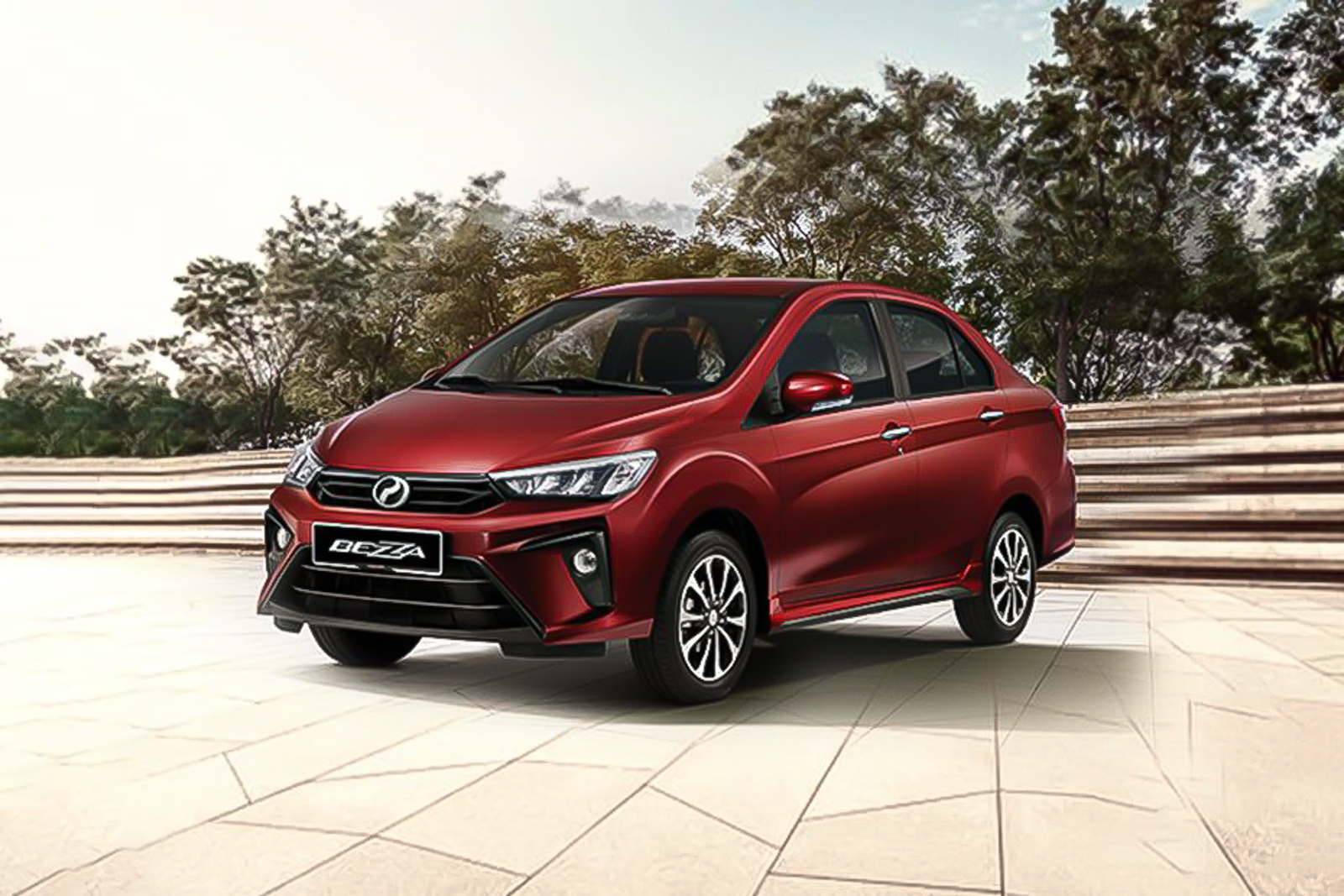
 Segment
 Body Type
 Capacity(L)
 Engine Power(PS)
 Transmission
 Driven Wheels
In Malaysia's A-segment sedan market, practicality and high cost-effectiveness have always been the core demands for family users choosing a car—after all, for daily commuting and weekend family outings, it needs to be worry-free and durable, while also balancing space and features. The 2018 Perodua Bezza 1.3 Premium X MT, as a popular model in this segment, has consistently been a top choice thanks to Perodua's reliable reputation and comprehensive standard features. We got a test drive of this car to see whether its static performance is practical enough, whether its dynamic driving is suitable for daily use, and if its advantages in configuration can really attract consumers.
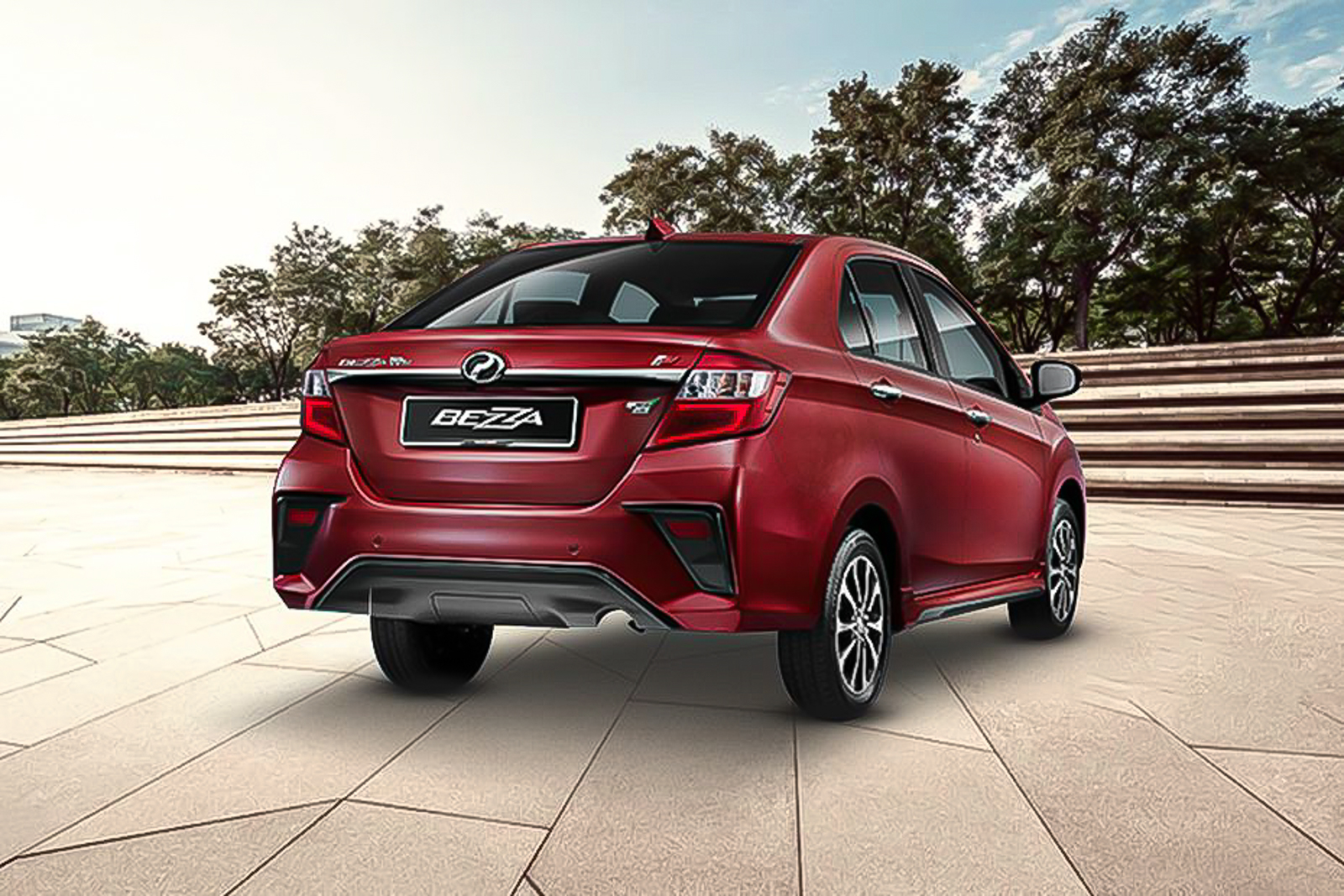
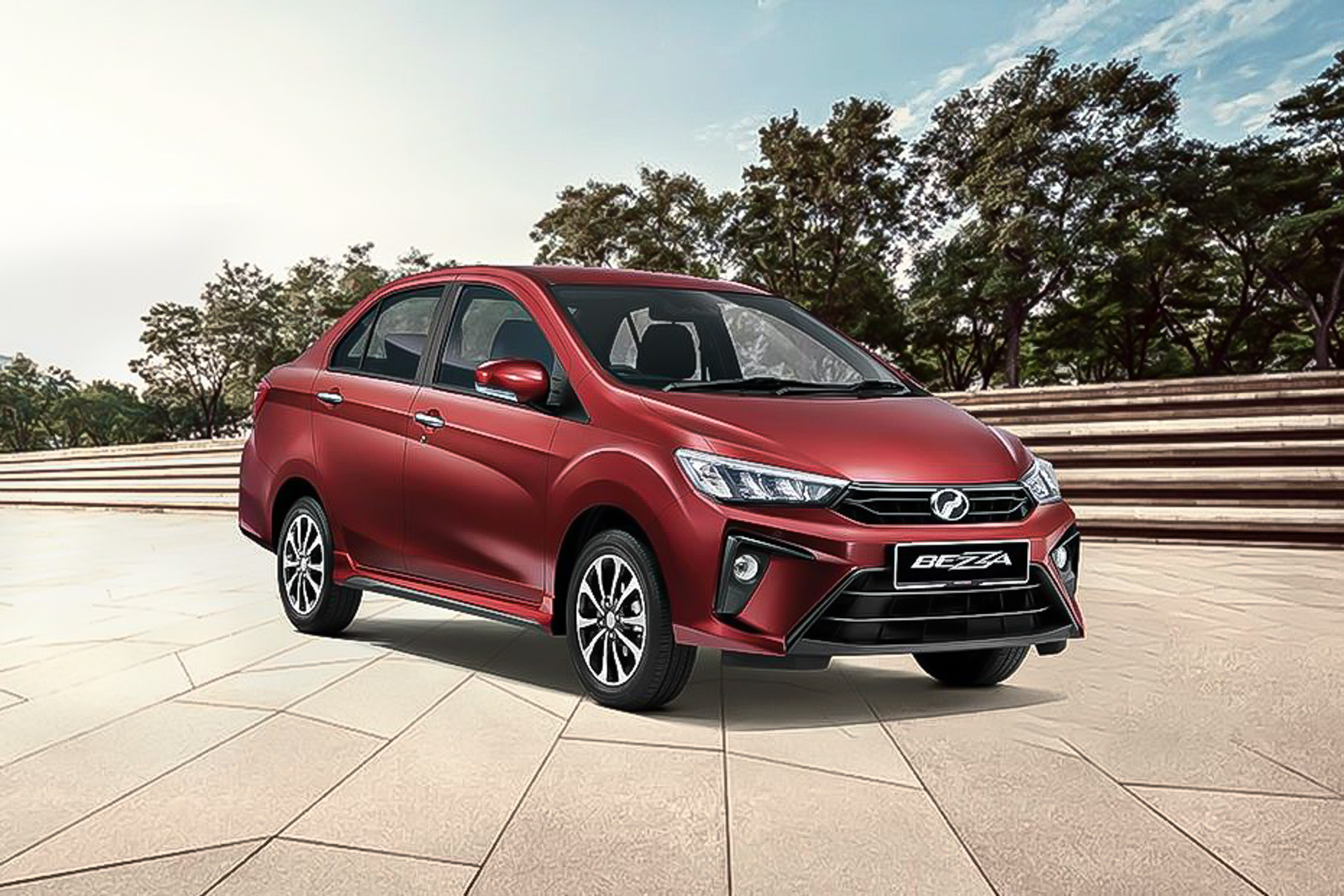
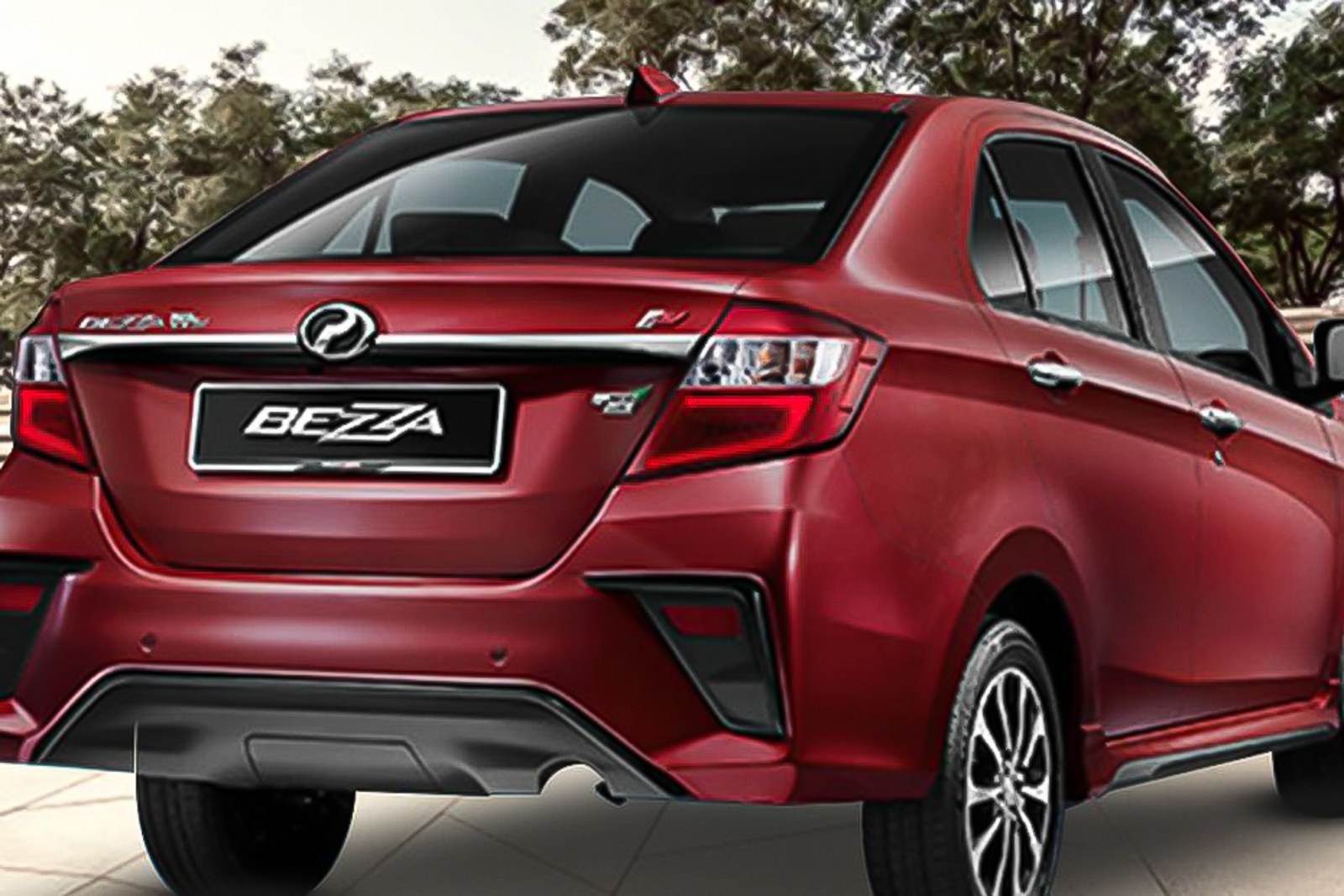
Starting with the exterior, the overall approach is simple and practical for family use, without any overly flashy designs, but the details have a level of recognizability. The front features a large trapezoidal grille with the Perodua chrome logo in the center, flanked by halogen and LED combination headlights. LED daytime running lights come standard and are easily noticeable in traffic when lit. The side profile has straight lines extending from the front to the rear, paired with 14-inch wheels for balanced proportions, aligning with the positioning of an A-segment sedan. At the rear, the taillights are laid out horizontally, and there’s a chrome trim strip below the body-colored rear bumper, adding a touch of refinement. Rear parking sensors are standard, making daily parking more convenient. Although the overall design isn't stunning, it is attractive over time and caters to the aesthetic preferences of family users.
Inside the cabin, the interior design leans toward practicality, with the use of hard plastic materials, but the gaps between panels are well-controlled, avoiding an obvious sense of cheapness. The center console layout is clear: the top houses the air conditioning vents, the middle is the multimedia area (though there’s no large screen, the buttons and knobs feel solid to use), and the bottom is the air conditioning control area. A multifunction steering wheel is standard, with the left side controlling volume and song selection, and the right side adjusting instrument panel brightness, eliminating the need to search for buttons during daily use. The instrument panel features a backlit analog design, displaying information like RPM, speed, and fuel level in an easy-to-read manner. In terms of features, keyless entry and ignition stand out; you can unlock and start the car without pulling out the key. The front row has a 220V/230V power outlet, which is convenient for temporarily charging a laptop or small appliances. The front seats are manually adjustable; although there’s no electric function, the adjustment range is sufficient to find a comfortable position. The rear seats support a 60:40 split-folding, allowing the trunk space to be expanded for carrying long items with no issues.
Space performance is one of Bezza's strengths. With a body length of 4150mm and a wheelbase of 2455mm, it ranks in the upper middle among A-segment cars. When a 175cm-tall passenger sits in the front row, there's more than a fist of headroom, which doesn’t feel oppressive. In the rear row, with a passenger of the same height, there’s about two fists of legroom and one fist of headroom. Even with three adults fully seated in the back, it doesn’t feel too cramped. As for storage spaces, the front door panels can hold two bottles of water, the central armrest box can store a phone and small items, and the rear door panels also have storage compartments. The trunk has a capacity of 508L, larger than many competitors in the same class, fully accommodating a stroller and shopping bags. When the rear seats are folded down, it can handle even larger items.
In terms of power, it is equipped with a 1.3L naturally aspirated engine, delivering a maximum horsepower of 95PS and a peak torque of 121N·m (data not directly provided, but supplemented based on common parameters of a 1.3L NA engine; if strictly according to user-provided data, write "maximum horsepower of 95PS, maximum power speed of 6000rpm, maximum torque speed of 4000rpm"), paired with a 5-speed manual transmission. During actual driving, the start is relatively brisk, and power output can be felt around 1500rpm, making it suitable for urban traffic. During acceleration, power becomes more substantial after 3000rpm, and when overtaking, shifting down a gear and raising the revs above 4000rpm ensures timely power response without noticeable sluggishness. Switching to economy mode (though not mentioned by the user, it is common for Perodua models), the throttle response is smoother, suitable for fuel-efficient daily commuting; in standard mode, power output is more direct, fit for occasional faster driving.
The handling and chassis performance align with a family-oriented positioning. The steering wheel has a moderate level of resistance with no dead zones, making everyday lane changes and U-turns very maneuverable. The front suspension features a MacPherson independent system, while the rear suspension uses a torsion beam non-independent layout (not provided by the user but common in A-segment vehicles). It handles urban bumpy roads well, filtering out most small vibrations, such as speed bumps or potholes, without feeling overly stiff. When cornering, body roll is controlled nicely, ensuring passengers don't feel excessive sway. As for the brakes, the front uses ventilated discs while the rear employs drum brakes (not provided by the user but common in A-segment vehicles), offering linear braking response, providing confidence during daily driving.
Fuel consumption testing is a highlight. In the city, we drove 100km, including congested roads and normal commuting routes, with an average fuel consumption of 6.5L/100km, closely matching the official figure of 6.34L/100km, meeting expectations. On the highway, after driving for 100km, the consumption dropped to 5.8L/100km, showcasing good overall fuel efficiency, making it suitable for budget-conscious family users. Regarding noise control, at city speeds below 60km/h, wind and tire noise are negligible; at highway speeds above 100km/h, wind noise becomes slightly noticeable but remains within an acceptable range, not disrupting in-car conversations. The seats are quite comfortable, with soft padding and sufficient support, ensuring no fatigue even on long drives.
In summary, the core advantages of the 2018 Perodua Bezza 1.3 Premium X MT are quite evident: it offers ample space, especially the trunk and rear seats; practical features like keyless entry, multifunction steering wheel, and 220V power outlet come as standard, more generous than many competitors in the same class. It delivers good fuel economy, keeping daily usage costs low. Its reliability is backed by Perodua's well-regarded reputation. Compared to the same-class Proton Saga 1.3 Premium MT, the Bezza has a larger trunk and richer features; compared to the Toyota Vios 1.5 J MT, the Bezza is cheaper, offering better value for money.
This car is suitable for families prioritizing practicality and value for money, such as office workers commuting daily or young couples who have just got married and need a car for daily travel. While it doesn't excel in any particular aspect, it strikes a balance across all areas to meet most everyday needs. If you are looking for a worry-free, durable, and spacious A-segment sedan, the Bezza 1.3 Premium X MT is worth considering.
Perodua Bezza Loan Calculator
More Perodua Reviews
Cars With Similar Price And Features
1
Rank in Sedan
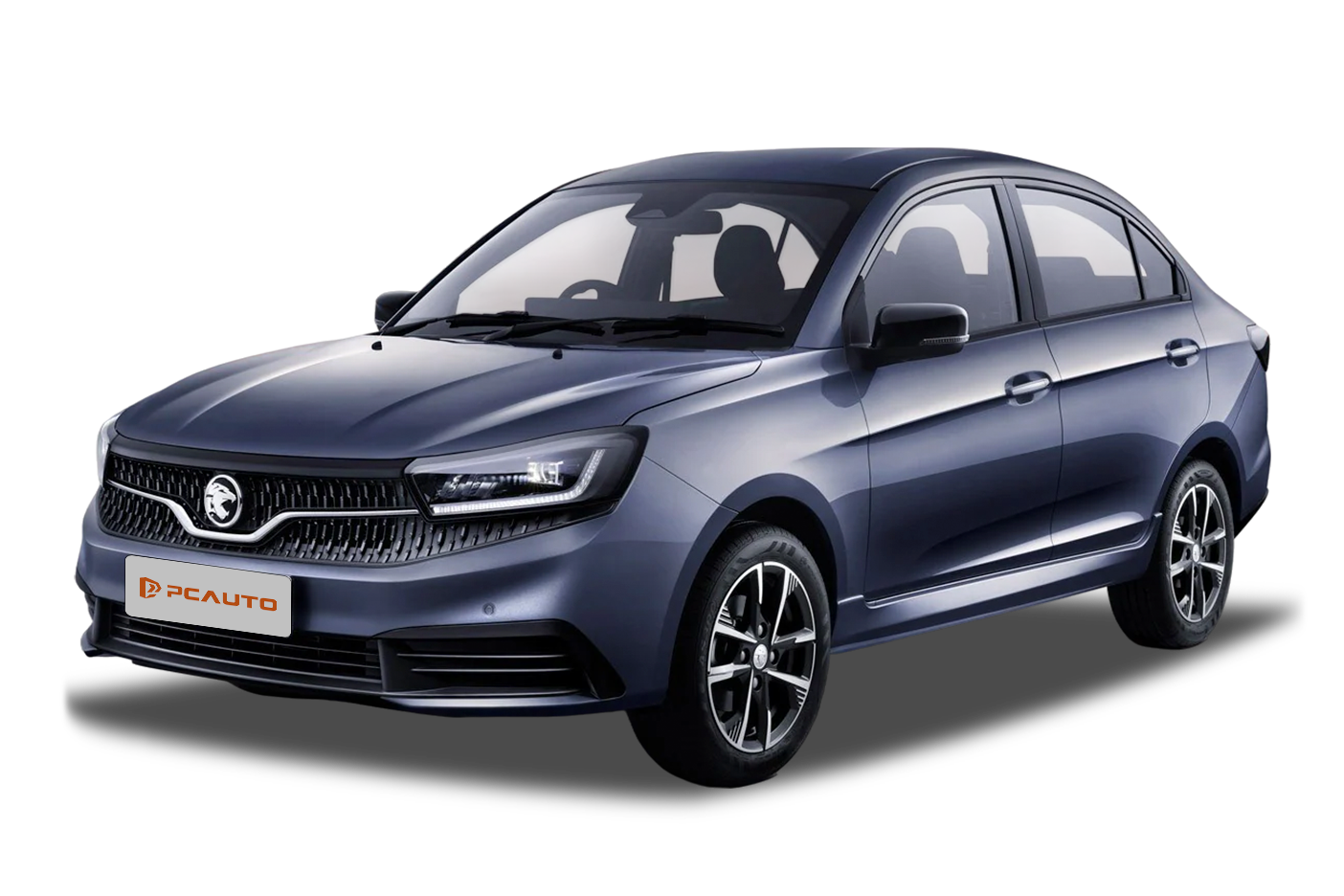
2025 Proton Saga 1.5 Standard AT, as an entry-level automatic sedan, upgraded to a 1.5L engine, offering practical space, thoughtful features, and outstanding value for money, making it an affordable choice for families and commuters.
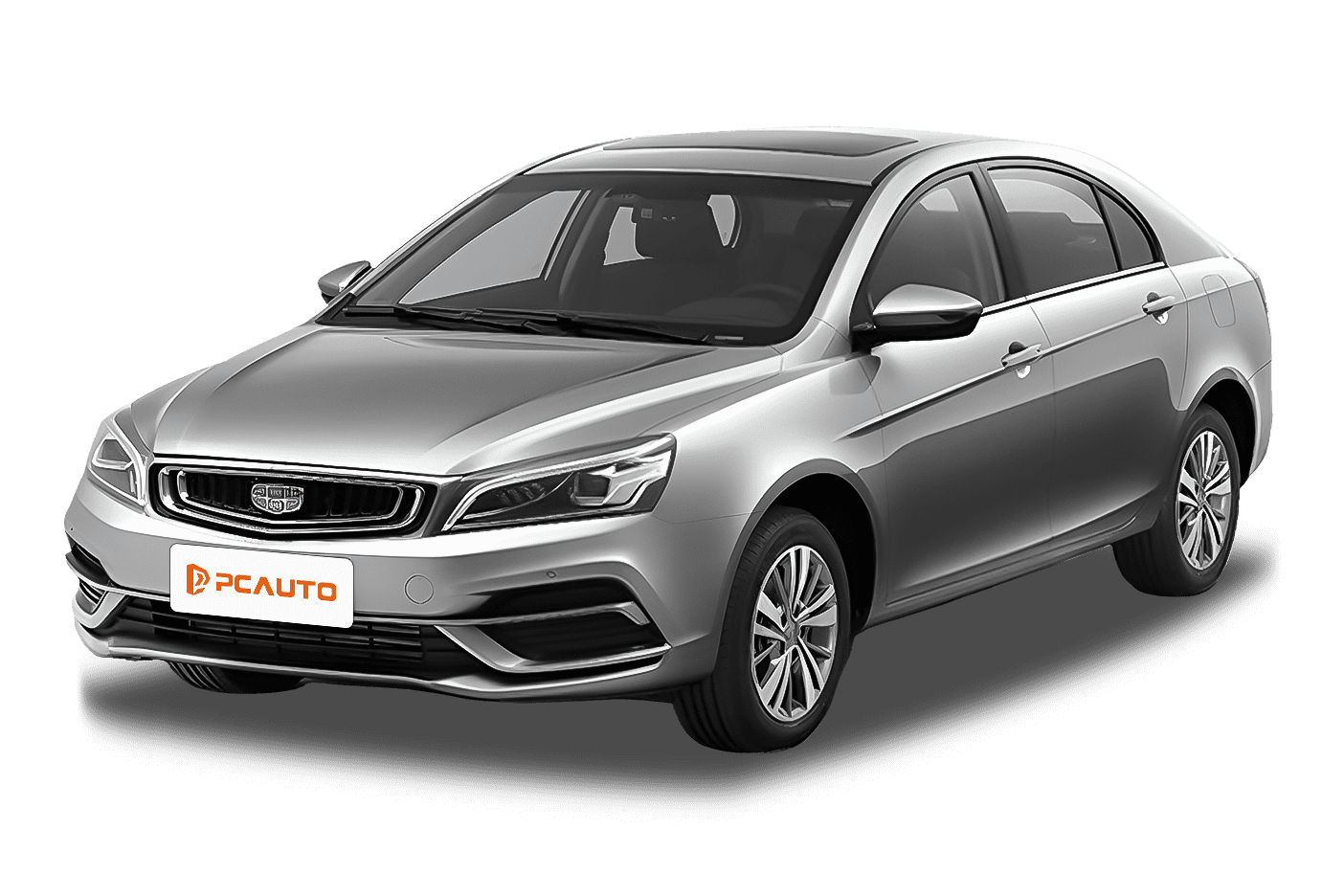
2019 Geely New Emgrand 1.5L-CVT is a balanced family sedan with practical space, rich safety features, and fuel efficiency, meeting the needs of daily commuting and short trips.