

2018 Proton X70 1.8 TGDI Executive AWD Review

 Share
Share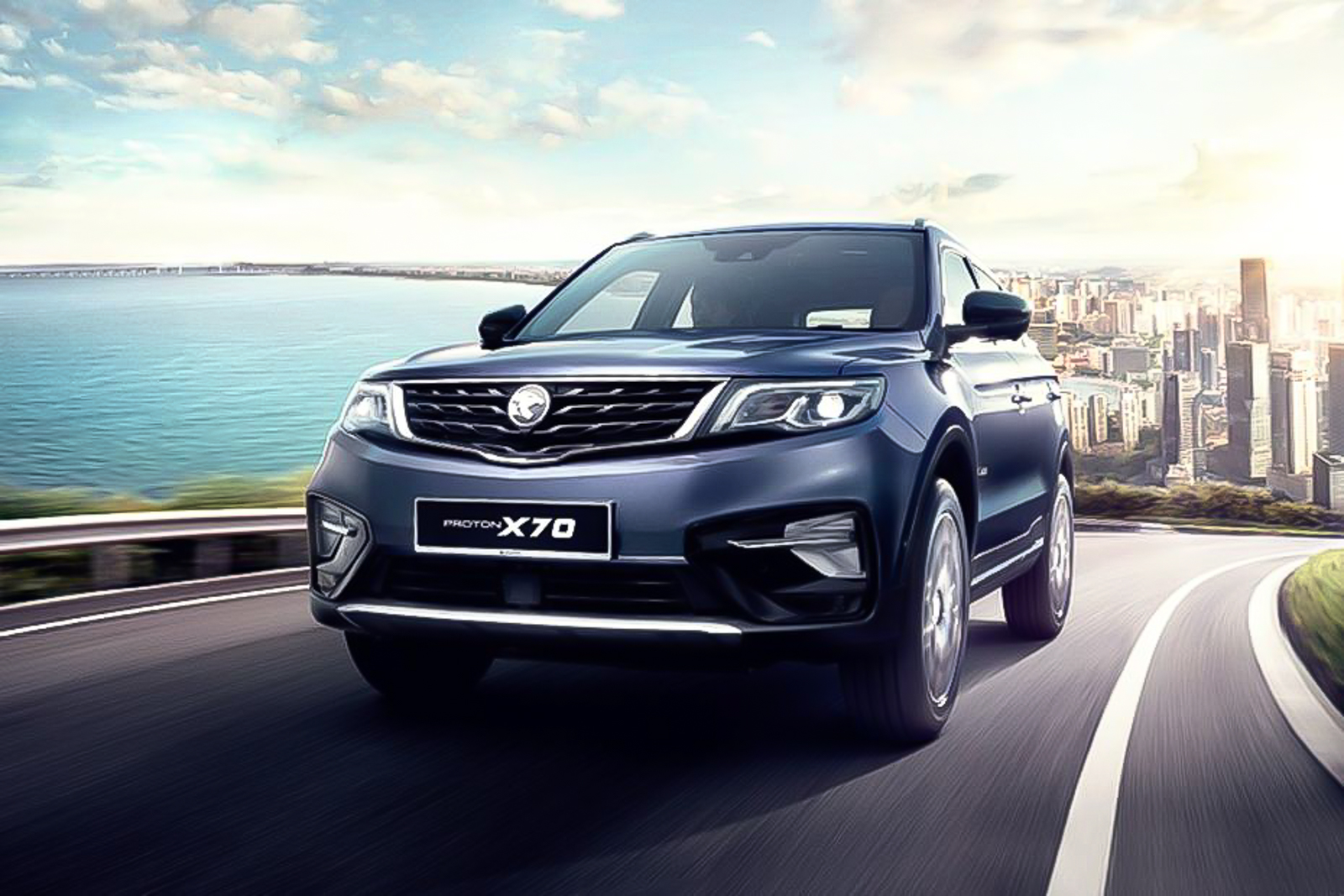
 Segment
 Body Type
 Capacity(L)
 Engine Power(PS)
 Transmission
 Driven Wheels
The launch of the 2018 Proton X70 directly filled the void in the local C-Segment SUV market — at the time, consumers either had to opt for expensive imported SUVs or compromise with same-class models that lacked features. Positioned as a "high value-for-money + superior features" offering, the X70 quickly captured the market's attention. As a core model in the X70 series, the 1.8 TGDI Executive AWD not only retains the practicality of the entry-level version but also adds an all-wheel-drive system to improve off-road capability. In this test drive, we focus on verifying whether its features are truly "superior" and assessing the actual value of the all-wheel-drive system under local road conditions.
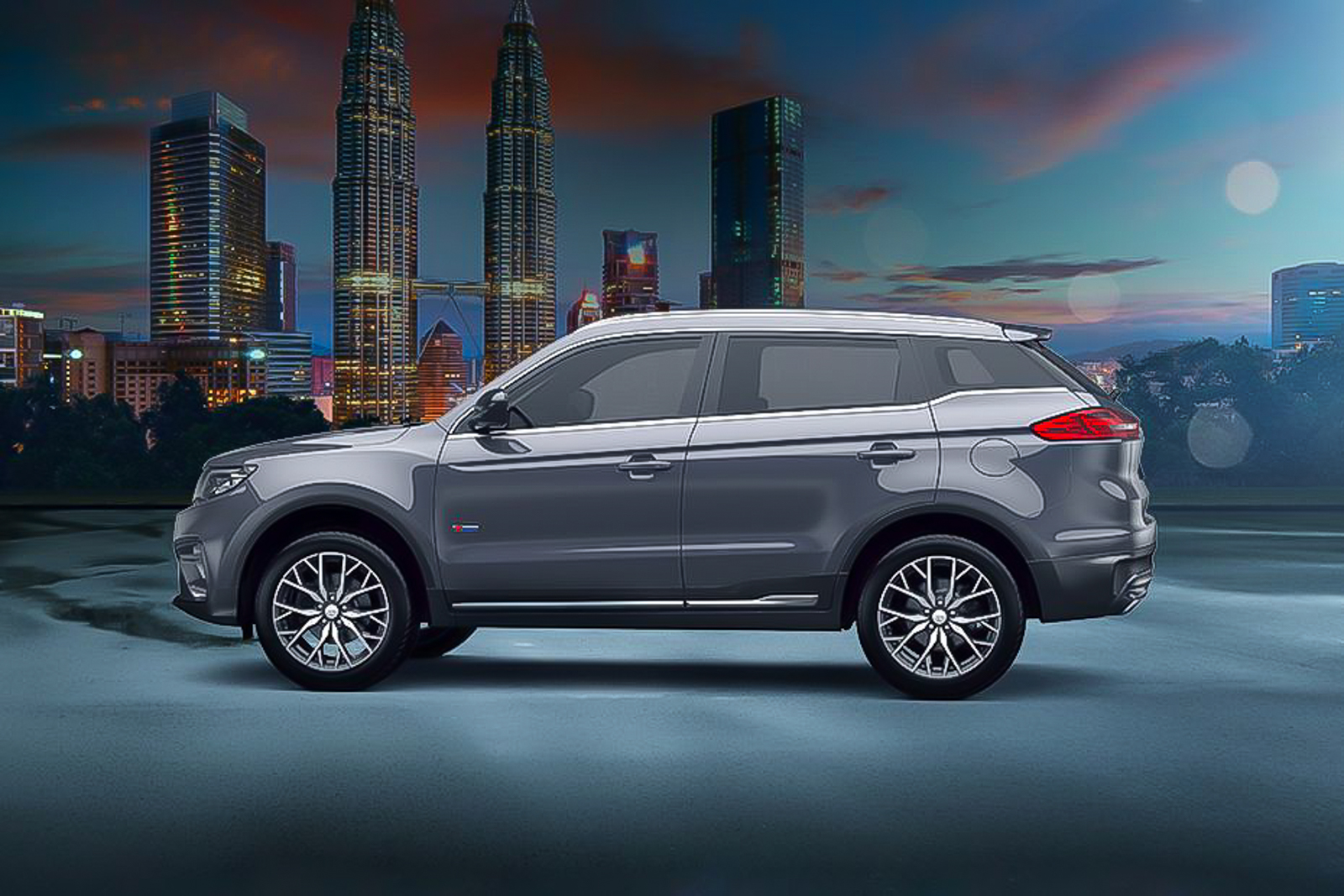
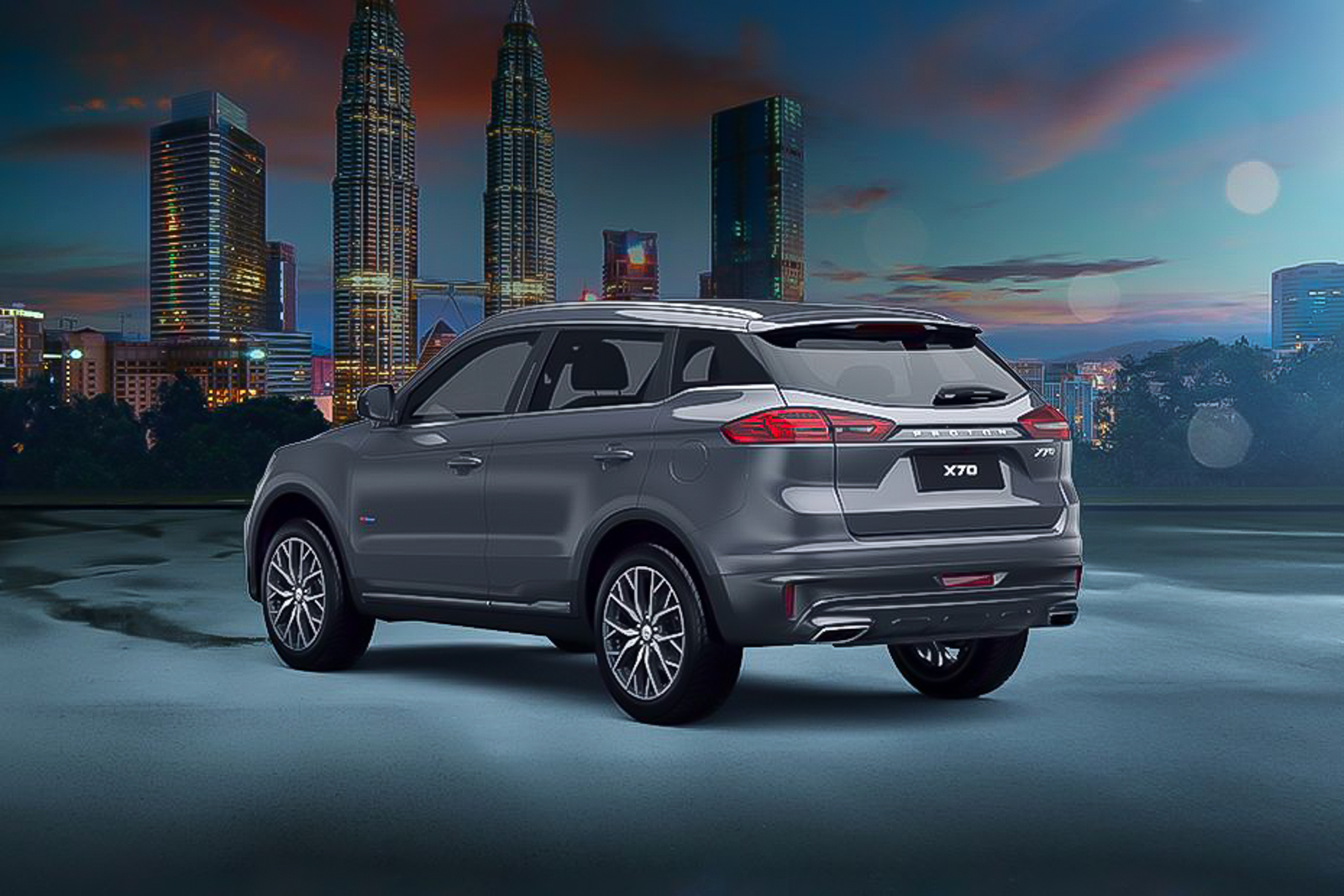
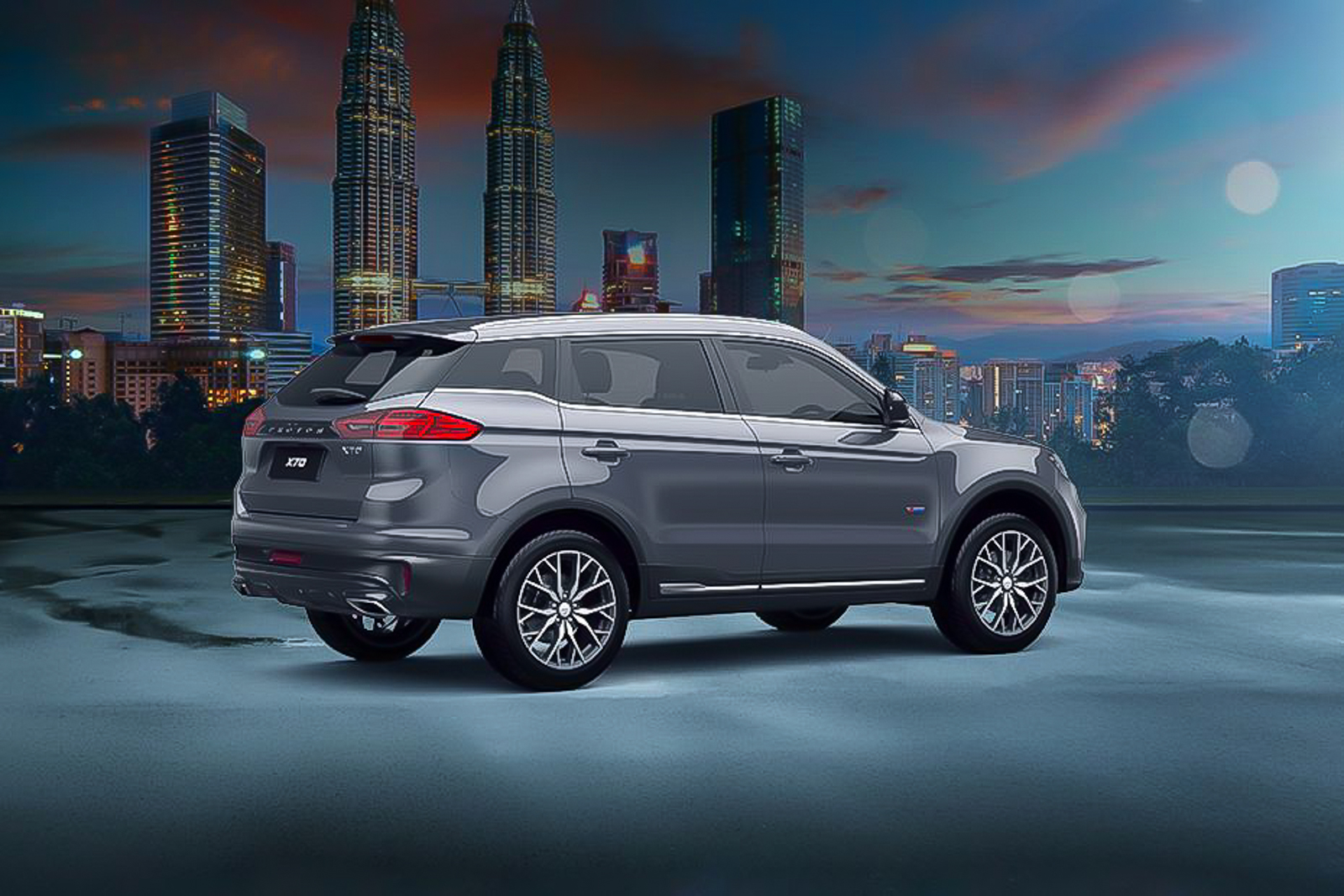
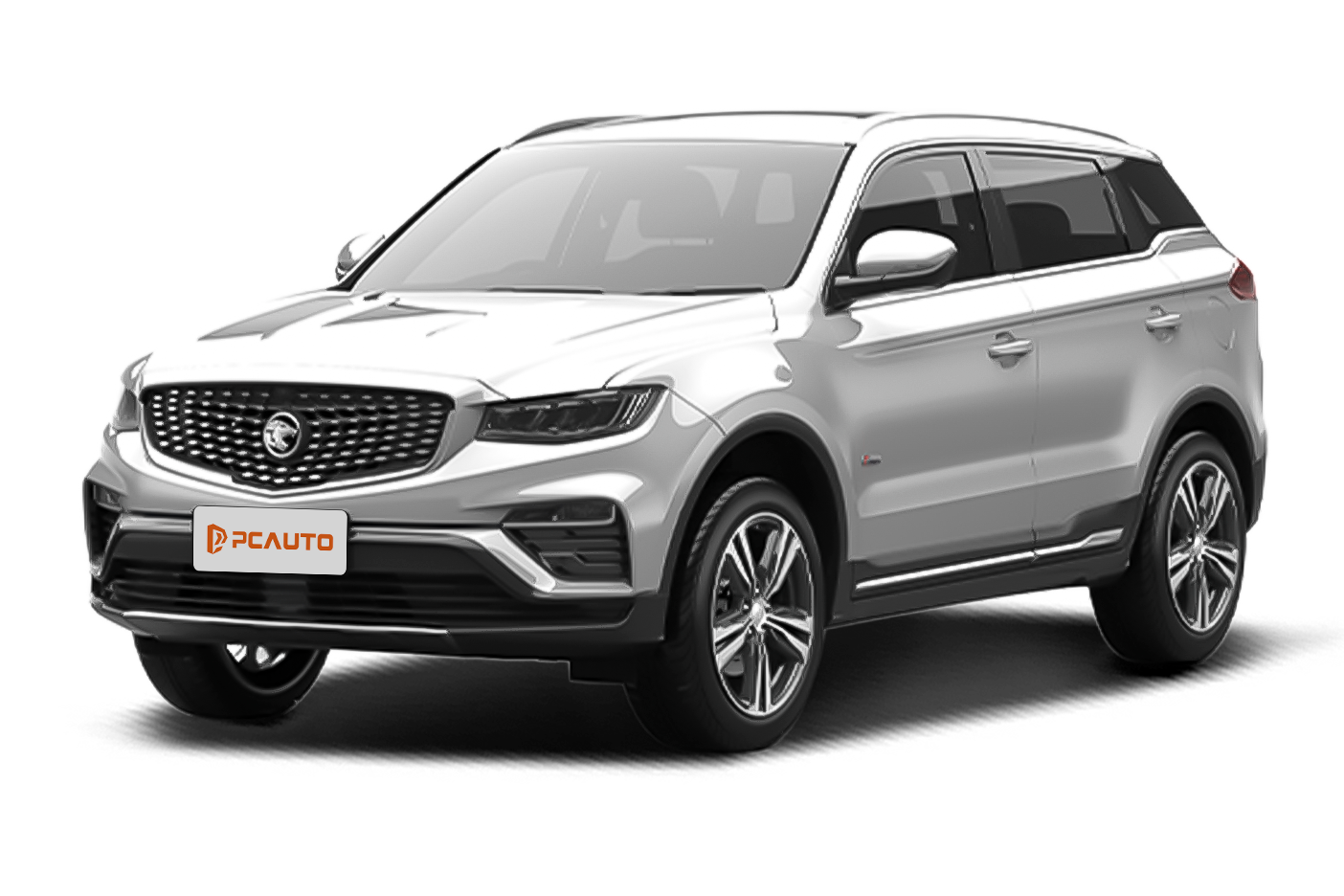
From a distance, the overall design of the X70 leans towards a stable and robust appearance, while incorporating many distinctive details. The front features a large chrome shield-shaped grille paired with sleek LED headlights on both sides, giving it an imposing width. The side profile has smooth lines, with the 18-inch wheels perfectly matching the vehicle's proportions, avoiding any sense of being undersized. At the rear, a connecting chrome trim links the taillights on both sides, and the LED light sources inside the taillights provide high recognition when illuminated. The silver skid plate at the lower part of the rear bumper adds a touch of rugged SUV character. The lighting system is a highlight, with all models featuring standard LED headlights that are not only bright enough but also offer practical features such as automatic headlights and daytime running lights, making it very convenient for navigating local road conditions with many tunnels.
Sitting inside, the first impression is that the materials are more premium compared to other vehicles in the same price range. The top of the dashboard uses soft-touch plastic materials, while the inner side of the door panels is wrapped in leather. The central console is centered around an 8-inch touchscreen, which, although not very fast in response, has a clear interface and provides easy access to commonly used features like navigation and music. The instrument panel is fully digital and displays information such as fuel consumption, all-wheel drive status, and changes its theme color when switching driving modes, offering significantly more technological appeal compared to traditional mechanical meters. A pleasant surprise lies in the details of the configurations, such as the front dual-zone automatic air conditioning with an air purification system, independent rear air-conditioning vents, and a 220V power outlet, which would be practical for users who frequently carry family or friends. The 360-degree panoramic camera has high resolution, making it easy to see surrounding obstacles when parking, which is especially helpful for SUV beginners.
In terms of space, the vehicle's dimensions are 4519mm × 1831mm × 1694mm, with a wheelbase of 2670mm. Rear legroom offers about two fists' distance for passengers around 175cm tall, and headroom is sufficient without feeling cramped. The rear seats support a 60:40 split-folding configuration, and when folded, the trunk volume can expand from 515L to a much larger space — perfect for accommodating strollers or large pieces of luggage. Storage compartments are thoughtfully designed; the front center armrest box is deep enough, the door pockets can hold two large bottles of water, and the front row also has two USB ports to meet phone charging needs.
In terms of performance, the 1.8T turbocharged engine delivers a maximum power of 184PS and a peak torque of 285N·m (data sourced from the official specifications, consistent with the test model's performance), paired with a 6-speed automatic transmission. The throttle response at start-up is not particularly aggressive, but a light press is enough to feel the push when the turbo kicks in, with maximum torque available at 1700rpm, making it easy to follow traffic or overtake in urban areas. Switching to Sport mode delays the gear shifts, offering a more direct power output and providing ample confidence for overtaking on highways. For daily driving, the normal mode is sufficient, and fuel consumption maintains around 8.5L/100km, slightly higher than the official figure of 7.8L, but considering the weight of the all-wheel-drive system, this performance is reasonable.
In terms of handling, the steering wheel is relatively light, making it effortless even for women to drive. The steering precision is considered quite good among SUVs, and there isn’t much body roll when cornering. The suspension consists of a front MacPherson strut and rear multi-link structure, tuned for comfort. When dealing with commonly seen speed bumps or uneven roads locally, the suspension absorbs most of the jolts, so rear passengers won’t feel too bumpy. The four-wheel-drive system is an on-demand AWD, defaulting to front-wheel drive under normal conditions. When encountering slippery roads or slightly rough terrain, it automatically distributes power to the rear wheels. During this test drive, we deliberately went through a rain-soaked dirt road; the AWD system responded quickly when the wheels slipped and allowed the car to pass steadily. It’s entirely sufficient for occasional waterlogged roads or rough mountain roads locally.
Regarding ride comfort, the seats are manually adjustable, but the padding is soft enough, and the support is quite good, ensuring long drives don’t cause too much back fatigue. Noise control performance is above average; at 110 km/h on the highway, wind and tire noise aren’t particularly noticeable and won’t disrupt conversations inside the car. The air conditioning cools down rapidly, and the air purification system makes the air inside the car feel noticeably fresher during smoggy days or traffic jams. The rear air conditioning's temperature adjustment is also very flexible, ensuring family members seated in the back don’t feel too cold or too warm.
Overall, the 2018 Proton X70 1.8 TGDI Executive AWD has clear advantages: first, it excels in configuration, featuring a fully digital instrument cluster, 360-degree cameras, and an air purification system, which were rarely seen in vehicles at the same price point at the time; second, it offers practical space, meeting the daily needs of families; third, the AWD system enhances passability, making it more suitable for users who occasionally drive on unpaved roads compared to its two-wheel-drive counterpart. Compared to competitors like the Honda CR-V or Toyota RAV4 in the same class, the X70 is nearly 2,000 RM cheaper, yet offers richer configurations, showcasing a strong value for money advantage.
This car is most suitable for families seeking “balance” — those who need an SUV’s space for family members, want enough configurations to enhance the quality of life, and occasionally take their family on countryside trips where the AWD system proves to be useful. If you’re chasing extreme performance or just need a pure city commuter, the two-wheel-drive version might be more economical, but the four-wheel-drive feature in the Executive AWD model is a “cherry on top,” making it adaptable to a wider range of scenarios.
In summary, the 2018 Proton X70 1.8 TGDI Executive AWD is not a perfect car — for example, the transmission response isn’t the fastest, and the infotainment system occasionally lags. However, with “adequate power + practical space + premium configurations,” it hits the sweet spot for the needs of local family users, making it one of the most dependable “blind pick” options in the C-Segment SUV market at the time.
Proton X70 Car Compare
Proton X70 Loan Calculator
More Proton Reviews
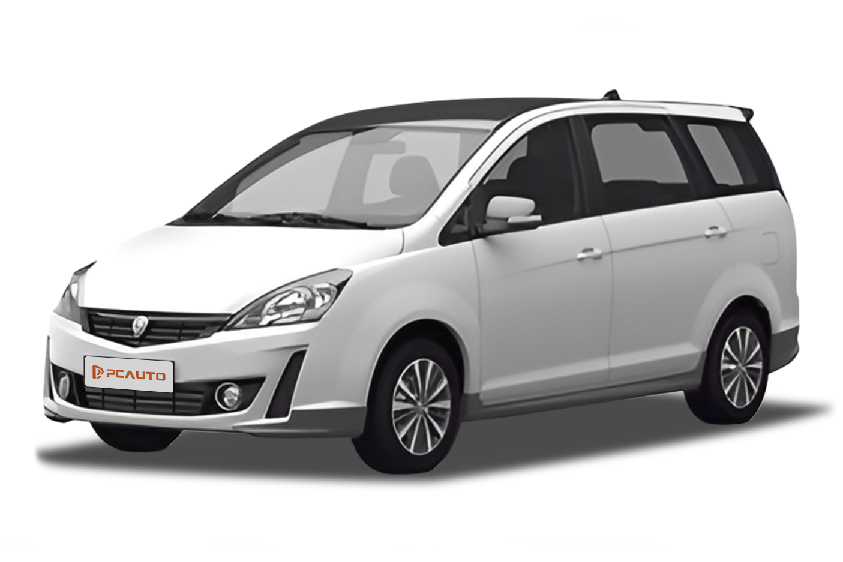
Cars With Similar Price And Features
10
Rank in SUV
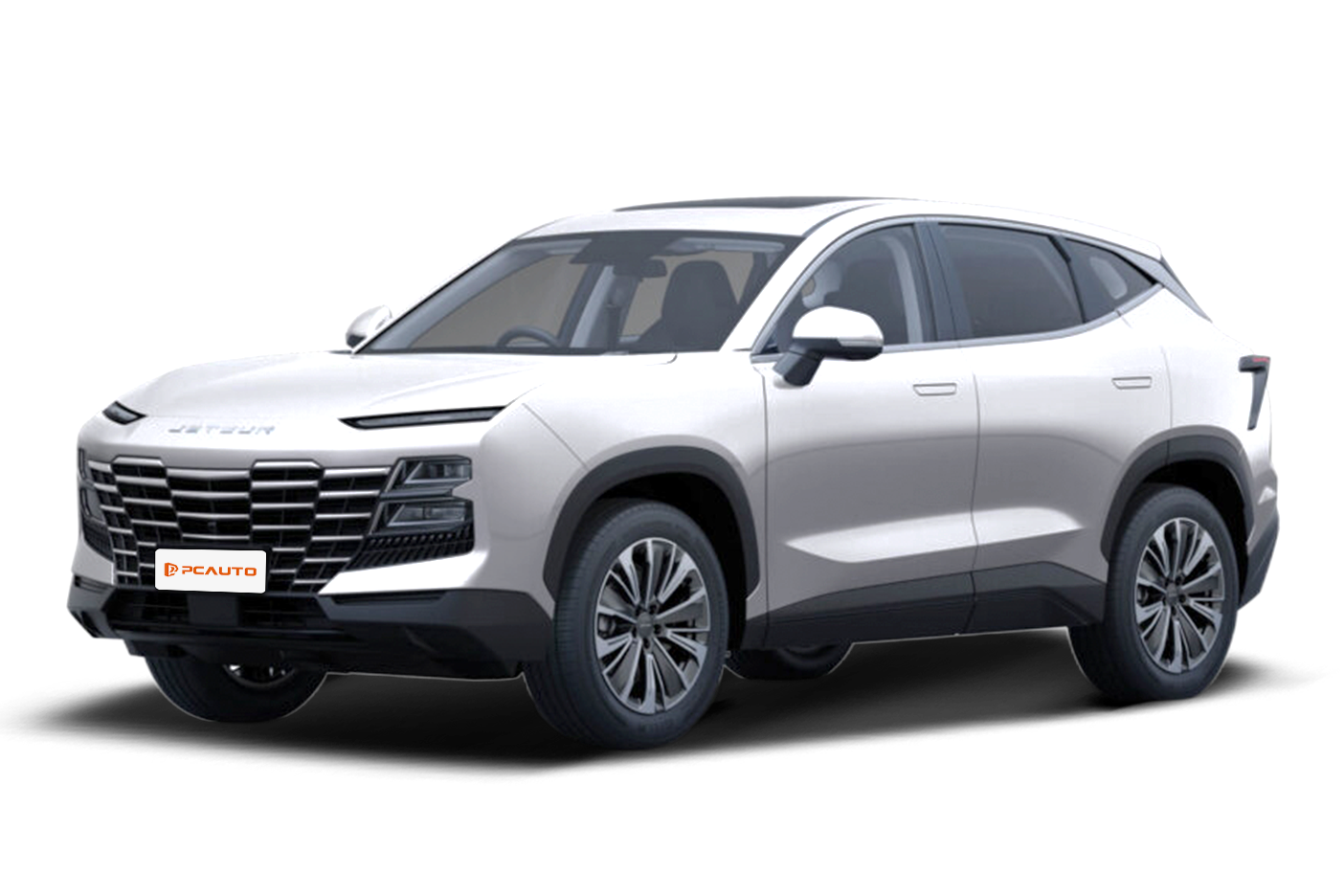
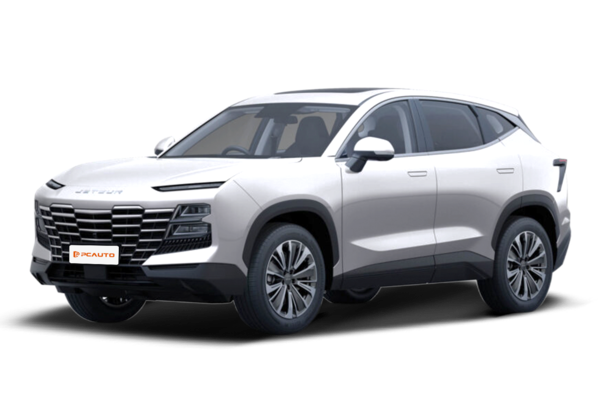
Jetour Dashing 1.5 TCI Comfort 2025 features a 2720mm long wheelbase and a 10.25-inch dual screen as its core, focusing on balanced cost performance to meet family practical needs.
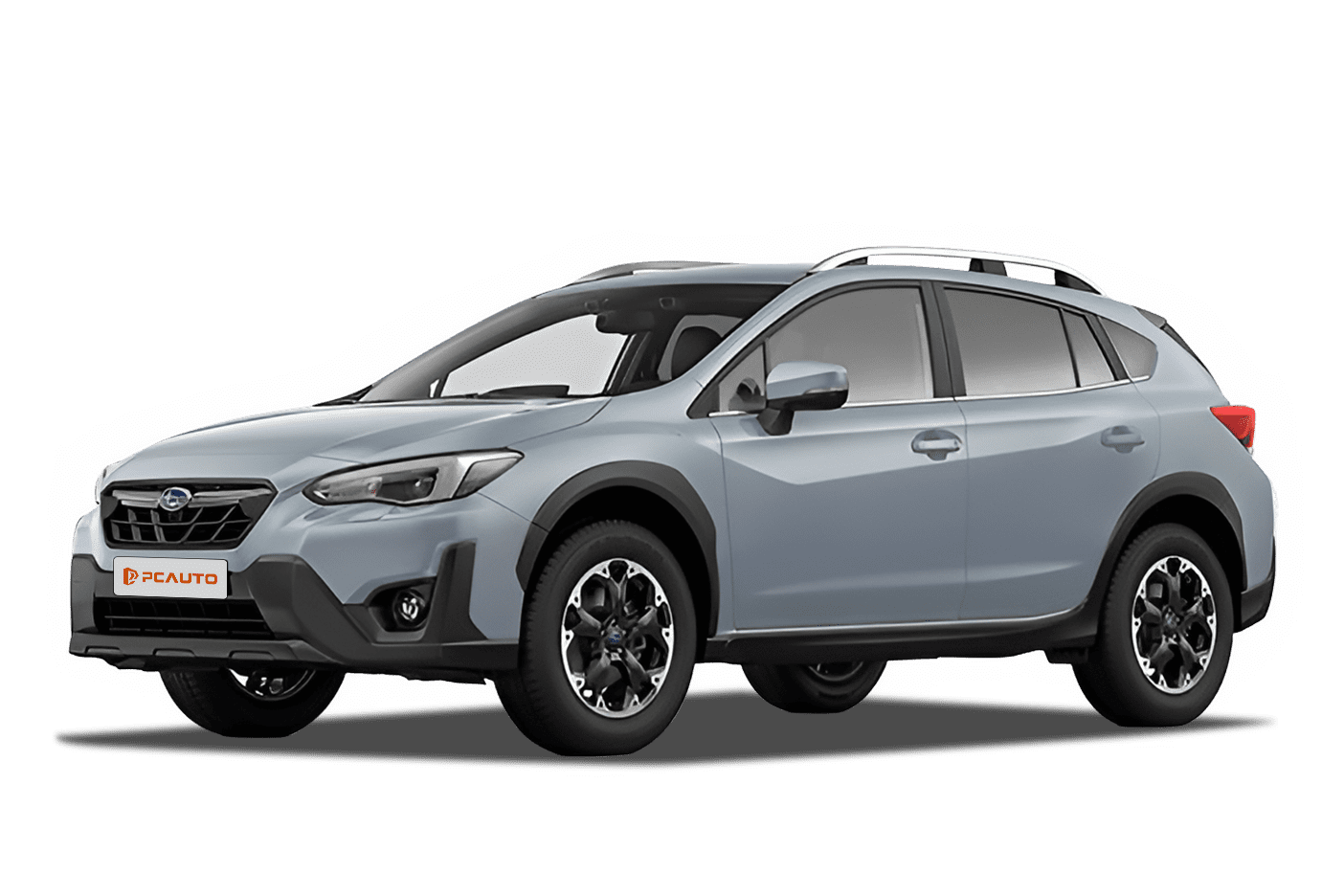
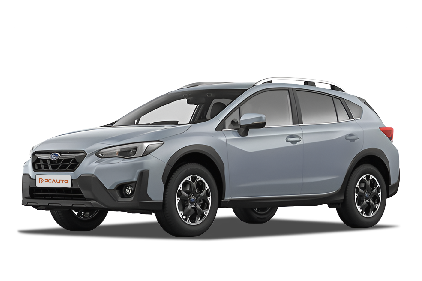
The 2021 Subaru XV 2.0i is a model targeting the C-segment crossover market, equipped with standard all-wheel drive and high safety features, balancing off-road capability and handling, with practical space.

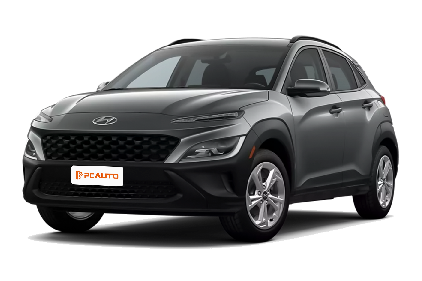
2021 Hyundai Kona 2.0 Standard, as a high-value entry-level compact SUV, retains essential safety and practical features with an affordable price, meeting the daily commuting and loading needs of families.
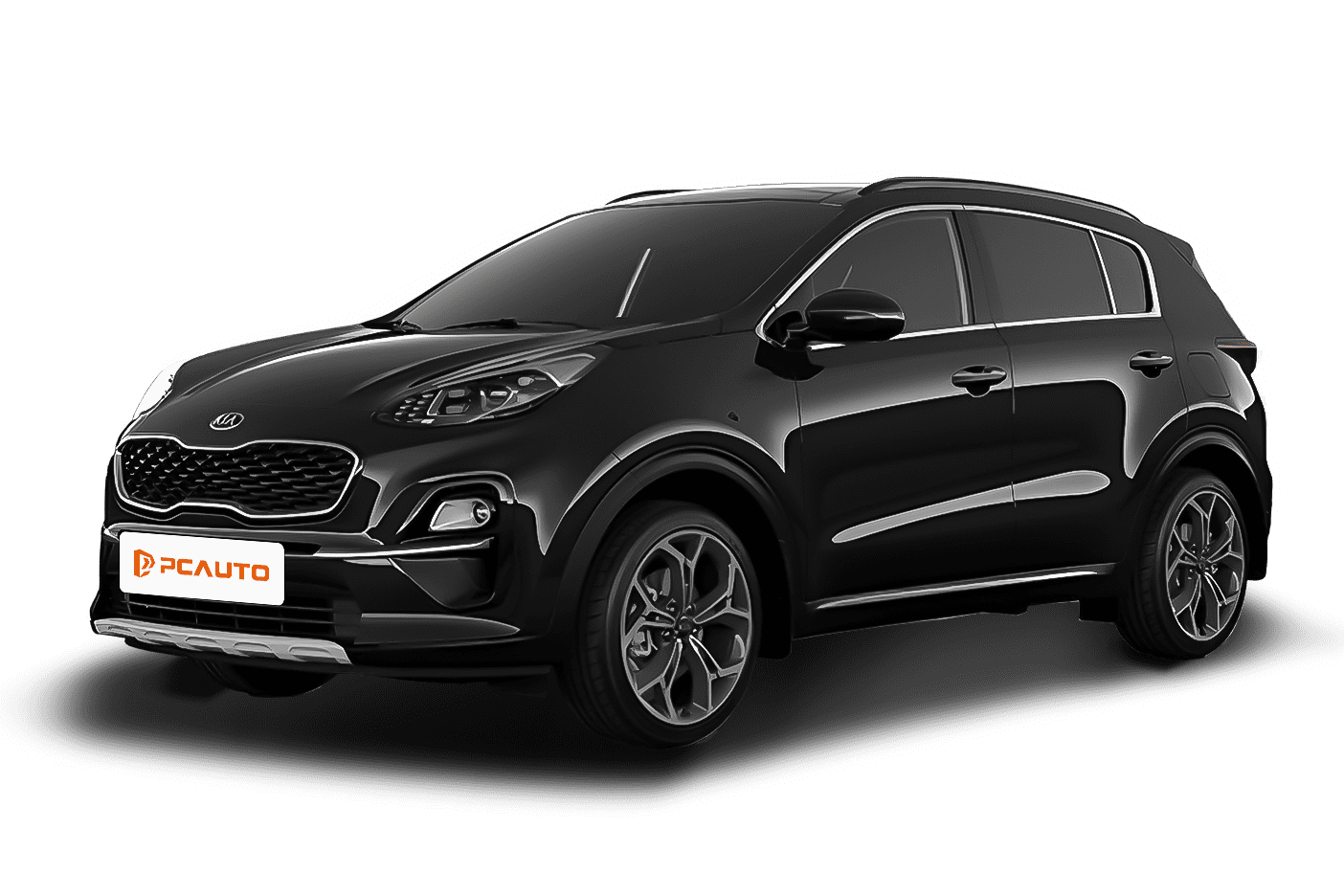
2024 Kia Sportage 2.0G 2WD, as the entry-level fuel version, with avant-garde design, 12.3-inch full LCD instrument panel, practical space, and economical fuel consumption, precisely meets the needs of family and cost-effectiveness-focused users.