

2018 Proton X70 1.8 TGDI Premium 2WD Review

 Share
Share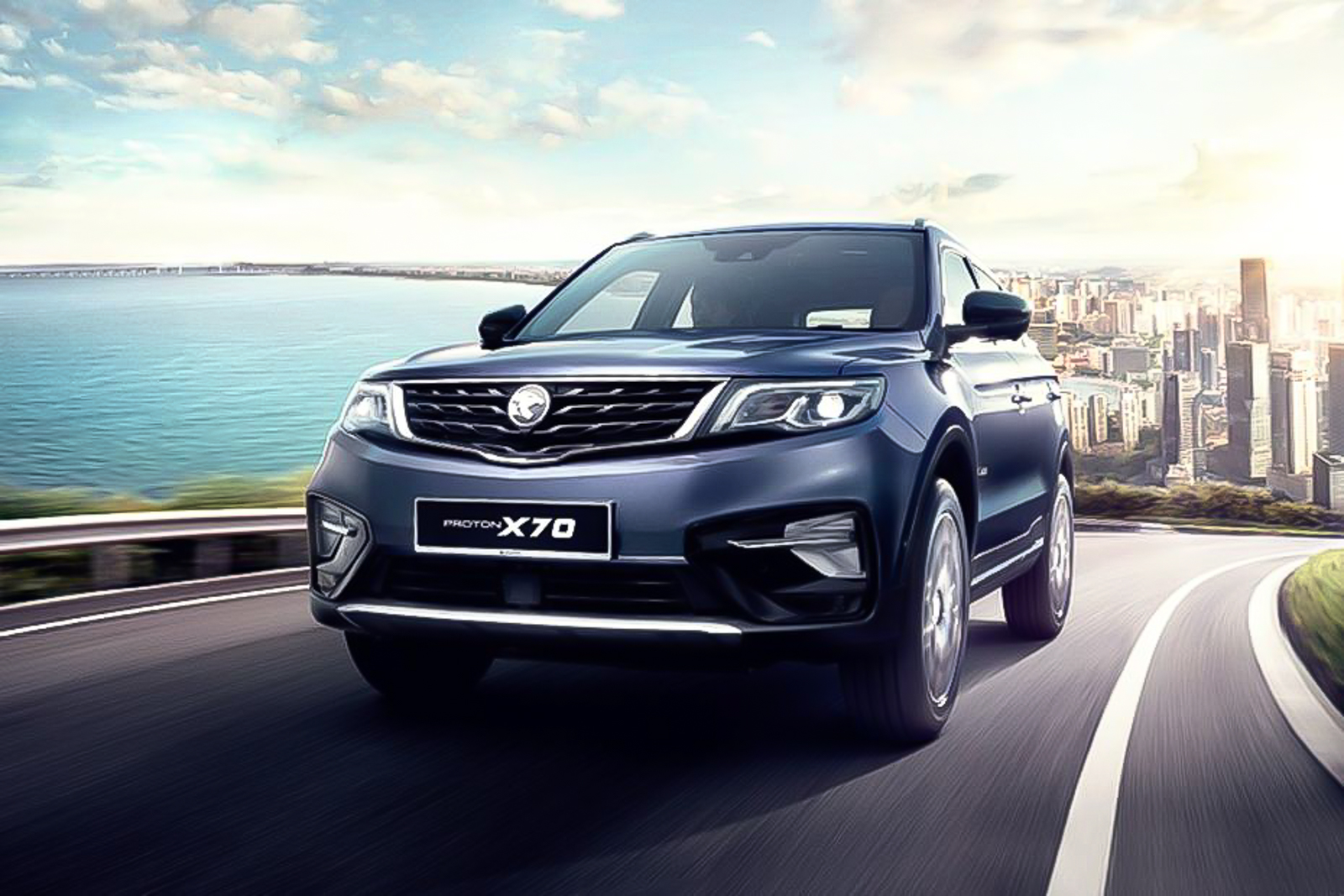
 Segment
 Body Type
 Capacity(L)
 Engine Power(PS)
 Transmission
 Driven Wheels
In 2018, Proton made a significant impact in the C-Segment SUV market with the launch of the "game-changing" X70 1.8 TGDI Premium 2WD, a model that remains on the consideration list for many families even today. At the time, its combination of "high configuration + long warranty" set a new benchmark in its class. The focus of our test drive this time was to verify whether its real-world performance in daily usage lives up to its past popularity.
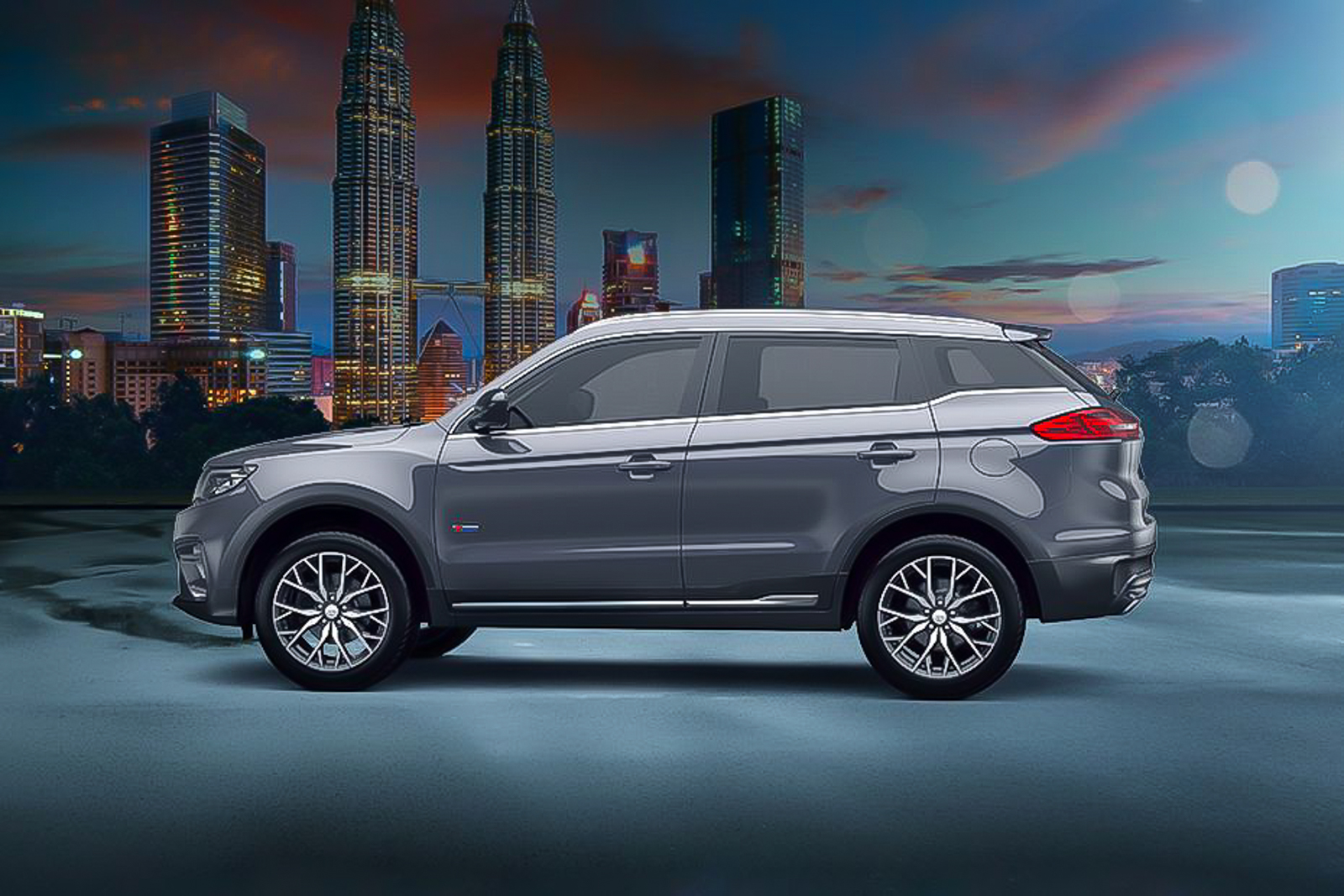
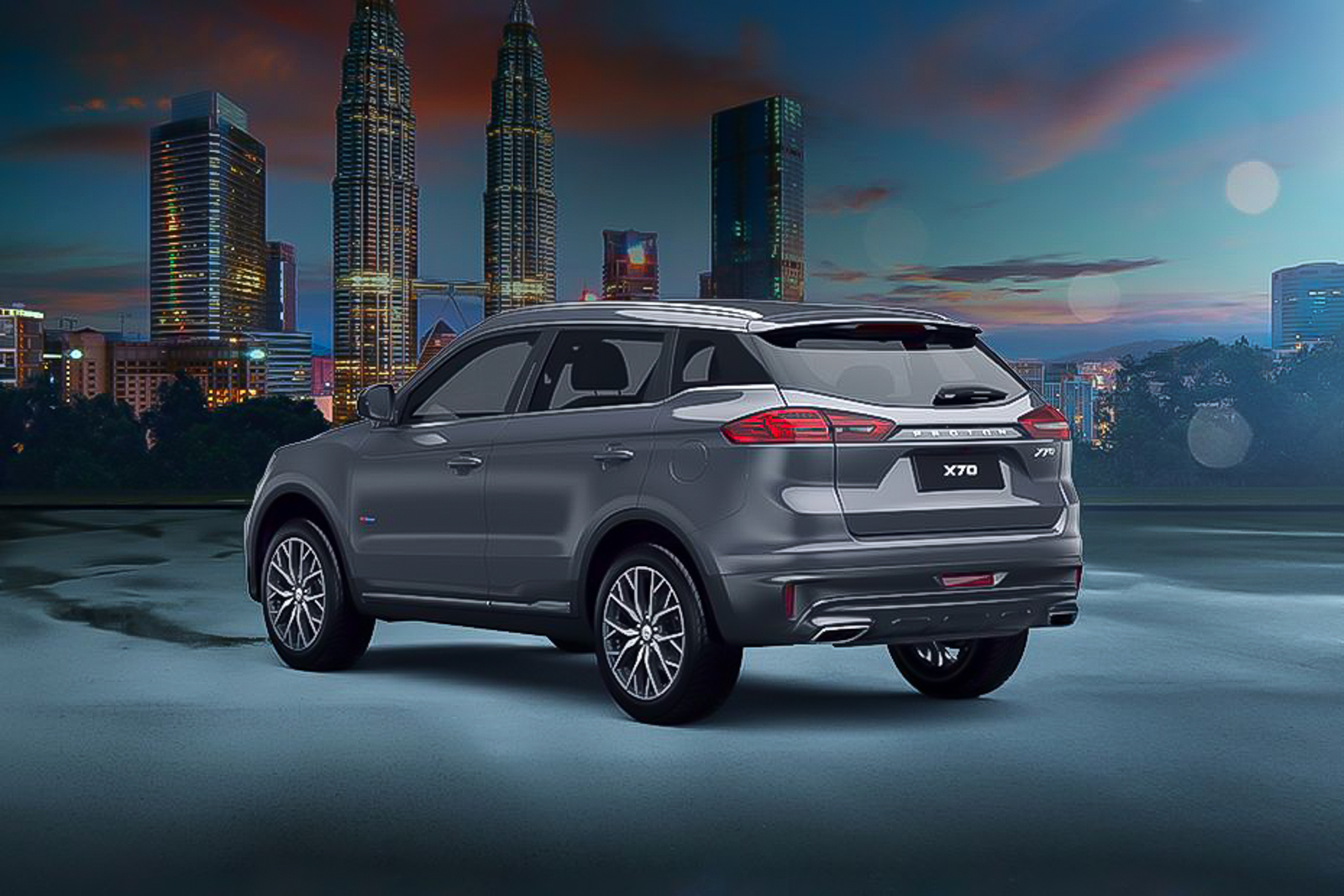
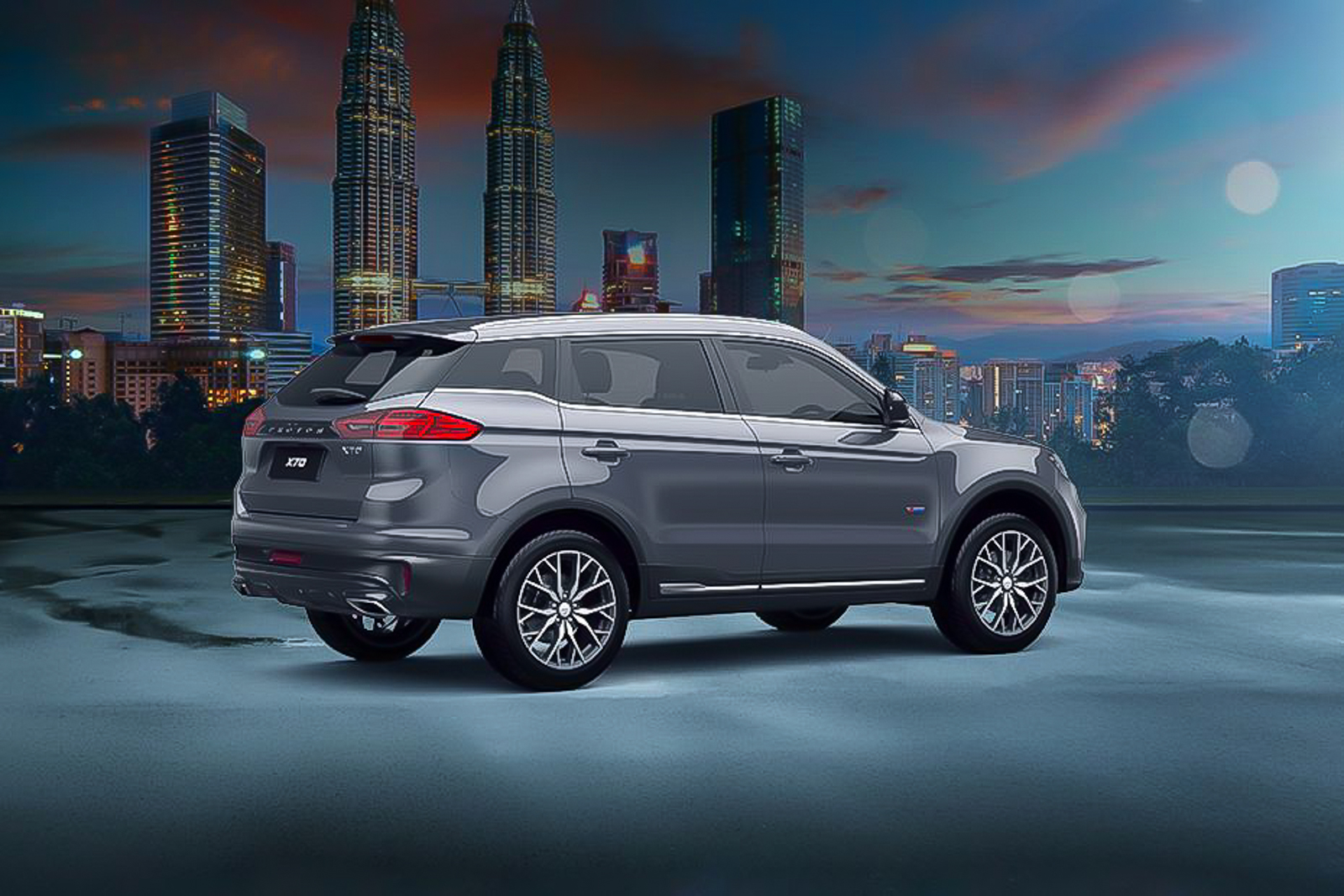
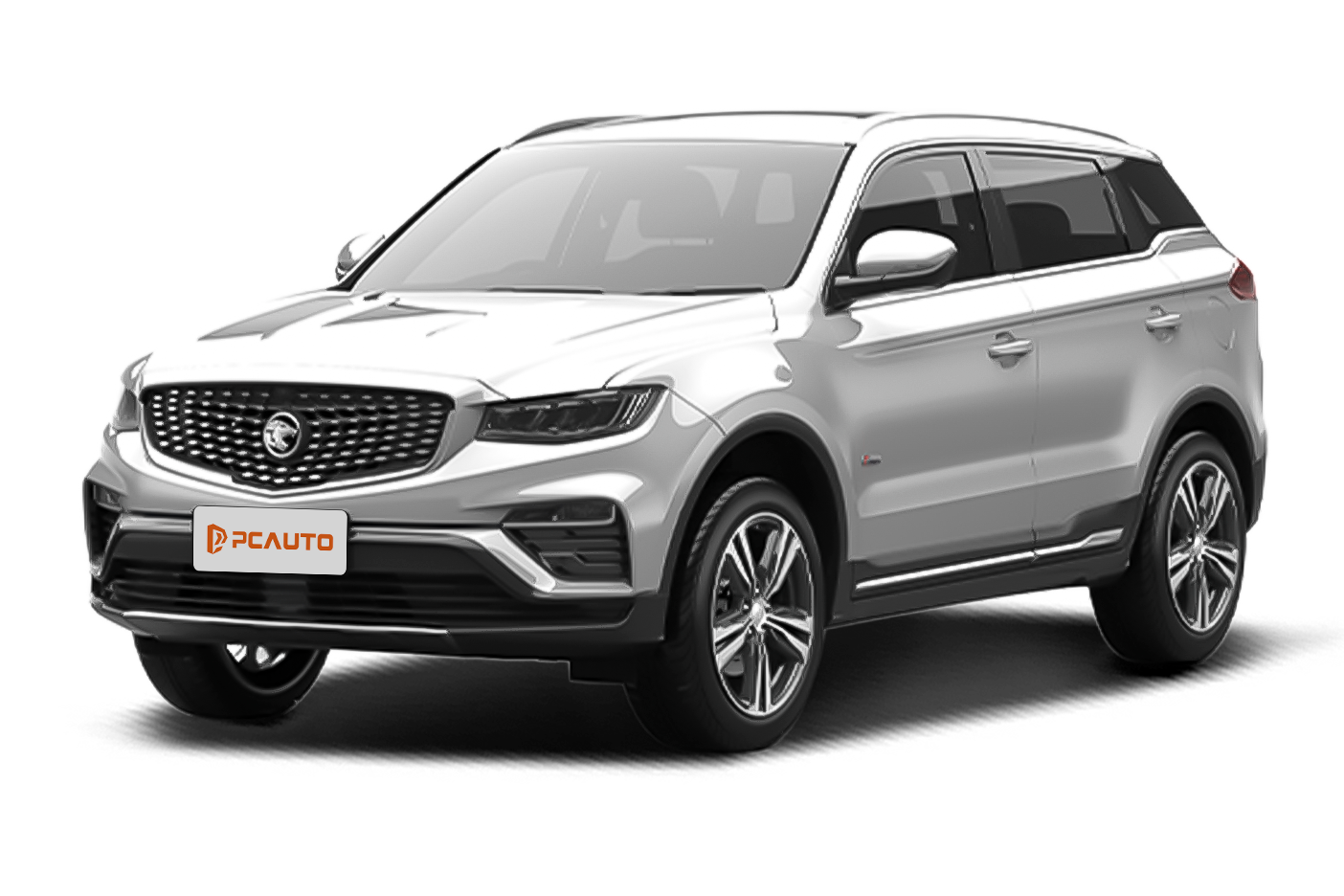
At first glance, it's hard not to be attracted by the "imposing aura" of the X70. The front grille with its "infinite ripple" pattern, paired with Proton's new emblem, greatly enhances its recognition. The body side lines extend from the hood to the rear and narrow into a slightly sloping waistline, avoiding any bulky appearance. The 19-inch multi-spoke wheels (225/55R19 specification) fill up the wheel arches, giving the vehicle a steady stance. At the rear, the LED tail lights are designed in a through-type style, creating a clear effect when illuminated. The silver skid plate below adds to the SUV's rugged appeal. The lighting system is fully LED-equipped, including automatic headlights and front fog lights, maximizing practicality—even beginner drivers won't need to adjust them frequently.
Sitting inside the car, the interior layout focuses on "practicality." The center console is slightly oriented towards the driver, with an 8-inch touchscreen in the center. Below it are physical buttons (for adjusting the air conditioning and volume), making blind operation very convenient. The materials used include a lot of soft-touch plastics, while the door panels and armrests are wrapped in leather, giving a touch that doesn't feel cheap. The instrument panel is a fully LCD design and can display information such as RPM, fuel consumption, and navigation in a clear and readable interface. As for features, the Premium version is genuinely "packed with sincerity": keyless entry/start, dual-zone automatic air conditioning with air purification, a 9-speaker sound system, a 220V power outlet in the front row, rear air vents, and even an LCD screen for the rear seats—these features were practically at an "above-class" level for models in the same segment back then. The seats are manually adjustable, but the cushioning is soft enough, and the backrest angle supports the lower back well, making long rides comfortable. The rear floor is nearly flat; a 175cm-tall passenger seated at the rear can have two fist-widths of legroom and a fist's space above their head. The middle passenger's feet can rest comfortably, too. The trunk has a standard capacity of 515L, and folding down the rear seats in a 60:40 split can create more space—suitable for strollers or suitcases without issues.
Starting the engine, the 1.8T turbocharged engine (184PS/285N·m, paired with a 6AT gearbox) delivers power very "linearly." For daily commutes in normal mode, there’s no jerky start; the throttle response is even, and a light touch allows you to keep up with traffic. Pressing harder on the accelerator for a speed boost, the turbo engages at around 1700rpm, and the torque burst provides plenty of confidence for overtaking. The official 0-100km/h acceleration time is 10.5 seconds—not exactly "aggressive" but fully adequate for family use. The transmission is tuned for smooth shifting, and while downshift responses may not be particularly quick, there’s no significant jerkiness.
The chassis features a front MacPherson independent suspension system, leaning towards "comfort." When driving over speed bumps or uneven roads, the suspension absorbs most of the minor vibrations, leaving the body largely composed without unnecessary bounces. On the highway, the steering wheel has minimal play, the steering is precise, and the vehicle remains stable during lane changes without feeling floaty. However, during sharp turns, the body does lean noticeably—a typical characteristic for a family SUV, aligning with its intended purpose. In terms of fuel consumption, we tested it for a week, half in the city and half on highways, and the onboard display showed 8.2L/100km, which is close to the official figure of 7.8L. Using 95-octane fuel, the daily usage cost is fairly reasonable. The braking system features ventilated discs at both the front and rear. The brake pedal feels linear, and when pressed firmly, the braking force comes through directly, with minimal nosedive, ensuring a strong sense of safety.
In terms of ride comfort, the performance of the X70 is commendable. For noise insulation, at a highway speed of 100km/h, wind and tire noise are kept within a reasonable range and do not impact conversations inside the car; engine noise is only noticeable during sudden acceleration, but it's not harsh. The seat support is decent, so even on long drives, the lower back doesn't feel sore. Worth mentioning is the air purification system, which noticeably reduces odors inside the car during traffic jams, making it very family-friendly, especially for households with children.
In summary, the core advantages of the X70 1.8 TGDI Premium 2WD are clear: the "high configuration" of its time still remains relevant today, and the 5-year unlimited mileage warranty offers genuine peace of mind; the spacious interior suits family needs, while the balance of power and fuel efficiency meets daily requirements. Compared to competitors in the same class, like the Honda CR-V or Toyota RAV4, it offers richer features at a lower price point (originally priced at RM123,800), making it highly cost-effective.
This car is most suitable for "practicality-oriented family users"—whether for daily commuting, weekend family outings, or long-distance trips back to your hometown, it seamlessly "fits into" various scenarios. If you are not chasing extreme performance or brand premiums, but simply want a "reliable, adequate, and well-equipped" SUV, then the 2018 X70 Premium version is definitely worth considering. It may not be the most "trendy" choice, but it is certainly a "safe" choice.
Proton X70 Car Compare
Proton X70 Loan Calculator
More Proton Reviews
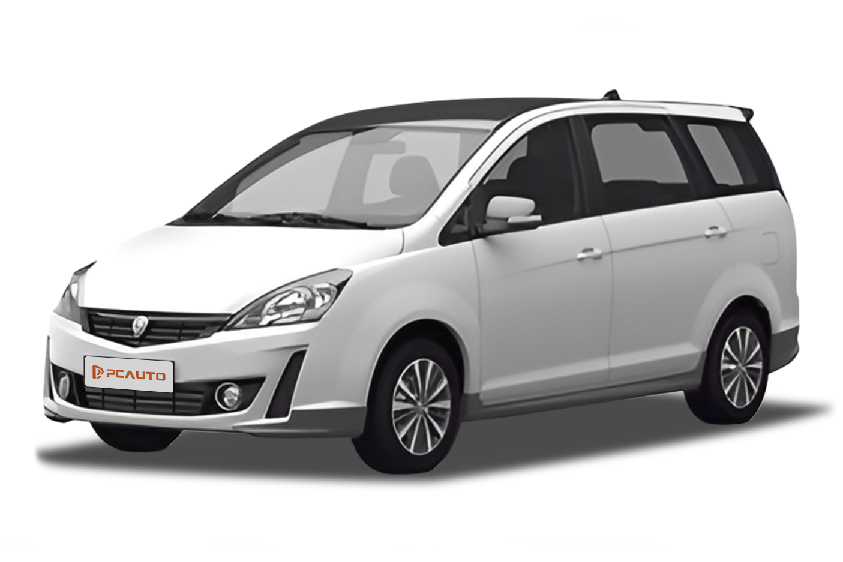
Cars With Similar Price And Features
10
Rank in SUV
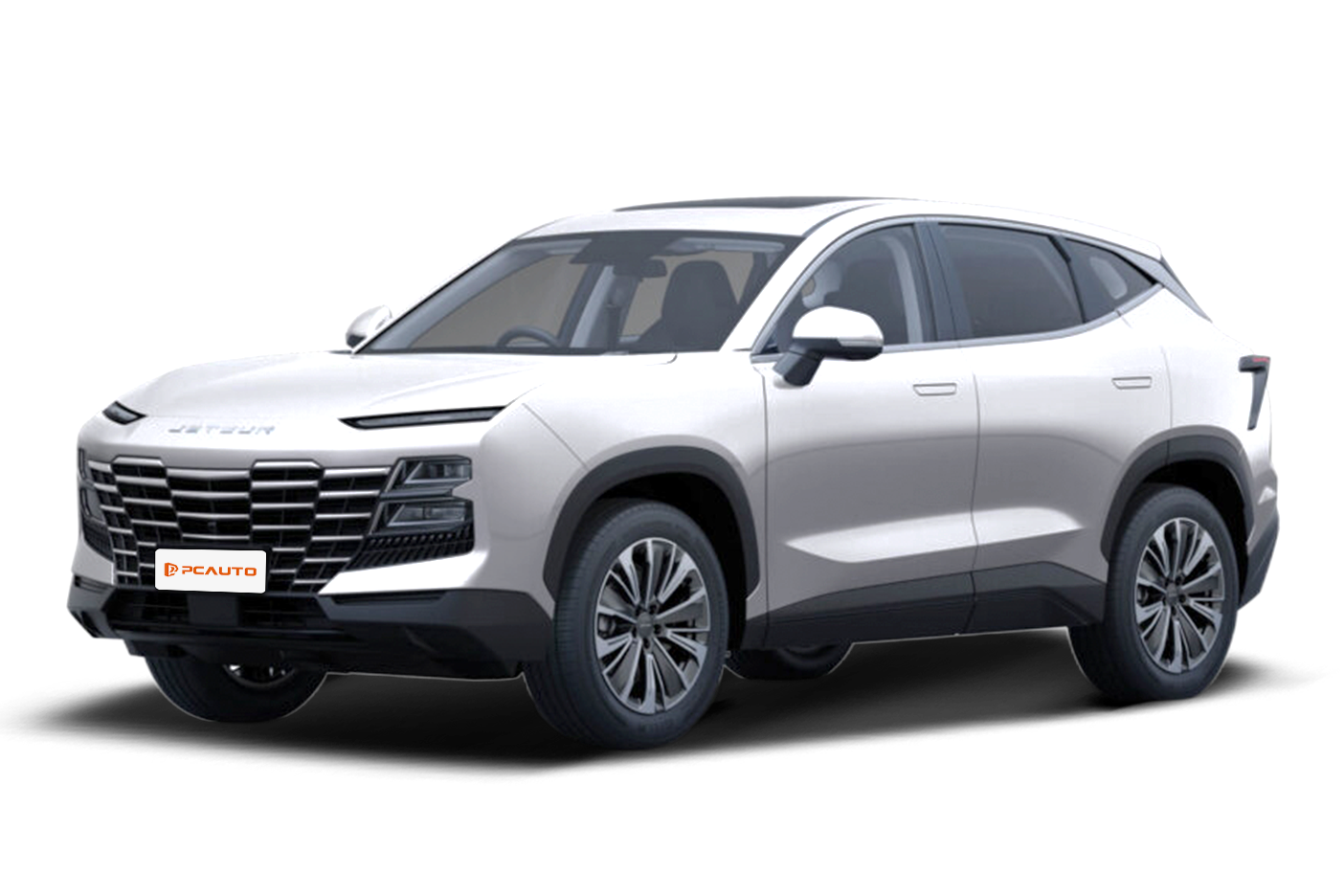
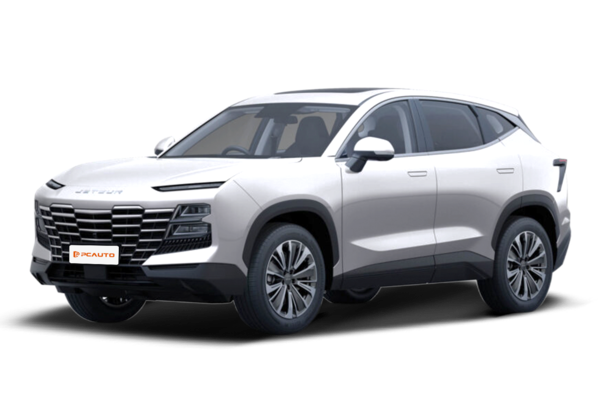
Jetour Dashing 1.5 TCI Comfort 2025 features a 2720mm long wheelbase and a 10.25-inch dual screen as its core, focusing on balanced cost performance to meet family practical needs.
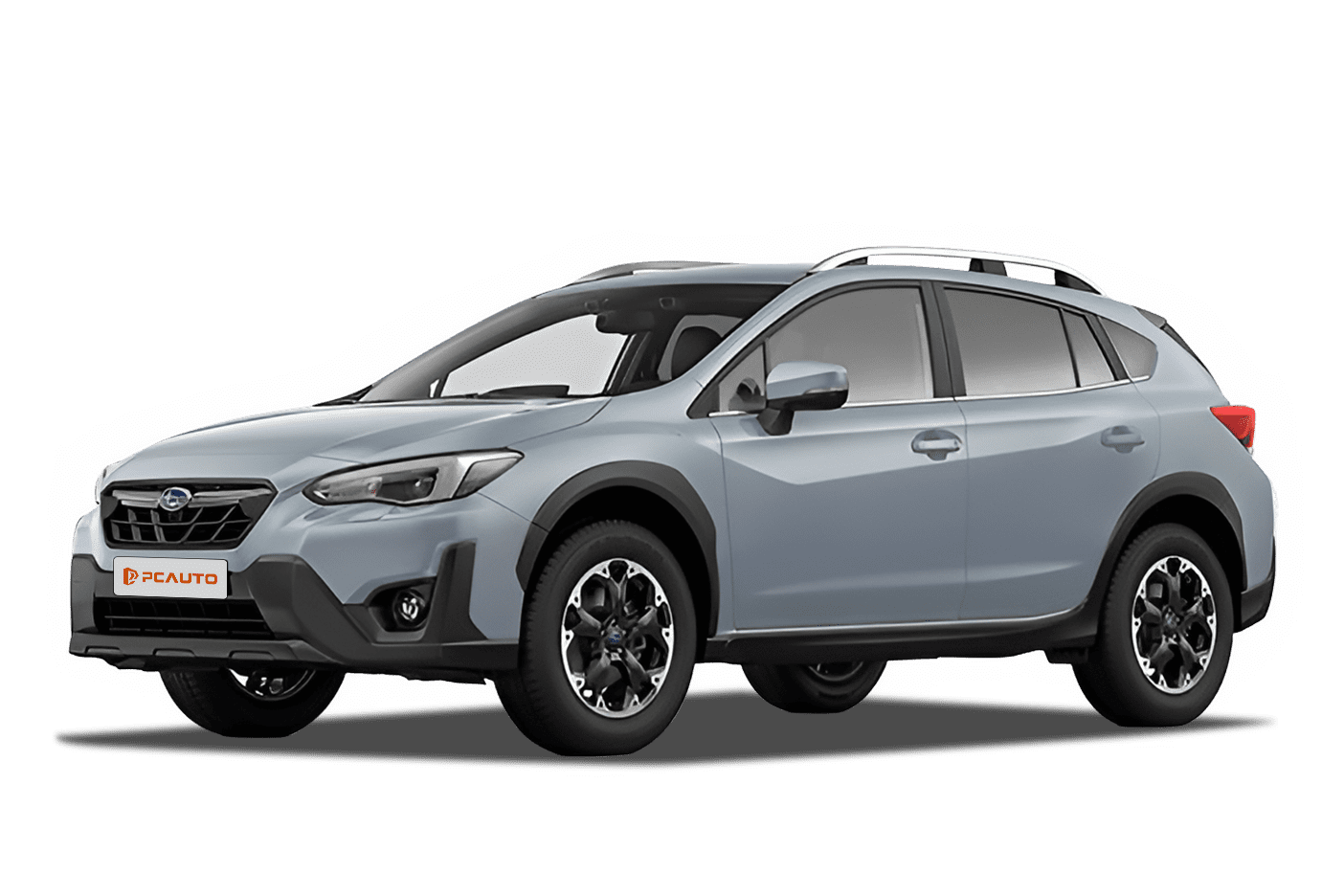
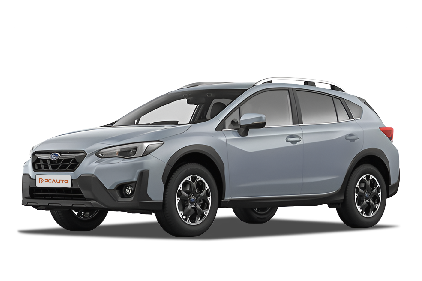
The 2021 Subaru XV 2.0i is a model targeting the C-segment crossover market, equipped with standard all-wheel drive and high safety features, balancing off-road capability and handling, with practical space.

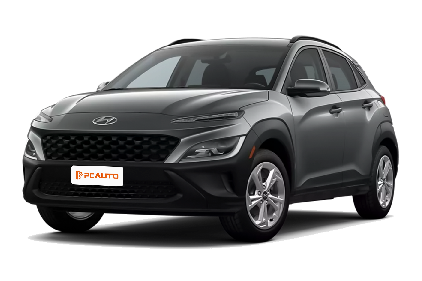
2021 Hyundai Kona 2.0 Standard, as a high-value entry-level compact SUV, retains essential safety and practical features with an affordable price, meeting the daily commuting and loading needs of families.
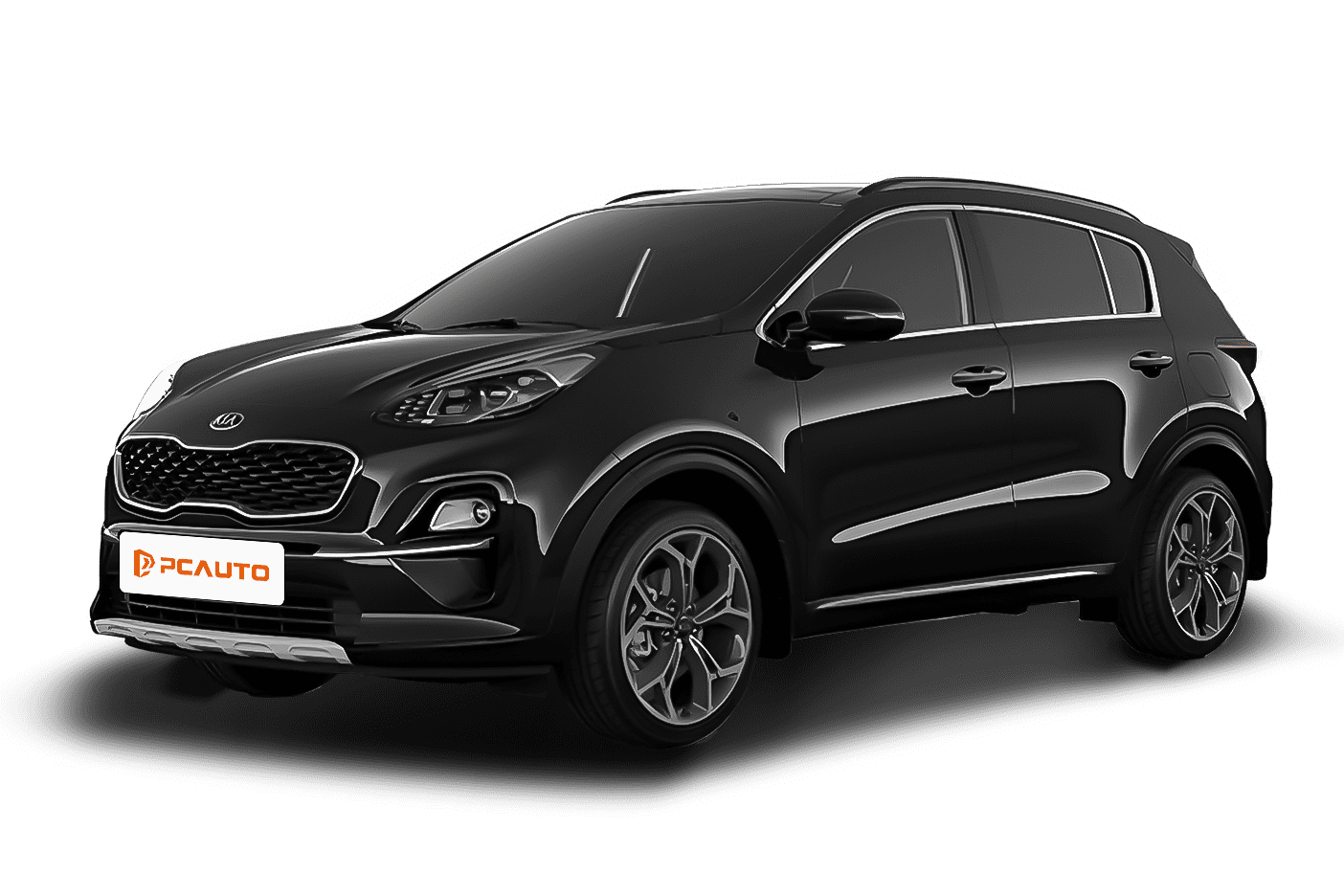
2024 Kia Sportage 2.0G 2WD, as the entry-level fuel version, with avant-garde design, 12.3-inch full LCD instrument panel, practical space, and economical fuel consumption, precisely meets the needs of family and cost-effectiveness-focused users.