

2018 Toyota Fortuner 2.4 AT 4x4 Review

 Share
Share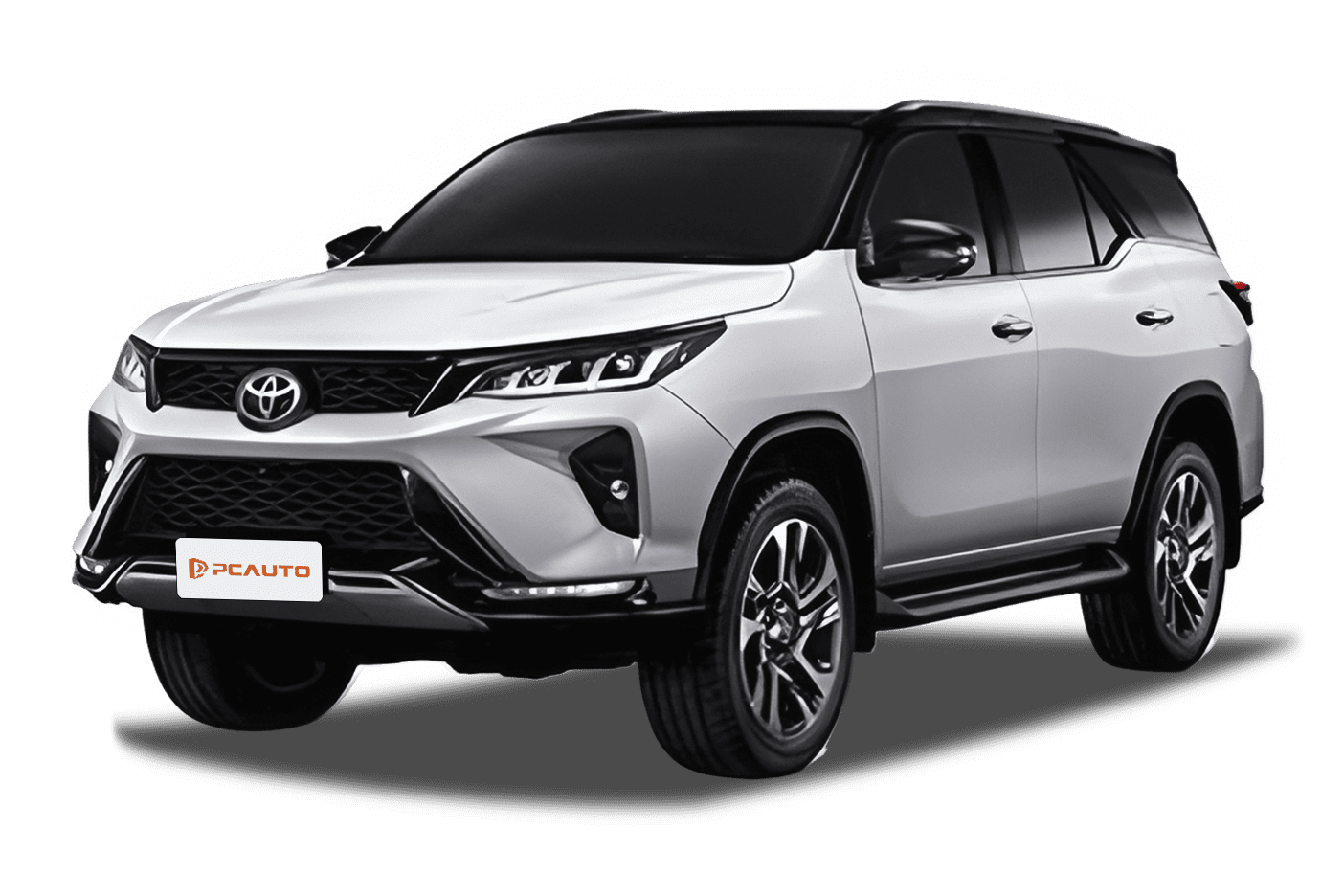
 Segment
 Body Type
 Capacity(L)
 Engine Power(PS)
 Transmission
 Driven Wheels
In Malaysia's mid-sized SUV market, the overlap between household and light off-road needs has given rise to many rugged options, with the 2018 Toyota Fortuner 2.4 AT 4x4 being one of the popular contenders—it needs to meet the daily commuting needs of a family of seven while also handling unpaved suburban roads on weekends. The focus of this test drive is to evaluate its actual performance in terms of "balance".
From a distance, the Fortuner's silhouette retains the typical style of a rugged SUV: High ground clearance (279mm) combined with a boxy body gives it a solid off-road stance. The front-end design is quite recognizable, with a trapezoidal grille connected to the headlights via thick chrome trim. The light setup combines halogen and LED lights, with automatic headlights and daytime running lights as standard, ensuring high practicality. The side profile showcases a waistline stretching from the fenders to the rear, paired with 17-inch alloy wheels (tire specifications 265/65R17), which are neither too flashy nor lacking in strength. The LED tail lights at the rear are vertically laid out, and the rear fog lights and reversing sensors are prominently visible. The overall design leans towards durability, with no excessive decorative elements, fitting its dual role as a utility and family car.
Opening the door, the interior design focuses on practicality with a clear layout in the center console: A 9-inch touchscreen sits centrally, with a manual air-conditioning control area below it. The tactile feel of the physical buttons is somewhat rigid but provides clear feedback. The steering wheel is multifunctional with paddle shifters and offers a moderate grip. The instrument cluster uses backlit analog dials, presenting information intuitively without the frills of electronic screens but performing well in terms of stability. In terms of materials, the upper part of the dashboard is hard plastic, while parts of the door panels are wrapped in fabric, meeting expectations for a vehicle in this price range. The configuration is quite impressive: The car features electric adjustment for the front seats, independent air conditioning for the rear row, a 220V power outlet, keyless entry/start, and a flexible seven-seat layout. The second-row seats are 60:40 split foldable with one-touch folding, while the third-row seats are 50:50 split foldable. Folding down the seats can expand the trunk space from 200L to a flat layout, making it easy to fit strollers or camping gear. In terms of space, the wheelbase of 2745mm ensures sufficient legroom for the first two rows. A 185cm passenger in the second row will have two fist-widths of legroom to spare, while the third row is more suitable for children or short trips, without causing a sense of headroom restriction.
As for power, the vehicle is equipped with a 2.4L naturally aspirated diesel engine, delivering a maximum power of 150PS (3400rpm) and peak torque available at 1600-2000rpm, paired with an AT gearbox. During the actual drive, the start isn't particularly brisk, but low-end torque is sufficient, allowing for easy handling of urban traffic conditions with light throttle input. When switched to sport mode, the shift delay shortens, and the car downshifts quickly when the accelerator is pressed deeply, ensuring smooth power delivery. The acceleration from 100-120km/h on highways is adequate. The full-time four-wheel-drive system performs well on unpaved roads, such as muddy trails or small steep slopes, with the four-wheel drive engaging promptly. Coupled with the 279mm ground clearance, it easily handles light off-road conditions.
Regarding handling, the steering wheel has a slightly larger free play (typical for rugged SUVs). However, it becomes stable at high speeds, providing a sense of safety. The chassis features a double-wishbone front suspension and a rear multi-link independent suspension, which are tuned on the firmer side. This results in some bumpiness when passing speed bumps directly, but the upside is excellent control of body roll during cornering, keeping the vehicle stable when quickly taking turns. The braking performance is average; the brake pedal has a relatively long travel with a soft initial response and linear braking force release upon a deeper press, requiring some adaptation for daily driving. In terms of noise control, the idle noise from the diesel engine is relatively noticeable, but while driving, wind and tire noise are kept within an acceptable range, and the six-speaker audio system is adequate for everyday music listening. During fuel consumption testing, the average fuel consumption in urban traffic (including congestion and ring roads) was around 8.5L/100km, and approximately 6.8L/100km on highways. Considering the 2.09-ton weight, these figures are quite acceptable.
In summary, the core advantage of the 2018 Toyota Fortuner 2.4 AT 4x4 lies in its "all-round capabilities": the seven-seat space meets family needs, the four-wheel-drive system supports light off-roading, and its configurations are more comprehensive than the similarly priced Mitsubishi Pajero Sport (features like lane departure alert and forward collision warning are standard). Reliability is also a traditional strength of Toyota. However, it has some shortcomings, such as a strong plastic feel in the interior, cramped third-row space, and the manual air conditioning system that feels somewhat outdated.
This car is most suitable for those who need to balance "daily family use + weekend light off-roading" — for example, urban dwellers who frequently take their children camping in the suburbs, or those who occasionally need to transport large items. It is not particularly luxurious nor a performance car, but it stands out for being balanced and durable, a "practical choice" that requires no worries after purchase. If you are looking for a midsize SUV with no obvious shortcomings and capable of adapting to various scenarios, the Fortuner 2.4 AT 4x4 is worth adding to your list.
Toyota Fortuner Car Compare
Toyota Fortuner Loan Calculator
More Toyota Reviews
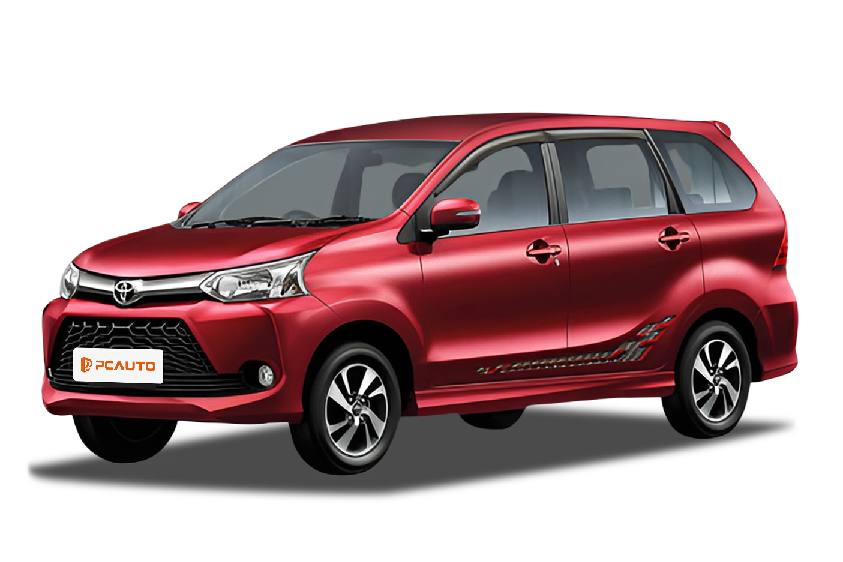
Cars With Similar Price And Features
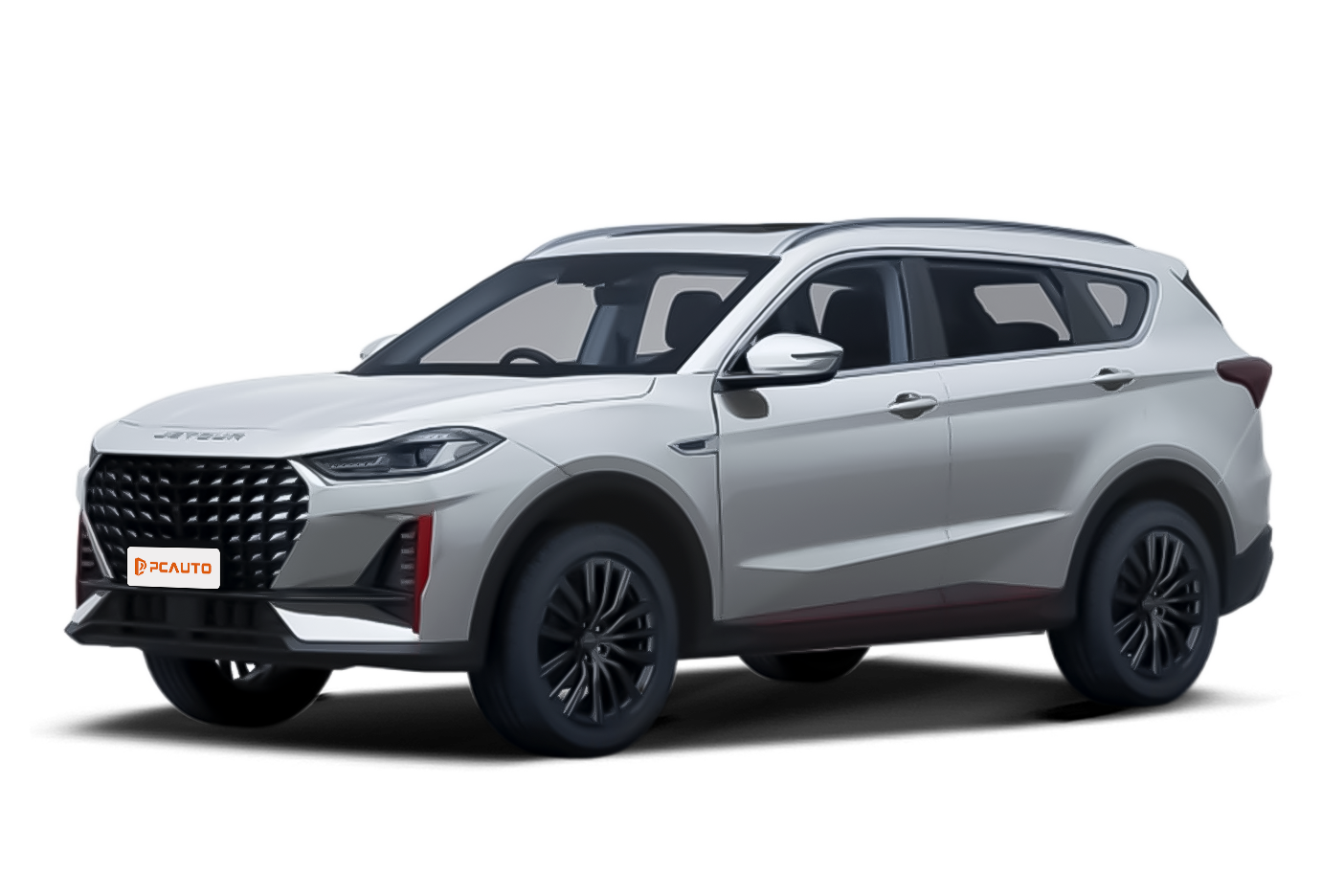
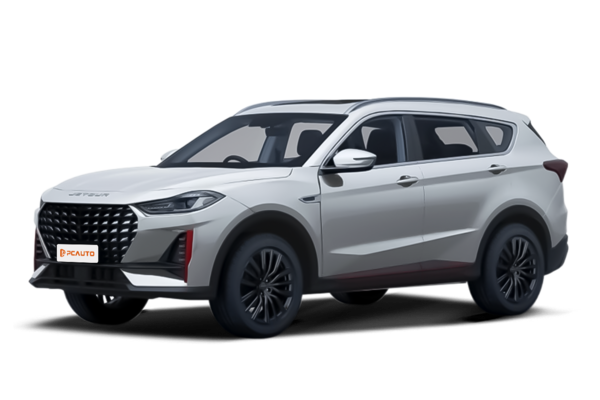
2025 Jetour VT 9 Comfort is a highly cost-effective 7-seater family SUV, featuring practical space, rich configurations, and balanced power, precisely meeting the needs of family short-distance travel.

11
Rank in SUV
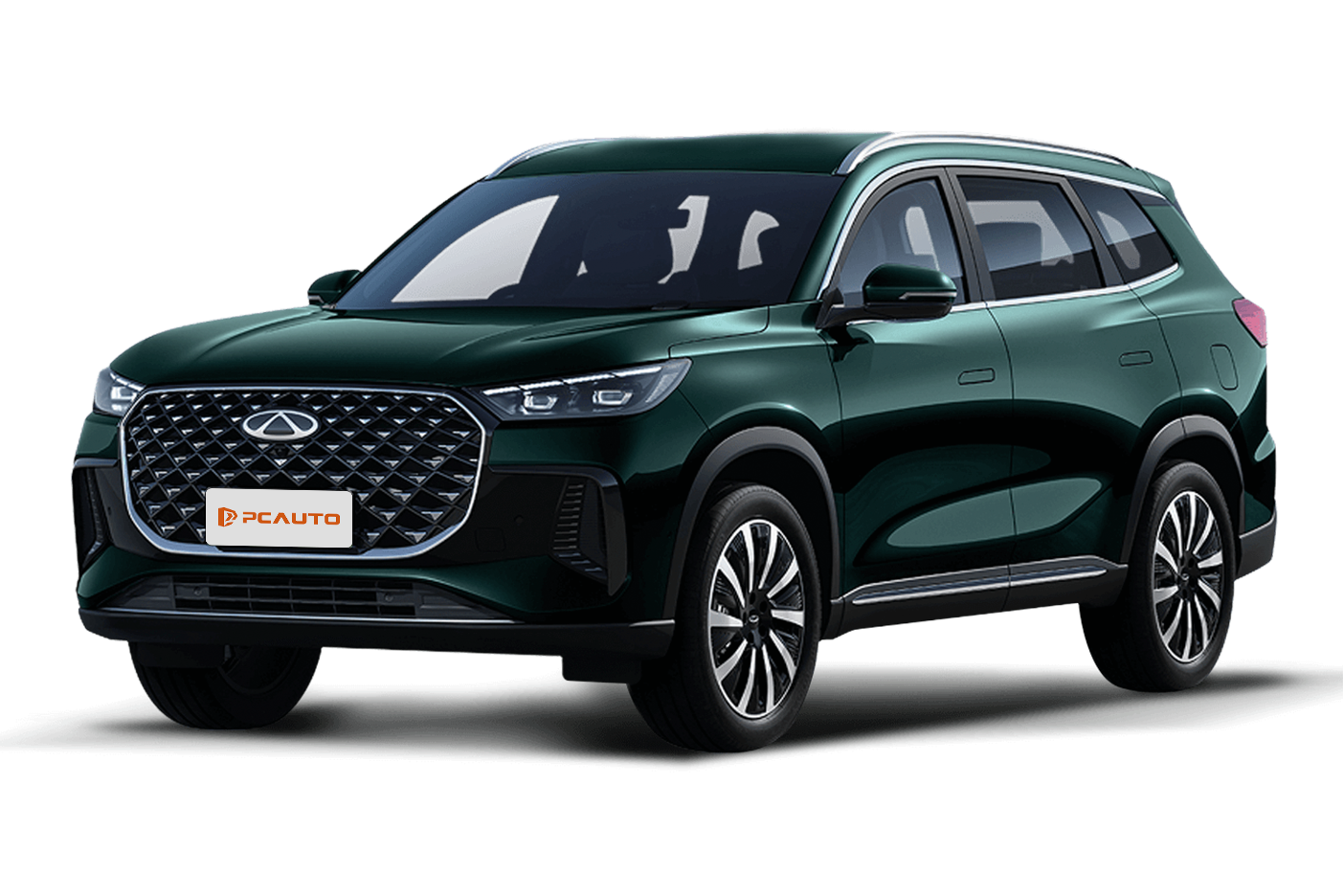
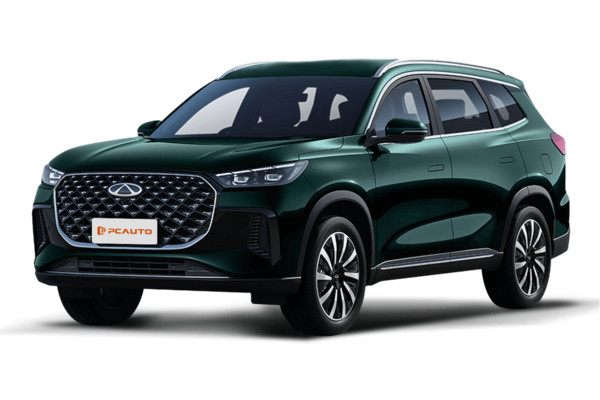
2026 Chery Tiggo 8 is a D-Segment SUV aimed at family users, offering superior configurations, practical space, and smooth power at a high cost-performance ratio, meeting both commuting and light off-road needs.
16
Rank in SUV

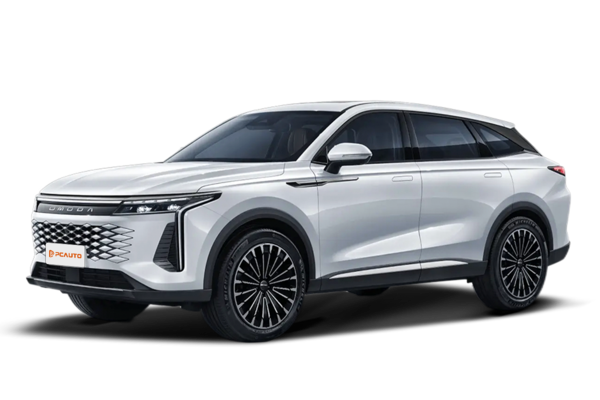
2024 Chery OMODA C9 2WD with 2.0T+8AT powertrain, L2 level assistance, and dual 12.3-inch screens, breaking the stalemate in the D-Segment market and becoming a high-value disruptor.
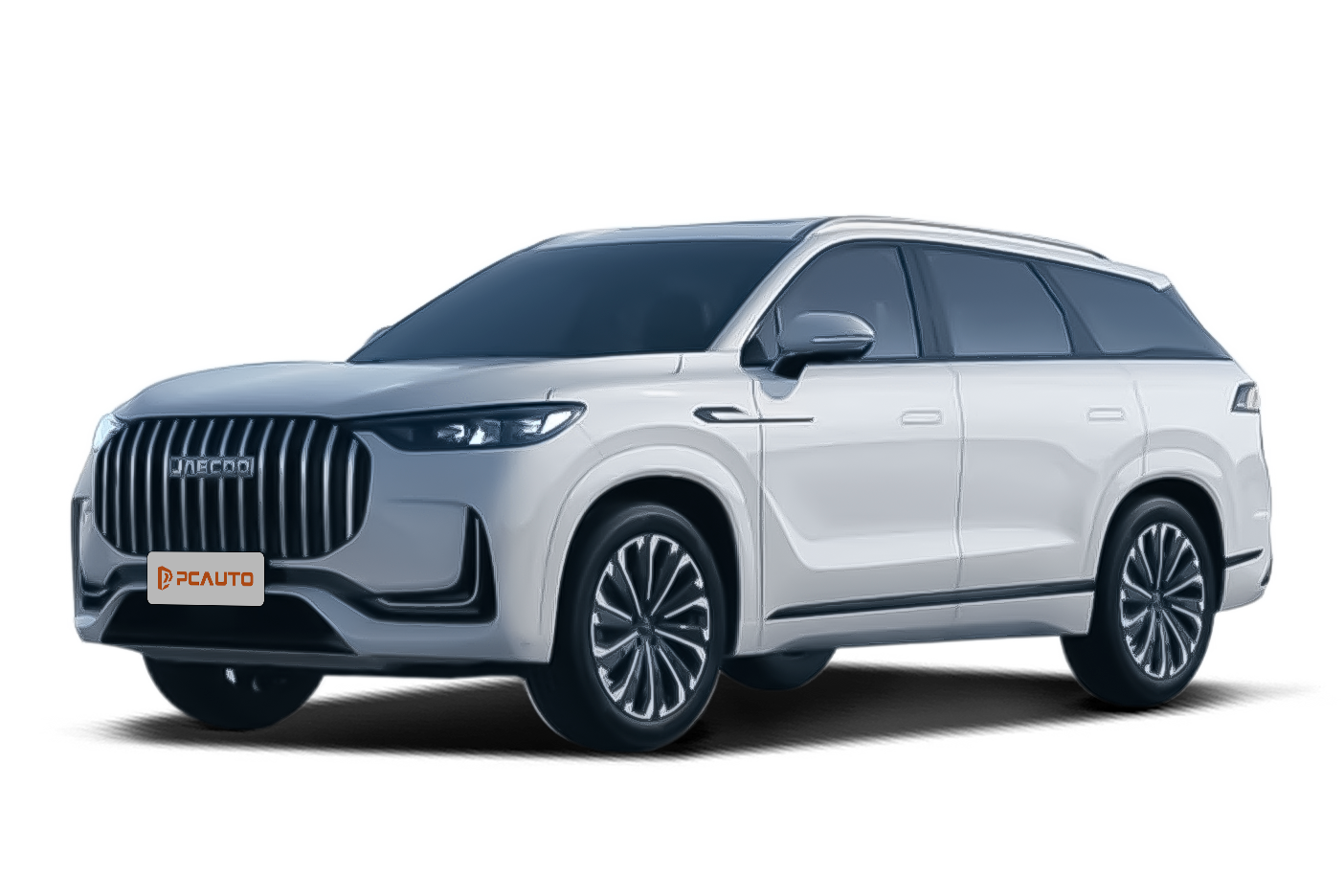
2025 Jaecoo J8 FWD is a dark horse in the D-segment SUV market, offering balanced performance to meet family users' needs for spaciousness, strong power, and rich configurations.