

2019 Ferrari F8 Tributo 3.9L Review

 Share
Share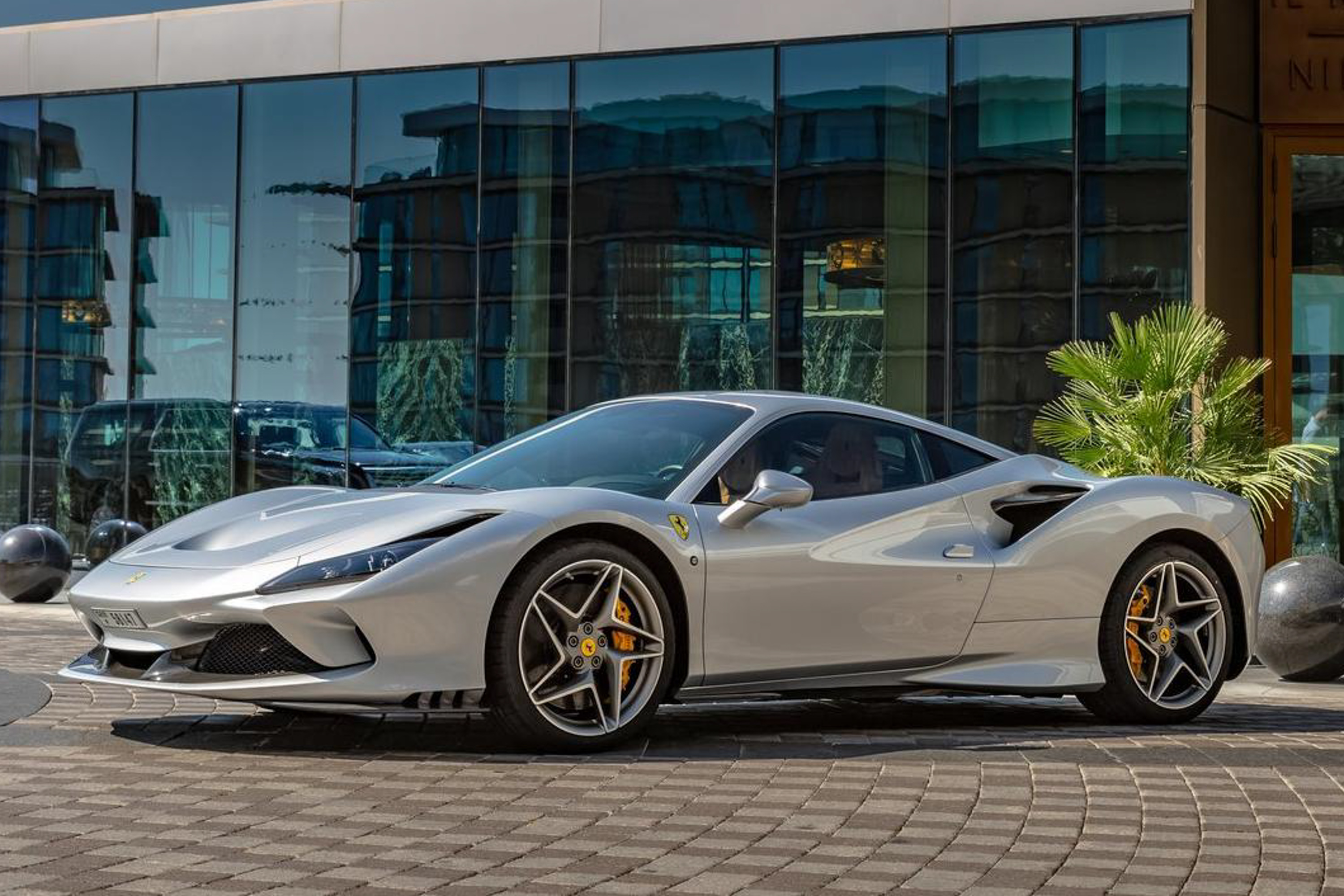
 Segment
 Body Type
 Capacity(L)
 Engine Power(PS)
 Transmission
 Driven Wheels
In today's increasingly competitive supercar market, the 2019 Ferrari F8 Tributo 3.9L, as the successor to the 488 GTB, not only carries the racing DNA of the Prancing Horse brand but also needs to find a balance between everyday practicality and ultimate performance. The core selling points of this model lie in its 3.9T twin-turbo V8 engine delivering an output of 730PS, as well as its improved aerodynamic design compared to its predecessor. This review will comprehensively analyze its static design, spatial practicality, and dynamic driving experience to see if it can meet the dual demands of speed and brand appeal for supercar enthusiasts.
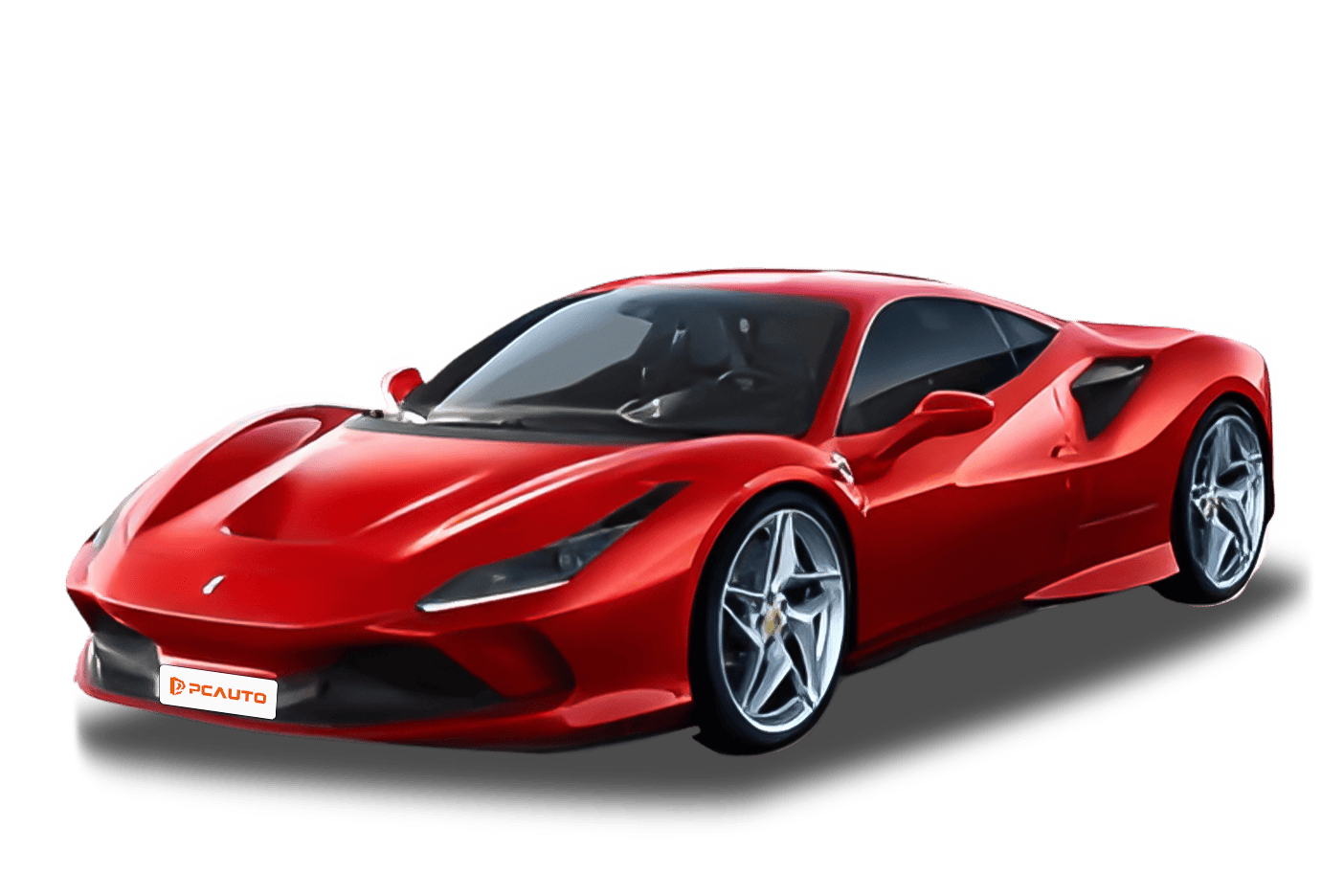
In terms of exterior, the F8 Tributo continues Ferrari's signature streamlined design, with an overall style leaning more towards a racing aesthetic. The front features a large honeycomb grille, flanked by sharp LED daytime running lights. The lower front lip design further optimizes aerodynamics. The side profile exhibits smooth lines, with enlarged air intakes below the doors to help cool the engine and braking system. The 20-inch star-shaped wheels paired with high-performance tires create a striking visual impact. At the rear, the iconic quad circular taillights are retained. The lower diffuser and quad-exit exhaust layout emphasize its sporty nature, while the rear wing automatically rises at high speeds to provide additional downforce. As for the lighting system, LED sources are used throughout the front and rear light assemblies, providing clear illumination with support for automatic headlights.
The interior is driver-focused, with the center console tilted 15 degrees towards the driver for easier operation. High-end materials such as Alcantara and carbon fiber are used extensively. The steering wheel features Ferrari's signature flat-bottom design, incorporating functions like the start button and drive mode selector, with a firm grip. The center console is equipped with a 7-inch touchscreen that supports CarPlay and Bluetooth connectivity. The interface is simple but relatively basic in functionality. The seats are sporty bucket seats with excellent support, offering electric adjustment and lumbar support, but the backrest angle adjustment is still manual. In terms of features, it comes standard with keyless entry, a multifunction steering wheel, and vehicle stability control. However, compared with some competitors in the same price range, it lacks features like a 360-degree camera system and heated seats for added comfort.
The vehicle dimensions are 4611mm×1979mm×1206mm, with a wheelbase of 2650mm, following the typical two-door, two-seat layout. The front-row seating provides ample space for drivers under 180cm in height, with enough headroom and legroom, although extended driving could still feel slightly cramped. In terms of storage space, the front trunk offers a volume of 200L, enough to accommodate a carry-on suitcase and a small amount of personal belongings. The door pockets can hold only a mobile phone, and the practicality is average for a supercar. Inside the car, only the central armrest box provides a small amount of storage space, so daily use requires limiting personal items.
In terms of performance, the 3.9T twin-turbo V8 engine delivers a maximum power of 730PS/7000rpm and a peak torque of 770N·m/3250rpm, paired with a 7-speed DCT dual-clutch transmission. There are four driving modes to choose from: Wet, Sport, Race, and CT Off. When launching with ESP off, the car can easily accelerate from 0 to 100km/h in under 2.9 seconds, providing intense and sustained thrust even at high RPM ranges. Mid-range acceleration is particularly outstanding, with overtaking from 80-120km/h taking just about 1 second, and the transmission shifts gears quickly and seamlessly with almost no jerks.
In terms of handling, the steering is precise with minimal slack, slightly heavy at low speeds but exhibits excellent stability at high speeds. The suspension system features a front double-wishbone and rear multi-link structure, equipped with standard adaptive damping. In Sport mode, the suspension stiffens, providing clear road feedback; in Wet mode, it leans more towards comfort, filtering out most minor bumps. During cornering, body roll is well controlled, and the tires have strong grip, maintaining good tracking even in Race mode. The chassis has a low ground clearance, making it suitable only for smooth roads, requiring extra caution when passing over speed bumps.
Regarding fuel consumption, the official combined fuel efficiency is 12.9L/100km. In actual tests, urban driving consumed approximately 18-20L/100km, while highway driving used about 10-12L/100km, which is considered normal for a high-horsepower supercar. The braking system uses carbon-ceramic brakes, providing short braking distances with minimal thermal fade and stable performance even after continuous braking. As for noise control, the engine noise is minimal at low speeds, but wind and tire noise are more pronounced at high speeds, a common characteristic of supercars. While the seats offer strong support, long drives may cause lumbar fatigue, and the lack of soundproof glass affects everyday driving comfort.
Overall, the core strengths of the F8 Tributo lie in its powerful performance, precise handling, and the authentic Ferrari brand identity. Compared to competitors in the same class, such as the Lamborghini Huracán Evo, it boasts more mature engine technology, slightly lower fuel consumption, and better practicality for daily use. However, in terms of feature richness and comfort, it falls slightly behind the McLaren 720S. This car is best suited for true driving enthusiasts who seek a track experience or for consumers with substantial financial means, considering it as a second car. If you value daily driving comfort and advanced tech features more, other competitors might be worth considering; but if you are passionate about Ferrari's brand culture and ultimate performance, the F8 Tributo is undoubtedly the perfect choice.
Ferrari F8 Tributo Car Compare
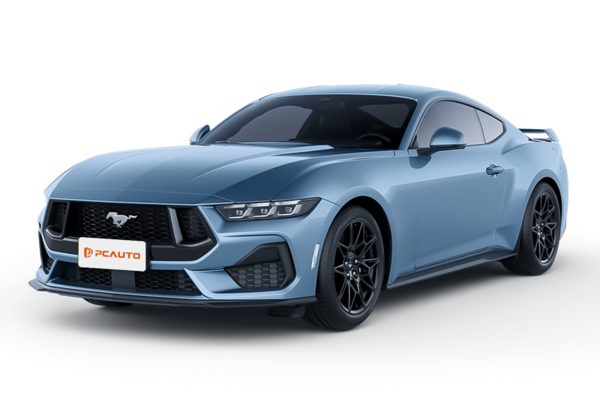
Ferrari F8 Tributo Loan Calculator
More Ferrari Reviews
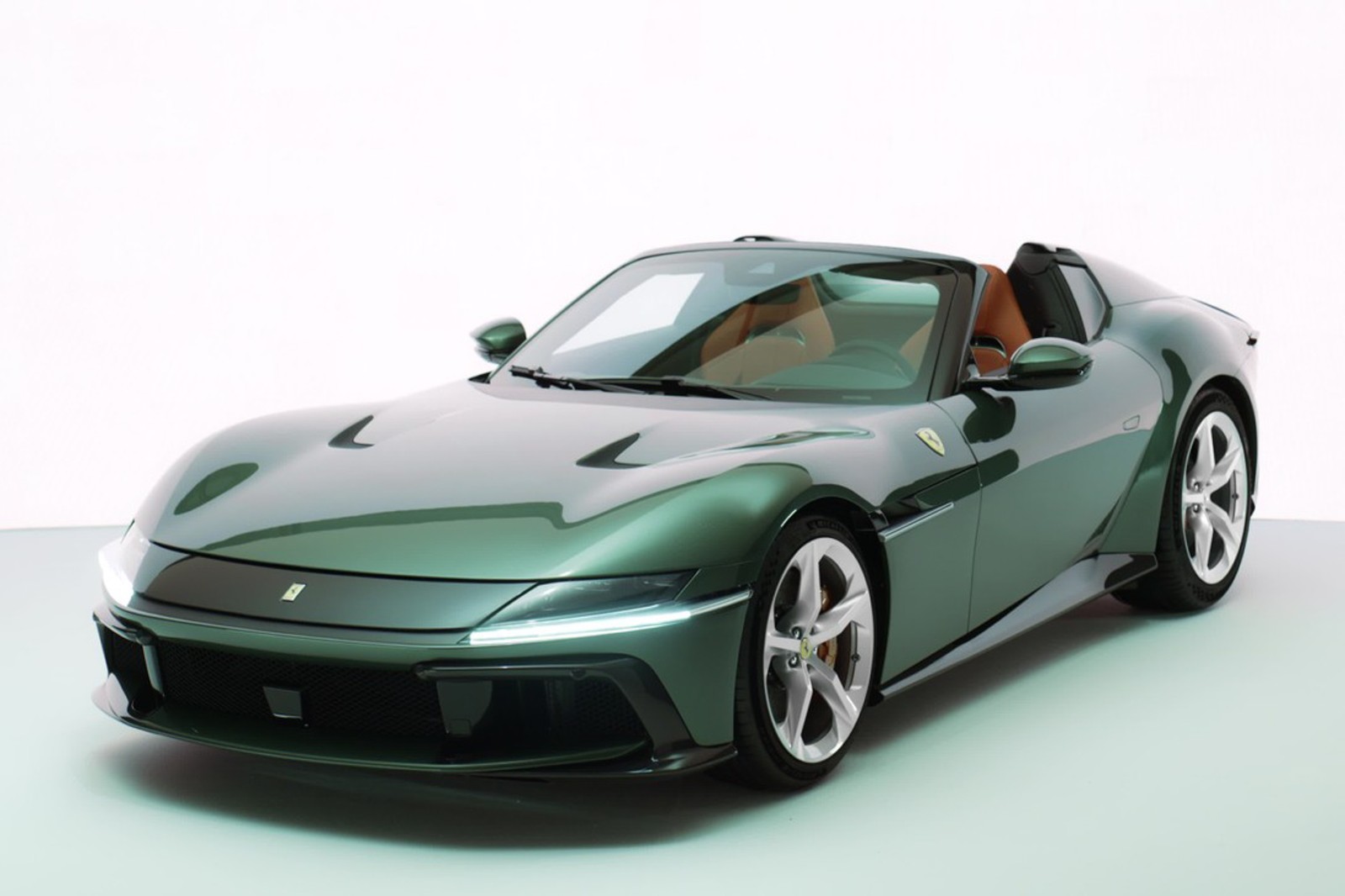
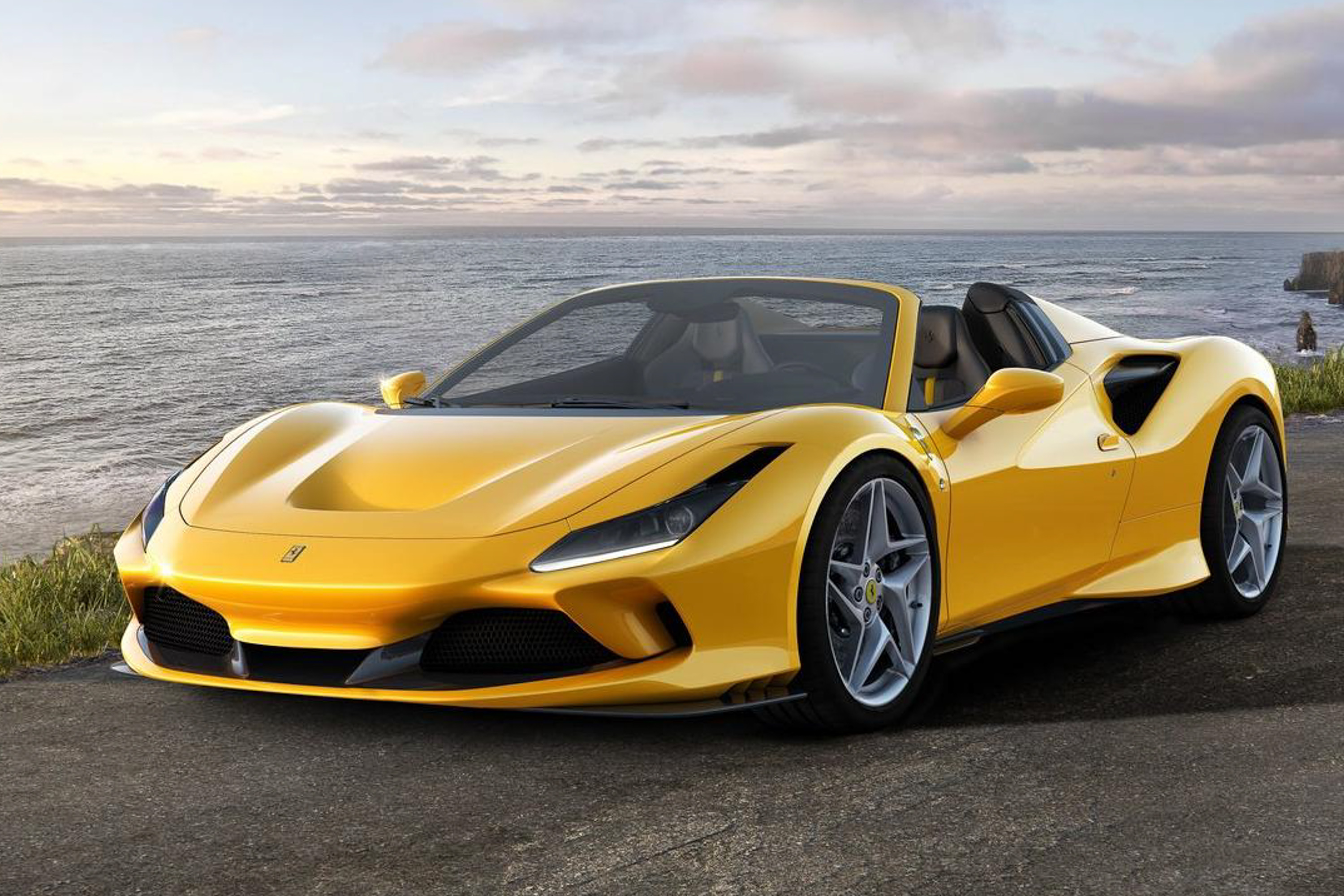
Cars With Similar Price And Features
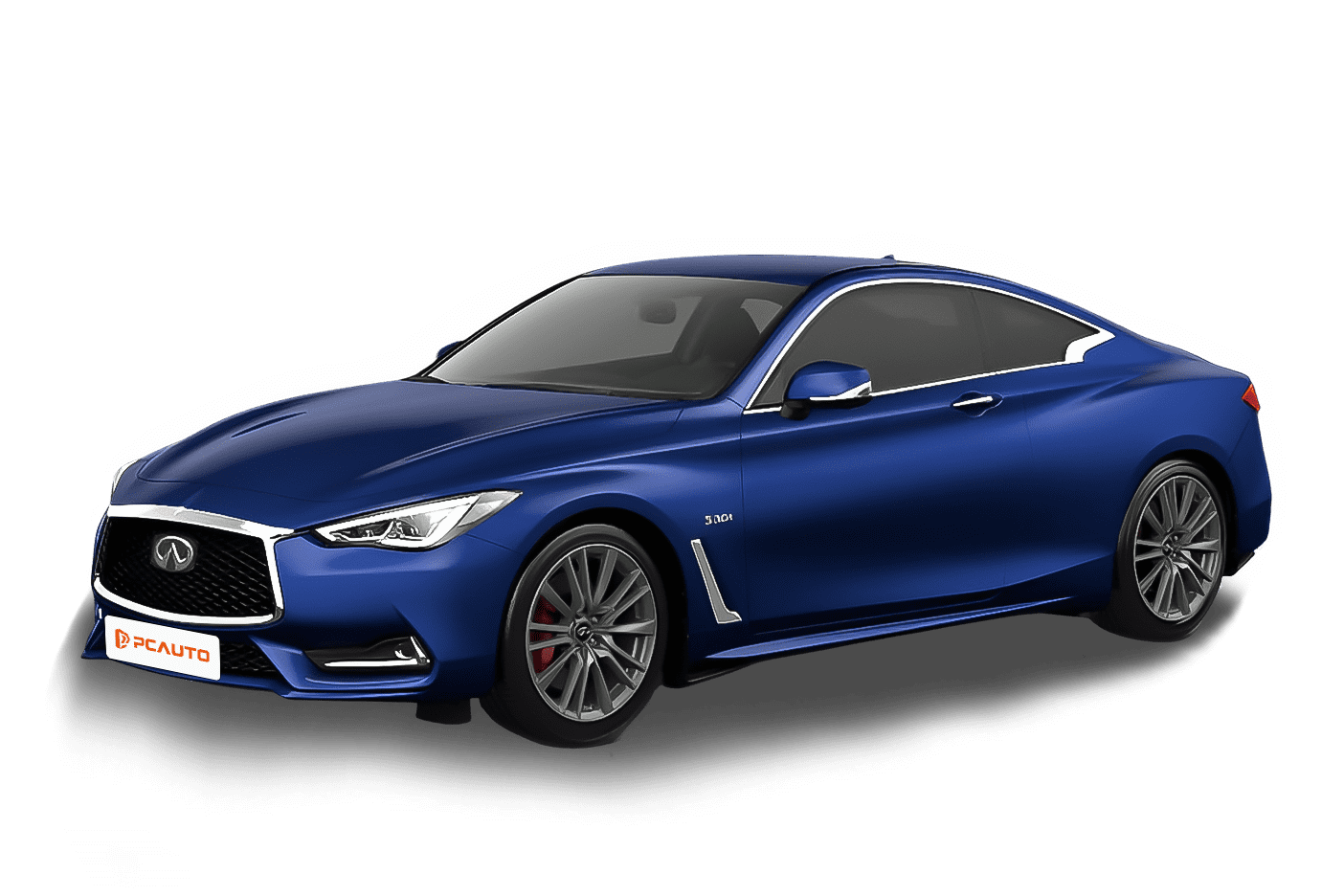
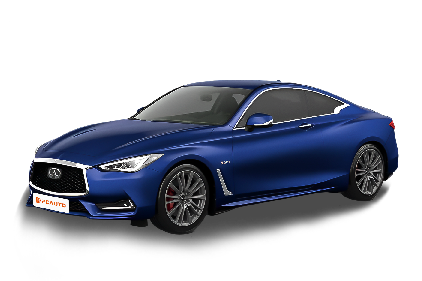
2017 Infiniti Q60 2.0t is a luxury coupe that balances sporty design and daily practicality, featuring a family-style exterior, BOSE audio system, and balanced power as its core selling points.
1
Rank in Coupe
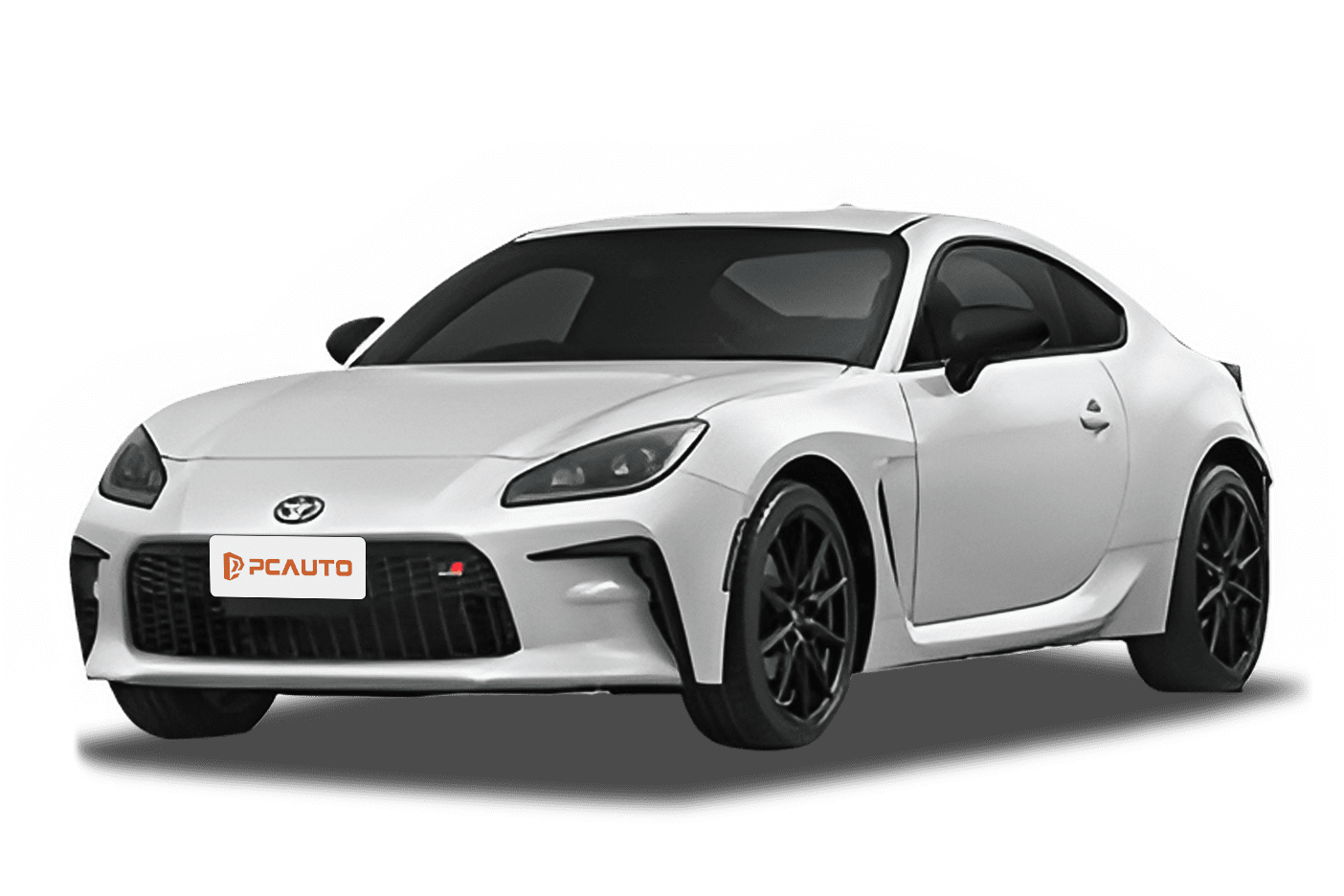
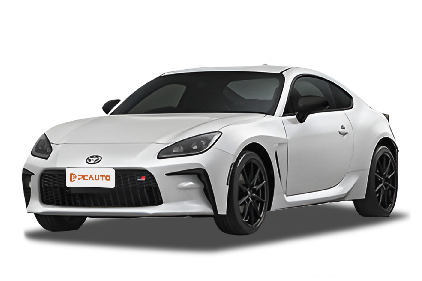
2023 Toyota GR 86 2.4 AT is a rear-wheel-drive sports coupe upgraded with a 2.4L naturally aspirated engine to address low torque issues, balancing daily commuting with pure driving pleasure.
10
Rank in Coupe
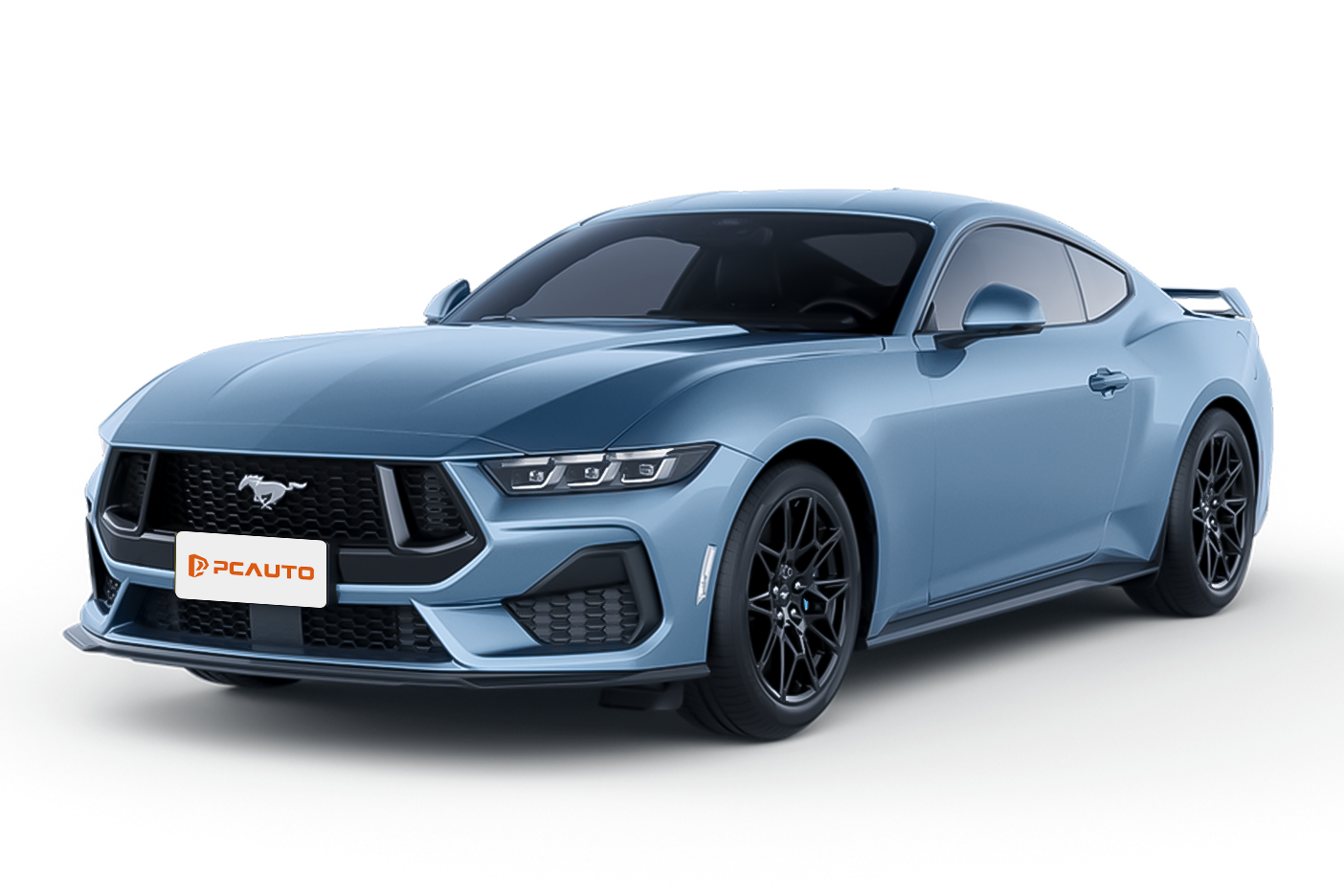
2018 Ford Mustang 2.3 EcoBoost retains the classic muscle car appearance with high cost performance, the 2.3T engine delivers 310PS horsepower, balancing performance and practicality for daily driving.
6
Rank in Coupe
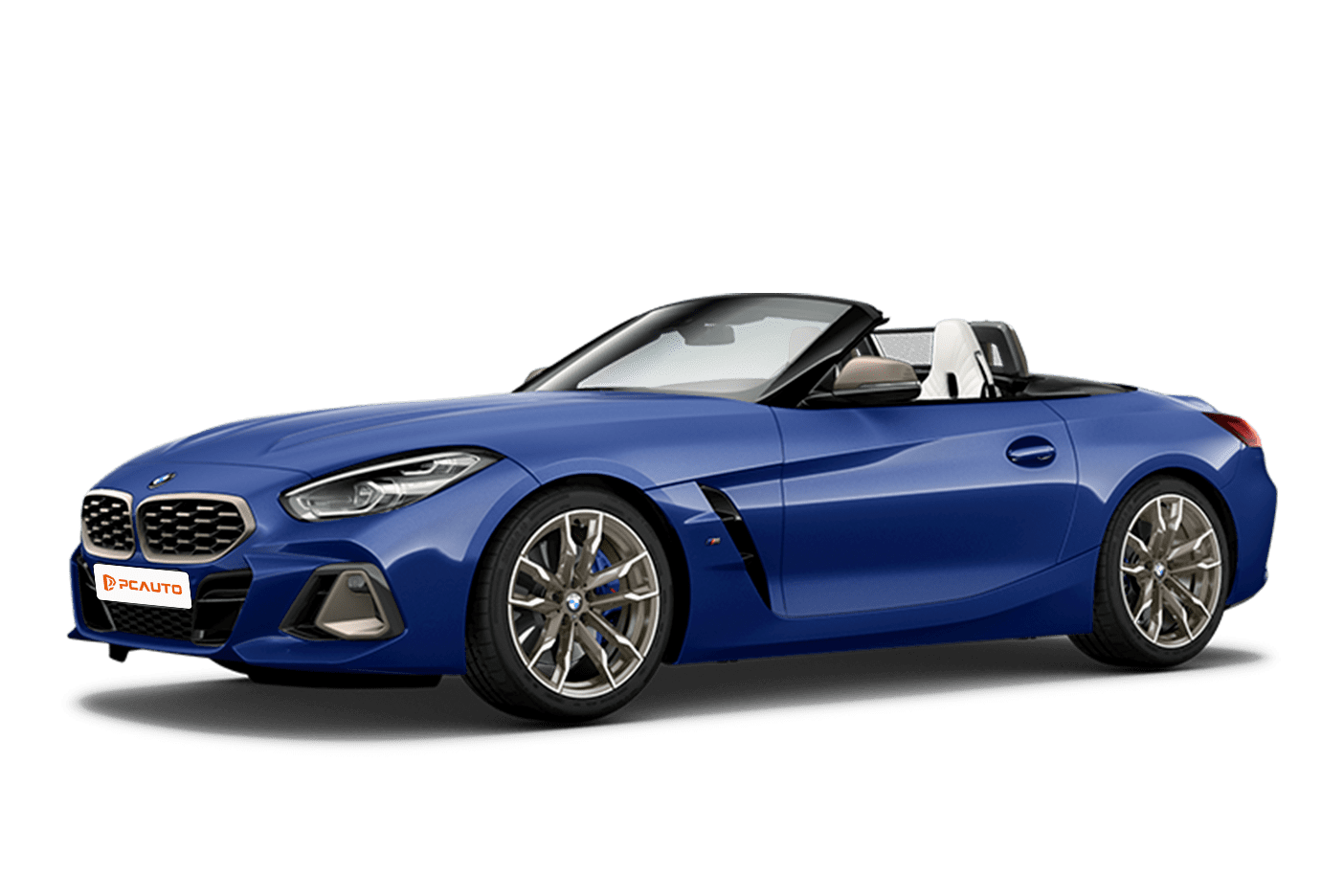
2023 BMW Z4 public, as a classic rear-wheel-drive convertible sports car, balances driving pleasure and daily practicality, with class-leading intelligent features and a compact body precisely meeting the needs of Malaysian users.