

Ferrari F8 Spider 2020 Review

 Share
Share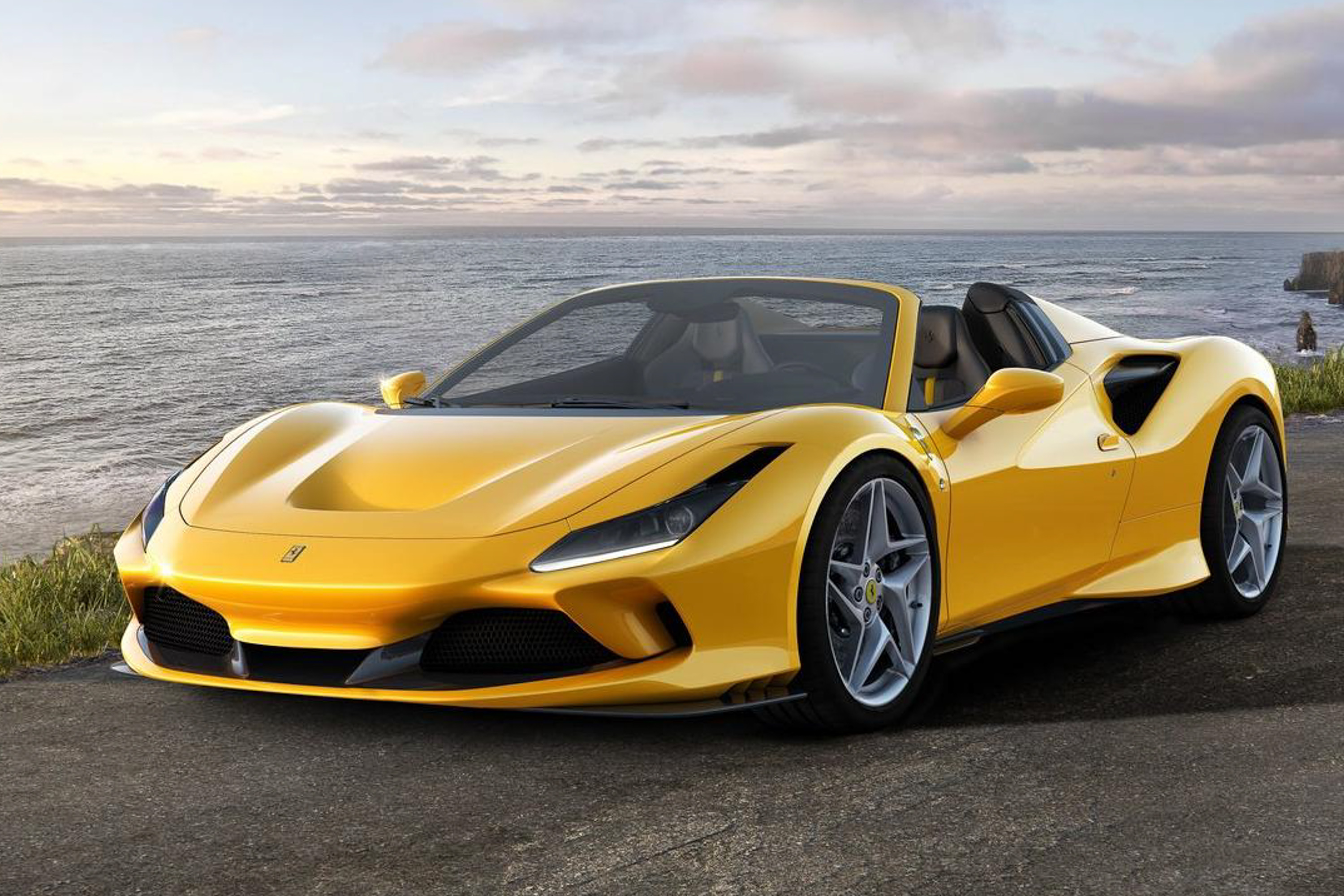
 Segment
 Body Type
 Capacity(L)
 Engine Power(PS)
 Transmission
 Engine Torque(Nm)
In recent years, consumer demand in the supercar market has gradually shifted toward "practical performance." Purely pursuing track performance is no longer the only choice, and convertible supercars that balance daily driving with performance experience have become the new favorites of high-level enthusiasts. As the successor to the Ferrari 488 Spider, the 2020 F8 Spider has been labeled as a "more balanced V8 convertible supercar" since its release. Its core selling points include a 3.9T twin-turbo engine with 720 horsepower, acceleration from 0-100 km/h in 2.9 seconds, and better-optimized practicality compared to its predecessor. This time, we got our hands on the car, and the core goal is to verify whether it can truly find the perfect balance between track excitement and daily commuting.
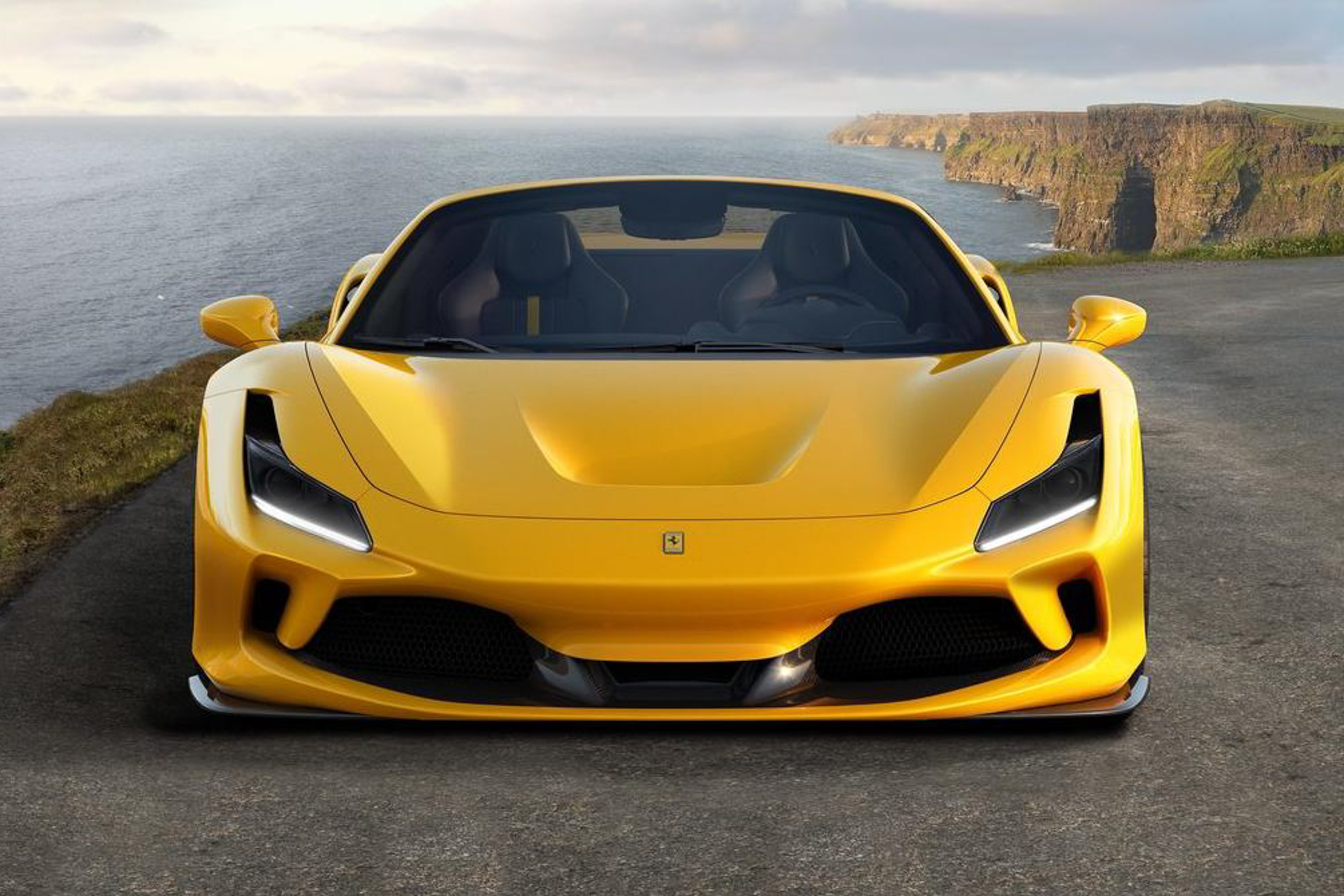
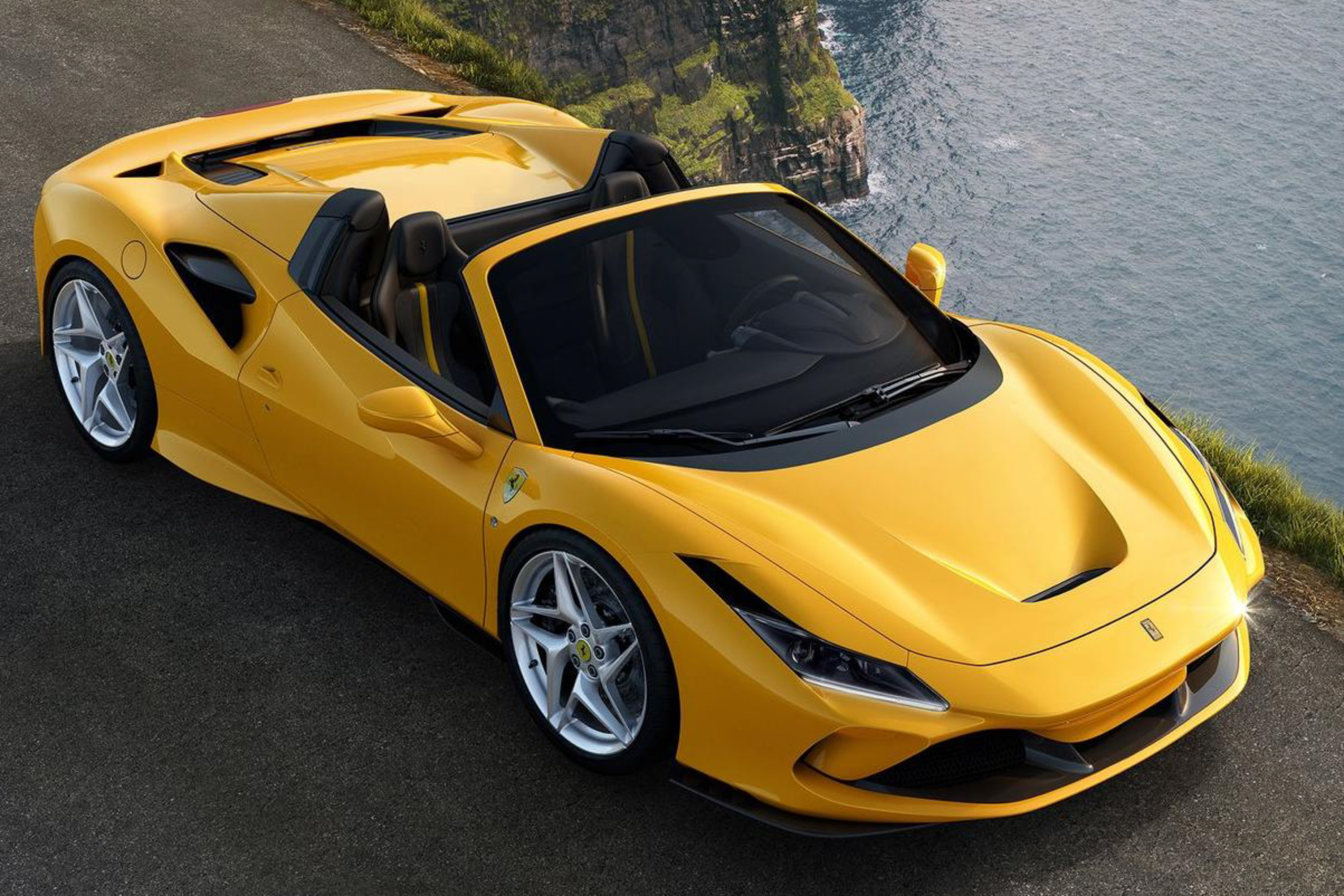
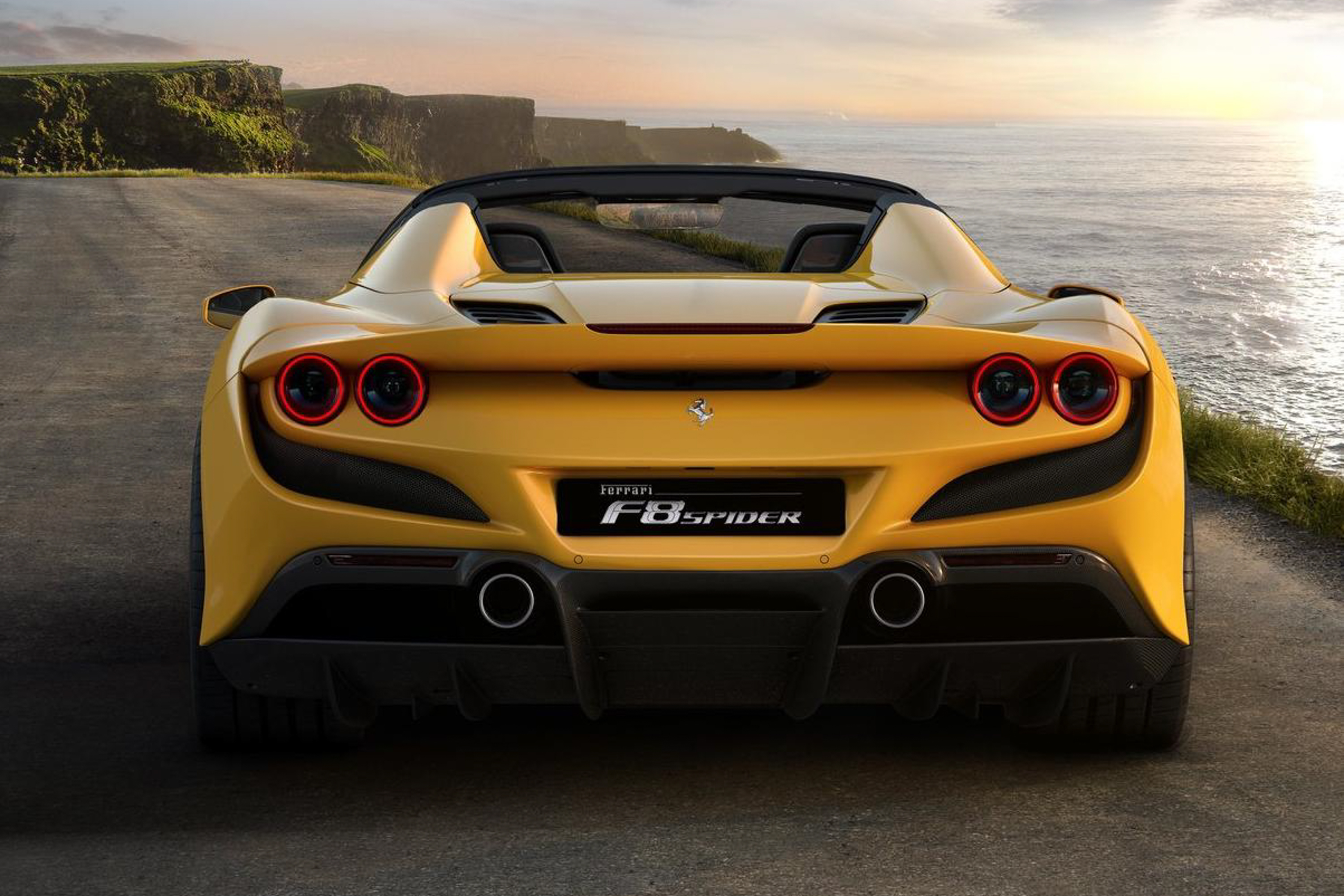
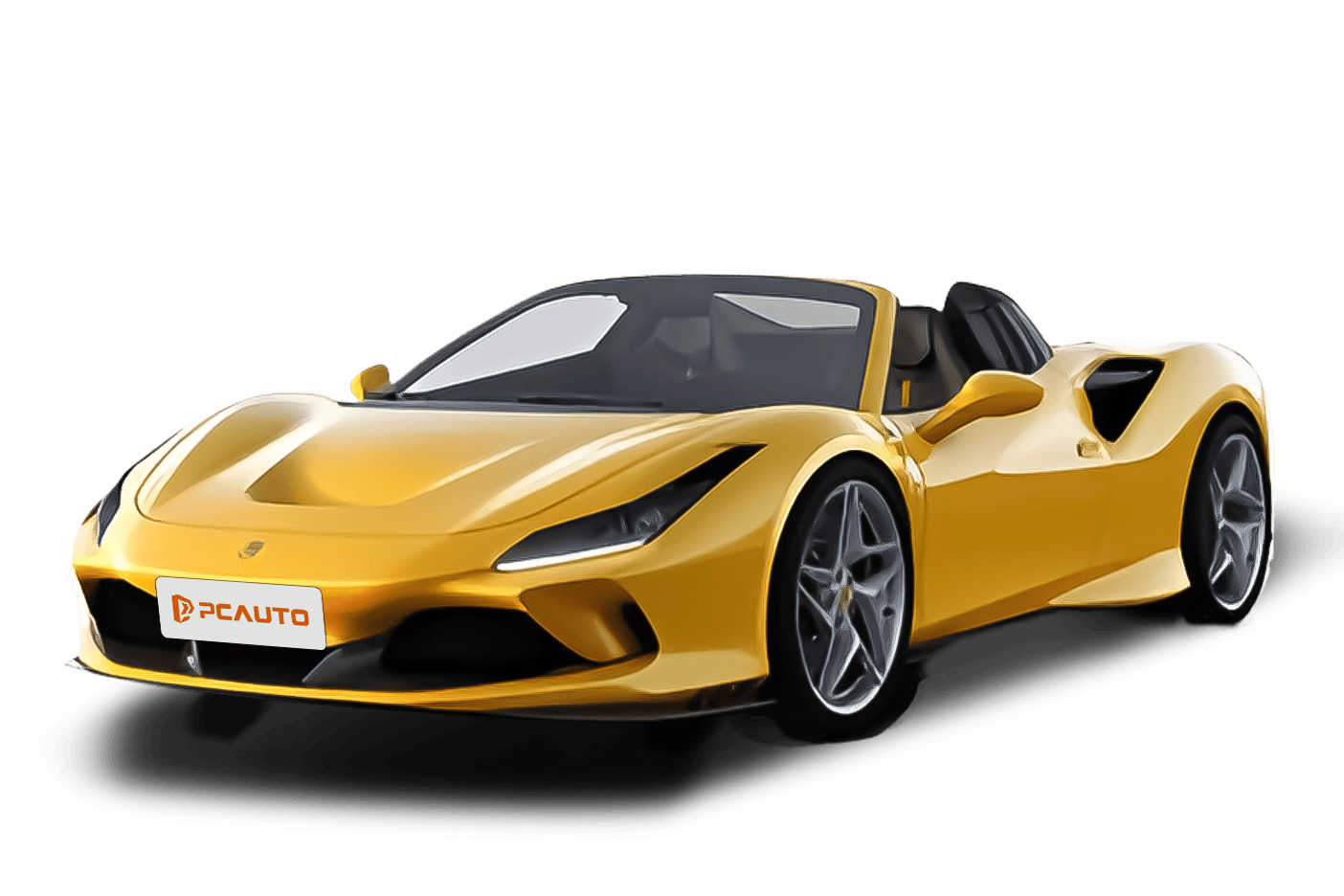
From a distance, the F8 Spider continues Ferrari’s family-style sharp lines, but its detail adjustments make it more distinctive. The front adopts a narrow design, with LED daytime running lights integrated into the headlight cluster, combined with a three-segment air intake below, which not only optimizes aerodynamics but also enhances its sporty feel. The side of the car retains the classic proportions of a mid-engine model, with a width of 1979mm and a low body stance that visually gives it a more aggressive look. Meanwhile, the waistline stretches from the door to the rear, paired with 20-inch multi-spoke wheels, maximizing its sporty vibe. The rear of the car is a design highlight: beneath the continuous LED taillights is a quad exhaust layout on both sides, while the diffuser underneath uses carbon fiber material. The overall shape is compact and layered. Notably, the soft-top convertible mechanism can be opened or closed within 14 seconds at speeds below 50 km/h, and when retracted, the roof is stored behind the seats without taking up much storage space.
Entering the interior, the F8 Spider remains driver-centric, with a simple yet fully functional layout. The center console adopts a layered design, with a 7-inch passenger display on top showing speed, RPM, and other information, and an 8.4-inch touchscreen below that supports CarPlay and basic navigation functions. Regarding material usage, the seats and interior panels feature Alcantara and leather stitching, while certain areas of the center console are covered with carbon fiber trim, ensuring a tactile and visual quality that meets the standards of a supercar. In terms of equipment, it comes standard with electrically adjustable sport seats, automatic air conditioning, keyless entry, and offers options for a carbon fiber steering wheel and racing seats. Regarding space, as a two-seater model, there's naturally no rear row to consider. The front row headroom is just sufficient for passengers up to 180cm, and the legroom is somewhat limited due to the mid-engine layout, but it's adequate for daily driving. For storage capability, the vehicle offers a 200L trunk which can fit two carry-on suitcases, and small storage areas below the center console and on the door panels can hold items like phones or wallets, marking a significant improvement in practicality compared to the previous 488 Spider.
Sitting in the driver’s seat and starting the car, the sound of the 3.9T twin-turbo V8 engine is not as wild as track-focused models, and the idling vibration is well controlled, making it feel unobtrusive for daily use. In terms of power specifications, the engine delivers a maximum horsepower of 720 and peak torque of 770 N·m, paired with a 7-speed DCT transmission, with an official 0-100 km/h acceleration time of 2.9 seconds. During actual driving, when switched to Comfort mode, power delivery is relatively smooth, and the throttle response is not overly sensitive, making it suitable for urban commuting. Switching to Sport mode makes the throttle pedal feel heavier, the gear shifting faster, and the engine revs stay above 3000 RPM. At this point, stepping on the throttle delivers instant thrust, making overtakes effortless, with no concerns about power reserves. In Track mode, the engine sound becomes more aggressive, and the backfire noise during gear shifts is enough to ignite the desire for driving. The 2.9-second 0-100 km/h acceleration performance is easily achieved during actual tests, and the sensation of acceleration is even more striking than the raw data suggests.
Handling and chassis performance are among the core strengths of the F8 Spider. The steering wheel is precise with almost zero play; the steering effort is moderate at low speeds and automatically tightens up at high speeds, giving the driver enough confidence. The chassis adopts a front double wishbone and rear multi-link suspension, with standard adaptive damping system. In Comfort mode, the suspension absorbs most of the subtle vibrations on bumpy city roads and doesn’t feel overly stiff like traditional supercars; in Sport mode, the suspension stiffens up, providing excellent body roll control in corners. While cornering, the tire grip can be clearly felt, and the handling limits are very high. In specific tests, we measured the 100km/h braking distance on a closed track, and multiple tests stabilized the results at around 32 meters, which is in line with supercar standards. Regarding fuel consumption, the city average is about 15L/100km, and highway consumption is around 10L/100km. Considering the 720 horsepower engine, this fuel consumption is fairly reasonable.
In terms of driving comfort, the F8 Spider performs better than expected. When the soft-top roof is closed, cabin noise control is excellent, with wind and tire noise at 120km/h remaining within an acceptable range. With the roof opened, the wind deflector automatically rises to effectively block airflow from entering the cabin, ensuring normal conversation even at high speeds. The seats offer great support with strong bolstering around the waist and legs, making long drives less tiring. Notably, the gearbox operates smoothly in daily driving mode, with almost no noticeable jerkiness, which makes it exceedingly friendly for city commutes.
Overall, the core highlights of the 2020 F8 Spider stand out: the robust 720-horsepower engine, a 2.9-second 0-100km/h acceleration time, improved everyday usability compared to its predecessor, and the added allure of the Ferrari brand. Compared to similar models like the Lamborghini Huracán Evo Spyder, the F8 Spider is more price-friendly (with a domestic list price of 1.178 million RMB) while also offering better daily driving comfort and practicality. When compared to the McLaren 720S Spider, the F8 Spider's brand premium and racing heritage are more appealing to consumers.
Taking into account the overall performance, the F8 Spider fully aligns with the positioning of a "well-rounded mid-engine convertible supercar." It can deliver thrilling driving pleasure on the track, while also maintaining sufficient comfort and practicality for daily commuting. The target audience is clear: first, supercar enthusiasts who value both brand and performance but occasionally need a car for daily use; and second, high-income young individuals who pursue a quality lifestyle and enjoy driving a convertible.
In conclusion, the 2020 F8 Spider is a mid-engine convertible supercar without any obvious shortcomings. It strikes the perfect balance between performance, comfort, and practicality. If you want a Ferrari convertible that is equally at home on the racetrack and on the streets, it is undoubtedly the top choice.
Ferrari F8 Spider Car Compare

Ferrari F8 Spider Loan Calculator
More Ferrari Reviews
Cars With Similar Price And Features
1
Rank in Convertible
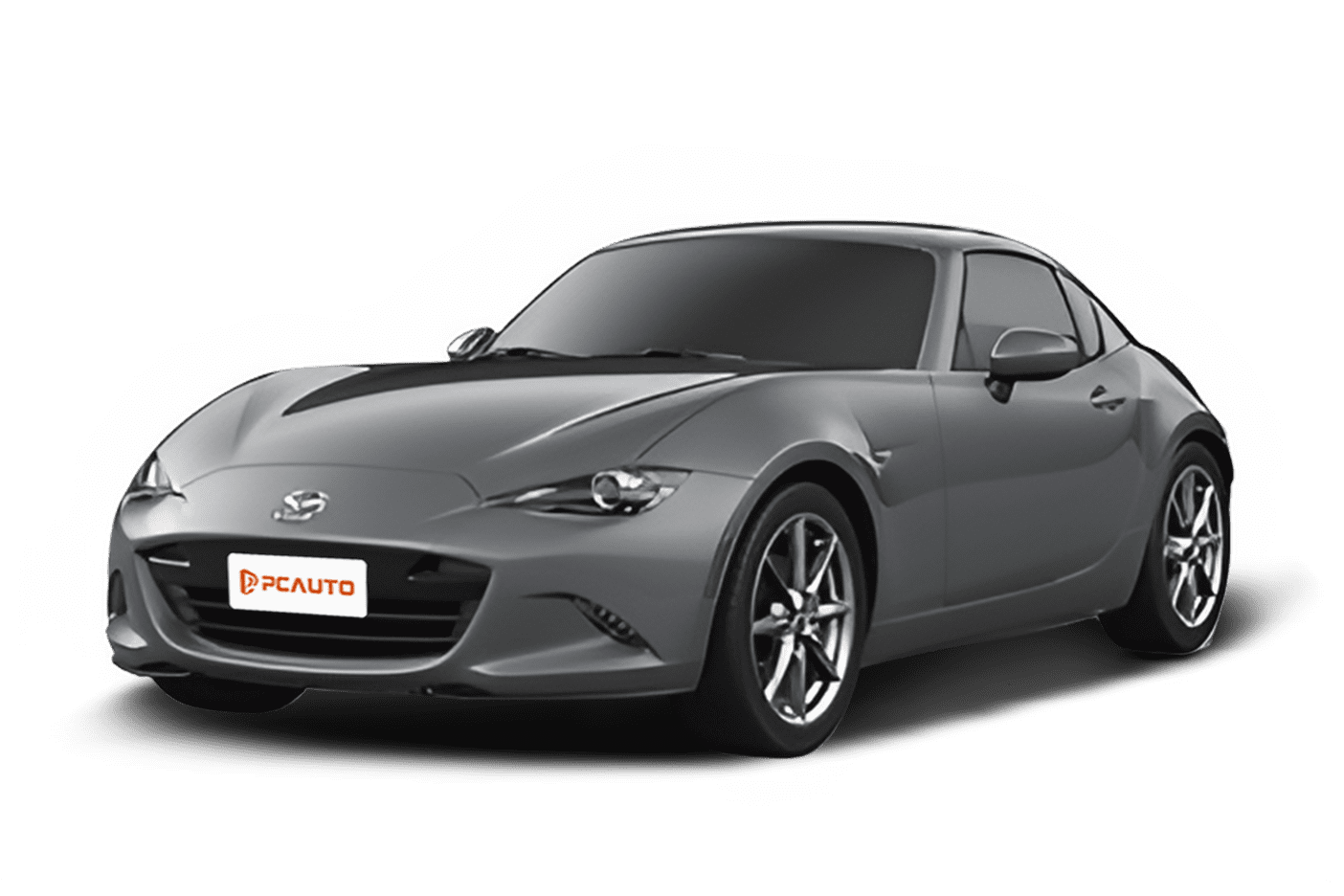
2025 Mazda MX-5 RF 2.0 MT is a hardtop manual sports car with precise handling and pure driving pleasure, balancing daily practicality with mountain road excitement, continuing the "Jinba Ittai" experience.
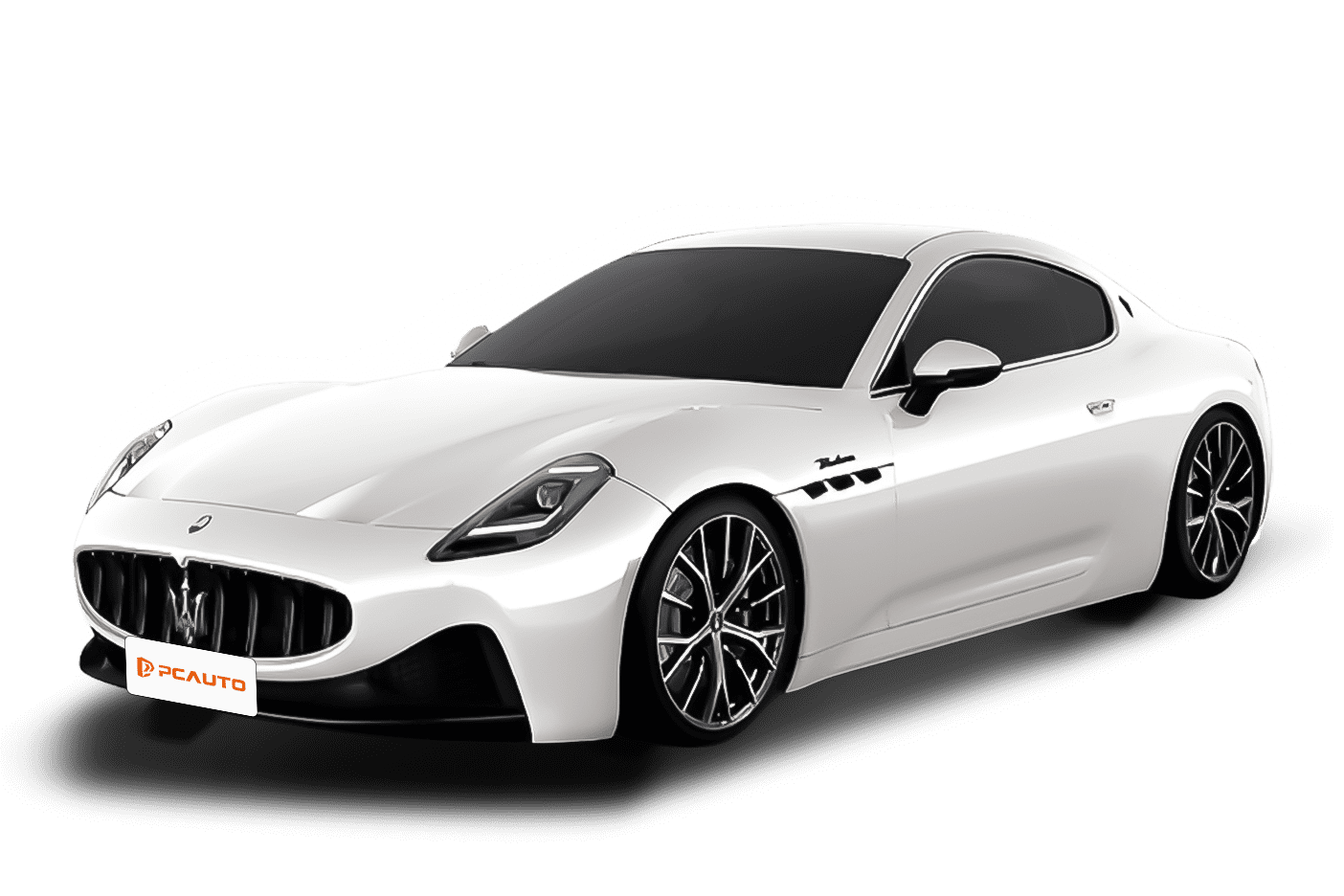
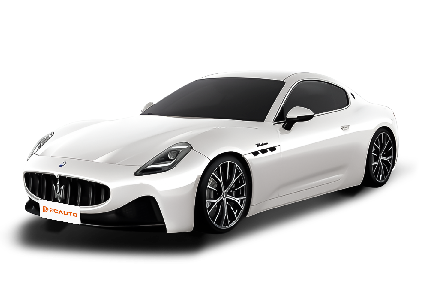
2024 Maserati GranTurismo Modena is a luxurious GT that combines 490PS performance, all-wheel drive, and practical space, defining a new experience for luxury two-door cars with a balanced performance suitable for daily driving.

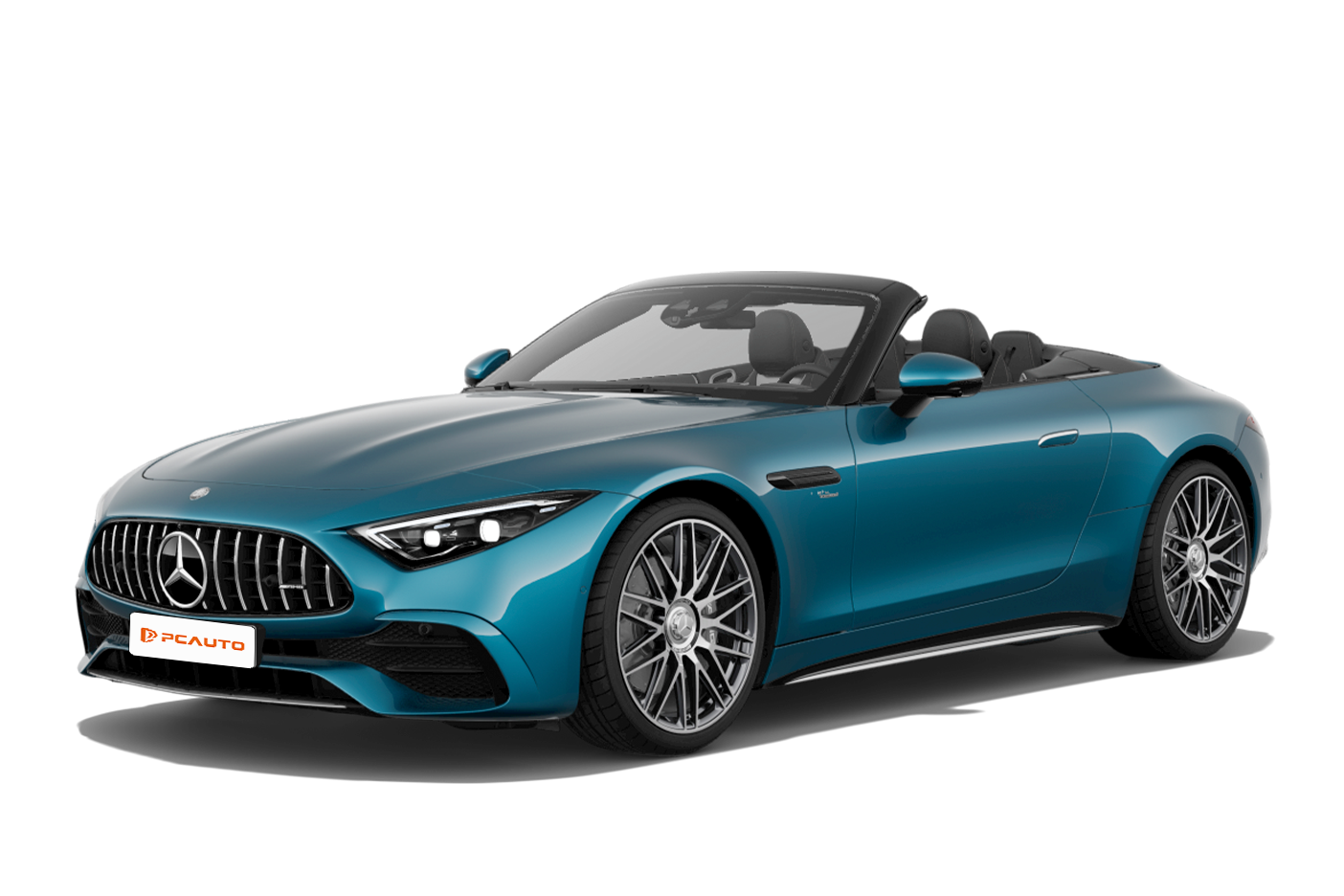
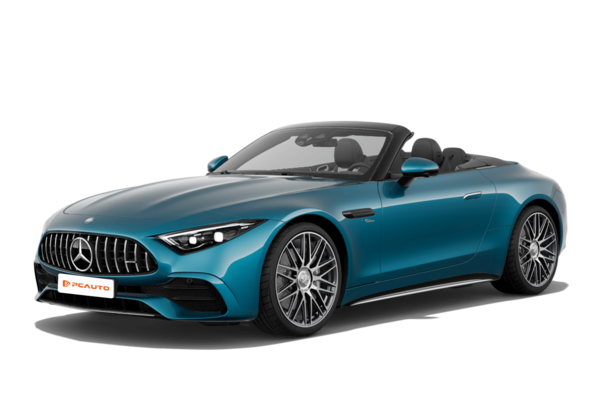
2025 Mercedes-Benz AMG SL-Class 63S E Performance achieves a super strong output of 816PS with a 4.0T V8 + plug-in hybrid system, balancing 2.9-second 0-100 km/h performance and short-distance pure electric commuting, setting a benchmark for luxury hybrid GT sports cars.
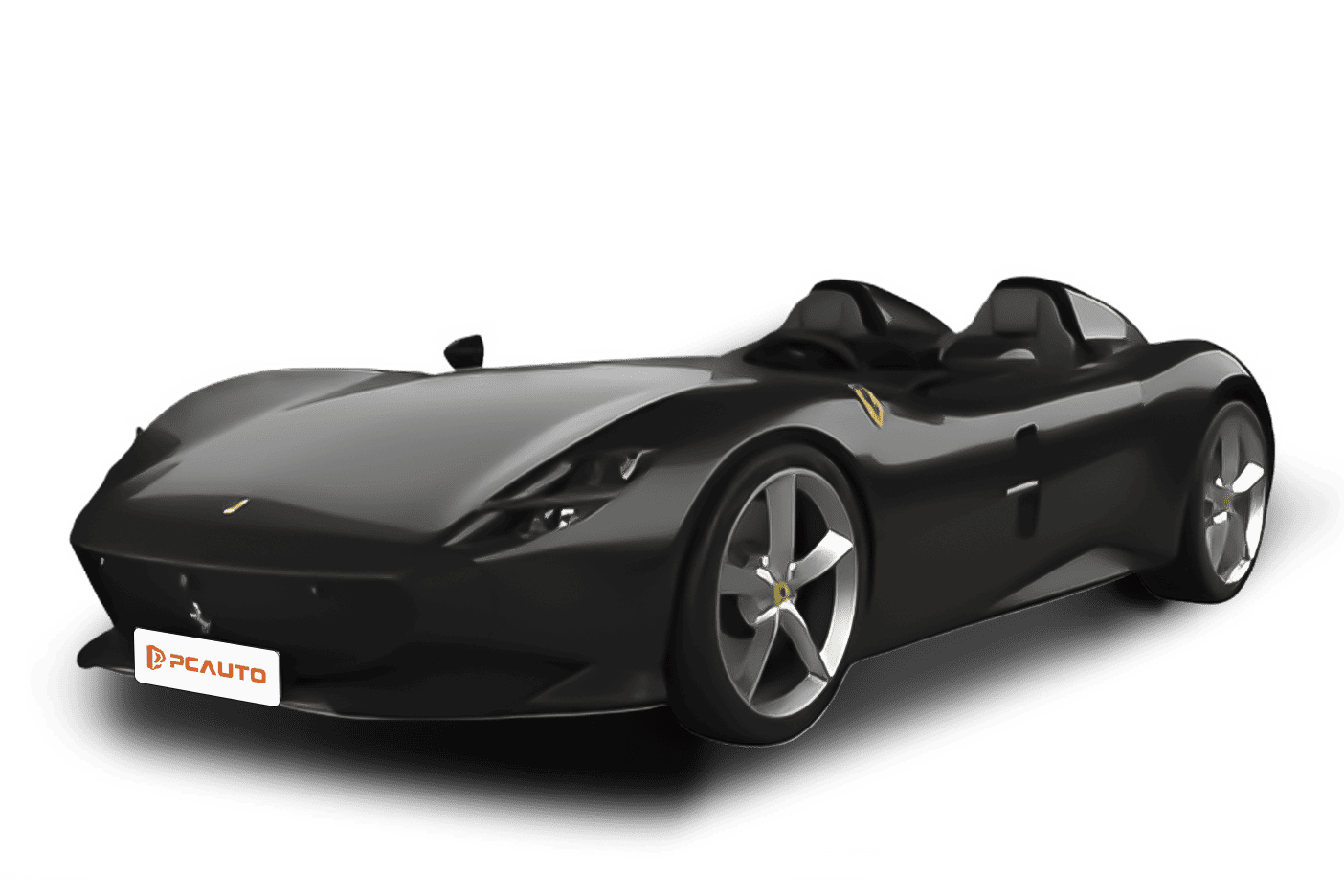
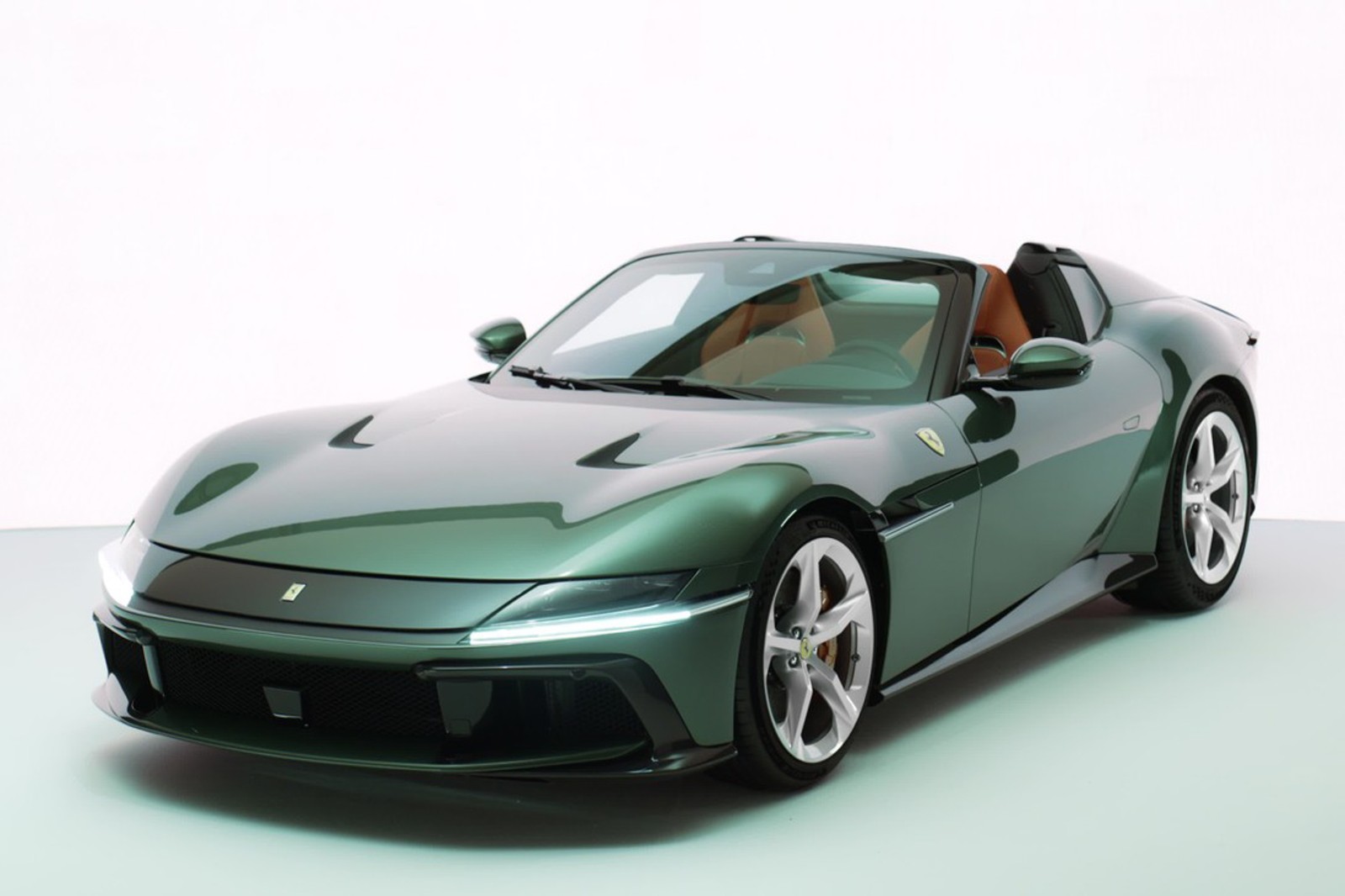
2019 Ferrari Monza SP2 V12 is an Icona series limited-edition convertible supercar, featuring a roofless Barchetta design + 810-horsepower V12 engine, embodying pure racing genes and retro aesthetics.