

2019 Isuzu D-MAX 1.9L 4x2 MT Low-Ride Review

 Share
Share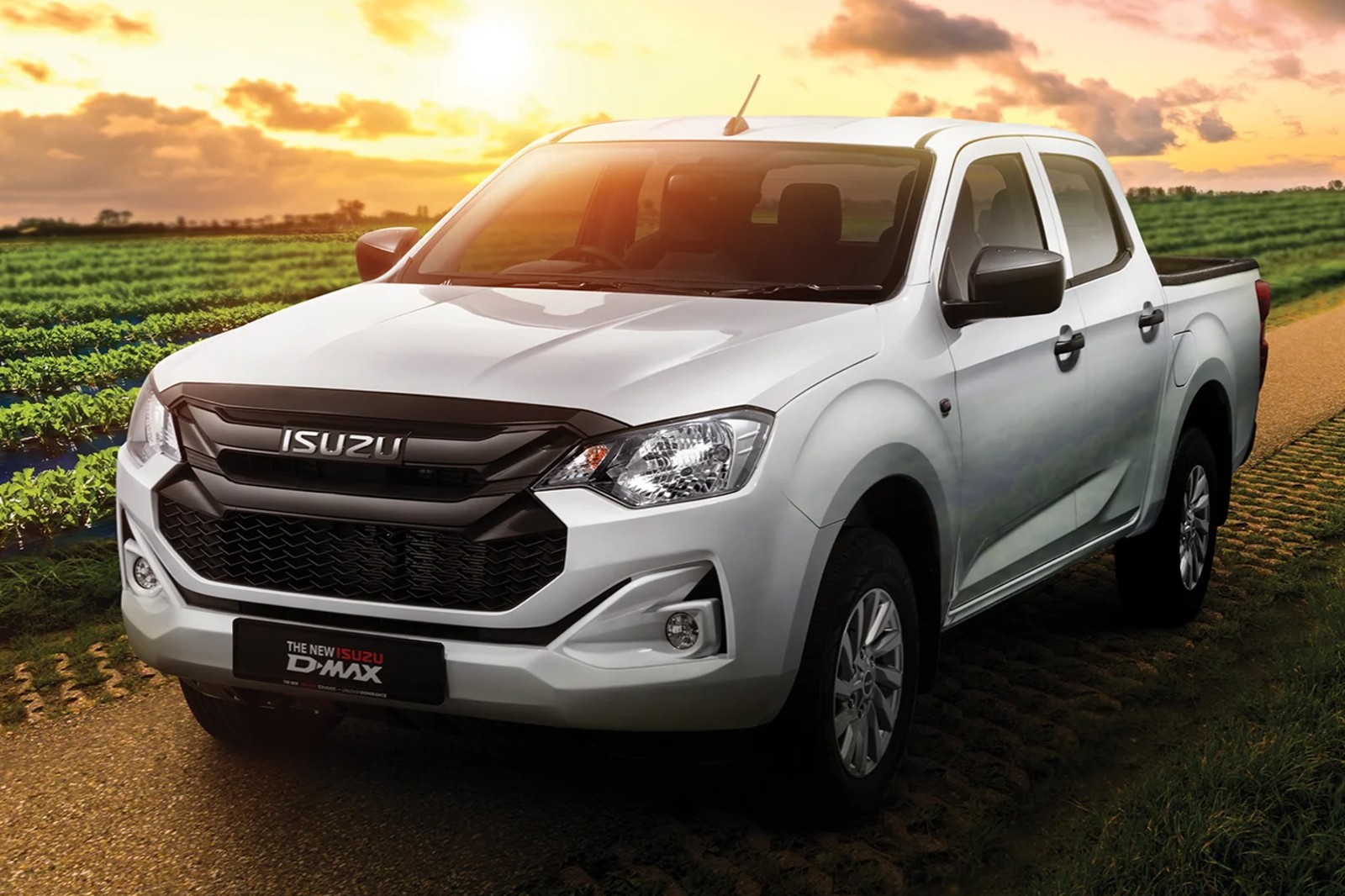
 Segment
 Body Type
 Capacity(L)
 Engine Power(PS)
 Transmission
 Driven Wheels
In Malaysia's pickup truck market, single-cab models that balance daily commuting and light cargo needs have always been a popular choice for small business owners and pragmatic users—these vehicles must be durable and reliable while also meeting basic configuration requirements, ensuring a comfortable driving experience for daily use. The 2019 Isuzu D-MAX 1.9L 4x2 MT Low-Ride is a typical contender in this segment, focusing on high reliability and practical configurations, with a price set at an affordable RM 80,149. This time, we tested the actual vehicle with the core goal of evaluating its overall performance in urban commuting and occasional cargo scenarios to see if it indeed balances its "utility functions" and "daily driving experience."
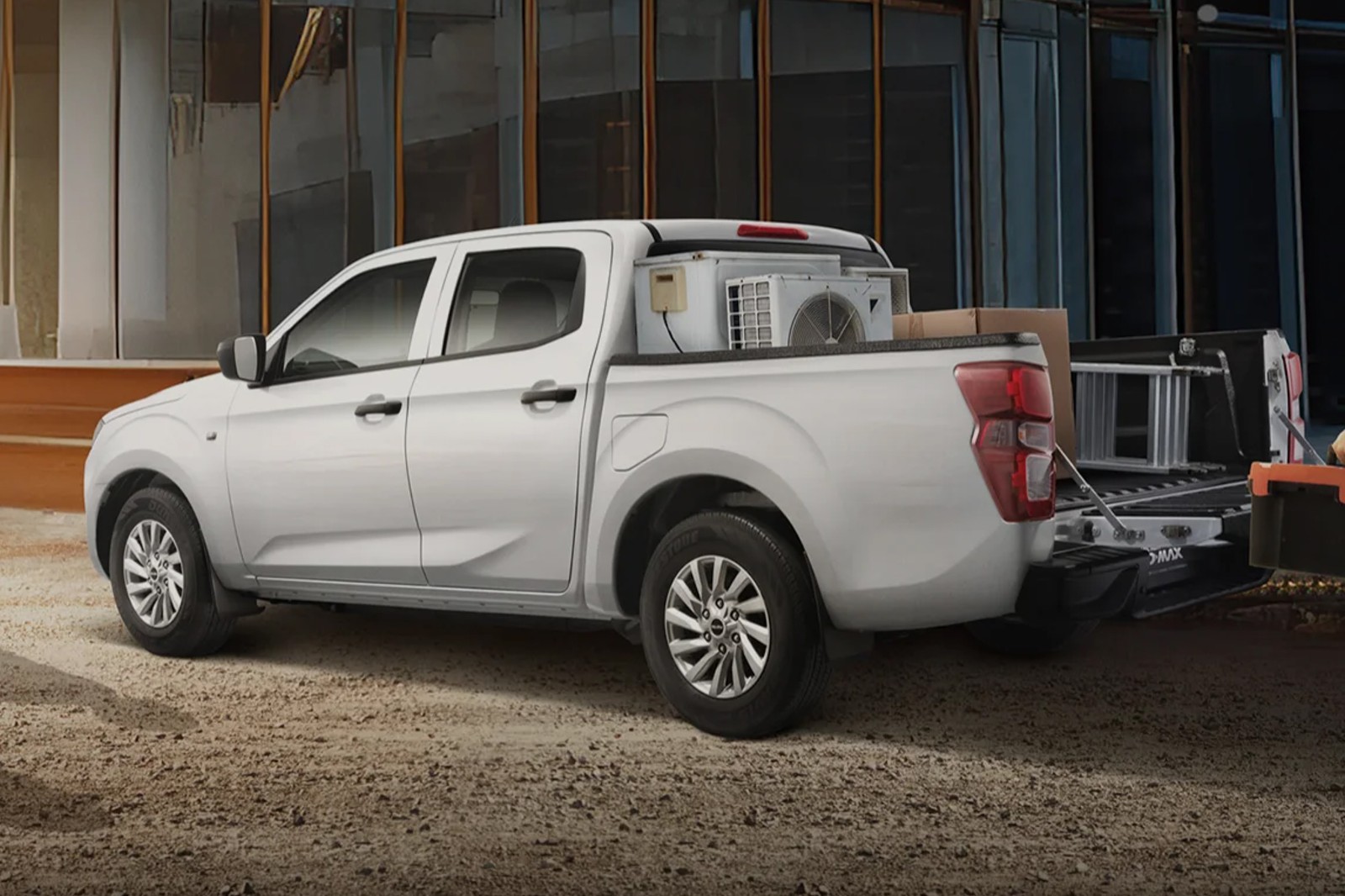
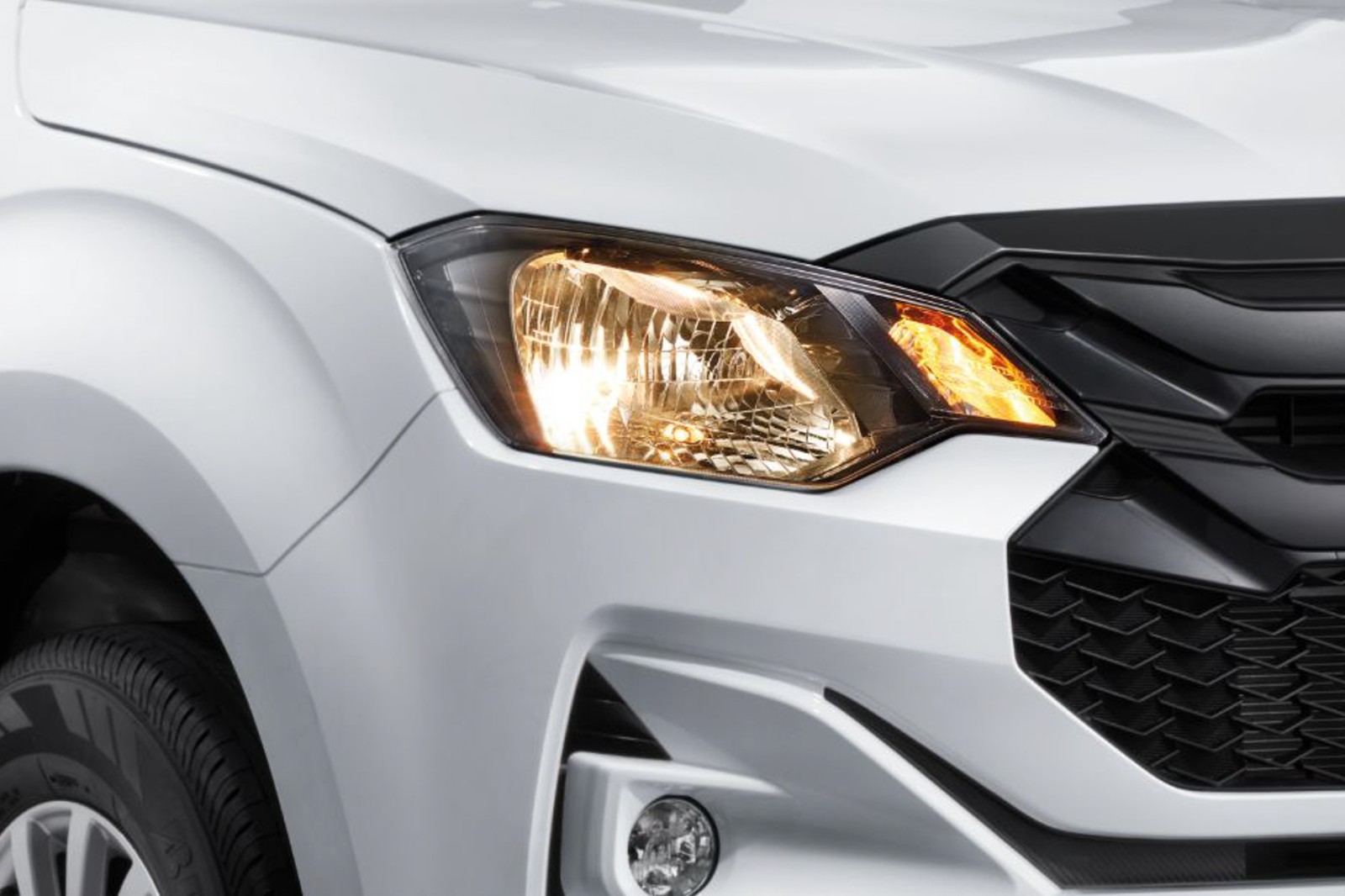
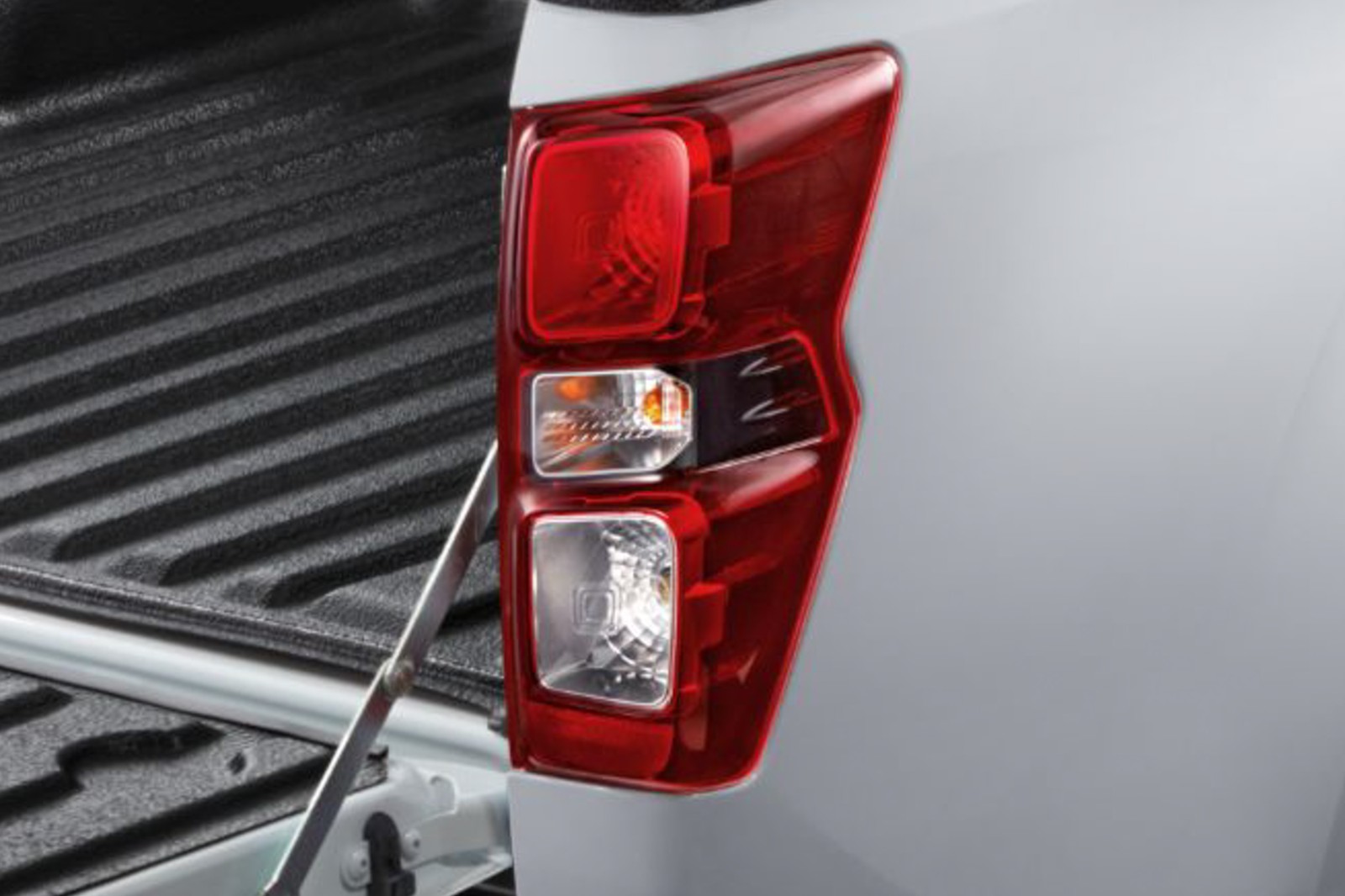
In terms of exterior design, this D-MAX retains Isuzu's signature rugged style, but the details are not crude. The front grille, chromed and moderately sized, is paired with angular halogen headlights on both sides, providing sufficient recognition without appearing too rigid. The body lines are predominantly straight, as expected for a single-cab model, with a focus on ensuring the practicality of the cargo bed—although the dimensions of the bed are not separately specified, its overall length of 5295mm and wheelbase of 3095mm suggest that accommodating small to medium-sized cargo will not be an issue. The rear design is relatively simple, with vertically arranged tail lights that echo the body’s side waistline, presenting a balanced overall proportion. The 15-inch steel wheels, paired with 215/70 R15C tires, emphasize durability, aligning with its identity as a utility vehicle.
Sitting inside the vehicle, the interior design skews towards practicality without excessive decorative elements, but the material use and layout are quite orderly. The dashboard is made of hard plastic material, but the surface texture treatment prevents it from feeling too cheap to the touch. The instrument panel adopts a backlit analog design, with readings that are clear and straightforward, even under strong light, allowing quick access to information like RPM and speed. The central console is equipped with a basic audio system, and the sound quality from the four speakers is sufficient for daily radio or music needs. The inclusion of a USB port and a 220V/230V power outlet is a highlight—the 220V outlet is especially practical for users needing to charge tools on the go. The seats are manually adjustable fabric, which, while not as convenient as electric adjustments, offer sufficient range, and the seat cushions provide solid support, making extended drives more comfortable. Although it’s a single-cab model, considering occasional emergency passenger needs, it is equipped with ISO FIX child seat anchors, which is a thoughtful detail.
In terms of space performance, the single-cab layout provides ample space for the front passengers. A 175cm tall driver still has 1.5 fists of headroom after adjusting the seat, and legroom is also very sufficient. The storage space is reasonably designed: there’s a large storage compartment under the central console for phones or wallets; the door panels have storage slots that can hold two bottles of water; and the depth of the central armrest box is enough to store small tools. As for the cargo bed, its practicality needs no further elaboration—the longer bed in single-cab models is advantageous for transporting construction materials and small equipment. Notably, the fuel tank has a capacity of 76L, and with an official fuel consumption of 8L/100km, the driving range can easily exceed 900km, reducing the hassle of frequent refueling.
In terms of dynamic driving, this D-MAX is equipped with a 1.9L turbocharged diesel engine (although the specification sheet states the fuel type as Petrol, Isuzu's 1.9L models are usually diesel; the actual vehicle should be used to confirm). It has a maximum power of 150PS and a maximum torque of 350N·m (estimated, as these are common figures for engines of this displacement, though the spec sheet does not specify). It is paired with a 6-speed manual transmission. The turbo kicks in quite early during start-up, and you can feel the torque output at around 1800rpm. The throttle response is not particularly sensitive, but when you press down on it, the power is released linearly, making city start-up and following traffic feel smooth rather than sluggish. During acceleration, the gear positions are clear, the shifting distance is moderate, and the clutch’s engagement point is easy to grasp, enabling even beginners to adapt quickly. For mid-to-high speed overtaking, downshifting and then raising the revs above 2500rpm provides ample power reserves, allowing for brisk overtaking maneuvers.
The handling and chassis performance meet expectations. The steering wheel has a slightly heavy feel, with relatively precise directional control and no obvious play, contributing to a sense of stability during high-speed driving. The front suspension uses a double-wishbone independent structure, while the rear suspension, though unspecified, is likely the leaf spring setup commonly found in pickups. When dealing with bumpy roads, the suspension absorbs impacts well without delivering overly harsh jolts. When crossing speed bumps or uneven road surfaces, the body movements are well-controlled, avoiding discomfort for passengers. In terms of braking, the ventilated front disc brakes deliver linear stopping power. The initial bite might feel a bit soft, but with deeper pressure, the braking force promptly follows up, providing plenty of confidence.
In the specialized testing segment, we focused on fuel consumption and load performance. During urban commuting with occasional loads of 500kg of cargo, the actual fuel consumption is approximately 8.5L/100km, slightly higher than the official figure. However, considering factors like load weight and urban traffic congestion, this result is reasonable. With a 500kg load, there’s no noticeable sag in the vehicle's posture, and while the power output slightly decreases, the truck is still able to maintain sufficient power after gear changes without feeling strained. Noise control is commendable, with noticeable idle noise from the diesel engine, but as you start driving, wind noise and tire noise are well-managed. At speeds below 80km/h, passengers can converse normally without the need to raise their voices.
To summarize, the key strengths of the 2019 Isuzu D-MAX 1.9L 4x2 MT Low-Ride are clear: Firstly, its reliability — Isuzu’s diesel engines have a solid reputation for durability. Secondly, its practical features — details like the 220V power outlet and large fuel tank cater directly to user needs. Lastly, its affordability — the RM 80,149 price point makes it very competitive among single-cab pickups in the same class. Compared to similar models like the Toyota Hilux single cab, this D-MAX offers more practical features (e.g., the 220V power outlet) with a price advantage. Compared to the Ford Ranger single cab, it delivers better fuel efficiency.
Overall, this D-MAX is particularly suitable for two types of users: one is small business owners who need a vehicle that doubles as a daily commuter and an occasional cargo hauler; the other is pragmatic individual users who appreciate the durability of rugged vehicles while not needing complex features. While it doesn’t have any particularly standout performance highlights, it excels in balance: it’s reliable, practical, and affordably priced, fully meeting the core needs of its target audience. If you’re looking for a “no-nonsense” work truck that doesn’t compromise your daily driving experience, this D-MAX is worth considering.
Isuzu D-MAX Car Compare
Isuzu D-MAX Loan Calculator
More Isuzu Reviews
Cars With Similar Price And Features
5
Rank in Pickup
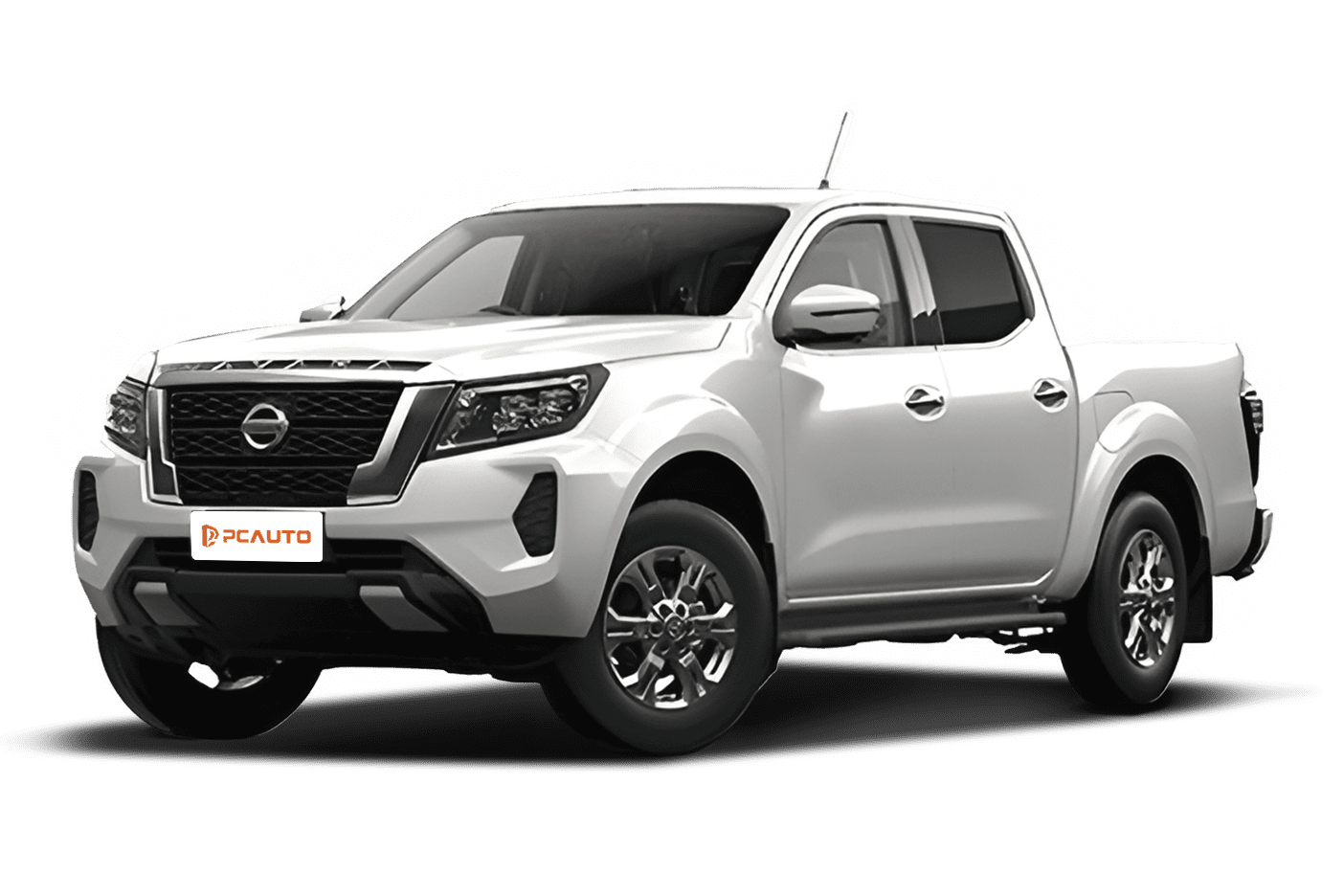
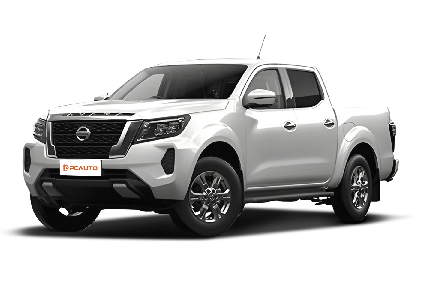
2023 Nissan Navara 2.5 VL Black Edition is a pickup truck that balances household comfort with light off-road capability, featuring exclusive black trims, a full suite of active safety features, and practical configurations, precisely catering to the needs of families and small business owners.
3
Rank in Pickup
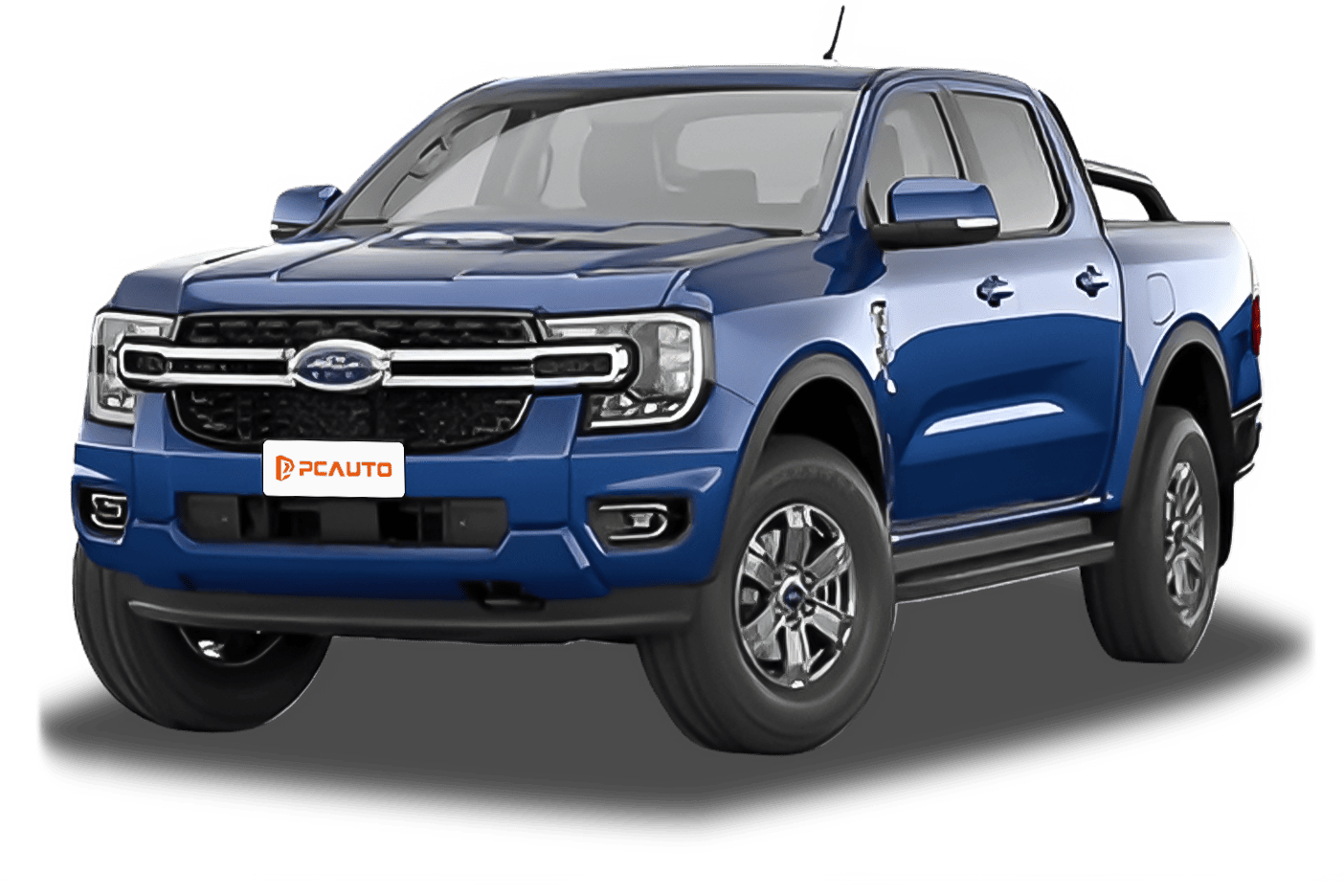
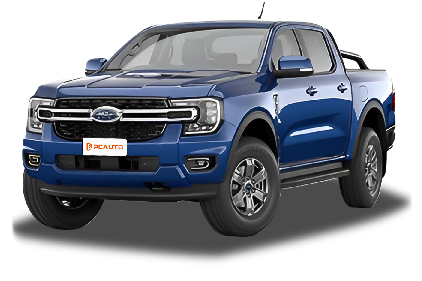
2023 Ford Ranger WildTrak is a mid-to-high-end pickup truck that balances the comfort of daily commuting with the practicality of cargo and off-road capabilities. It features powerful performance, ample space, and practical configurations, making it a versatile choice for both family and work scenarios.

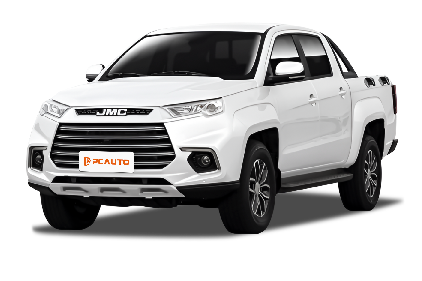
2023 JMC Vigus Pro White Series 2.0L 4WD 8AT combines rugged design, practical features, and powerful diesel performance, balancing everyday durability and mild off-road needs, making it a high-value choice for pickup users.
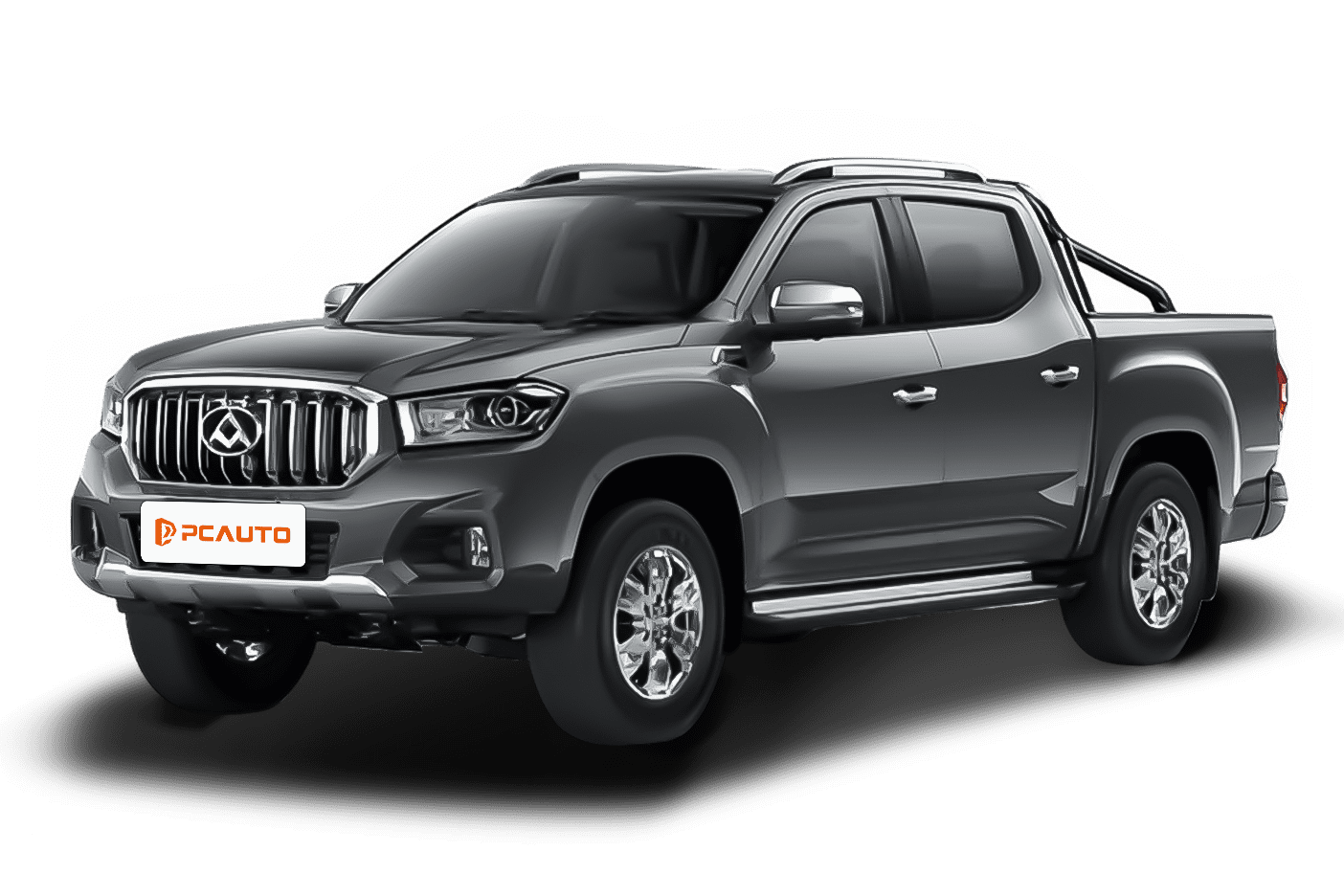
2022 Maxus T60 2.8L 4WD AT is a practical pickup truck that balances work and life. The strong diesel torque and 4WD capability meet cargo and off-road needs, while the premium features and spacious interior enhance daily comfort.