

2021 Isuzu D-Max 3.0 4x4 X-Terrain AT Review

 Share
Share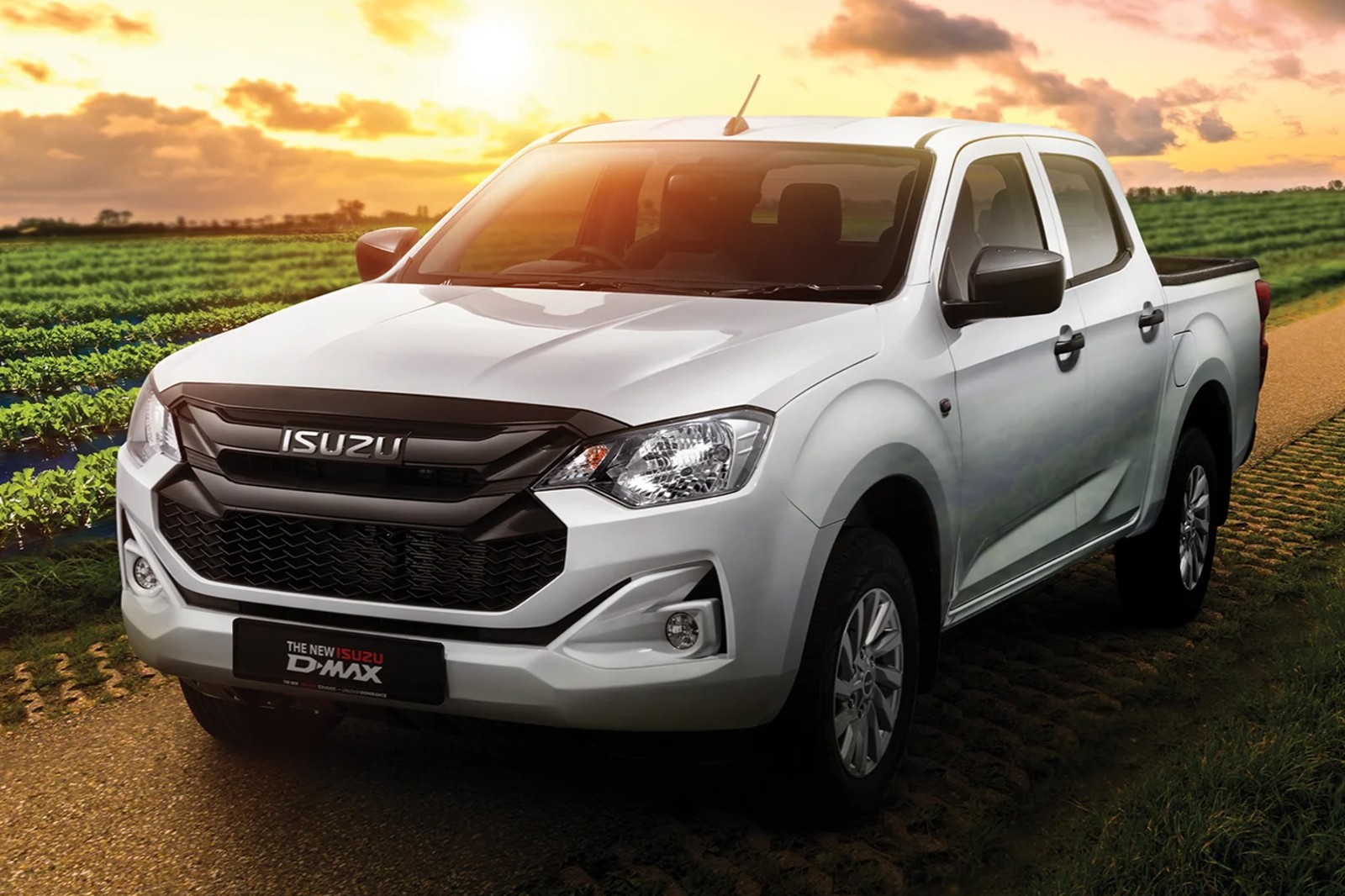
 Segment
 Body Type
 Capacity(L)
 Engine Power(PS)
 Transmission
 Driven Wheels
In 2021, the pickup truck market continued competing around practicality and upgrades for passenger use. Consumers want robust performance capable of handling construction sites and wilderness, while also expecting comfort and smart configurations for daily commuting — the Isuzu D-Max 3.0 4x4 X-Terrain AT is positioned as a mid-to-high-end pickup model targeting this "all-around demand." It is equipped with a 3.0T diesel engine and a four-wheel-drive system, along with comprehensive passenger-friendly features such as seven airbags and advanced safety packages. The official 7-year unlimited mileage warranty further boosts confidence. This test drive focuses on verifying whether this pickup can truly balance "work" and "family use," whether its core configurations are practical, and whether its power and fuel consumption meet expectations.
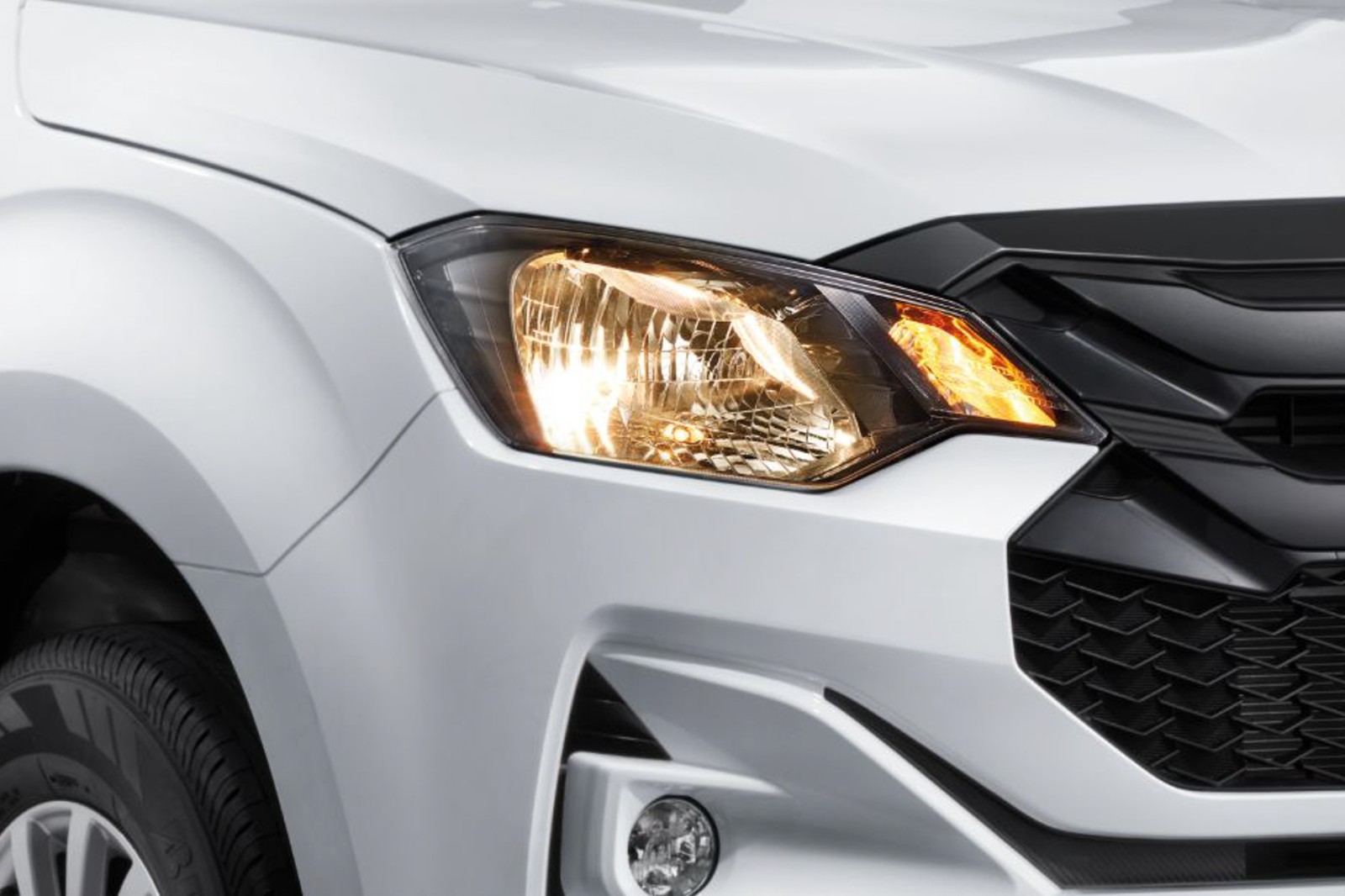
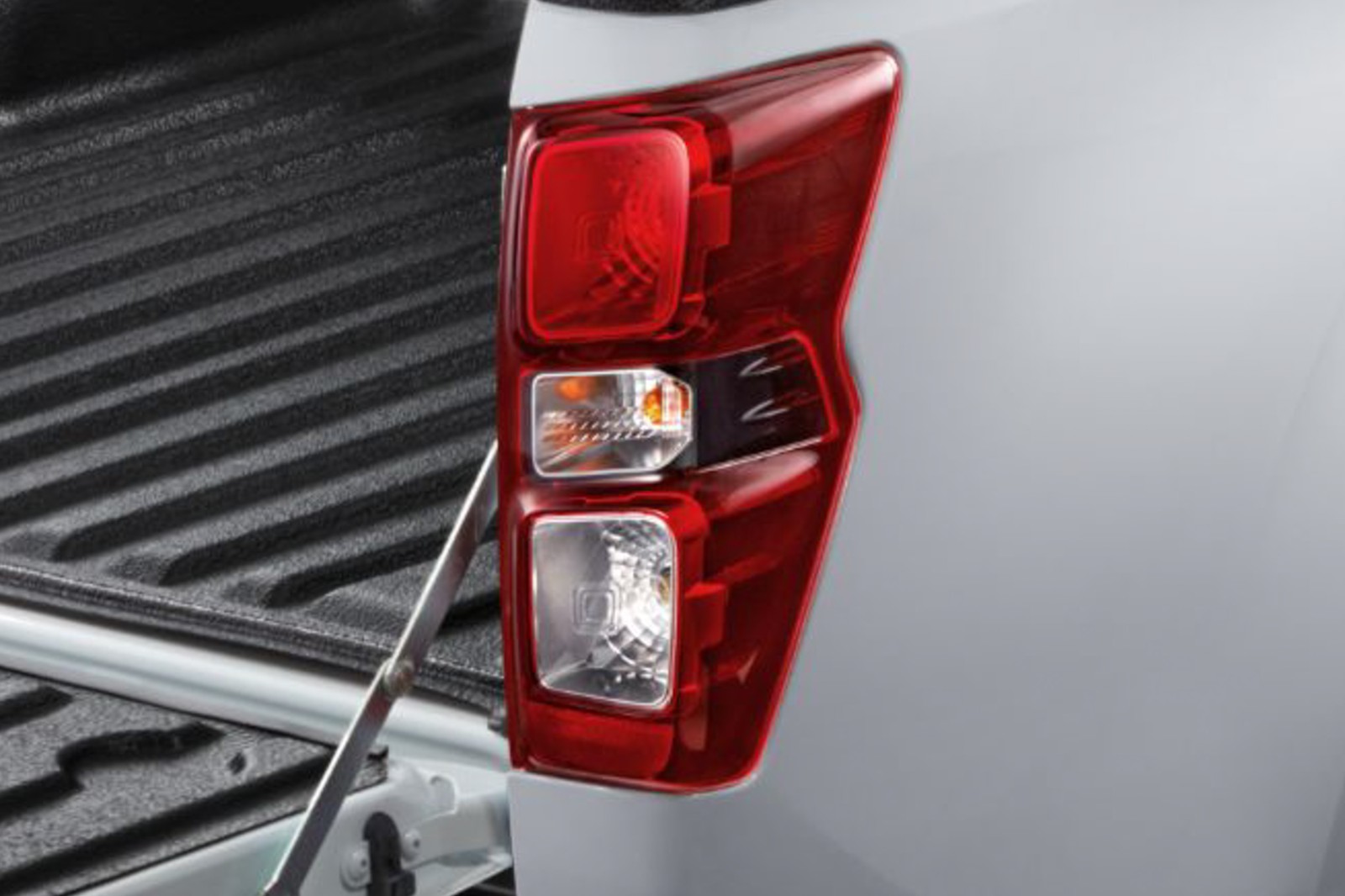
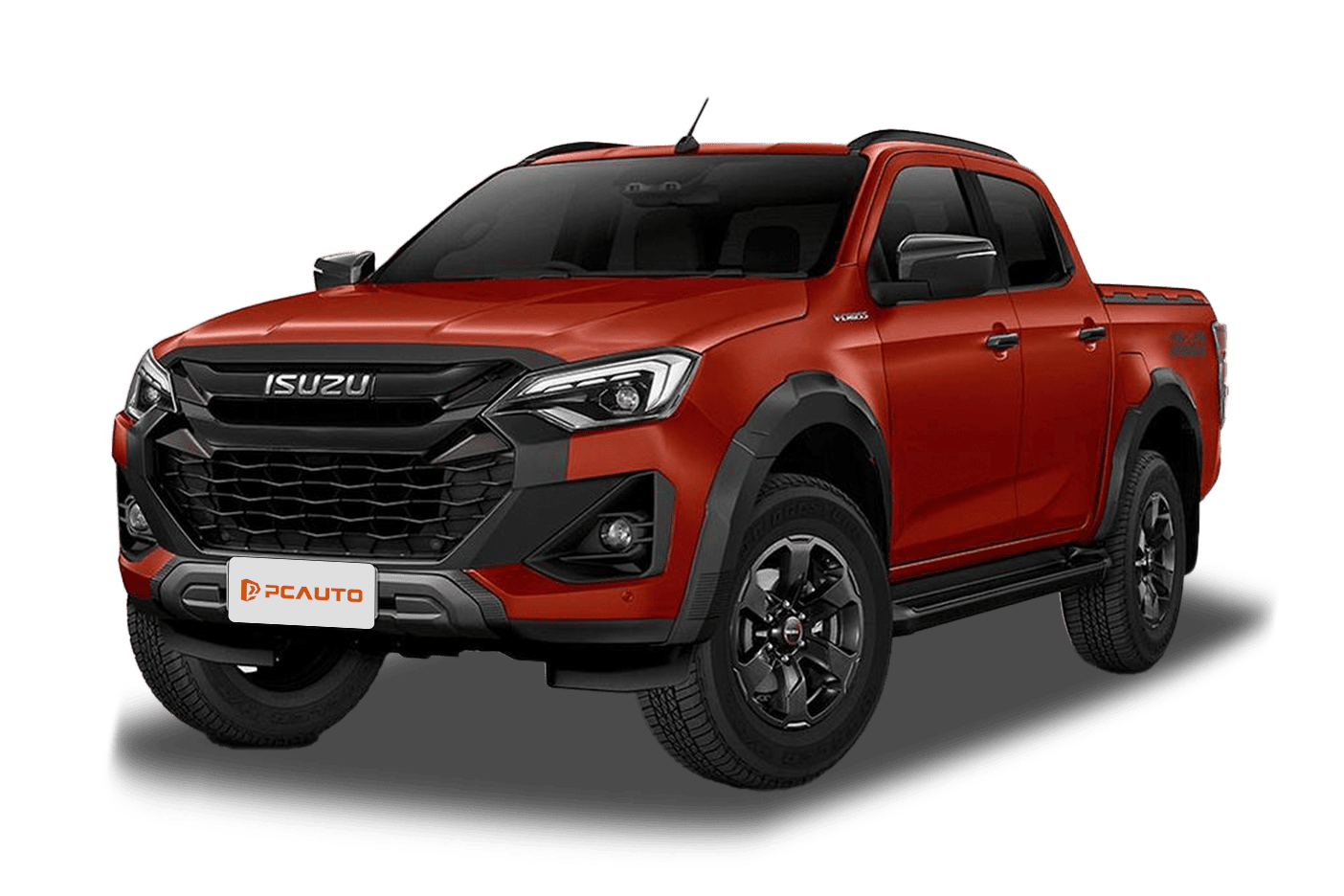
From the exterior, the D-Max X-Terrain version has a high level of recognition. The front features a large trapezoidal chrome grille with black honeycomb patterns inside, paired with sharply contoured LED headlights, giving it a rugged yet refined look. The side lines of the body are straight, with slightly flared wheel arches and 265/60R18 AT tires that exude off-road vibes. Exclusive "X-Terrain" badging and chrome door handles subtly enhance the sense of detail. The rear design is relatively simple, with horizontally arranged LED taillights. The rear bumper integrates parking sensors, and the center of the tailgate features a chrome trim with the "ISUZU" logo, presenting a visually stable look. Regarding the lighting system, the LED headlights are bright enough, and the automatic headlights and daytime running lights are convenient for daily use. The front fog lamps are helpful for low-visibility conditions such as rain and fog.
Sitting inside, the passenger-focused redesign of the interior is evident. The overall tone is predominantly black, with soft plastic materials covering the dashboard and silver trim accents in the middle, offering both a tactile and visual improvement over the old model. The center console's layout is simple, featuring a 9-inch touchscreen in the middle. Below that, physical buttons for air conditioning control remain, making operation intuitive and reducing errors during blind operation. In terms of configurations, the 4.2-inch digital instrument panel displays key information such as fuel consumption and four-wheel-drive mode. The front row is equipped with dual-zone automatic air conditioning, while the rear row has independent air vents and USB ports, guaranteeing passenger comfort in the back. For seats, the driver's seat offers 8-way electric adjustment for quickly finding a comfortable position, while the front passenger seat has 4-way manual adjustment, which is sufficient. The rear seats support 60:40 split folding, expanding the trunk space when folded down, making it convenient for carrying large items. The design of storage spaces is also user-friendly. The door panel storage slots can hold large water bottles, the central armrest box is deep enough, and the front row includes a wireless charging pad (not listed in the configuration chart but found during the test drive), so everyday personal items can be stored easily.
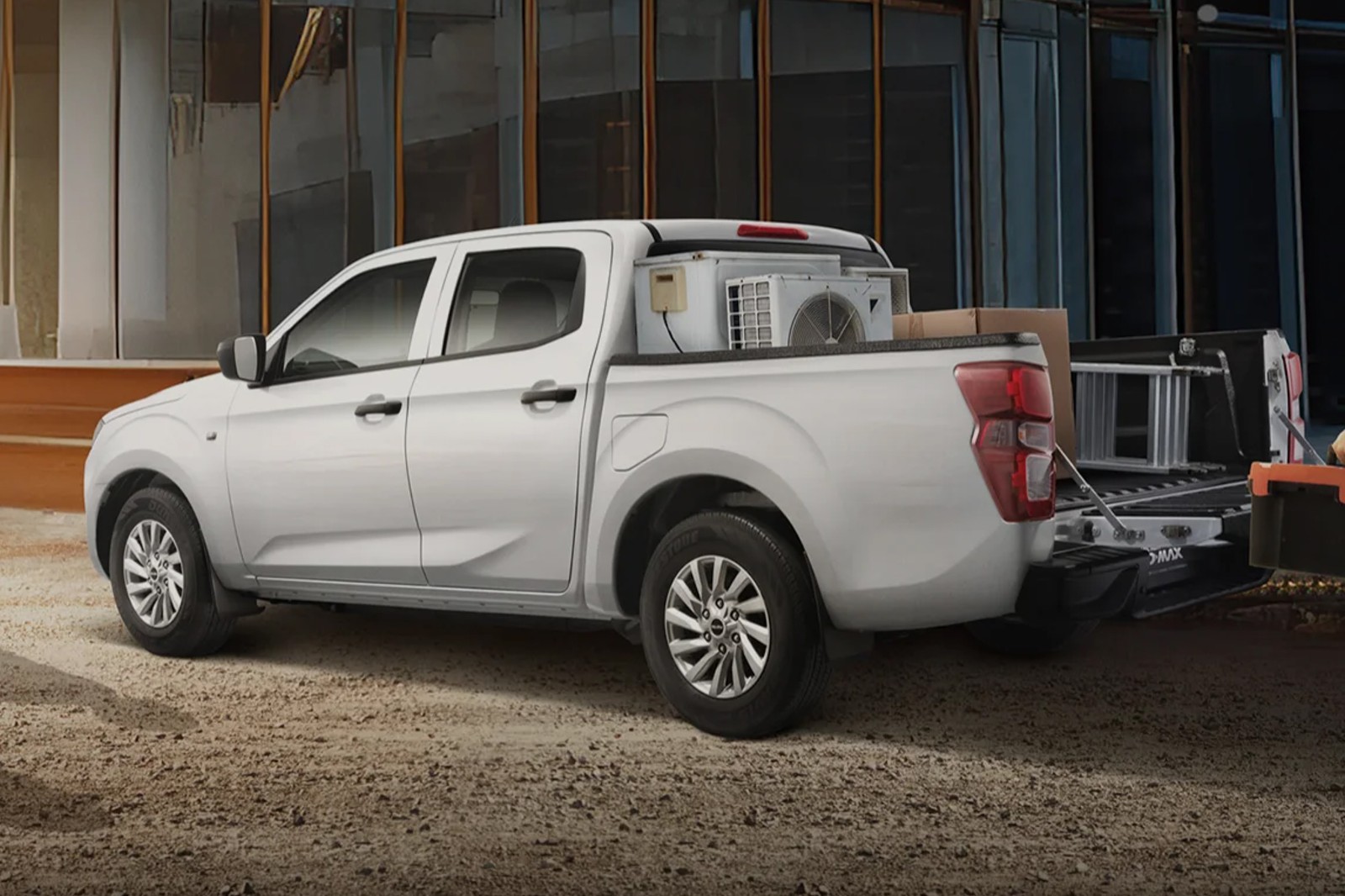
The spatial performance is in line with the positioning of a mid-to-large pickup. The vehicle dimensions are 5265mm in length, 1870mm in width, and 1810mm in height, with a wheelbase of 3125mm. Both front and rear legroom is quite ample. Taking a 175cm passenger as an example: after adjusting the front seat to a comfortable sitting position, there is a fist and two fingers' worth of headroom in the front row. In the rear row, there are two fists of legroom and one fist of headroom, ensuring that even long journeys won't feel cramped. While specific data on the rear cargo bed dimensions is not provided, it's sufficient for carrying construction materials or outdoor equipment. Additionally, the bed liner helps protect the paint from scratches.
In terms of power, the 3.0T diesel engine has a maximum power output of 190PS and a maximum torque of 450N·m, paired with a 6AT gearbox. The power response is very quick at startup, showcasing the low-end torque advantage of the diesel engine. Even with five passengers on board, the start doesn't feel sluggish. During acceleration, the gearbox shifts smoothly with no noticeable jerks; when overtaking at mid to high speeds, pressing the accelerator deeply delivers continuous power output, giving you great confidence while overtaking. There are three driving modes to choose from: Economy, Normal, and Sport. The Economy mode makes the throttle response smoother, making it suitable for daily commuting, while the Sport mode is more aggressive, ideal for scenarios requiring rapid acceleration.
The handling and suspension performance are surprisingly good. The steering wheel feels light, with minimal play, making U-turns and parking in urban areas very nimble; at high speeds, the steering wheel becomes heavier, providing good stability. The front suspension is a double-wishbone independent suspension, while the rear uses leaf spring solid axle suspension. However, it is now tuned softer than the old model, effectively filtering most minor vibrations when going over speed bumps or uneven roads, ensuring rear passengers won't feel excessively bumpy. The cornering performance is average, with body roll within an acceptable range. After all, it's a pickup truck with a higher center of gravity compared to SUVs, so you still need to decelerate when taking corners. The four-wheel-drive system is a part-time 4WD with 2H, 4H, and 4L modes. The low-speed 4WD mode amplifies torque, making it capable of handling rough roads or light off-roading. We tested it on muddy rural roads, and in 4L mode, the vehicle easily got out of trouble with no slipping.
As for fuel consumption, the official combined fuel consumption is 8.3L/100km. During our actual test drive, with a combination of urban commuting (about 30% congested roads) and highway driving (about 70%), the average fuel consumption was around 9.5L. When fully loaded, the fuel consumption increases to about 10.5L, which is relatively fuel-efficient for a 3.0T diesel pickup. The braking performance is also commendable, with the brake pedal offering a linear feel and a braking distance that ranks above average within the same class. During emergency braking, the vehicle maintains a stable posture, with no significant nose-diving.
In terms of ride comfort, noise control is excellent. At high speeds, wind and tire noise are barely noticeable. While the diesel engine noise is slightly audible at idle, it gets overshadowed by wind noise during driving, yielding overall NVH performance comparable to that of an SUV. The seats offer good support, with cushioning that's moderately firm, ensuring you won't feel fatigued even during long drives. The energy recuperation system (although it's a diesel vehicle, the gearbox has a manual mode, allowing for engine braking on downhill slopes) is also very natural, with no obvious drag feeling.
The safety features are a highlight of the X-Terrain variant. It comes standard with 7 airbags (including knee airbags and front and rear curtain airbags). Active safety systems include blind-spot monitoring, lane departure warning, autonomous emergency braking, and forward collision warning. These features are rare among competing pickups, providing added safety for daily commuting. The reverse radar and camera offer good clarity, and with the hill-start assist, even novice drivers can handle parking and hill starts with ease.
In summary, the 2021 Isuzu D-Max 3.0 4x4 X-Terrain AT has significant advantages: first, the comprehensive passenger-oriented features, with safety and comfort configurations comparable to SUVs; second, a powerful and fuel-efficient diesel engine, paired with a four-wheel-drive system capable of handling light off-road conditions; and third, the 7-year unlimited mileage warranty, which ensures low usage costs over time. Compared to the Ford Ranger Wildtrak of the same class, the D-Max offers more advanced safety features and a more affordable price. Compared to the Toyota Hilux Rogue, it boasts better power specifications and lower fuel consumption.
This vehicle is suitable for two types of people: first, consumers who need a pickup truck for work but also want to consider family use, such as individual business owners and outdoor enthusiasts; second, families who like a rugged style but value features and warranty. It can haul cargo, go off-road, handle daily commutes, and serve as a family outing vehicle, making it a truly "all-round pickup truck."
Overall, the 2021 Isuzu D-Max 3.0 4x4 X-Terrain AT breaks the stereotype of pickups being "rough" with passenger car-like features while retaining the practicality and off-road capabilities of a pickup truck. It is a worthy choice in the mid-to-high-end pickup truck market. If you want a vehicle that can both "make money" and "take care of the family," this one won't disappoint you.
Isuzu D-MAX Car Compare
Isuzu D-MAX Loan Calculator
More Isuzu Reviews
Cars With Similar Price And Features
5
Rank in Pickup
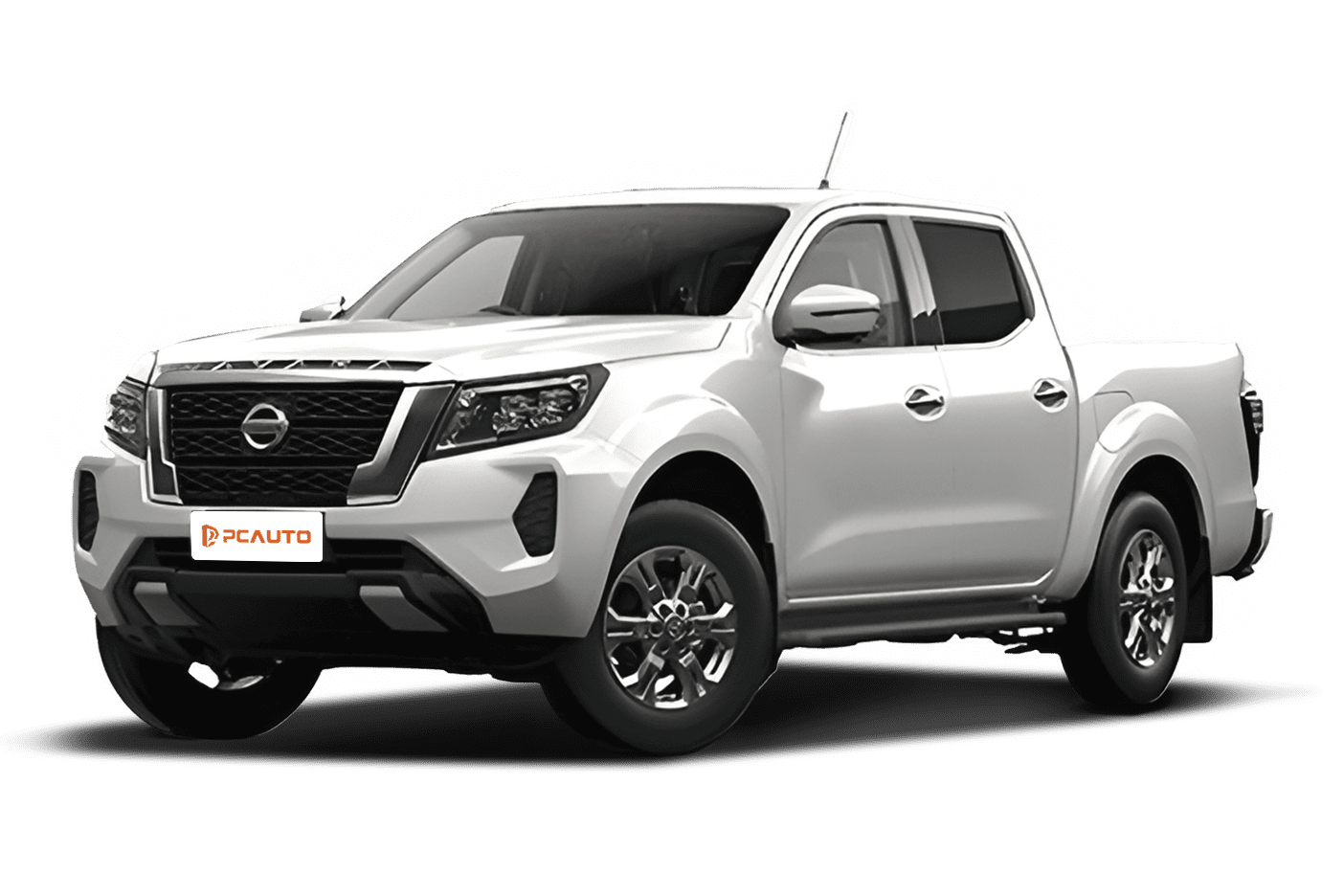
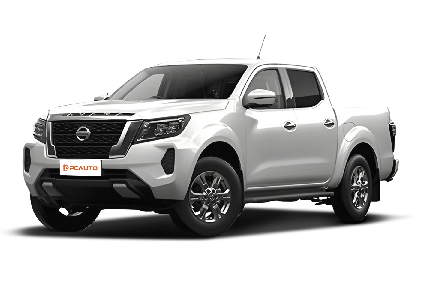
2023 Nissan Navara 2.5 VL Black Edition is a pickup truck that balances household comfort with light off-road capability, featuring exclusive black trims, a full suite of active safety features, and practical configurations, precisely catering to the needs of families and small business owners.
3
Rank in Pickup
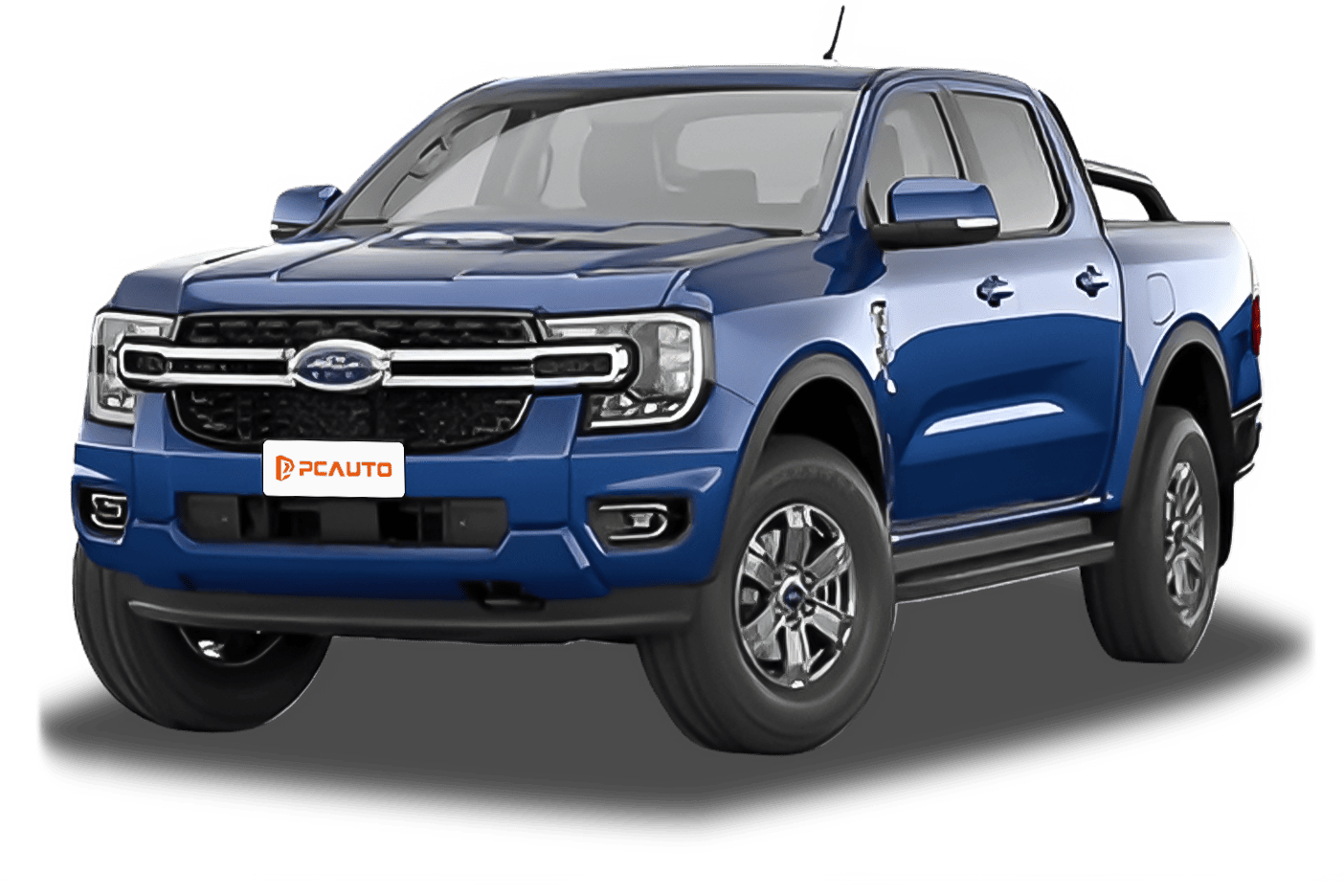
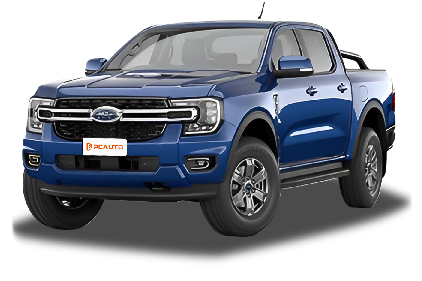
2023 Ford Ranger WildTrak is a mid-to-high-end pickup truck that balances the comfort of daily commuting with the practicality of cargo and off-road capabilities. It features powerful performance, ample space, and practical configurations, making it a versatile choice for both family and work scenarios.

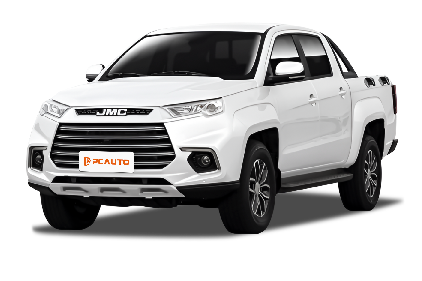
2023 JMC Vigus Pro White Series 2.0L 4WD 8AT combines rugged design, practical features, and powerful diesel performance, balancing everyday durability and mild off-road needs, making it a high-value choice for pickup users.
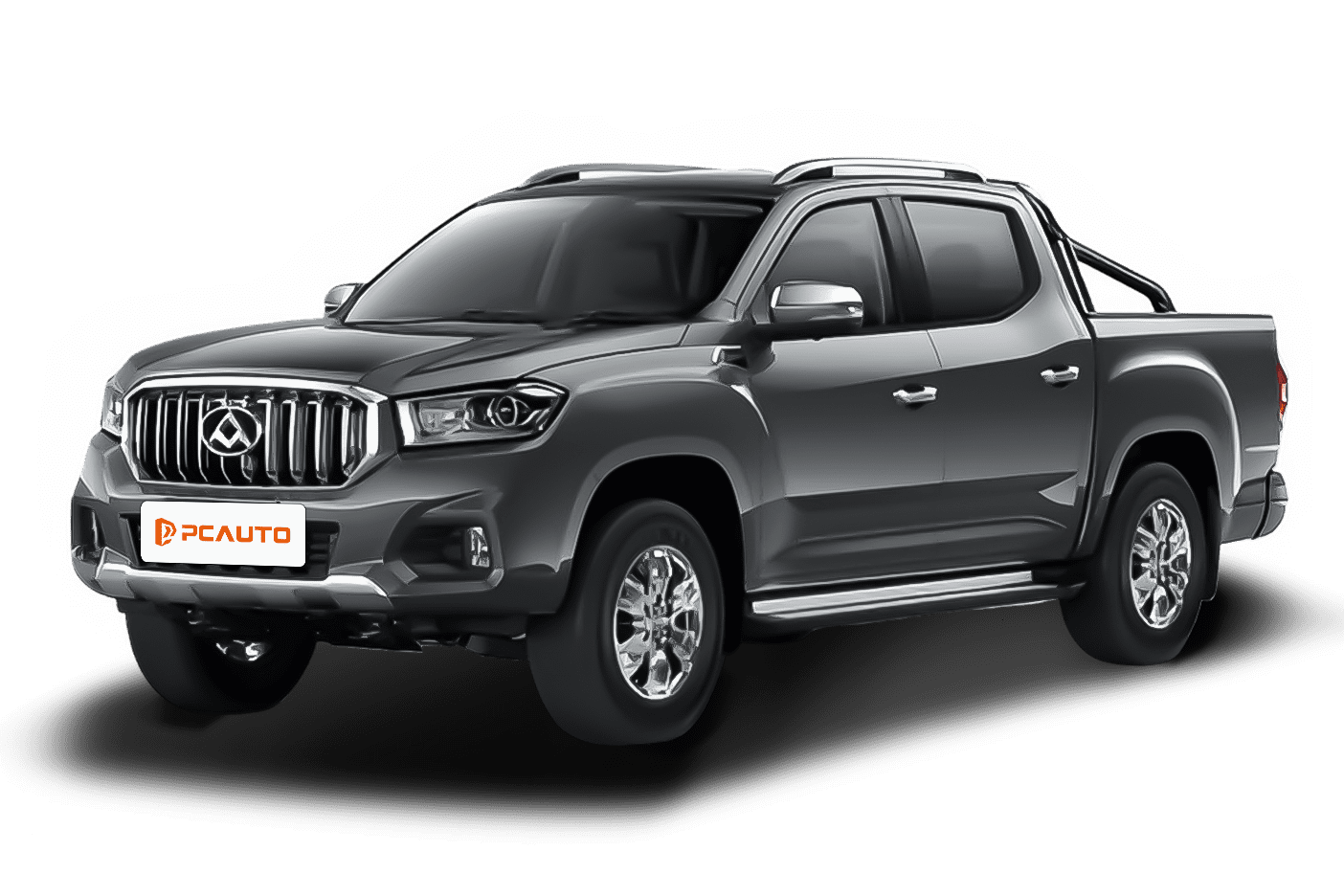
2022 Maxus T60 2.8L 4WD AT is a practical pickup truck that balances work and life. The strong diesel torque and 4WD capability meet cargo and off-road needs, while the premium features and spacious interior enhance daily comfort.