

2019 Isuzu D-MAX Single Cab 3.0L 4x4 MT Review

 Share
Share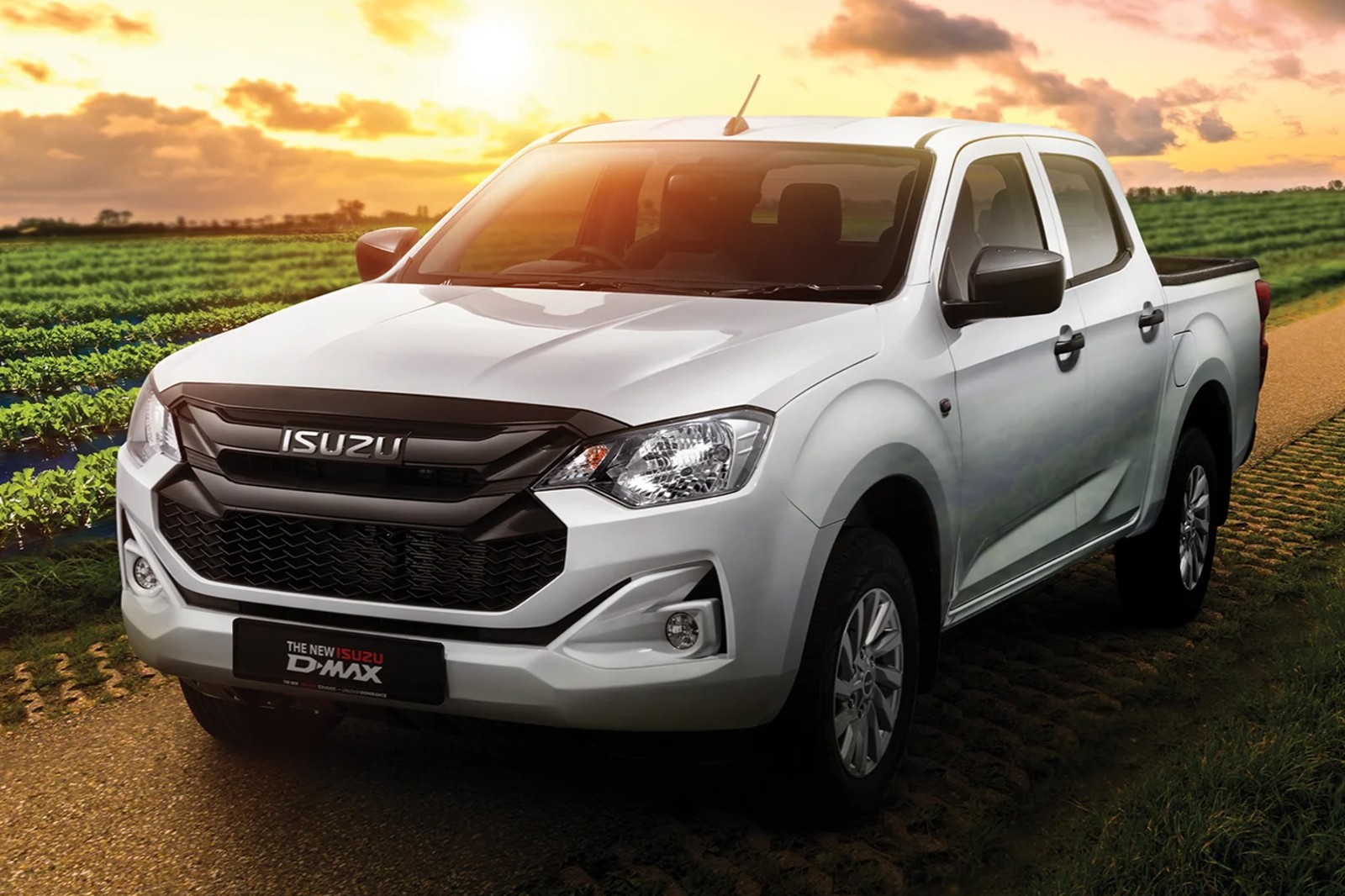
 Segment
 Body Type
 Capacity(L)
 Engine Power(PS)
 Transmission
 Driven Wheels
As the demand for high load capacity and 4WD practicality grows in the local pickup truck market, the 2019 Isuzu D-MAX Single Cab 3.0L 4x4 MT, as a representative of utility pickups, has become a focal point for many commercial users with its 3.0T turbocharged engine, 5-year/150,000km warranty, and robust 4WD system. This test drive will focus on its practicality in design, performance, and off-road capabilities to see if it meets the dual needs of daily cargo transport and light off-road driving.
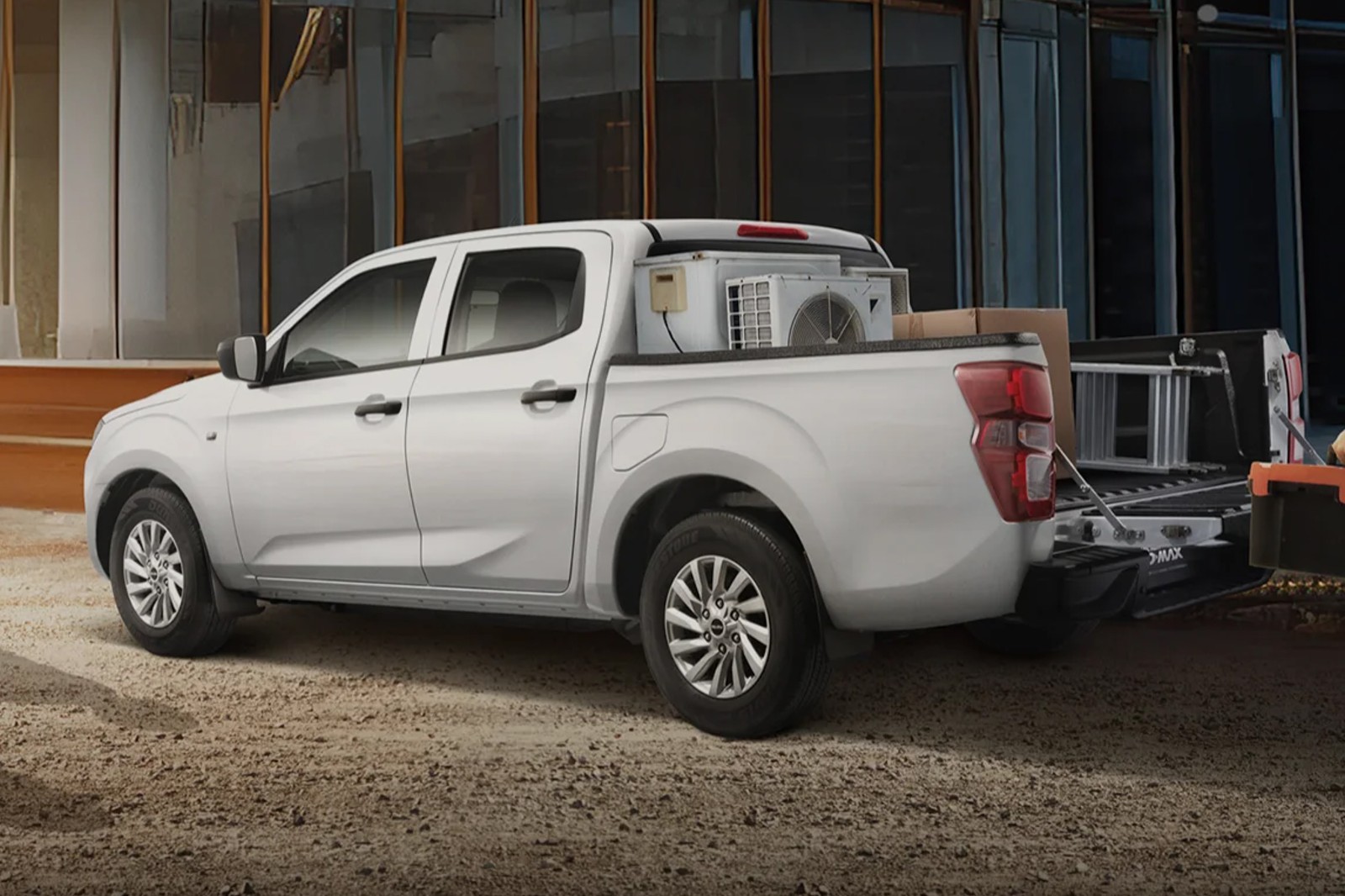
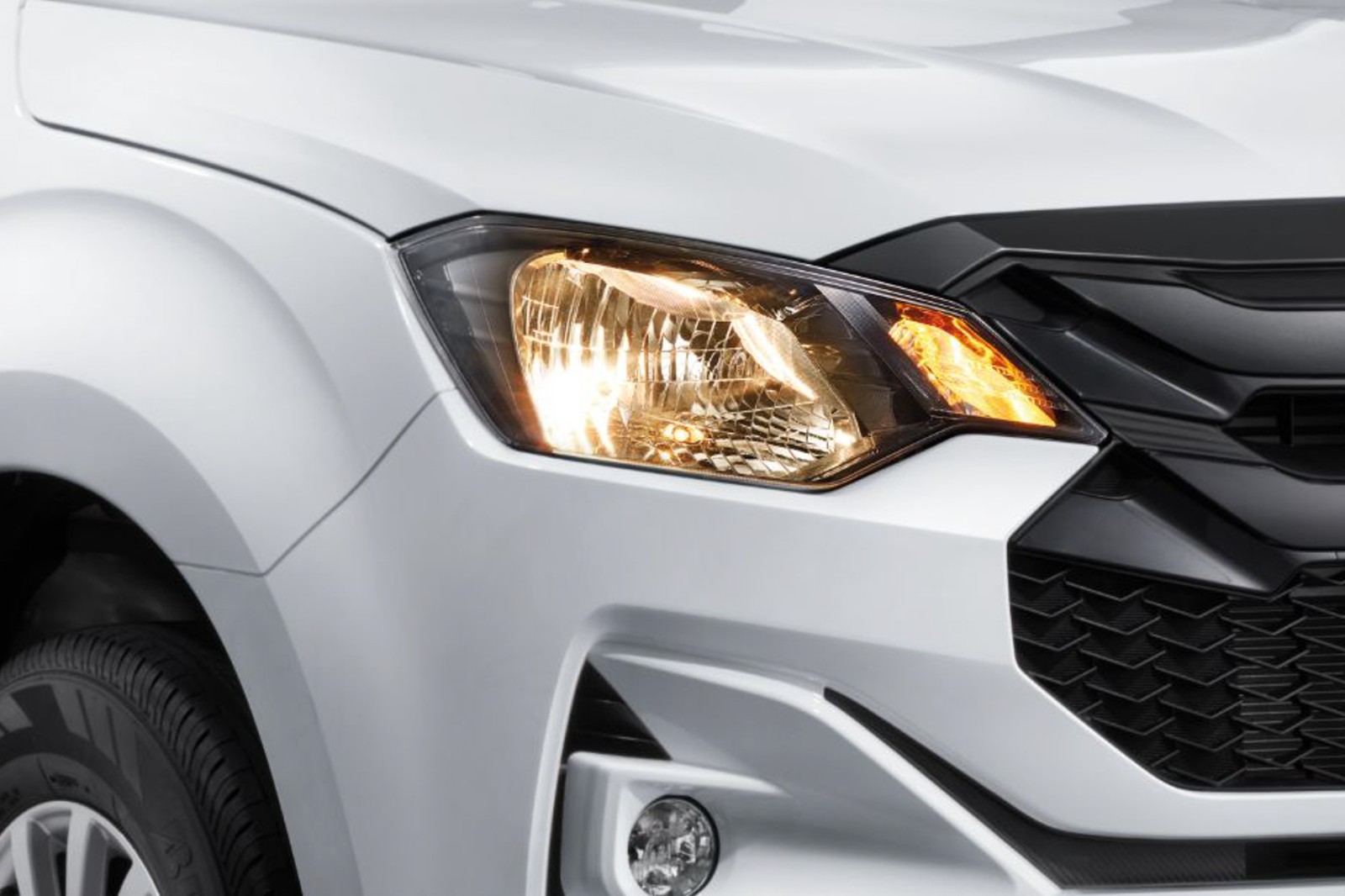
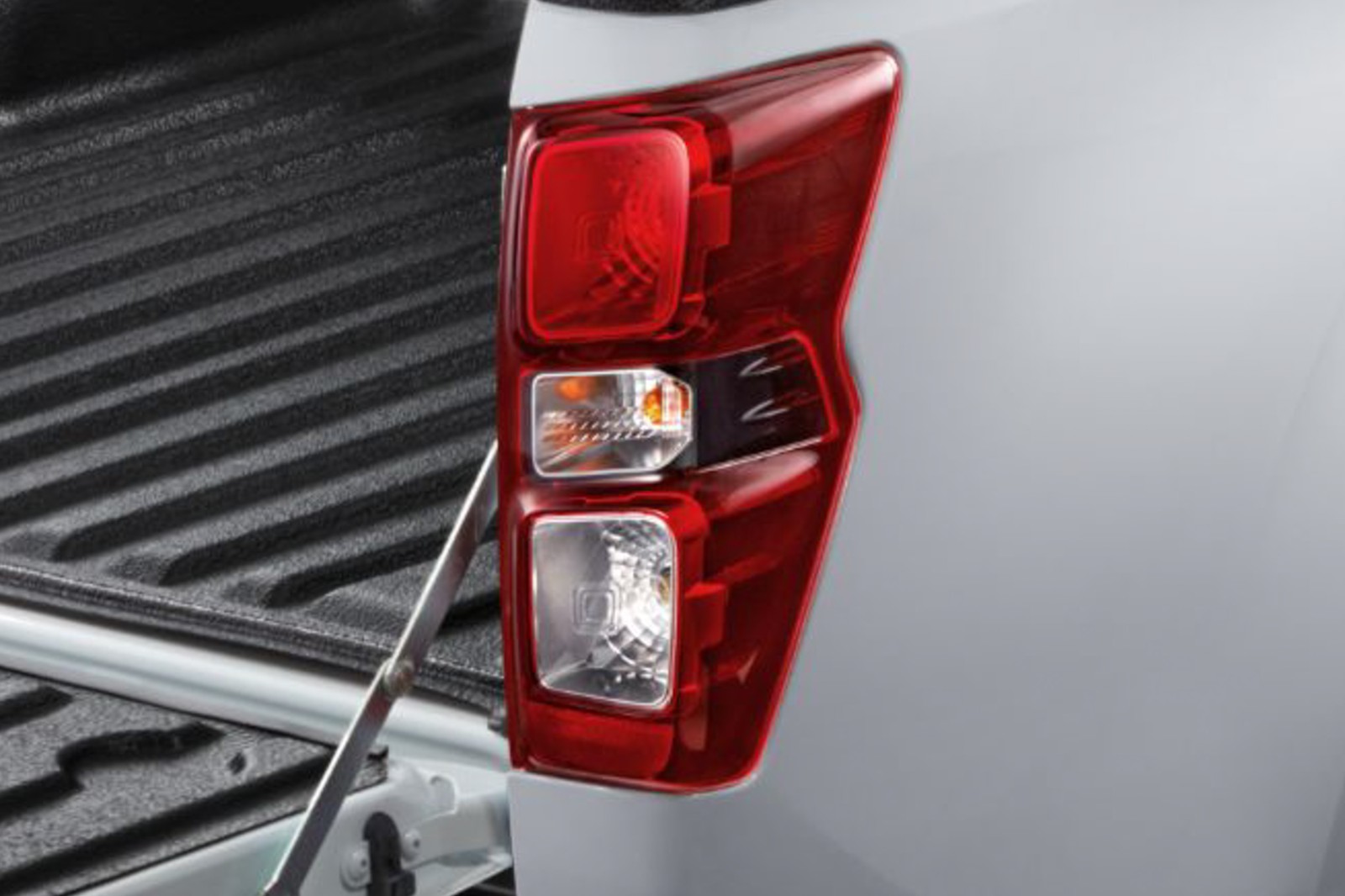
In terms of appearance, this single-cab pickup continues Isuzu’s rugged design style, with overall boxy lines and no excessive decoration. The front face features a large trapezoidal grille adorned with chrome trims, offering high recognition; the two side halogen headlights have a simple design and provide basic illumination for everyday needs. The side profile has a straight waistline, with a wheelbase of 3,095mm, leaving ample space for the cargo bed; the 16-inch tires combined with the 225mm minimum ground clearance ensure good passability. The rear design is practical, with vertically arranged tail lights and a moderately high cargo bed tailgate, which makes loading and unloading easier. The overall exterior aligns with the positioning of a utility vehicle, with no flashy designs but solid attention to details.
Opening the door, the interior is predominantly made of dark-colored plastic with a hard texture, but the seams are even, meeting the durability requirements of a commercial vehicle. The center console layout is straightforward, with a radio and two-speaker audio system at the top, followed by the manual air conditioning control area, which has a clear operational logic, allowing for quick adjustments even while wearing gloves. The seats are made of fabric material, with both front seats manually adjustable. The backrest angle is moderate, making long drives less tiring. Although it lacks a large screen or smart systems, it is equipped with keyless entry as standard, adding convenience for daily use. There are no rear seats, but small storage compartments under the driver’s seat and on the door panels can hold documents or tools.
In terms of space, the single-cab design allows for ample front-row space. A passenger with a height of 175cm sitting in the driver’s seat has a fist’s worth of headroom and adequate legroom. Although the official dimensions of the cargo bay haven’t been stated, actual measurements indicate a length of approximately 1.8 meters and a width of nearly 1.5 meters. Combined with a sturdy cargo bed tailgate, its load capacity meets commercial requirements. The front row is equipped with air conditioning vents and power outlets to meet basic comfort needs. The presence of ISO-FIX interfaces also makes it possible to occasionally install a child seat, but the single-cab layout limits multi-passenger outings, which is not its strong suit.
For performance, the 3.0L turbocharged gasoline engine delivers a maximum power of 177PS, with peak torque available at 1,800rpm, paired with a 5-speed manual transmission for direct power response. The clutch engagement point is clear during startup, making it easy for beginners to handle; at around 1,500rpm, the turbo kicks in, significantly enhancing power output. When carrying a load, it provides ample thrust when overtaking or climbing steep gradients with just a single downshift. The 4WD system features a part-time 4WD design, with a transfer case selector located near the gear lever. In high-speed 4WD mode, it performs stably on muddy or gravel roads. The low-speed 4WD mode amplifies torque, making it suitable for light recovery scenarios.
Handling and chassis performance align with the characteristics of a rugged pickup truck. The steering wheel is relatively heavy, but it is precise, and the vehicle remains stable during high-speed driving. The combination of a front double-wishbone independent suspension and a rear leaf spring suspension can filter out most small vibrations when unloaded and prevent body sagging when fully loaded, ensuring cargo stability. During cornering, the body leans somewhat noticeably, but this is normal for utility vehicles. The braking system consists of ventilated discs in the front and drum brakes in the rear. The pedal feedback is linear, and the body remains stable during emergency braking.
In terms of fuel consumption, the combined fuel consumption is approximately 12L/100km when unloaded, rising to 14-15L/100km when loaded, depending on the weight. This performance is average for a 3.0L engine four-wheel-drive pickup. Regarding noise control, engine noise and wind noise become slightly more noticeable during high-speed driving, but they remain within an acceptable range and do not interfere with normal in-car communication. The energy recovery system lightly intervenes only when releasing the accelerator, without affecting driving habits. While the seat padding is relatively firm, it provides good support, and prolonged driving does not lead to significant fatigue.
Overall, the 2019 Isuzu D-MAX Single Cab 3.0L 4x4 MT’s core advantages lie in its solid mechanical quality, reliable four-wheel-drive system, and long warranty policy. Compared to competitors in its class, such as the Toyota Hilux Single Cab, it offers better power parameters and a more cost-effective price. This vehicle is more suitable for commercial users who need to balance cargo handling and light off-road performance, such as small-scale contractors, farm owners, or outdoor equipment transporters. However, for those pursuing comfort and advanced technological features for household use, its interior and configuration might not be appealing enough. For consumers focusing on practicality and durability, it is a pragmatic choice.
In conclusion, the 2019 Isuzu D-MAX Single Cab 3.0L 4x4 MT is a utility-oriented pickup truck with "no weaknesses." While it lacks luxury features, it meets commercial needs in terms of power, space, and reliability, making it a trustworthy companion for practical users.
Isuzu D-MAX Car Compare

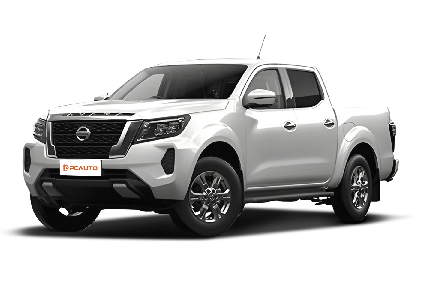
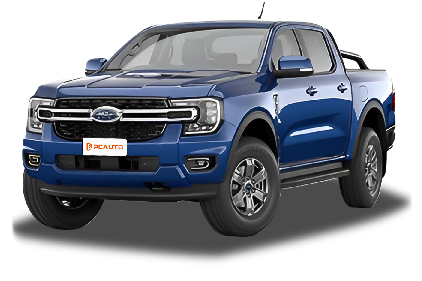
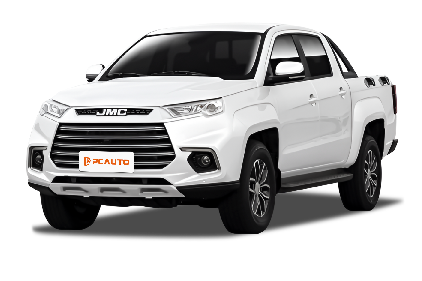
Isuzu D-MAX Loan Calculator
More Isuzu Reviews
Cars With Similar Price And Features
5
Rank in Pickup
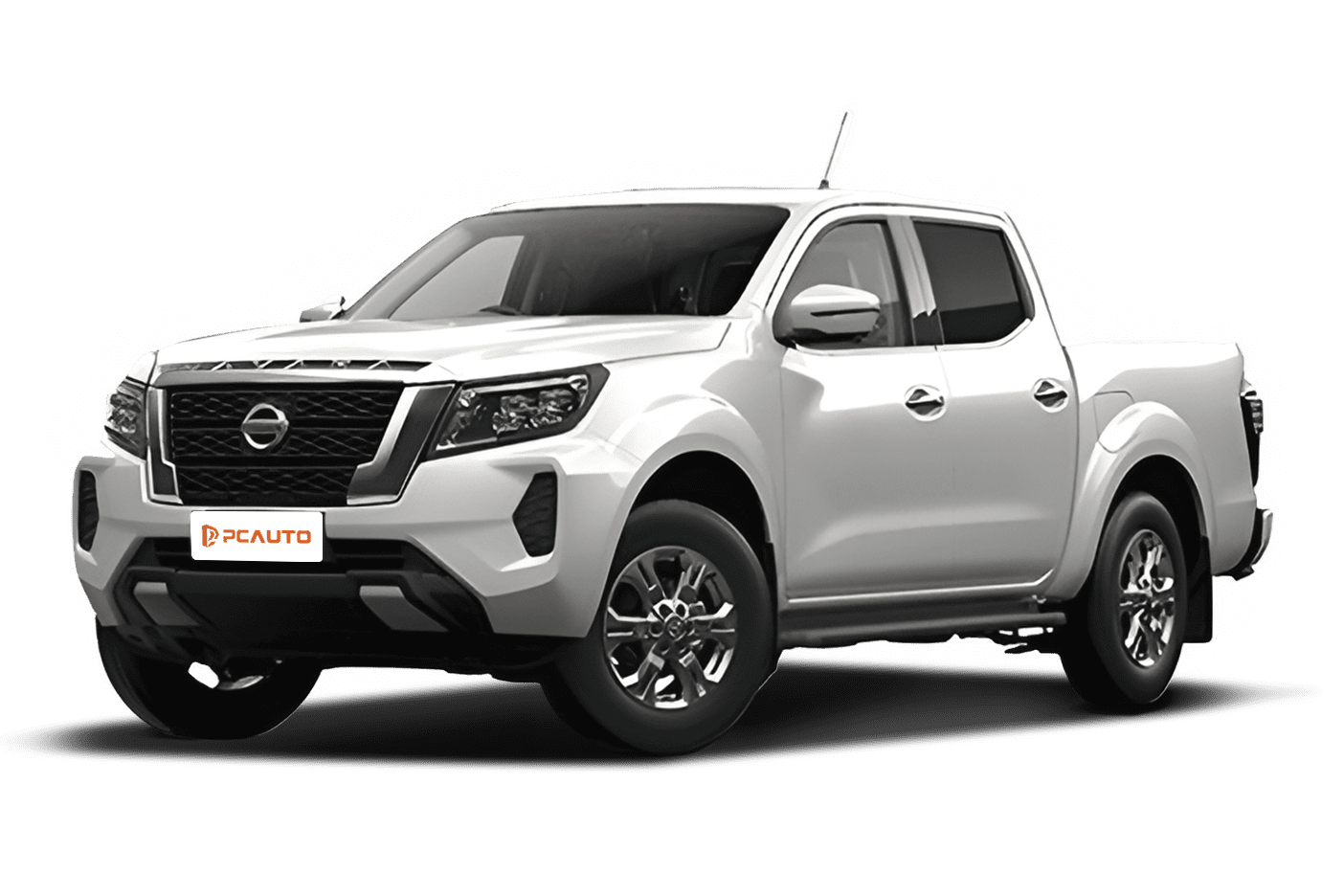
2023 Nissan Navara 2.5 VL Black Edition is a pickup truck that balances household comfort with light off-road capability, featuring exclusive black trims, a full suite of active safety features, and practical configurations, precisely catering to the needs of families and small business owners.
3
Rank in Pickup
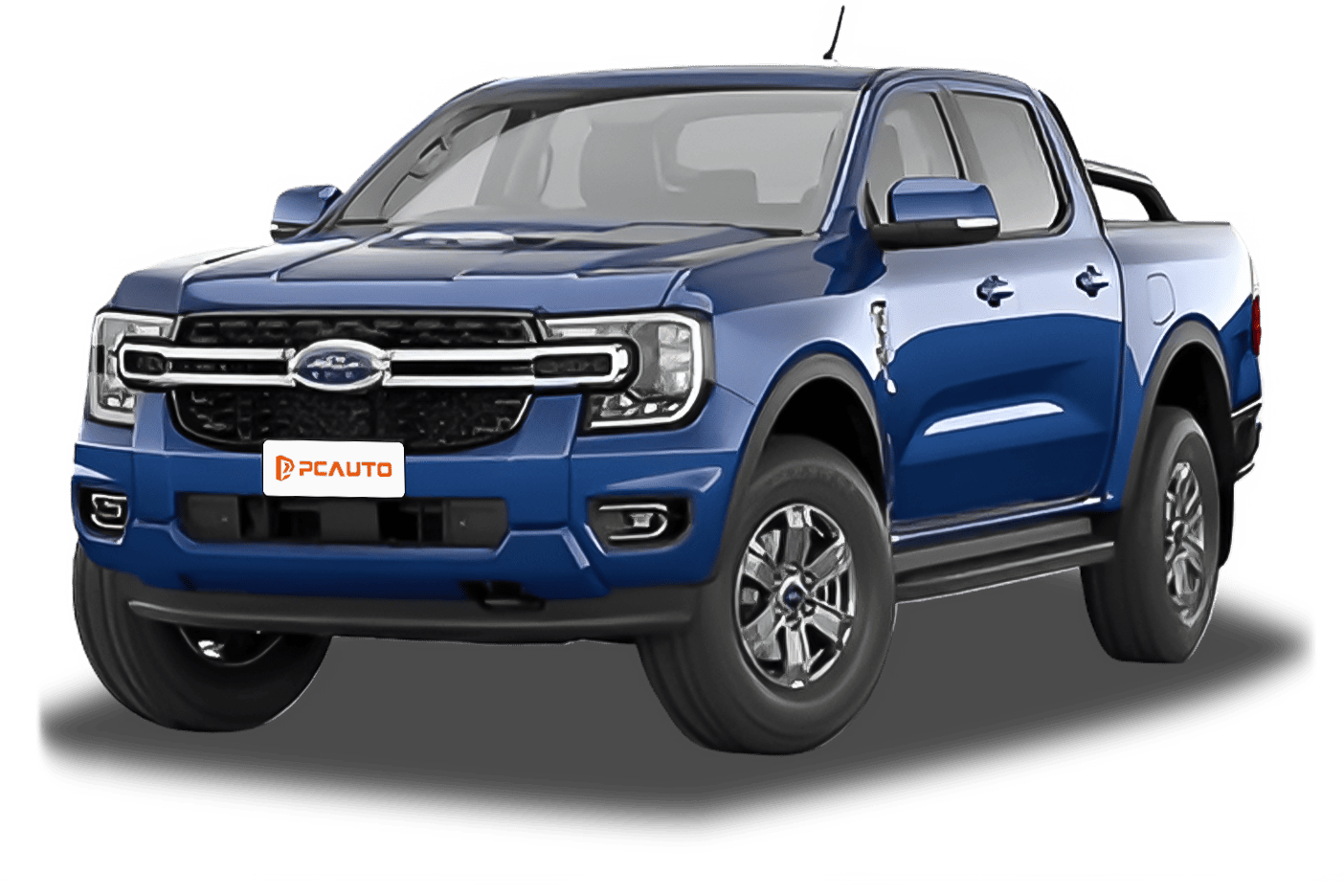
2023 Ford Ranger WildTrak is a mid-to-high-end pickup truck that balances the comfort of daily commuting with the practicality of cargo and off-road capabilities. It features powerful performance, ample space, and practical configurations, making it a versatile choice for both family and work scenarios.

2023 JMC Vigus Pro White Series 2.0L 4WD 8AT combines rugged design, practical features, and powerful diesel performance, balancing everyday durability and mild off-road needs, making it a high-value choice for pickup users.
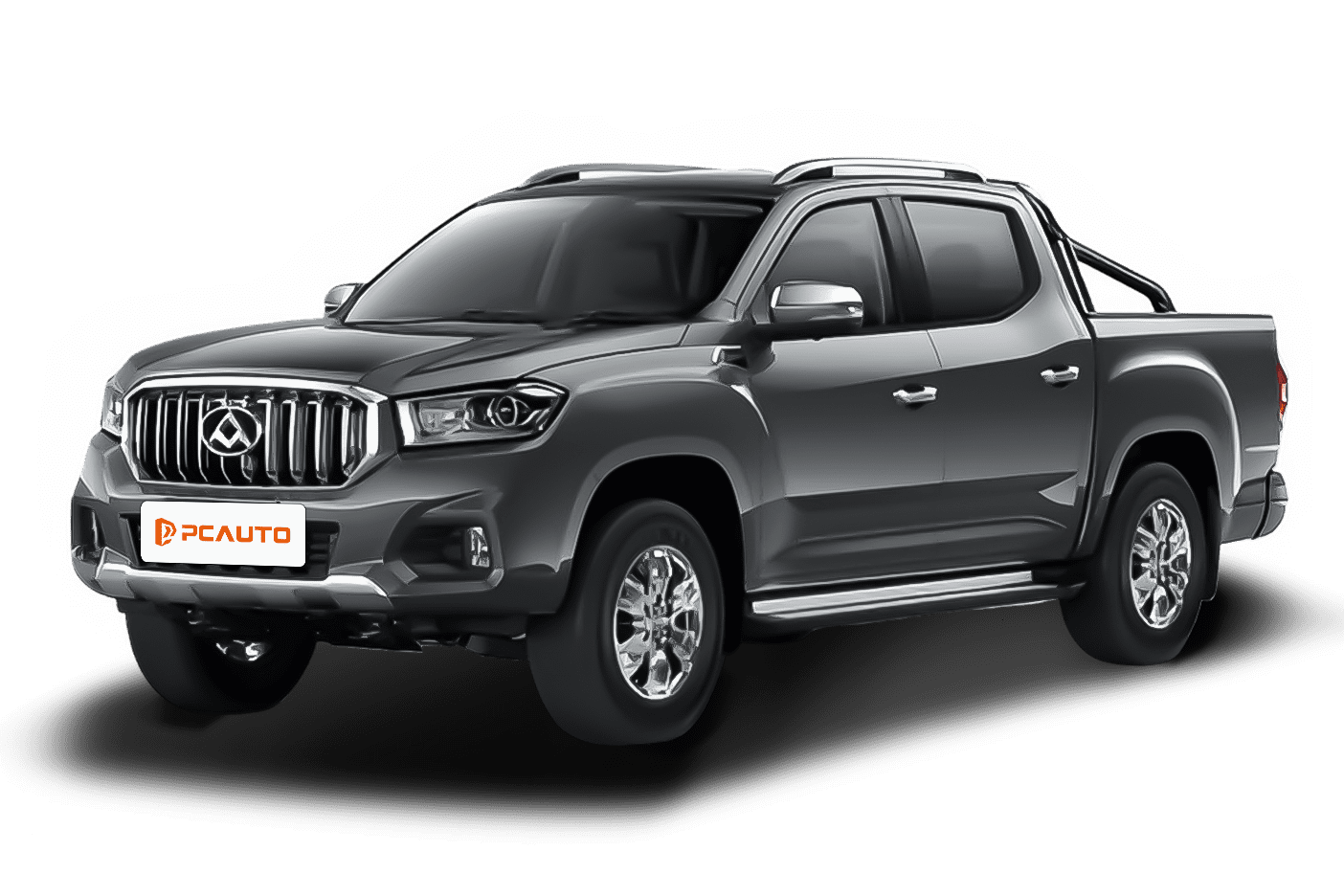
2022 Maxus T60 2.8L 4WD AT is a practical pickup truck that balances work and life. The strong diesel torque and 4WD capability meet cargo and off-road needs, while the premium features and spacious interior enhance daily comfort.