

2019 Lamborghini Aventador SVJ Roadster Review

 Share
Share
 Segment
 Body Type
 Capacity(L)
 Engine Power(PS)
 Transmission
 Driven Wheels
In today's supercar market, the pursuit is no longer solely about extreme speed. More and more buyers are seeking a combination of track passion and the ritual of daily driving – convertible supercars perfectly address this demand. As the flagship convertible model in the Lamborghini Aventador series, the 2019 SVJ Roadster stands out with its 770-horsepower naturally aspirated V12 engine, ALA active aerodynamics system, and iconic convertible design, making it a candidate for many drivers' "ultimate driving toy." In this test drive, we will focus on whether this convertible flagship, priced at 2.27 million MYR, can strike a balance between performance and everyday practicality.
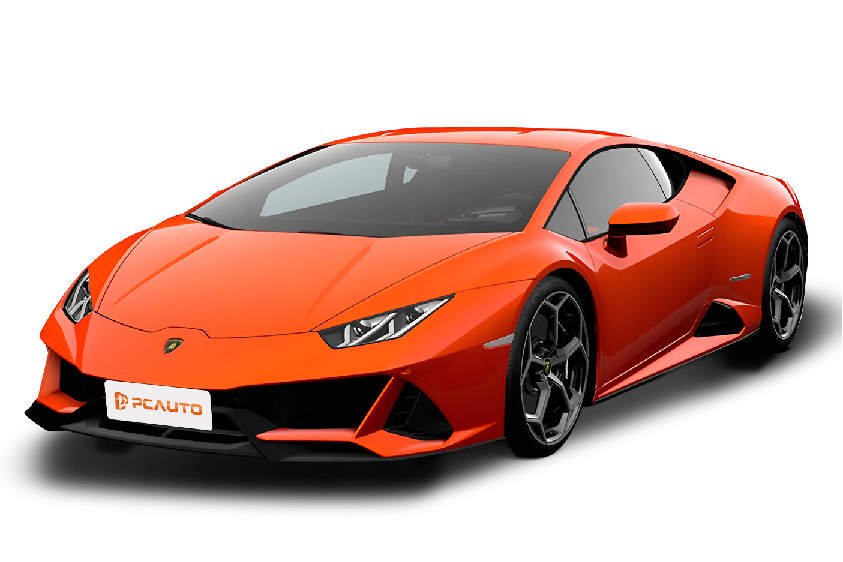
From a static perspective, the design of the SVJ Roadster is entirely oriented toward aerodynamics and brand recognition. It continues the aggressive lines of the hardtop SVJ, with a front fascia featuring a large honeycomb grille and sharp air ducts on both sides. The raised lines on the engine hood hint at the explosive power of the V12 engine underneath. On the side, the most striking feature is the side skirt air vents running from the front to the rear, paired with 20-inch front and 21-inch rear carbon fiber wheels, giving a highly aggressive visual impact. To accommodate the convertible structure, the roof is made of lightweight carbon fiber material and can be opened or closed in just 15 seconds, operable at speeds below 50km/h. The rear design is even more "performance-oriented": a massive adjustable carbon fiber rear wing (a core component of the ALA system), quad circular exhaust outlets, and diffuser structures, all emphasizing its track genes. The lighting system continues Lamborghini's family-style design, with LED sources for both the front and rear lights. The taillights feature the iconic Y-shaped light bands, offering high nighttime recognition.
When sitting in the car, the interior style of the SVJ Roadster is consistent with the hardtop version, mainly using carbon fiber and Alcantara materials. Nearly every touchpoint is adorned with carbon fiber trims, while areas like the door panels and seat bolsters are covered in Alcantara, enhancing the sporty feel and providing sufficient grip during intense driving. The dashboard layout is simple, equipped with an 8.4-inch touchscreen supporting CarPlay and vehicle information adjustments. However, the system's smoothness is mediocre, seemingly a compromise made for the "driver-first" philosophy. Seats are carbon fiber bucket seats with excellent wrap-around design; lumbar and thigh supports can be manually adjusted. Although prolonged sitting might feel slightly tight, this is reasonable for the supercar's positioning. In terms of features, the car comes standard with keyless entry, automatic headlights, and rain-sensing wipers. Essential safety features like automatic braking and front and rear airbags are also included. However, compared to similarly priced GT sports cars, it lacks comfort features such as seat heating and adaptive cruise control, clearly prioritizing performance over luxury.
As for space, the SVJ Roadster, as a two-door, two-seat sports car with a wheelbase of 2700mm, offers a front cabin (as there's only a front row) that’s relatively friendly for drivers under 180cm in height. Headroom feels slightly cramped when the roof is closed, but there’s no pressure at all with the top open. Storage capacity is a common flaw of supercars; apart from the small storage compartment behind the seats, there's only a small slot under the center console for a phone. The trunk has a volume of approximately 100L, barely fitting a carry-on suitcase, which requires careful planning for everyday trips.
Dynamic driving is the core advantage of the SVJ Roadster. It is equipped with a 6.5L naturally aspirated V12 engine, delivering a maximum horsepower of 770PS, a peak torque of 720N·m, and paired with a 7-speed ISR automatic transmission. Its official 0-100km/h acceleration time is just 2.9 seconds. During actual driving, switching to “Strada” mode provides relatively smooth power output, and the transmission shift logic leans toward comfort, making it suitable for daily commuting. Switching to “Sport” or “Corsa” (track) mode immediately brings out a high-pitched engine roar, with highly responsive throttle and a constant sense of push-back when accelerating, maintaining linear power output all the way to the 8400rpm redline—this sense of "breathing" unique to a naturally aspirated engine is something that turbocharged models cannot replicate. In terms of handling, the car features a front and rear double-wishbone independent suspension, paired with the ALA active aerodynamics system, which adjusts airflows at the rear wing and front air intakes during cornering to reduce body roll and enhance grip. During mountain road test drives, the steering proves precise with almost no slack, and the suspension offers excellent support. Even when cornering at relatively high speeds, the vehicle remains stable. However, the firm suspension may feel too jarring when tackling city speed bumps or uneven roads, necessitating careful speed control.
In specific testing scenarios, we assessed fuel consumption during highway cruising (120km/h) and in congested urban areas. The combined fuel consumption turned out to be around 18.5L/100km, which is close to the official figure of 18.4L/100km and reasonable for a V12 engine. The braking performance was excellent, with ventilated disc brakes on all four wheels paired with high-performance brake pads, achieving a 100-0km/h braking distance of about 32 meters, offering great confidence. Regarding noise control, with the roof closed, wind and road noise are well managed; however, once the convertible roof is open, wind noise increases significantly at speeds above 80km/h. Yet, this "dancing with the wind" experience is precisely the charm of a convertible supercar. Energy recovery (none) and seat comfort were mentioned earlier and will not be repeated here.
In summary, the core highlights of the 2019 Lamborghini Aventador SVJ Roadster are its unique naturally aspirated V12 engine sound and linear power, the extreme handling brought by the ALA system, and the ceremonial feel of its convertible design. Compared to the Ferrari 812 GTS in the same class, its performance parameters are more aggressive, and its aerodynamic design is more extreme, but its comfort features and everyday practicality are slightly inferior. Compared to the McLaren 720S Spider, its naturally aspirated engine holds more emotional appeal, and its brand has higher recognition, but the low-end torque performance of a turbocharged model is better suited for city driving scenarios.
Overall, the SVJ Roadster is not a supercar suitable for everyone: its stiff suspension, limited storage space, and high fuel consumption mean it's not ideal as a daily commuter vehicle. Still, for those who seek an ultimate driving experience, are passionate about the sound of a V12 engine, and have the ability to own multiple cars, it is a "dream car" that combines track performance with convertible fun. If you’re looking for a supercar that can both clock laps on a track and enjoy the sunshine on a seaside road with the roof down, the SVJ Roadster is worth considering—it may not be the most practical, but it is definitely one of the most soulful choices.
Lamborghini Aventador Car Compare
Lamborghini Aventador Loan Calculator
More Lamborghini Reviews
Cars With Similar Price And Features
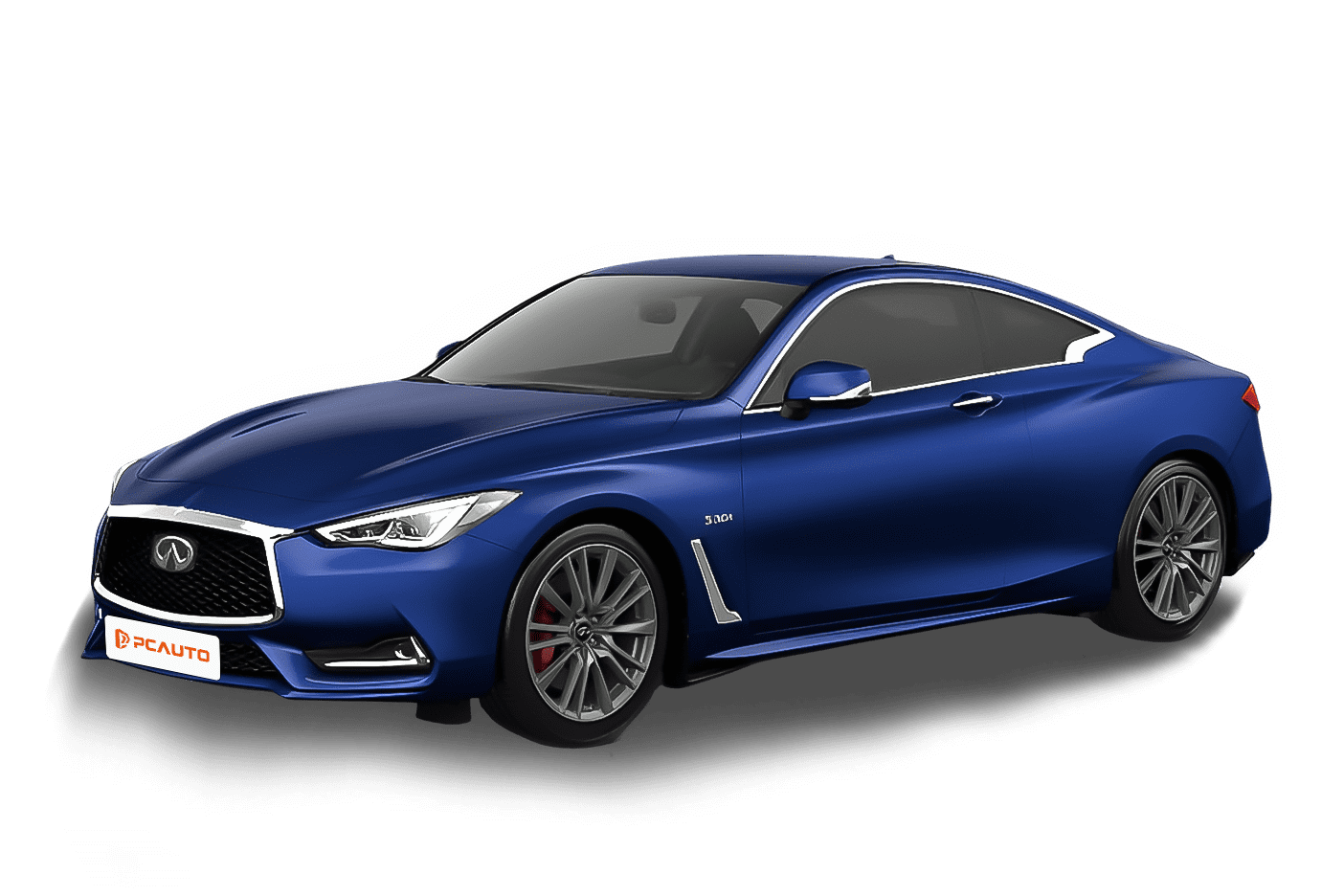
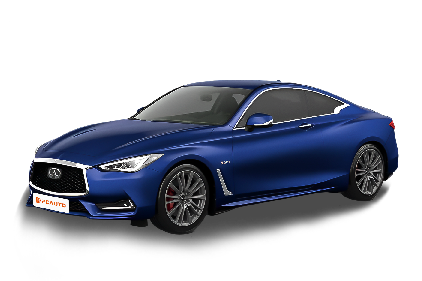
2017 Infiniti Q60 2.0t is a luxury coupe that balances sporty design and daily practicality, featuring a family-style exterior, BOSE audio system, and balanced power as its core selling points.
1
Rank in Coupe
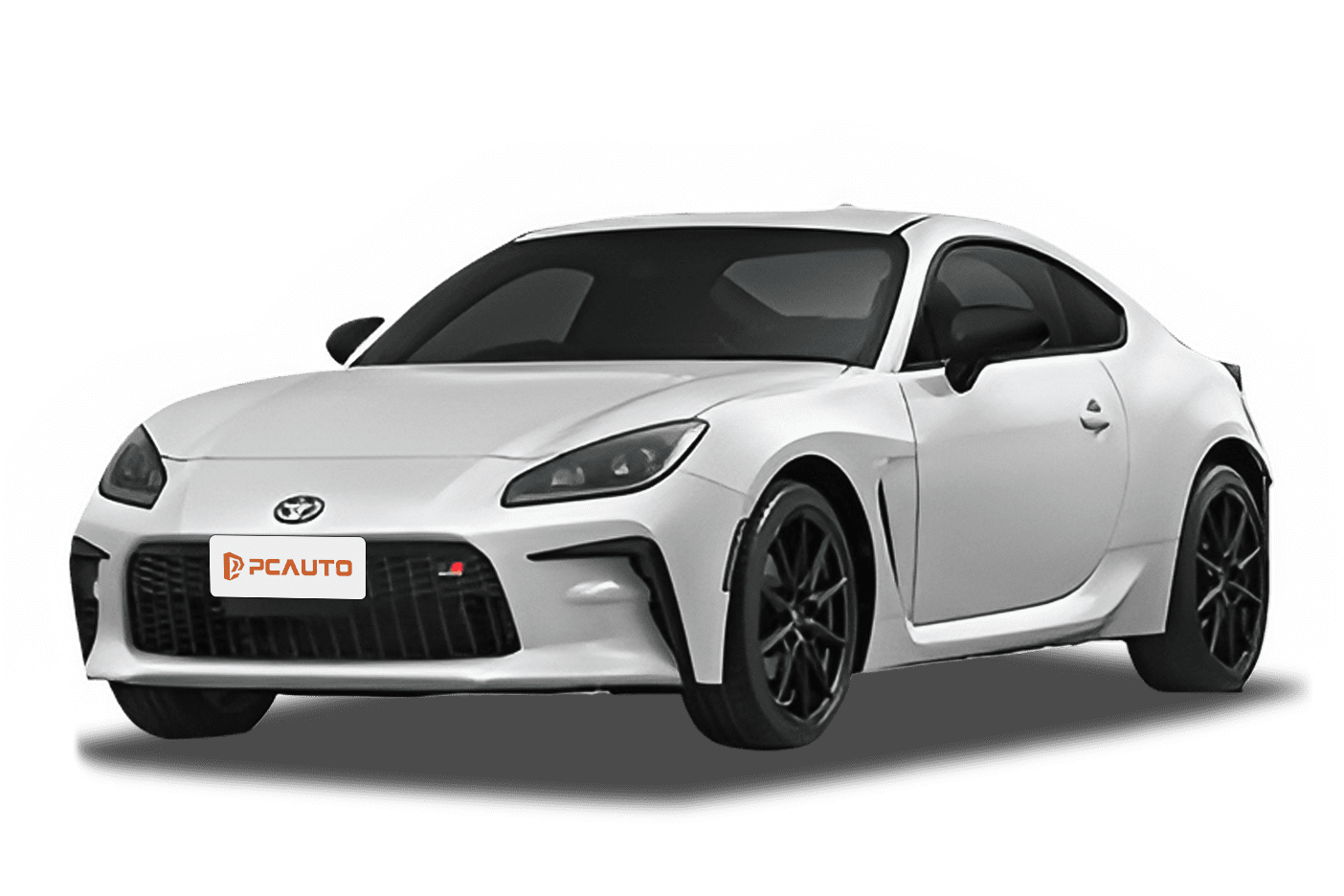
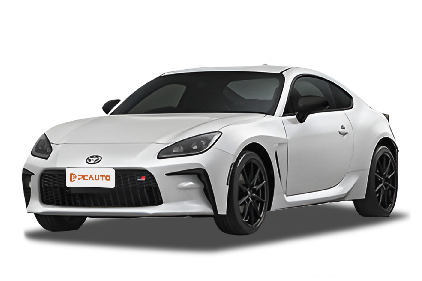
2023 Toyota GR 86 2.4 AT is a rear-wheel-drive sports coupe upgraded with a 2.4L naturally aspirated engine to address low torque issues, balancing daily commuting with pure driving pleasure.
10
Rank in Coupe
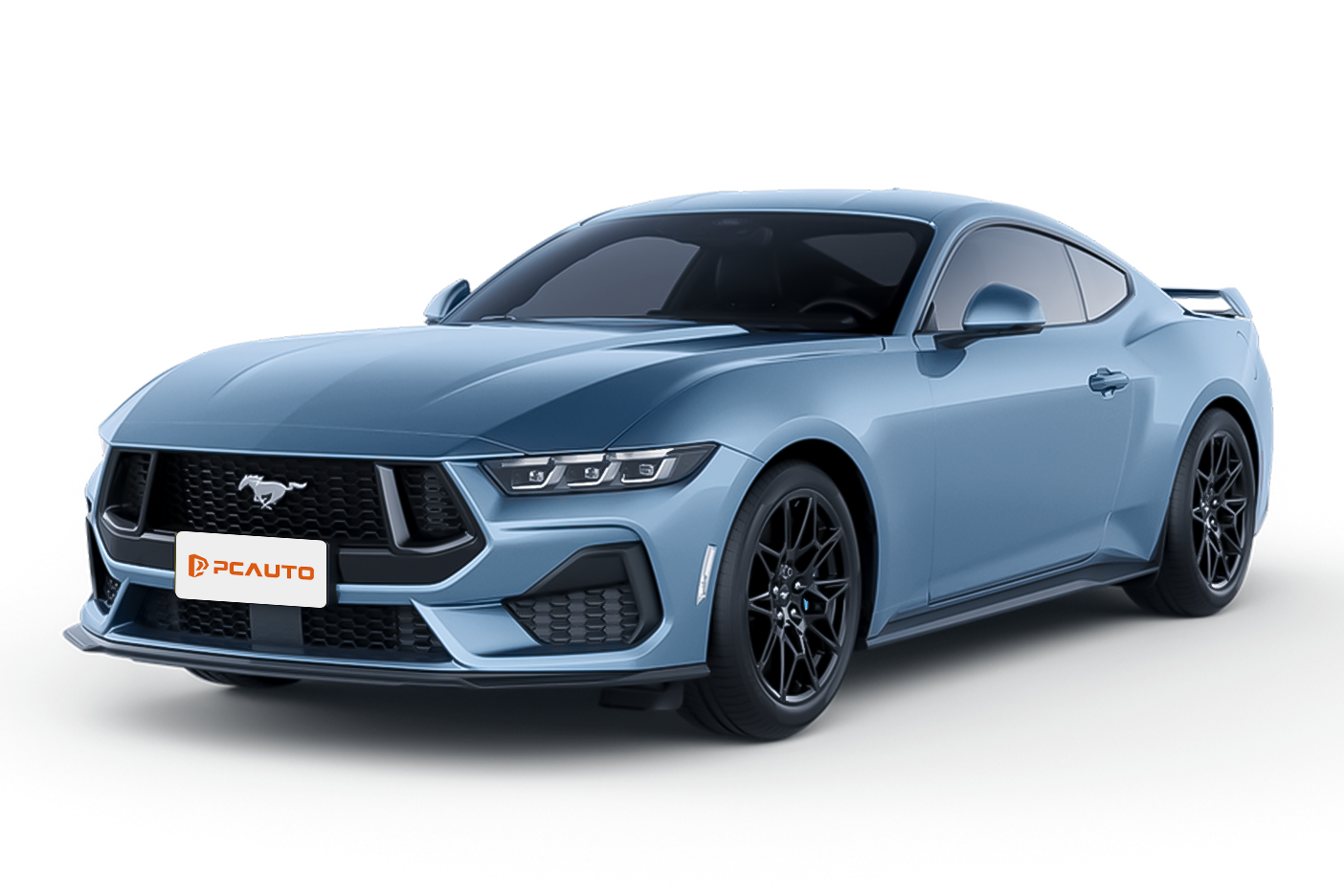
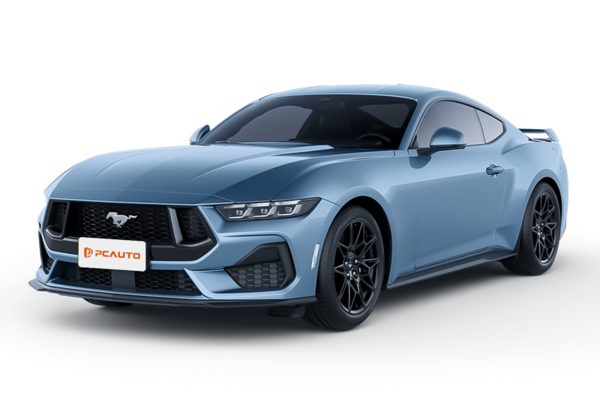
2018 Ford Mustang 2.3 EcoBoost retains the classic muscle car appearance with high cost performance, the 2.3T engine delivers 310PS horsepower, balancing performance and practicality for daily driving.
6
Rank in Coupe
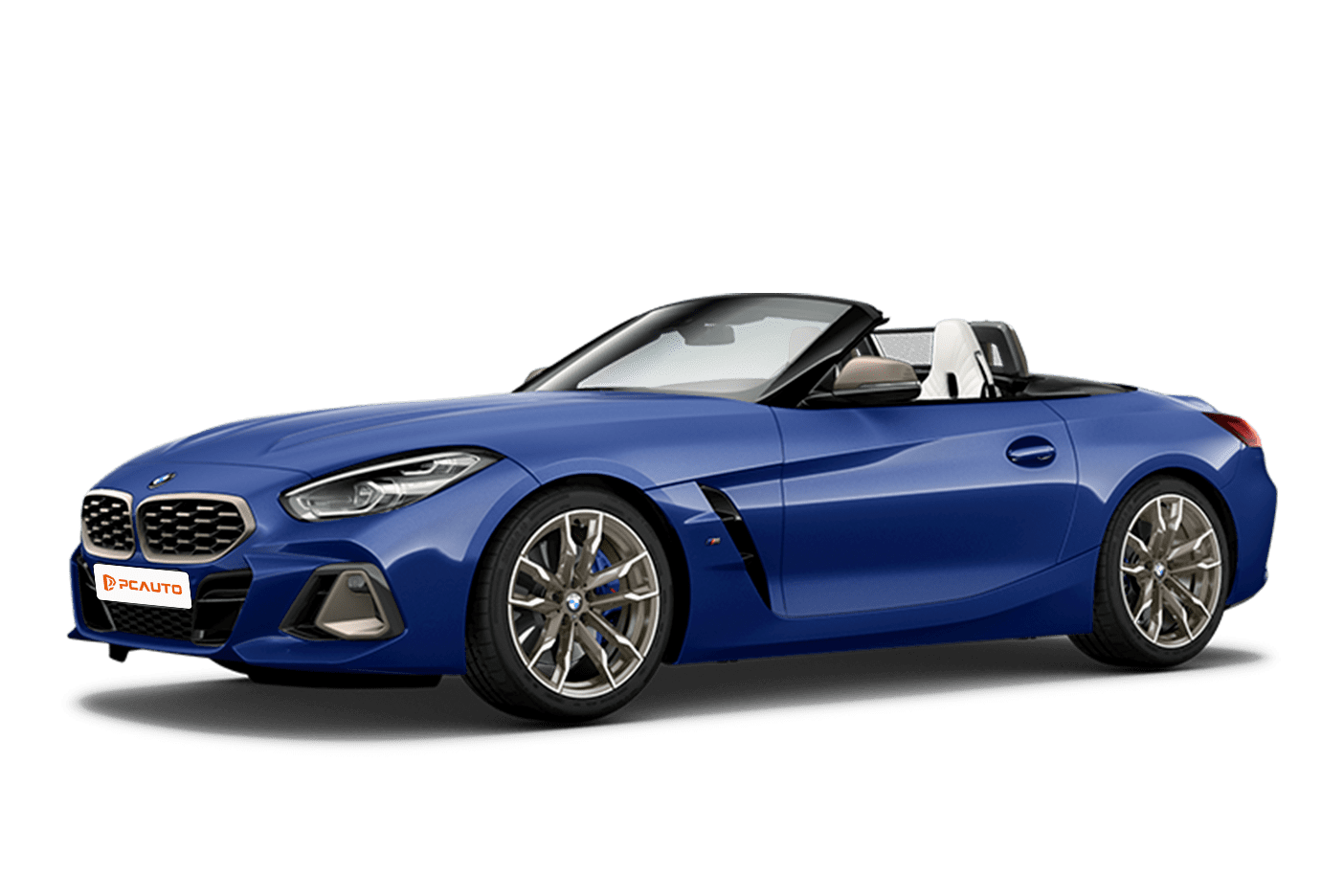
2023 BMW Z4 public, as a classic rear-wheel-drive convertible sports car, balances driving pleasure and daily practicality, with class-leading intelligent features and a compact body precisely meeting the needs of Malaysian users.