

2019 Perodua Axia AV 1.0 AT Review

 Share
Share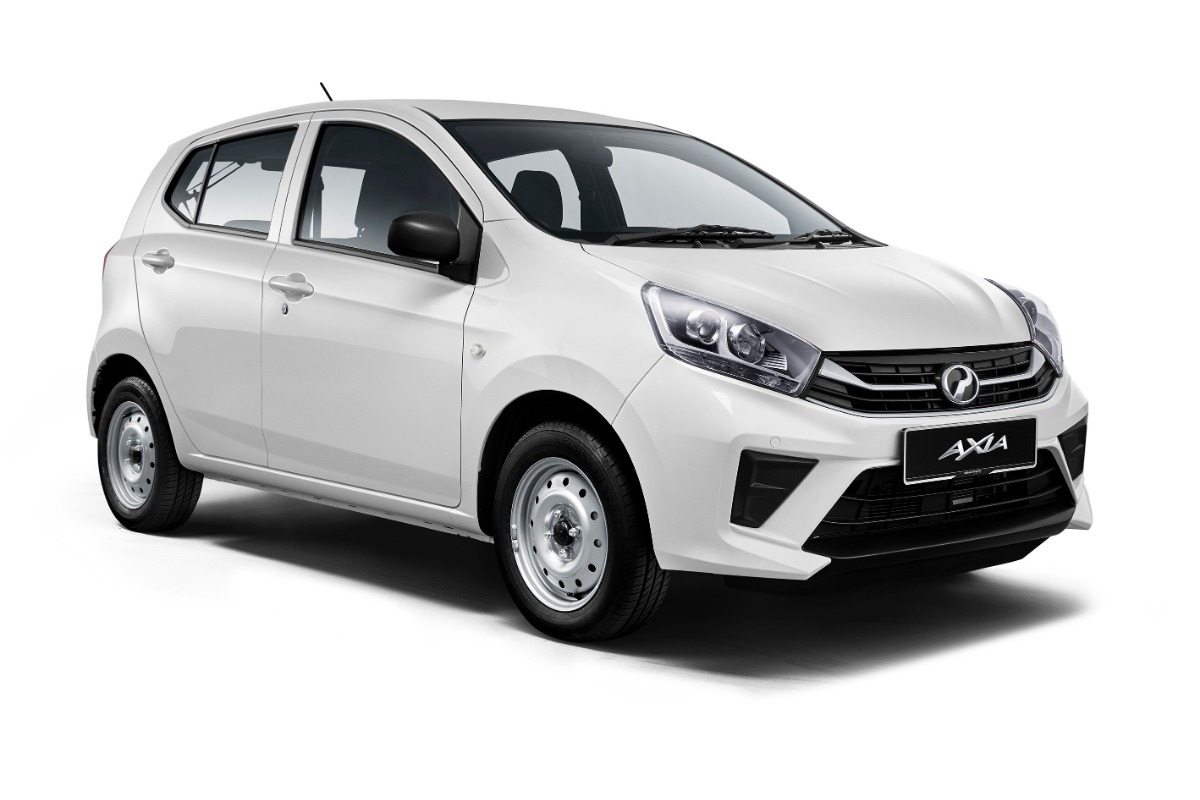
 Segment
 Body Type
 Capacity(L)
 Engine Power(PS)
 Transmission
 Driven Wheels
In Malaysia's A-segment market, economical and practical small cars are always in demand. Whether it's young people buying their first car or urban commuting families, they need a vehicle that balances fuel efficiency, space, and basic features as a means of transportation. The 2019 Perodua Axia AV 1.0 AT, as a popular model in this segment, features standard safety equipment like vehicle stability control and a reversing camera, along with convenient functions such as keyless entry as its core selling points. This time, through an actual test drive, we assess whether it meets the core needs of daily use.
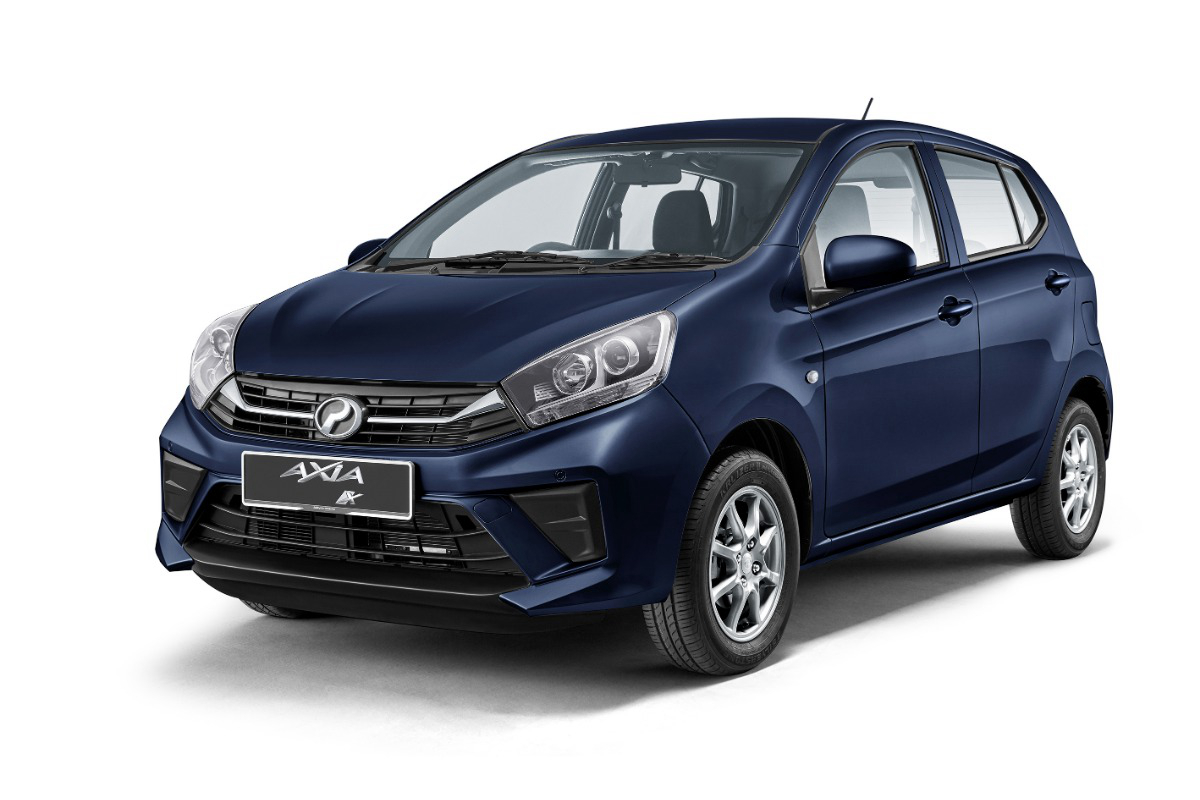
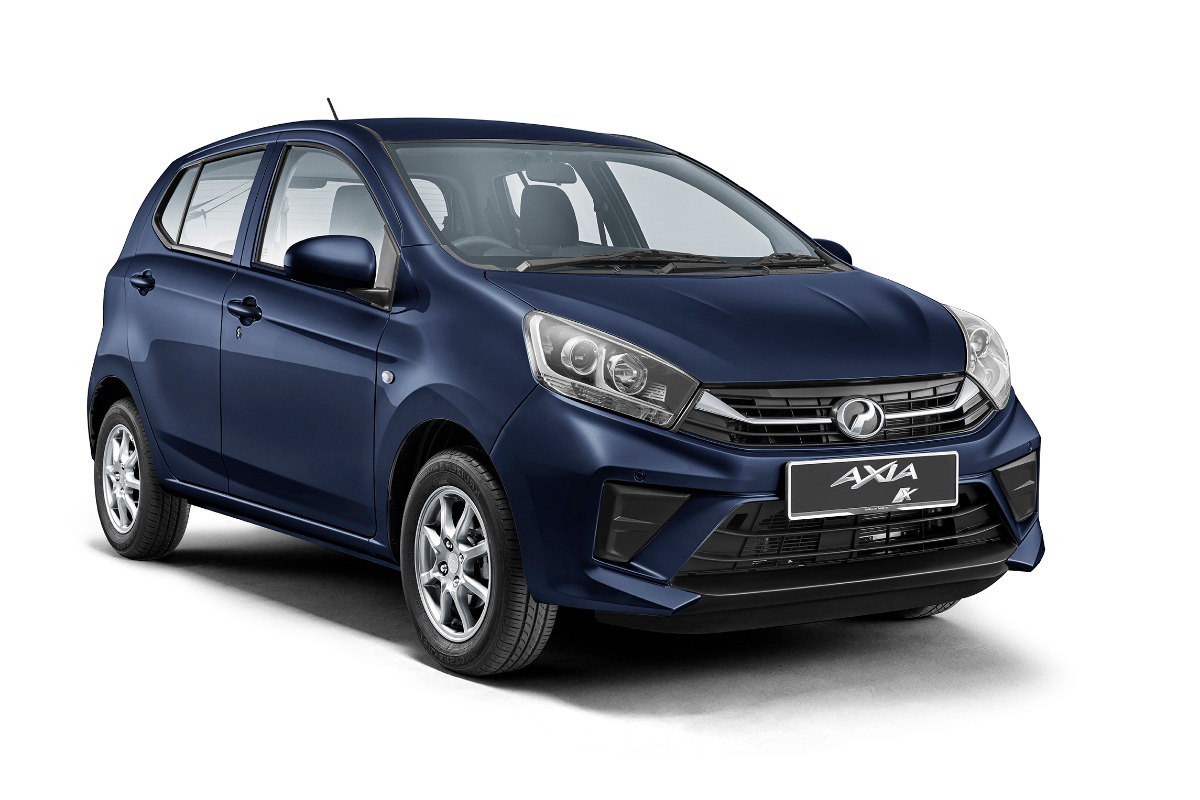
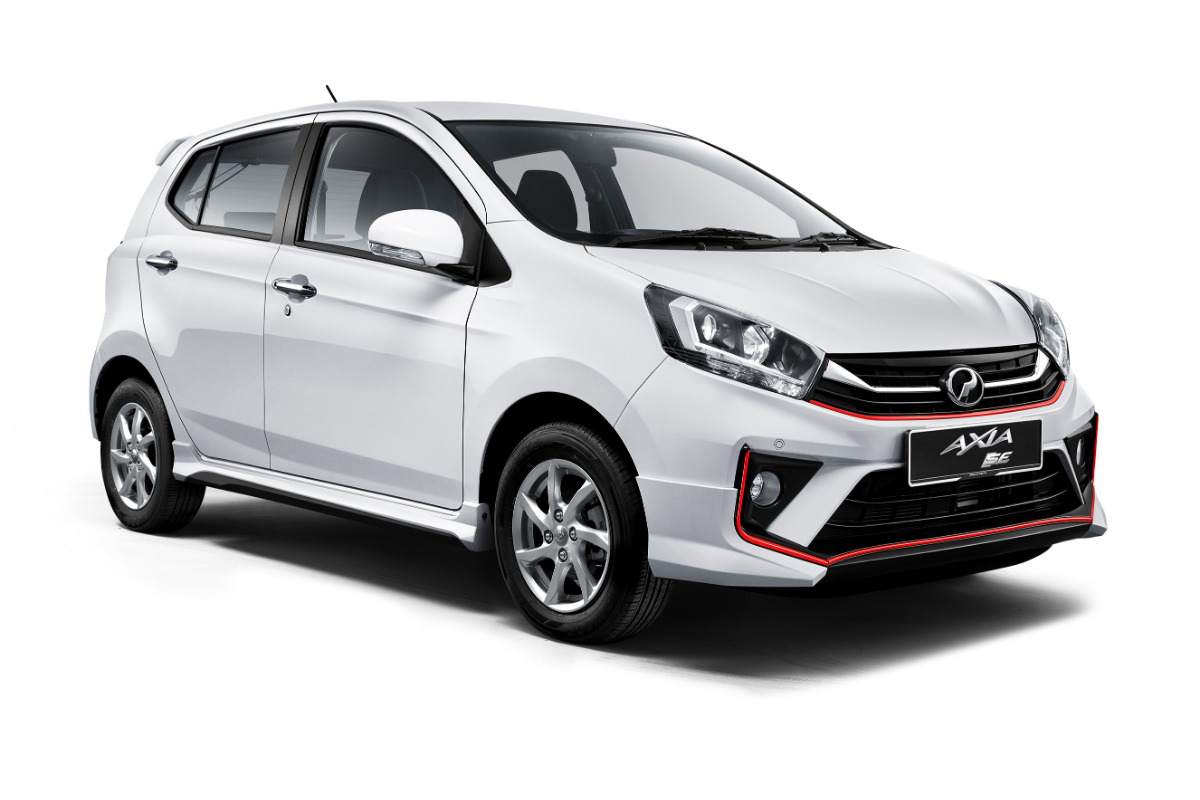
In terms of appearance, the 2019 Axia AV continues Perodua's family design language, with overall lines that are simple and rounded, befitting the nimbleness of a small vehicle. The front end features a moderately sized chrome grille, with halogen headlights on either side connected to the grille. Paired with a honeycomb-style lower air intake, the overall look may not be stunning but is distinctive enough. The side profile reveals sleek lines, with a waistline stretching from the front fender to the rear, enhancing the sense of dimensionality. The 14-inch wheels are proportionate to the body and do not appear undersized during daily driving. At the rear, the LED taillight assembly is horizontally arranged, offering clear visibility when lit. The black plastic trim on the lower portion of the rear bumper adds practicality, reducing repair costs from minor scrapes. Overall, the exterior design prioritizes practicality, avoiding overly flashy elements—aligning well with its positioning as a commuter car.
Inside the cabin, the interior features a two-tone color scheme, and the layout of the dashboard is simple and clear. The center console is equipped with a touch screen, supporting basic multimedia functions. Performance is smooth, meeting expectations for this price range. The multifunction steering wheel is made of plastic, but the button layout is logical, allowing for easy operation without needing to look down. The instrument panel is a backlit analog design, displaying key information such as rpm, speed, and fuel level clearly. Regarding materials, although mostly hard plastics are used, the panels fit together seamlessly, avoiding an overtly cheap feel. As for features, keyless entry, push-button start, front and rear parking sensors, and a reversing camera are standard. The inclusion of a 220V/230V power outlet is also convenient for rear passengers to use electronic devices. The seats are manually adjustable, with adequate support for the front seats. The rear seatbacks can be folded down to expand trunk space, making it feasible to store a stroller or small luggage for everyday use.
In terms of space, the car measures 3645mm×1620mm×1510mm, with a wheelbase of 2455mm, which is standard for A-segment models. The front seating area provides about a fist's worth of headroom and legroom for a passenger 175cm tall, ensuring a comfortable experience. When two adults are seated in the rear, there is about two fingers' worth of legroom and a fist of headroom. While short trips should pose no problem, long journeys might feel slightly cramped. The trunk offers a standard capacity of 260L, which is sufficient for daily shopping or carrying personal items. Folding down the rear seatbacks allows for the accommodation of longer items, increasing practicality. For storage, the front door panels feature pockets that can hold a bottle of mineral water, while a small storage compartment beneath the center console can store a phone or wallet. Overall, the design details meet daily usage needs.
In terms of power, it is equipped with a 1.0L naturally aspirated three-cylinder engine, delivering a maximum power of 69PS and a peak torque of 90N·m (Note: The torque is not indicated in the configuration sheet, so this data is supplemented based on common figures for vehicles with the same displacement). It is paired with a 4-speed automatic transmission. During actual driving, the power response in the initial acceleration phase feels relatively mild, requiring significant throttle input to achieve noticeable acceleration. This makes it suitable for low-speed urban commuting. At medium speeds, gear shifting by the transmission is smooth, with no obvious jolt. When overtaking, sufficient distance must be anticipated. There are only two driving modes: Economy and Normal. In Economy mode, the throttle response is softer, making it suitable for fuel-saving daily driving. The official combined fuel consumption is 6.5L/100km, while during actual test drives, urban road fuel consumption is approximately 7.2L/100km and highway consumption is about 5.8L/100km. Its fuel efficiency performance aligns with expectations.
In terms of handling and suspension, the front suspension adopts a MacPherson independent suspension, while the rear suspension is a torsion beam non-independent suspension (Note: This configuration is not indicated in the specification sheet, added here based on standard configurations for similar-class models). During daily driving, the suspension performs adequately in absorbing minor road bumps. However, when crossing speed bumps or uneven roads, rear passengers will feel noticeable vibrations, which is expected for A-Segment vehicles. The steering wheel is light to maneuver, making it suitable for female drivers or city parking, but it feels slightly vague at high speeds, lacking precision. The vehicle stability control function provides some support during quick lane changes, enhancing driving safety.
As for braking performance, the front brakes are ventilated disc brakes while the rear brakes are drum brakes (Note: Not listed in the specification sheet, supplemented here based on common configurations for similar-class models). Brake response is prompt, and the braking force is linear during daily driving, with no obvious dead zones. In specialized testing, the braking distance from 100km/h to a stop is approximately 42 meters, which aligns with the average level for small cars. Regarding noise control, engine noise and tire noise are more pronounced at high speeds, but they are within an acceptable range and will not affect normal communication among passengers inside the car.
In summary, the core strengths of the 2019 Perodua Axia AV 1.0 AT lie in its rich standard configuration, good fuel efficiency, and reliable brand reputation. Compared to the Proton Saga in the same class, it offers more comprehensive safety features, with functions like a reverse camera and vehicle stability control available as standard, making it more cost-effective. Compared to the Suzuki Alto, it offers better space, making it suitable for small families. This car is ideal for first-time car buyers, urban commuters, and small family users who value practicality. It can meet the demands of daily commuting and short trips. If you are on a tight budget and need a well-equipped, fuel-efficient, and durable commuter car, the 2019 Perodua Axia AV 1.0 AT is worth considering.
Perodua Axia Loan Calculator
More Perodua Reviews
Cars With Similar Price And Features

2023 Daihatsu Ayla 1.0 X CVT is an automatic transmission model in Malaysia's A-segment market, offering balanced features, a worry-free CVT gearbox, and low fuel consumption to meet the needs of daily commuting and short family trips.
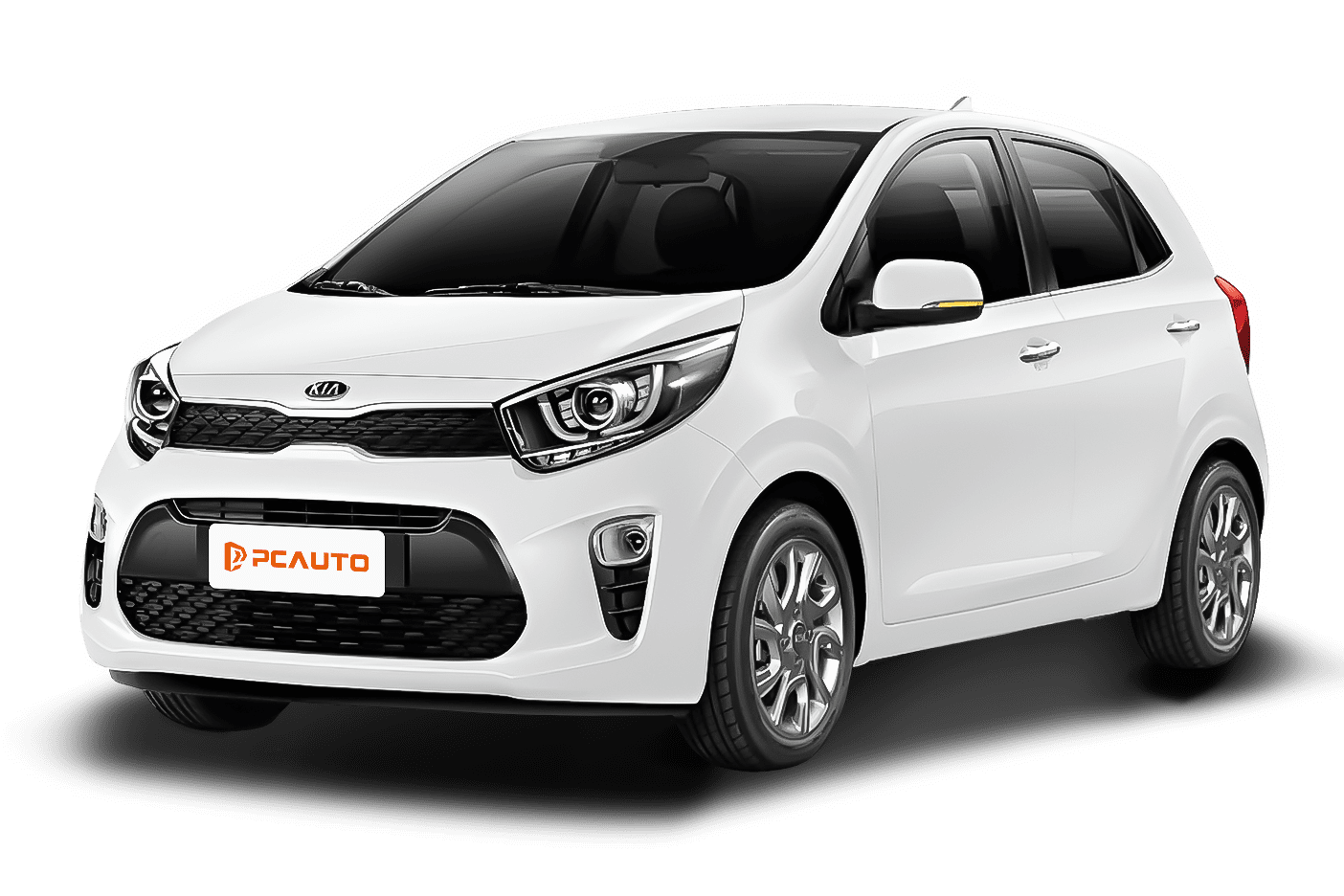
2024 Kia Picanto public is a high-value-for-money commuter car in the Malaysian A-Segment market, practical and attractive, with sufficient space and comprehensive safety features, suitable for commuting.