

2019 Perodua Axia G 1.0 AT Review

 Share
Share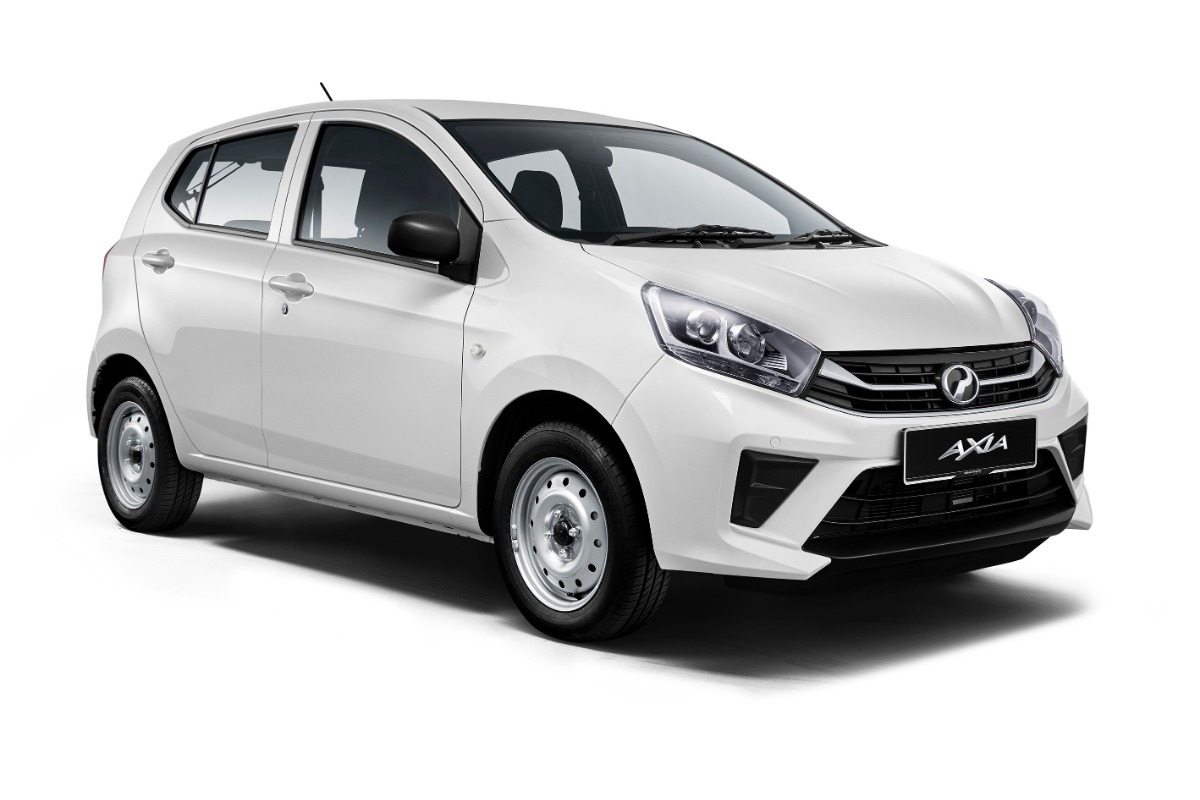
 Segment
 Body Type
 Capacity(L)
 Engine Power(PS)
 Transmission
 Driven Wheels
In Malaysia's A-Segment small car market, cost-effectiveness and practicality have always been the core considerations for consumers—after all, most families need a vehicle that can easily handle city commutes, offer flexible passenger and cargo utility, and have low maintenance costs. The 2019 Perodua Axia G 1.0 AT, as a popular choice in this market segment, has maintained high attention due to its advanced features such as keyless entry and a 220V power socket, along with its pricing of less than RM34,000. This time, we obtained the actual car to conduct a comprehensive test, from static details to dynamic performance, to see if it truly meets all the needs of daily use.
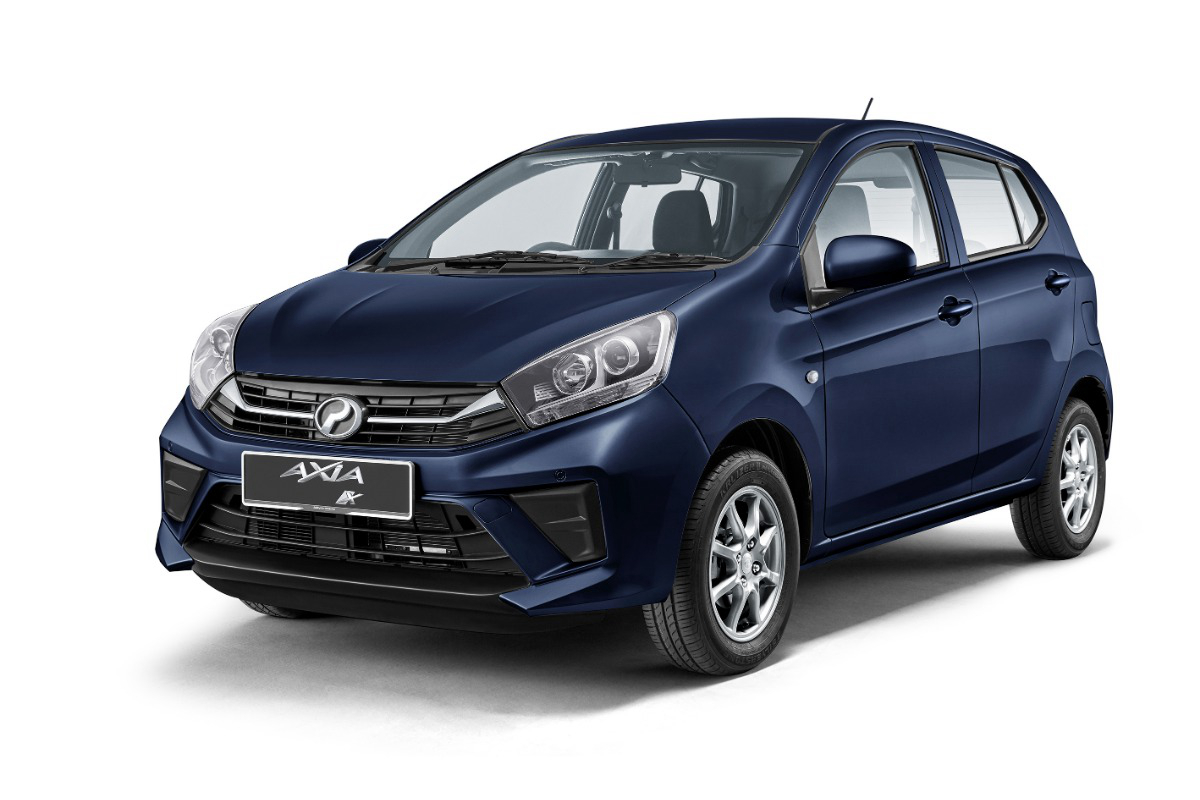
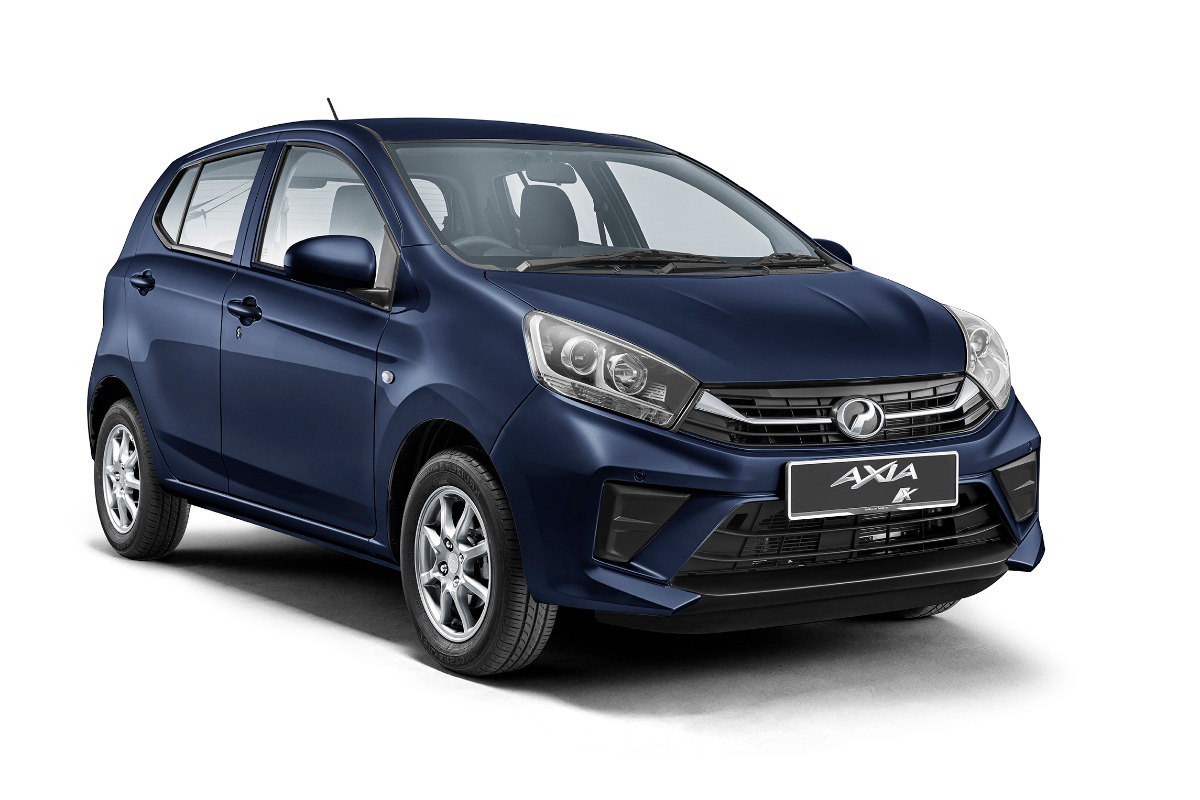
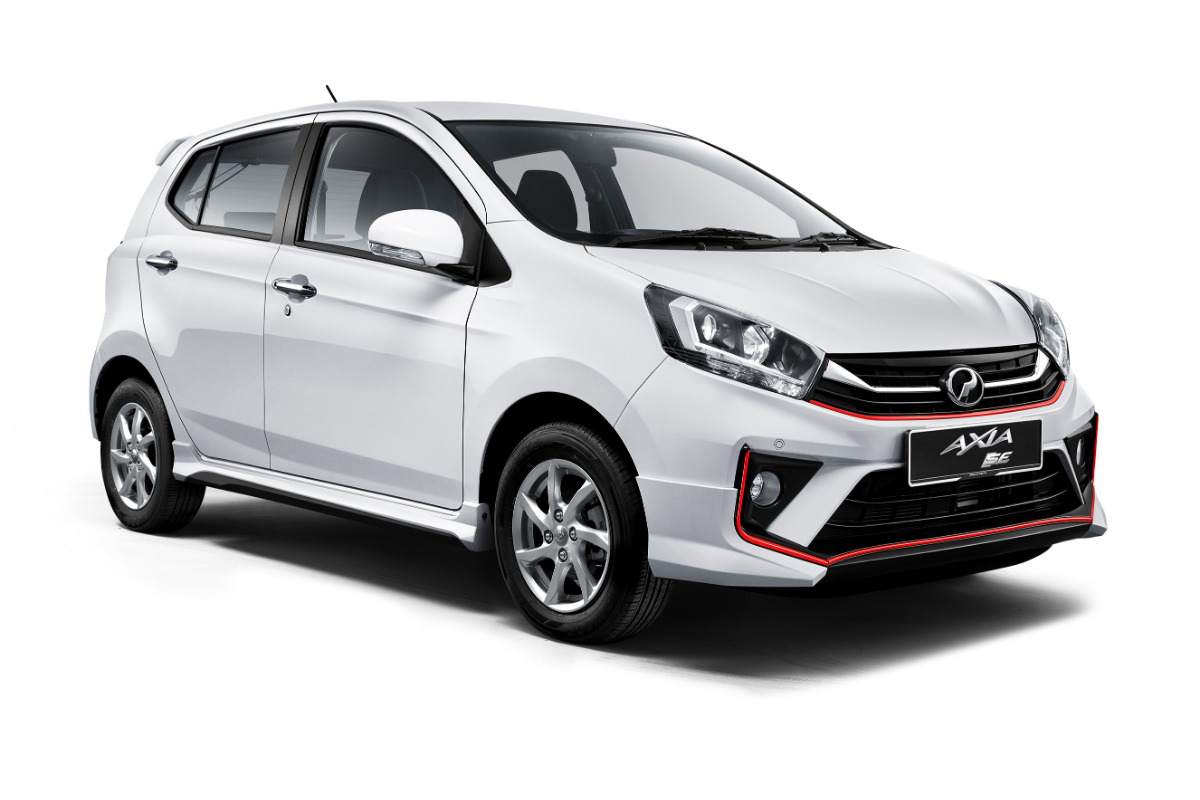
First, looking at the exterior, the design of the Axia G continues Perodua's consistent practical style, with overall rounded and compact lines, making it well-suited for navigating the crowded streets of Kuala Lumpur. The front features a large grille paired with halogen main lights and LED daytime running lights, offering sufficient recognizability despite the lack of complex decorations. The side profile displays a waistline stretching from the front to the rear, while the 14-inch wheels are just the right size to match the proportions of the car without looking too small. At the rear, the LED taillights echo the design of the front lights, and the chrome trim below the tailgate adds a touch of sophistication. Overall, the car's exterior design is free of redundant elements and prioritizes practicality.
Sitting inside, the first thing you'll notice is the layout of the interior—the dashboard is angled slightly towards the driver, and the positions of the buttons and knobs are easily accessible. Although most of the materials are hard plastic, the assembly craftsmanship is decent, without an obvious cheap feel. The instrument cluster features a backlit analog design, which clearly displays essential information such as RPM, speed, and fuel level at a glance. In terms of features, the keyless entry is a highlight, allowing hassle-free access without needing to take out the key. The front row is equipped with manual air conditioning with adjustment knobs that offer moderate resistance. The inclusion of a 220V power outlet is quite practical; it eliminates the need for an additional inverter when occasionally charging a laptop or small appliances. The seats are manually adjustable and made of fabric material, offering decent support. The back row seatbacks can be folded down to expand the trunk space.
In terms of space, the car's dimensions are 3645mm in length, 1620mm in width, and 1510mm in height, with a wheelbase of 2455mm, which falls into the medium range for the A-Segment. For a front-row passenger who is 175cm tall, there is still a one-fist clearance for headroom; in the rear row, with two adults seated, the legroom is about two fingers wide. While not particularly spacious, short trips are comfortable enough; however, it may feel cramped with three passengers in the back. The trunk has a standard capacity of 260L, which can fit two 20-inch suitcases. Folding down the rear seats allows for larger items, such as strollers or small furniture, making it suitable for daily family shopping or short trips. In terms of storage space, the door pockets can hold two bottles of water, and there’s a small storage slot under the dashboard ideal for a phone or wallet.
For dynamic driving, the Axia G is equipped with a 1.0L naturally aspirated three-cylinder engine, producing a maximum power output of 69PS and peak torque of 91Nm (data sourced from the specification sheet), paired with a 4-speed automatic transmission. The power output isn’t particularly strong on start-up, but it is sufficient for low-speed city driving, with relatively linear throttle response that provides noticeable power delivery upon pressing the accelerator. When accelerating past 60km/h, the power may feel a bit weak, requiring a deeper push on the accelerator for overtaking. The gearbox will downshift and raise the RPMs in response, during which the engine noise becomes more noticeable. There is only an economy mode for driving, which is suitable for daily commuting and helps slightly reduce fuel consumption.
In terms of chassis, the front suspension is a MacPherson independent suspension, while the rear suspension is a torsion beam non-independent suspension (although the configuration table does not mention the rear suspension, this is the usual setup for the Axia series). When handling typical speed bumps or bumpy city roads, the suspension can filter out most small jolts, but when encountering larger potholes, the rear seat vibrations become noticeably more significant. The steering feel is relatively light, making it suitable for female drivers or while parking in city areas; at higher speeds, the steering wheel becomes slightly heavier, adding to stability. In terms of braking, the front ventilated disc brakes perform adequately. The braking distance isn't particularly short, but it's safe enough for daily driving needs.
Fuel consumption testing is a highlight—we drove 100km in mixed conditions, including 30% highway, 60% city roads, and 10% rural roads, achieving a displayed fuel consumption of 5.2L/100km, slightly higher than the official 4.6L, primarily due to heavy city traffic. With a fuel tank capacity of 33L, a full tank allows for a range of approximately 600km, meeting expectations and reducing the need for frequent refueling. In terms of noise control, the cabin remains relatively quiet at low speeds, but wind and tire noise gradually become noticeable when speeds exceed 80km/h. However, this is typical for A-segment vehicles.
To summarize, the core advantage of the 2019 Perodua Axia G 1.0 AT lies in its cost-effectiveness—priced at less than 34,000 MYR, it offers practical features like Keyless entry and a 220V power outlet. The space performance can meet the daily needs of small families, and the fuel consumption is economical. Compared to competitors like the Proton Saga in the same segment, the Axia G offers richer configurations and lower maintenance costs. Although the power output is not particularly strong, it is suitable for city commuting.
The target audience for this vehicle is very clear: young working professionals with a limited budget who need a tool for daily commuting; or small family users who need it for daily shopping or picking up children. It does not boast outstanding performance but achieves a balanced approach in practicality, value-for-money, and reliability. If you're looking for a hassle-free and economical compact car, the Axia G is a solid choice.
Perodua Axia Loan Calculator
More Perodua Reviews
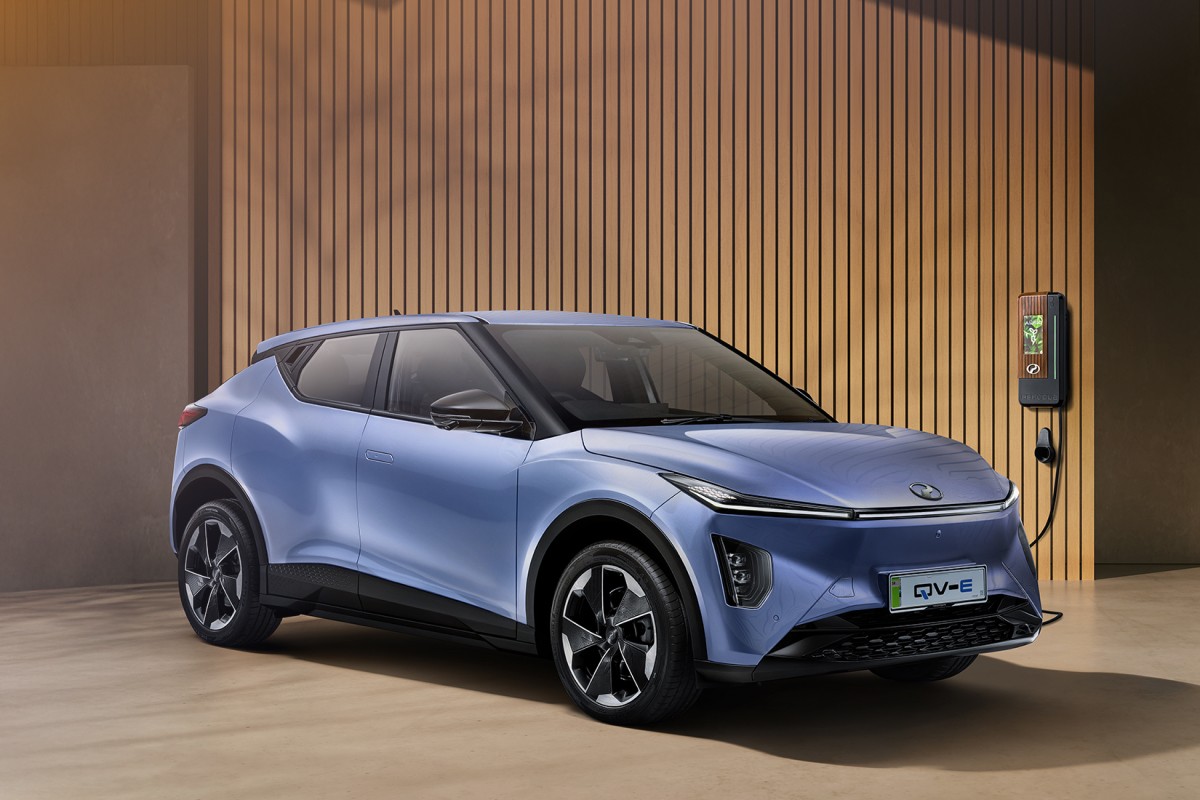
Cars With Similar Price And Features

2023 Daihatsu Ayla 1.0 X CVT is an automatic transmission model in Malaysia's A-segment market, offering balanced features, a worry-free CVT gearbox, and low fuel consumption to meet the needs of daily commuting and short family trips.
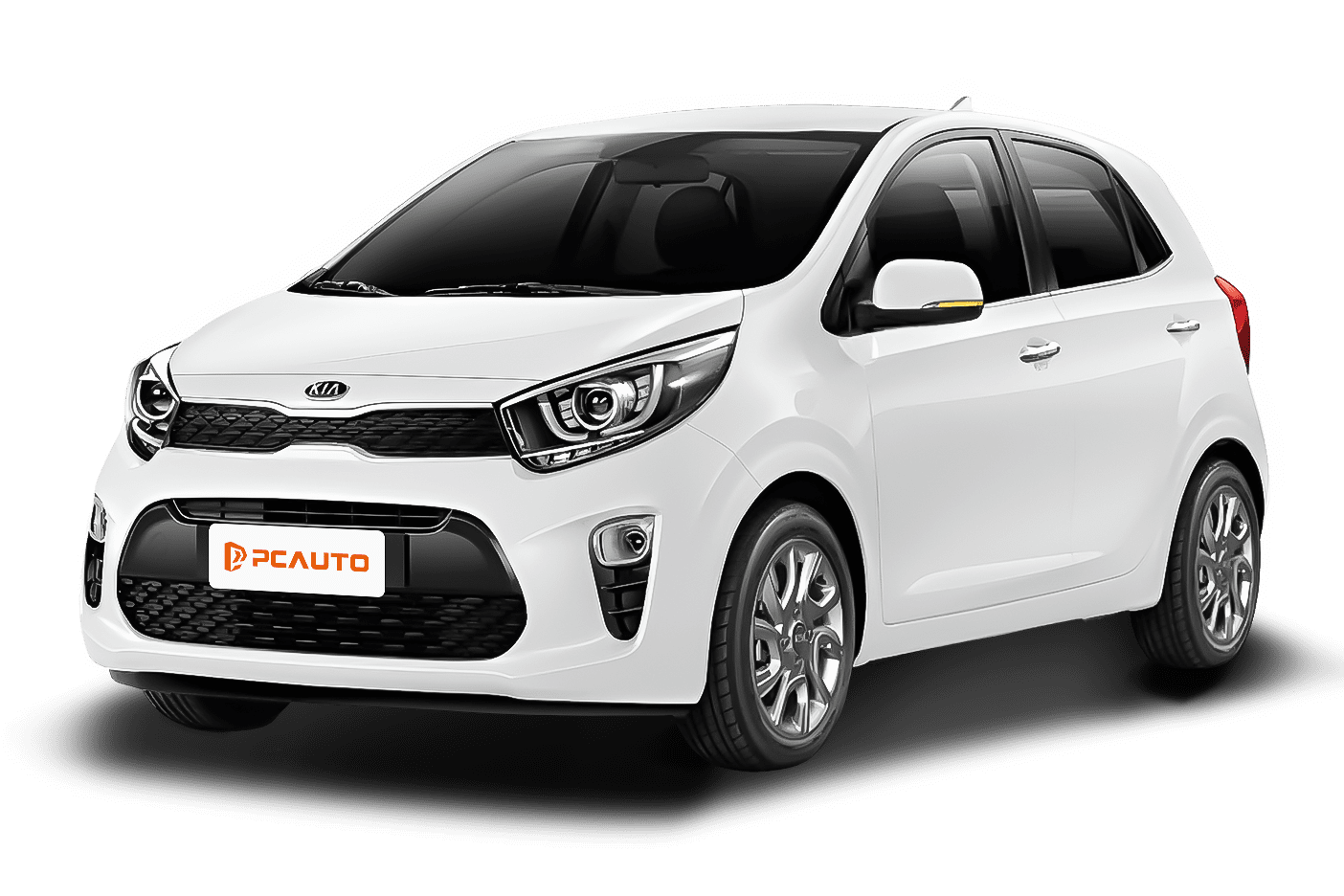
2024 Kia Picanto public is a high-value-for-money commuter car in the Malaysian A-Segment market, practical and attractive, with sufficient space and comprehensive safety features, suitable for commuting.