

2019 Perodua Axia SE 1.0 AT Review

 Share
Share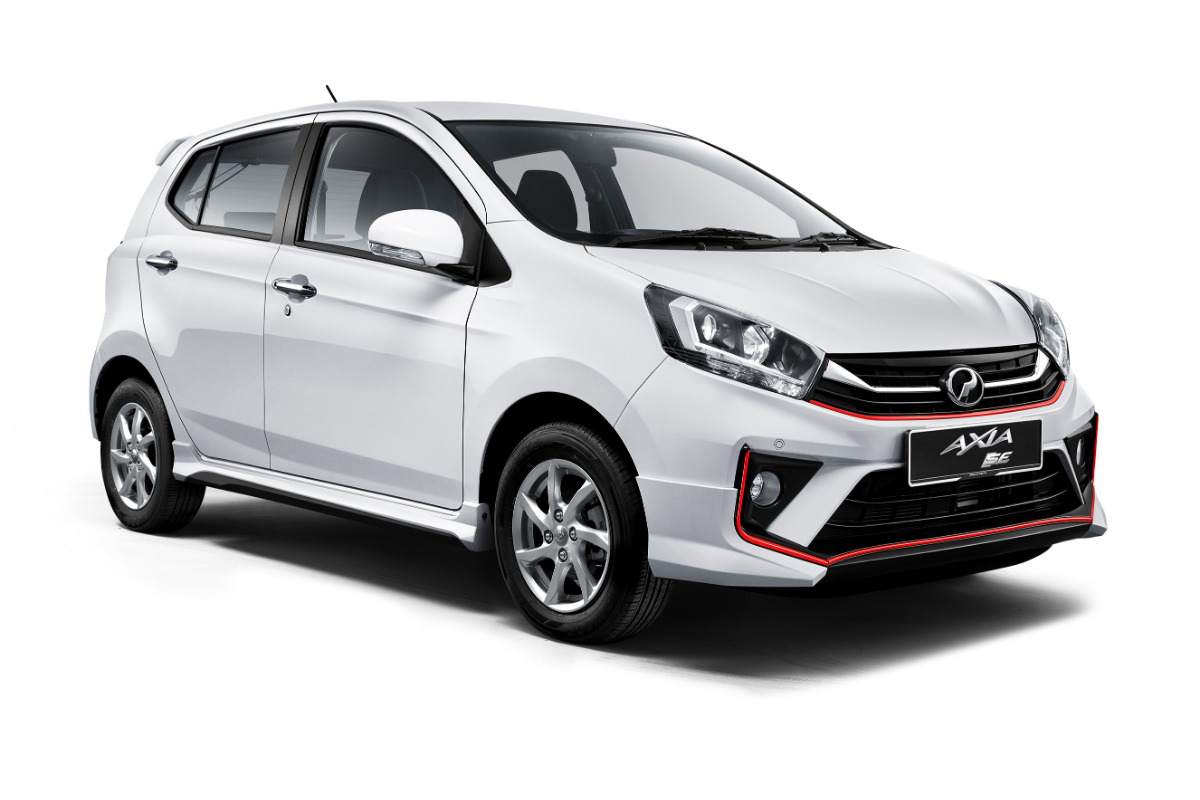
 Segment
 Body Type
 Capacity(L)
 Engine Power(PS)
 Transmission
 Driven Wheels
In Malaysia's A-Segment market, economical and practical small cars have always been the core choice for commuting and basic family needs. As a popular local model, the 2019 Perodua Axia SE 1.0 AT attracts budget-conscious consumers who value practicality with its balanced features and affordable pricing. Can this car balance performance, space, and fuel consumption in daily use? This test drive will be centered around its static design, dynamic performance, and practicality to break down its actual performance.
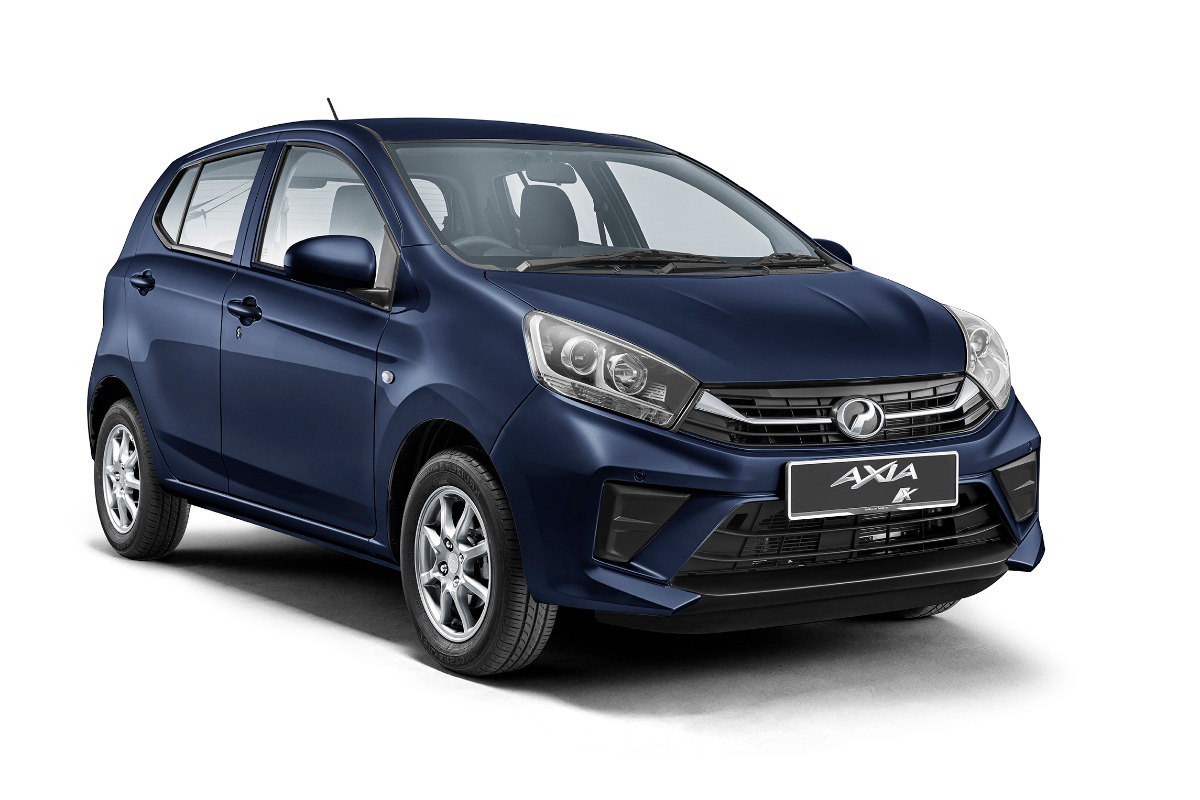
In terms of appearance, the 2019 Axia SE 1.0 AT continues Perodua's youthful design language with simple and sleek overall lines. The front features a moderately-sized front grille paired with blacked-out headlights (a halogen + LED combination), creating strong recognition. Below, the integrated round front fog lamps enhance nighttime driving safety. The side profile has smooth lines, with 14-inch alloy wheels (tire specs 175/65 R14) adding a touch of detail to avoid a plain look. Practical protective strips at the bottom of the doors add functionality. At the rear, the three-dimensional taillight group echoes the front design, while the layered lines of the rear bumper create a moderate sense of dimension, making the whole car look compact and in line with the positioning of a small car.
Stepping into the interior, it adopts a dark color scheme as the main tone, with a few silver trims for accents. Although hard plastic materials dominate, the assembly work is decent. The dashboard layout is clear, with a multimedia display embedded at the top (its exact size is not listed in the configuration sheet, but the operation smoothness is decent). Below is the manual air conditioning control area, with knobs and buttons that offer a moderate tactile feel, making blind operation convenient. In terms of features, the keyless entry/start system stands out for its convenience in daily use. The front row is equipped with 220V/230V power sockets and cup holders along with storage compartments, ensuring full practicality. The seats are made of fabric material; the front seats support manual adjustment and offer sufficient support for a small car. The rear seatbacks can be folded down to expand the trunk space (standard capacity 260L), meeting the needs for daily shopping or short trips. Regarding rear space, the 2455mm wheelbase offers average performance. A 170cm passenger sitting in the rear leaves about one fist's worth of legroom, with headroom approximately three fingers remaining. While short trips are fine, it may feel slightly cramped on longer journeys.
In terms of power, it is equipped with a 1.0L naturally aspirated three-cylinder engine, delivering a maximum power of 69PS (6000rpm) and a maximum torque of 100N·m (4400rpm), paired with a 4AT gearbox. During daily driving, the power delivery is smooth at the start, suitable for urban commuting. When the speed reaches 60km/h, the acceleration response becomes more active. During overtaking, pressing the accelerator pedal harder causes the gearbox to downshift and raise the RPM, providing sufficient power for urban road demands. It only has a standard driving mode, but the gearbox's shift logic leans towards smoothness, with minimal jerking. For handling, the steering wheel is light and precise enough for a small car. It's easy to park or maneuver at low speeds. The chassis adopts a front MacPherson independent suspension and rear torsion beam semi-independent suspension, tuned for comfort. When crossing speed bumps or uneven roads, the suspension absorbs most of the minor bumps, avoiding overly stiff feedback. During cornering, the body roll is controlled within a reasonable range, without the feeling of instability.
Fuel consumption is one of the core advantages of this car, with an official combined fuel consumption of 4.6L/100km. During actual test drives, the fuel consumption in congested urban areas is about 5.5L/100km, while on highways it is about 4.2L/100km, resulting in a combined fuel consumption of around 5L/100km. For a compact car, the fuel efficiency is outstanding. Regarding braking, the combination of front ventilated discs and rear drum brakes delivers linear braking response, providing sufficient confidence in daily driving. In terms of driving comfort, the noise insulation performance aligns with the positioning of a compact car. At speeds under 60km/h, tire and wind noise are barely noticeable. At speeds above 80km/h, wind noise gradually enters the cabin but does not affect normal conversations. The seat provides good support, ensuring comfort even during long hours of driving.
Overall, the core advantages of the 2019 Perodua Axia SE 1.0 AT lie in its balanced practicality and excellent fuel economy. Features such as keyless entry/start, front and rear parking sensors, and foldable rear seats are competitive within the same vehicle class. Compared to the Proton Saga of the same class, the Axia performs better in terms of fuel consumption, while the Saga has slightly stronger power output. However, the Axia benefits from the advantage of being a local brand with a more comprehensive after-sales network. This car is suitable for consumers with a budget under RM40k who prioritize practicality for daily commutes, especially urban office workers or families of three. It can meet the needs of daily commuting, school runs, and short trips.
In conclusion, the 2019 Perodua Axia SE 1.0 AT may not have particularly impressive highlights, but it excels in being well-rounded with no obvious shortcomings. It is a "practical and affordable" compact car that is perfectly capable of serving as a family's first car or a city commuting vehicle.
Perodua Axia Loan Calculator
More Perodua Reviews
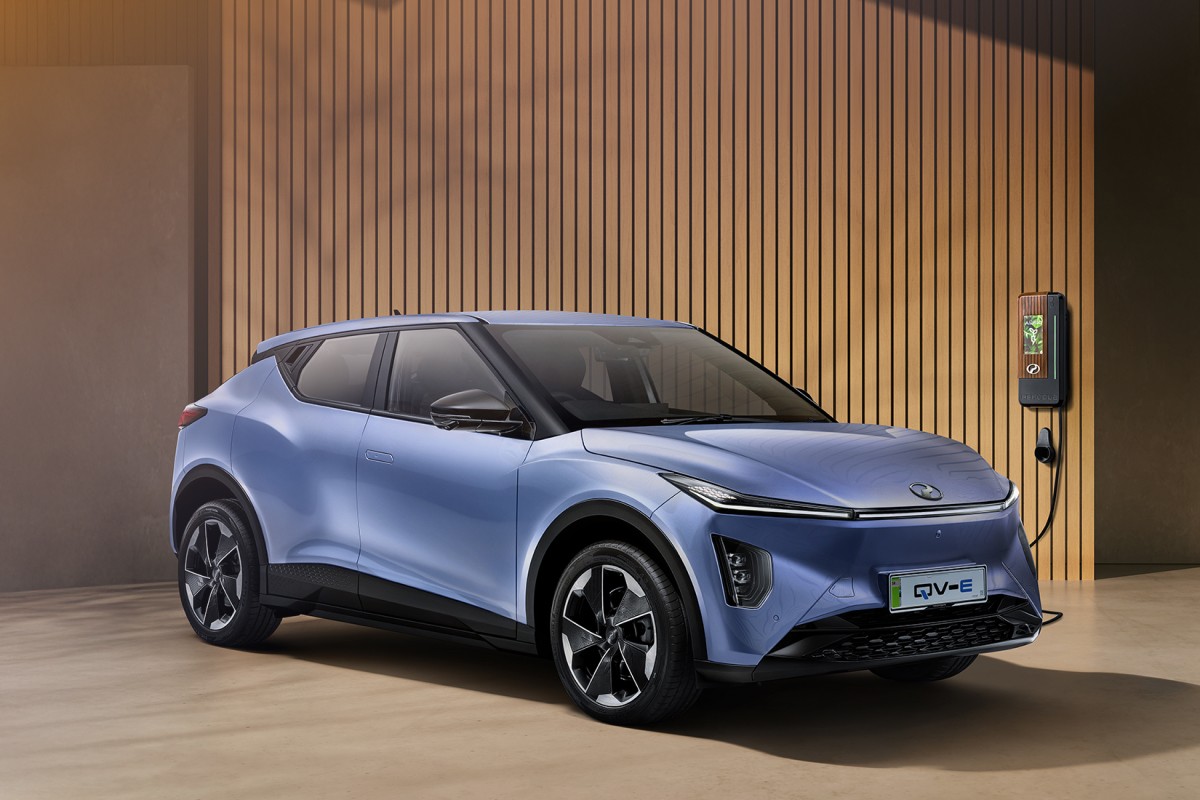
Cars With Similar Price And Features

2023 Daihatsu Ayla 1.0 X CVT is an automatic transmission model in Malaysia's A-segment market, offering balanced features, a worry-free CVT gearbox, and low fuel consumption to meet the needs of daily commuting and short family trips.
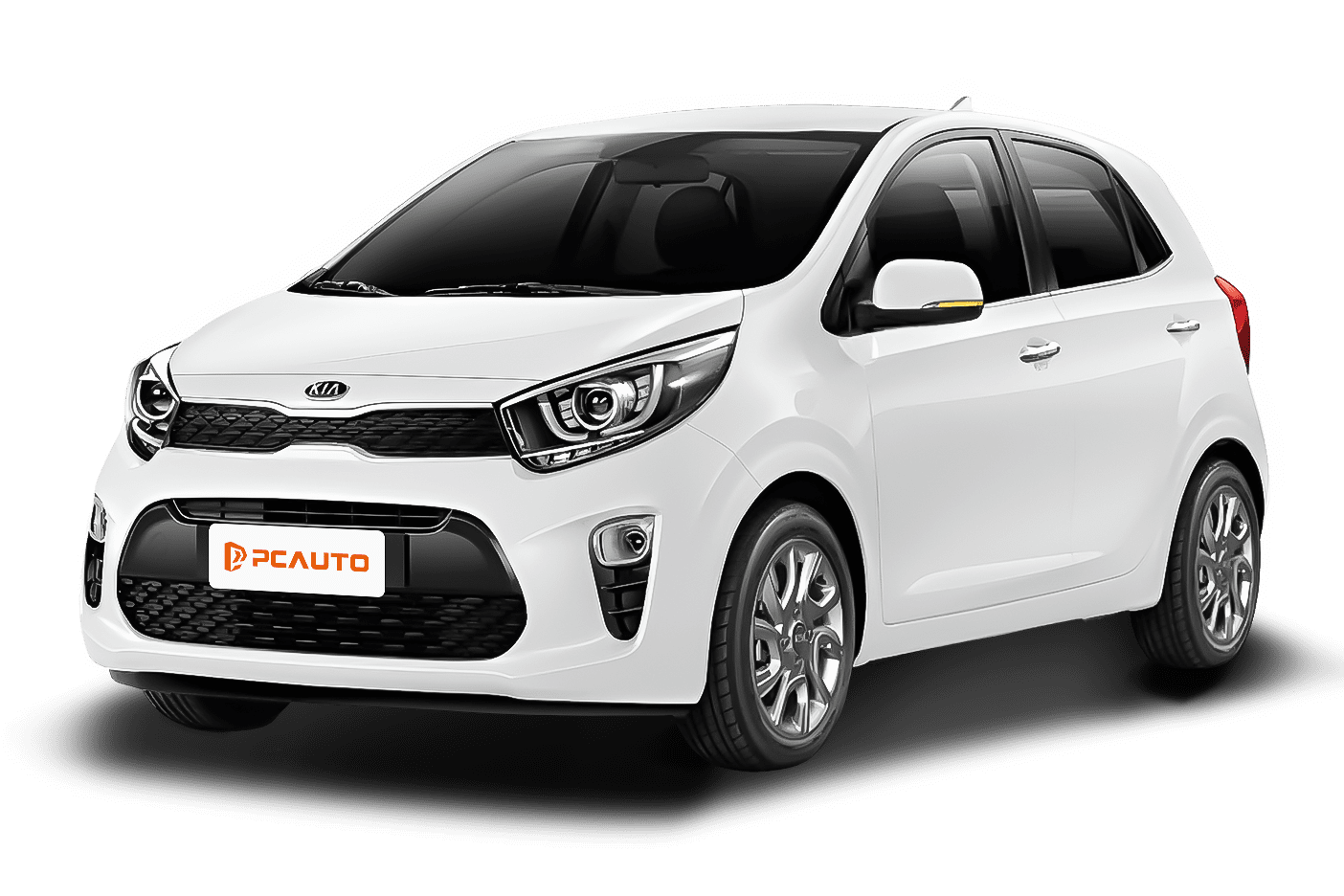
2024 Kia Picanto public is a high-value-for-money commuter car in the Malaysian A-Segment market, practical and attractive, with sufficient space and comprehensive safety features, suitable for commuting.