

2019 Subaru XV 2.0i Review

 Share
Share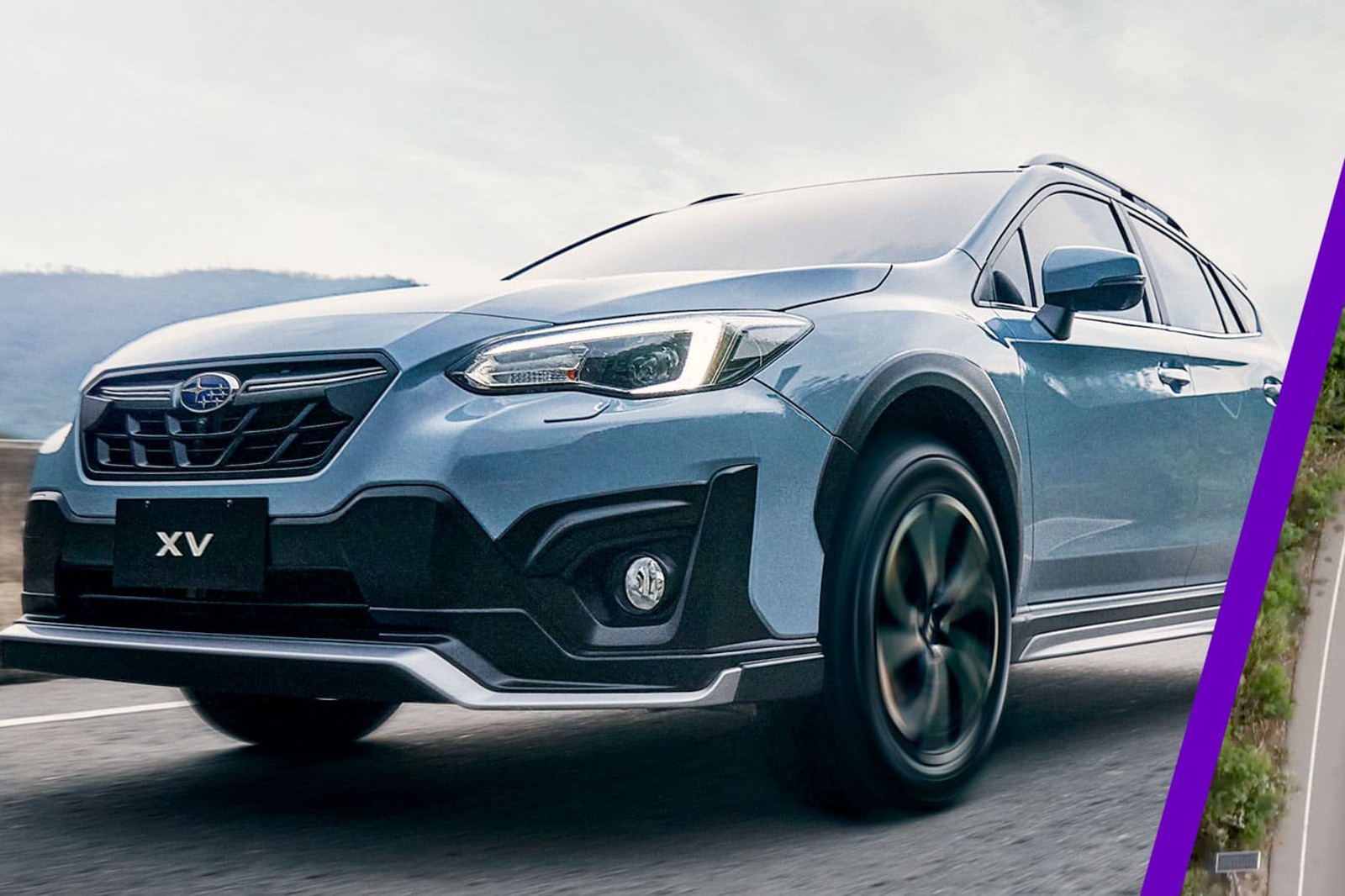
 Segment
 Body Type
 Capacity(L)
 Engine Power(PS)
 Transmission
 Driven Wheels
In Malaysia's C-Segment SUV market, there are not many models that balance daily practicality with all-wheel-drive performance. Many family users wish for the comfort of urban commuting while also hoping to handle complex road conditions when going on occasional countryside drives. The 2019 Subaru XV 2.0i is a model that targets this demand, with its core selling points being Subaru's signature Symmetrical All-Wheel Drive system, a relatively reasonable price (RM 112,138), and configurations that cover mainstream needs. In this test drive, we focus on its all-wheel-drive practicality, daily driving quality, and whether its space can meet the needs of family usage scenarios.
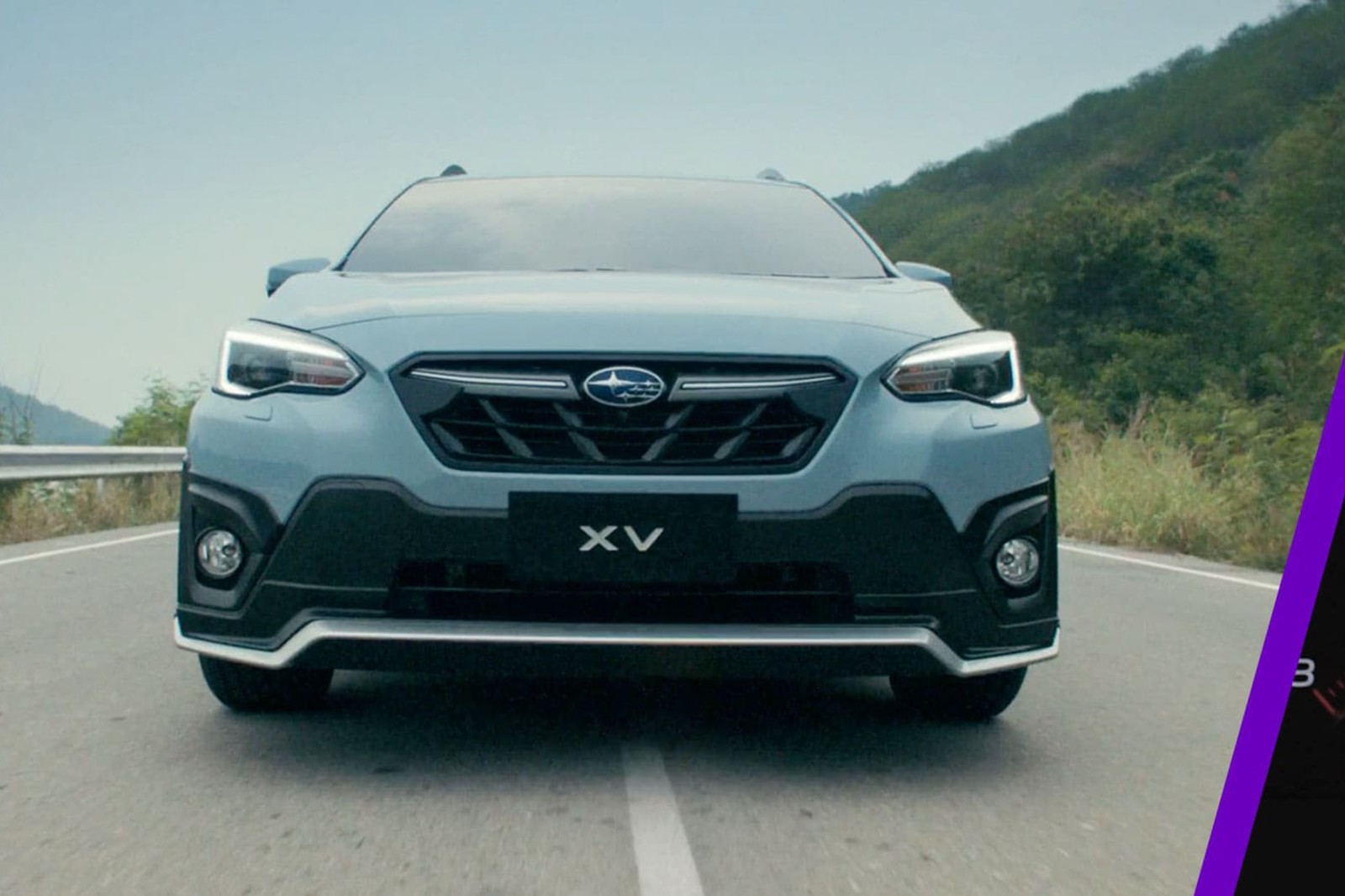
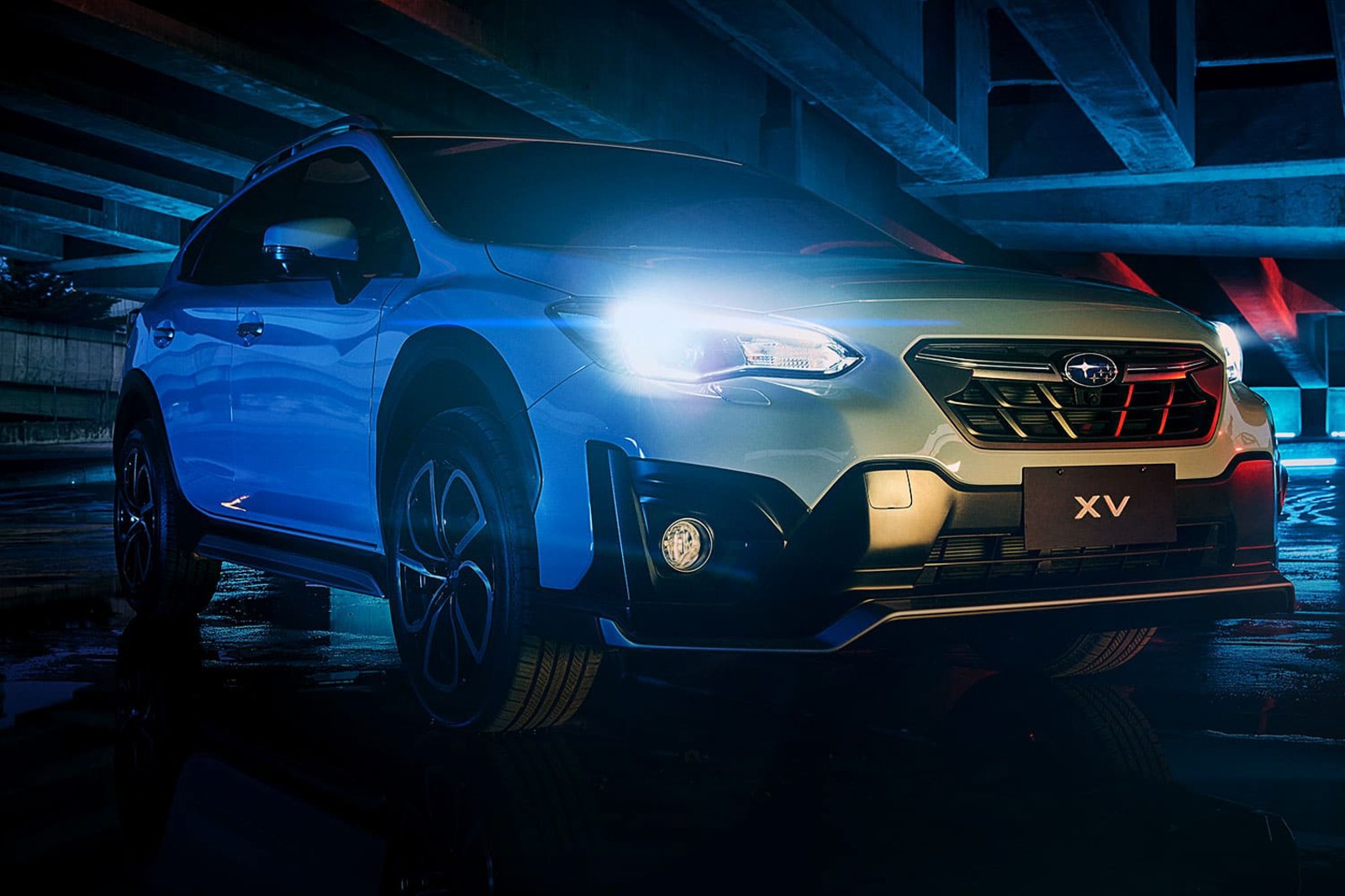
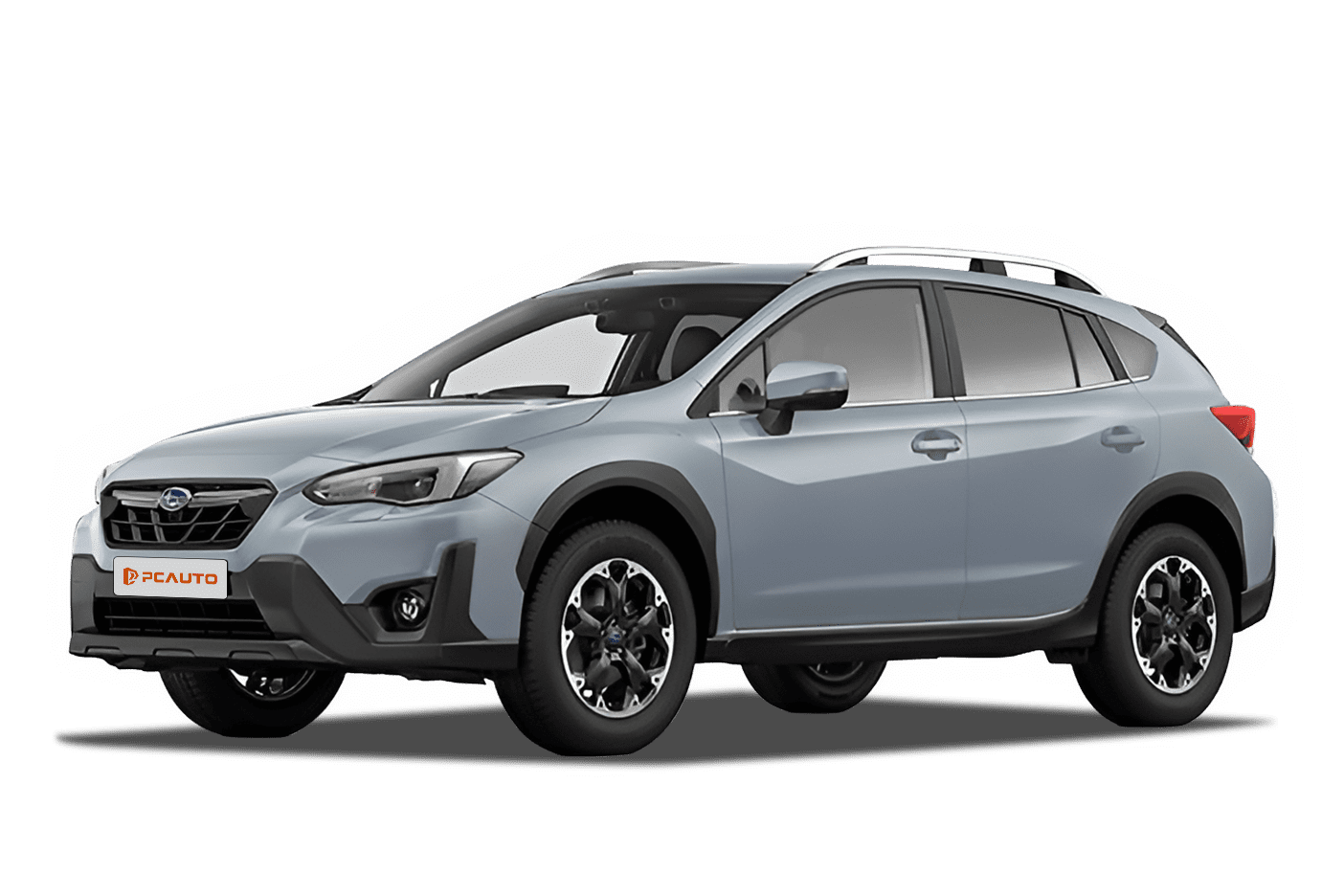
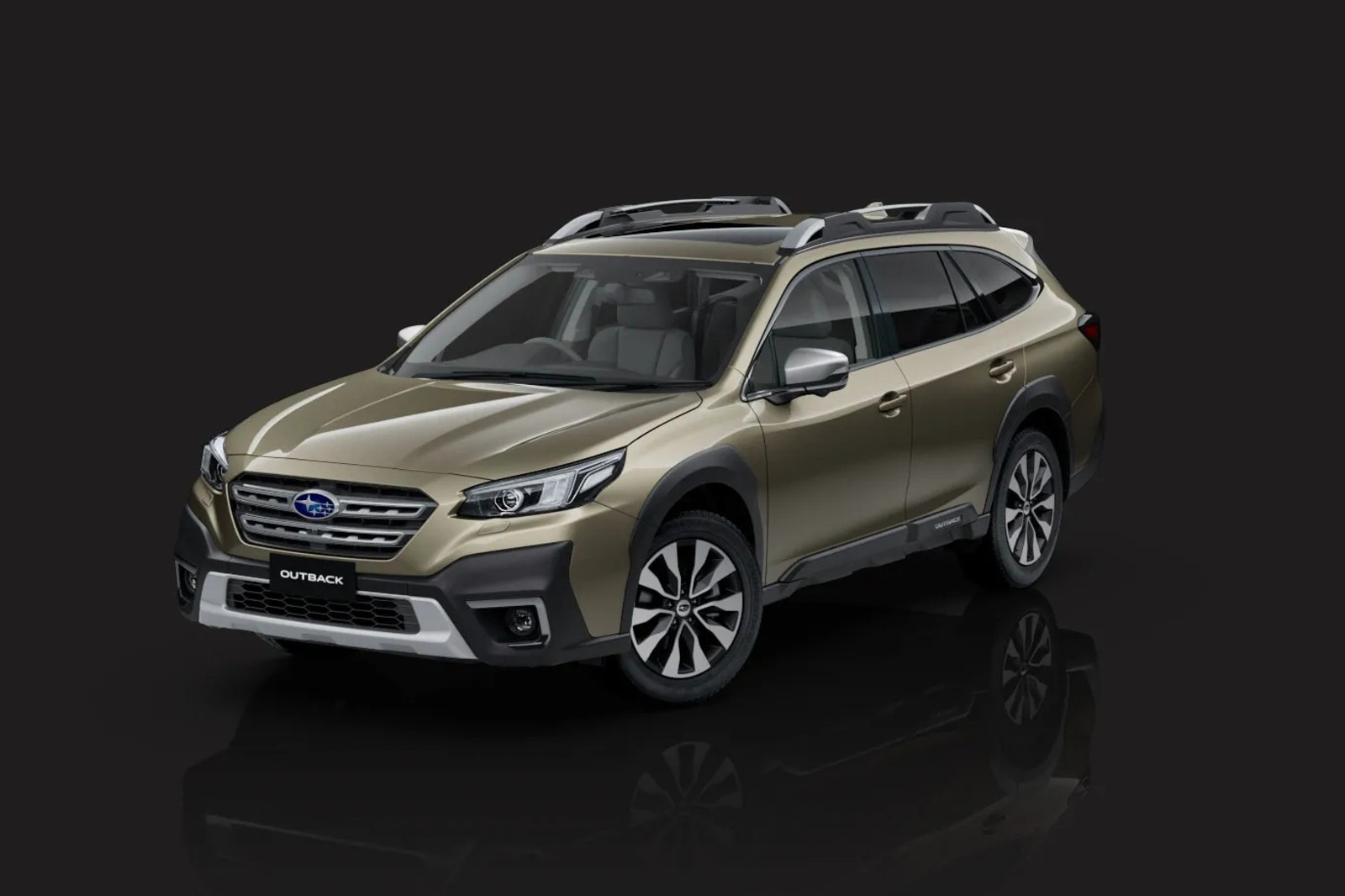
From its exterior, the design of the 2019 XV continues Subaru's family styling, featuring rather rugged overall lines. The front hexagonal grille with chrome trim adds a good level of recognition. The black plastic cladding on the wheel arches and side skirts adds a touch of crossover feel. Its dimensions of 4465mm in length, 1800mm in width, and 1615mm in height put it at a medium level among its class, while the 2665mm wheelbase ensures a basic level of interior space. At the rear, the LED taillights adopt a C-shape design, offering clear illumination when lit. The silver skid plate under the rear bumper adds a touch of off-road style. In terms of lighting, it comes standard with halogen low-beam headlights, LED daytime running lights, and front fog lights, which adequately meet daily usage needs.
Inside the vehicle, the interior design focuses on practicality without excessive ornamentation. The center console is covered with soft-touch plastic material and adorned with silver trim, offering a medium level of texture for its price range. The steering wheel has a multifunctional design, equipped with buttons for volume adjustment, cruise control, and standard paddle shifters, making day-to-day operations relatively convenient. The instrument panel is an Electroluminescent Analogue type, clearly displaying information such as RPM, speed, and fuel level. In terms of configuration, the front seats support 8-way electric adjustment, allowing drivers of different body types to find a comfortable seating position. The rear seats come with a 60:40 split design, which, when folded down, expands the trunk space. Although the 2019 model is not equipped with a large touchscreen in the center console, it does have a single-zone automatic air conditioning system, with straightforward operation knobs and buttons. Additionally, it is equipped with keyless entry, electrically folding side mirrors, and a 220V/230V power outlet, all of which are practical for everyday usage.
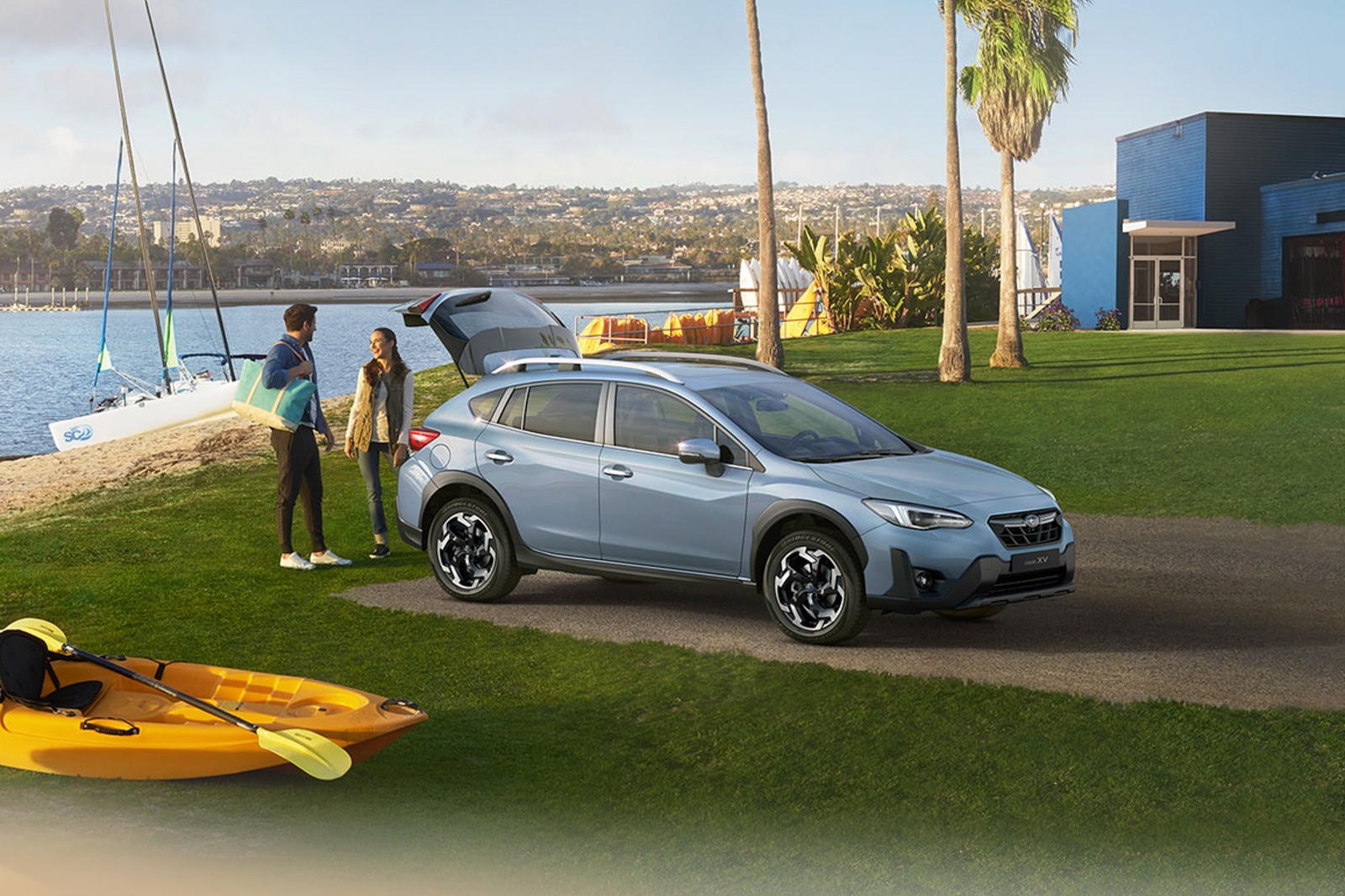
As for space performance, the 2665mm wheelbase provides fairly generous rear legroom. For a passenger standing 175cm tall, there is about two fist-widths of clearance between their knees and the front seat, and the headroom offers more than a fist-width, preventing any sense of constriction. The standard trunk capacity is 345L, easily accommodating two 28-inch suitcases along with some other items. With the rear seats folded down, the cargo space expands significantly, suitable for transporting larger items. In terms of storage spaces, there are door panel storage compartments, a central armrest box, front cup holders, and more, which are handy for storing small daily items. The rear is also equipped with air conditioning vents and USB ports (although not explicitly stated in the configuration list, these were found during the test drive), enhancing the comfort for rear passengers.
Powertrain: The 2019 XV is equipped with a 2.0L naturally aspirated engine, delivering a maximum horsepower of 156PS and a maximum torque of 196N·m (data source: official specifications), paired with a CVT transmission. During daily driving, the start is relatively smooth, and the characteristics of the CVT transmission ensure a jerk-free acceleration process with a linear increase in RPM. In normal mode, the power response is not particularly aggressive, but it is fully sufficient for city commuting. When the accelerator is pressed deep, the engine RPM will rise to around 4000rpm, at which point torque is fully released, providing enough confidence for overtaking. Switching to manual mode (via the paddle shifters), it can simulate 7 gears. While it doesn't deliver the gear-shifting punch of an AT transmission, it does add a bit of driving fun.
Handling and chassis performance are among the highlights of this car. The Symmetrical All-Wheel Drive system significantly enhances stability during cornering, especially on rainy or slippery roads. The vehicle's grip is excellent, without noticeable skidding. The suspension system uses a front MacPherson strut and rear double-wishbone independent suspension, tuned for comfort. It effectively filters out most vibrations when dealing with speed bumps or bumpy city roads. However, during high-speed cornering, the body may experience slight body roll, though it remains within controllable limits. The steering feel is steady and has clear precision, making it very user-friendly for daily driving.
During this test drive, we also focused on its four-wheel-drive system. On unpaved roads in the suburbs (such as muddy or gravel roads), the Symmetrical AWD system can quickly distribute power between the front and rear wheels. The vehicle has decent off-road capability, easily handling small slopes or uneven terrain. However, it should be noted that its ground clearance is not particularly high, making it less suitable for extreme off-road scenarios. In terms of fuel consumption, the official combined fuel consumption is 7.3L/100km. During the actual test drive, urban road conditions were around 8.5L/100km, while highway conditions could drop to 6.8L/100km, which is a reasonable performance for a four-wheel-drive SUV.
In terms of ride comfort, the seat support is decent, and the front seats provide moderate wrapping, ensuring that long drives are not overly tiring. Regarding noise control, the cabin is relatively quiet during low-speed driving. At high speeds (above 110km/h), wind noise and tire noise are noticeable but within an acceptable range and do not affect normal conversations. The braking performance is stable, with a moderate braking distance, providing ample confidence for daily driving.
In summary, the core advantage of the 2019 Subaru XV 2.0i lies in the stability and traction provided by the Symmetrical All-Wheel Drive system, which is not a feature found in many two-wheel-drive models in the same class. While its configuration isn't considered luxurious, it covers the essential practical features needed for daily use. Its space performance is sufficient to meet family usage scenarios. Compared to competitors in the same class (such as the Honda HR-V and Toyota C-HR), its four-wheel-drive system is its most distinctive advantage, and its price is relatively reasonable. This car is more suitable for families who value vehicle stability, occasionally need to deal with complex road conditions, or enjoy weekend drives to the countryside. If you need an SUV that is comfortable for daily commuting while also capable of light off-roading, the 2019 Subaru XV 2.0i is a worthy choice.
Subaru XV Car Compare
Subaru XV Loan Calculator
More Subaru Reviews
Cars With Similar Price And Features
8
Rank in SUV
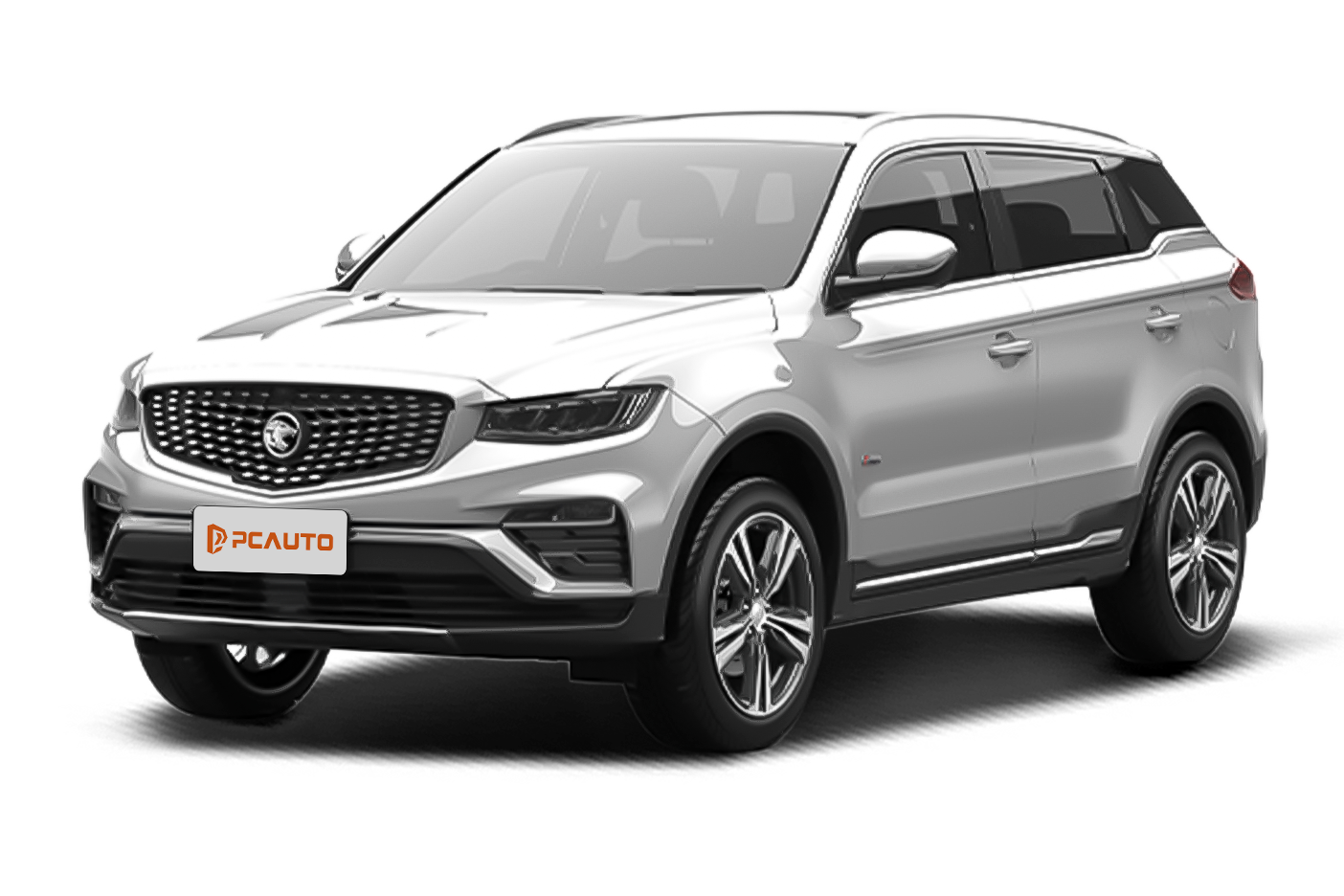
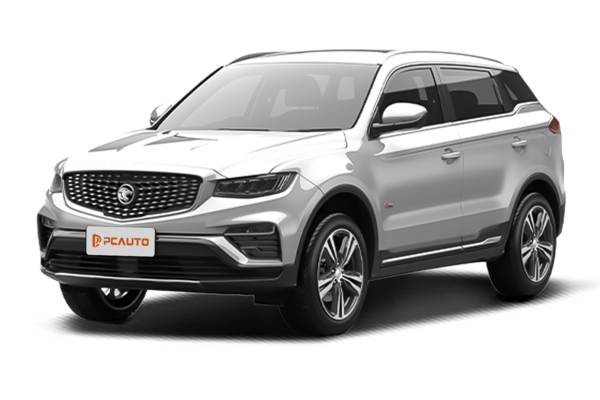
2026 Proton X70 1.5 TGDi Executive focuses on upgrading to a four-cylinder engine, practical configurations, and affordable pricing. It balances family commute practicality with value for money, making it a sensible choice among similarly priced C-segment SUVs.
10
Rank in SUV
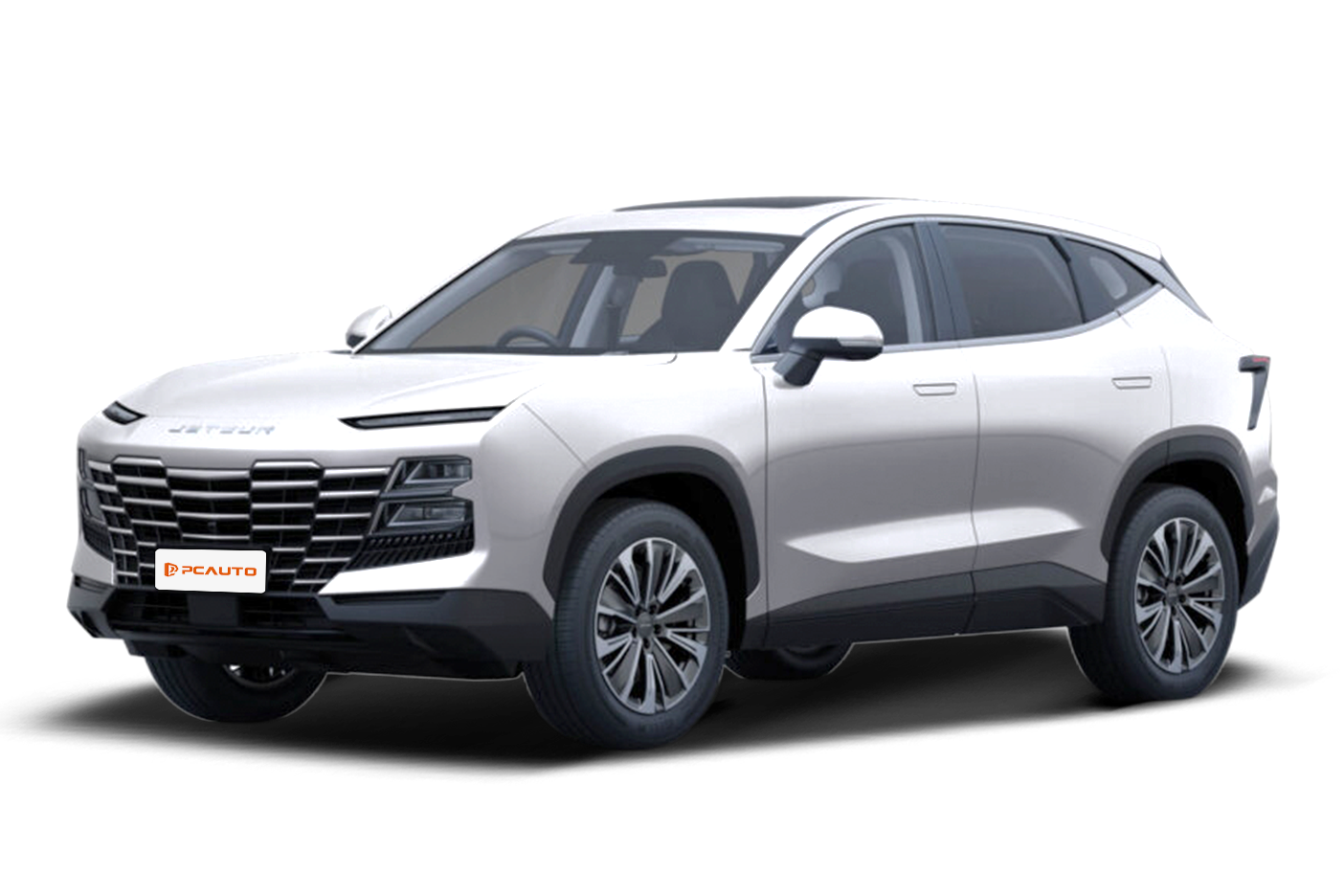
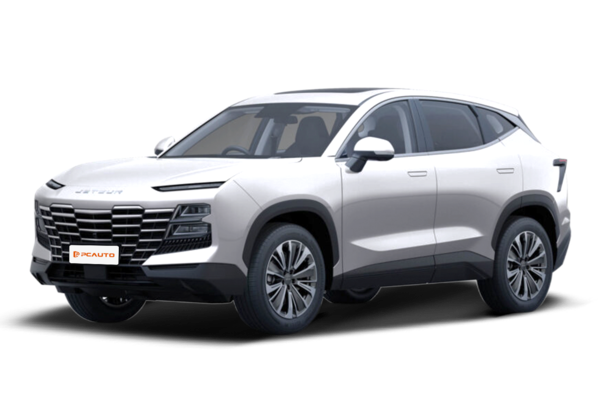
Jetour Dashing 1.5 TCI Comfort 2025 features a 2720mm long wheelbase and a 10.25-inch dual screen as its core, focusing on balanced cost performance to meet family practical needs.

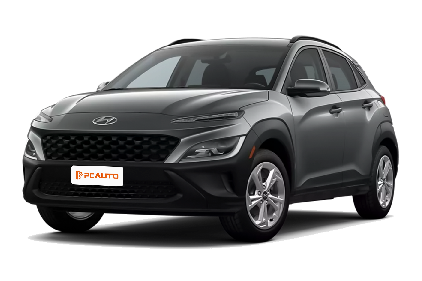
2021 Hyundai Kona 2.0 Standard, as a high-value entry-level compact SUV, retains essential safety and practical features with an affordable price, meeting the daily commuting and loading needs of families.
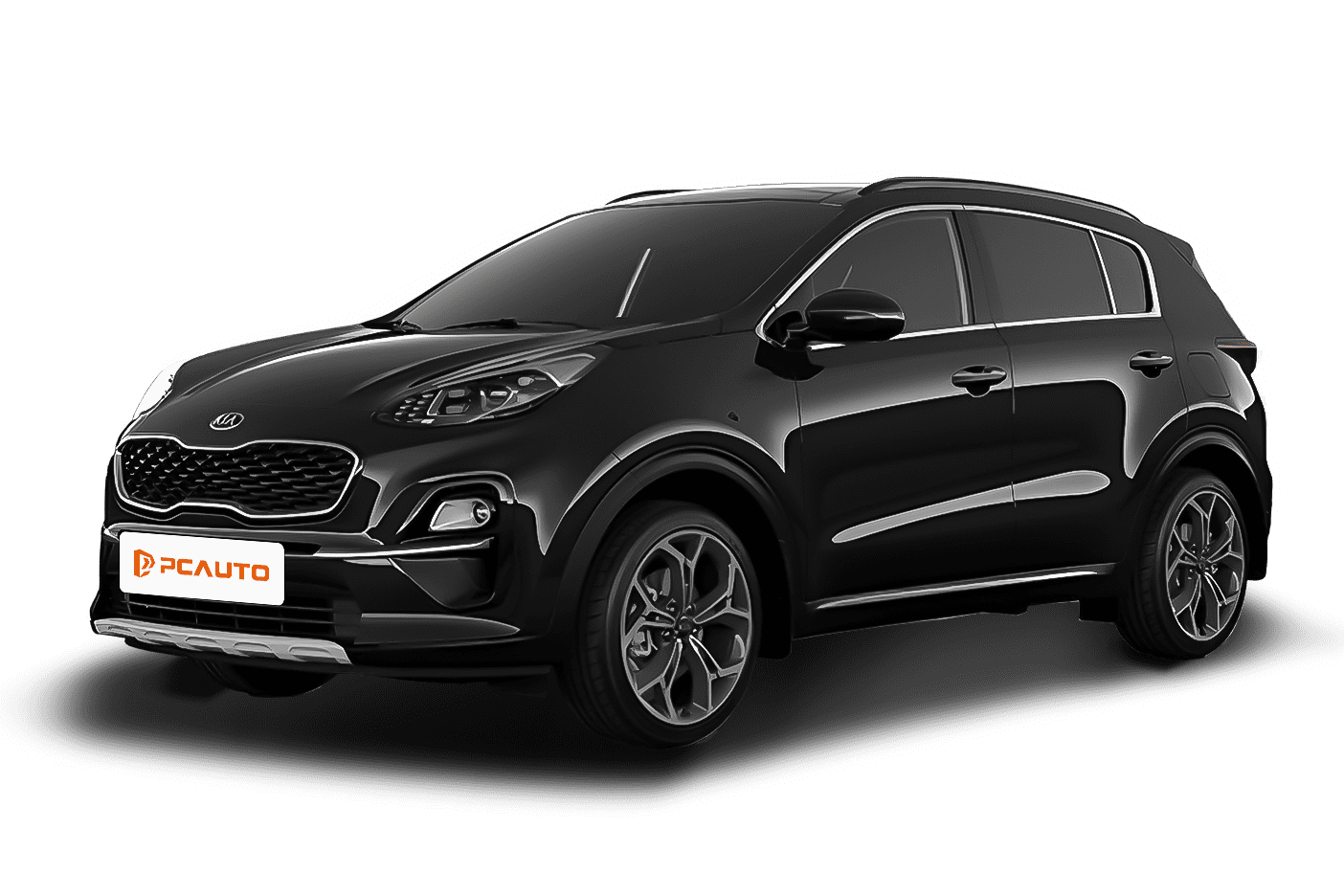
2024 Kia Sportage 2.0G 2WD, as the entry-level fuel version, with avant-garde design, 12.3-inch full LCD instrument panel, practical space, and economical fuel consumption, precisely meets the needs of family and cost-effectiveness-focused users.