

2020 Citroen DS7 Crossback 1.6L Review

 Share
Share
 Segment
 Body Type
 Capacity(L)
 Engine Power(PS)
 Transmission
 Driven Wheels
In the Malaysian C-segment SUV market, consumers who seek luxury refinement and balanced practicality often need to compromise between brand appeal, rich configuration, and price. As a representative of French luxury SUVs, the 2020 Citroën DS7 Crossback 1.6L enters the market with a unique design language and class-leading configurations. Its core selling points focus on exquisite interior design, high-spec comfort configurations, and a 1.6T powertrain that balances performance and fuel economy. This test drive will comprehensively evaluate whether this car meets the needs of Malaysian family users or young professionals, from static experience to dynamic performance, covering daily usage scenarios.
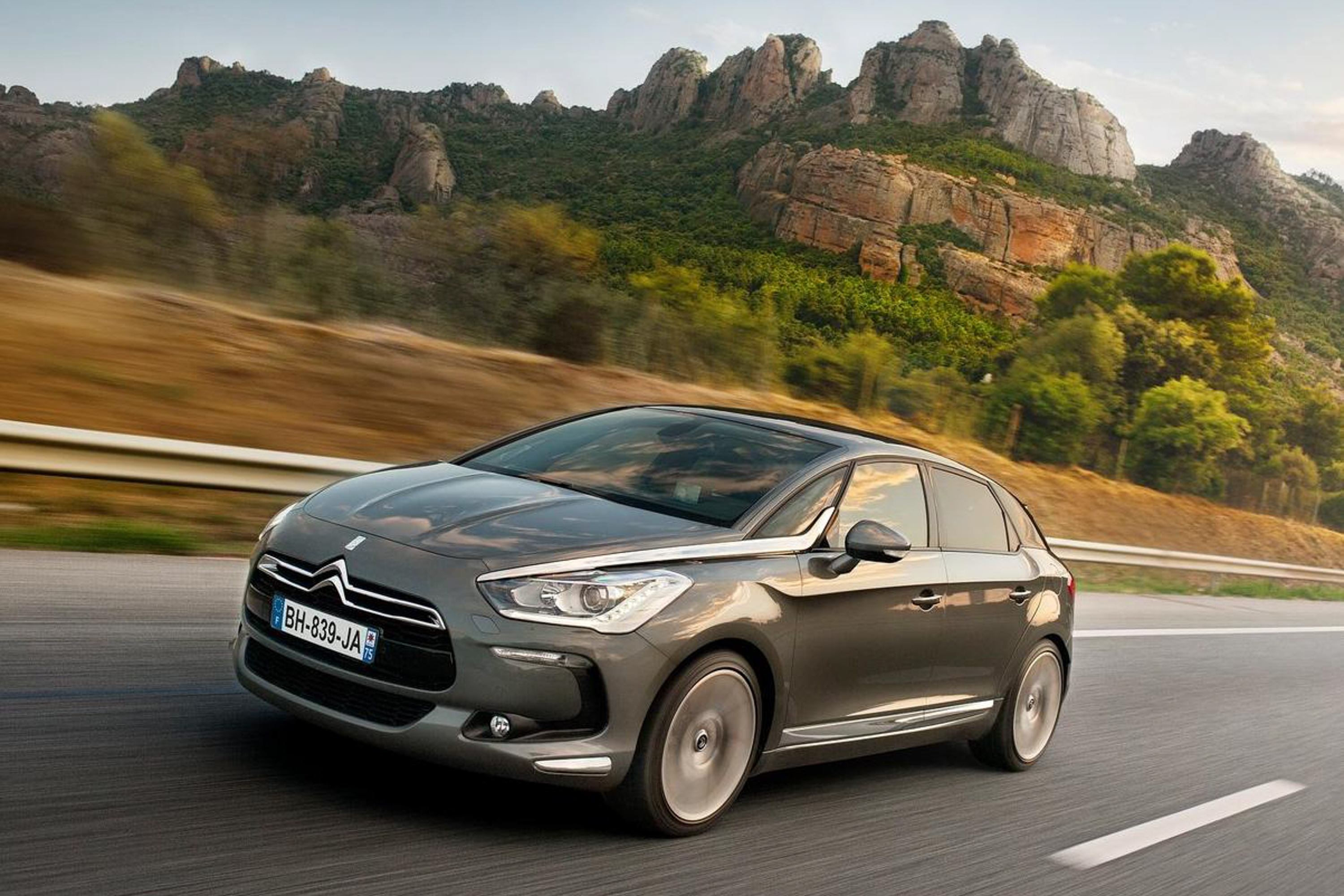
In terms of exterior design, the DS7 Crossback's overall style leans towards elegance and sophistication. The front fascia features the signature "DS Wings" chrome accents, connecting the LED headlights on both sides, enhancing the visual width. The internal "Paris Lights" rotating LED daytime running lights in the headlamp assembly are a design highlight, slowly rotating and lighting up when the vehicle is unlocked, offering high recognition. The body side profile is smooth, with a slightly raised waistline extending from the front fender to the rear, paired with 19-inch multi-spoke wheels, presenting a stable but dynamic stance. At the rear, the through-type LED taillights connect with chrome trim, and the dual exhaust layout on both sides underneath adds a touch of sportiness. The overall design retains the unique aesthetics of French cars while aligning with the mainstream SUV's imposing feel.
Sitting inside, the DS7 Crossback's luxurious interior and detail treatment are its strong points. The dashboard is wrapped in a large amount of soft-touch materials, paired with metal trims and Nappa leather seats (top-spec version), offering a refined texture wherever you touch. The 12-inch floating touchscreen on the dashboard has high resolution, operates smoothly, and supports Apple CarPlay and Android Auto connectivity. The lower climate control area retains physical buttons, making it convenient for blind operation while driving. The full LCD instrument cluster supports multiple display modes, showing navigation, power output, and other information, enhancing practicality. In terms of configuration, keyless entry, dual-zone automatic air conditioning, independent rear air conditioning, a 14-speaker Focal audio system, and a 220V power outlet are all standard, meeting the needs of rear passengers for charging or connecting external devices.
Regarding spatial performance, the DS7 Crossback's dimensions are 4573mm×1906mm×1625mm, with a wheelbase of 2738mm, placing it at an upper-middle level among its class. The front seating area is spacious, with a 175cm tall passenger having a fist-width of headroom when seated. The rear offers around two fists of legroom and a fist of headroom, ensuring a comfortable experience even for three adult passengers. In terms of storage, the trunk offers a capacity of 555L, which can be expanded to 1752L by folding down the rear seats, easily accommodating a stroller or large suitcases, suitable for family outings. Additionally, USB ports and air-conditioning vents are available for both front and rear rows, thoughtfully addressing user needs.
In terms of the powertrain, the DS7 Crossback is equipped with a 1.6T turbocharged engine, delivering a maximum output of 165PS and a peak torque of 240N·m (200THP version, data to be confirmed), paired with an 8-speed automatic transmission. During daily driving, the power output is smooth, with responsive throttle feedback during initial acceleration and no noticeable turbo lag. During mid-to-high-speed acceleration, the transmission shifts logically, and pressing the throttle for quick acceleration will downshift promptly, providing sufficient power for overtaking. There are three driving modes: Eco, Standard, and Sport. In Sport mode, throttle sensitivity improves, the transmission holds lower gears longer, and power response becomes more immediate. The official combined fuel consumption is 7.5L/100km. During the test drive, urban fuel consumption was approximately 8.5L/100km, while highway conditions returned about 6.8L/100km, meeting expectations in terms of fuel efficiency.
In terms of handling and chassis performance, the DS7 Crossback adopts a front MacPherson independent suspension + rear multi-link independent suspension (to be confirmed, the original data only mentioned the front suspension), with chassis tuning leaning towards comfort. When dealing with speed bumps or bumpy roads, commonly found in Malaysia, the suspension effectively filters out jolts, transmitting minimal vibration to the cabin; during high-speed driving, the chassis demonstrates strong stability, with body roll kept within a reasonable range when cornering, striking a balance between comfort and handling. The steering wheel's turning effort is moderate, with precise direction, making daily driving easy and flexible.
In terms of driving and riding comfort, the DS7 Crossback performs notably well. The Nappa leather seats offer good wrapping and ample support, making long-term seating less fatiguing; the cabin's sound insulation is excellent, with wind and tire noise well controlled at high speeds, and the 14-speaker Focal audio system delivers clear sound quality, further enhancing the overall riding experience. It is worth mentioning that the vehicle is equipped with a smooth engine start-stop system that does not cause any noticeable vibrations, having minimal impact on the comfort of daily driving.
Overall, the key strengths of the DS7 Crossback 1.6L lie in its luxurious interior, high-end features (such as the Focal audio system and rear air conditioning), and comfortable driving experience. Compared with same-class Japanese SUVs (like Toyota RAV4 or Honda CR-V), it offers superior design quality and a richer array of configurations, but falls slightly behind in brand recognition and resale value. In terms of target users, this car is suitable for families who value quality of life, chase unique design and comfort, or young elites with a budget of 250,000-300,000 MYR; however, it may not be the top choice for consumers seeking extreme off-road performance or high resale value.
In summary, the 2020 DS7 Crossback 1.6L is an SUV with "specialized but distinct strengths." With the refinement and premium configurations characteristic of French cars, it provides a differentiated choice for the Malaysian market. If you prioritize interior quality and comfort and don't mind a niche brand, this car is worth considering.
Citroen DS7 Car Compare
Citroen DS7 Loan Calculator
More Citroen Reviews
Cars With Similar Price And Features
8
Rank in SUV
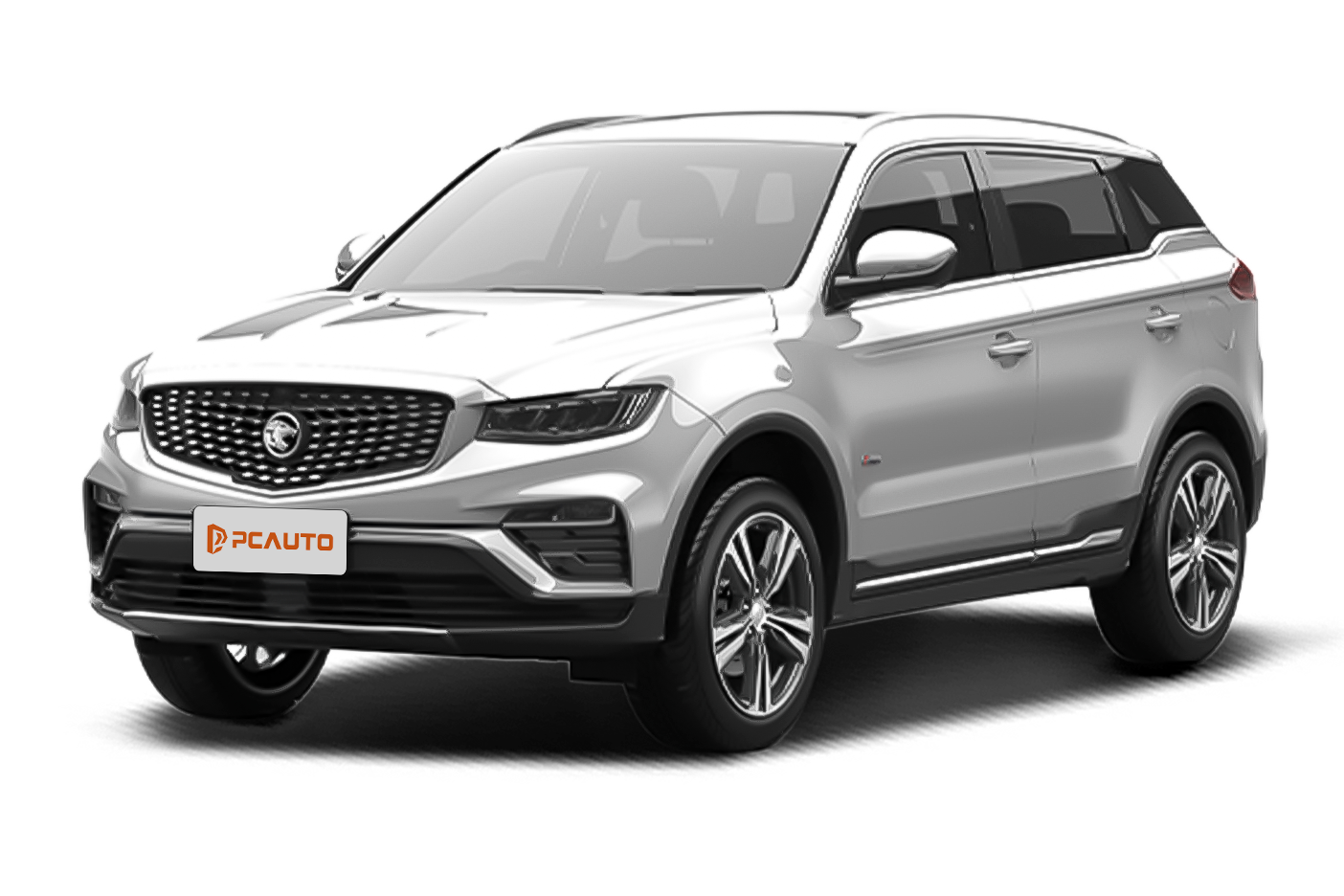
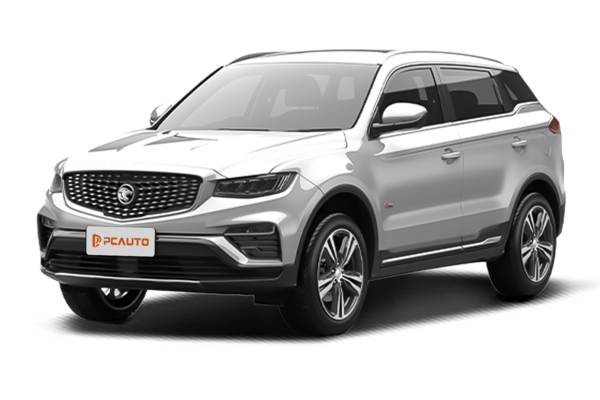
2026 Proton X70 1.5 TGDi Executive focuses on upgrading to a four-cylinder engine, practical configurations, and affordable pricing. It balances family commute practicality with value for money, making it a sensible choice among similarly priced C-segment SUVs.
10
Rank in SUV
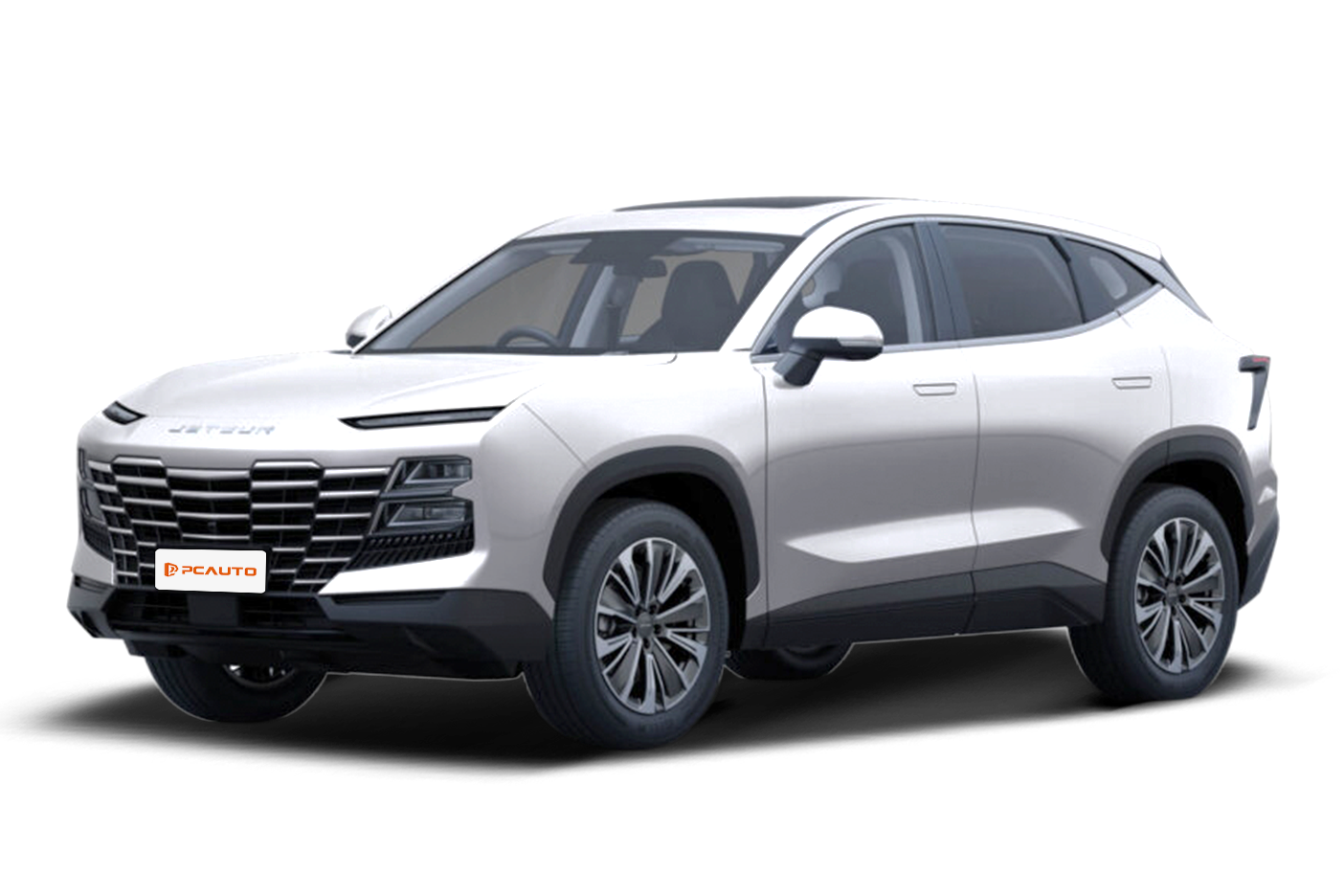
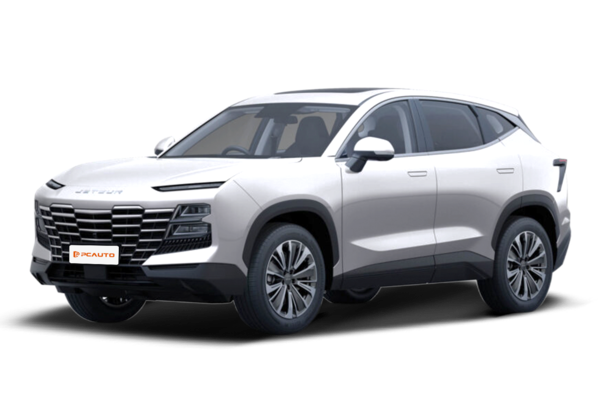
Jetour Dashing 1.5 TCI Comfort 2025 features a 2720mm long wheelbase and a 10.25-inch dual screen as its core, focusing on balanced cost performance to meet family practical needs.
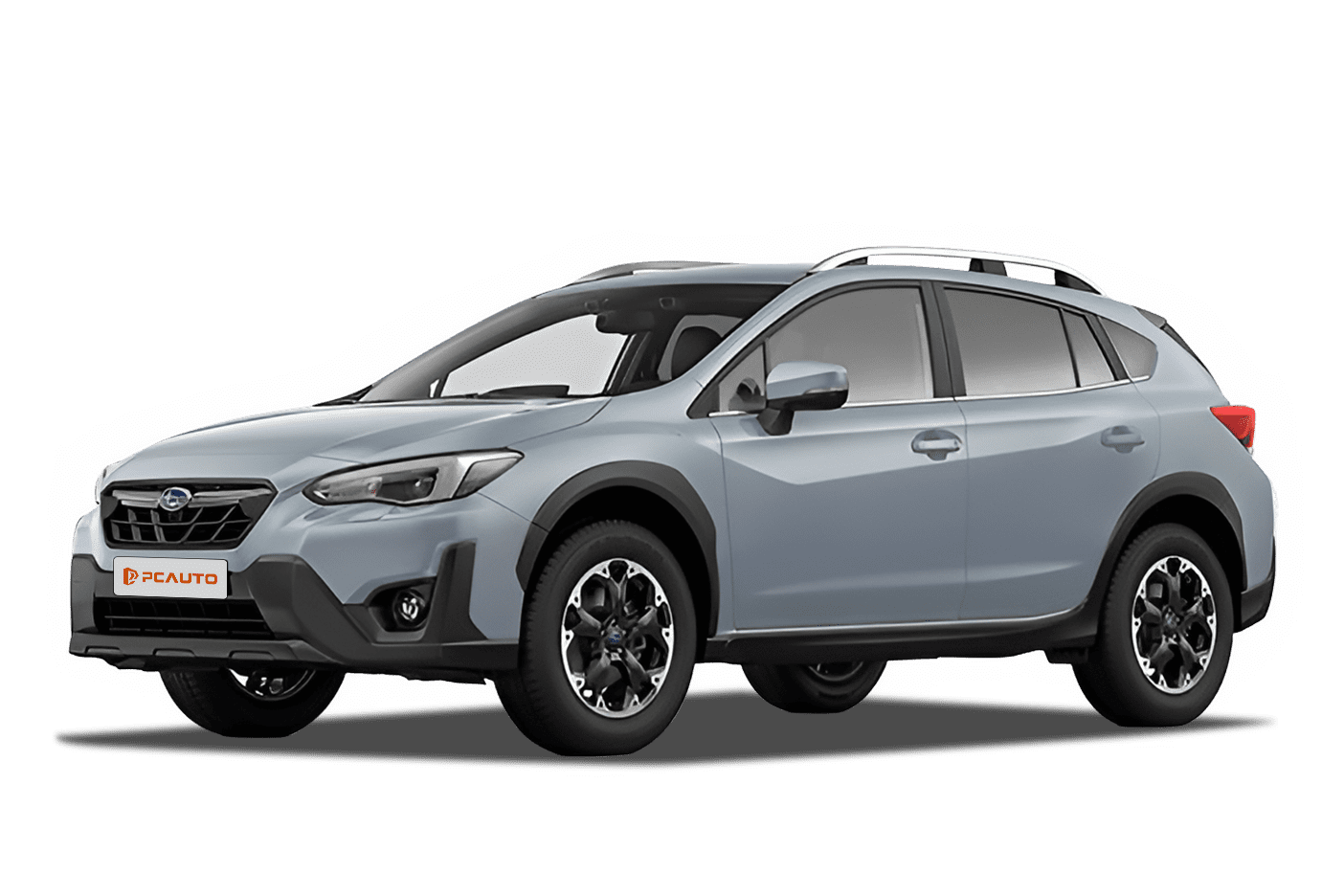
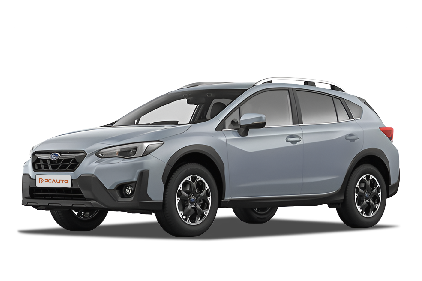
The 2021 Subaru XV 2.0i is a model targeting the C-segment crossover market, equipped with standard all-wheel drive and high safety features, balancing off-road capability and handling, with practical space.

2021 Hyundai Kona 2.0 Standard, as a high-value entry-level compact SUV, retains essential safety and practical features with an affordable price, meeting the daily commuting and loading needs of families.