
2020 Ferrari 812 GTS Review

 Share
Share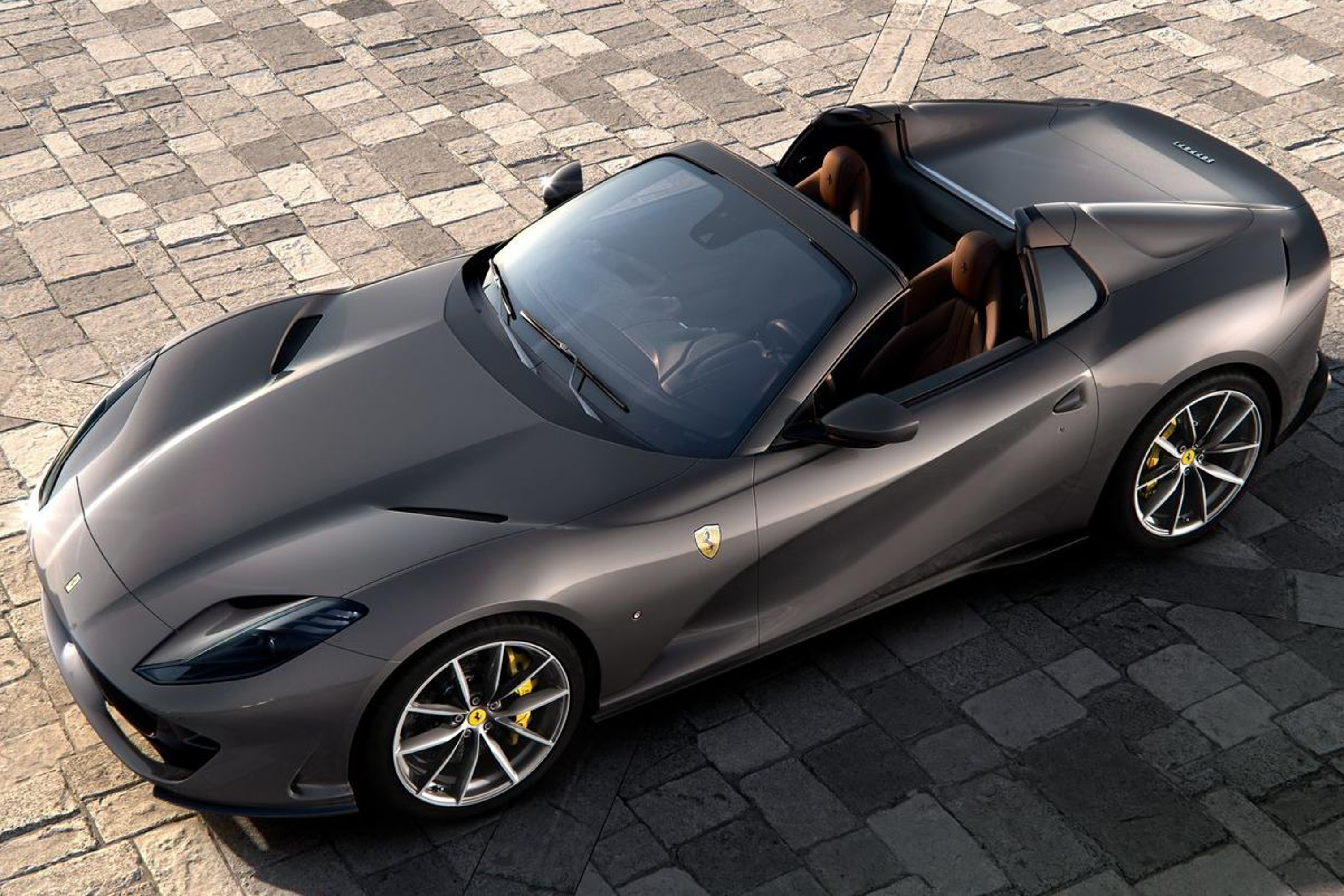
 Segment
 Body Type
 Capacity(L)
 Engine Power(PS)
 Transmission
 Driven Wheels
In the Malaysian sports car market, high-displacement naturally aspirated V12 models still have a loyal following — they pursue the pure mechanical feel rather than the linear acceleration of electric cars. The 2020 Ferrari 812 GTS is precisely a representative of this niche market. As the convertible version of the 812 Superfast, it retains the ferocious power of the naturally aspirated V12, while adding the ceremonial feel of open-top driving. In this test drive, we focus on its performance on daily roads and mountain roads to see if a million-dollar convertible supercar can truly balance "passion" and "practicality."
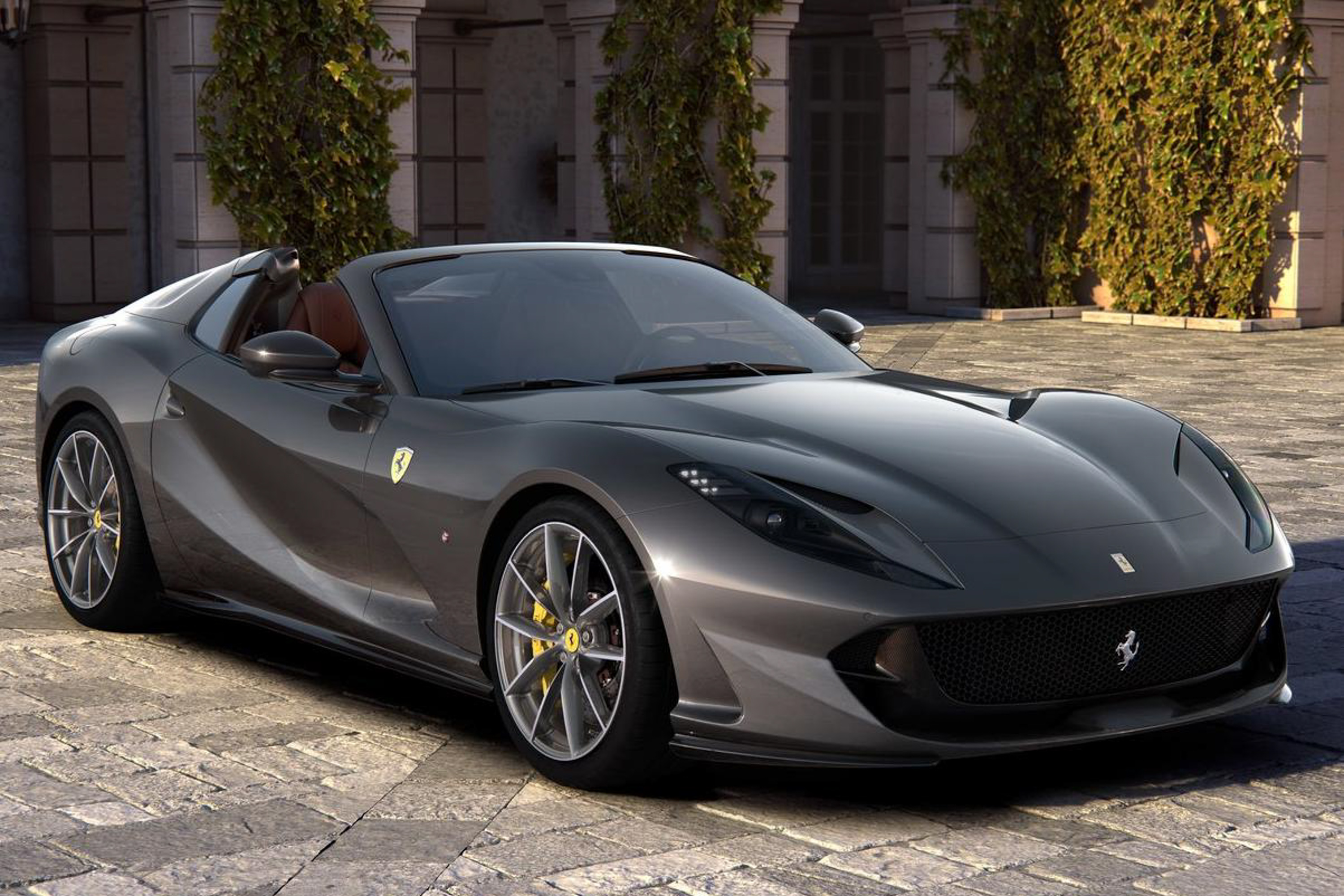
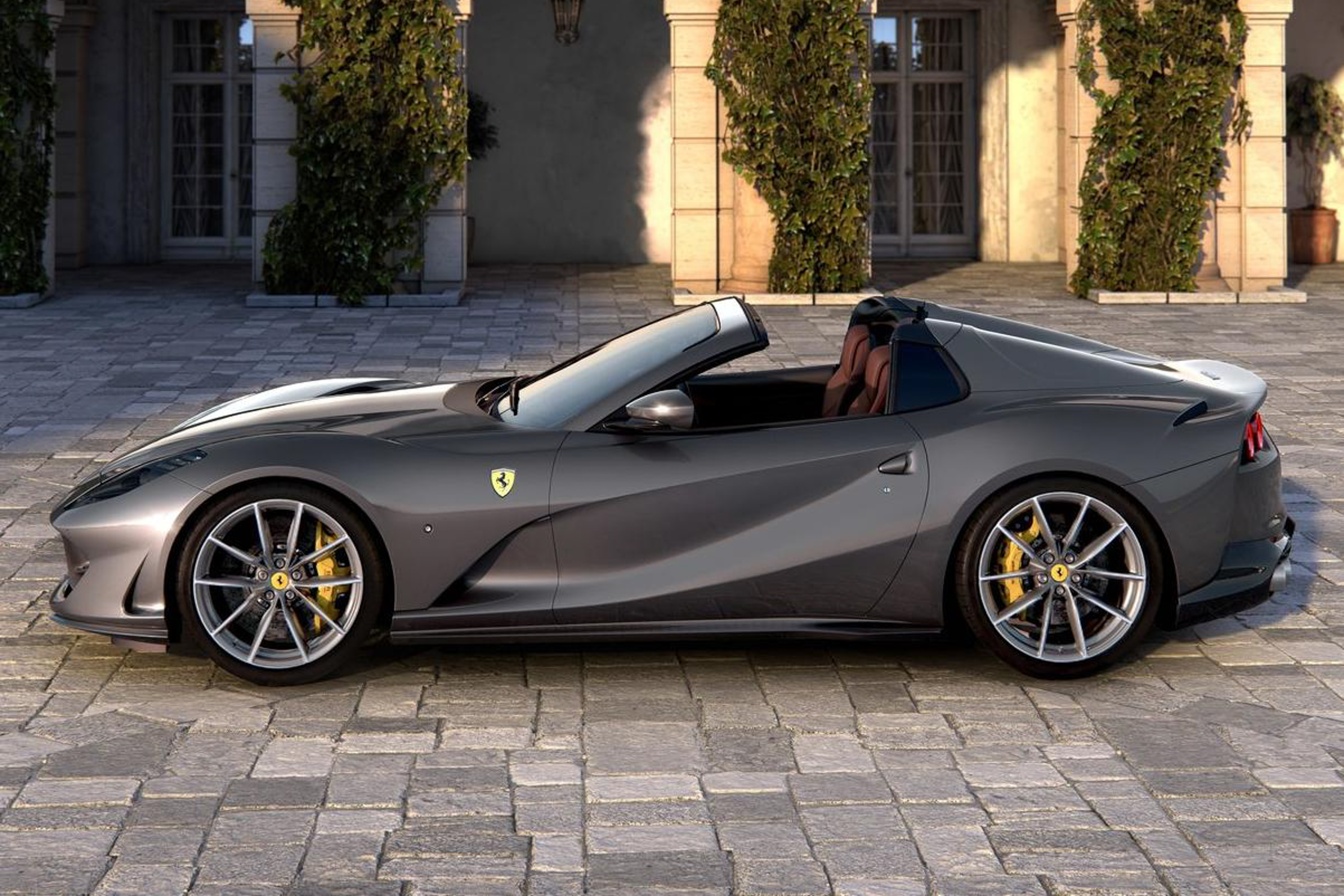
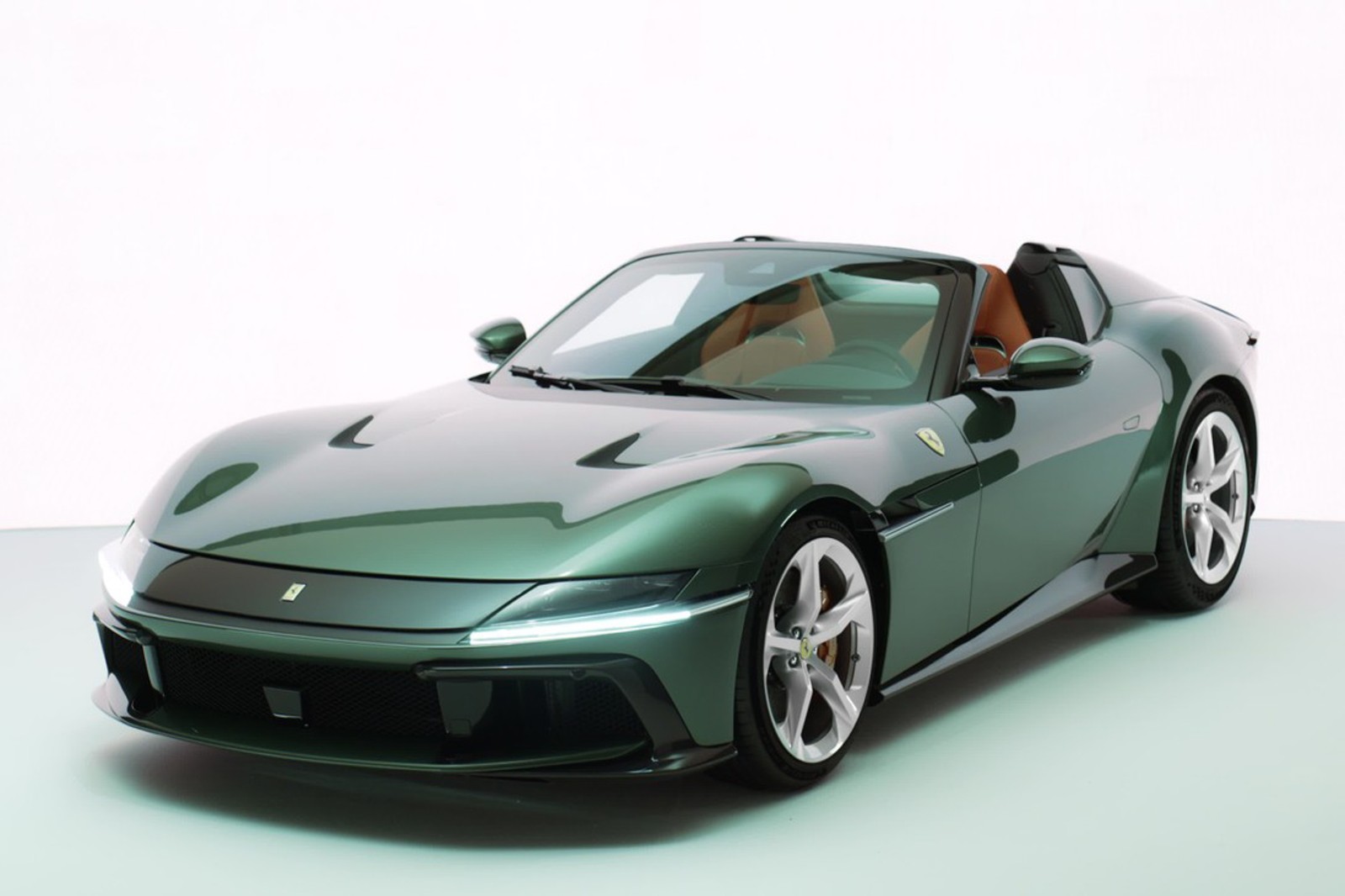
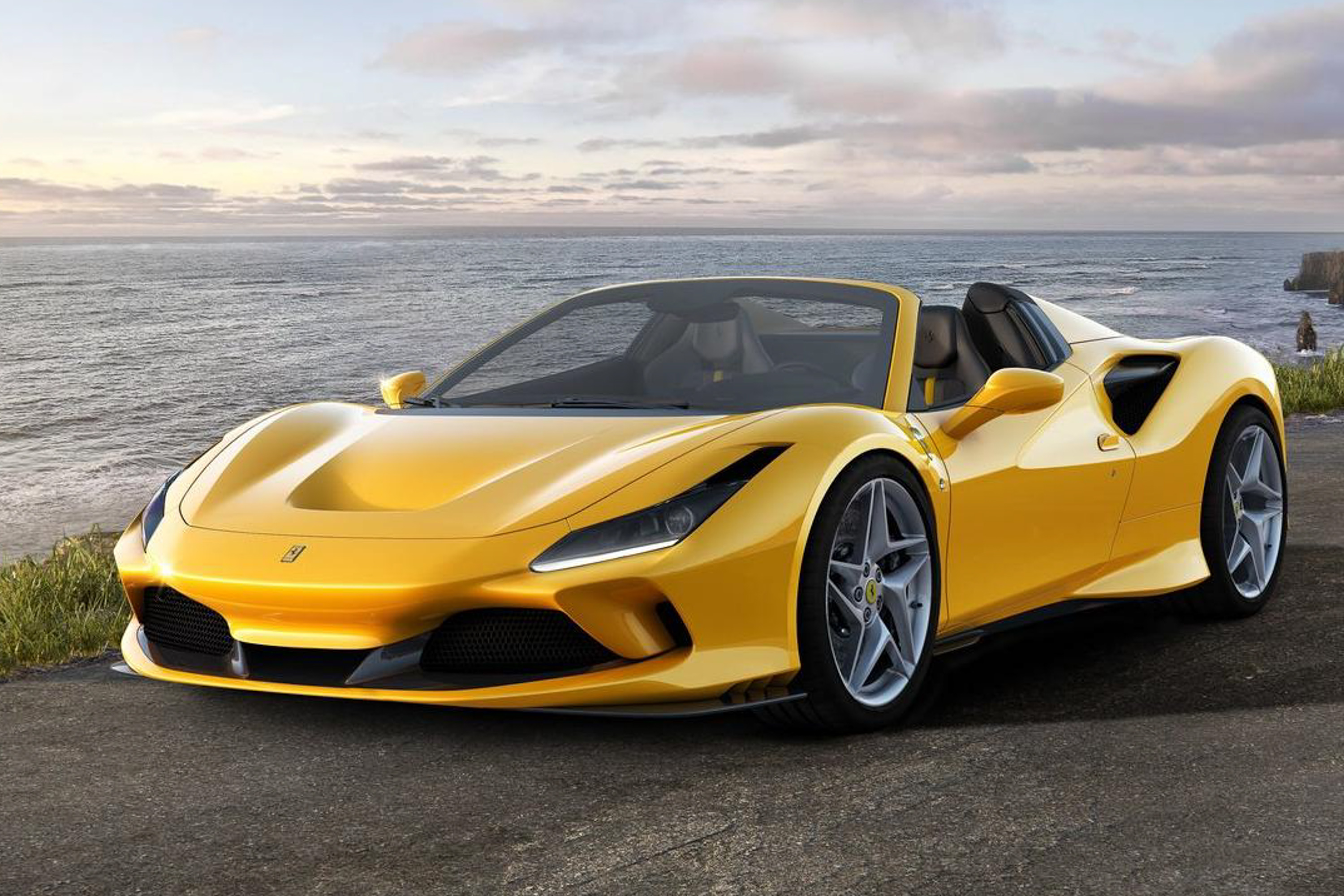
The exterior of the 812 GTS continues the design lines of the hardtop coupe version, maintaining Ferrari's classic front-engine, rear-wheel-drive GT proportions — a long hood, a compact cabin pushed to the rear, paired with wide fender flares offering strong visual aggression. At the front, the size of the air intakes on both sides has been slightly modified compared to the hardtop version, with active aerodynamic flaps inside that open automatically at high speeds to optimize aerodynamic performance. On the car's side, the most noticeable change is the convertible mechanism behind the B-pillar: it features a hardtop folding design that can open and close within 14 seconds. When folded, the roof is stored in a dedicated space above the rear seats, without compromising the basic trunk capacity. At the rear, the car features a quad-circular exhaust layout paired with a diffuser. The taillights use Ferrari's iconic twin circular light design, which offers high recognition when illuminated at night. Notably, to accommodate the convertible structure, the rear body lines are rounder compared to the hardtop version. However, by adjusting the diffuser and rear wing angles, the drag coefficient is still controlled at about 0.3cd, roughly the same as the hardtop version.
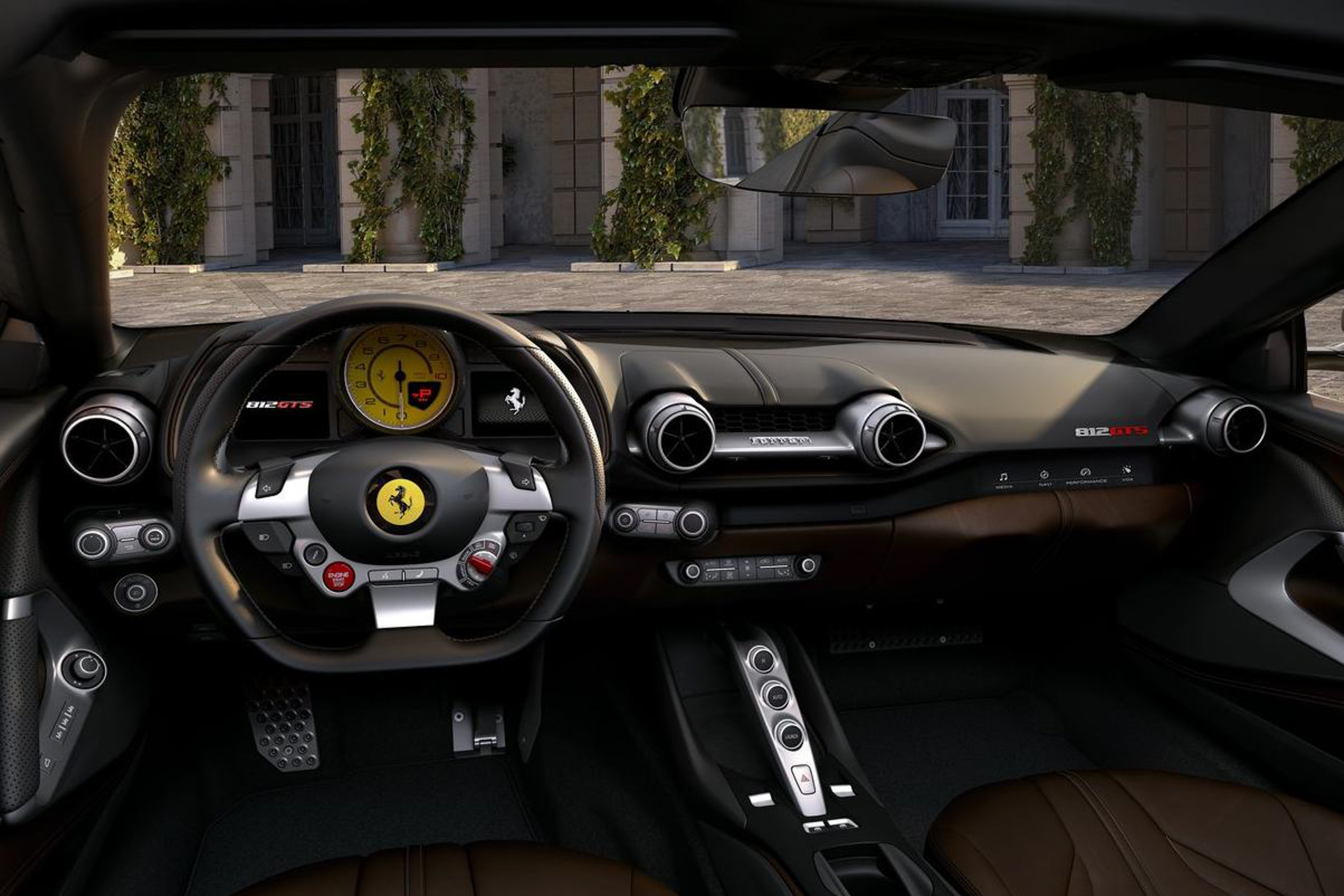
Inside, the interior layout of the 812 GTS is consistent with that of the hardtop version, adopting a "driver-centric" design logic. The center console is tilted 15 degrees toward the driver's seat, with the main control buttons concentrated around the steering wheel and central screen, allowing for operation without significant eye diversion. In terms of materials, the seats and door interiors are wrapped in Alcantara material, and the central control area is accented with carbon fiber trim. Almost no hard plastic can be found within arm's reach, aligning with its luxurious million-dollar positioning. In terms of core features, the 10.2-inch central screen supports CarPlay connection, and the navigation system has been optimized for sports car driving scenarios with route recommendations that prioritize roads with more turns. On the left side of the steering wheel, there's a driving mode selection knob (offering SPORT, RACE, CT OFF, and ESC OFF modes), while the right side has paddle shifters. The paddles are made of metal, providing a solid feel, with a gear-shifting response time of less than 100 milliseconds. The seats are integrated sports seats with manually adjustable lumbar and thigh support. Backrest angle adjustments are controlled via an electric dial. The seats offer strong support, ensuring fatigue-free long-distance driving.
In terms of space, the 812 GTS, as a two-door, two-seater model, essentially provides only two seats in the front, while the rear "+2" seats are only suitable for placing items or short trips with children (under 1.5 meters tall). The driver's seat space is decent; a driver standing 1.8 meters tall can still have a three-finger gap between their head and the roof (when the top is closed) after adjusting the seating position. However, the legroom is limited due to the sports car's design and can only accommodate basic driving positions, without the flexibility to stretch out like in a family car. Regarding storage capacity, the door panel interiors feature two small storage slots for items like phones and wallets. Below the central control area, there's a hidden storage compartment with a capacity of around 0.5 liters. The trunk offers a capacity of 210 liters, which reduces by 50 liters when the convertible top is folded, but it can still fit a 20-inch carry-on suitcase and a backpack, which is sufficient for short trips.
Powertrain: The 812 GTS is equipped with a 6.5L naturally aspirated V12 engine, delivering a maximum power of 800PS/8500rpm and a maximum torque of 718N·m/7000rpm, paired with a 7-speed dual-clutch transmission. In terms of specifications, this engine is one of the strongest naturally aspirated V12s in mass production to date. During actual driving, in SPORT mode, you can feel a strong push-back sensation with a light press of the accelerator at start. Once the revs exceed 3000rpm, power delivery becomes ferocious, and the engine's roar at 8000rpm gear shifts resonates through the open-top, offering a distinctive sound — not the "whistle" of turbochargers, but the uniquely "linear and high-pitched" tone of a naturally aspirated engine. This is especially evident when the top is down, as the sound reverberates in the cockpit, creating an auditory impact far greater than the hardtop version. In terms of acceleration performance, the official 0-100km/h acceleration time is 3 seconds. During our test on a closed road, using RACE mode and launch control, the actual result was 2.9 seconds, which is close to the official data. The 0-200km/h acceleration time is approximately 7.9 seconds, and even at a cruising speed of 120km/h, pressing the accelerator hard still delivers sustained acceleration until the speed exceeds 300km/h, where power attenuation starts to become noticeable.
Handling: The 812 GTS has a steering ratio of 13:1, typical for a sports car setup, with extremely high steering precision and almost no dead zone. The chassis uses a front double-wishbone and rear multi-link structure, while the suspension system features active magnetic dampers that adjust damping stiffness according to the driving mode. In everyday driving (SPORT mode), the suspension maintains a certain level of softness, filtering out most fine bumps when dealing with speed bumps or uneven roads, avoiding the "jarring" feeling commonly found in traditional sports cars. Switching to RACE mode increases suspension rigidity by 30%, and when cornering, body roll is controlled within 1.2 degrees. Even at relatively high speeds through consecutive bends, the car's body posture remains stable. Notably, the vehicle is equipped with a rear-wheel steering system. At speeds below 40km/h, the rear wheels turn in the opposite direction to the front wheels (maximum angle of 2 degrees), resulting in a minimum turning radius of only 5.8 meters, making it more agile than expected when making U-turns in narrow parking lots. At speeds above 100km/h, the rear wheels turn in the same direction as the front, enhancing lane-changing stability at high speeds.
Fuel consumption: As a large-displacement naturally aspirated model, the fuel consumption performance of the 812 GTS meets expectations. For daily commuting (speeds of 20-60km/h), the fuel consumption is about 18-20L/100km. For highway cruising (speeds of 100-120km/h), the fuel consumption drops to 12-13L/100km. If SPORT or RACE mode is frequently used, fuel consumption can exceed 25L/100km. The fuel tank capacity is 92L, providing a combined range of about 400 kilometers on a full tank, which is generally sufficient for a week's daily commuting (assuming 50 kilometers per day). Regarding braking performance, the front brake discs are made of carbon-ceramic material (diameter 398mm), with the rear brake discs having a diameter of 360mm, paired with 6-piston front calipers and 4-piston rear calipers. The 100-0km/h braking distance is about 32 meters, and after 10 consecutive braking events, the brake fade is less than 5%, ensuring stable performance.
In terms of driving comfort, the performance of the 812 GTS exceeds expectations. When the top is closed, the interior noise control is excellent, with wind noise at only 65 decibels at a speed of 120km/h, comparable to a family sedan. When the top is open, as long as the speed does not exceed 150km/h, the wind resistance around the head and shoulders is relatively gentle, avoiding the discomfort of "wind blast headache" – thanks to the engineers who designed deflectors on the A-pillars and above the windshield to guide airflow over the top of the cockpit. The comfort of the seats is also commendable. Despite being sports seats, the padding is not hard, and the lumbar support can be adjusted according to body shape, so even long drives (for example, driving continuously for 2 hours) do not cause backaches. However, it is worth noting that the ground clearance of the chassis is only 110mm, so extra care is needed when crossing speed bumps or ramps. It's best to cross at an angle to avoid scraping the underside.
In summary, the core advantages of the 2020 Ferrari 812 GTS are quite evident: firstly, it retains the experience of a pure-blood naturally aspirated V12 engine, which is becoming increasingly rare in the era of turbocharging and electrification; secondly, its hardtop convertible design strikes a balance between ceremony and practicality, allowing it to be used as a coupe with the top closed for daily commuting and as a convertible on weekends to enjoy the wind and exhaust notes; thirdly, the chassis tuning is well-balanced, capable of tackling twists and turns on mountain roads while also handling everyday bumpy surfaces. Compared to other models in the same class (such as the Lamborghini Huracan Spyder), the 812 GTS has the advantage of smoother power delivery (naturally aspirated vs. turbocharged) and a more comfortable driving experience, making it suitable for users who need a car that combines "daily commuting" and "weekend thrills." Its disadvantages are a higher price (approximately RM200,000 more expensive than the Huracan Spyder) and higher fuel consumption.
Overall, the 812 GTS is suitable for two types of people: one is those who already own a family car and need a sports car with a stronger "plaything" attribute for weekend trips or track days; the other is wealthy individuals seeking the "ultimate experience," who want a car that satisfies their passion for driving while also being presentable in business settings. If you are a pure track enthusiast, you might find its body weight (1600kg) slightly heavy, but for most users, its balance is already excellent – after all, driving a V12 convertible supercar to work is a luxury in itself.
Finally, we believe that the 2020 Ferrari 812 GTS is a "no obvious shortcomings" convertible supercar. It is not only the swan song of Ferrari's naturally aspirated V12 era but also a combination of "mechanical texture" and "driving pleasure." If you can accept its fuel consumption and maintenance costs, it is definitely the top choice among million-dollar convertibles.
Ferrari 812 GTS Car Compare

Ferrari 812 GTS Loan Calculator
More Ferrari Reviews
Cars With Similar Price And Features
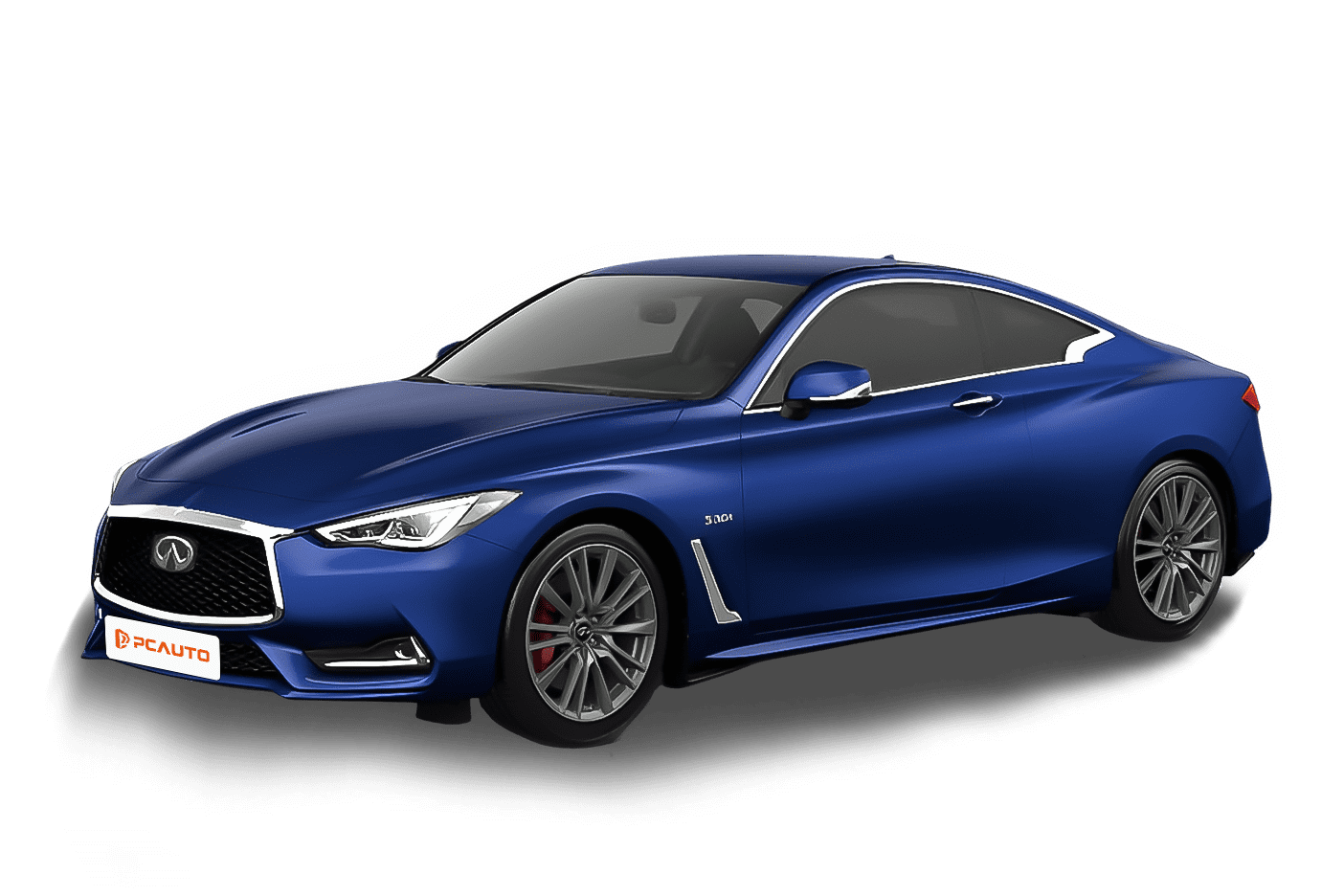
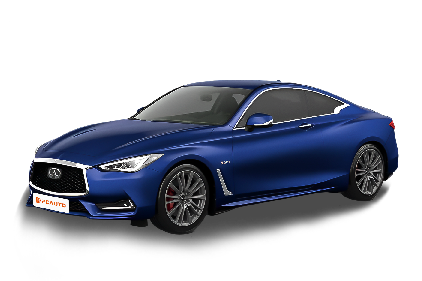
2017 Infiniti Q60 2.0t is a luxury coupe that balances sporty design and daily practicality, featuring a family-style exterior, BOSE audio system, and balanced power as its core selling points.
1
Rank in Coupe
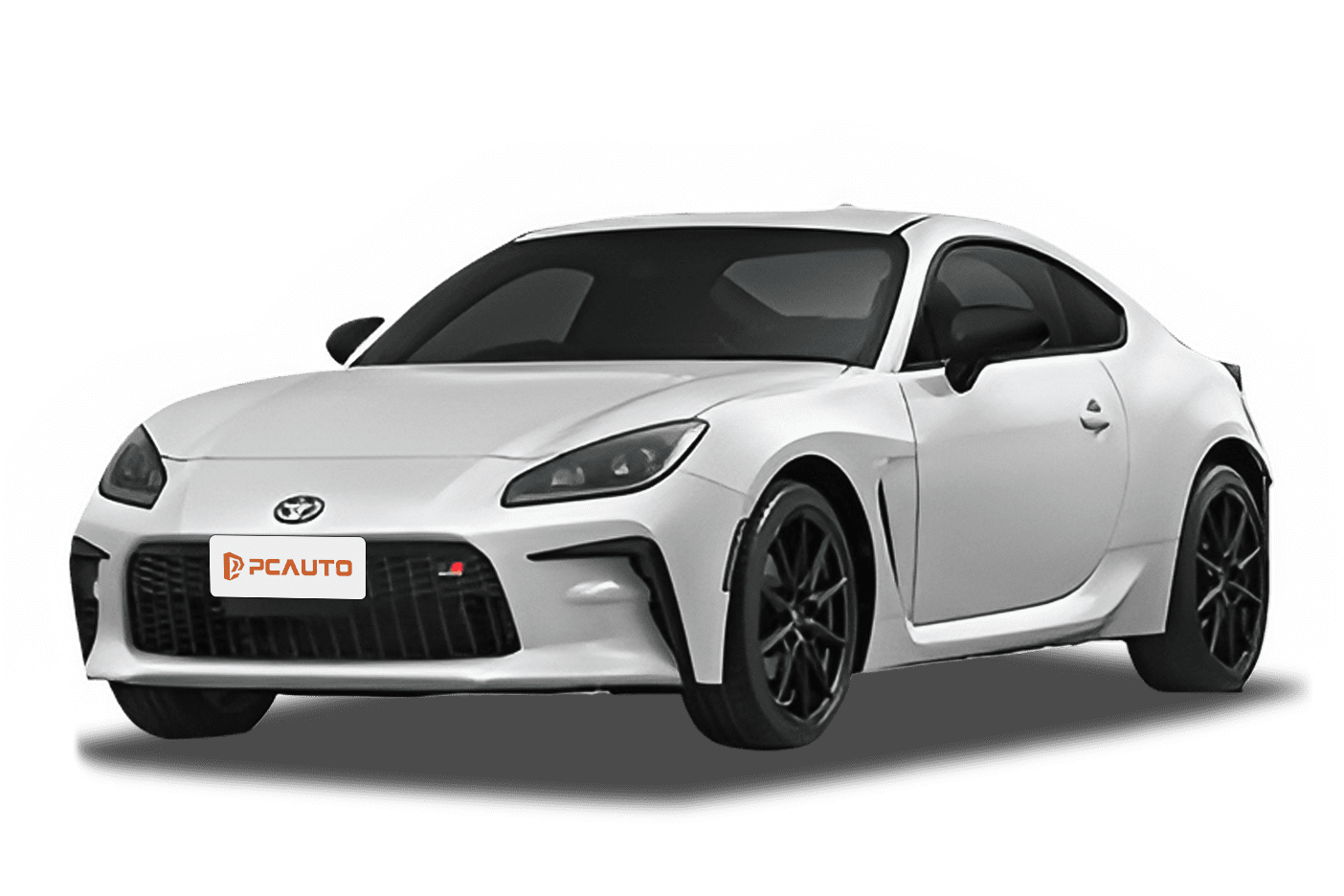
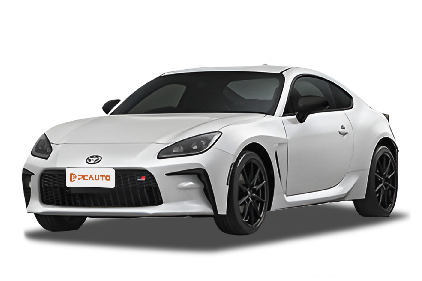
2023 Toyota GR 86 2.4 AT is a rear-wheel-drive sports coupe upgraded with a 2.4L naturally aspirated engine to address low torque issues, balancing daily commuting with pure driving pleasure.
10
Rank in Coupe
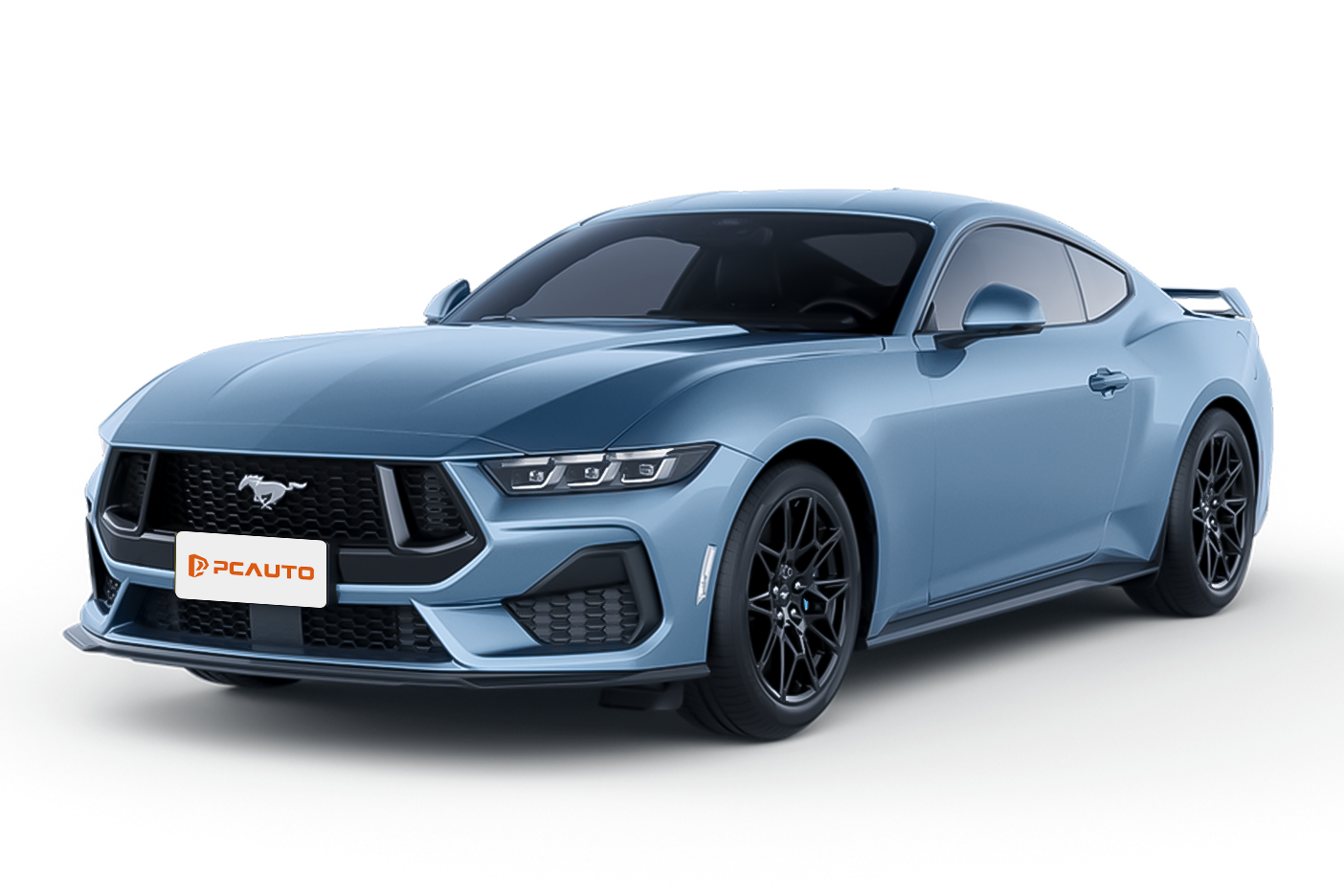
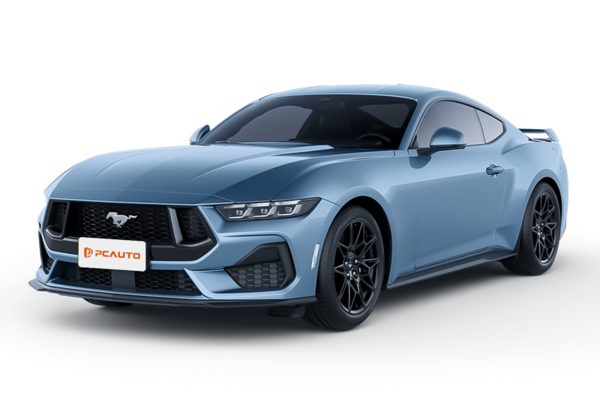
2018 Ford Mustang 2.3 EcoBoost retains the classic muscle car appearance with high cost performance, the 2.3T engine delivers 310PS horsepower, balancing performance and practicality for daily driving.
6
Rank in Coupe
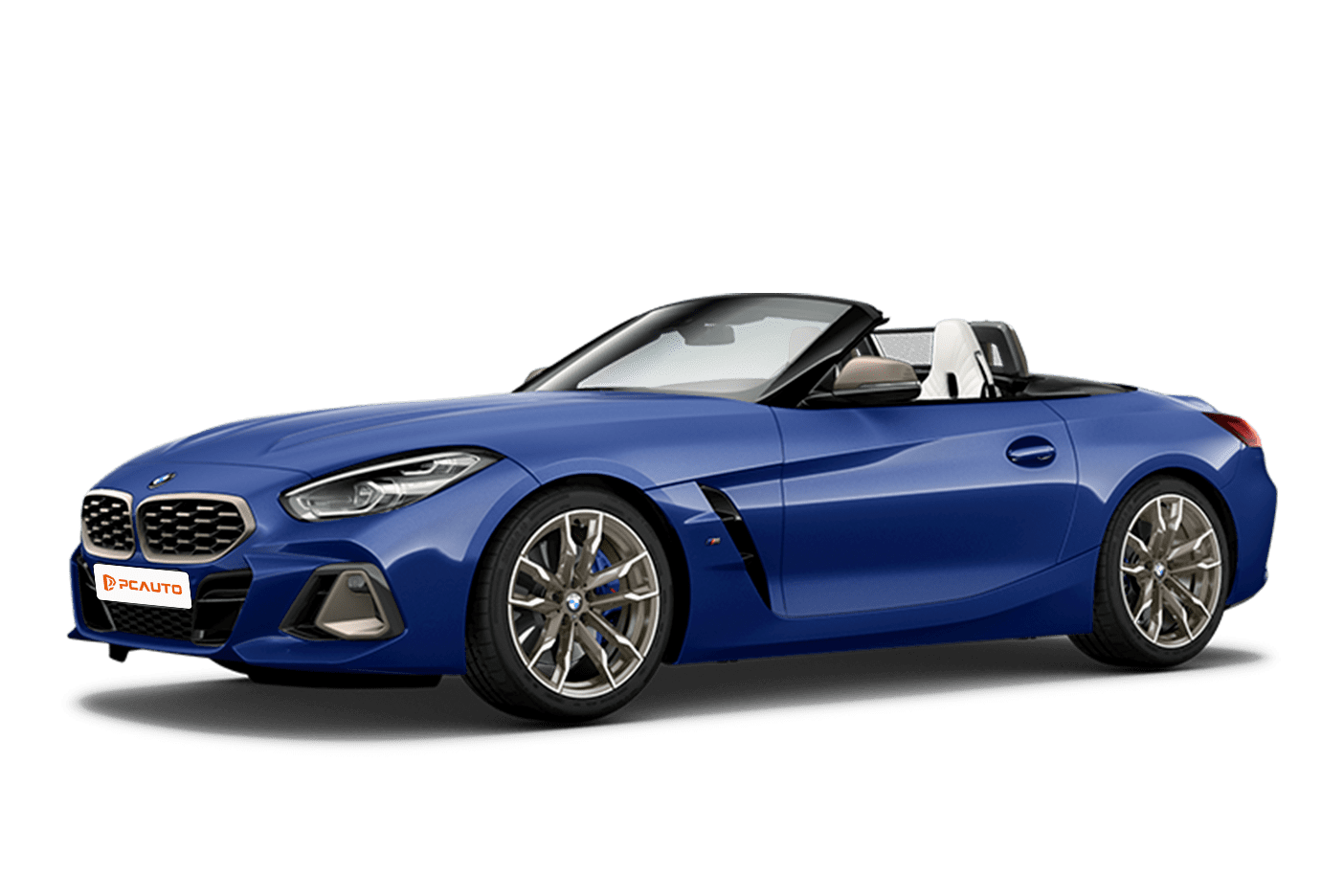
2023 BMW Z4 public, as a classic rear-wheel-drive convertible sports car, balances driving pleasure and daily practicality, with class-leading intelligent features and a compact body precisely meeting the needs of Malaysian users.