

2020 Honda City 1.5L S Review

 Share
Share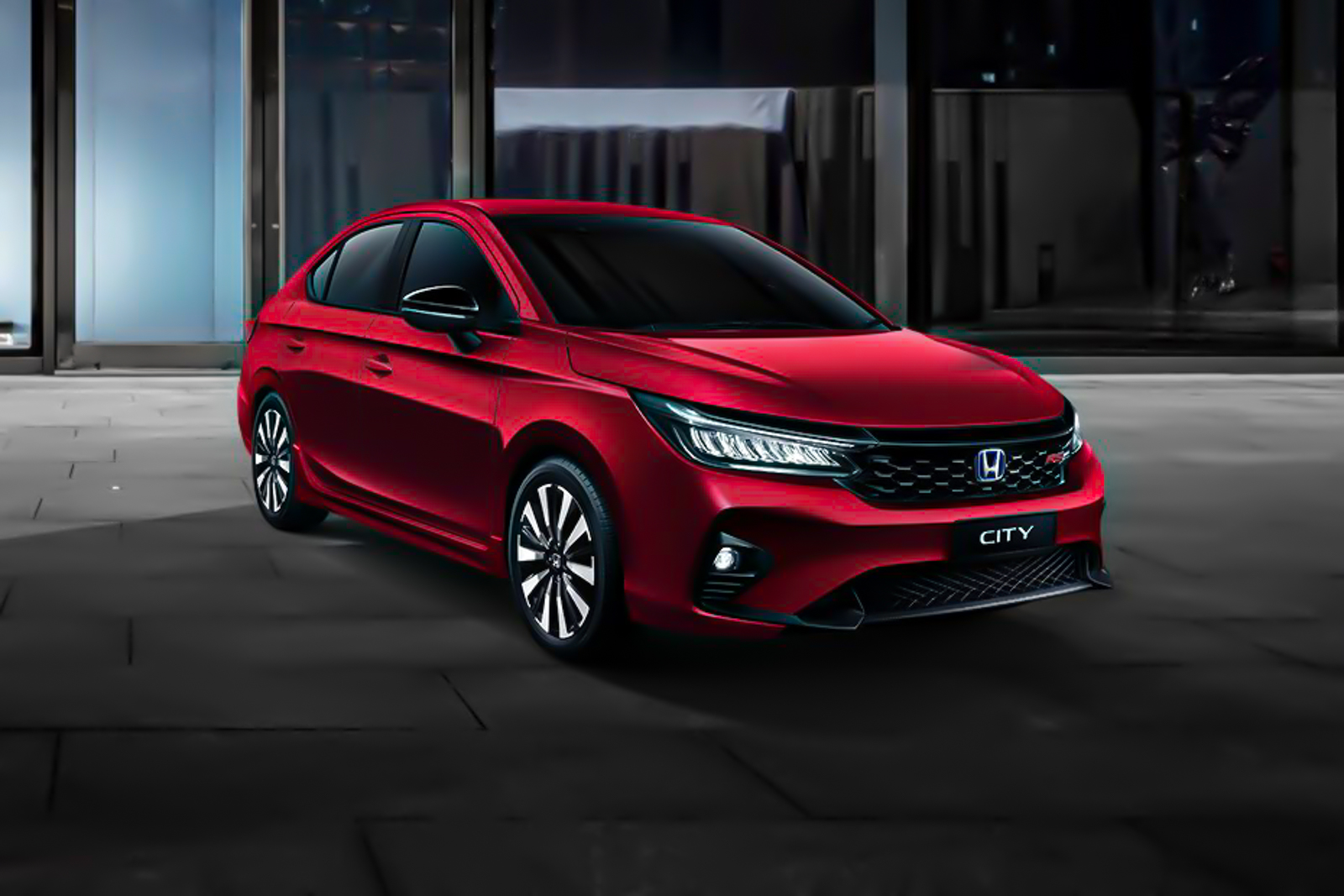
 Segment
 Body Type
 Capacity(L)
 Engine Power(PS)
 Transmission
 Driven Wheels
In Malaysia's B-segment sedan market, the Honda City has always been a popular choice among family users and young office workers—steady reliability, balanced space performance, and reasonable pricing have made it a consistent leader in this segment. The 2020 City 1.5L S, as the mid-range version of the series, is priced at RM 77,600 and emphasizes a combination of "practical configuration + efficient performance." In this test drive, we’ll see if it can continue the advantages of its predecessors while meeting the dual needs of daily commuting and family outings.
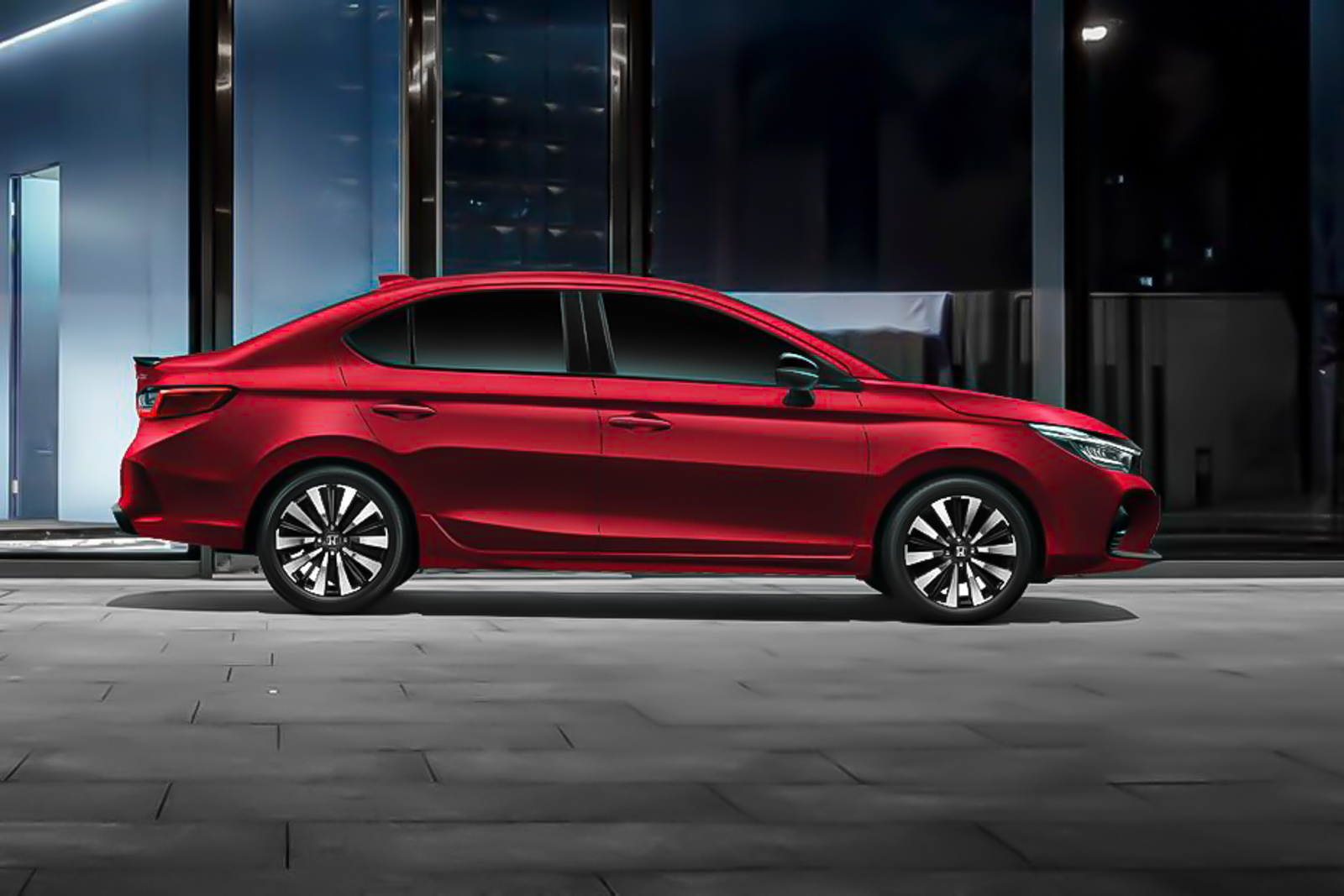
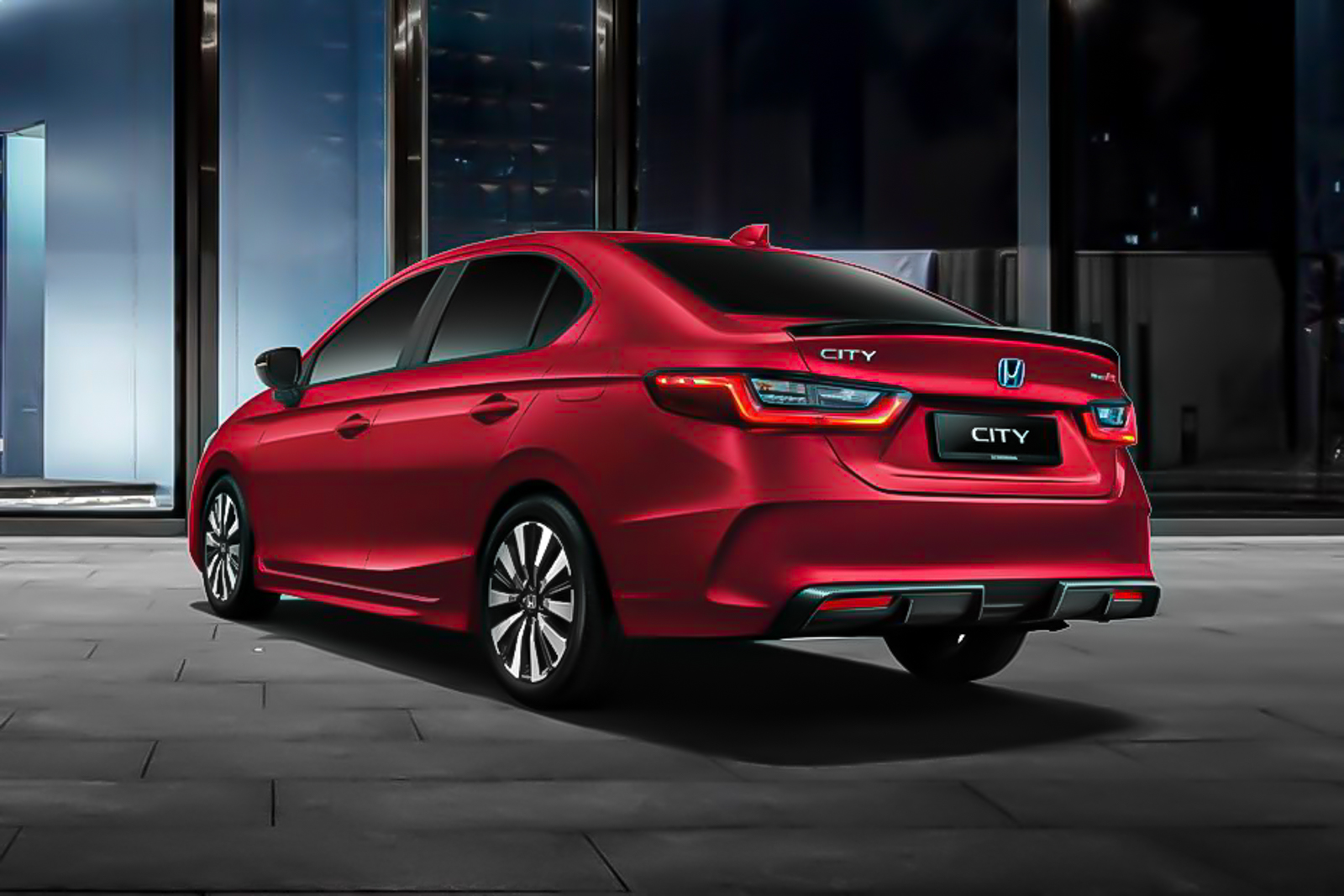
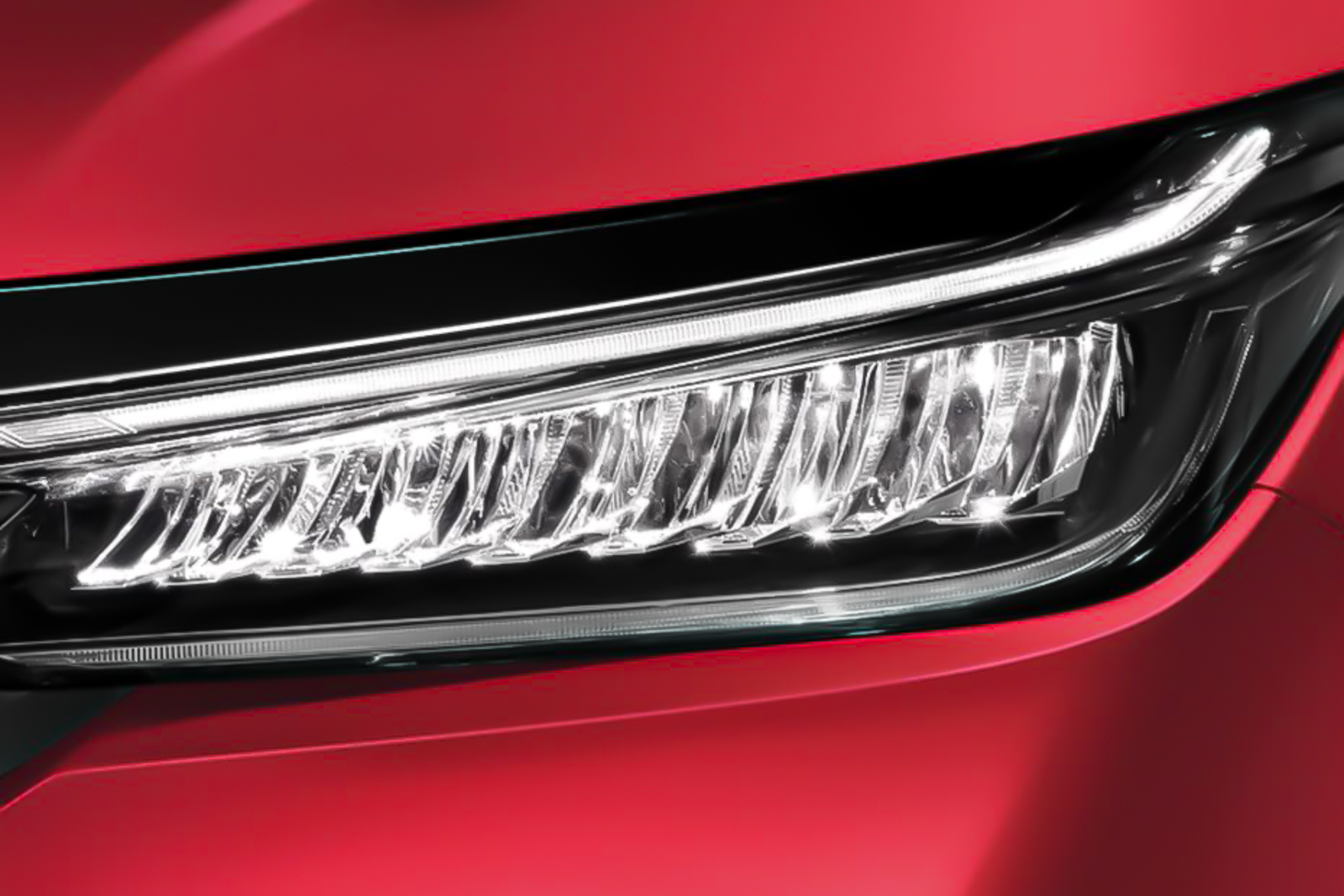
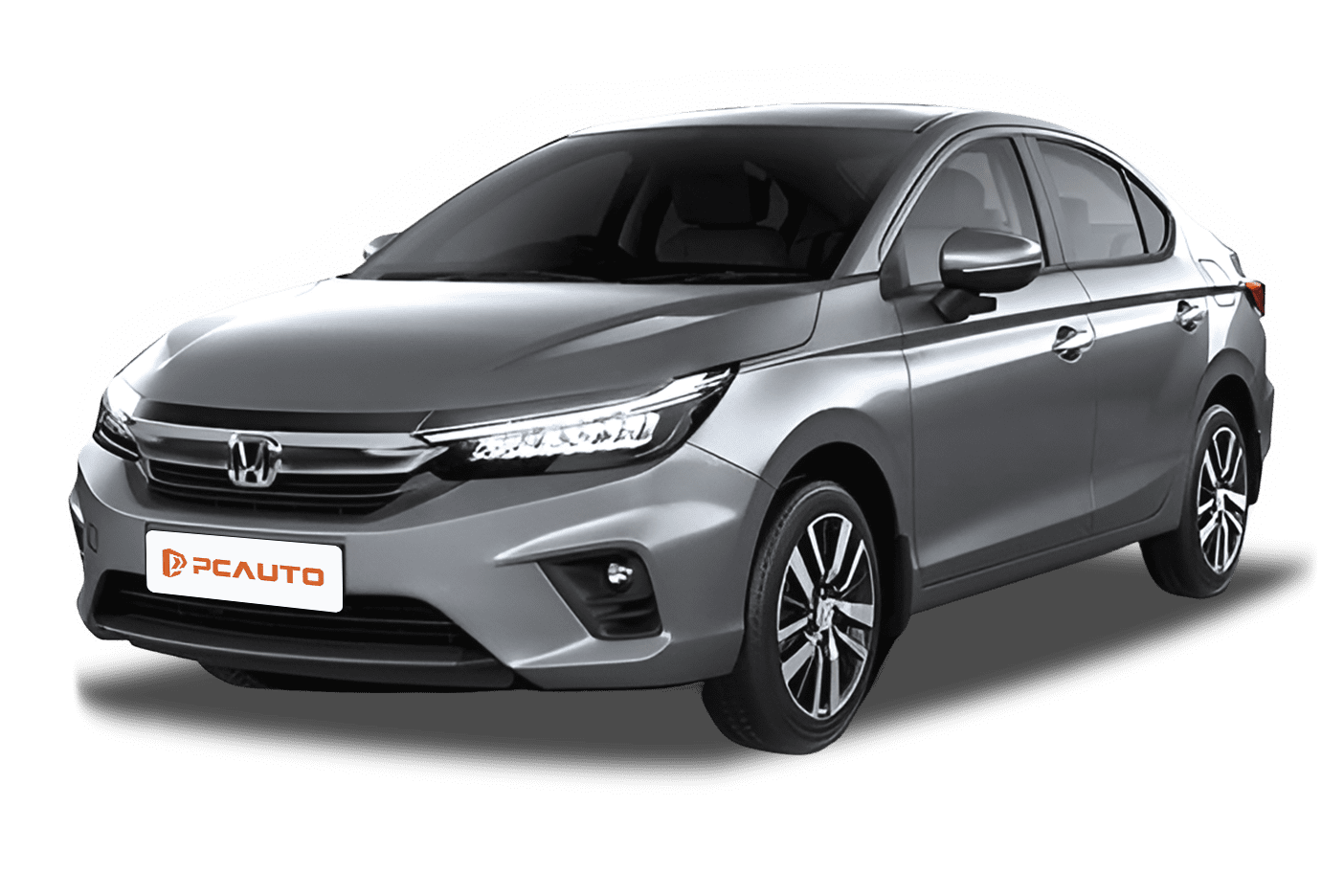
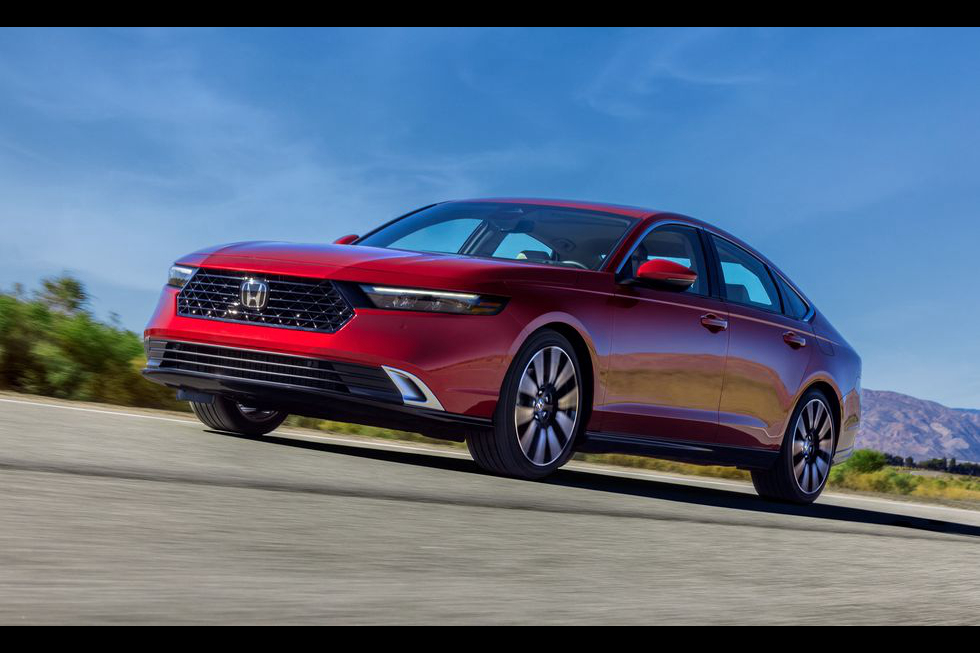
From the exterior perspective, the 2020 City 1.5L S shows a younger design compared to the previous generation. The front face adopts Honda's family-wide chrome grille, linking the halogen headlights on both sides (the top model features full-LED, but this version retains LED daytime running lights), offering decent recognition; the body has smooth side lines, with a flowing waistline extending from the hood to the rear, giving the car a more elongated appearance. With a length of 4553mm and a wheelbase of 2600mm, it falls within the mainstream level in its class. The rear light cluster features an L-shaped design with internal LED elements that light up clearly, and the small spoiler on the trunk adds a subtle sporty touch. Overall, the design is not overly flamboyant, but the detailing is on point, catering to the aesthetics of most consumers.
Sitting inside, the interior features a predominantly black color scheme, complemented with silver accents, delivering a clean and practical layout. The dashboard is designed in a layered structure, with air conditioning vents placed on the upper level and manual air conditioning controls below; its operational logic is straightforward, allowing even beginners to use it with ease. The multifunctional steering wheel comes standard with Bluetooth call and volume control functions, offering a moderate grip; the instrument panel adopts an illuminated analog style to display RPM, speed, fuel level, and other information in a clear way. In terms of features, the 1.5L S version comes equipped with keyless entry/start, rear air-conditioning vents, and a 220V power outlet. These are highly practical features for daily use—for example, the rear air-conditioning enhances the comfort of passengers in the back, and the 220V power outlet is convenient for charging electronic devices during long trips. The seats are manually adjustable and made of fabric material. The support is adequate, though the wrap-around comfort for long periods is average; the rear seats can be folded down in a 60:40 split to expand trunk space. Coupled with the basic 519L capacity, it can easily accommodate baby strollers or suitcases.
In terms of performance, the 1.5L S is equipped with a naturally aspirated four-cylinder engine that generates a maximum power of 121PS and a peak torque of 145N·m (4300rpm), paired with a CVT transmission. When driving, the power response during acceleration is quite brisk, requiring only a light touch on the accelerator to keep up with city traffic. During low-to-medium speed acceleration (e.g., overtaking at 40-80km/h), the CVT simulates gear shifts, avoiding the typical "slipping" sensation of traditional CVTs, and delivers smooth power output. At high speeds (100-120km/h), its ability to accelerate is average, requiring a deep press on the accelerator to achieve noticeable thrust, but it is sufficient for daily commuting and highway cruising. The fuel consumption performance meets expectations. In our test, which included an equal mix of urban and highway conditions, we recorded an average fuel consumption of about 5.8L per 100km, which is close to the official figure of 5.4L, providing decent fuel efficiency.
In terms of handling, the front MacPherson independent suspension is tuned for comfort, filtering out most small bumps when going over speed bumps or uneven roads, ensuring passengers do not feel significant discomfort. Around corners, the body roll is controlled within a reasonable range, the steering wheel is moderately precise with minimal play, making everyday driving relatively easy. The braking performance is stable, the brake pedal travel is moderate, the initial braking force is linear, and under emergency braking, the vehicle's posture does not become overly exaggerated. Noise control is average, with wind and tire noise entering the cabin at high speeds, but this is within normal levels for cars in the same price range among B-segment vehicles.
Overall, the key advantage of the 2020 Honda City 1.5L S lies in its “balance”: adequate space, practical configurations, economical fuel consumption, plus Honda's brand reliability and a 5-year unlimited mileage warranty, making it highly cost-effective. Compared to a similarly graded Toyota Vios 1.5G (priced at approximately RM 85,000), the City 1.5L S is more affordable, while offering additional features like rear air conditioning and a 220V power outlet. When compared to the Proton Persona 1.6 Premium, its brand recognition and fuel economy are more advantageous.
This car is clearly suited for a specific group: family users who prioritize practicality (need space and fuel efficiency), and young working professionals on a budget (daily commuting + occasional transport of friends). It does not boast exceptional performance or luxurious features, but every function fulfills everyday needs, making it a "safe choice" as a family sedan. If you're looking for a reliable, worry-free, and user-friendly B-segment car, the 2020 Honda City 1.5L S is worth considering for your shortlist.
Honda City Car Compare
Honda City Loan Calculator
Cars With Similar Price And Features
6
Rank in Sedan
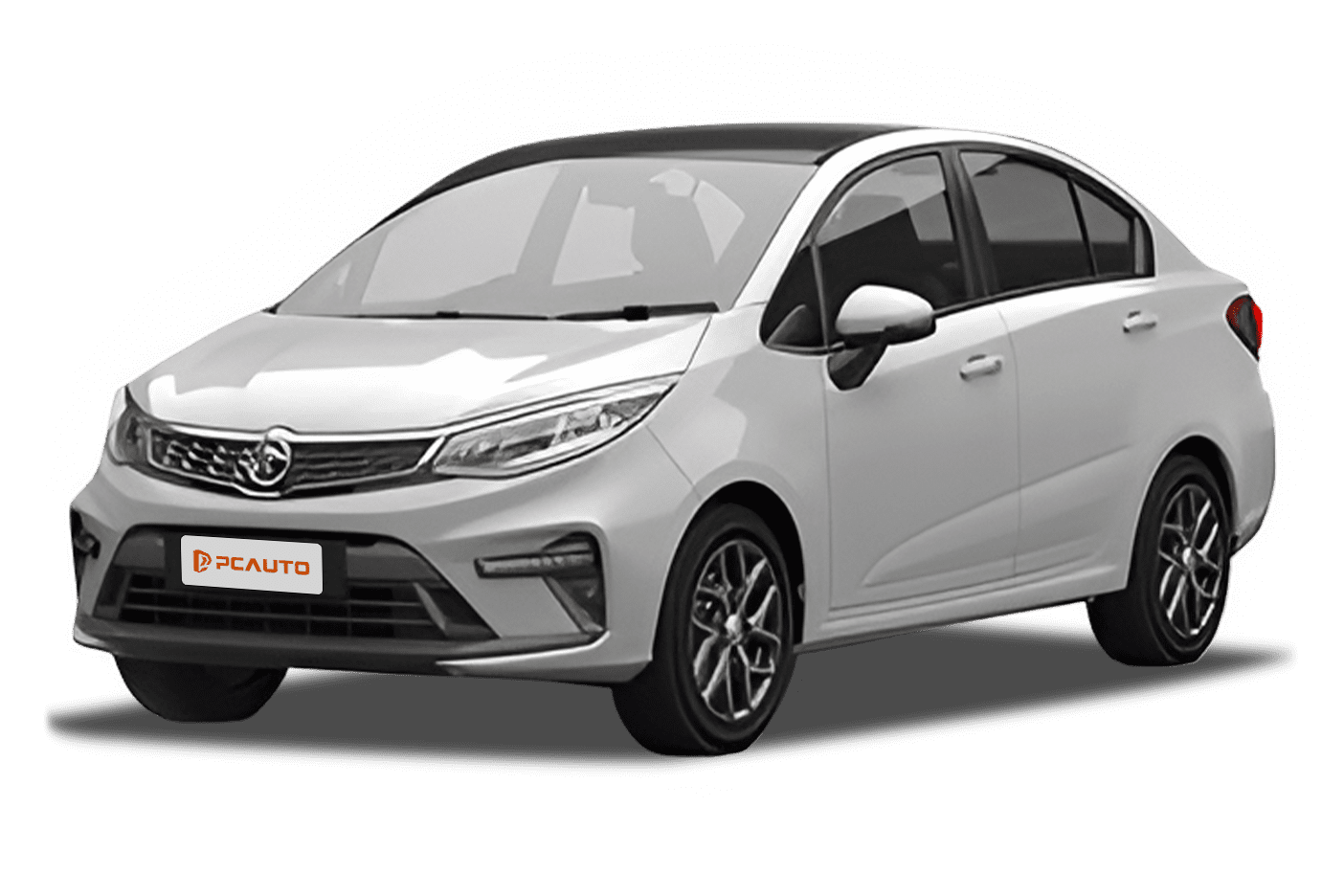
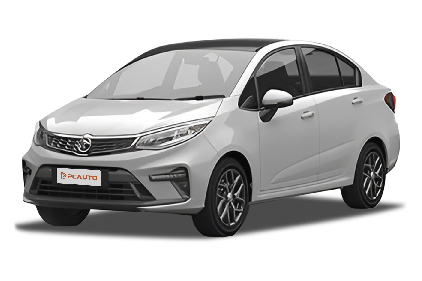
2023 Proton Persona 1.6 Standard CVT is an affordable, safety-configured entry-level family sedan with practical space, balancing daily commuting and family needs.
18
Rank in Sedan
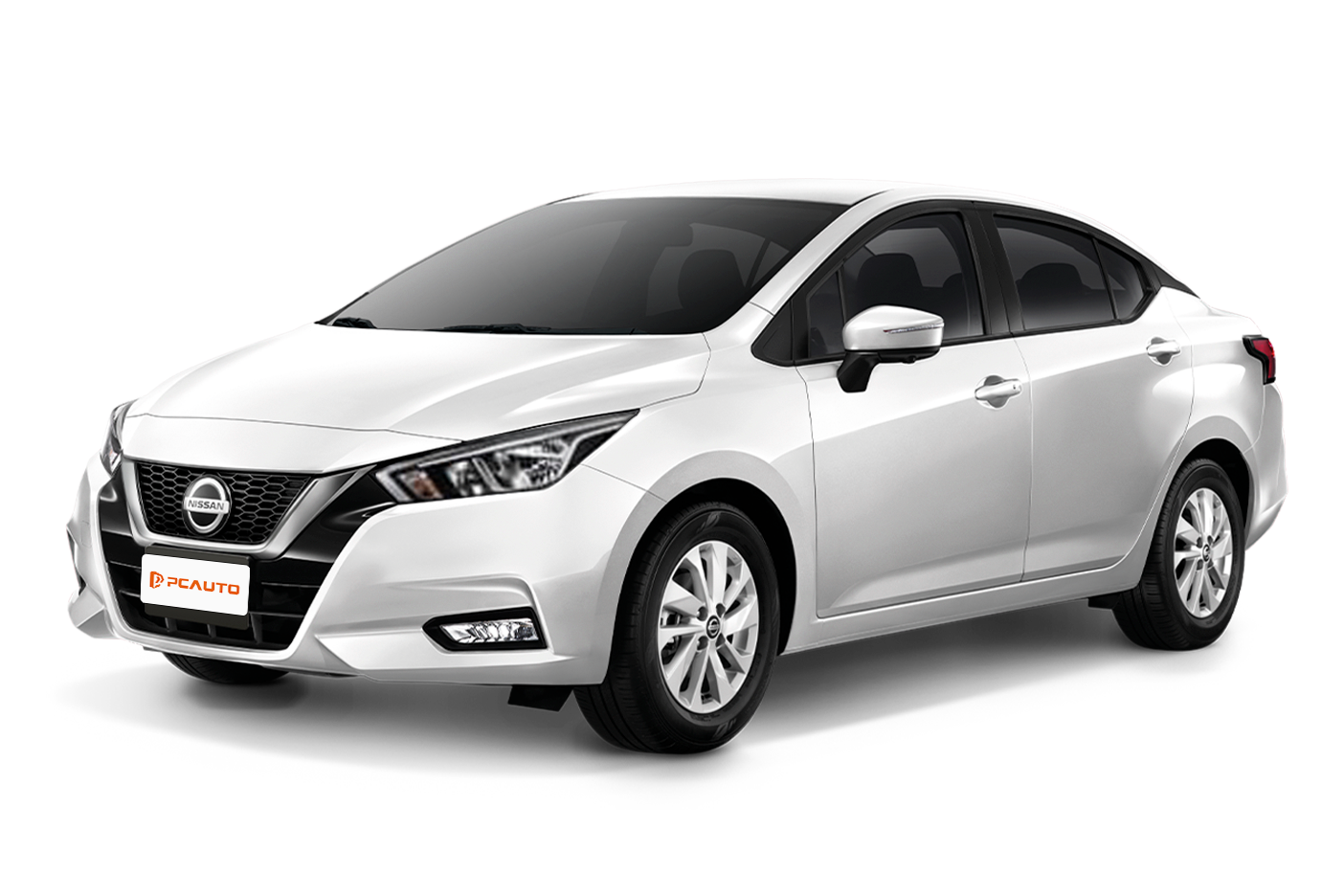
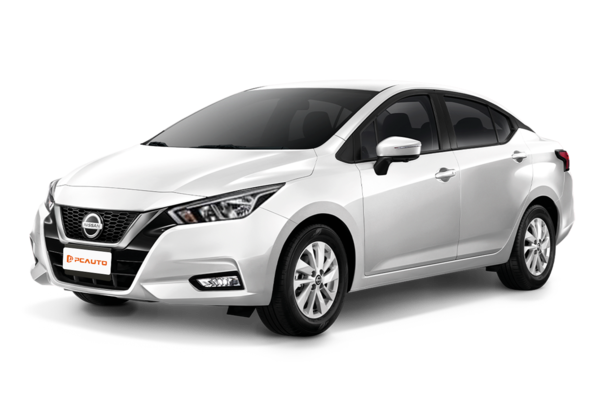
The 2024 Nissan Almera 1.0L Turbo VL is an affordable, practical, fuel-efficient, and well-equipped mid-size family sedan designed for consumers who value hassle-free commuting and family needs.
5
Rank in Sedan
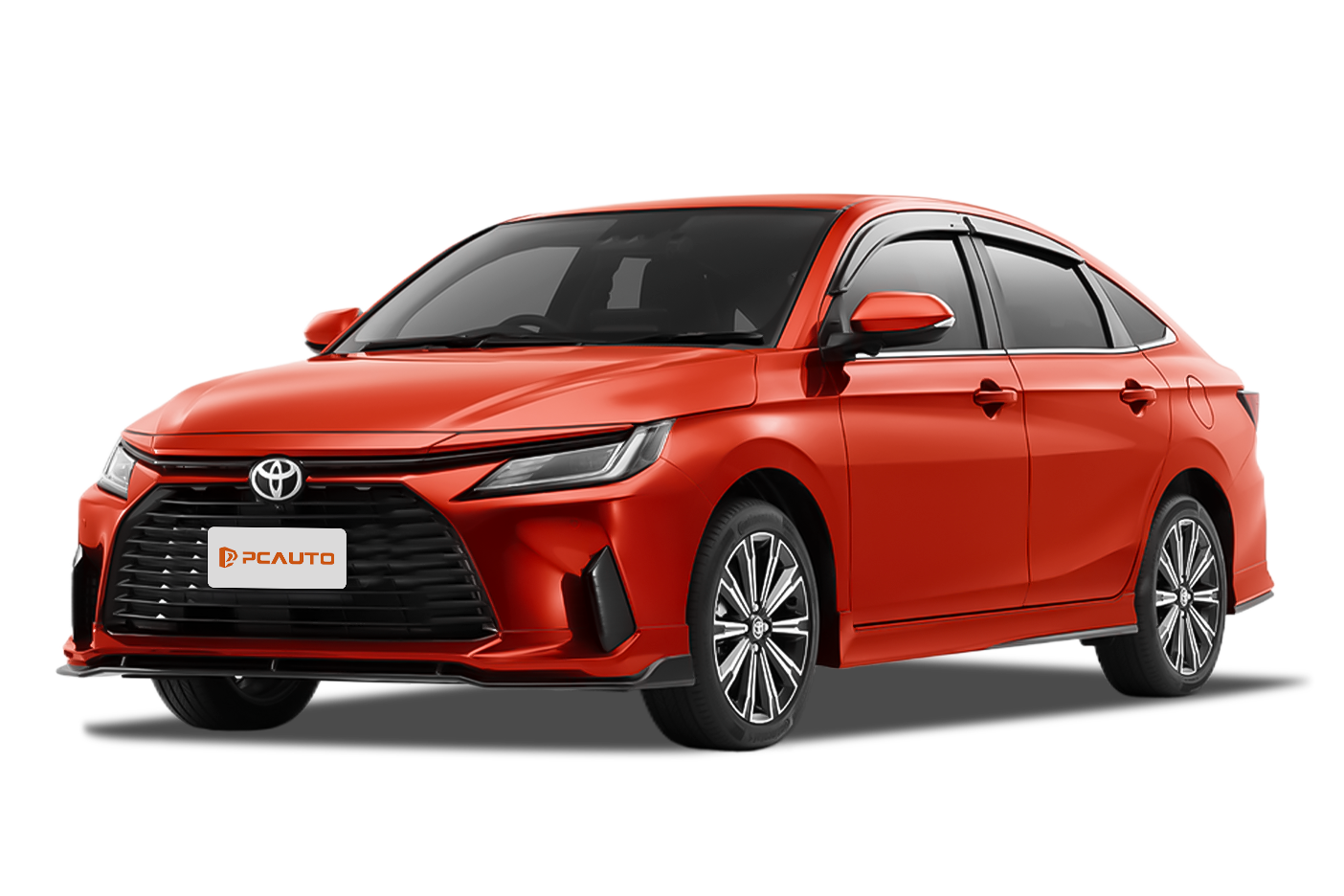
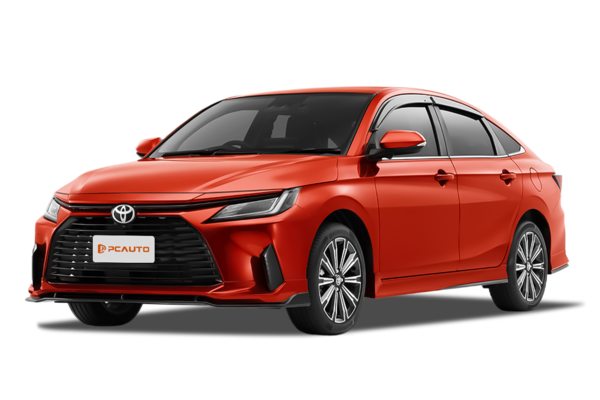
2023 Toyota Vios 1.5E AT, as a mid-range model in the facelift, with features such as the TSS Intelligent Safety System, HUD, and other high-end features being made available, along with balanced space and fuel efficiency, making it a high-value B-segment sedan choice in Malaysia.
2023 Mazda 2 Sedan 1.5L is a family sedan that balances driving dynamics and practical features, with a price slightly over 100,000 MYR, making it suitable for urban commuting needs.