

2020 Hyundai Grand Starex Executive Plus Review

 Share
Share
 Segment
 Body Type
 Capacity(L)
 Engine Power(PS)
 Transmission
 Driven Wheels
For larger families or small business users in Malaysia, the options in the large MPV market with more than 10 seats are not plentiful. The 2020 Hyundai Grand Starex Executive Plus is a vehicle specifically targeted at this segment—it needs to meet the seating space demands of numerous passengers while also catering to daily driving practicality. This time, we got a test drive vehicle, and the main goal is to see whether this car truly fits scenarios such as family outings or short-distance business receptions in terms of space layout, performance, and configuration details. At the same time, we aim to evaluate whether its price of over 160,000 MYR is reasonable.
From the exterior, the Grand Starex Executive Plus retains the boxy profile of a large MPV, with an overall style leaning towards stability and practicality. The front face features Hyundai’s family-style chrome grille, paired with halogen headlights on both sides. While it doesn’t have overly flashy design elements, it is distinctive enough. The side profile is straight and clean, with 16-inch wheels that are proportionate to the vehicle's body, and chrome trim on the lower edge of the doors adds a touch of refinement. The rear design is simple, with vertically arranged tail lights and a black anti-scratch strip on the lower rear bumper, aligning with the MPV's practical positioning. For lighting, it comes standard with automatic headlights, daytime running lights, and front and rear fog lights, effectively covering the functionality needed for daily use.
Opening the door, the interior layout is focused on practicality. The dashboard is made of dark-colored plastic material paired with silver trim. Though it lacks luxury, the craftsmanship is fairly solid. The steering wheel features multifunctional controls, with buttons on the left side to manage the audio system and Bluetooth phone, making it convenient to operate. The instrument cluster is an LCD touch screen system that displays basic information such as RPM, speed, and fuel level, with clear and easy-to-read interfaces. The central control area’s touchscreen is moderately sized, supporting Bluetooth connectivity and audio control. Additionally, the rear rows come equipped with an LCD screen to provide entertainment for rear passengers. In terms of features, the most practical is the 220V/230V power outlet, which is very convenient for charging or using small appliances during group trips. The Keyless entry and start system also enhances daily convenience.
Space is one of the core strengths of this vehicle. With dimensions of 5,150mm in length, 1,920mm in width, 1,925mm in height, and a wheelbase of 3,200mm, it supports an 11-seat layout. The second-row seats adopt a 40:20:40 split-sliding design, and the two outer seats can rotate. The third row also features a split-sliding configuration, while the fourth row can slide and the seat cushions can flip up. This flexible seating arrangement can accommodate 11 passengers simultaneously or be adjusted to create larger luggage space. The front seats are manually adjustable; while not as convenient as electric adjustment, this has minimal impact on an MPV. Rear air vents and sunshades further enhance comfort during long rides. In terms of storage, there are compartments on the door panels and under the center console, meeting daily needs for storing small items.
In terms of performance, this vehicle is equipped with a 2.5L turbocharged diesel engine, delivering a maximum of 168PS, with peak torque available at 2,000rpm (although the official torque value isn’t specified, diesel engines are generally known for their good low-end torque). It is mated to an AT gearbox. During actual driving, the throttle response is relatively smooth during start-up, and its low-speed torque is sufficient to propel a fully loaded vehicle. When accelerating for overtaking, pressing the accelerator deeply results in a gearbox shift that, while not particularly fast, ensures continuous power output. The rear-wheel-drive configuration prevents the "nose-lift" phenomenon often seen in front-wheel-drive MPVs during start-up, offering better driving stability.
In terms of handling, the steering wheel's turning force is relatively light. For a large MPV, it makes low-speed maneuvering or U-turns quite effortless. The front suspension is a MacPherson independent suspension, and the rear suspension is a five-link independent suspension. When dealing with road bumps, the suspension can filter out most of the minor vibrations. However, when encountering speed bumps or large potholes, the rear passengers can still feel a noticeable jolt. As an MPV, its handling focus isn't on sportiness. The body leans significantly during cornering, so it's recommended to maintain a reasonable speed while driving.
Fuel consumption performance is an advantage of a diesel vehicle. During our test under mixed road conditions (half city roads and highways) with a full load of 5 people, the fuel consumption was about 9-10L per 100 kilometers. For an 11-seater large MPV, this performance is considered average. In terms of braking, both the front and rear are equipped with ventilated disc brakes. The brake pedal travel is moderate, and the braking force is released linearly. During emergency braking, the car's posture remains stable.
As for driving comfort, the engine noise is well-controlled during daily driving. At high speeds, wind noise and tire noise become slightly more noticeable but remain within an acceptable range. The seat padding isn't particularly soft, but it provides sufficient support, so long rides aren’t too tiring. The rotating seats in the second row are a highlight. They allow passengers to adjust the seating position to face each other during family trips, enhancing interaction. The rear sunshade is also effective at blocking sunlight, which is especially suitable for Malaysia's hot weather.
To summarize, the core strengths of the 2020 Hyundai Grand Starex Executive Plus are clear: flexible 11-seat space layout, the practicality of the diesel engine's power, and configurations like a 220V power supply and a rear LCD screen, designed for scenarios involving multiple people. Compared with its peers, such as the Toyota Grand Innova (though it has one less seat), it has better space flexibility and rear configuration advantages. Compared to the Nissan Serena, its larger size accommodates more passengers.
This car is ideal for families with 5-7 members who occasionally need to travel with both children and elderly members or small businesses that need to receive clients for short trips. It balances multi-person seating with a certain amount of luggage space, and its configuration meets basic comfort needs. Priced at over 160,000 MYR, it's in the medium price range for large MPVs. However, considering its space and features, it offers outstanding value for the price.
Overall, the 2020 Hyundai Grand Starex Executive Plus is not a vehicle that aims for luxury or performance. Instead, it is a "precisely targeted solution"—using its flexible space, practical power, and adequate configurations to effectively address the pain points of large families and small business users. It stands out as a worthy choice in this niche market segment.
Hyundai Grand Starex Loan Calculator
More Hyundai Reviews
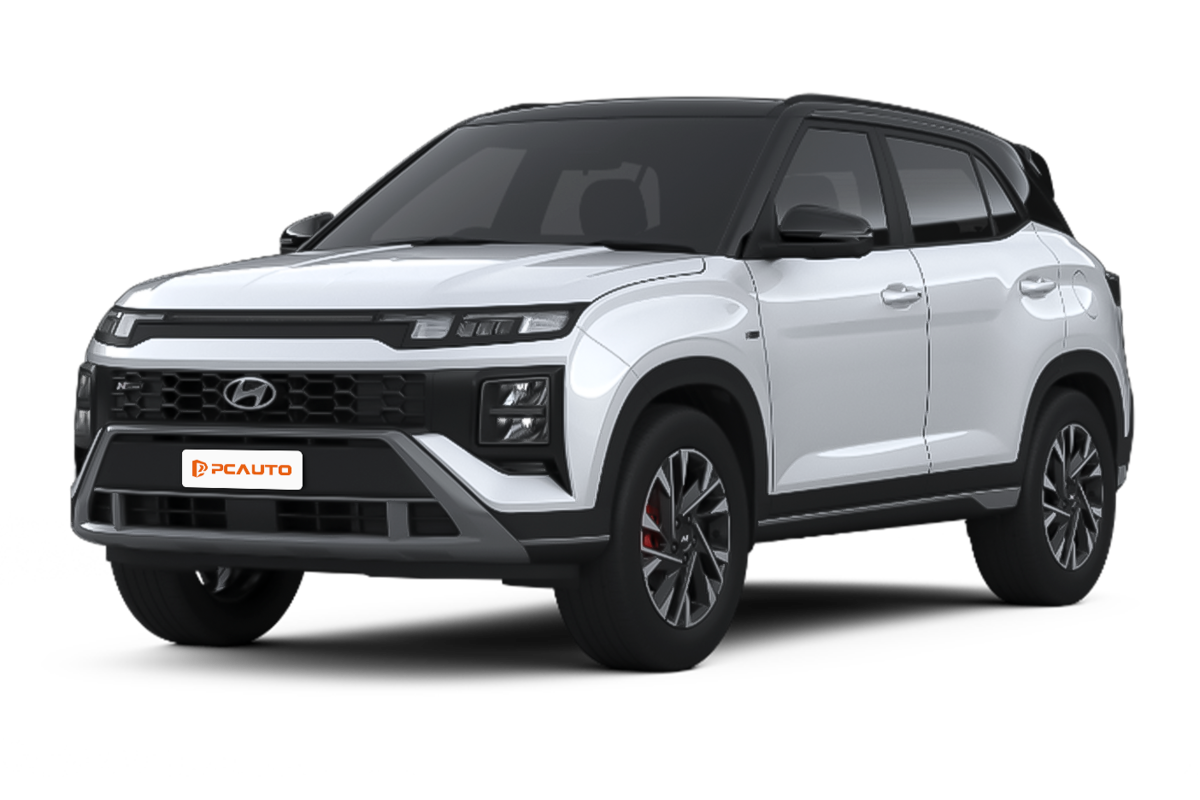
Cars With Similar Price And Features

2023 Toyota Innova 2.0G is Malaysia's preferred family MPV, featuring an 8-seater spacious, practical, and flexible design. It is reliable, durable, and also accommodates rough road conditions, meeting the needs of daily child-carrying and whole-family outings.
13
Rank in MPV
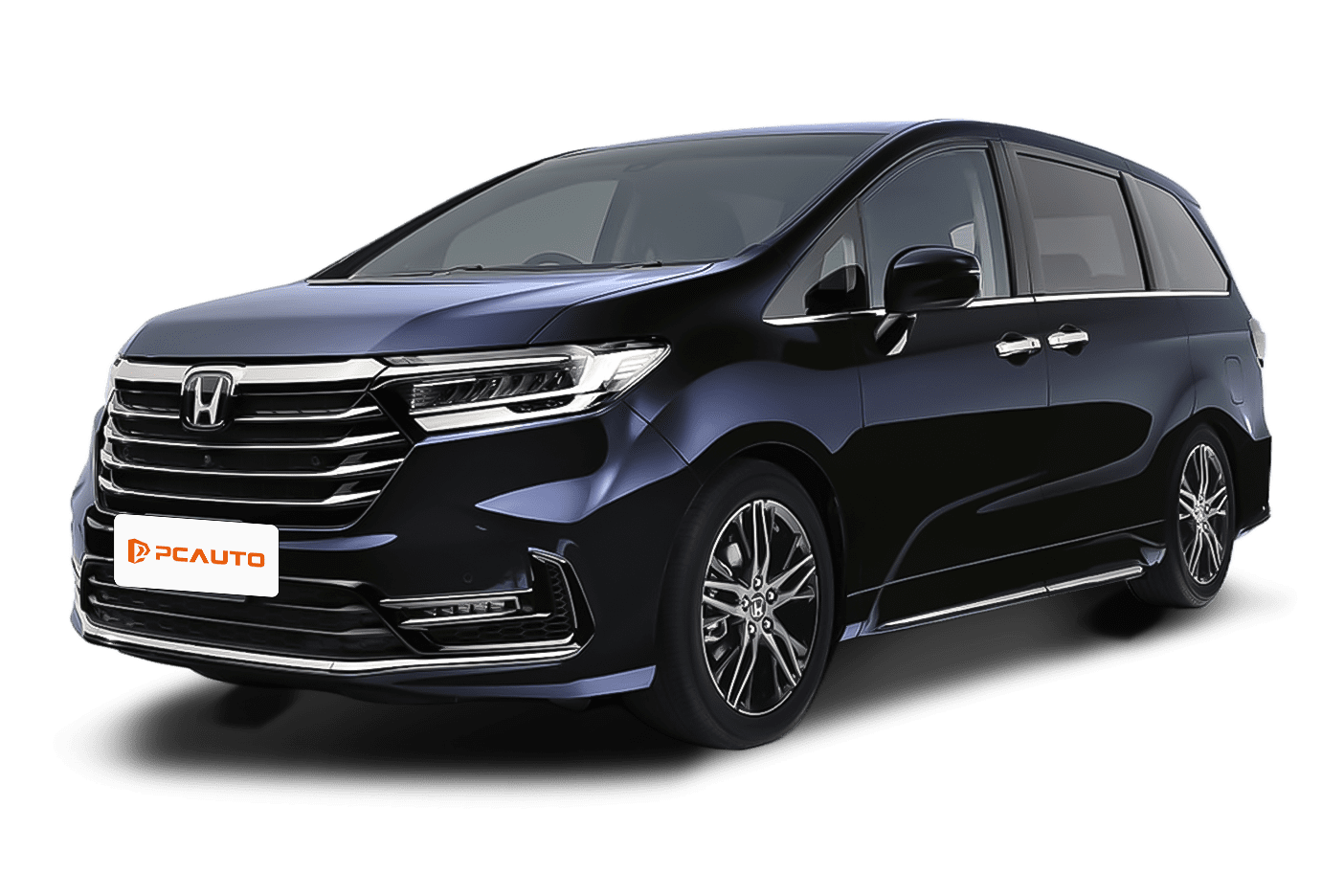
2022 Honda Odyssey 2.4 EXV is a family MPV that balances spatial practicality and comfortable configurations, meeting versatile household needs with its flexible 7-seat layout, Ottoman captain seats, and a well-established powertrain.