

2020 Hyundai i30N Review

 Share
Share
 Segment
 Body Type
 Capacity(L)
 Engine Power(PS)
 Transmission
 Driven Wheels
In the C-segment hatchback market in Malaysia, high-performance hot hatches have always been a niche but dynamic presence—young consumers seek the practicality of daily commuting while insisting on driving fun. The 2020 Hyundai i30N is the "hardcore player" in this segment: its 2.0T turbocharged engine delivers an impressive 275PS of power, paired with a 6-speed manual transmission and a factory-tuned sports chassis. From the moment it was launched, it captured the attention of car enthusiasts. The core of this test is to see whether it is "only suitable for track performance" or can also meet the daily commuting needs on Malaysian roads.
Looking at the exterior, the i30N’s sporty nature is undeniable. The front end features a large honeycomb grille with a black N-series badge embedded in the center; the sharp LED headlights on both sides, along with the black plastic cladding at the front lip and side skirts, enhance its low-to-ground appearance. The side profile of the car is compact, boasting 19-inch matte black wheels paired with wide 235/35 R19 tires, which directly highlight its performance orientation. At the rear, the small spoiler and dual round exhaust outlets further enhance the sporty vibe. The overall design avoids unnecessary flashy embellishments, with every detail serving the purpose of "performance" and ensuring a high level of recognition.
Inside the car, the interior style leans toward simplicity and practicality, yet there are plenty of sporty elements. The seats are a combination of black leather and Alcantara materials, with N-series embroidery on the front seats, offering decent support. The driver's seat supports 10-way electric adjustment for easily finding a comfortable driving position, while the passenger seat features manual adjustment. The center console layout is clear, with an 8-inch touchscreen placed at an ergonomic position. It supports Apple CarPlay and Android Auto and operates smoothly. Below the screen, physical buttons have been retained for ease of use during driving. The instrument cluster is a 4.2-inch Supervision Cluster LCD display, showing performance data such as turbo boost pressure and engine oil temperature, aligning well with its hot hatch identity. As for materials, the top of the center console is made of soft-touch plastic, and the door panels are wrapped in leather, providing an overall texture that is fairly standard for its segment among performance cars.
In terms of space, as a C-segment hatchback, the i30N has a wheelbase of 2650mm. The front row offers one fist and two fingers of headroom and generous legroom; for adults sitting in the rear, headroom is about one fist, and legroom is about two fists—suitable for short trips, though long journeys may feel a bit cramped. The trunk has a capacity of 395L, enough for two carry-on suitcases or daily grocery shopping items. The rear seats can be folded down 60:40, allowing for more space to store larger items. For smaller storage, the door pockets, central armrest box, and front cupholders provide practical options for everyday use.
Performance and driving experience are the highlights of the i30N. Its 2.0T turbocharged engine delivers a maximum power of 275PS, with peak torque available from 1450rpm to 4700rpm. Paired with a 6-speed manual transmission, gear shifts feel short and precise with a satisfying mechanical engagement. On takeoff, a light press of the accelerator is enough to feel the turbo's push, offering sufficient low-end torque. This makes following traffic during Malaysia's urban congestion very nimble. Press harder on the accelerator, and the power delivery is both linear and vigorous. The official 0-100km/h acceleration time is 6.1 seconds, and in testing on a closed track, it registered a time of 6.3 seconds, delivering a noticeable push-back sensation. The clutch engagement point is clear, making it relatively easy for beginners to adapt.
In terms of handling, the i30N's chassis is tuned on the stiffer side, with strong suspension support. When cornering, the body roll is minimal, the steering is precise with little play, and it provides clear feedback of road conditions. While driving on the common asphalt curves of Malaysia, the vehicle exhibits good tracking, giving the driver ample confidence. However, the stiff suspension does not completely filter out vibrations when passing over speed bumps or potholes, which may cause some bumps for rear passengers. The steering weight is adjustable in three modes, with the sport mode offering a heavier feel, more suitable for spirited driving, while the comfort mode is lighter, making it preferable for daily commuting.
Fuel consumption performance is average, with fuel consumption in urban conditions at approximately 9.5L per 100 km and dropping to 7.8L per 100 km on highways, resulting in a combined fuel consumption close to the official figure of 8.5L. Braking performance is good, with a braking distance from 100-0 km/h of approximately 36 meters. The brake pedal feels linear, and braking force is evenly distributed. In terms of noise control, the interior remains relatively quiet at low speeds, but tire and wind noise become more noticeable at higher speeds, though still within an acceptable range, especially considering this is a performance-oriented model.
In terms of safety features, the i30N comes standard with 6 airbags, lane departure warning, active braking, forward collision warning, as well as a 360-degree panoramic camera and front & rear parking sensors, ensuring everyday driving safety. The warranty policy is 5 years/300,000 km, which is considered quite sincere in the Malaysian market.
In summary, the core advantages of the 2020 Hyundai i30N are its powerful performance, precise handling, and decent practicality. Compared to the same-class Golf GTI, the i30N's manual transmission provides greater driving pleasure, its performance parameters have a slight edge, and it is approximately 20,000 MYR cheaper than the GTI, making it more cost-efficient. However, its interior quality and brand premium do not match the Golf, and its stiffer suspension compromises comfort slightly.
This car is suitable for two types of consumers: first, young drivers who enjoy manual transmissions and pursue driving pleasure, balancing daily commuting and weekend track days; second, small families needing a practical daily-use car but still desiring performance. If you're looking for a hot hatchback that can handle both grocery runs and spirited driving, the i30N would be a great choice—it doesn’t come with excessive luxury features, but it strikes a good balance between "performance" and "practicality."
Hyundai i30N Car Compare
Hyundai i30N Loan Calculator
More Hyundai Reviews

Cars With Similar Price And Features
5
Rank in Hatchback

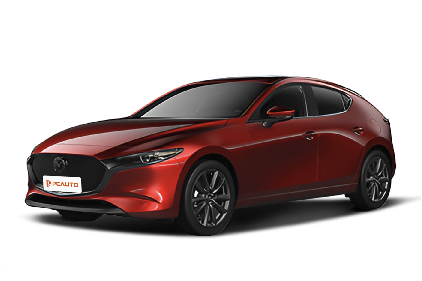
2025 Mazda 3 Hatchback 1.5 L highlights its KODO design, balancing fuel efficiency and practicality. Despite being an entry-level model, it retains core safety features, making it suitable for family users who value design and daily commuting.
6
Rank in Hatchback

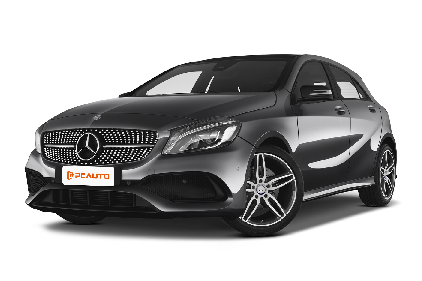
2018 Mercedes-Benz A-Class A200 Progressive Line offers luxurious features such as dual screens at an entry-level price, balanced space, and smooth power, making it a textured choice favored by young families and professionals.

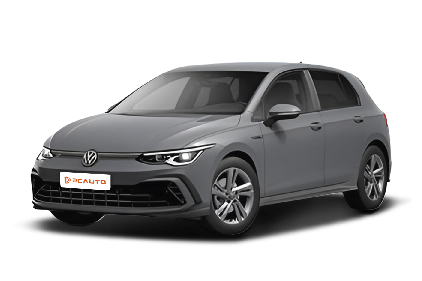
2024 Volkswagen Golf GTI Edition 50, as the anniversary model of the classic performance hatchback, features an upgraded Harman Kardon sound system, a fully digital instrument cluster, and a powerful 2.0T engine, combining driving pleasure with family practicality.