

2020 Hyundai Kona 1.6 T-GDi High Review

 Share
Share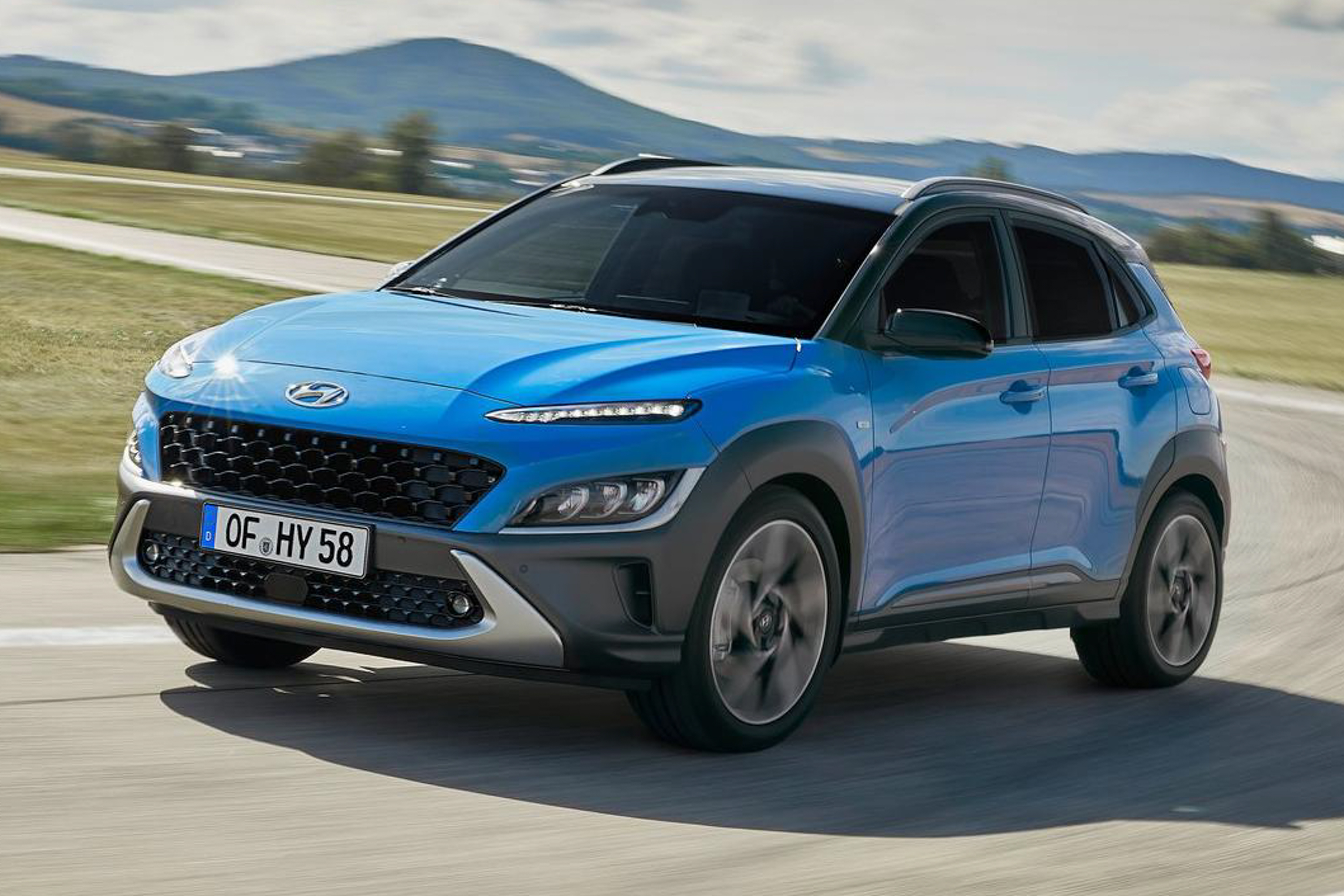
 Segment
 Body Type
 Capacity(L)
 Engine Power(PS)
 Transmission
 Driven Wheels
The subcompact SUV market has always been a popular choice among families and young professionals locally, offering adequate space, high flexibility, and relatively affordable pricing. As the high-end version in this segment, the 2020 Hyundai Kona 1.6 T-GDi High has clear selling points—1.6T turbocharged power + all-wheel drive, along with Level 2 driving assistance. It garnered significant attention upon its launch. In this test drive, we primarily focused on whether its performance matches its pricing, and how practical it is for daily family use.
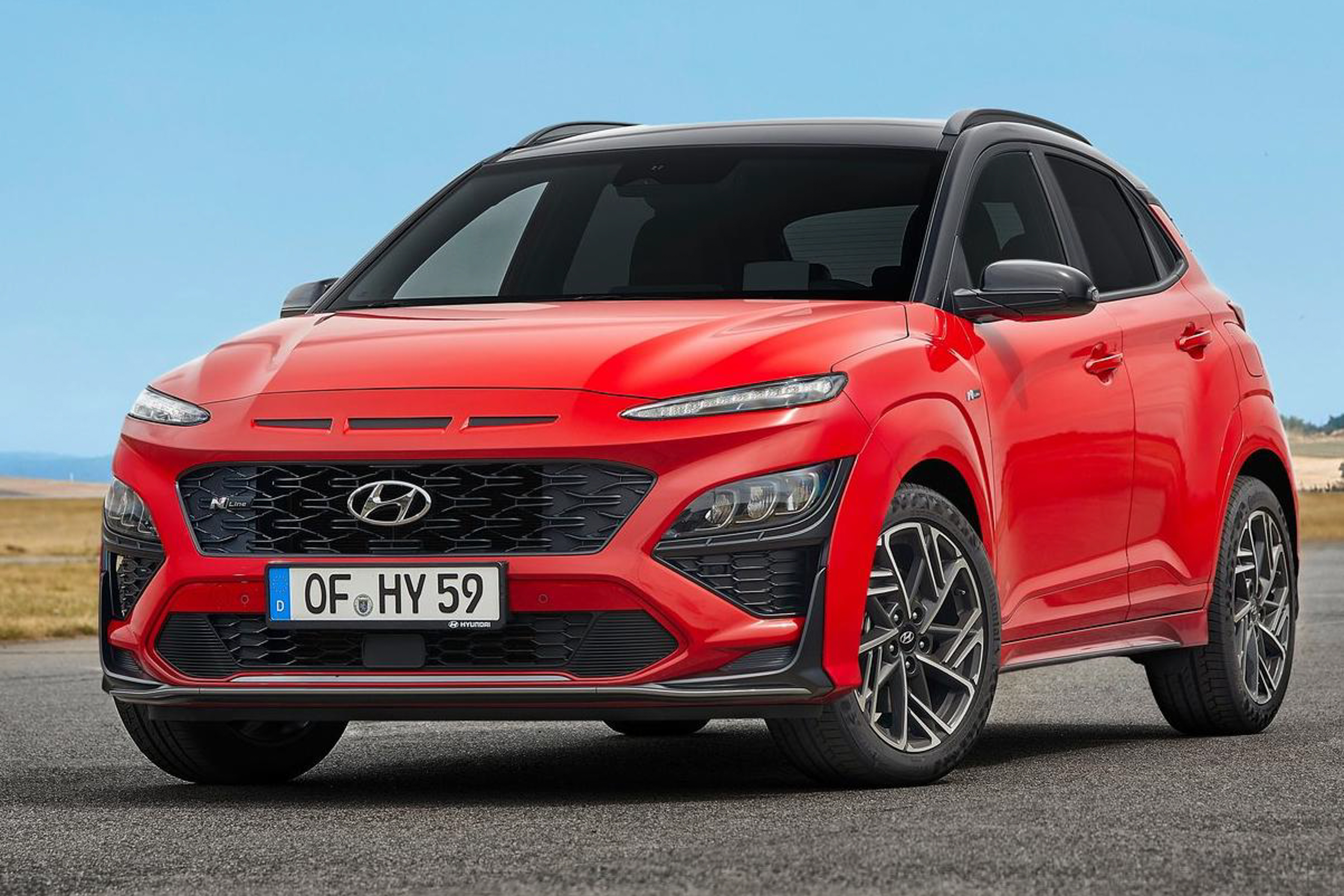
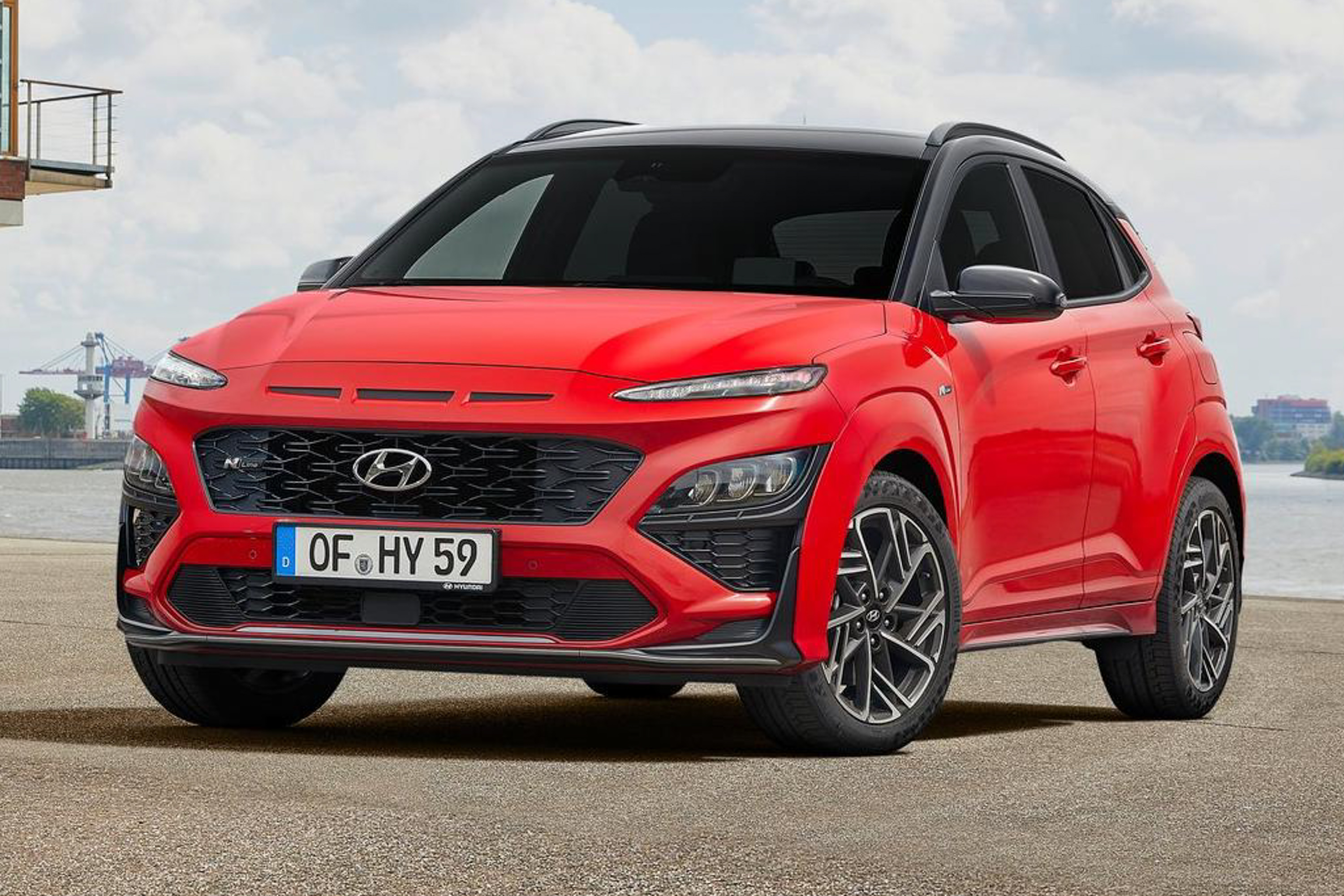
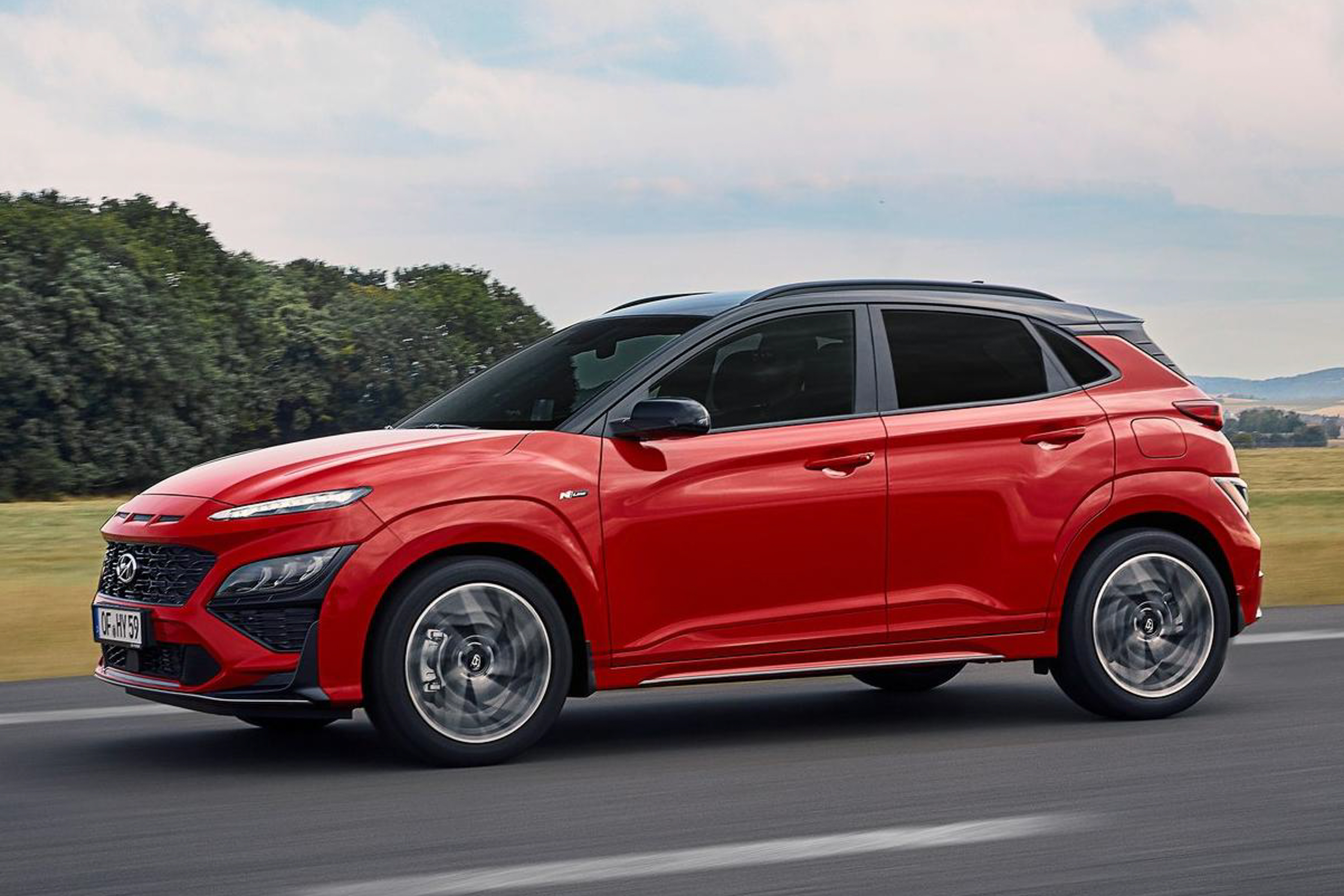
Let's look at the exterior. The vehicle has dimensions of 4165×1800×1550mm (L×W×H) with a wheelbase of 2600mm, typical for a subcompact SUV. The front design continues the recognizable Kona family styling, with a large blacked-out grille flanked by upward-sweeping LED headlights that integrate turn signals into the lamp units for a clear visual effect when lit. The side profile features sharp lines, with black plastic cladding around the front and rear wheel arches paired with 18-inch dual five-spoke alloy wheels, adding a touch of ruggedness. The rear design is relatively simple, featuring horizontally aligned LED taillights connected by a chrome strip. The small spoiler on the tailgate and the rear diffuser design prevent the rear from looking too plain. Overall, the design is youthful and dynamic, making it ideal for users who prefer individuality without being overly flamboyant.
Inside the car, the interior leans towards practicality. The dashboard uses an asymmetrical layout, tilted slightly towards the driver for easier operation. The upper section of the dashboard is wrapped in soft-touch materials, while the middle section is made of hard plastic, though the seams are well-finished. The 10.25-inch touchscreen infotainment display is the visual centerpiece, providing smooth navigation and supporting CarPlay and Android Auto. The Sound Plus feature paired with a 6-speaker setup is sufficient for everyday music listening. In terms of configuration, in addition to basic features like automatic air conditioning and an electronic parking brake, the car comes standard with lane change assist, lane departure warning, and forward collision warning. There is a dedicated driving assistance button area on the left side of the steering wheel for quick and convenient adjustments. The rear seats support a 60:40 split-fold, with adjustable headrests, including one for the middle seat, ensuring long-distance comfort without feeling cramped.
Its space performance meets the expectations of a subcompact SUV. The front seats offer good support, and a passenger with a height of 175cm will have about a fist's worth of headroom and ample legroom when seated. The rear seats provide approximately two fists of legroom and one fist of headroom, ensuring that adults with a normal physique won’t feel confined. The trunk has a standard capacity of 361L, enough to fit two 20-inch suitcases. Folding down the rear seats expands the capacity to 1143L, sufficient for larger items like strollers or folding bicycles. There are also plenty of storage compartments throughout the interior, including cup holders on the front doors, a center armrest box for phones and wallets, and two USB ports along with air vents for the rear passengers, meeting their charging needs.
The dynamic performance is a highlight. The 1.6T turbocharged engine delivers a maximum output of 177PS and a peak torque of 265N·m, paired with a 7-speed dual-clutch transmission and an all-wheel-drive system. The official 0-100km/h acceleration is 7.9 seconds. In actual driving, the power response is quite eager during takeoff, with a noticeable push-back feeling when the turbo kicks in. Mid-to-high-speed acceleration remains smooth and unstrained. On the highway, pressing the accelerator deeper results in quick downshifting by the transmission, with seamless power delivery. There are three driving modes to choose from: Eco, Normal, and Sport. In Sport mode, the transmission delays upshifts, maintaining high RPMs, which would be appreciated by those who enjoy spirited driving.
In terms of handling, the steering wheel has moderate resistance, precise direction, and a linear return torque. The suspension system is tuned on the firmer side, and noticeable bumps can be felt when passing speed bumps, but it provides good support in corners, effectively controlling body roll. The full-time four-wheel-drive system performs steadily on slippery roads, keeping the car stable in rainy conditions without noticeable skidding when cornering. The braking performance is reliable with a moderate stopping distance, giving confidence during city driving.
Fuel consumption is average in daily use, about 8.5L/100km in congested urban conditions, reducing to 6.8L/100km during highway cruising, with an overall fuel consumption around 7.6L, which aligns with the level of a 1.6T engine. In terms of noise control, tire and wind noise are not noticeable below 60km/h. However, wind noise gradually increases above 80km/h but remains within an acceptable range, not affecting in-car communication. The seats have good wrapping, and the lumbar support is sufficient for long drives without causing fatigue.
In conclusion, the core strengths of the Kona 1.6 T-GDi High lie in its power and configuration. The 1.6T + all-wheel-drive combination is rare in its class, and the Level 2 driving assistance increases safety. Its space and comfort also meet the needs of families. Compared to competitors in the same class, such as the Honda HR-V, the Kona offers more powerful performance and richer features, but its price is slightly higher.
It is well-suited for a specific group of users: young families who prioritize power and driving safety or commuters who frequently drive on highways and occasionally face complex road conditions. If the budget allows and you are looking for a balance of power and features, this vehicle is worth considering. Overall, it is a small SUV that balances family usability with driving pleasure, with no significant shortcomings and strong competitiveness among its peers.
Hyundai Kona Car Compare

Hyundai Kona Loan Calculator
More Hyundai Reviews
Cars With Similar Price And Features
8
Rank in SUV
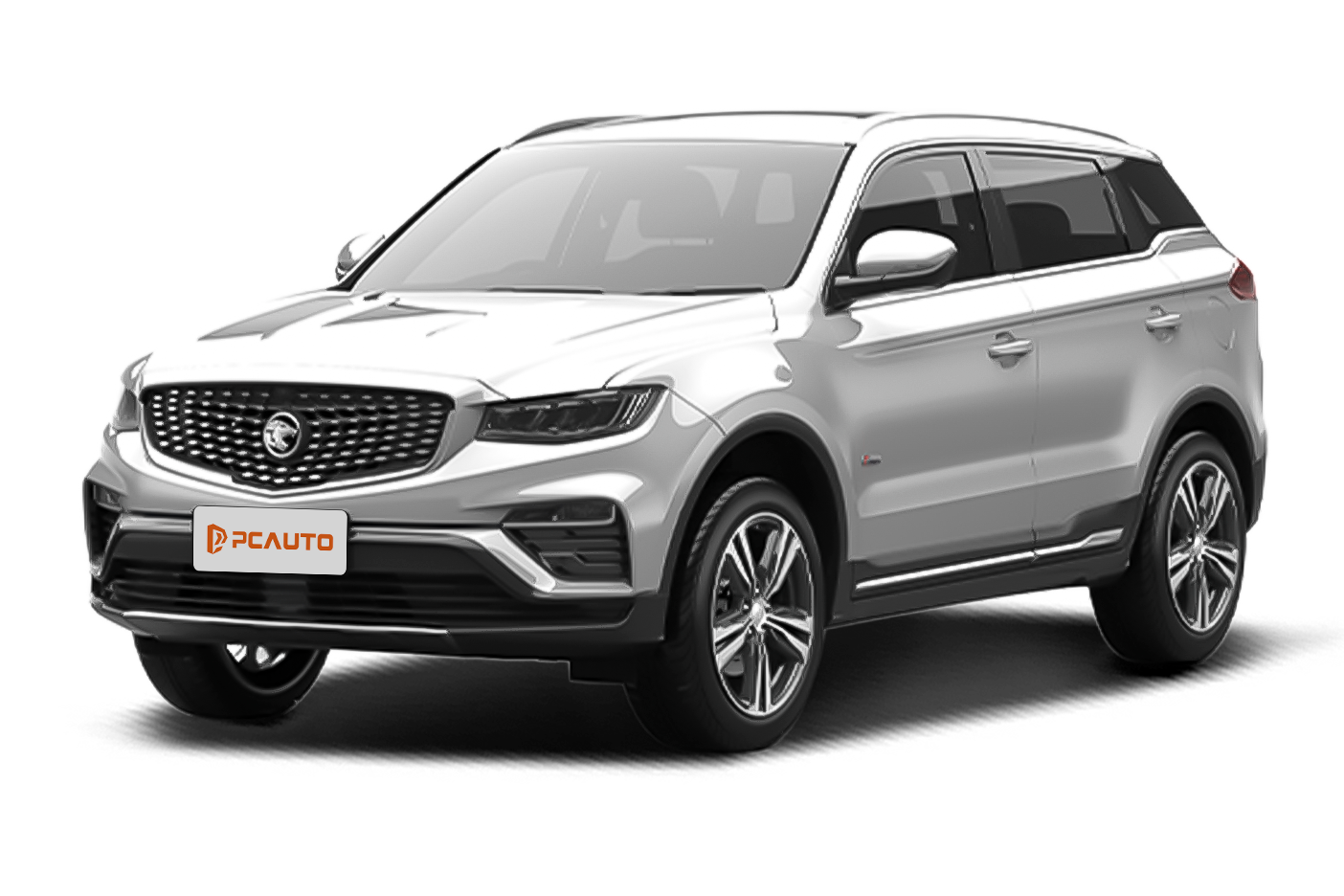
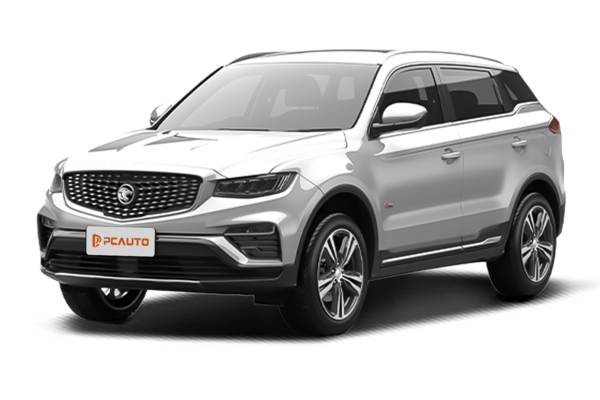
2026 Proton X70 1.5 TGDi Executive focuses on upgrading to a four-cylinder engine, practical configurations, and affordable pricing. It balances family commute practicality with value for money, making it a sensible choice among similarly priced C-segment SUVs.
10
Rank in SUV
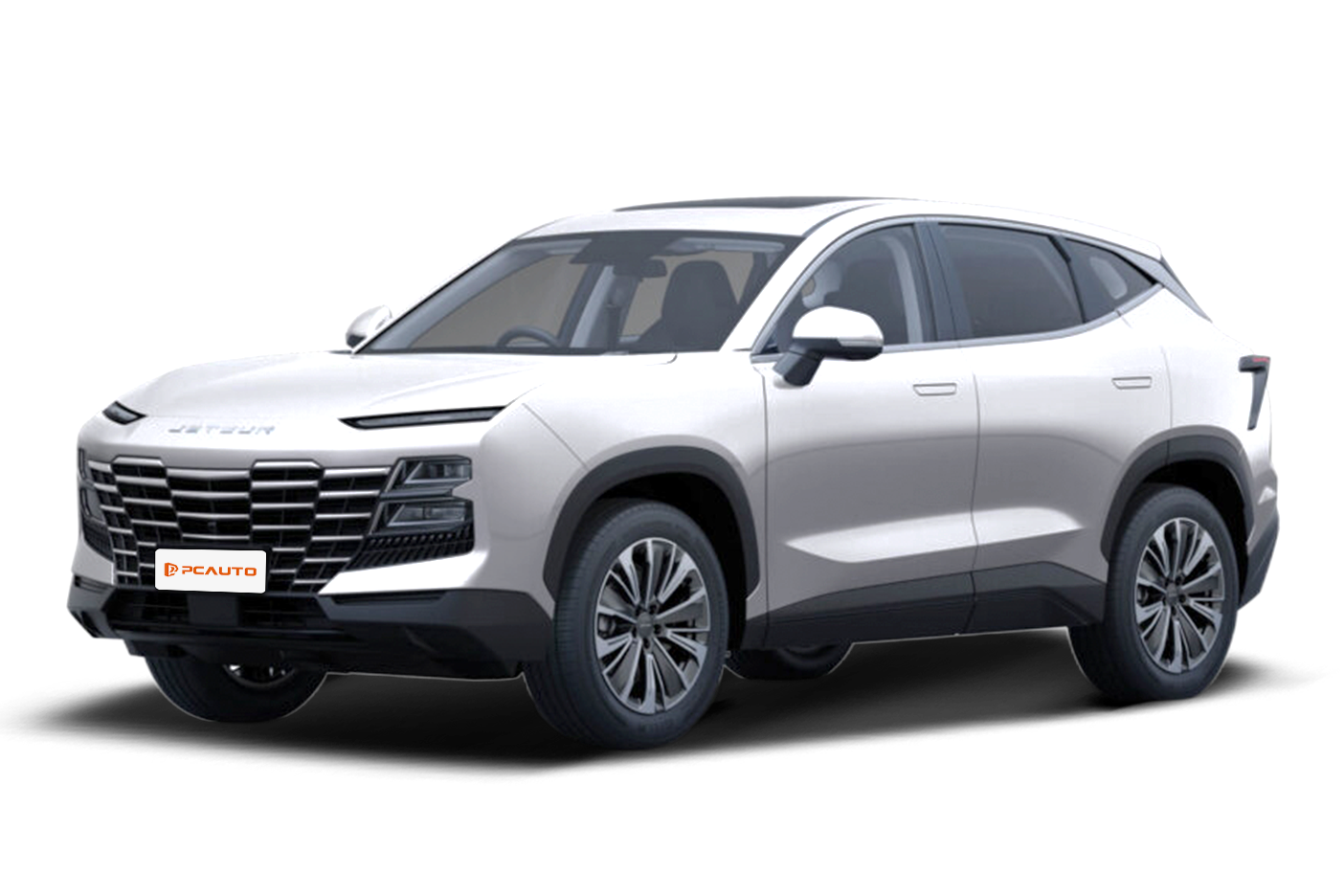
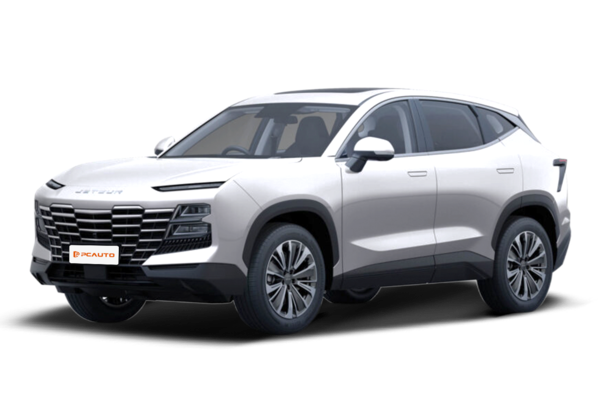
Jetour Dashing 1.5 TCI Comfort 2025 features a 2720mm long wheelbase and a 10.25-inch dual screen as its core, focusing on balanced cost performance to meet family practical needs.
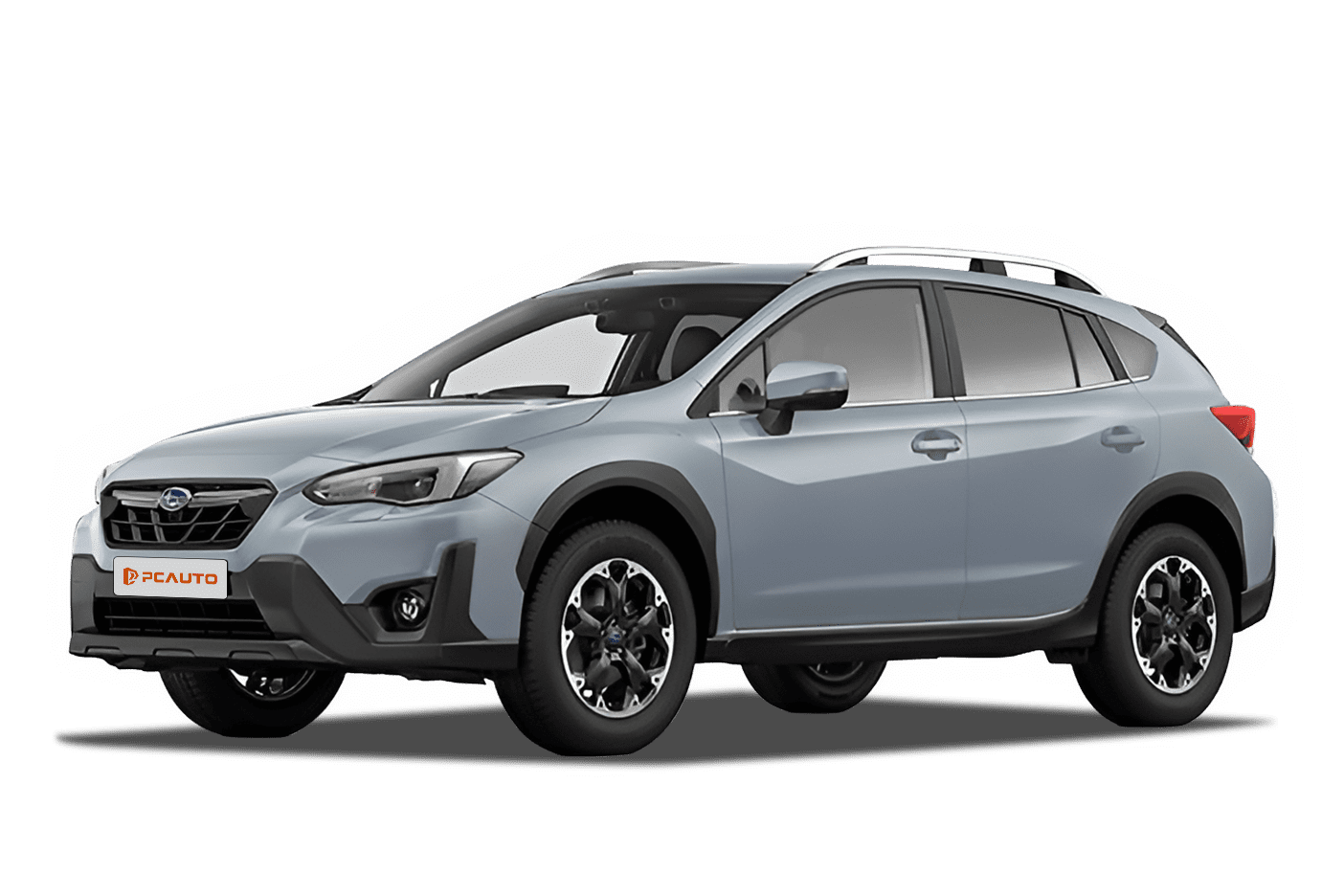
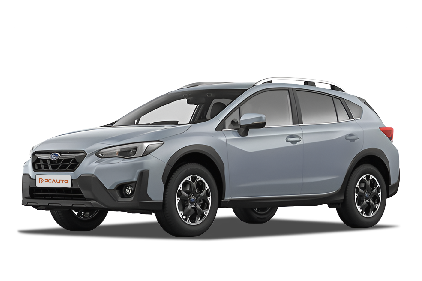
The 2021 Subaru XV 2.0i is a model targeting the C-segment crossover market, equipped with standard all-wheel drive and high safety features, balancing off-road capability and handling, with practical space.
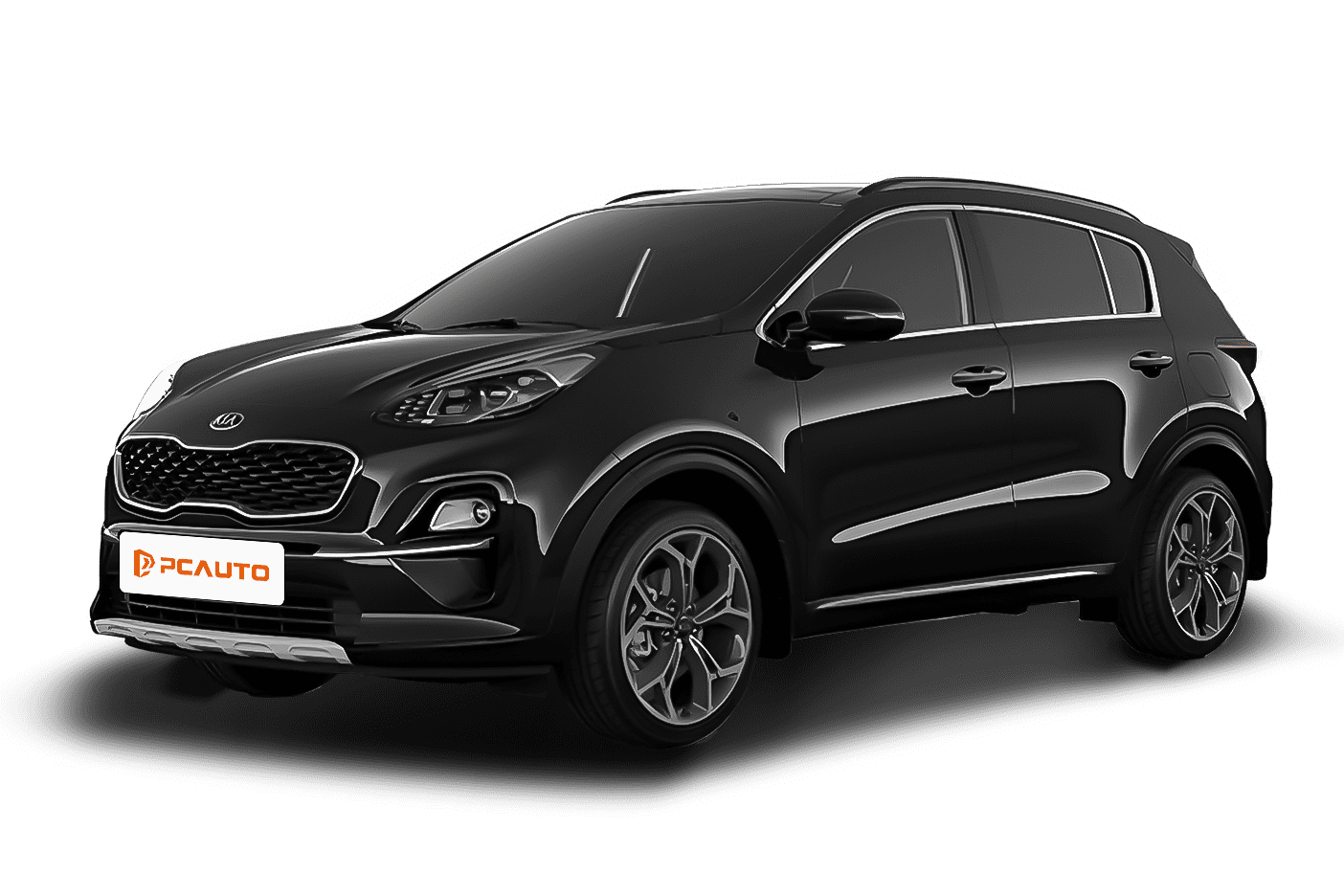
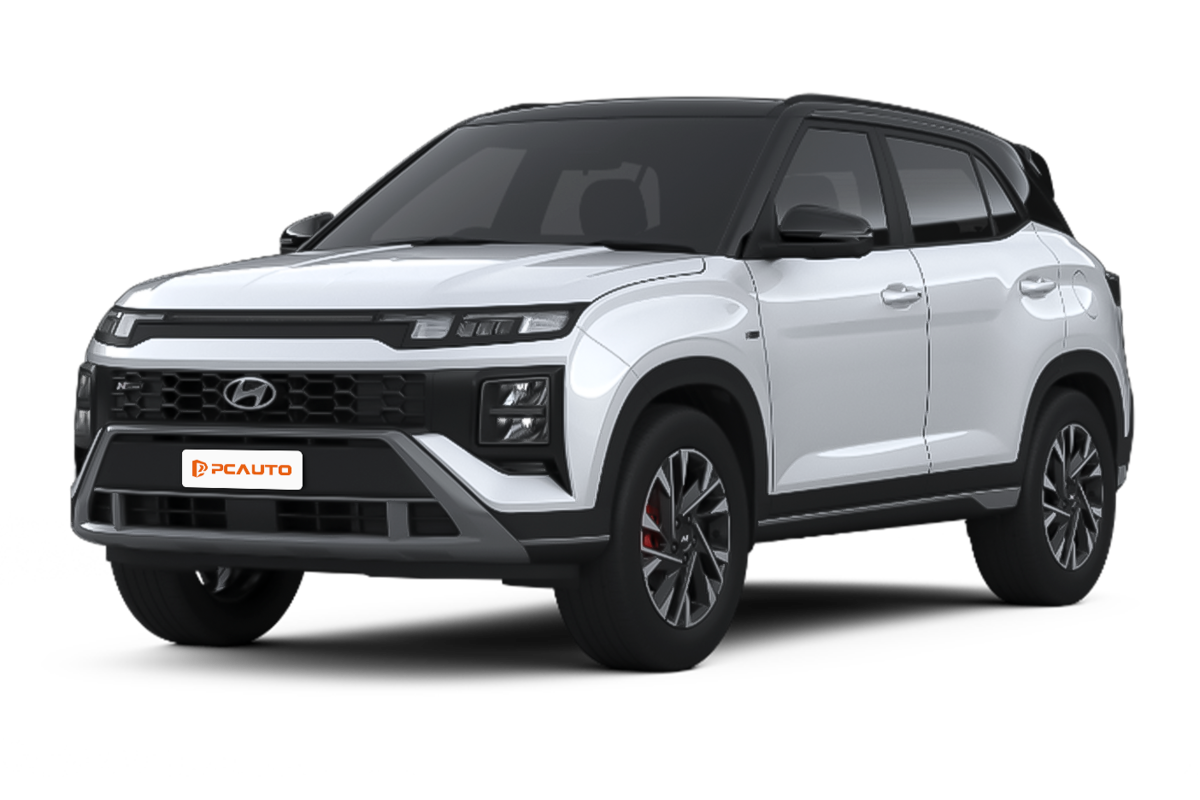
2024 Kia Sportage 2.0G 2WD, as the entry-level fuel version, with avant-garde design, 12.3-inch full LCD instrument panel, practical space, and economical fuel consumption, precisely meets the needs of family and cost-effectiveness-focused users.