

2020 Jaguar E-Pace 2.0T Review

 Share
Share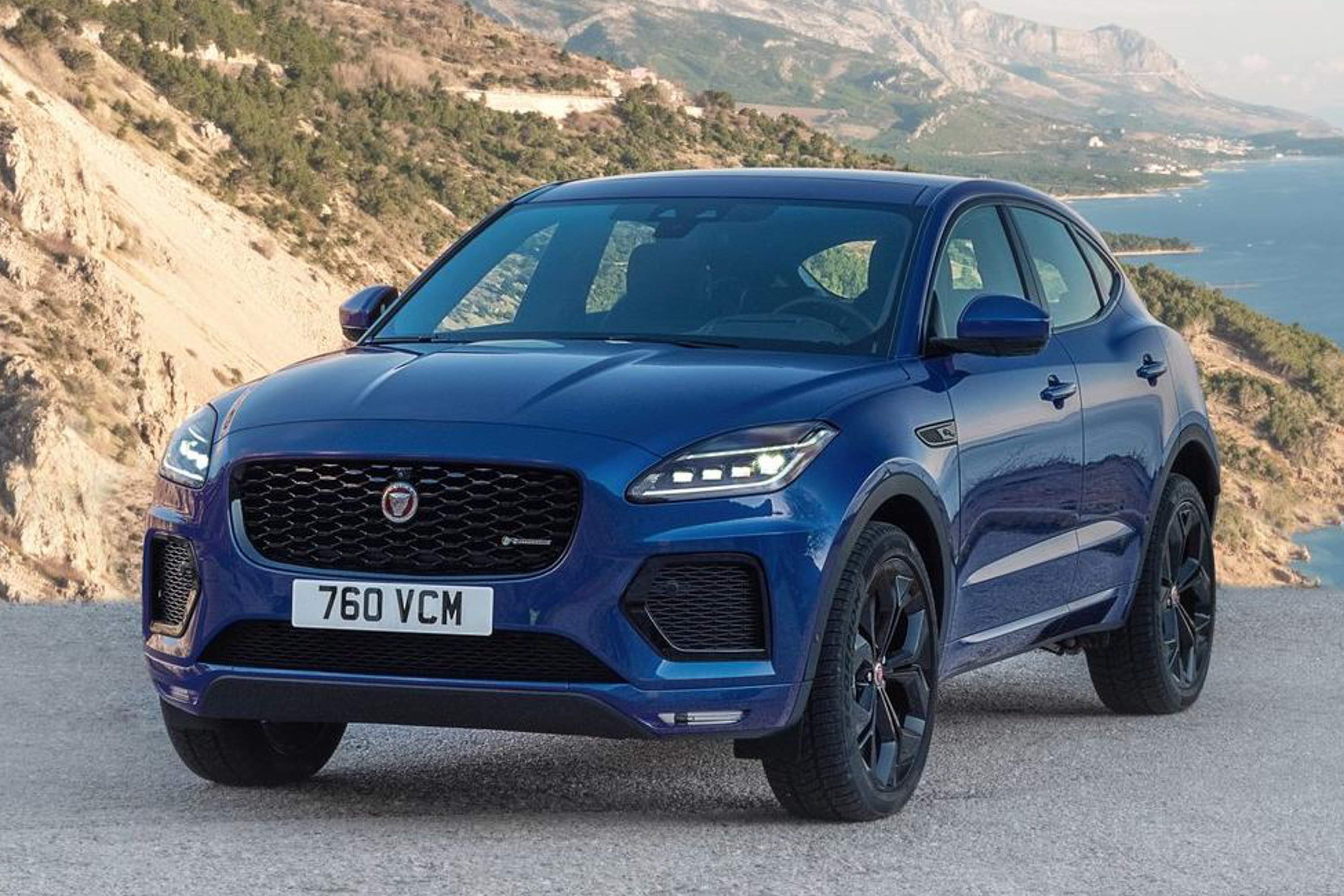
 Segment
 Body Type
 Capacity(L)
 Engine Power(PS)
 Transmission
 Driven Wheels
The compact luxury SUV market has become increasingly competitive in recent years. While consumers seek brand appeal, they also demand higher standards for space practicality, configuration richness, and driving comfort. As the entry-level SUV under Jaguar, the 2020 E-Pace 2.0T leverages its British design DNA and all-wheel drive system to stand out in its class. This time, we got the actual car to test its daily driving performance, space utilization, and whether its configuration aligns with its luxury positioning. Let's see if it meets Malaysian consumers' expectations for a "small yet refined" luxury SUV.
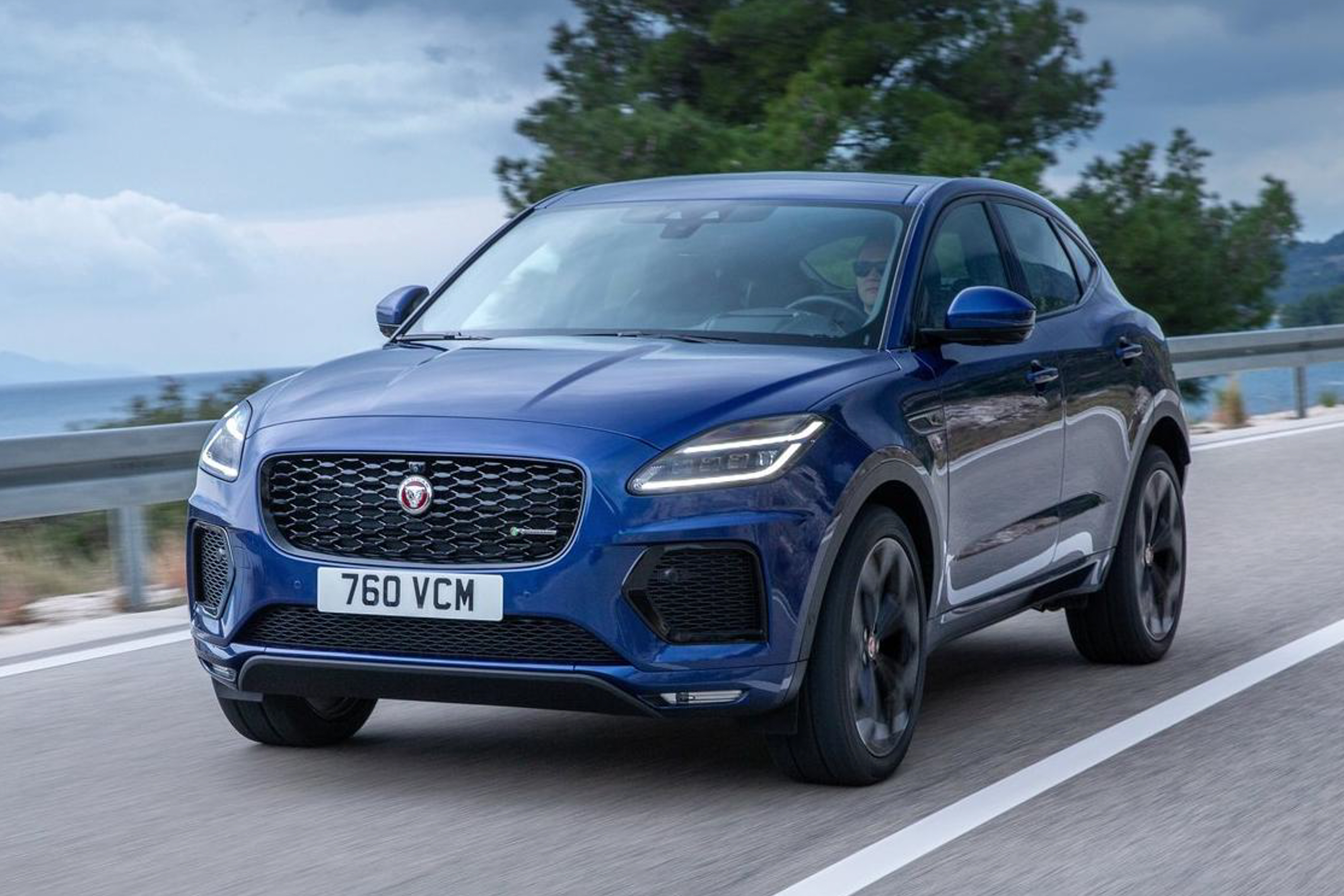
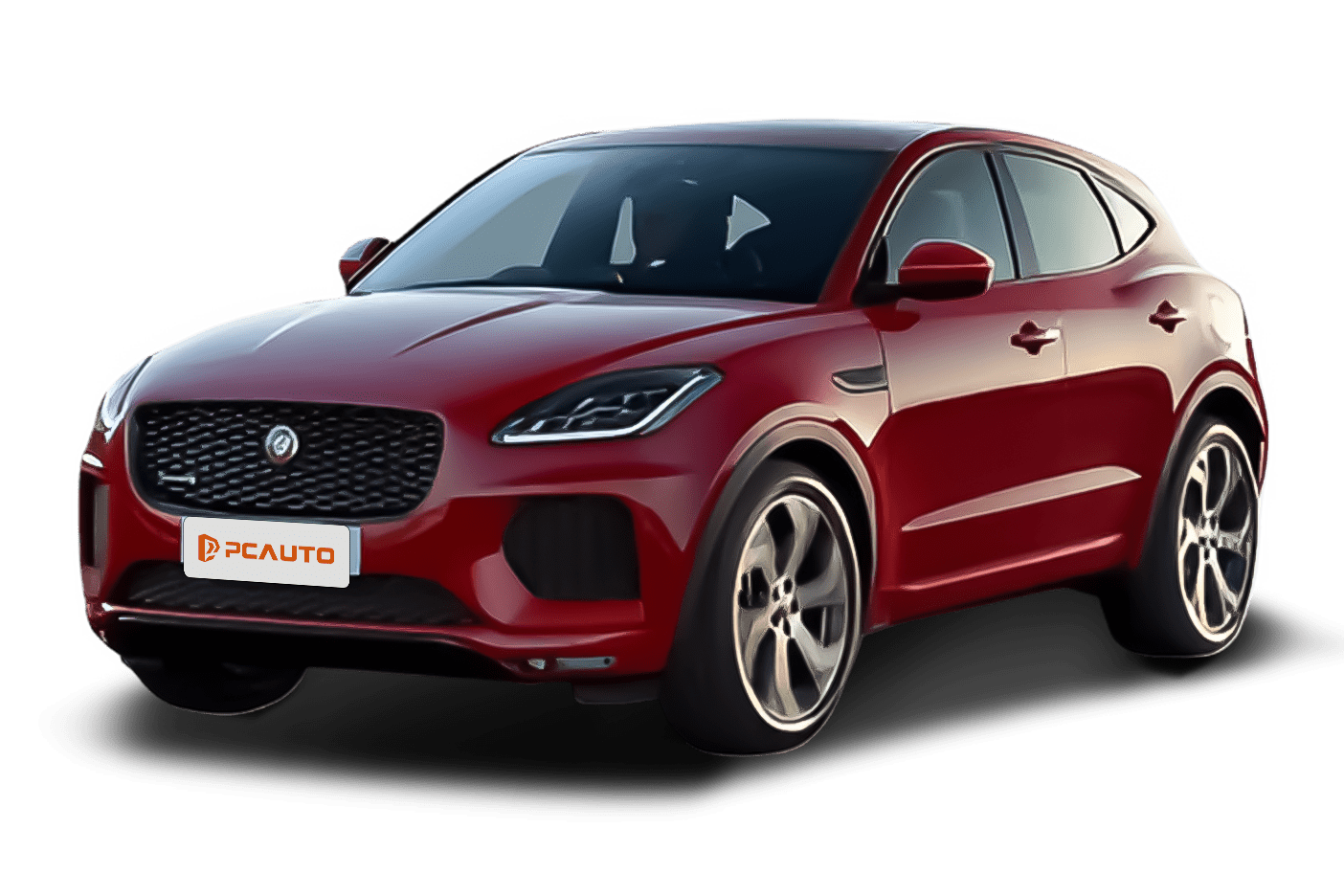
From a distance, the 2020 E-Pace's silhouette maintains the sporty feel of Jaguar's family design. The short front overhang and long wheelbase design make the body proportions more compact. The front features Jaguar's signature large honeycomb grille, accented by chrome trims and sharp LED headlights on both sides, giving it high recognizability. The waistline on the side of the car extends from the front fender to the rear, combined with 18-inch alloy wheels (with larger sizes available on some models). The overall stance leans lower to the ground, resembling more of a crossover than a traditional SUV. The rear design is relatively simple, with LED tail lamps adopting a wrap-around style to echo the front design, while the silver skid plate on the lower rear bumper adds a hint of off-road vibes. The lighting system comes with standard LED sources across the range, providing sufficient brightness and quick response time. The daytime running lights feature a folded line design that further enhances the vehicle's sporty character.
Opening the door, the luxurious feel of the interior first comes from the choice of materials—the top of the center console uses soft-touch materials, while the inner side of the door panels and the seats are wrapped in leather, providing a delicate tactile experience. The steering wheel adopts a three-spoke multifunctional design, equipped with paddle shifters. It feels solid to grip and is appropriately sized. The center console area has a clear layout, with a 10-inch touch screen in the center. The interface fluency is decent, supporting Bluetooth connectivity and the Sound Plus feature. The sound quality from the six speakers is generally sufficient for daily needs. The HUD (Head-Up Display) is standard, showing key information like speed and navigation, which enhances driving safety. The seats offer good support, with electric adjustments available in the front row. For passengers around 175 cm tall in the back row, there are about two fist-widths of legroom and one fist-width of headroom, which is adequate for daily family use. As for storage, the trunk has a capacity of 577L, expandable to 1234L by folding the rear seats, making it possible to accommodate large suitcases or baby strollers. The rear row is equipped with independent air vents and a 220V power outlet, showcasing thoughtful details.
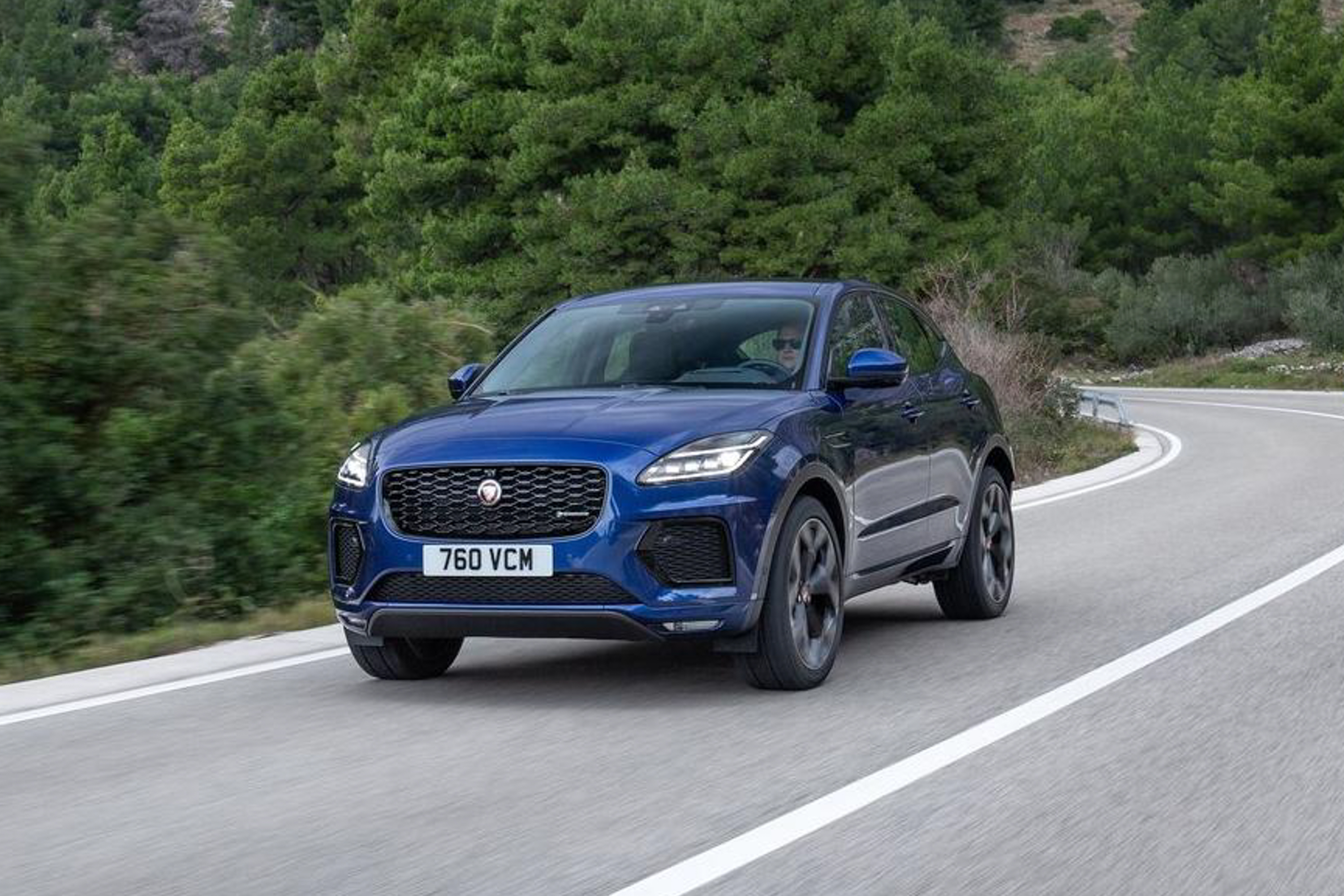
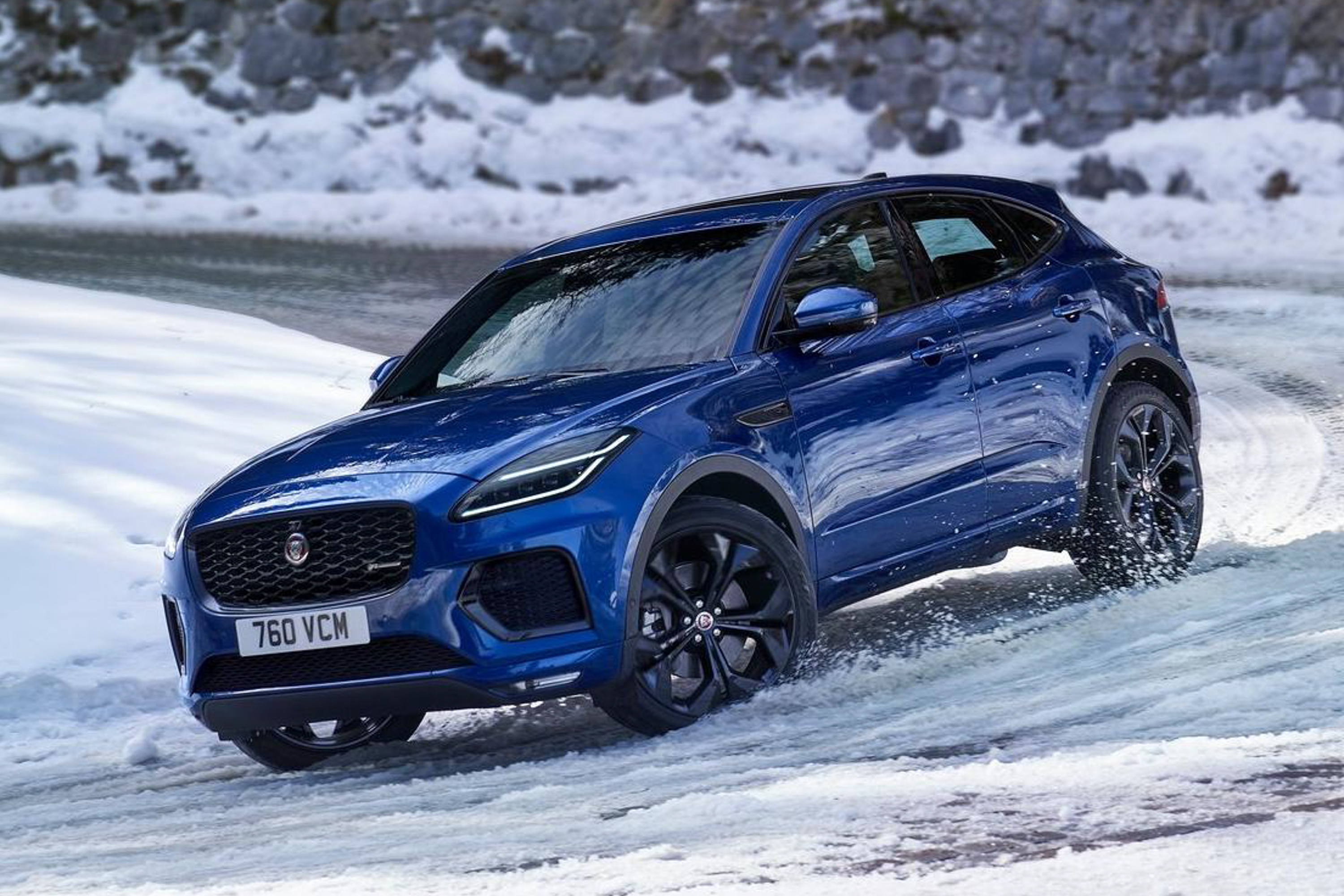
The tested 2.0T engine delivers a maximum power of 200PS and a peak torque of 320N·m, paired with a 9-speed automatic transmission and an all-wheel-drive system. When starting, the power responds eagerly, reaching maximum torque at just 1250rpm. Maneuvering through city traffic for overtaking or lane changes feels effortless. In Sport mode, the shift logic becomes more aggressive, with the engine maintaining a speed above 3000rpm, allowing for more direct power output. While cruising at high speeds, the engine runs at about 2200rpm at 120km/h, and the gearbox demonstrates smooth shift transitions with almost no jerks. Regarding the chassis, the front MacPherson struts and rear multi-link independent suspension tuning lean toward a sporty setup. During cornering, the body roll is well-controlled, and the steering wheel offers precise handling with minimal play. On bumpy roads, the suspension absorbs most fine vibrations, though there is noticeable rebound when crossing speed bumps, sacrificing some comfort for better handling. The all-wheel-drive system provides stable performance on rainy or slippery roads, offering improved traction, although this system is more road-oriented and has limited off-road capabilities.
In terms of fuel consumption, we drove 50km in urban congested areas and 50km on highways, with a combined fuel consumption of about 9.8L/100km, which is not much different from the official figure of 9.4L/100km. For a 2.0T+ four-wheel-drive model, this performance is considered average in its class. As for noise control, wind and tire noise become slightly noticeable at high speeds but remain within an acceptable range and do not affect in-car conversation. The seat support is good, and long drives do not cause fatigue. The rear seat angle is designed reasonably, so passengers will not feel cramped while seated.
Overall, the core advantages of the 2020 Jaguar E-Pace 2.0T lie in its brand appeal, sporty design, and rich configuration. Compared to competitors like the BMW X1 or Mercedes-Benz GLA, its all-wheel-drive system and HUD head-up display come as standard, offering better value for money. However, its rear space and fuel consumption performance are average, and its firm suspension tuning might not be suitable for consumers seeking ultimate comfort. This car is more suitable for young consumers who value driving quality, appreciate British design, and need to balance family usage. If you’re looking for a compact luxury SUV with personality, comprehensive features, and plenty of driving fun, the E-Pace 2.0T is worth considering.
Jaguar E-Pace Car Compare
Jaguar E-Pace Loan Calculator
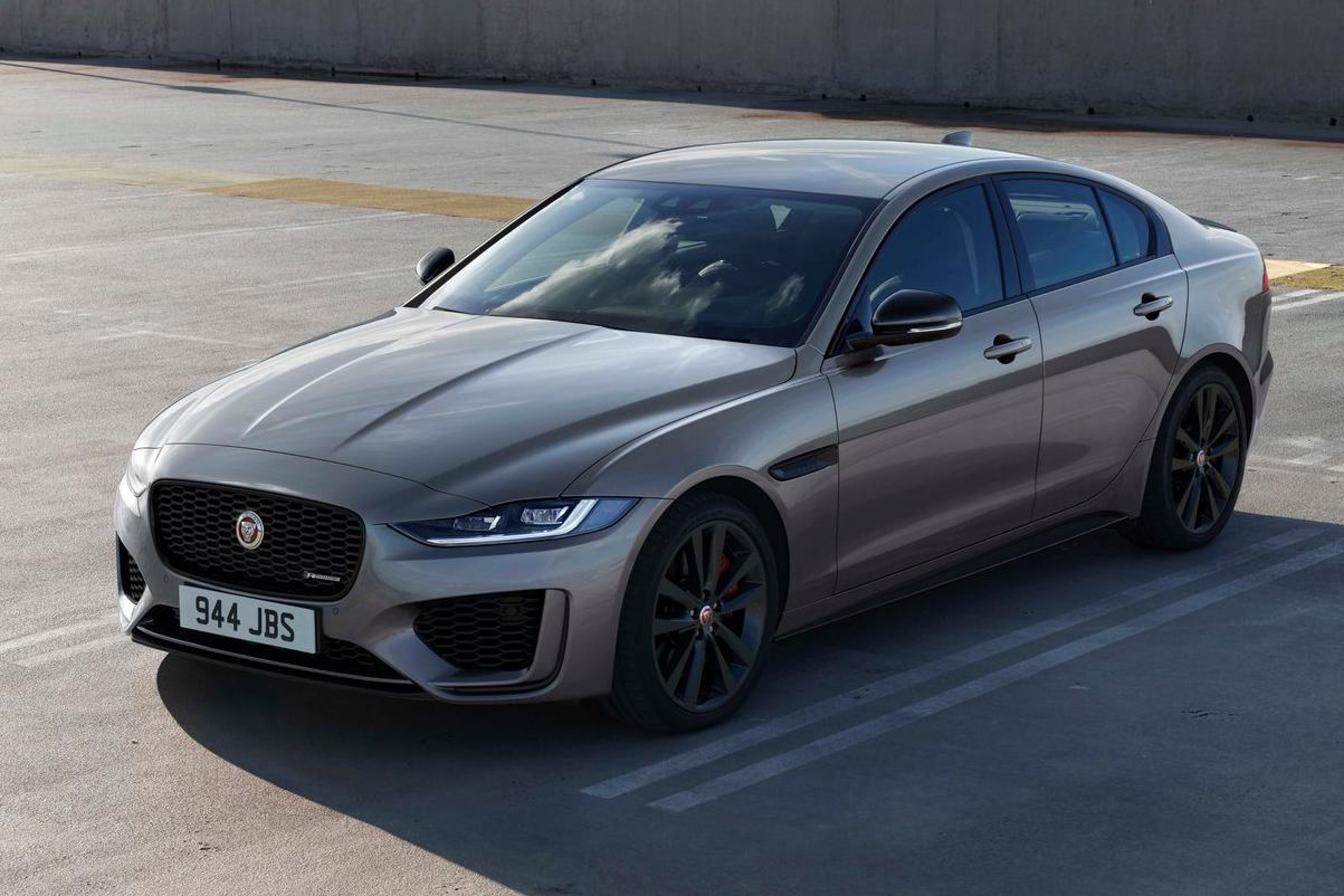
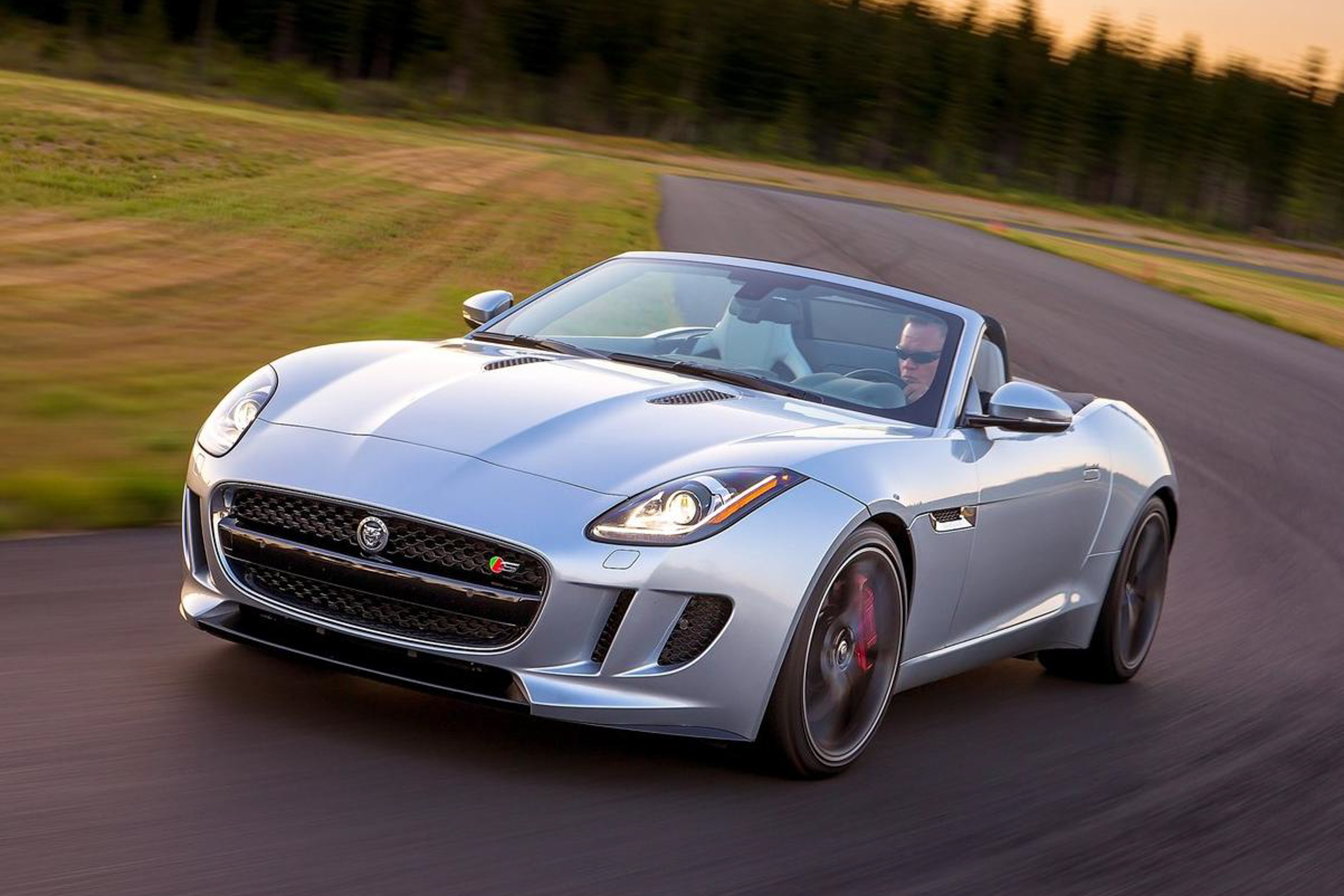
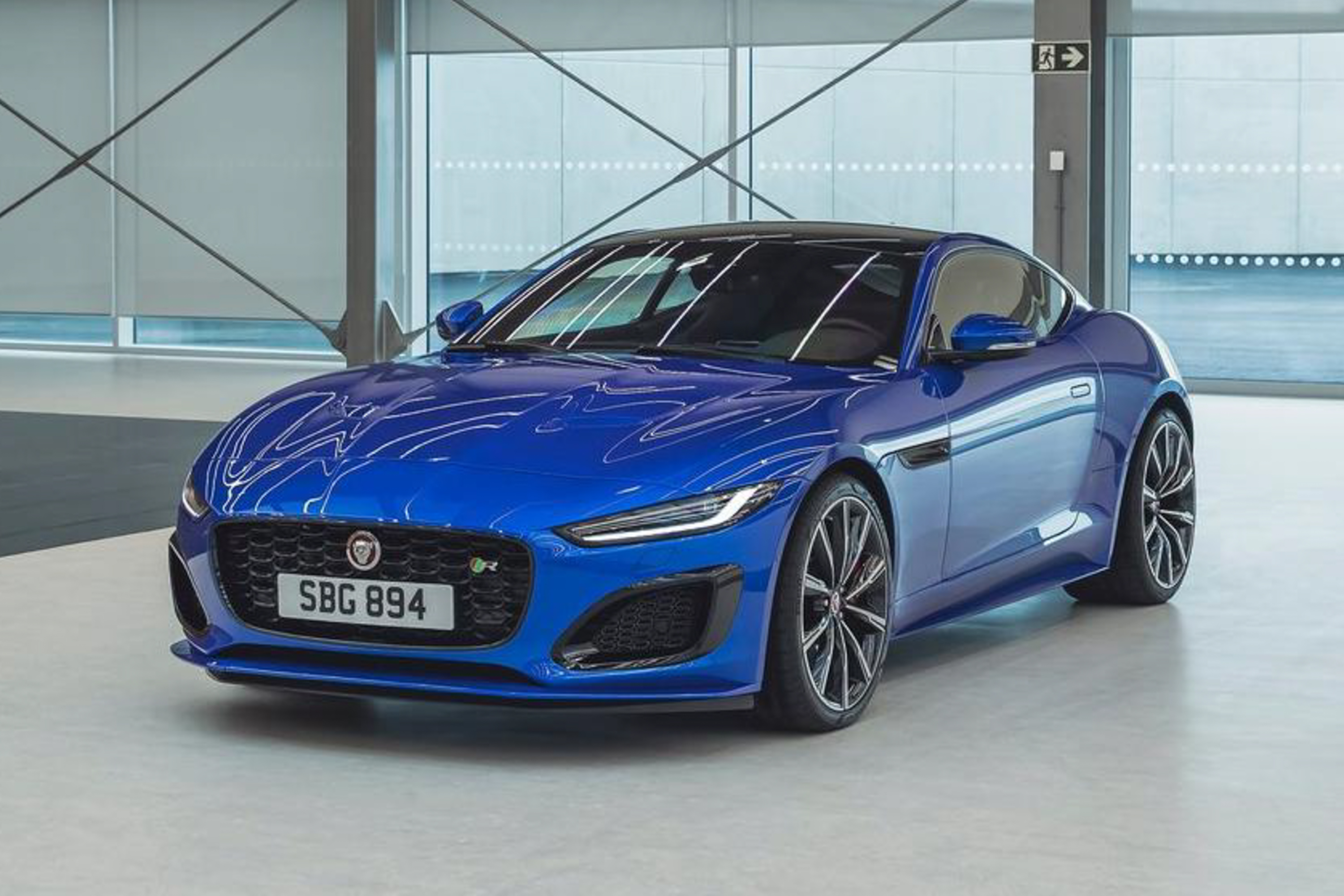
Cars With Similar Price And Features
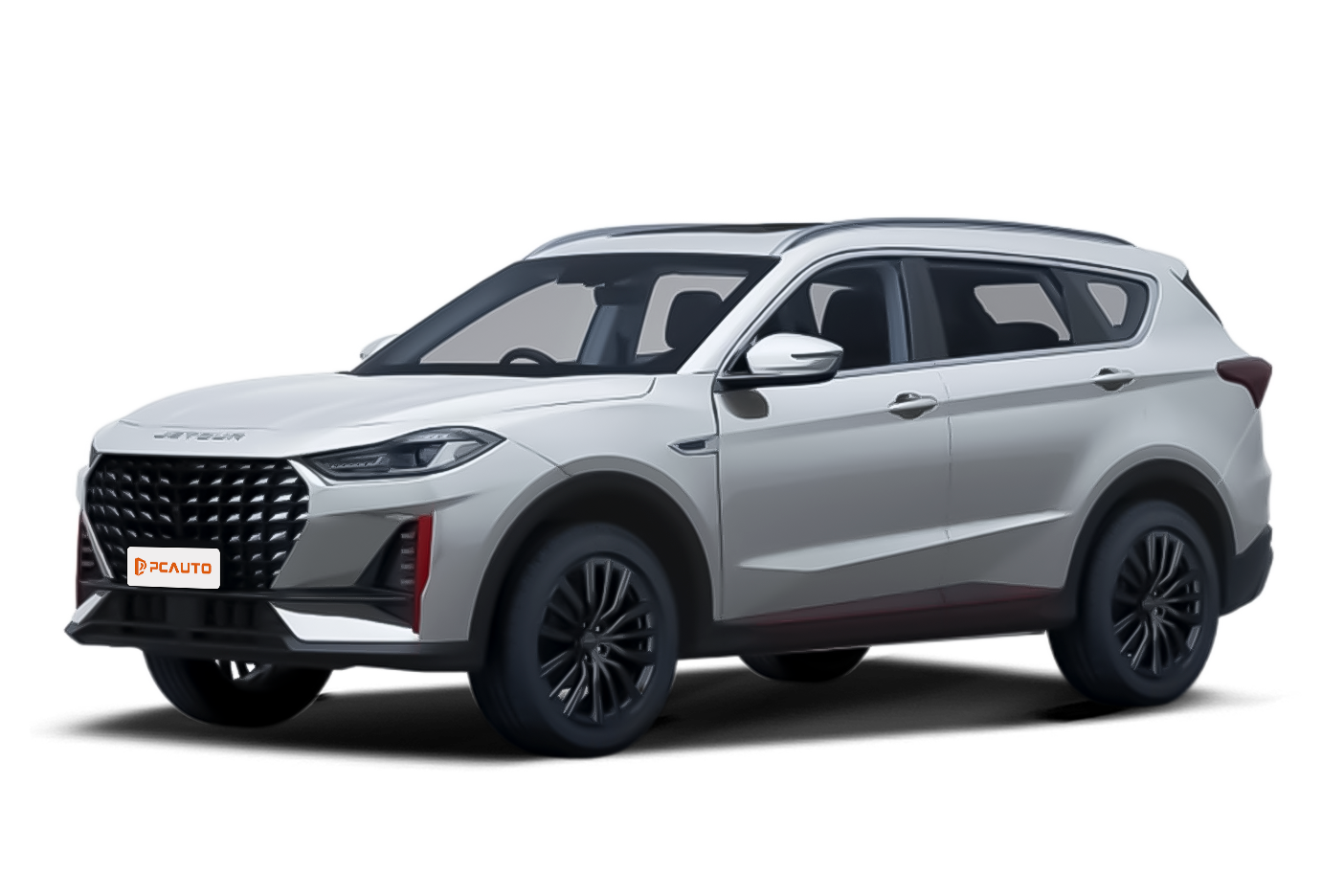
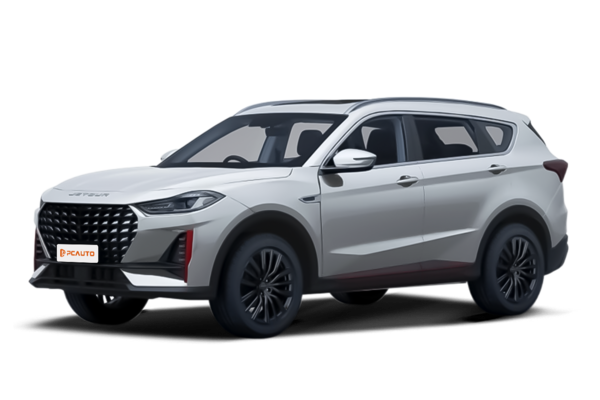
2025 Jetour VT 9 Comfort is a highly cost-effective 7-seater family SUV, featuring practical space, rich configurations, and balanced power, precisely meeting the needs of family short-distance travel.

11
Rank in SUV
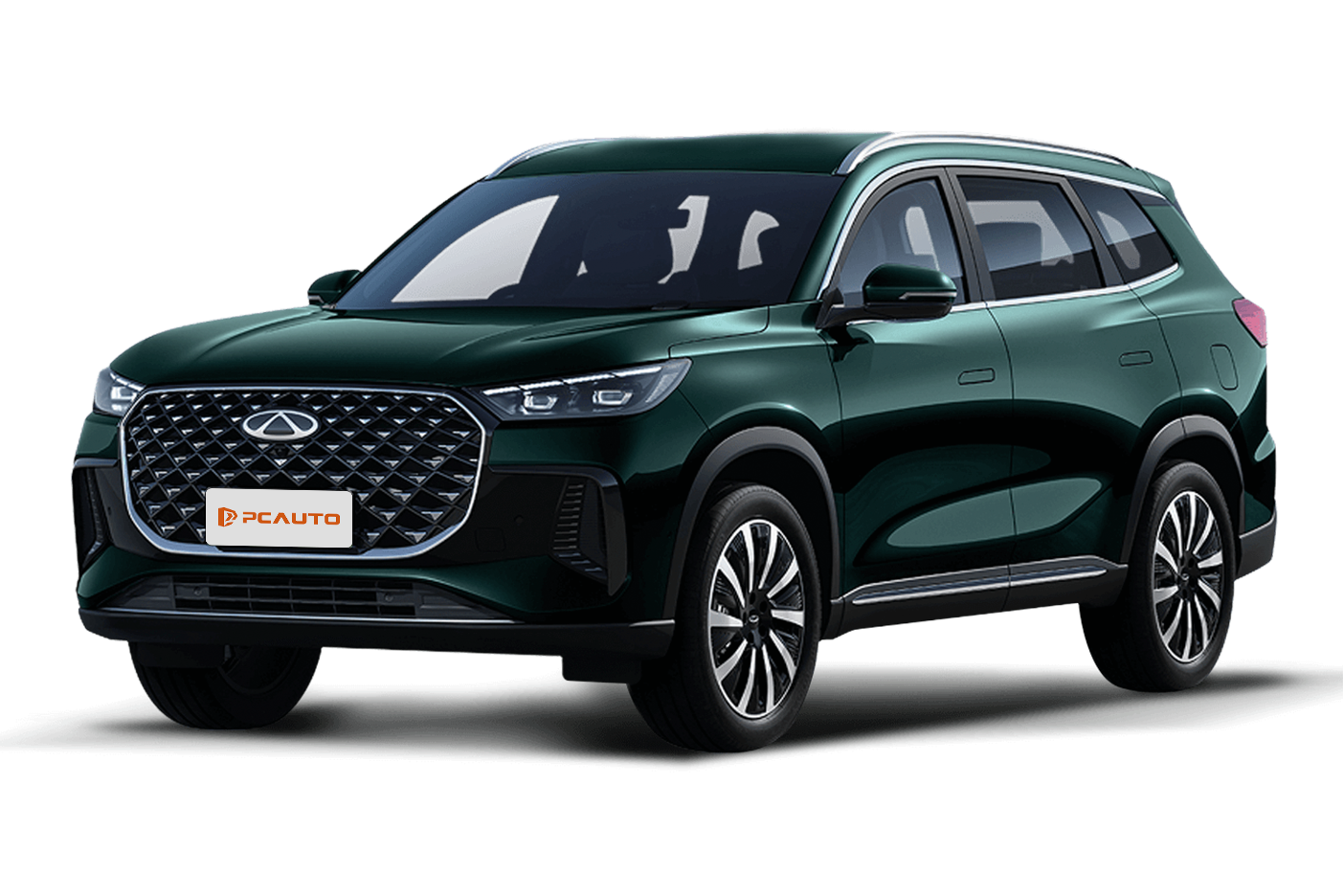
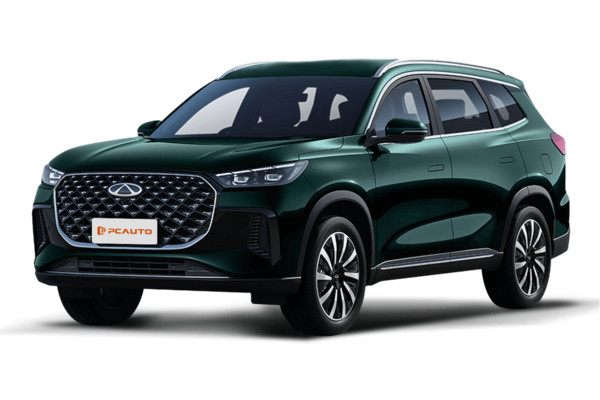
2026 Chery Tiggo 8 is a D-Segment SUV aimed at family users, offering superior configurations, practical space, and smooth power at a high cost-performance ratio, meeting both commuting and light off-road needs.
16
Rank in SUV

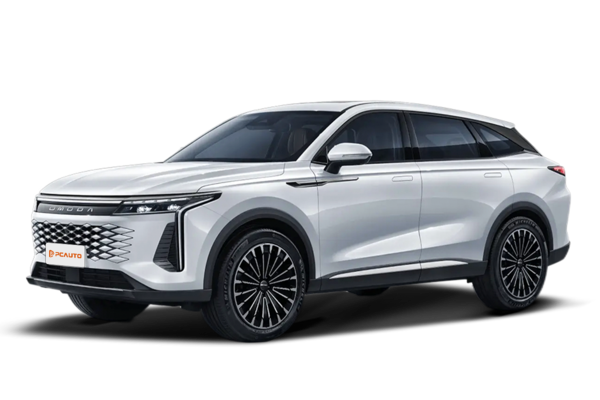
2024 Chery OMODA C9 2WD with 2.0T+8AT powertrain, L2 level assistance, and dual 12.3-inch screens, breaking the stalemate in the D-Segment market and becoming a high-value disruptor.
29
Rank in SUV
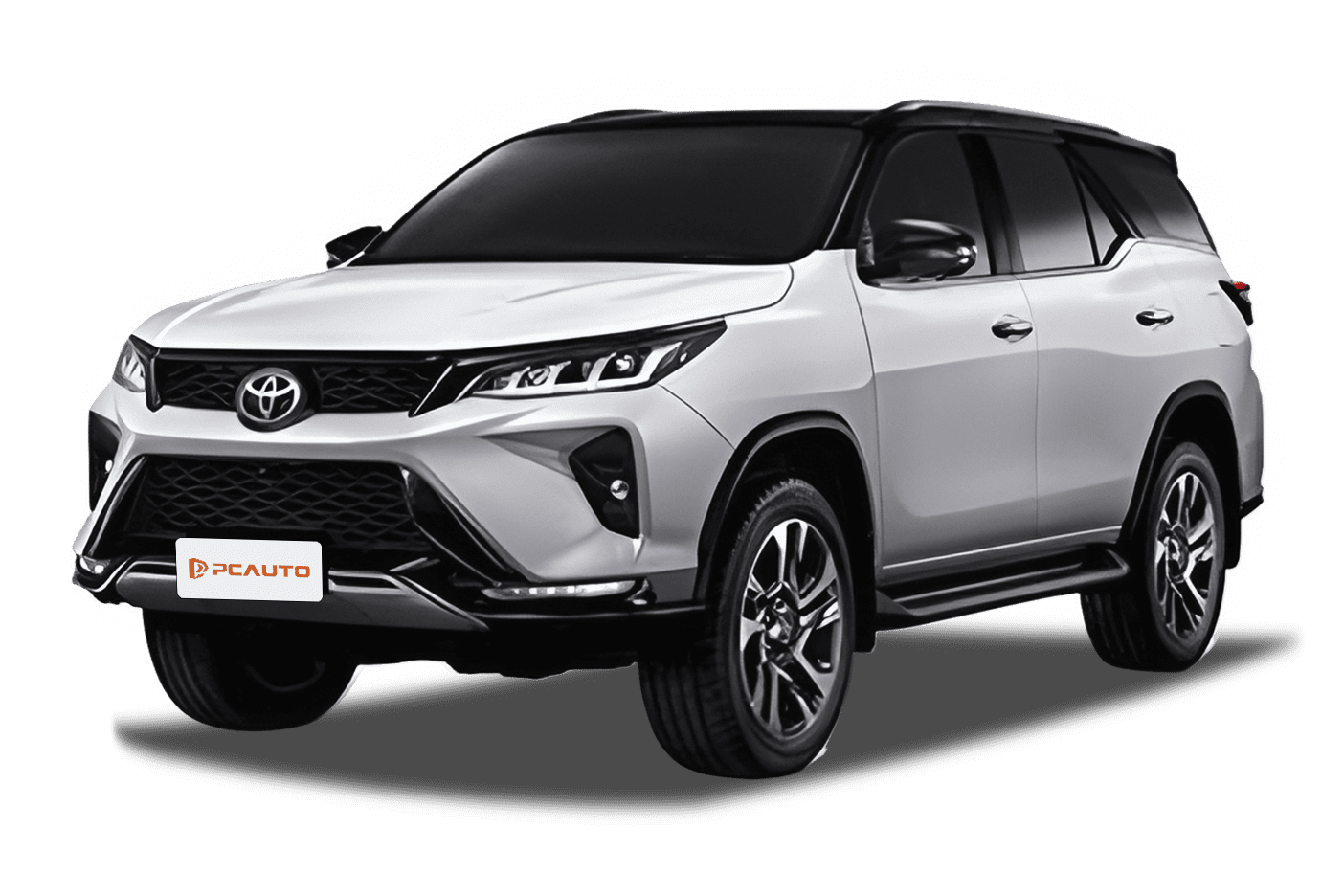
2021 Toyota Fortuner 2.7 SRZ AT 4x4 is a 7-seat SUV that balances family comfort and mild off-road capabilities, with smooth gasoline power and a practical 4x4 system, offering low maintenance requirements suitable for various family scenarios.