

2020 Perodua Bezza 1.0 G (A) Review

 Share
Share/Exterior/01.jpg)
/Exterior/02.jpg)
/Exterior/03.jpg)
/Exterior/01.jpg)
 Segment
 Body Type
 Capacity(L)
 Engine Power(PS)
 Transmission
 Driven Wheels
In recent years, Malaysia's A-Segment sedan market has continuously focused on the demand for a "balance between practicality and cost." Consumers not only require the flexibility for daily commuting but also value the completeness of basic features. The 2020 Perodua Bezza 1.0 G (A) targets this specific market segment. As a mid-cycle facelift version of the Bezza series, it emphasizes "high-value entry-level" as its core selling point. While maintaining an affordable price, it adds some practical safety features. The main purpose of this test is to verify whether this model, priced at 36,580 MYR, can meet the core needs of working-class families or first-time car buyers for being "durable, fuel-efficient, and sufficient."
From the exterior, the 2020 Bezza 1.0 G continues Perodua's family-style "Kei Car" design, with its overall lines being simple and rounded, aligning with the compact positioning of the A-Segment. The front features a reasonably sized trapezoidal grille, paired with a black honeycomb-pattern panel inside, connected to the LED headlamp set on both sides. The headlamp set has a sharp design and offers decent recognition when illuminated, which is one of the most noticeable upgrades compared to the previous version. The side profile of the vehicle features straight lines; the waistline extending from the front fender to the rear is not abrupt. The 14-inch steel wheels paired with 175/65 R14 tires may lack aesthetic appeal but compensate with low replacement costs later. At the rear, the horizontal-tail-lamp design features a simple internal structure. The lower rear bumper is devoid of excessive decorations, with the overall look leaning towards practicality and steering clear of unnecessary flashy designs.
Inside the car, the interior follows a “functionality first” approach. The center console is covered with hard plastic material, which feels rigid as expected, but the panel gaps are well-finished, matching its price tier. The dashboard layout is clear, with an embedded radio screen at the top (no touchscreen provided), and a manual air-conditioning control section below it. The knobs and buttons have moderate resistance, making them straightforward to operate. A multifunctional steering wheel comes as standard, with the left side integrated with volume adjustment and call answering buttons, providing convenience for daily use. The instrument panel uses a backlit analog design, with a clear display of the tachometer, speedometer, and fuel temperature gauges, which are easy to read even at night. In terms of features, keyless entry/start, a front-row 220V power outlet, and a 60:40 split-folding rear seat stand out as practical highlights—the keyless system eliminates the hassle of fishing out keys, the 220V power outlet can provide emergency charging for small appliances, and the split seat configuration enhances the trunk's flexibility.
Space is one of Bezza's advantages. With dimensions of 4170mm x 1620mm x 1525mm and a wheelbase of 2455mm, it falls into the mainstream range of the A-Segment. The front seats are manually adjustable, with cushions of moderate length providing adequate thigh support. A 170cm tall driver can achieve a suitable seating position, leaving a one-fist headroom. The same driver seating in the rear enjoys two-fist legroom and four-finger headroom. Even when accommodating three adults, it doesn’t feel overly cramped. Regarding storage capacity, the front-door panels can hold two water bottles; the center armrest box is small but fits a phone and documents. The trunk has a capacity of 508L, which can fit two 20-inch suitcases in its standard configuration. When the rear seats are folded, it can accommodate longer items, sufficiently meeting the needs of family shopping or short-distance trips.
Powertrain: The 2020 Bezza 1.0 G is equipped with a 1.0L naturally aspirated three-cylinder engine, delivering a maximum power of 69PS at 6000rpm and a peak torque of 91N·m at 4400rpm (Note: Torque value is not indicated in the spec sheet; this is added based on typical parameters for engines of similar displacement), paired with a 4-speed automatic transmission. In actual driving, the power output is smooth during the initial phase, and the engine requires revs to climb above 3000rpm to unleash noticeable power, making it suitable for stable commuting scenarios. During overtaking, the driver needs to press the accelerator deeply for the transmission to downshift and bring the revs above 4000rpm to obtain sufficient power reserve, but the acceleration capacity weakens when the vehicle exceeds a speed of 100km/h on highways. The transmission prioritizes smooth gear changes, with minimal jerkiness in daily driving, though its downshift response is slightly slower during sudden accelerations, lacking explosive power.
Handling and chassis performance align with its positioning as a family car. The front suspension adopts a MacPherson independent suspension, while the rear suspension uses a torsion beam non-independent setup (Note: Rear suspension type not specified in the spec sheet; inferred based on typical configurations for similar vehicles). The steering is light, with appropriate play, making U-turns or parking in urban settings very agile. The suspension is tuned for comfort, effectively filtering minor vibrations over speed bumps or rough patches. However, when passing larger bumps at higher speeds, the rear seat occupants may feel noticeable bouncing. Stability during highway driving is decent, with no significant floating sensation below 110km/h, though wind noise increases when the speed exceeds 120km/h. Fuel efficiency is a highlight; this test, which included urban traffic and highway cruising, showed an average fuel consumption of about 5.2L/100km, slightly higher than the official figure of 4.7L/100km but still very economical. The 36L fuel tank offers a range of approximately 690km, reducing the frequency of refueling.
In terms of ride comfort, noise control in the cabin ranks as average among its peers. During low-speed urban driving, engine noise is not noticeable; however, wind noise and tire noise gradually enter the cabin after speeds exceed 80km/h, though it does not affect normal conversations. The seat padding is moderately firm, ensuring long-term comfort without causing fatigue. The rear row is equipped with air conditioning vents (Note: Not specified in the configuration sheet; inferred based on common configurations for similar models), enhancing comfort for rear passengers.
In summary, the 2020 Perodua Bezza 1.0 G (A) stands out mainly for its "space, fuel efficiency, and practical features." Its 508-liter trunk, unexpectedly spacious rear seating, and the smoothness brought by the 4-speed automatic transmission are advantages that competitors such as the Proton Saga 1.3 Standard struggle to match. Features like the keyless entry system, 220V power outlet, and split-folding seats are also more practical than its rivals. However, it does have some shortcomings, such as relatively weak power, lack of a touchscreen infotainment system, and absence of a reversing camera. Considering its price of 36,580 Malaysian Ringgit, these drawbacks are within a tolerable range.
This car is best suited for first-time car buyers or working-class families. For young buyers, it offers fuel efficiency, ease of driving, and low maintenance costs, fulfilling daily commuting needs. For family users, its spacious cabin and practical features are more than adequate for weekend shopping trips or short-distance travel. Overall, the 2020 Perodua Bezza 1.0 G (A) is a "practical sedan with no obvious shortcomings." While it doesn't pursue luxury or performance, it delivers where it matters most for family users, making it a highly cost-effective option in the A-Segment market.
Perodua Bezza Loan Calculator
More Perodua Reviews
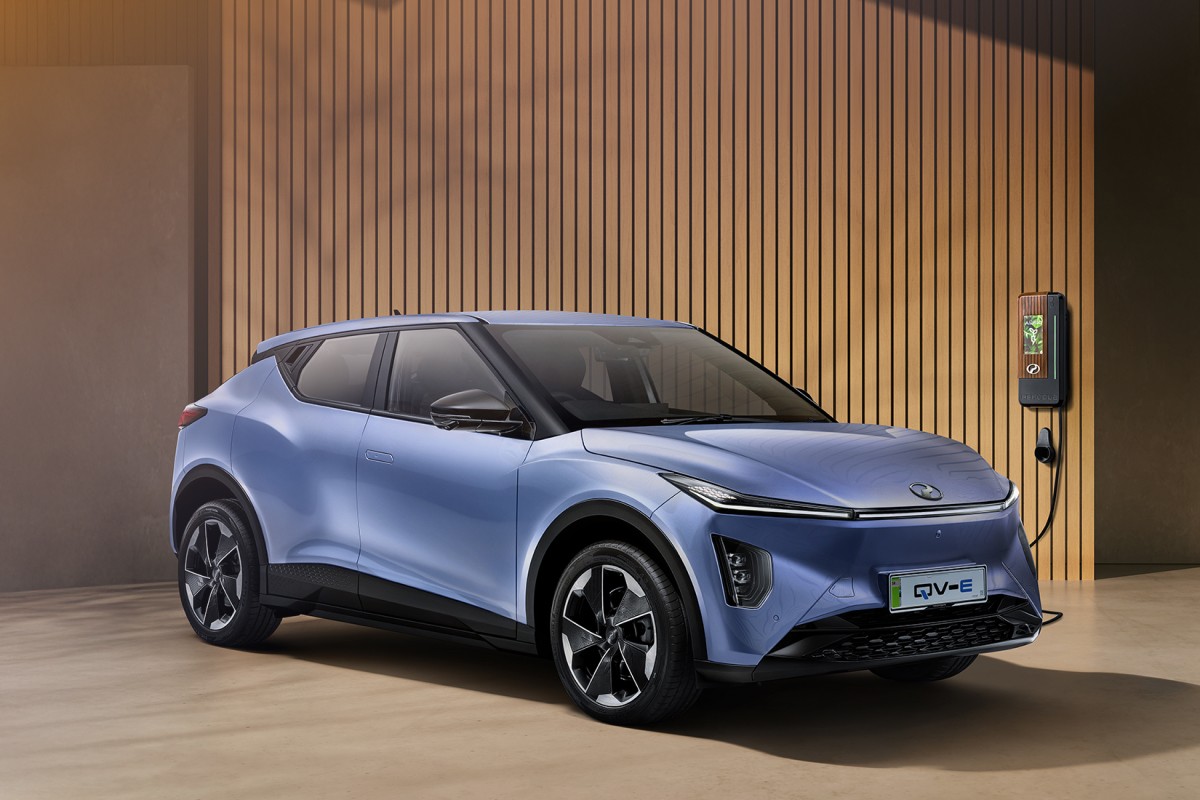
Cars With Similar Price And Features
1
Rank in Sedan
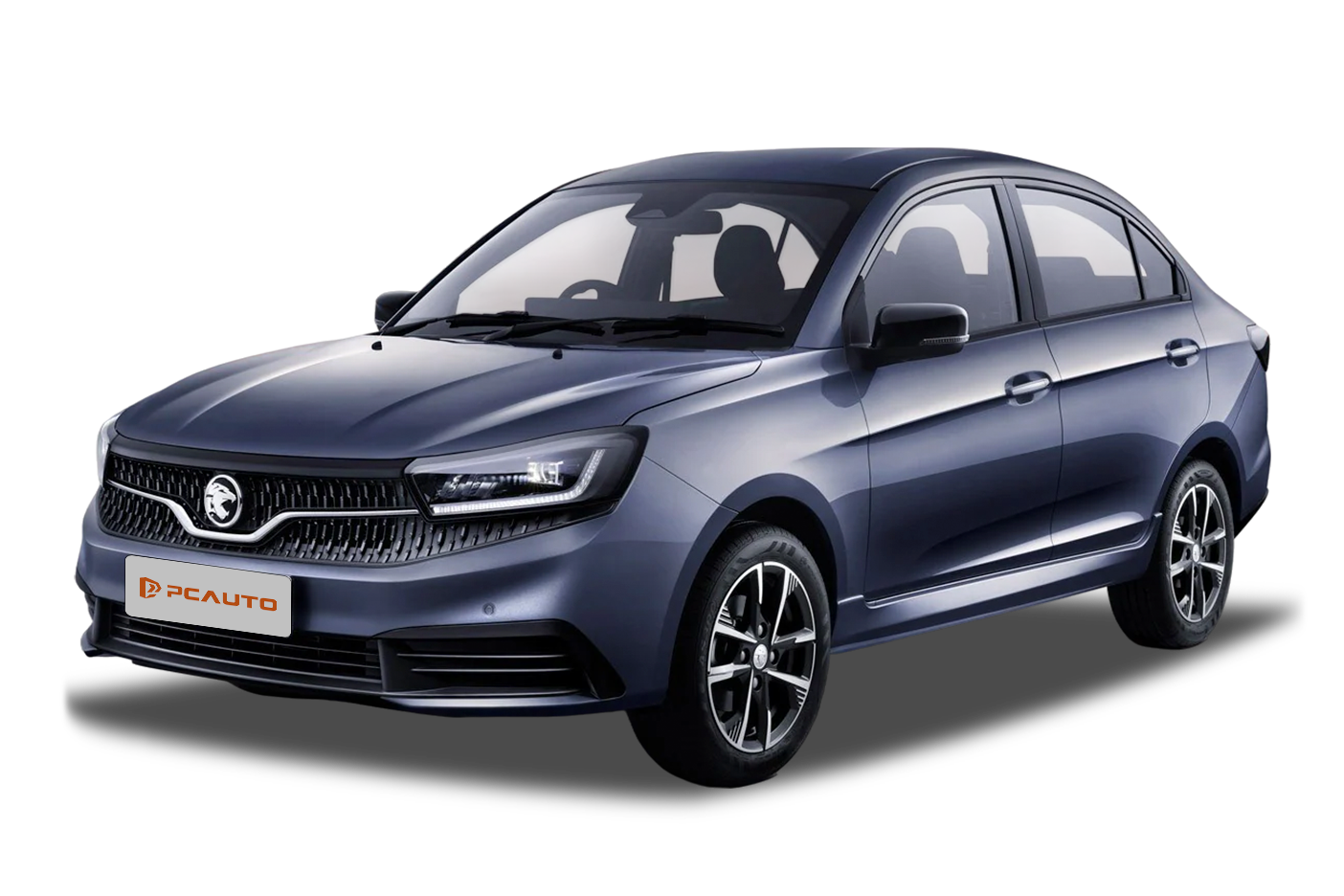
2025 Proton Saga 1.5 Standard AT, as an entry-level automatic sedan, upgraded to a 1.5L engine, offering practical space, thoughtful features, and outstanding value for money, making it an affordable choice for families and commuters.
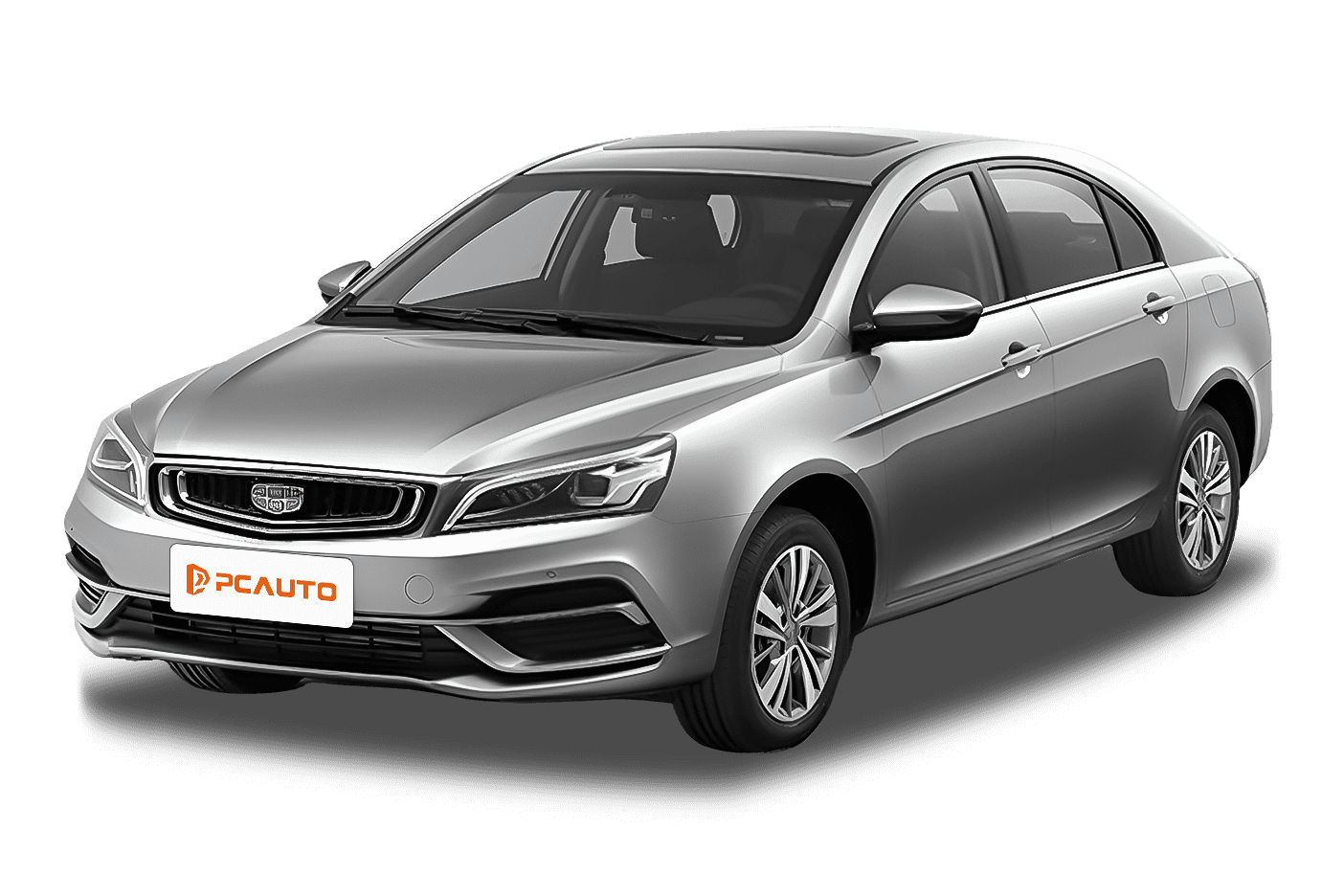
2019 Geely New Emgrand 1.5L-CVT is a balanced family sedan with practical space, rich safety features, and fuel efficiency, meeting the needs of daily commuting and short trips.