

2020 Perodua Bezza 1.0 G (M) Review

 Share
Share/Exterior/01.jpg)
/Exterior/02.jpg)
/Exterior/03.jpg)
/Exterior/01.jpg)
 Segment
 Body Type
 Capacity(L)
 Engine Power(PS)
 Transmission
 Driven Wheels
In Malaysia's A-segment sedan market, affordable and practical models have always been the first choice for working-class individuals and first-time car buyers. The 2020 Perodua Bezza 1.0 G (M), as a popular contender in this segment, highlights balanced features and low fuel consumption as its core selling points. This time, through a static experience and a dynamic test drive, let's see if it can meet the dual demands of daily commuting and family use.
In terms of exterior design, the Bezza 1.0 G (M) maintains the recognizability of the Perodua family. The front adopts a large trapezoidal grille, complemented by chrome accents, presenting a simple and steady overall style. The side profile features smooth lines, with a character line extending from the front fender to the rear, enhancing the layered appearance. The 14-inch tires paired with multi-spoke rims provide a visually harmonious look. At the rear, the LED taillights are styled with a semi-connected design; although not fully linked, their illumination is quite distinctive. The chrome trim beneath the trunk lid adds a touch of refinement.
Stepping inside, the interior is predominantly dark gray, with hard plastic materials used extensively, though the seams are well-finished. The center console is laid out clearly, with the air conditioning controls on the upper part and the multimedia system below, offering a straightforward operational logic. In terms of key features, the multifunction steering wheel supports volume adjustment and call answering, making it practical and convenient. The standard 220V/230V power outlet is user-friendly for those requiring electricity outdoors. The seats are manually adjustable, with moderate support in the front, and the rear seats can be folded down in a 60:40 split, offering good flexibility. However, the instrument cluster remains backlit and analog, which seems somewhat traditional compared to the digital instrument clusters found in some competitors within this segment.
The space performance conforms to the A-segment positioning, with body dimensions of 4170mm in length, 1620mm in width, and 1525mm in height, along with a wheelbase of 2455mm. For passengers with a height of 175cm, the front row offers a headroom and legroom clearance of approximately a fist's width each; in the rear, legroom is about two fists, and headroom is one fist, which is sufficient for daily family use. The storage capacity is a highlight, with a trunk volume of 508L, which can be expanded further by folding down the rear seats, enabling the accommodation of strollers or suitcases with ease. Additionally, there are cup holders and storage compartments in both the front and rear, with practical design considerations in mind.
In terms of power, it is equipped with a 1.0L naturally aspirated three-cylinder engine, delivering a maximum horsepower of 69PS and peak torque output at 4400rpm. Paired with a 5-speed manual transmission, the power is relatively smooth during initial acceleration, making it suitable for low-speed urban driving. Once the engine revs climb above 3000rpm, the power response becomes more active, requiring a gear shift in advance for overtaking. The official combined fuel consumption is 4.4L/100km, while real-world testing showed about 5.2L/100km in urban conditions and approximately 4.0L/100km on highways, exhibiting excellent fuel efficiency.
As for handling and suspension, the front MacPherson independent suspension effectively absorbs most small-scale vibrations on urban bumpy roads. When crossing speed bumps, vehicle bouncing is not significant, providing decent comfort. The steering wheel features light feedback, with average directional precision, but it's sufficient for daily commuting. In terms of braking, the front ventilated disc brakes respond promptly, and the braking distance is moderate, aligning well with the positioning of a family car. However, at high speeds, the vehicle's stability is average, and slight adjustments to the steering are needed when encountering crosswinds.
In terms of ride comfort, noise control is at a medium level among cars in the same class. Engine noise is not noticeable at low speeds, and at high speeds, wind and tire noise can be heard inside the car, but it does not affect normal conversations. The seat padding is moderately firm, making it less likely to cause fatigue during long rides; the manual air conditioning has good cooling performance. Although there is no independent air outlet for the rear seats, the airflow from the front air conditioning is sufficient to cover the rear.
In summary, the core advantages of the 2020 Perodua Bezza 1.0 G (M) are its high cost-effectiveness, low fuel consumption, and practical configurations. Compared to the Proton Saga 1.3L MT in the same class, the Bezza has advantages in fuel efficiency and features (such as a 220V power outlet and keyless entry); however, the Saga has slightly higher power parameters. Overall, it is suitable for first-time car buyers and working-class families who value fuel economy and practicality. Its primary use scenarios include daily commuting and short family trips.
Overall, the Bezza 1.0 G (M) is a well-balanced family sedan with no major shortcomings, making it a suitable choice for consumers seeking economical and practical vehicles. If your budget is limited and you prioritize fuel efficiency and space, this car is worth considering.
Perodua Bezza Loan Calculator
More Perodua Reviews
Cars With Similar Price And Features
1
Rank in Sedan
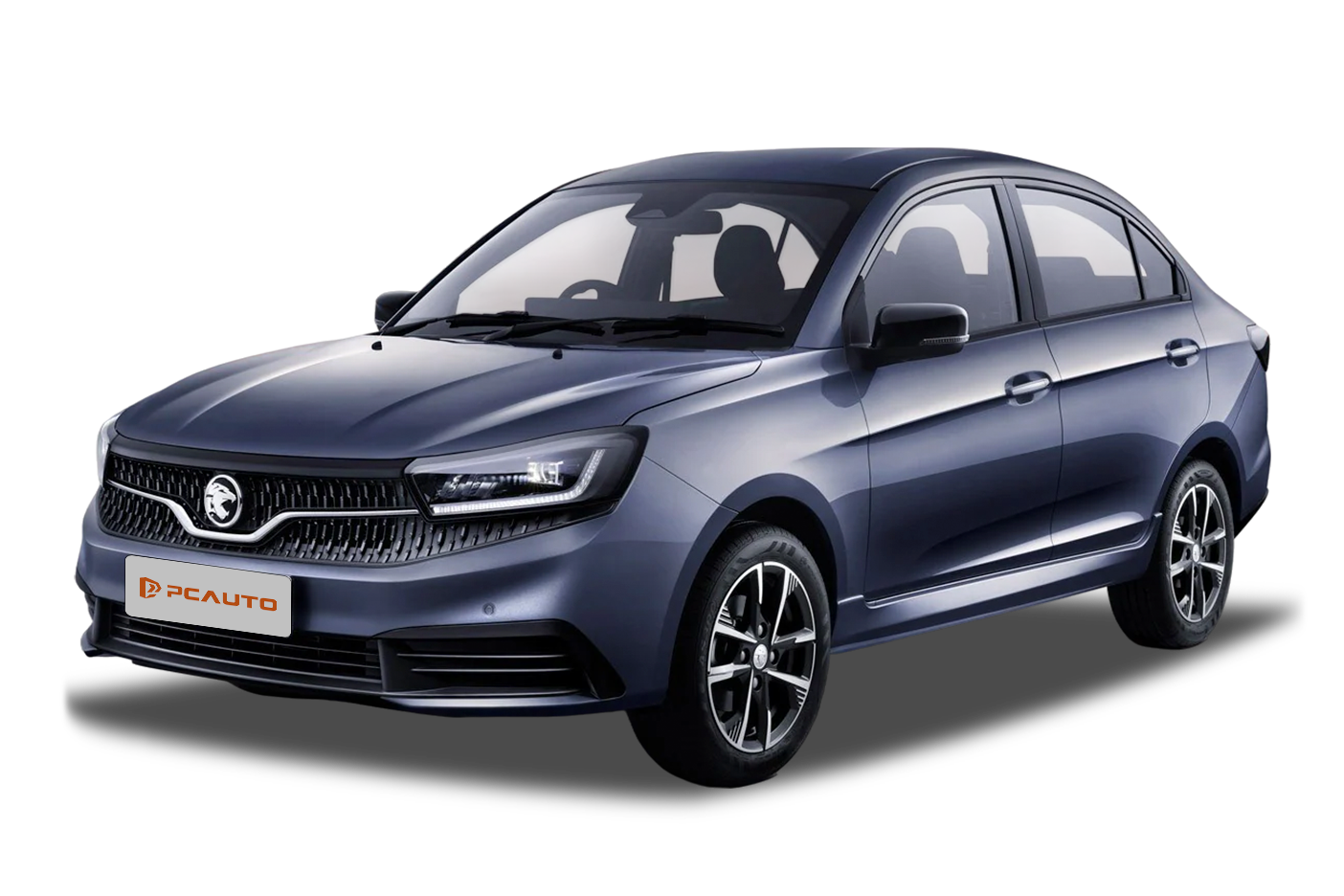
2025 Proton Saga 1.5 Standard AT, as an entry-level automatic sedan, upgraded to a 1.5L engine, offering practical space, thoughtful features, and outstanding value for money, making it an affordable choice for families and commuters.
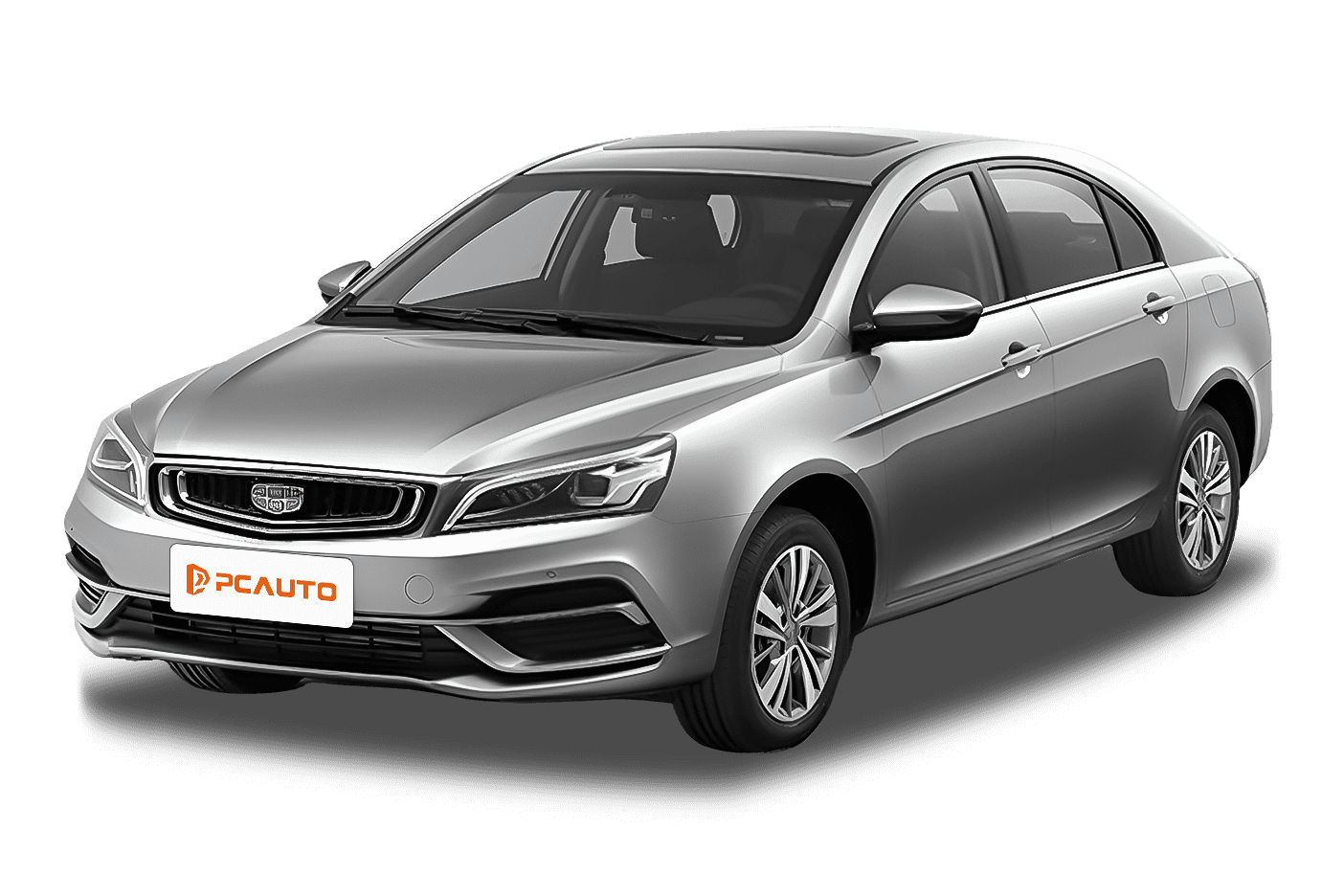
2019 Geely New Emgrand 1.5L-CVT is a balanced family sedan with practical space, rich safety features, and fuel efficiency, meeting the needs of daily commuting and short trips.