

2020 Perodua Bezza 1.3 AV (A) Review

 Share
Share/Exterior/01.jpg)
/Exterior/02.jpg)
/Exterior/03.jpg)
/Exterior/04.jpg)
 Segment
 Body Type
 Capacity(L)
 Engine Power(PS)
 Transmission
 Driven Wheels
In Malaysia's A-Segment sedan market, practicality and cost-effectiveness have always been the core appeals for consumers—after all, most families need a reliable vehicle that balances daily commuting with weekend cargo needs. The 2020 Perodua Bezza 1.3 AV (A), as a popular choice in this segment, highlights standard active safety systems, a spacious trunk, and budget-friendly pricing. In this test drive, we will focus on verifying whether its actual performance matches the needs of family users.
In terms of appearance, the design of the 2020 Bezza 1.3 AV leans towards stability and practicality, without excessive flashy elements. The front adopts Perodua's family-style design, with LED headlights that have decent recognition when lit; the front grille is decorated with chrome trim, preventing the front from looking too plain. The body has straight side lines, and its 2455mm wheelbase is reasonable in the A-Segment. The 15-inch rims paired with 175/60 R15 tires meet the needs of daily driving. The rear design is simple, with tail light and rear bumper lines seamlessly connecting, and the overall style aligns with the positioning of a family car.
Opening the door, the interior layout prioritizes practicality. The top of the dashboard uses hard plastic, but the seams are well-controlled; the center features a touchscreen, with physical air conditioning buttons retained below, so frequent glances downward while operating are unnecessary. The multi-function steering wheel is standard, and the left-side buttons can control audio and answer calls, allowing for easy use. The instrument panel is backlit analog, with clear information display, making essential data such as speed, RPM, and fuel level easily readable. The seats are manually adjustable, made of fabric material, with decent support, and are comfortable for long durations without significant fatigue.
Space performance is one of Bezza's advantages. The front row offers spacious seating, leaving a fist's worth of headroom for passengers 175cm tall; the rear legroom is moderate, but the lateral space can accommodate three adults for short trips. The trunk has a capacity of 508L, which is more than enough for daily items like strollers or suitcases, and the rear seats support a 60:40 split fold, making it possible to carry longer items. There are plenty of storage compartments inside the car, such as the central armrest compartment in the front row and door panel storage slots, which are quite practical. The car also comes with a standard 220V power outlet, making it convenient for charging electronic devices.
In terms of performance, the 1.3L naturally aspirated engine has a maximum power of 96PS and delivers maximum torque at 4000rpm, paired with an AT gearbox. During daily driving, it starts smoothly, and the throttle response is not overly aggressive but sufficient for urban commuting; above a speed of 60km/h, acceleration diminishes, requiring early throttle engagement for overtaking. The car only offers a standard driving mode, with no sport option, and is overall tuned for comfort. The chassis uses a front MacPherson independent suspension and a rear torsion beam semi-independent suspension. When dealing with bumpy urban roads, the suspension efficiently filters out most fine vibrations; however, going over speed bumps causes noticeable bouncing in the rear. The steering wheel is light, making it suitable for female drivers, though at high speeds, the steering has a slight dead zone, requiring frequent adjustments.
Fuel economy meets expectations. During our test drive, covering 100km on congested urban roads and highways, the combined fuel consumption was around 5.2L/100km, slightly higher than the official 4.5L, but given the actual driving conditions, this result is acceptable. The braking performance is stable, the brake pedal provides clear feedback, and the vehicle maintains good posture during emergency braking scenarios. The active safety features are a highlight of the Bezza 1.3 AV, including standard forward collision warning and autonomous emergency braking systems. In our tests simulating low-speed following scenarios, the system provided timely warnings and performed automatic braking, reducing the risk of rear-end collisions.
In terms of noise control, the cabin is relatively quiet at speeds below 60km/h, with tire noise and wind noise being not noticeable; at speeds over 80km/h, wind noise gradually increases but remains within an acceptable range. The seat comfort is good, with breathable fabric material that doesn’t cause stuffiness even during long periods of sitting.
Overall, the core advantages of the 2020 Perodua Bezza 1.3 AV (A) lie in its high cost-effectiveness and practicality. Compared to the Proton Saga in the same category, Bezza has richer active safety features and a larger trunk space; in terms of price, the RM 49,980 pricing is within the budget range of most families. It is suitable for family users who prioritize safety and space, especially young couples or new drivers in need of a reliable daily commuting vehicle.
All in all, the Bezza 1.3 AV has no significant weaknesses, with a well-balanced performance in all aspects. If you need a fuel-efficient, spacious, and adequately safe family car, it will be a good choice for you.
Perodua Bezza Loan Calculator
More Perodua Reviews
Cars With Similar Price And Features
1
Rank in Sedan
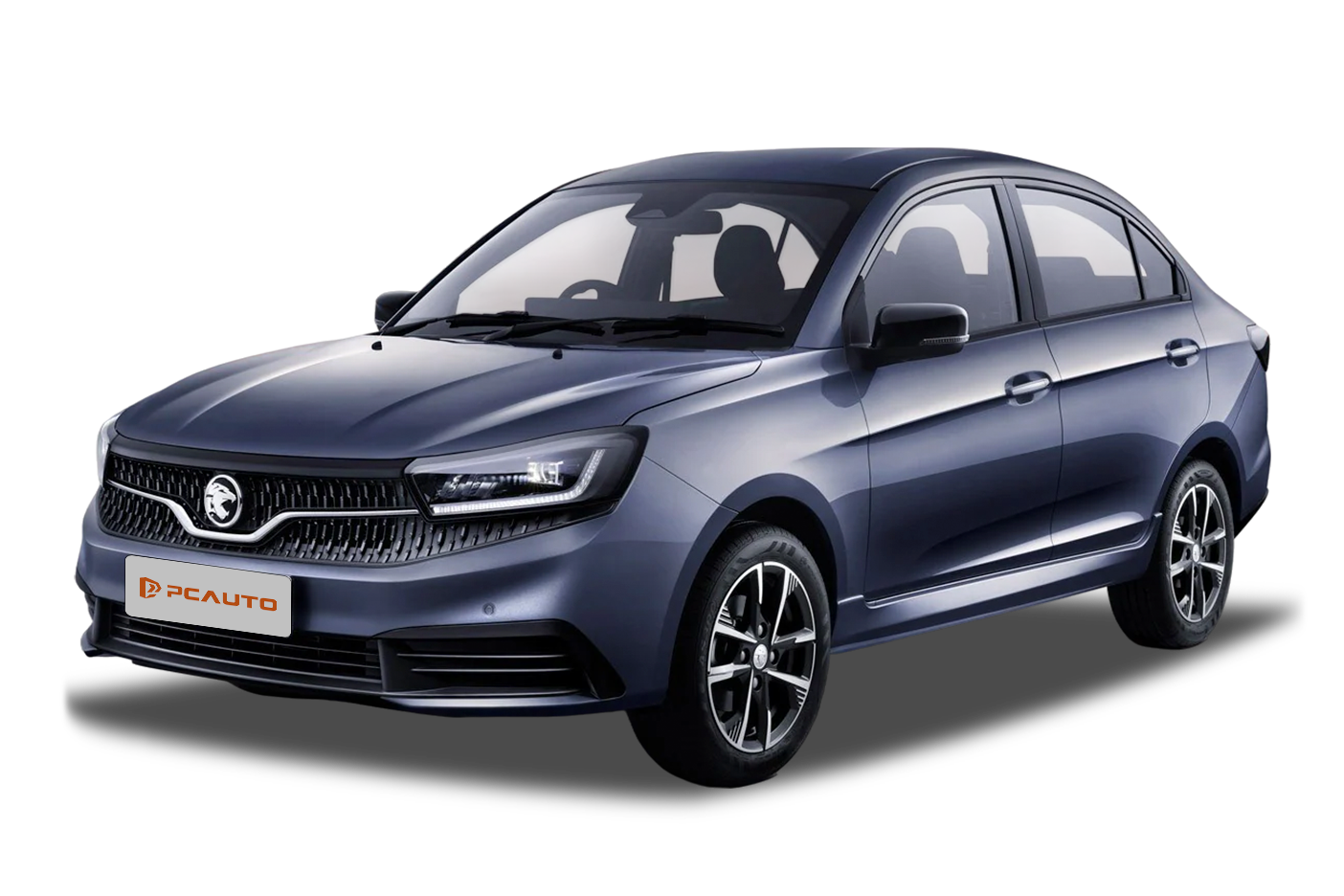
2025 Proton Saga 1.5 Standard AT, as an entry-level automatic sedan, upgraded to a 1.5L engine, offering practical space, thoughtful features, and outstanding value for money, making it an affordable choice for families and commuters.
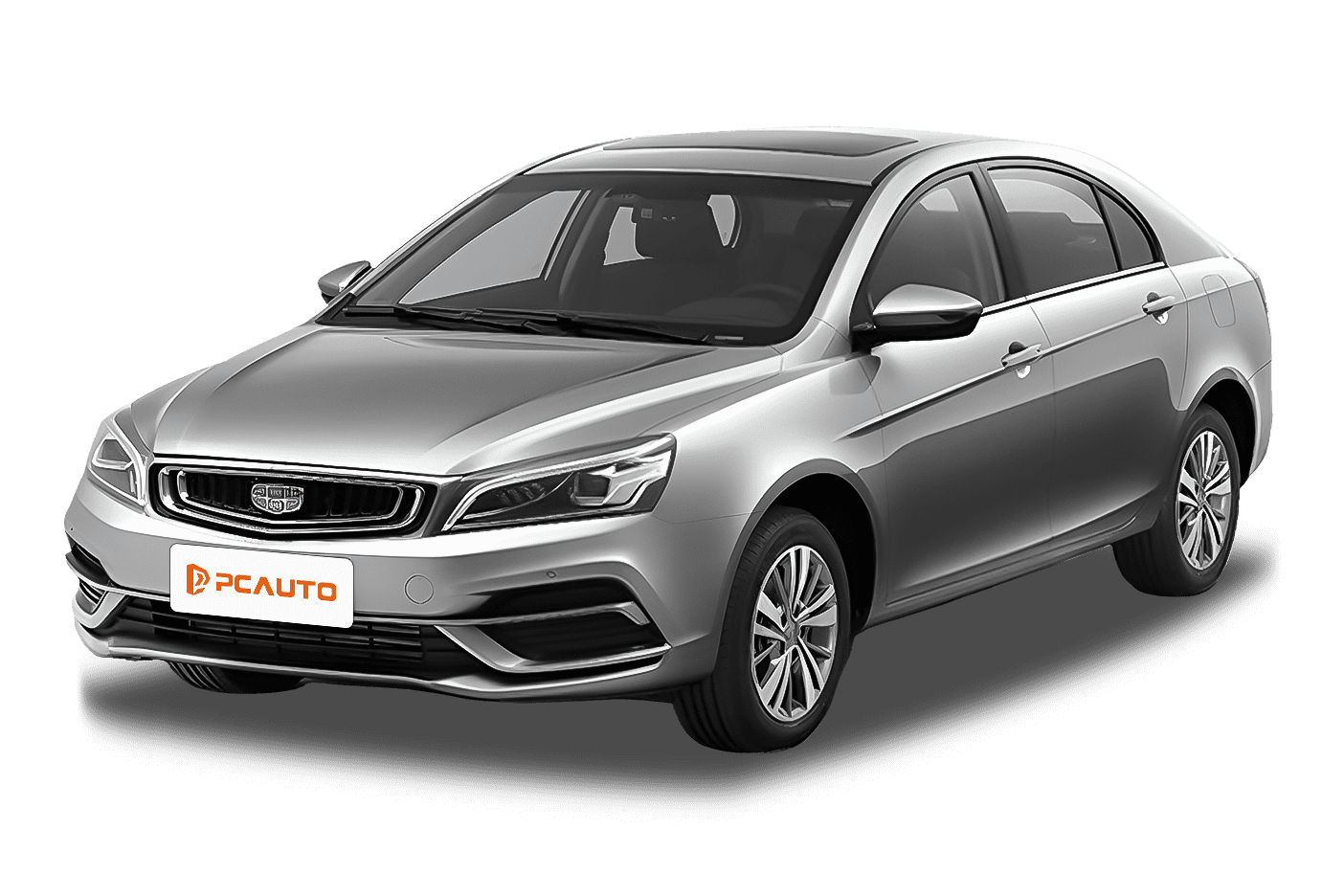
2019 Geely New Emgrand 1.5L-CVT is a balanced family sedan with practical space, rich safety features, and fuel efficiency, meeting the needs of daily commuting and short trips.