

2021 Ford Ranger 2.2 XL Double Cab (MT) Review

 Share
Share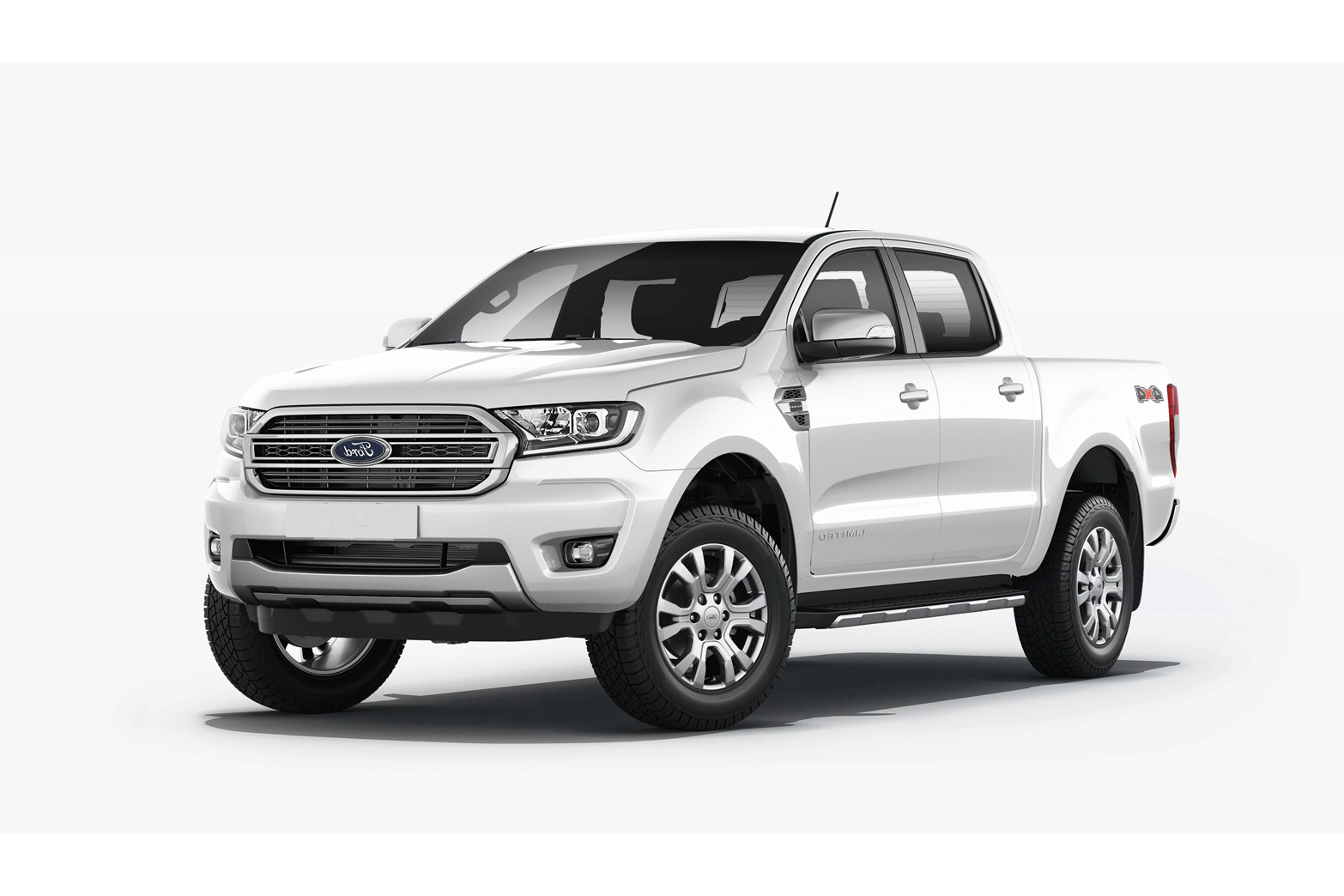
 Segment
 Body Type
 Capacity(L)
 Engine Power(PS)
 Transmission
 Driven Wheels
With the steady demand for practicality and reliability in Malaysia's pickup truck market, the 2021 Ford Ranger 2.2 XL Double Cab (MT), positioned as a mid-level 4x4 model, has consistently been a choice for many business owners and family users due to its balanced configuration and durable diesel power. In this test drive, we focus on evaluating its daily practicality, performance, and whether it can meet both work utility and family needs.
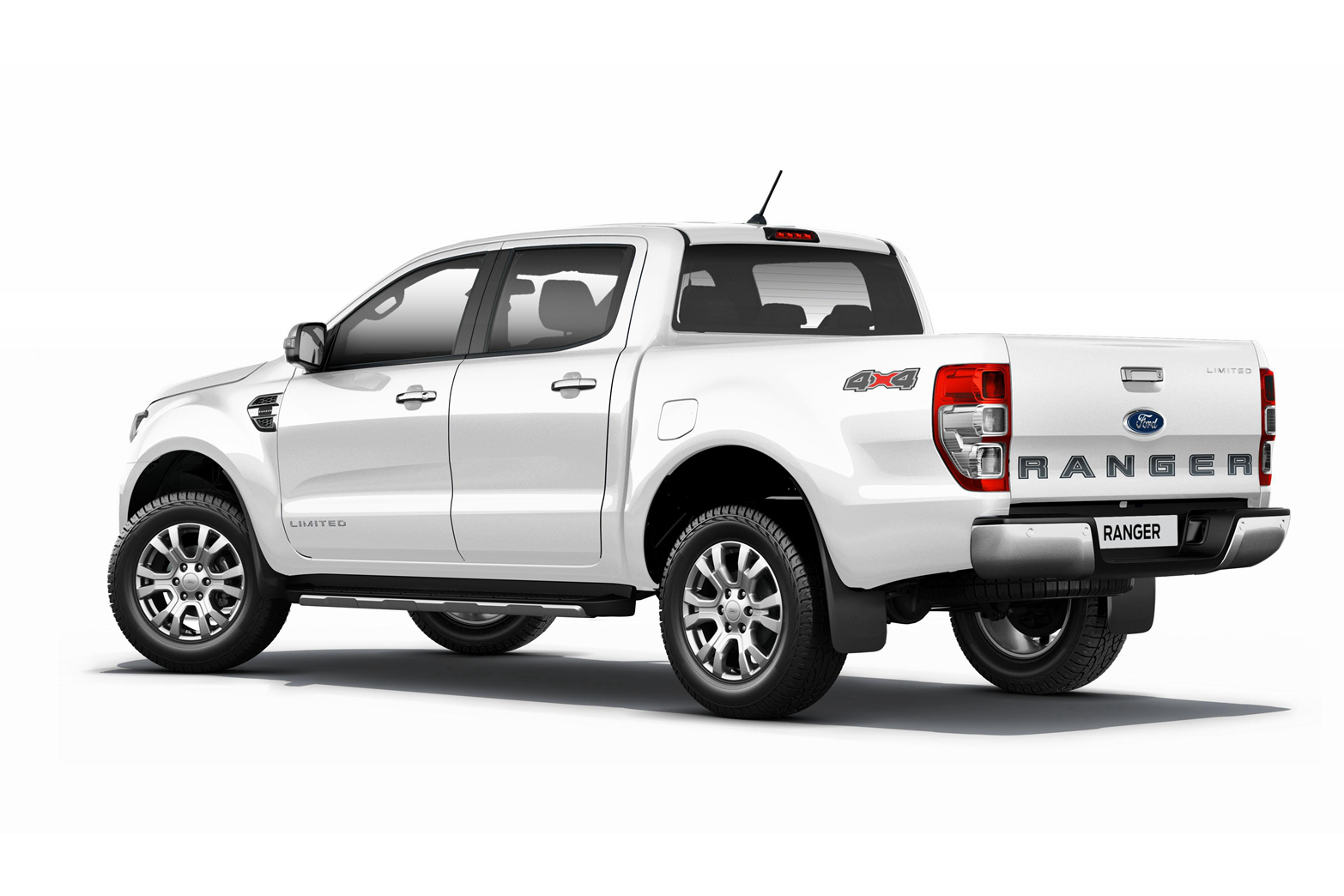
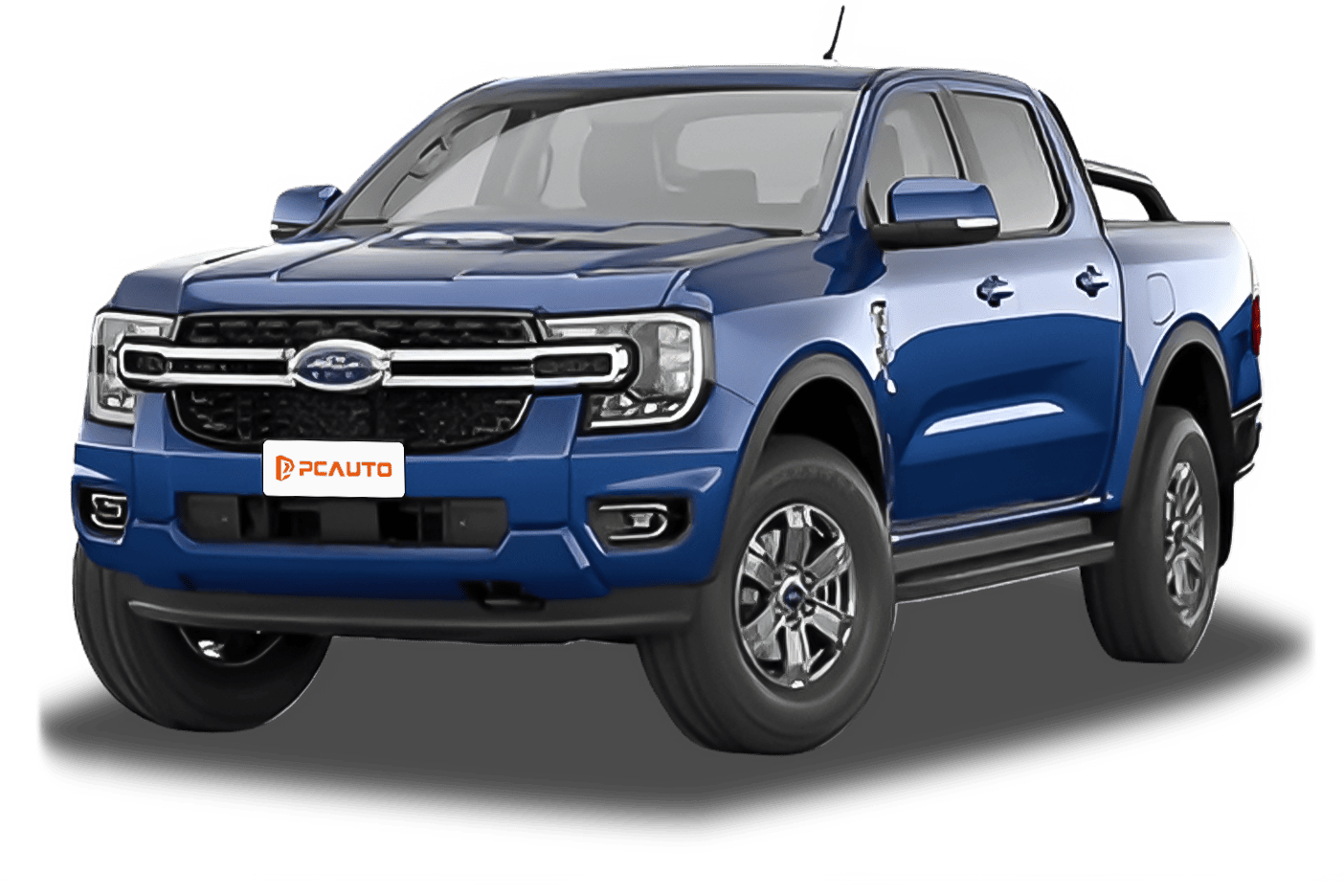
The exterior design follows the classic rugged pickup style, with an overall square silhouette and minimal decorative elements. At the front, a trapezoidal front grille paired with thick chrome strips hosts the Ford logo in the center, offering high recognition; the halogen headlights on either side sport a simple design connected to the grille, while standard fog lights below improve practicality in rainy or foggy conditions. On the sides, the double-door, double-row structure is clear; the wheel arches and side skirts feature slightly muscular lines, and the 255/70 R16 tires paired with silver steel wheels align with the pragmatic positioning of the XL version. A black roof rack enhances loading capacity. At the rear, the truck bed's tailgate design is straightforward, with vertically arranged taillights, and there’s a reserved trailer hitch interface below the rear bumper. The overall design prioritizes functionality over unnecessary decoration.
Inside the cabin, the interior leans towards practicality, with a symmetrical dashboard layout predominantly made of hard plastic material, offering a relatively firm touch but solid workmanship. The most eye-catching feature of the center console is the embedded audio system, which supports basic radio and USB input. Below it are the manual air conditioning control knobs, with moderate damping and intuitive operation. A multifunction steering wheel comes standard, with volume adjustment and call-answer buttons on the left, while the right side has no buttons. The steering wheel supports height adjustment, though the range is limited. The instrument panel features traditional mechanical dials with a small monochrome display in the center, showing basic information such as RPM, speed, fuel level, and water temperature, clearly readable. The front seats come with 2-way manual adjustment, the seat padding and backrest are relatively firm, providing decent support but may cause slight fatigue during long drives. The rear seating space is average, offering about two fists of legroom (based on a 175cm passenger). The floor has a slight bulge in the middle, which can affect the comfort of the middle passenger. The rear seats are equipped with ISOFIX child seat anchors for easy installation of child safety seats. In terms of storage space, there are cupholders and storage slots on the inner door panels, an open storage compartment below the center console, and a rather small front center armrest box, suitable mainly for storing documents or phones. Overall, storage capacity meets daily needs.
In terms of dimensions, the vehicle measures 5,426mm in length, 1,860mm in width, and 1,848mm in height, with a wheelbase of 3,220mm. These dimensions ensure a large cargo bed volume, which can easily handle daily tools or cargo. The front-row headroom is ample, with an extra fist of space for a 180cm passenger, while the rear-row headroom is about four fingers, and the legroom is around two fists, a typical level for pickups. In terms of features, the 220V/230V power outlet is a highlight, allowing the use of small electrical appliances in the car. Keyless entry and electrically folding side mirrors enhance daily convenience. The rear parking sensors come standard, but there is no parking camera, which may require new drivers to take time to adapt.
The powertrain is equipped with a 2.2L turbocharged diesel engine, delivering a maximum output of 160PS and peak torque between 1600-2600rpm, paired with a 6-speed manual transmission. When starting, the clutch biting point is clear, with a moderate engagement travel, making it easy for beginners to handle; the turbo starts to kick in around 1500rpm, with the power output becoming gradually smoother, and after 2000rpm, the torque is fully unleashed. During acceleration or overtaking, downshifting and rev-matching provide a timely power response, allowing the vehicle to tackle highways or uphill road sections with ease. As for driving modes, the 4x4 system needs to be manually switched; the 2H mode is suitable for paved roads, the 4H mode is for muddy or gravel roads, and the low-speed 4-wheel drive (4L) is suitable for more complex off-road scenarios. During our suburban tests, the vehicle successfully passed mild cross-axle terrain, demonstrating good stability from the four-wheel-drive system.
The handling and chassis performance align with the positioning of a pickup truck. The steering wheel is relatively heavy, directional accuracy is average, and there is a slight dead zone. However, at high speeds, the steering wheel becomes heavier, and stability is acceptable. The front suspension uses a double-arm independent suspension, while the rear suspension consists of leaf springs on a solid axle. When dealing with bumpy roads, the front suspension can filter out most fine vibrations, but the rear suspension feels rigid, especially when unloaded. Crossing speed bumps or uneven surfaces results in noticeable jolting. When cornering, the body leans significantly, necessitating slower speeds. Overall, handling leans towards stability and is not suitable for aggressive driving.
In terms of fuel consumption, we conducted tests on mixed road conditions (approximately 60% urban roads, 40% highways and suburban roads), yielding an average fuel consumption of about 8.5L per 100km. Considering the vehicle weight of 2.082kg, this performance is fairly standard. With an 80L fuel tank capacity, the vehicle can reach a range of approximately 940 kilometers when fully fueled, making it suitable for long-distance travel without frequent refueling. Regarding braking performance, the front ventilated disc/rear drum brake combination features a relatively long pedal travel, with soft braking force at the initial stage and sufficient braking power released in the mid to late stage. Daily driving requires some anticipation for braking.
For riding comfort, noise control is average. The diesel engine noise is quite noticeable when idling, and wind noise along with tire noise becomes apparent during high-speed driving. Especially over 100km/h, rear passengers need to raise their voices to hold a conversation. The seat comfort is relatively firm, which may lead to fatigue during long rides, but it provides good support, making it suitable for short- to mid-distance trips. There is no energy recovery system (as it's a diesel vehicle), but the manual transmission features clear shifting feel, with a satisfactory sense of gear engagement, making daily driving relatively effortless.
In summary, the 2021 Ford Ranger 2.2 XL Double Cab (MT) excels with its practical features, reliable diesel engine, and decent payload capacity. Compared to competitors like the Toyota Hilux 2.4 E Double Cab, it stands out with advantages such as keyless entry, power-folding side mirrors, and a 220V power socket, while also being more competitively priced (RM 97,388). However, drawbacks include its hard interior materials, lack of a reverse camera, and average rear passenger comfort. This vehicle suits users who value practicality and reliability, such as small business owners (requiring cargo transport), families frequently traveling on suburban or rural roads, or pickup enthusiasts who enjoy customization.
Overall, it is not a model that pursues luxury or performance, but rather a "down-to-earth" pickup focused on utility. It can meet daily needs for carrying cargo, family commuting, and light off-road usage. If you need a durable, cost-effective 4x4 pickup, it is worth considering.
Ford Ranger Car Compare
Ford Ranger Loan Calculator
Cars With Similar Price And Features
5
Rank in Pickup
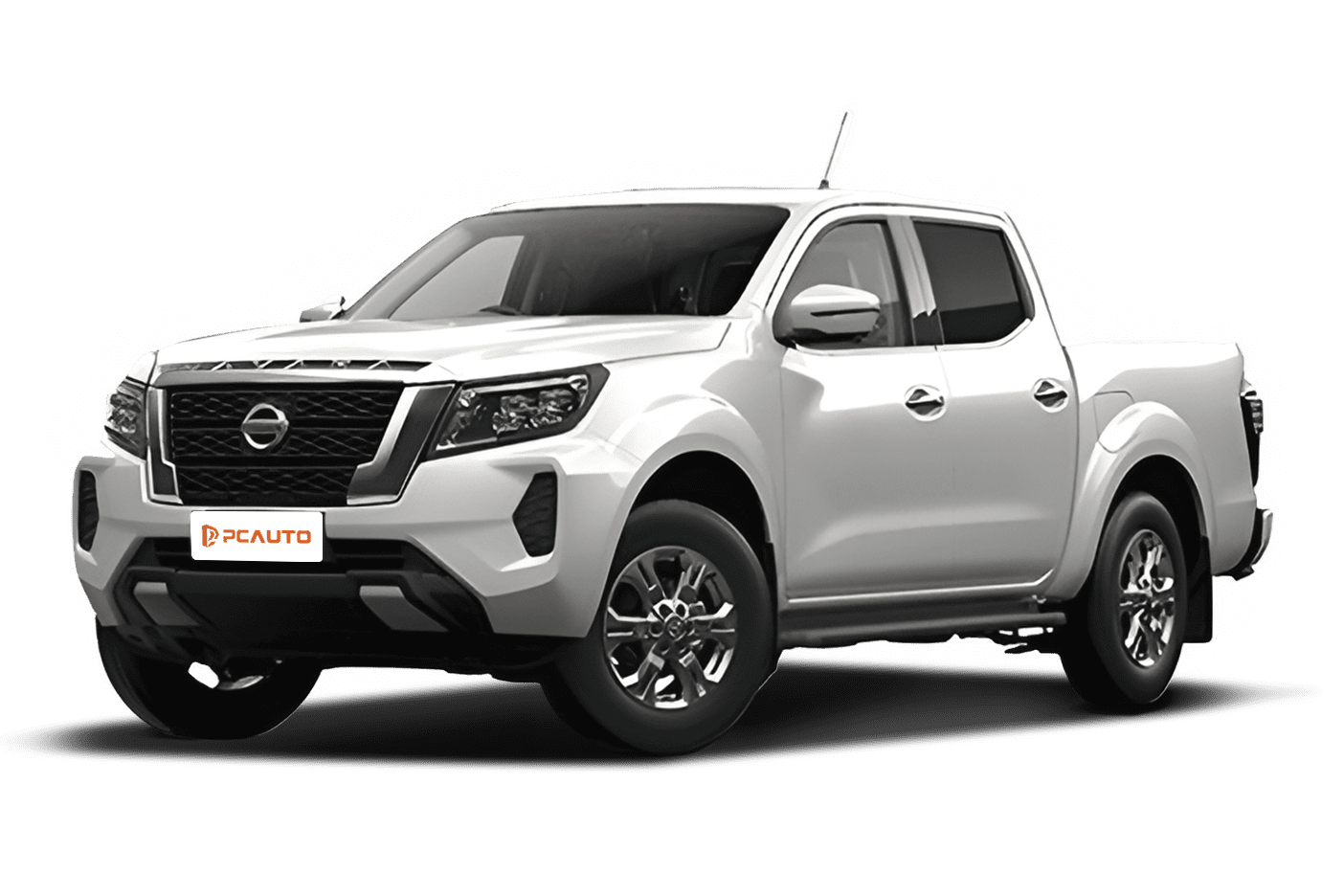
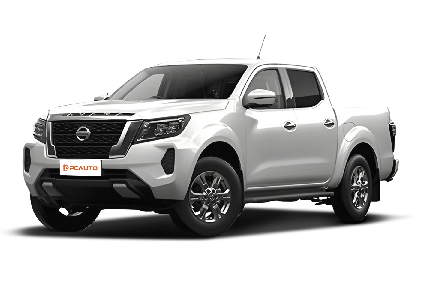
2023 Nissan Navara 2.5 VL Black Edition is a pickup truck that balances household comfort with light off-road capability, featuring exclusive black trims, a full suite of active safety features, and practical configurations, precisely catering to the needs of families and small business owners.
4
Rank in Pickup
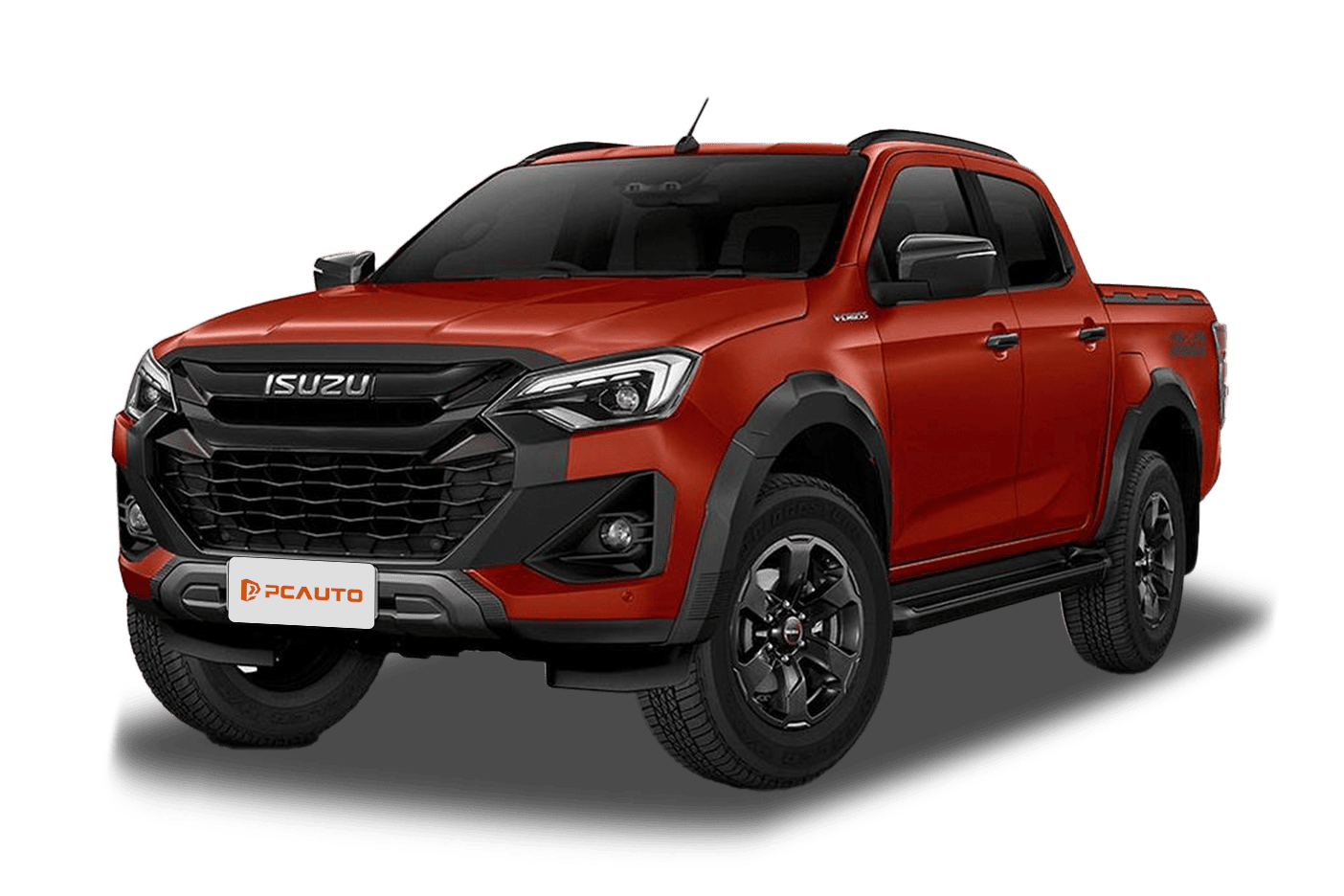
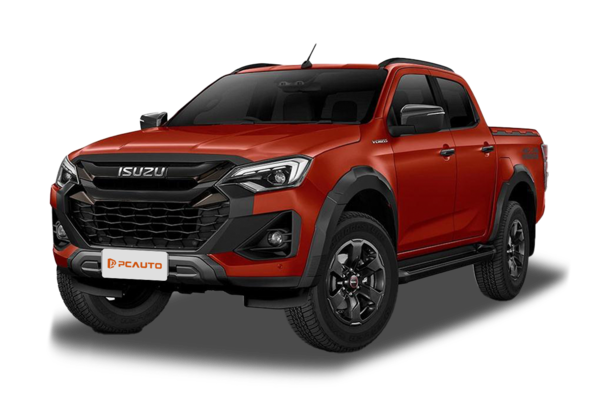
2025 Isuzu D-MAX 1.9L 4x2 Low Ride is an entry-level passenger pickup, offering a balance of practical space, reliable diesel performance, and fuel economy, suitable for family transport and small business cargo needs.

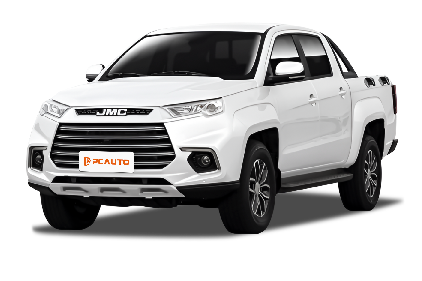
2023 JMC Vigus Pro White Series 2.0L 4WD 8AT combines rugged design, practical features, and powerful diesel performance, balancing everyday durability and mild off-road needs, making it a high-value choice for pickup users.
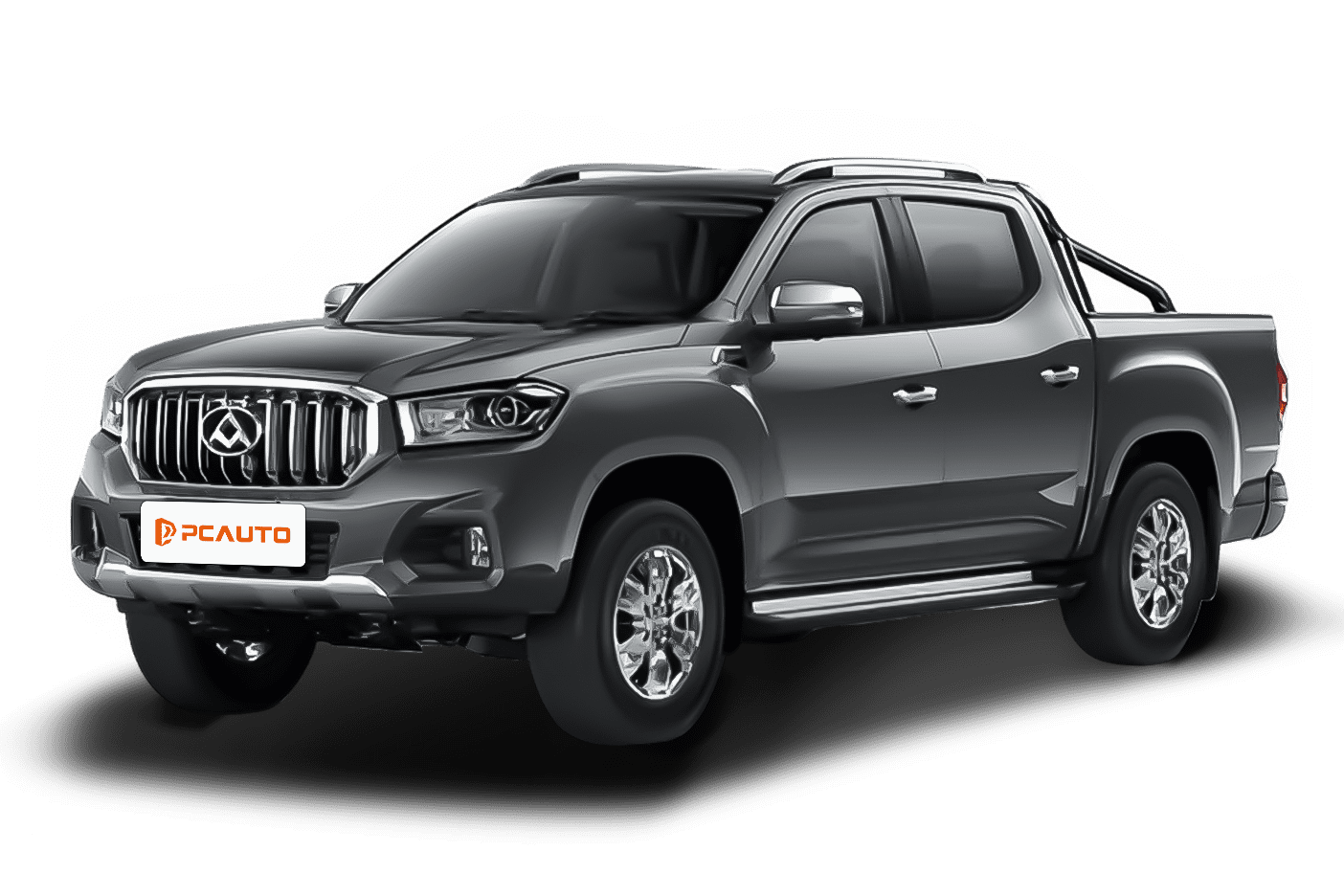
2022 Maxus T60 2.8L 4WD AT is a practical pickup truck that balances work and life. The strong diesel torque and 4WD capability meet cargo and off-road needs, while the premium features and spacious interior enhance daily comfort.