

2021 Ford Ranger Raptor 2.0 Bi-Turbo Review

 Share
Share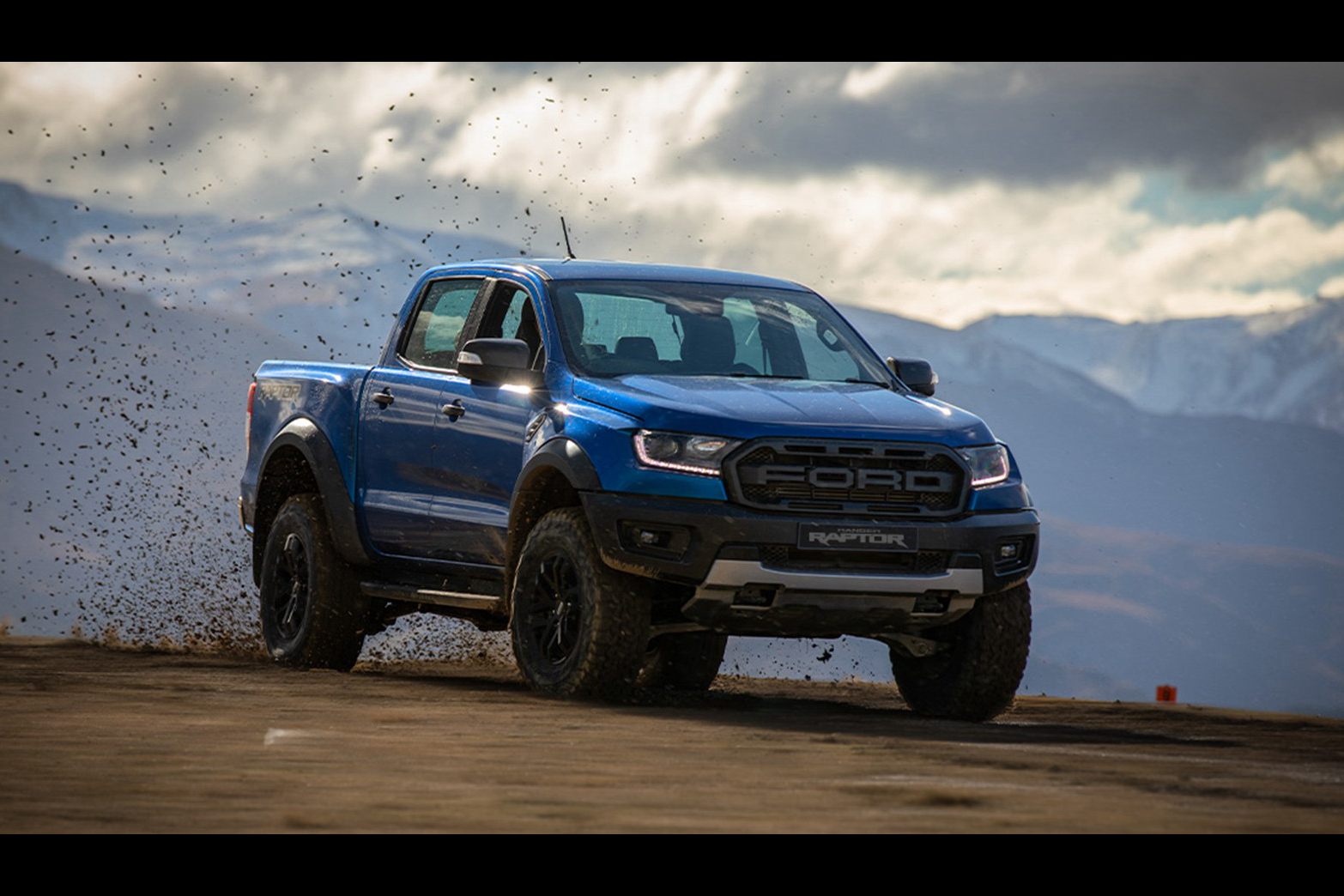
 Segment
 Body Type
 Capacity(L)
 Engine Power(PS)
 Transmission
 Driven Wheels
The mid-size pickup truck market has always offered plenty of choices locally, but vehicles that can balance daily practicality with off-road prowess remain a minority—among them, the 2021 Ford Ranger Raptor 2.0 Bi-Turbo stands out as one of the most attention-grabbing contenders. As the performance version of the Ranger series, it not only retains the cargo-carrying capability of a pickup truck but also targets driving enthusiasts with its specially tuned chassis and powertrain. In this test drive, we focused on evaluating its "dual identity": whether it is comfortable for daily commutes, whether it performs well on unpaved roads, and whether its price tag of around RM210,000 is justified by its features and performance.
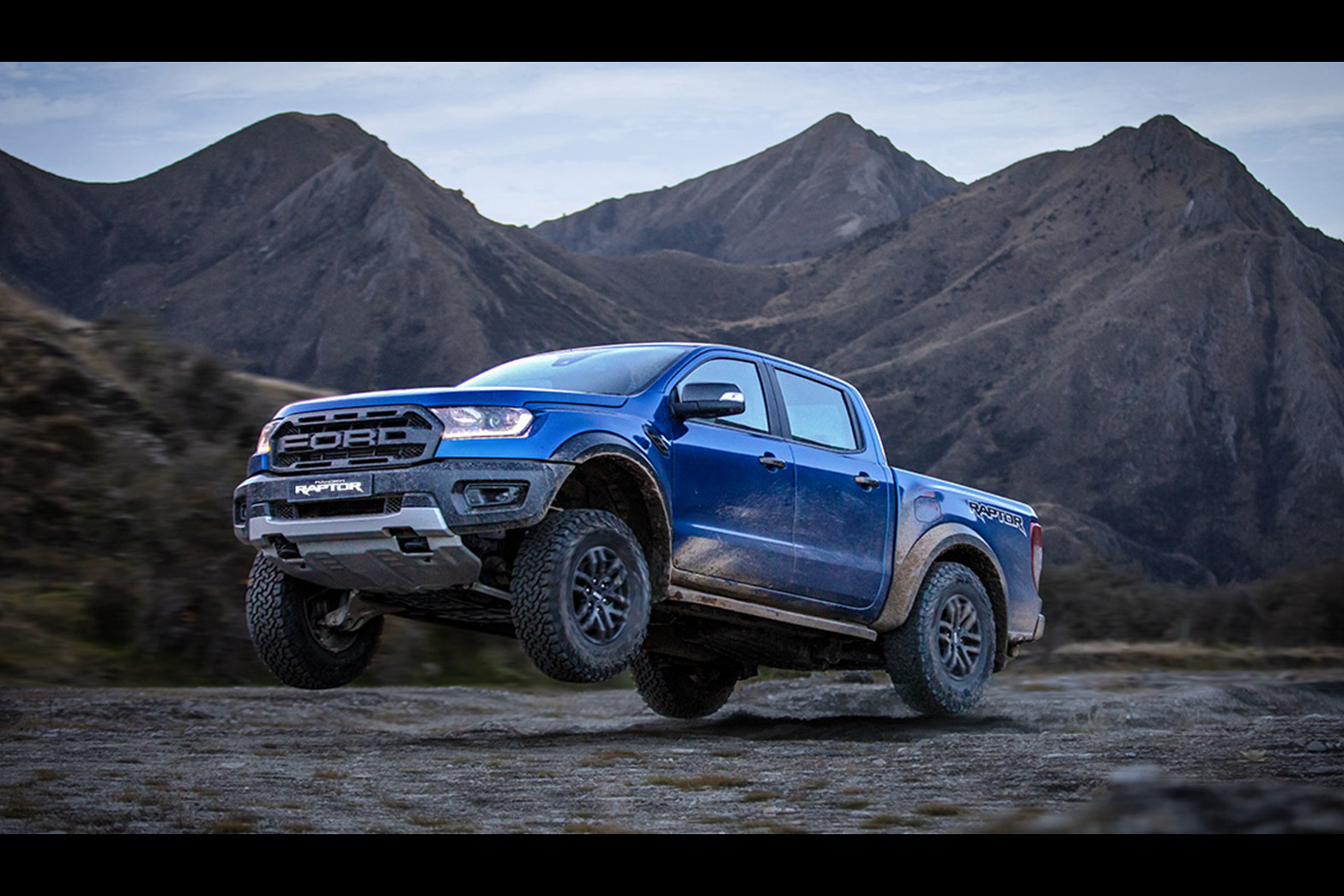
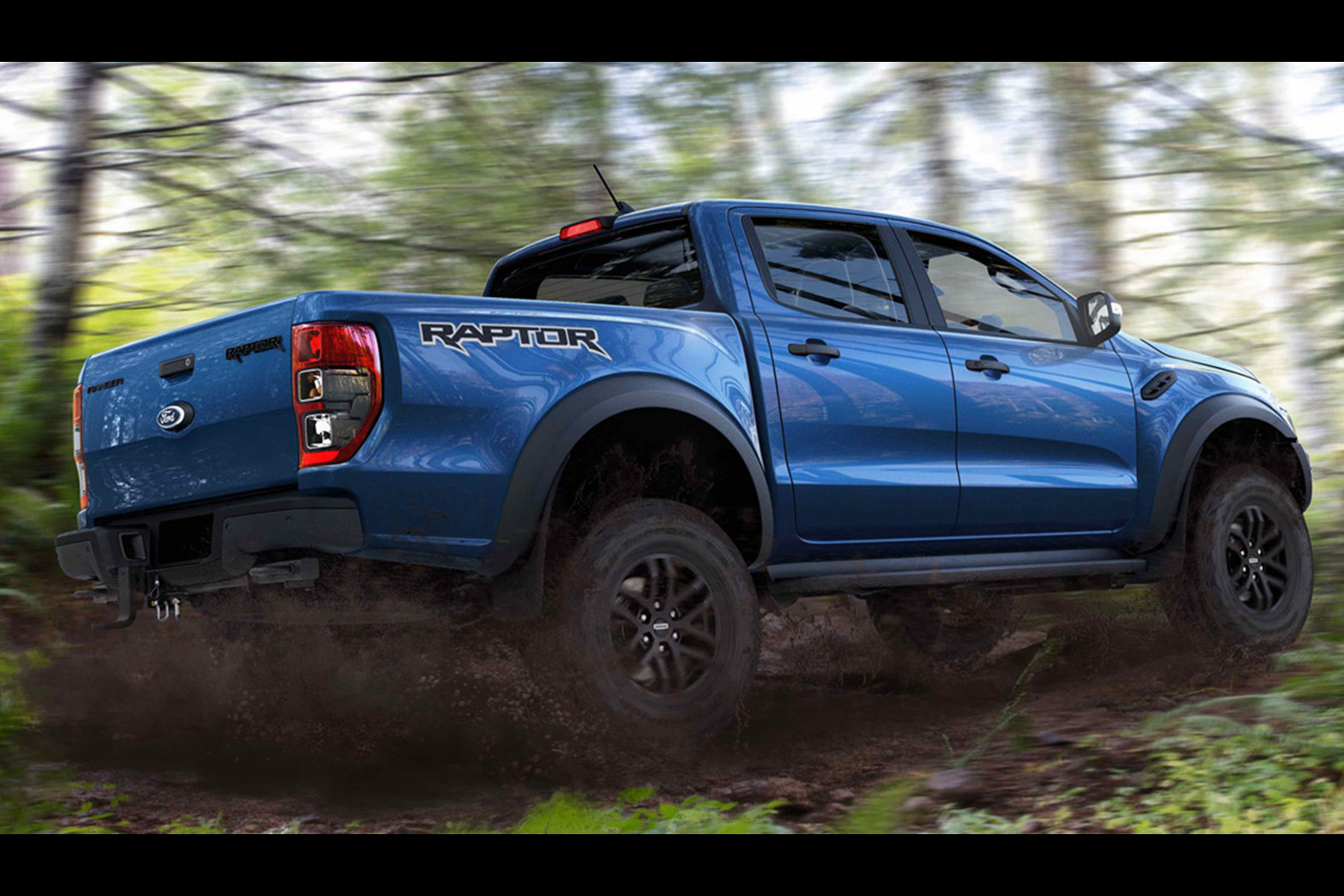
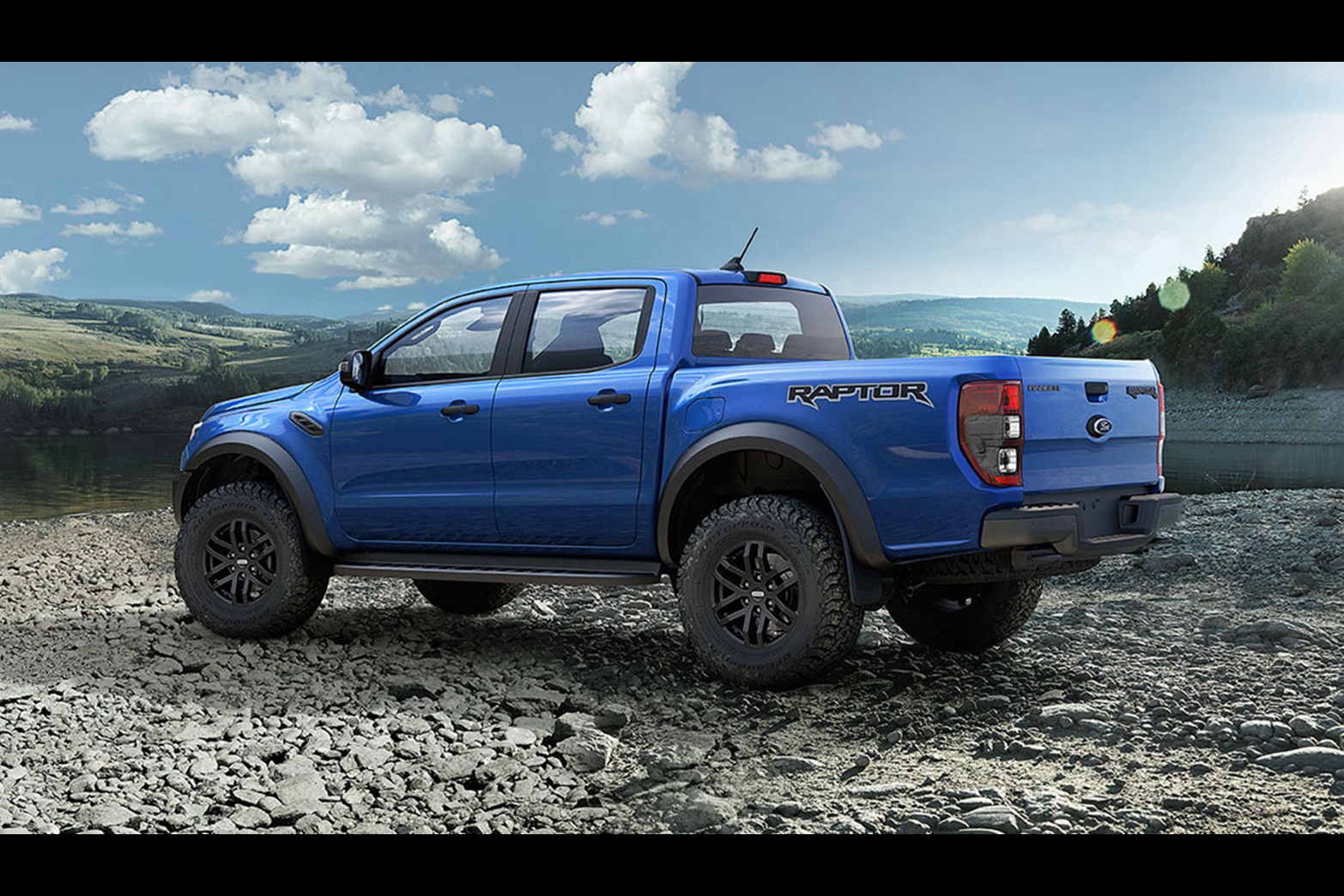
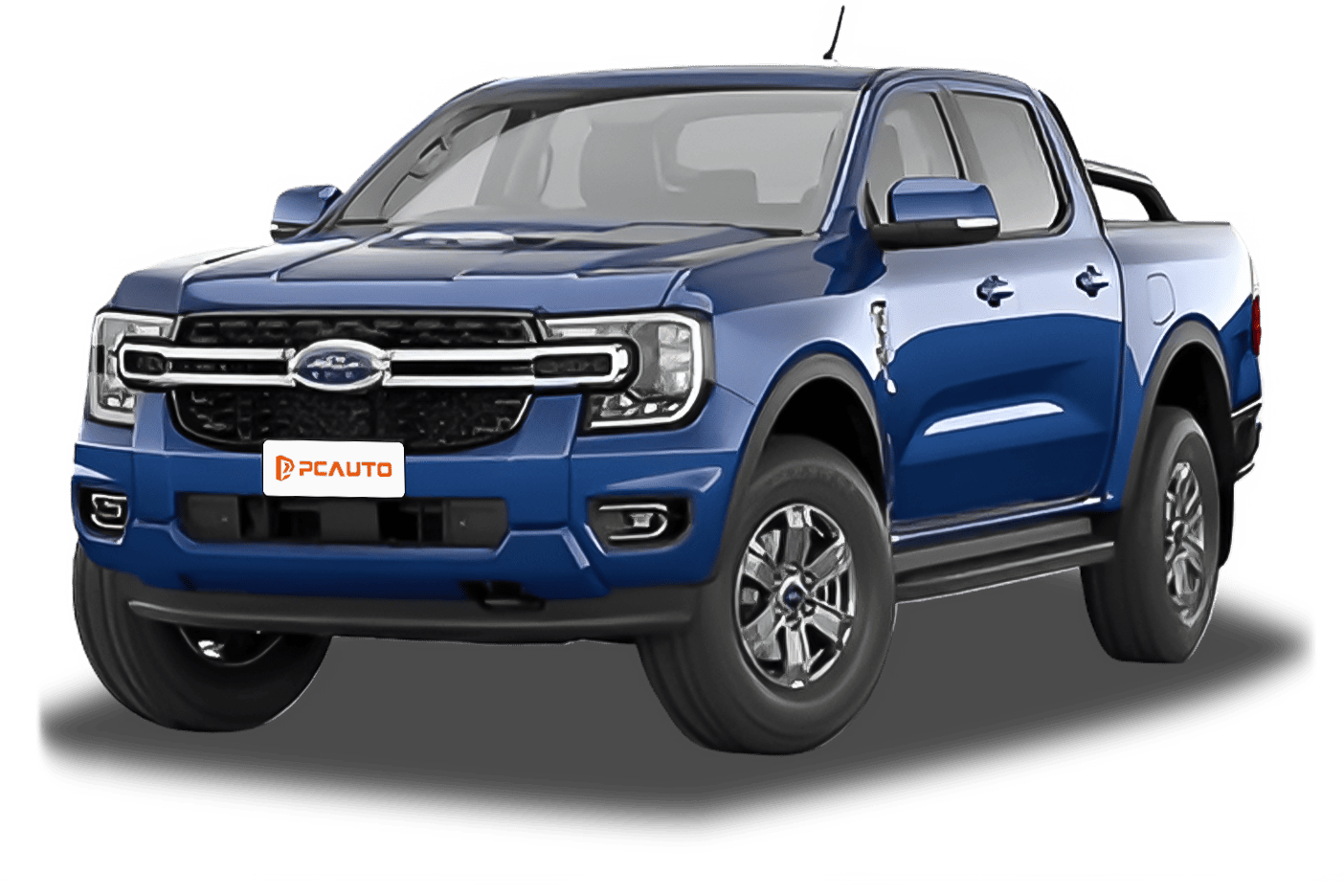
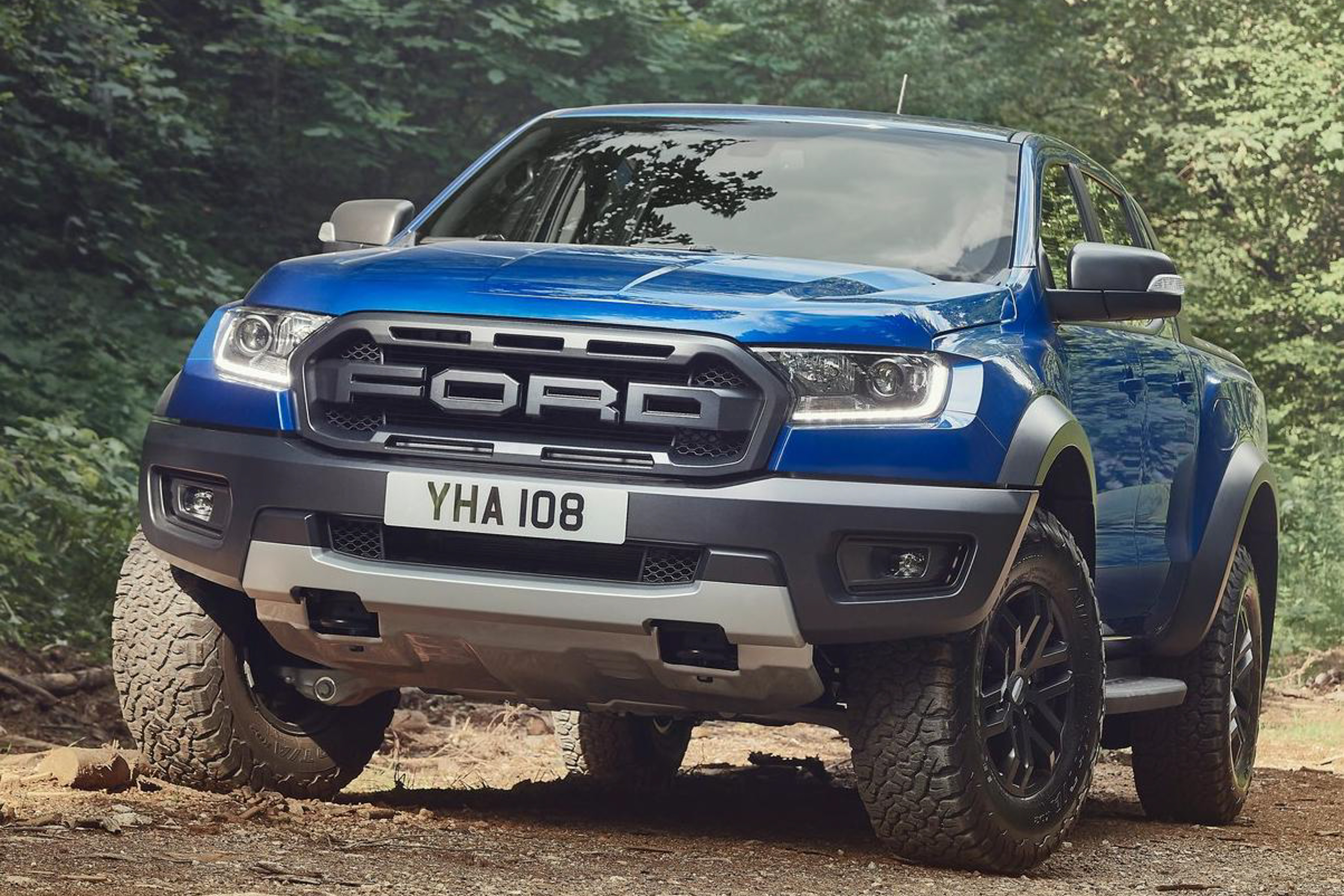
From a distance, the Raptor is significantly more recognizable than the standard Ranger. Its front fascia features a large black grille with a bold "FORD" emblem, immediately exuding a rugged aesthetic; its widened wheel arches on the sides, paired with 285/70 R17 all-terrain tires, give it an unmistakably muscular stance. The rear design is relatively simple, but the LED taillights and "RAPTOR" badge clearly highlight its unique identity. In terms of lighting, it comes standard with LED daytime running lights and automatic headlights. The halogen main lights are sufficiently bright for daily use, but upgrading to full LED would be more in line with its positioning.
Sitting inside, the interior design leans toward functionality, but exclusive elements can be noticed in the details. The center console features an 8-inch touchscreen with the SYNC system, offering straightforward operation and supporting Bluetooth and USB connections. Physical buttons are retained below the screen, making it easy to quickly adjust the air conditioning or volume while driving. In terms of materials, the seats and door panels combine leather and fabric for a nice tactile feel. The front seats are equipped with dual-zone automatic climate control, with the driver’s seat offering 8-way power adjustment and the passenger seat 6-way manual adjustment. Both front seats provide good support and comfort for long-distance travel. Regarding space, the 3220mm wheelbase offers ample legroom for adult rear passengers, and the nearly flat floor ensures comfort even for the middle passenger. The rear row is also equipped with air conditioning vents and USB ports, maximizing practicality. As for storage space, the door pockets, center armrest box, and glove compartment offer sufficient capacity for everyday items like phones and water bottles.
In the power department, the 2.0-liter bi-turbo diesel engine delivers 213PS and 500Nm of torque, paired with a 10-speed automatic transmission. During actual driving, the torque output in the low RPM range is robust, ensuring a responsive start and smooth acceleration at low speeds without feeling sluggish. When switched to sport mode, the transmission's shift logic becomes more aggressive, allowing for quick downshifts when stepping on the accelerator for overtaking. For daily commuting, the normal mode suffices, with smooth gear changes that are barely perceptible. In terms of handling, the steering wheel has moderate weight and precise directionality. Despite its large size, changing lanes or parking in the city isn’t too cumbersome. The chassis features a double-wishbone front suspension and a solid axle rear suspension, fine-tuned uniquely for the Raptor to handle unpaved roads with noticeable improvements. On gravel test routes, the suspension absorbed most of the bumps, and the body stability was exceptional. When cornering at high speeds, body roll was also better controlled compared to regular pickups. With a minimum ground clearance of 283mm and large approach and departure angles, light off-road conditions are handled with ease. However, this test drive did not include extreme recovery scenarios, so its ultimate off-road capability remains unverified.
In terms of fuel consumption, the official combined fuel consumption is 8.2L/100km. During the actual test drive, it was around 9.5L in urban conditions and dropped to 7.8L on highways. For a 2.3-ton four-wheel-drive pickup, this performance is quite decent. As for noise control, the idle noise of the diesel engine is slightly louder than that of gasoline cars, but once driving, the wind noise and tire noise are well controlled, allowing the cabin to maintain a relatively quiet environment. Regarding safety features, it comes standard with 6 airbags, lane departure warning, active braking, and forward collision warning, making it relatively comprehensive among pickups of the same class.
In summary, the core advantages of the 2021 Ford Ranger Raptor 2.0 Bi-Turbo are evident: rugged exterior design, ample power output, a chassis tuned for both comfort and off-road performance, and comprehensive safety features. Compared to the same-class Toyota Hilux Rogue or Nissan Navara Pro-4X, its power parameters and chassis performance are more outstanding, and it boasts richer features, offering great value for money. This vehicle is suitable for two types of users: one type is families who need the loading capacity of a pickup and occasionally want to experience the fun of off-roading; the other type is young consumers who love rugged styles and pursue driving experiences. If you're looking for an "all-rounder" pickup, the Ranger Raptor is worth considering.
Ford Ranger Car Compare
Ford Ranger Loan Calculator
Cars With Similar Price And Features
5
Rank in Pickup
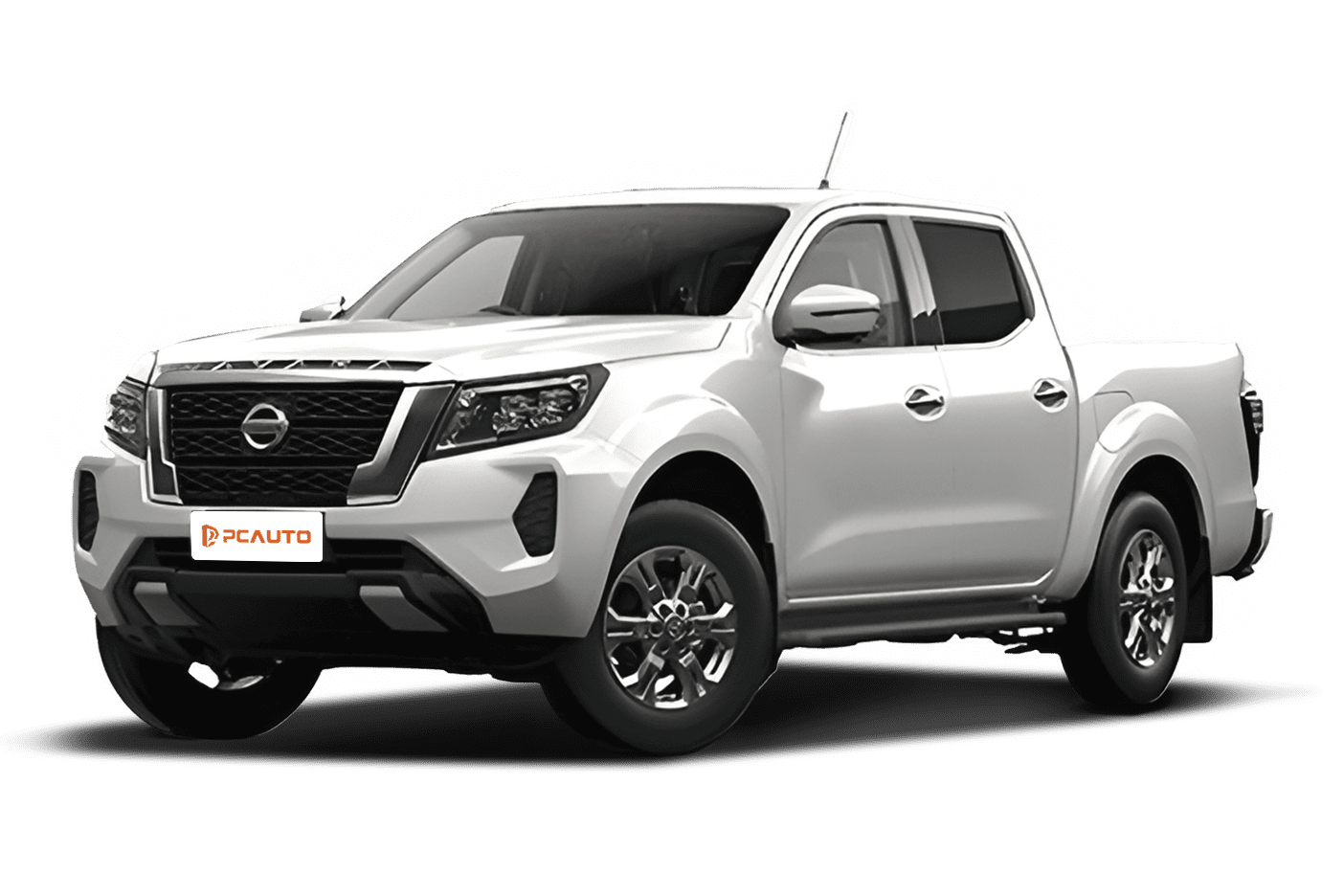
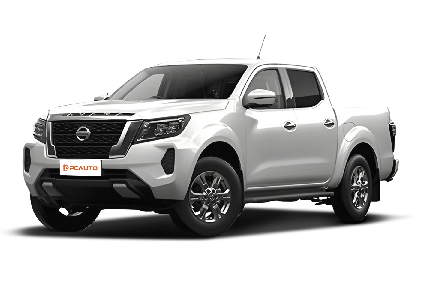
2023 Nissan Navara 2.5 VL Black Edition is a pickup truck that balances household comfort with light off-road capability, featuring exclusive black trims, a full suite of active safety features, and practical configurations, precisely catering to the needs of families and small business owners.
4
Rank in Pickup
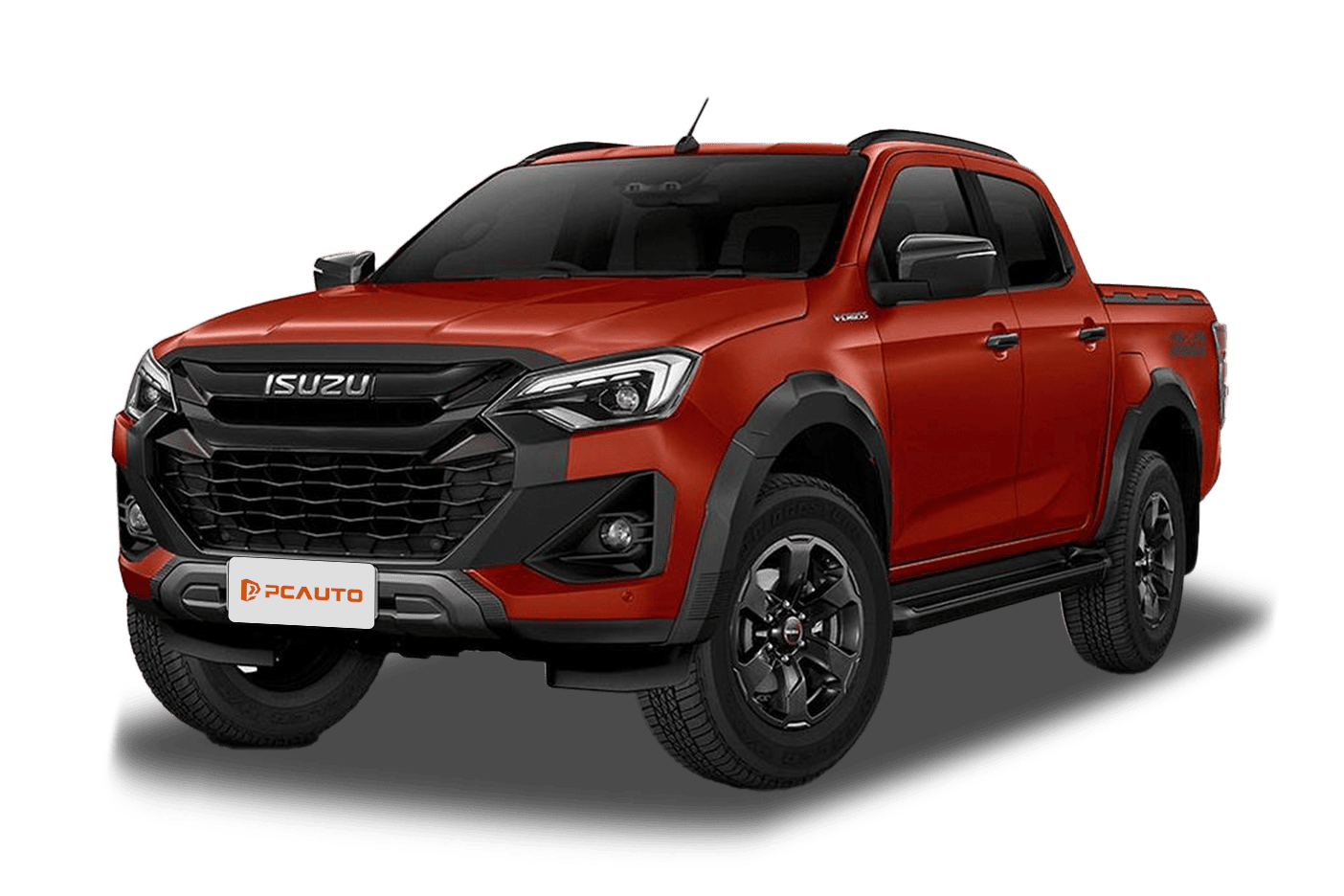
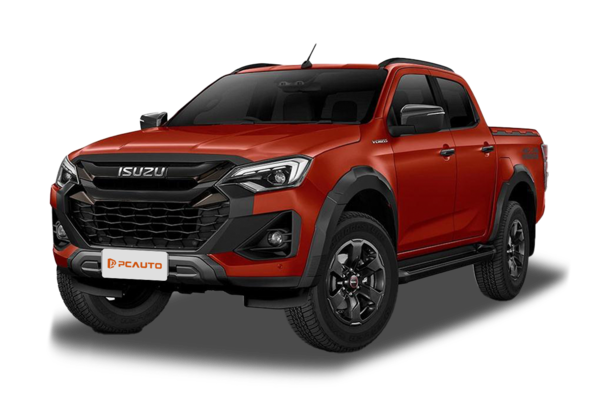
2025 Isuzu D-MAX 1.9L 4x2 Low Ride is an entry-level passenger pickup, offering a balance of practical space, reliable diesel performance, and fuel economy, suitable for family transport and small business cargo needs.

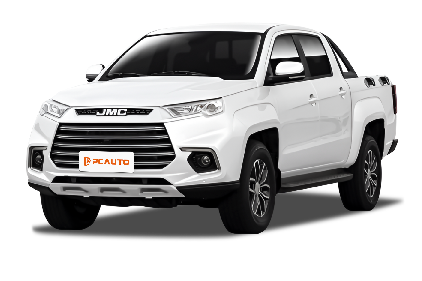
2023 JMC Vigus Pro White Series 2.0L 4WD 8AT combines rugged design, practical features, and powerful diesel performance, balancing everyday durability and mild off-road needs, making it a high-value choice for pickup users.
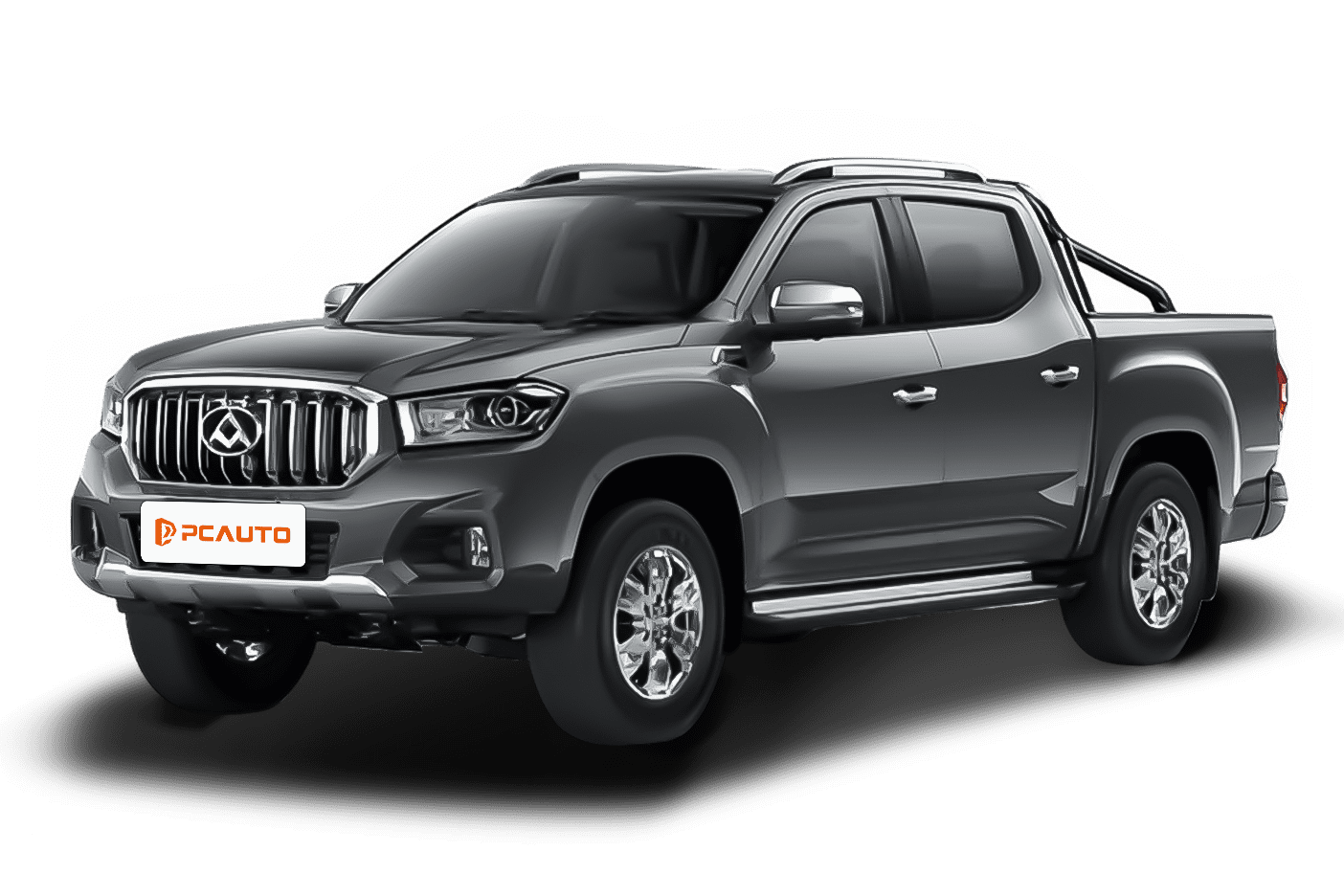
2022 Maxus T60 2.8L 4WD AT is a practical pickup truck that balances work and life. The strong diesel torque and 4WD capability meet cargo and off-road needs, while the premium features and spacious interior enhance daily comfort.