

2021 Hyundai Kona 1.6 N Line Review

 Share
Share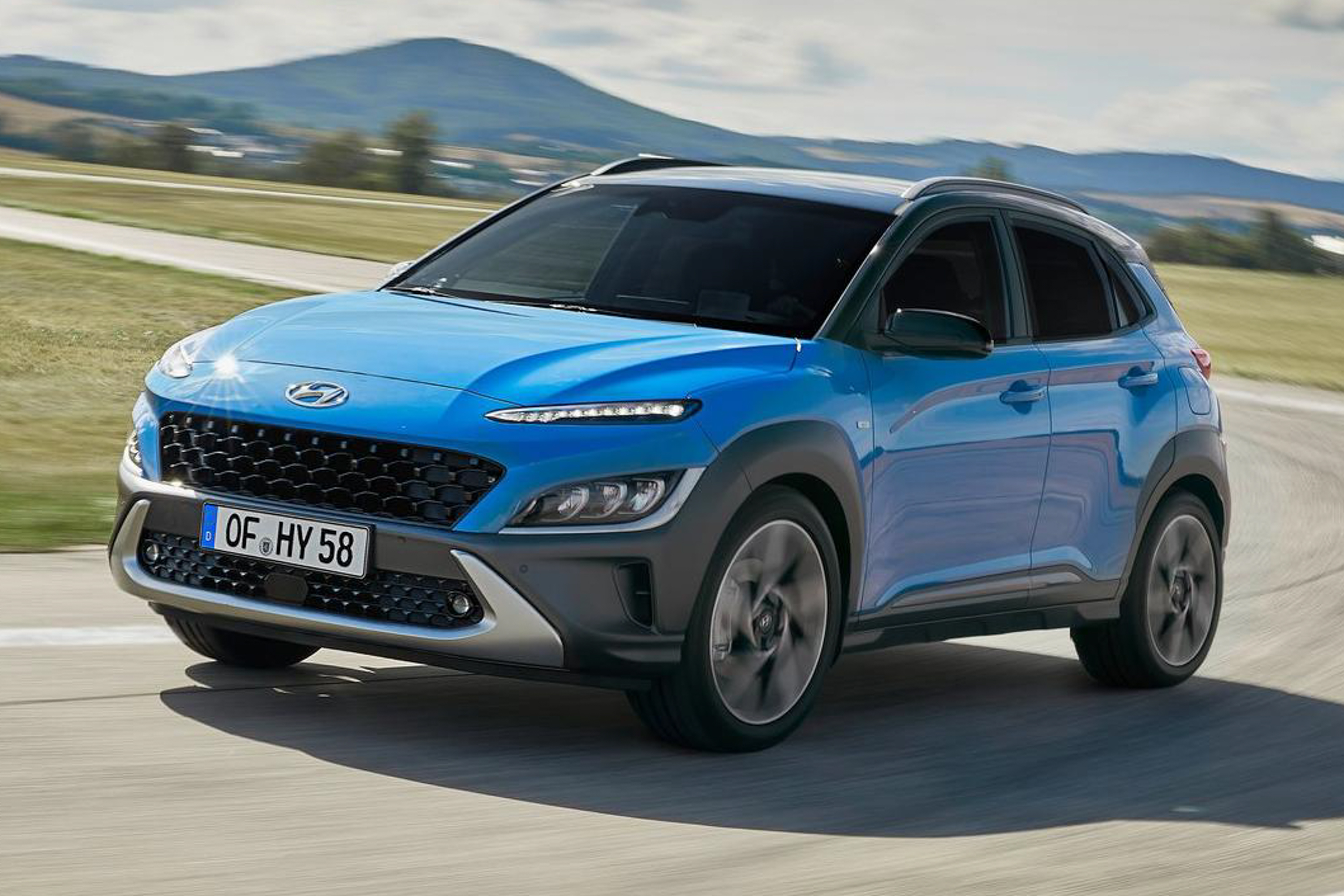
 Segment
 Body Type
 Capacity(L)
 Engine Power(PS)
 Transmission
 Driven Wheels
Nowadays, competition in Malaysia's C-Segment SUV market is becoming increasingly fierce. Consumers not only pursue practicality for daily commuting but also value the balanced performance of power and features. The 2021 Hyundai Kona 1.6 N Line has come to meet these demands. It not only continues the youthful positioning of the Kona series but also differentiates itself through sporty tuning and rich configurations. This test drive focuses on verifying whether this N Line version can truly balance sportiness and family use, and whether its pricing of just over 150,000 is competitive enough.
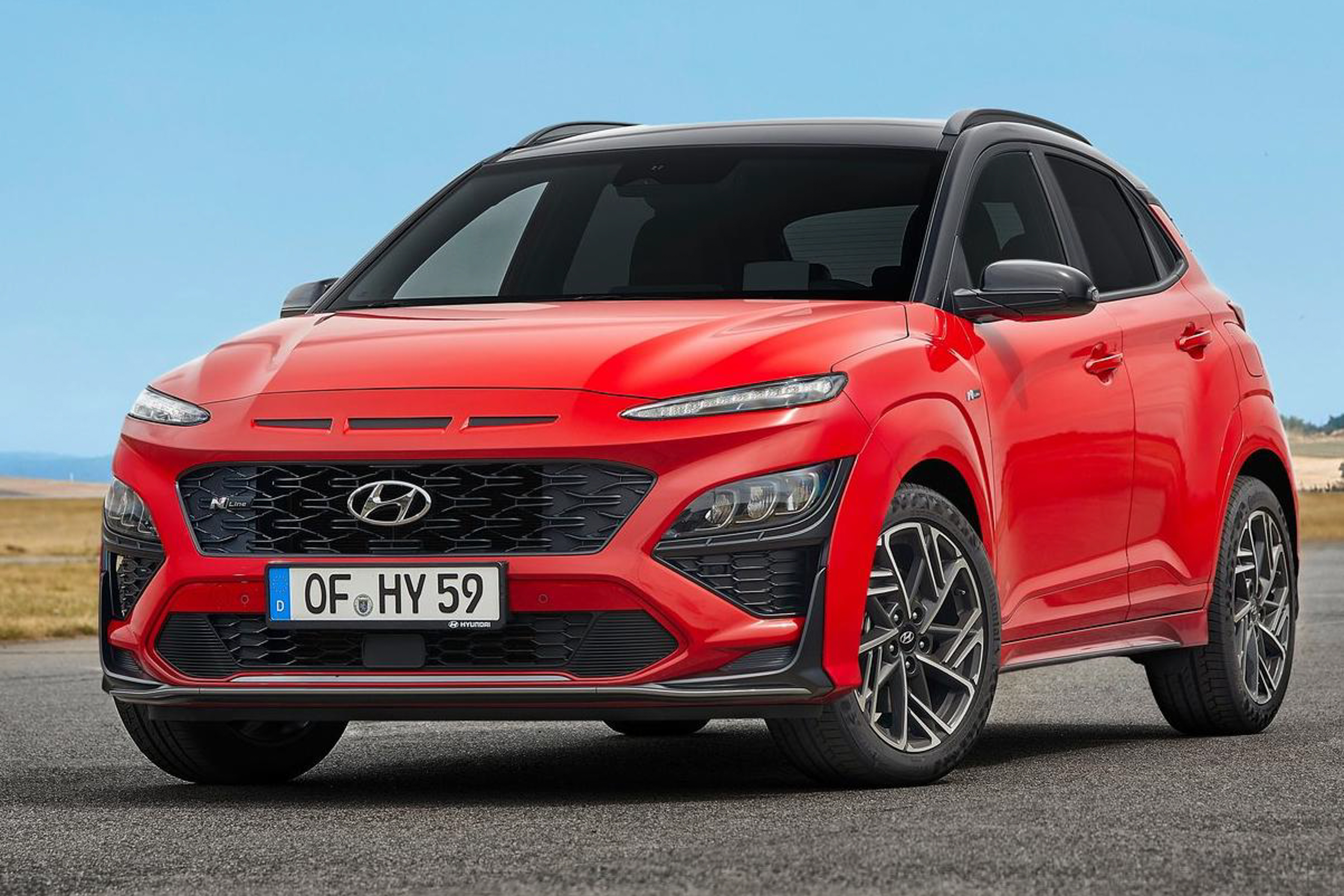
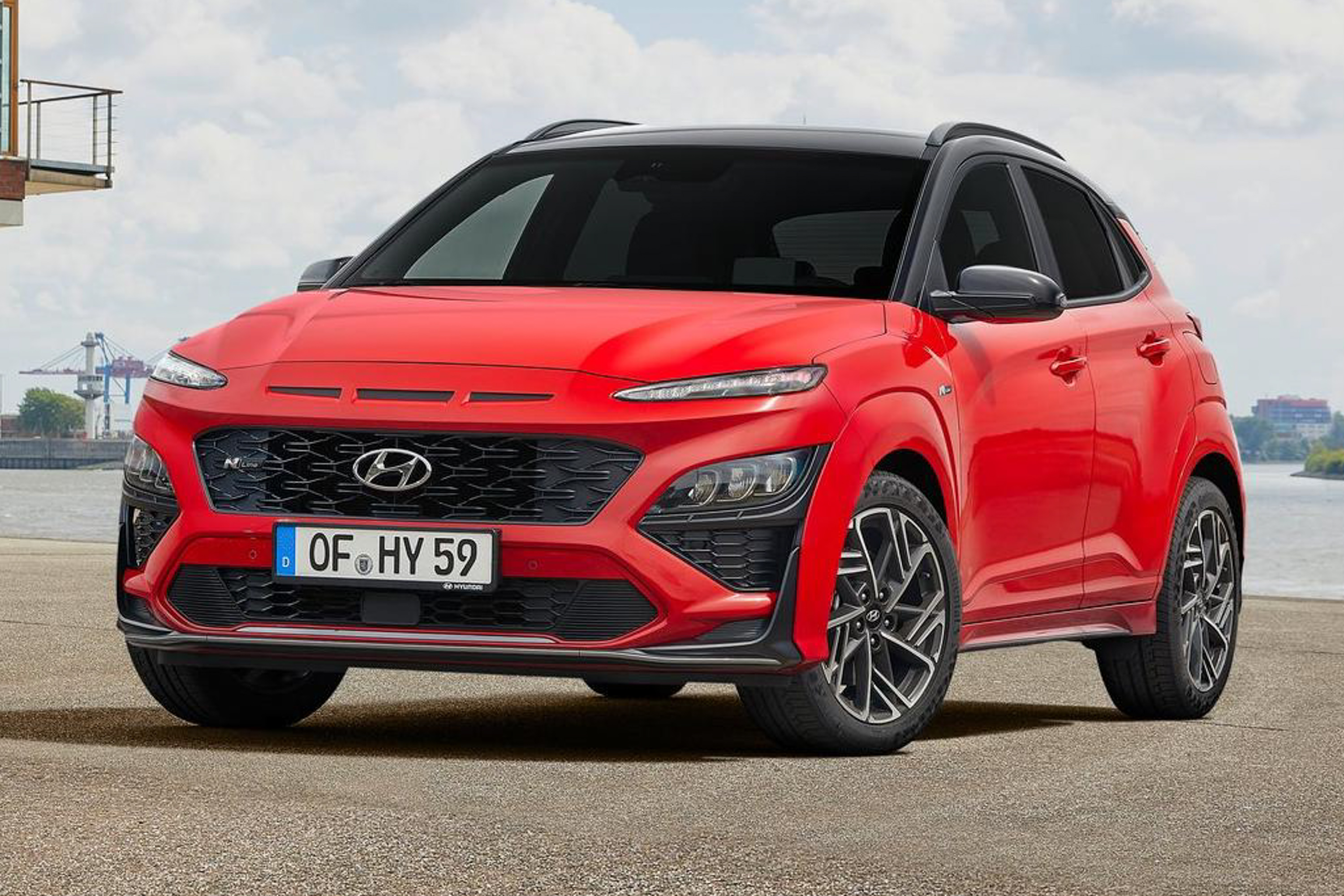
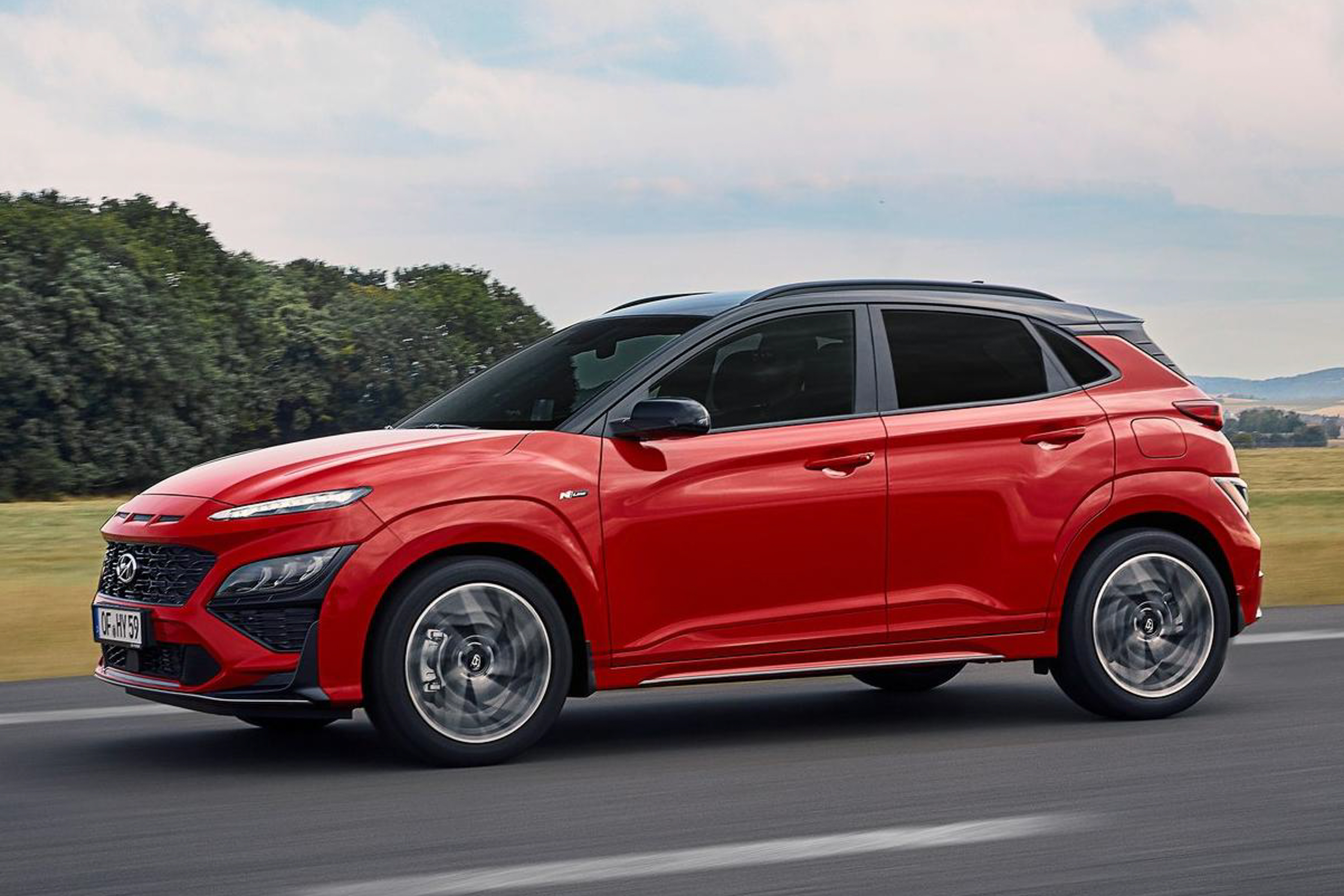
From a distance, the sporty style of the 2021 Kona 1.6 N Line is very distinct. The front face features a large blacked-out grille paired with sharp LED headlights on both sides. The daytime running lights have a distinctive split design, giving it a high level of recognition. The contour lines on the hood slightly rise, enhancing the muscular look. The side profile of the car is sleek, with 18-inch blacked-out multi-spoke wheels paired with 235/45 R18 tires. Additionally, the N Line exclusive badge on the side skirts further reinforces the sporty attributes. At the rear, the blacked-out LED tail lights echo the front face, and the diffuser styling on the rear bumper alongside the dual exhaust arrangement (decorative) make the car appear more aggressive. The lighting system comes standard with LED lights, and the inclusion of automatic headlights and rear fog lights enhances daily convenience.
Opening the door, the interior features black as the main color, supplemented with red stitching accents, carrying the sporty atmosphere of the N Line into the cabin. The dashboard layout is straightforward, with an 8-inch touchscreen in the center, featuring decent operational smoothness and support for the Sound Plus function. Physical buttons are retained below for easier blind operation. In terms of materials, the upper part of the dashboard is wrapped in soft-touch materials, offering a decent texture in line with the positioning of this segment. The configuration has a lot of highlights: the 10.25-inch full digital instrument cluster is clear and allows switching between multiple themes. The HUD (Head-Up Display) can project information like speed and navigation, enhancing driving safety. The front seats support electric adjustment—10-way for the driver’s seat with lumbar support, 8-way for the passenger seat—with decent wrapping that doesn't feel tiring even after long journeys. The rear seats support a 60:40 split fold, and the trunk space of 374 liters can accommodate a few suitcases or a baby stroller, meeting family usage needs. In addition, practical features such as 220V/230V power outlets, rain-sensing wipers, and electrically folding side mirrors are also included.
In terms of space, although the overall body size is not particularly outstanding, the wheelbase provides sufficient seating space for daily use. A passenger with a height of 175 cm sitting in the front seat has a headroom of one fist and two fingers. In the rear, legroom is about two fists, and headroom is one fist, ensuring that it does not feel cramped. The rear row is equipped with air conditioning vents, and while it features single-zone automatic air conditioning, the rear temperature adjustments are sufficient to meet needs. The middle floor bump is not high, ensuring the comfort of the middle passenger. As for storage space, the door pockets, central armrest box, and front cup holders are quite practical, and the phone charging ports meet everyday needs.
The powertrain of the 2021 Kona 1.6 N Line is equipped with a 1.6T turbocharged engine, delivering a maximum horsepower of 198PS and peak torque output between 1600-4500rpm, paired with a 7-speed DCT transmission. During actual driving, the initial response is very quick, the turbo intervention is not abrupt, and there is ample torque output in the low rev range, making it agile for daily city driving or starting off. In sport mode, throttle sensitivity is significantly enhanced, acceleration feels more direct, and the gearbox downshifts rapidly when the accelerator is pressed for overtaking. The power output remains smooth, and the highway acceleration capability is impressive. However, in slow-moving traffic, the DCT transmission occasionally exhibits slight jerks, leaving room for improvement in smoothness.
The handling and chassis performance align with its sporty positioning. The steering is precise, with little play and moderate feedback force. In sport mode, it feels slightly heavier, providing a strong sense of confidence. The chassis features a front MacPherson independent suspension and is tuned on the firmer side. Body roll is well-controlled during cornering, maintaining stable posture; however, when crossing speed bumps or driving on bumpy roads, vibrations are not fully absorbed, which may cause slight discomfort for rear-seat passengers. In terms of braking, the front and rear ventilated disc brakes perform stably, the brake pedal feel is linear, and the braking force is evenly distributed, instilling confidence during daily driving.
As for fuel consumption, the official combined fuel consumption is 9L/100km. Based on our actual test drive, fuel consumption in congested urban conditions is around 10-11L, while on highways it's approximately 7-8L. Overall, the performance is average and in line with the level of a 1.6T SUV. Noise control is decent, with wind and tire noise present during highway driving but not overly intrusive, so it doesn’t hamper in-cabin conversations. Engine noise is noticeable at high revs but remains within an acceptable range. The comfort of the seats has already been mentioned; they provide good support and cushioning, ensuring minimal fatigue during long drives.
In terms of safety features, the vehicle is equipped with 6 airbags, ABS with anti-lock braking, electronic stability control, lane departure warning system, among other features. The ISOFIX child seat interfaces are also included, making its overall safety performance meet mainstream standards.
In summary, the 2021 Hyundai Kona 1.6 N Line has some clear advantages: its sporty exterior and interior design cater to young consumers' tastes, its 198PS power output is outstanding in its class, and it is well-equipped (with features like a fully digital instrument cluster, HUD, and power-adjustable seats). It also offers practicality, making it suitable for family use. Compared to competitors in the same class, such as the Honda HR-V or Toyota C-HR, the Kona 1.6 N Line stands out with better power and more features, while maintaining a relatively affordable price.
This car is suitable for two types of buyers: young consumers seeking a sporty feel and strong performance for daily commuting and occasional spirited driving, and small families focusing on configuration and practicality. The space and storage capabilities meet home-use needs, and the performance is sufficient for highways or mountain roads. However, if comfort is a top priority, the firm suspension might require an adjustment period.
All things considered, the 2021 Hyundai Kona 1.6 N Line is a "balanced yet sporty" C-Segment SUV. At a price point of around 150,000 RMB, its cost-effectiveness and product strength are worth considering.
Hyundai Kona Car Compare

Hyundai Kona Loan Calculator
More Hyundai Reviews
Cars With Similar Price And Features
8
Rank in SUV
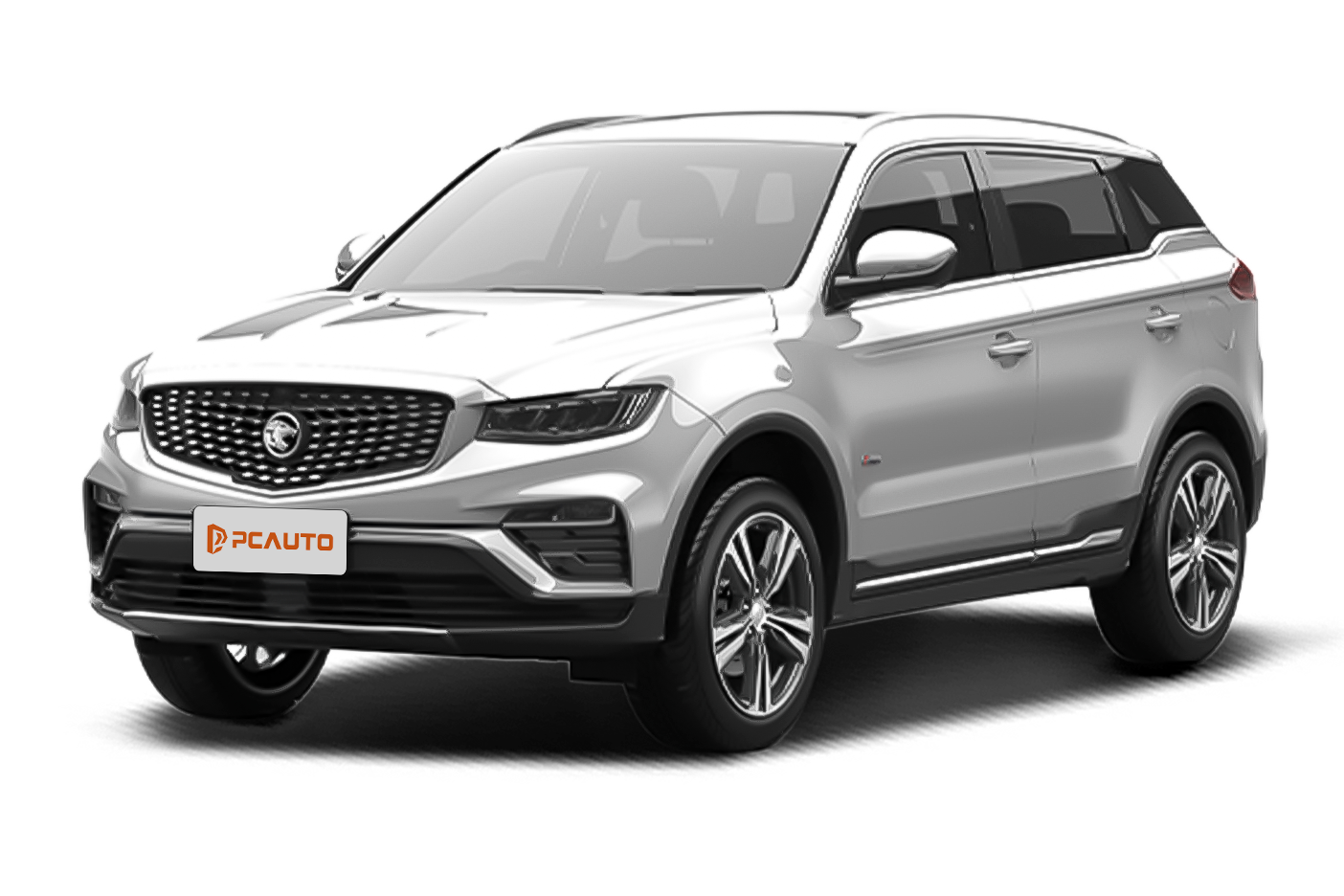
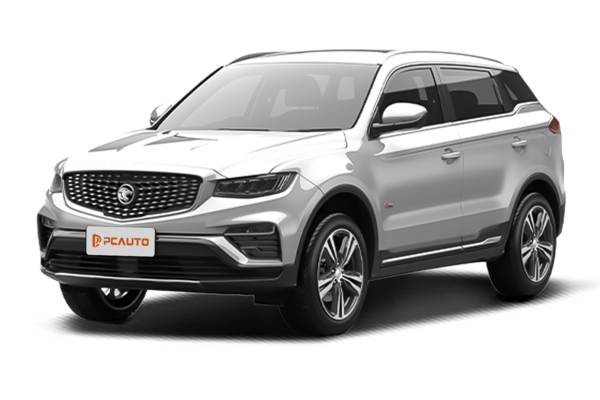
2026 Proton X70 1.5 TGDi Executive focuses on upgrading to a four-cylinder engine, practical configurations, and affordable pricing. It balances family commute practicality with value for money, making it a sensible choice among similarly priced C-segment SUVs.
10
Rank in SUV
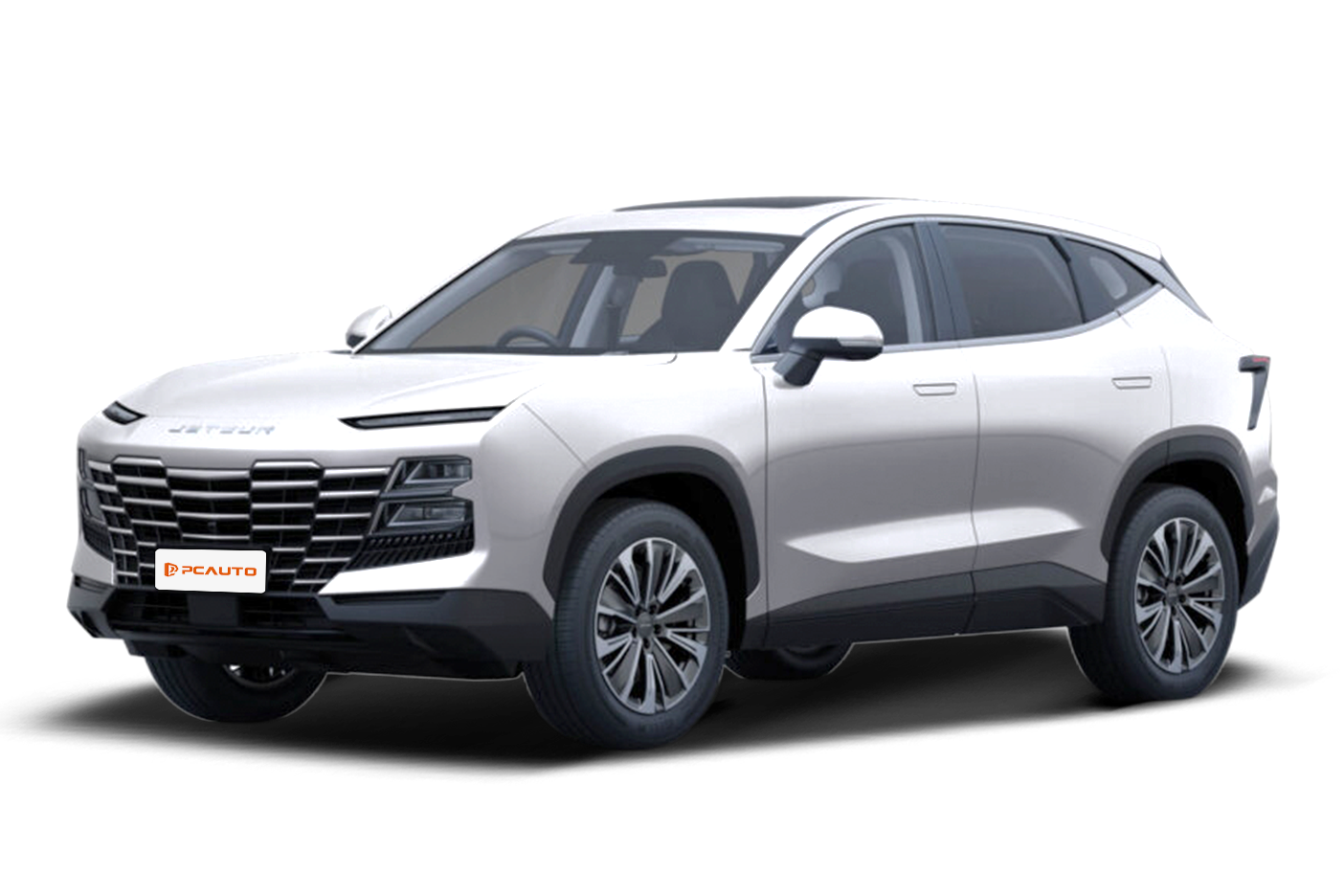
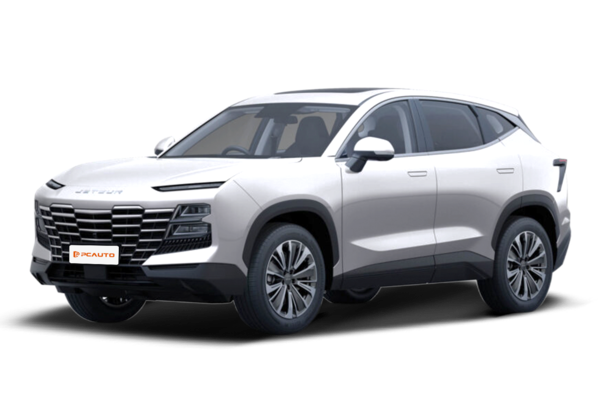
Jetour Dashing 1.5 TCI Comfort 2025 features a 2720mm long wheelbase and a 10.25-inch dual screen as its core, focusing on balanced cost performance to meet family practical needs.
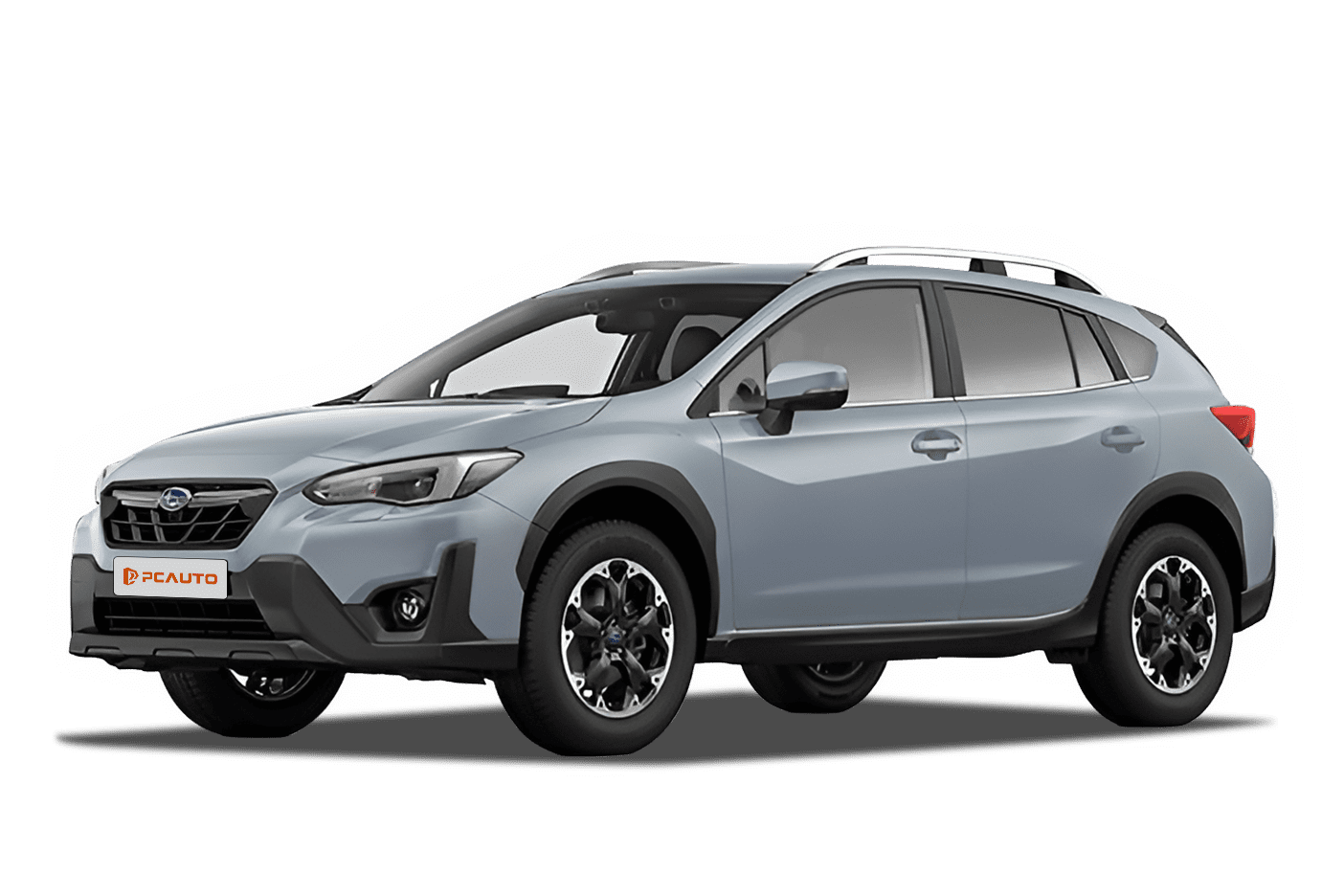
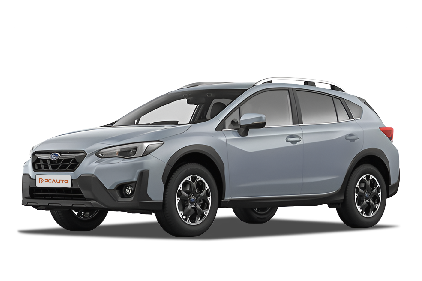
The 2021 Subaru XV 2.0i is a model targeting the C-segment crossover market, equipped with standard all-wheel drive and high safety features, balancing off-road capability and handling, with practical space.
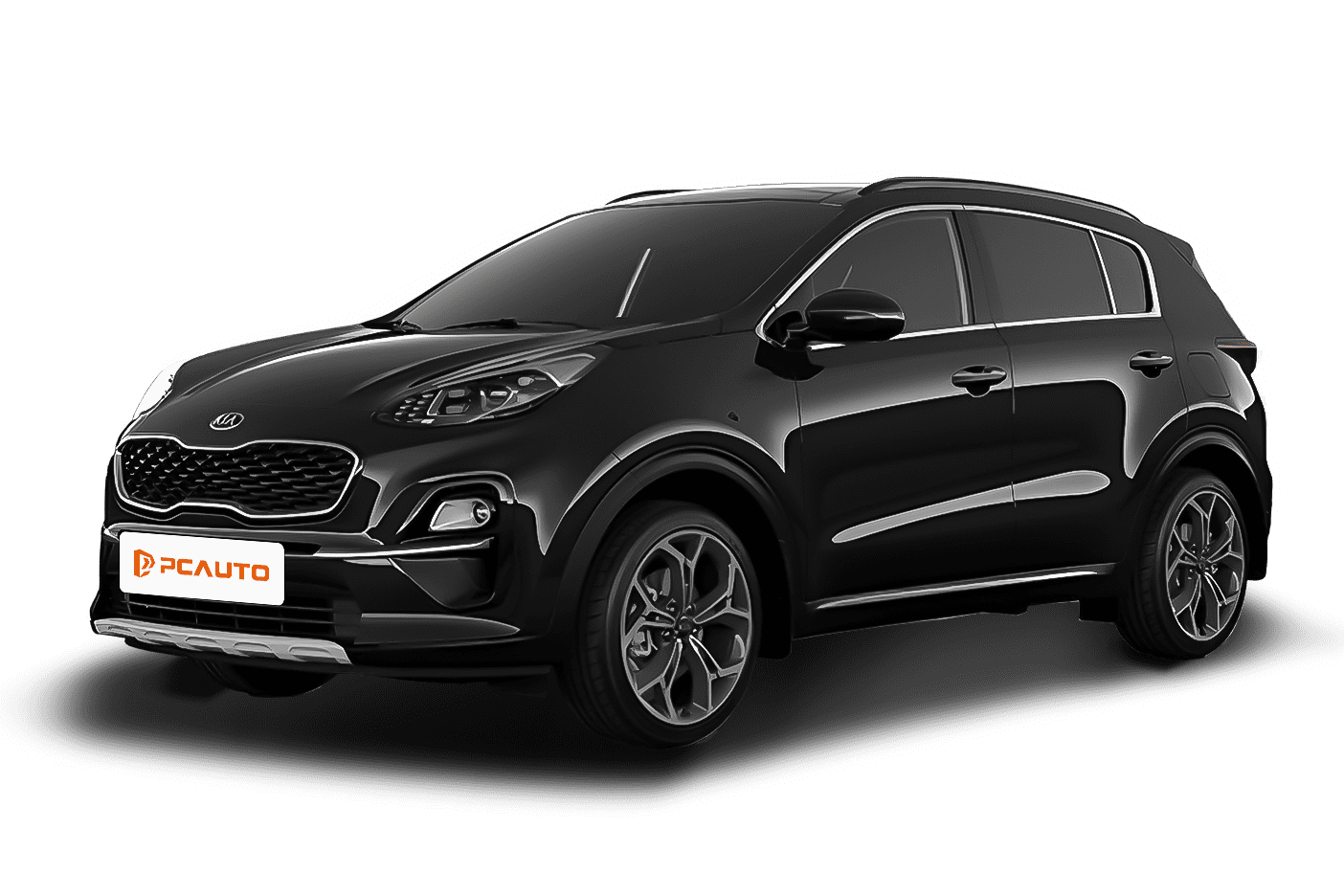
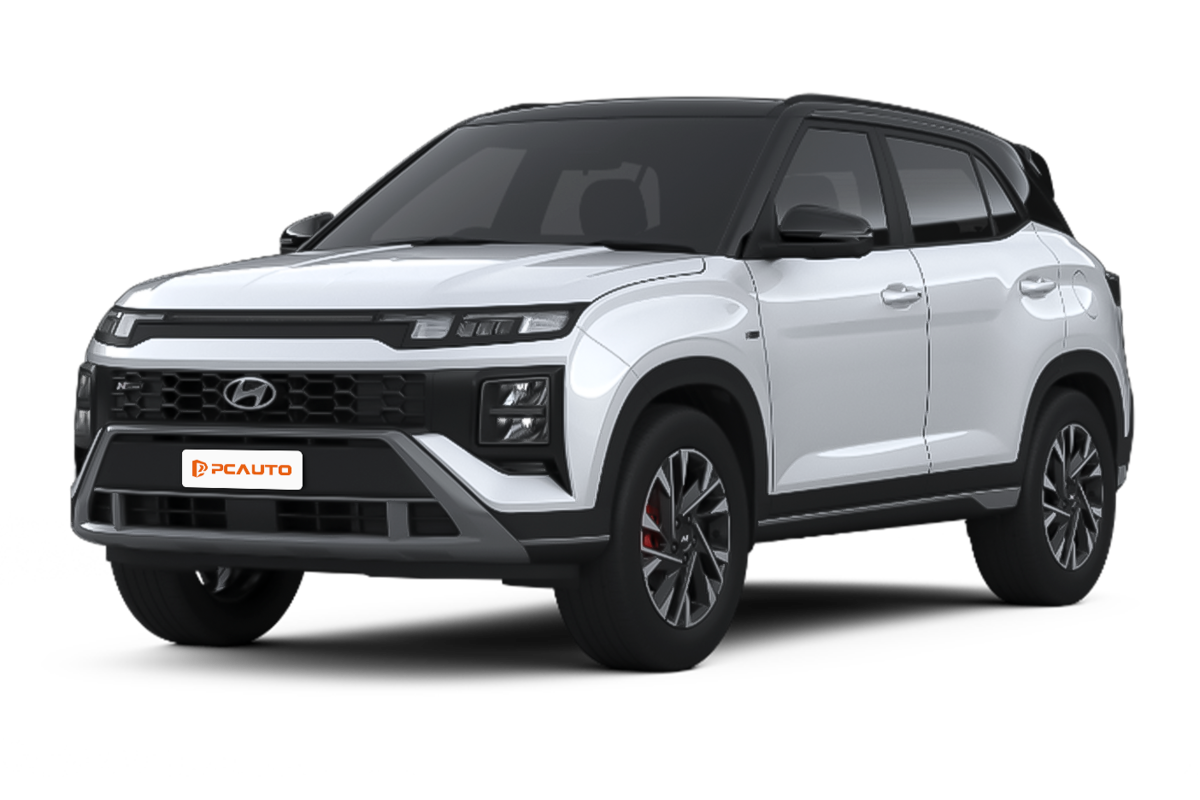
2024 Kia Sportage 2.0G 2WD, as the entry-level fuel version, with avant-garde design, 12.3-inch full LCD instrument panel, practical space, and economical fuel consumption, precisely meets the needs of family and cost-effectiveness-focused users.