

2021 Hyundai Kona 1.6 Turbo Review

 Share
Share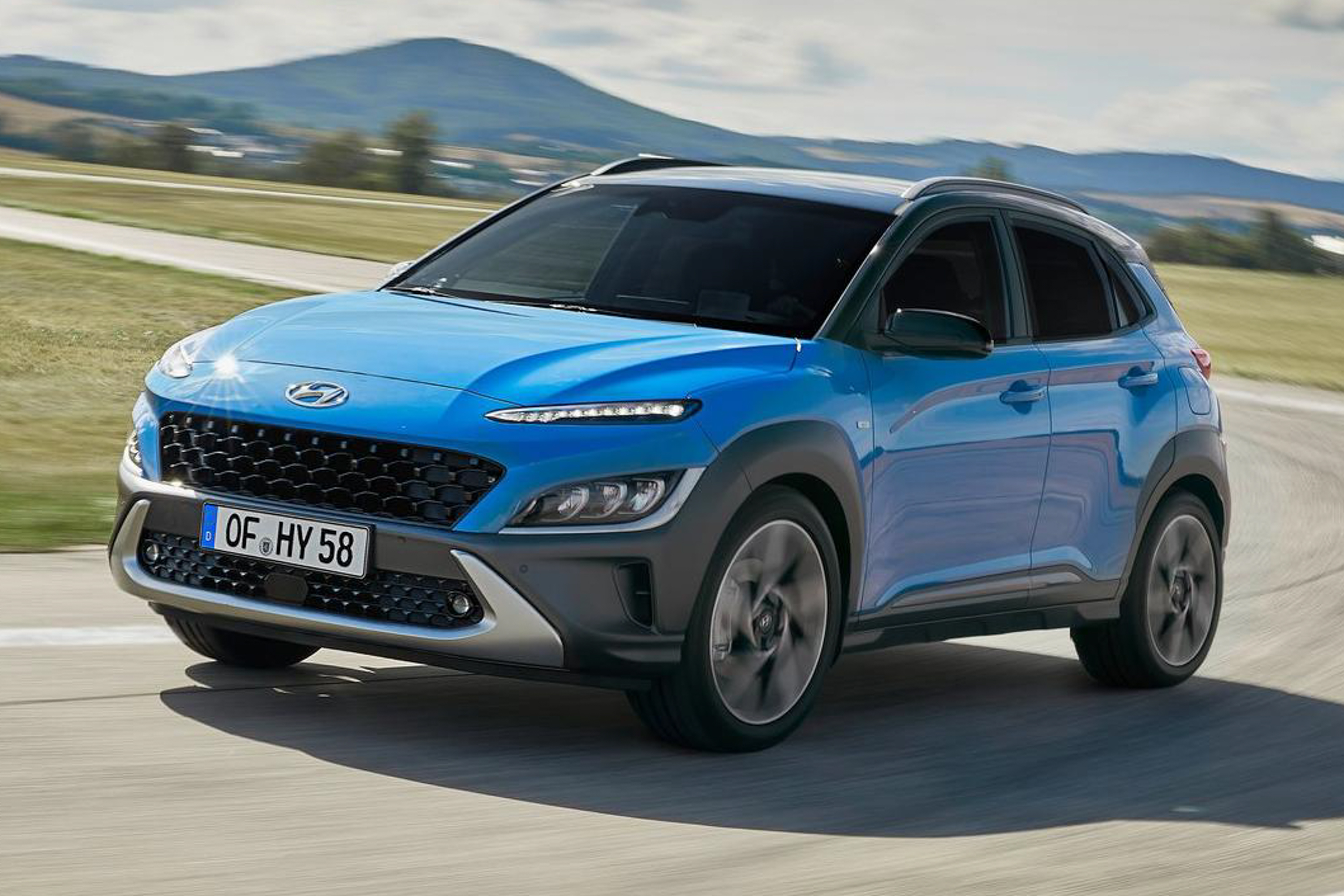
 Segment
 Body Type
 Capacity(L)
 Engine Power(PS)
 Transmission
 Driven Wheels
In recent years, the compact SUV market in Malaysia has become increasingly competitive. Consumers are looking for unique designs while also valuing a balance between performance and features. The 2021 Hyundai Kona 1.6 Turbo, as a popular choice in this segment, boasts a 198PS turbocharged engine and rich smart configurations as its core selling points. Many wonder if it can balance everyday commuting with driving pleasure. In this review, we focus on its static quality, dynamic performance, and practical usage scenarios to see if it meets the needs of local users.
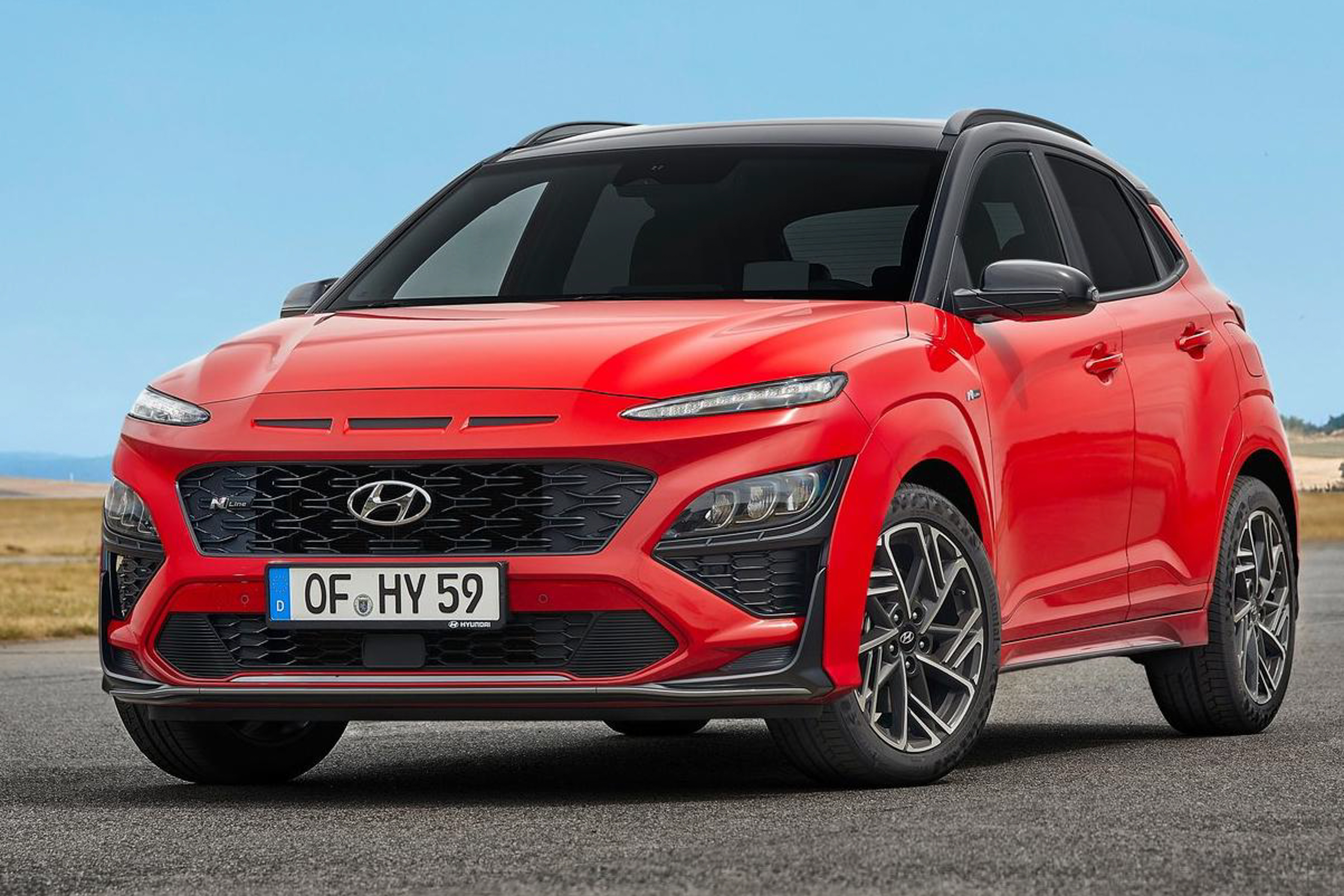
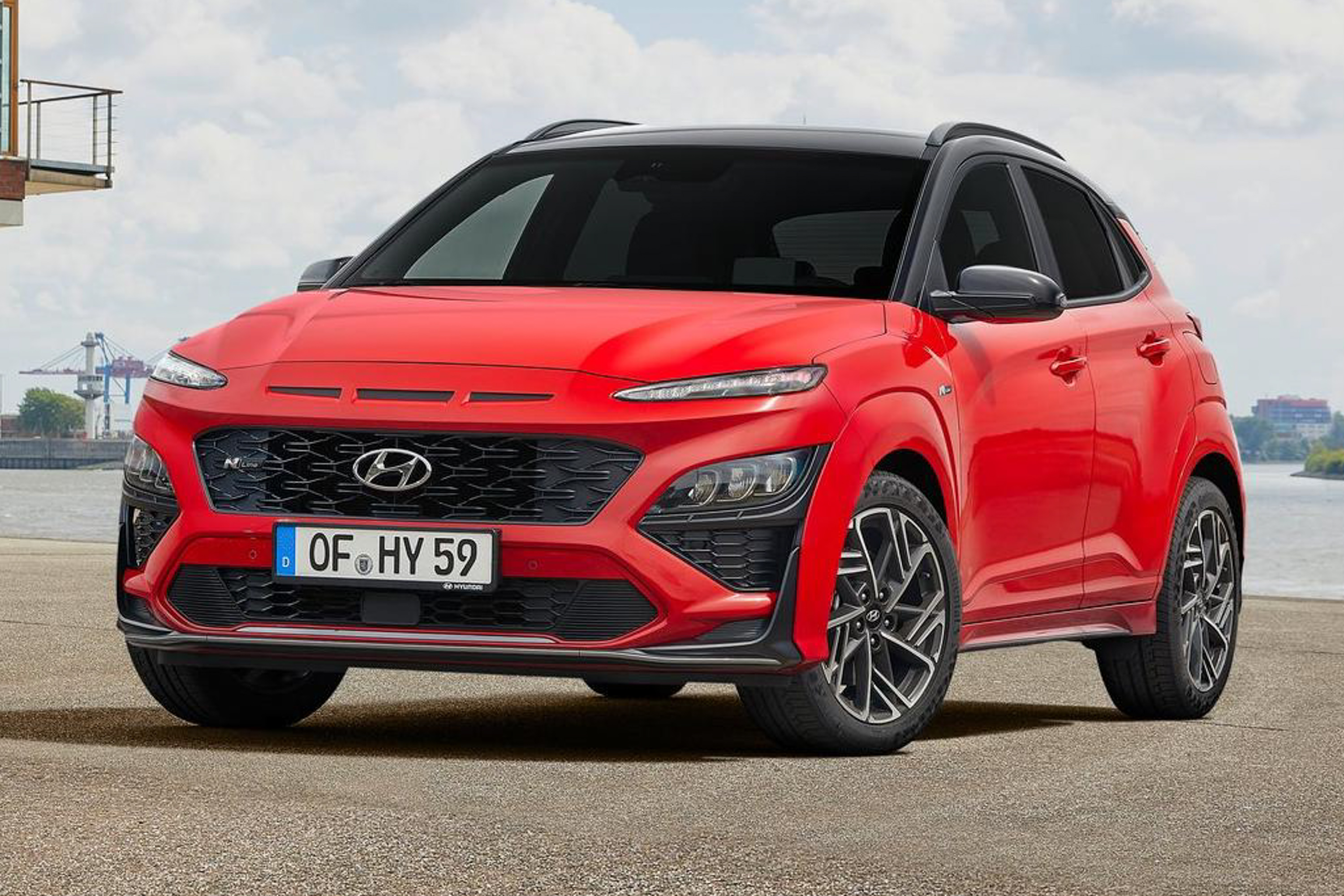
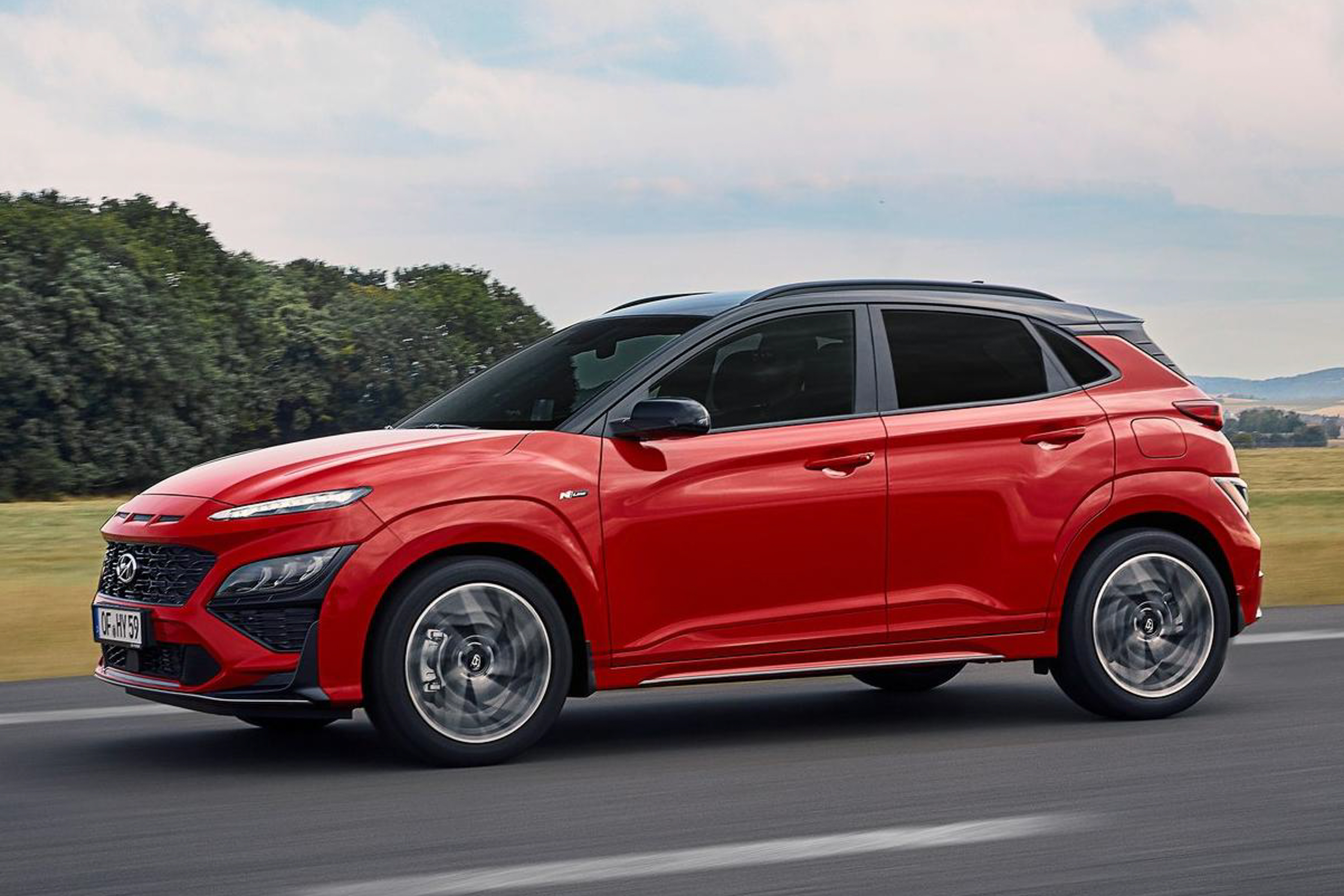
In terms of appearance, the Kona 1.6 Turbo is designed with a youthful and sporty style. The front features a large blacked-out grille, paired with sharp LED headlights and daytime running lights, giving it a high level of recognition. The body side lines are smooth, and the 18-inch wheels with 235/45 R18 tires enhance its sporty feel. At the rear, the blacked-out taillights echo with the rear spoiler, and the lower diffuser design further accentuates the performance atmosphere. The lighting system is fully LED, with automatic headlights and front fog lights as standard features, making daily use very convenient.
Inside the vehicle, the interior is primarily black, accented with silver trim, presenting a clean and practical layout. The central control area is equipped with an 8-inch touchscreen supporting the Sound Plus feature, and the 6-speaker audio system performs reasonably well. The 10.25-inch TFT LCD instrument cluster is clear and can switch styles according to different driving modes. A head-up display (HUD) is standard and allows drivers to see speed and navigation information without looking down, enhancing driving safety. In terms of materials, the top of the dashboard is wrapped in soft-touch materials, which feel nice. The multifunction steering wheel supports audio and phone controls, making it easy to operate.
In terms of space, while the body size of the Kona 1.6 Turbo is not particularly noteworthy, the reasonable allocation of the wheelbase ensures adequate seating space in both the front and rear rows. The front driver’s seat supports 10-way power adjustment with lumbar support, allowing for a comfortable posture even during long drives. For passengers up to 175 cm tall, the rear seats offer about two fist-widths of legroom and one fist-width of headroom, making it suitable for everyday family use. In terms of storage, the trunk offers a capacity of 374 liters, and folding down the rear seats (60:40 split) expands the space further, making it convenient for items like baby strollers or suitcases. The front center armrest storage box, door storage pockets, and cup holders are all practical, providing space for personal items. Additionally, the front comes with single-zone automatic air conditioning with three levels of adjustable wind speed, rear air-conditioning vents, as well as a 220V/230V power outlet, showing attention to detail.
In terms of performance, the 1.6T turbocharged engine delivers a maximum horsepower of 198PS and peak torque as early as 1,600-4,500rpm, paired with a 7-speed DCT transmission for highly responsive power delivery. A light press on the accelerator at startup gives a noticeable thrust, while the transmission shifts gears quickly during acceleration without significant jolting. Switching to sport mode further enhances throttle sensitivity, delivering more direct power output, suitable for users who enjoy driving. For daily commuting, normal mode is sufficient, offering smooth power delivery and relatively economical fuel consumption. The official combined fuel consumption is 9L/100km, with approximately 10-11L in urban driving and about 8L on highways, which is in line with the performance of this segment.
The handling and chassis performance are commendable. The steering wheel is precise with minimal play, and cornering provides clear road feedback; the front MacPherson independent suspension is tuned towards sportiness without compromising comfort. It effectively absorbs vibrations when dealing with the common bumpy roads in Malaysia, making the ride not overly stiff. The vehicle maintains stability during high-speed driving, and body roll is well-controlled when cornering, giving the driver sufficient confidence. In terms of braking, the front and rear ventilated disc brakes respond promptly, providing even braking force and maintaining vehicle stability during emergency braking. Additionally, the noise control of the vehicle is excellent; wind and tire noise are not noticeable at 120km/h on highways, and in-car conversations are not affected. The seat provides good cushioning and support, ensuring comfort even on long rides.
In summary, the core advantages of the 2021 Hyundai Kona 1.6 Turbo are its powerful performance, rich configurations (HUD, electric seats, LED lights are all standard), and relatively practical space. Compared to competitors in the same class like the Honda HR-V or Toyota C-HR, it has an edge in power output, more comprehensive configurations, and its RM146,888 price is quite competitive in the compact SUV market. This car is suitable for two types of users: first, young families who value driving pleasure and configurations, as it can meet daily commutes and weekend travel needs; and second, young individuals who prefer unique designs and not following the crowd, as its exterior and performance highlight individuality. If you are looking for a compact SUV that balances power, configurations, and practicality, the Kona 1.6 Turbo is worth considering.
Hyundai Kona Car Compare

Hyundai Kona Loan Calculator
More Hyundai Reviews
Cars With Similar Price And Features
8
Rank in SUV
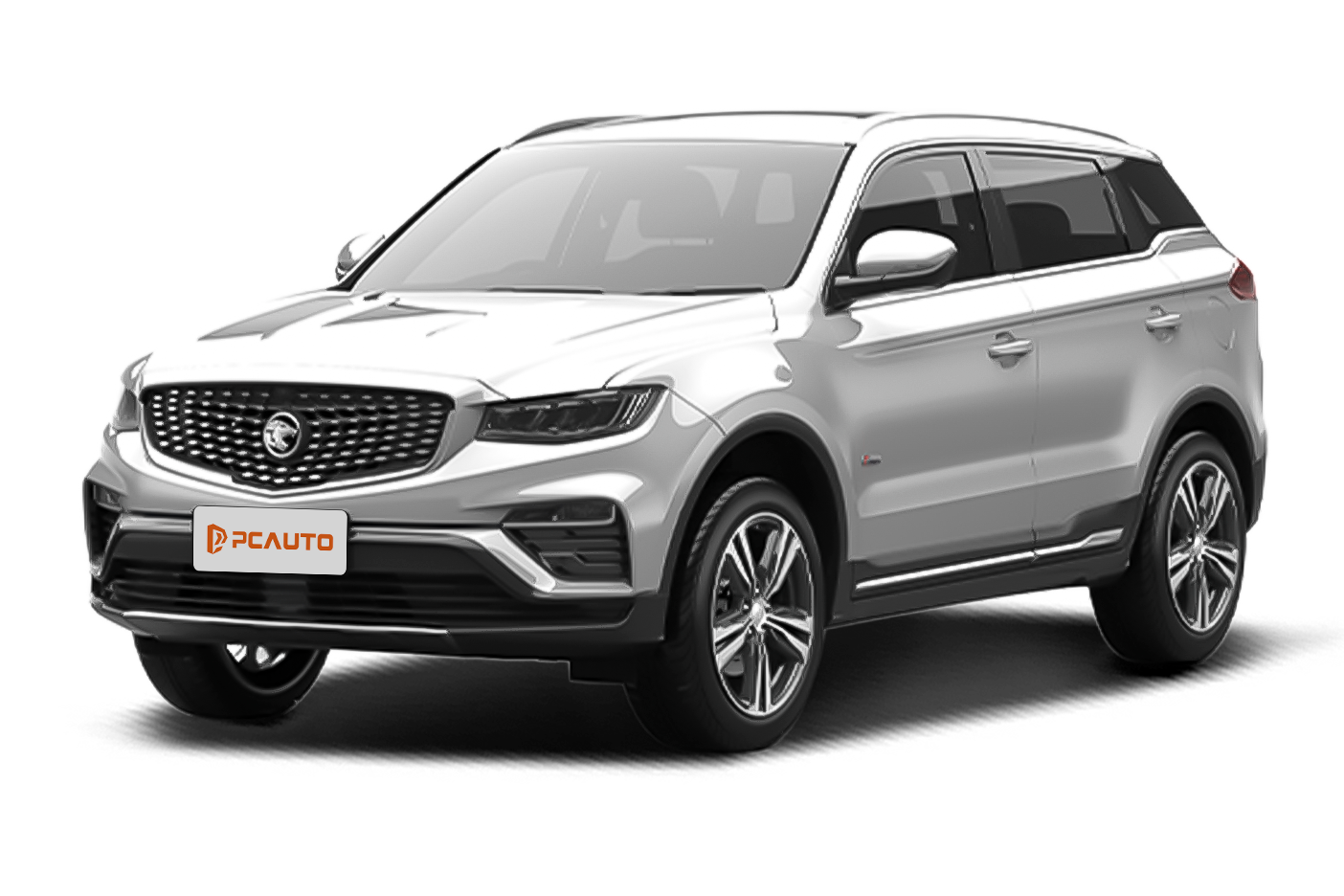
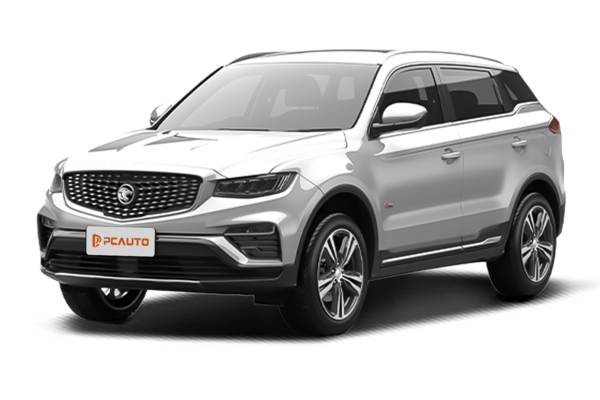
2026 Proton X70 1.5 TGDi Executive focuses on upgrading to a four-cylinder engine, practical configurations, and affordable pricing. It balances family commute practicality with value for money, making it a sensible choice among similarly priced C-segment SUVs.
10
Rank in SUV
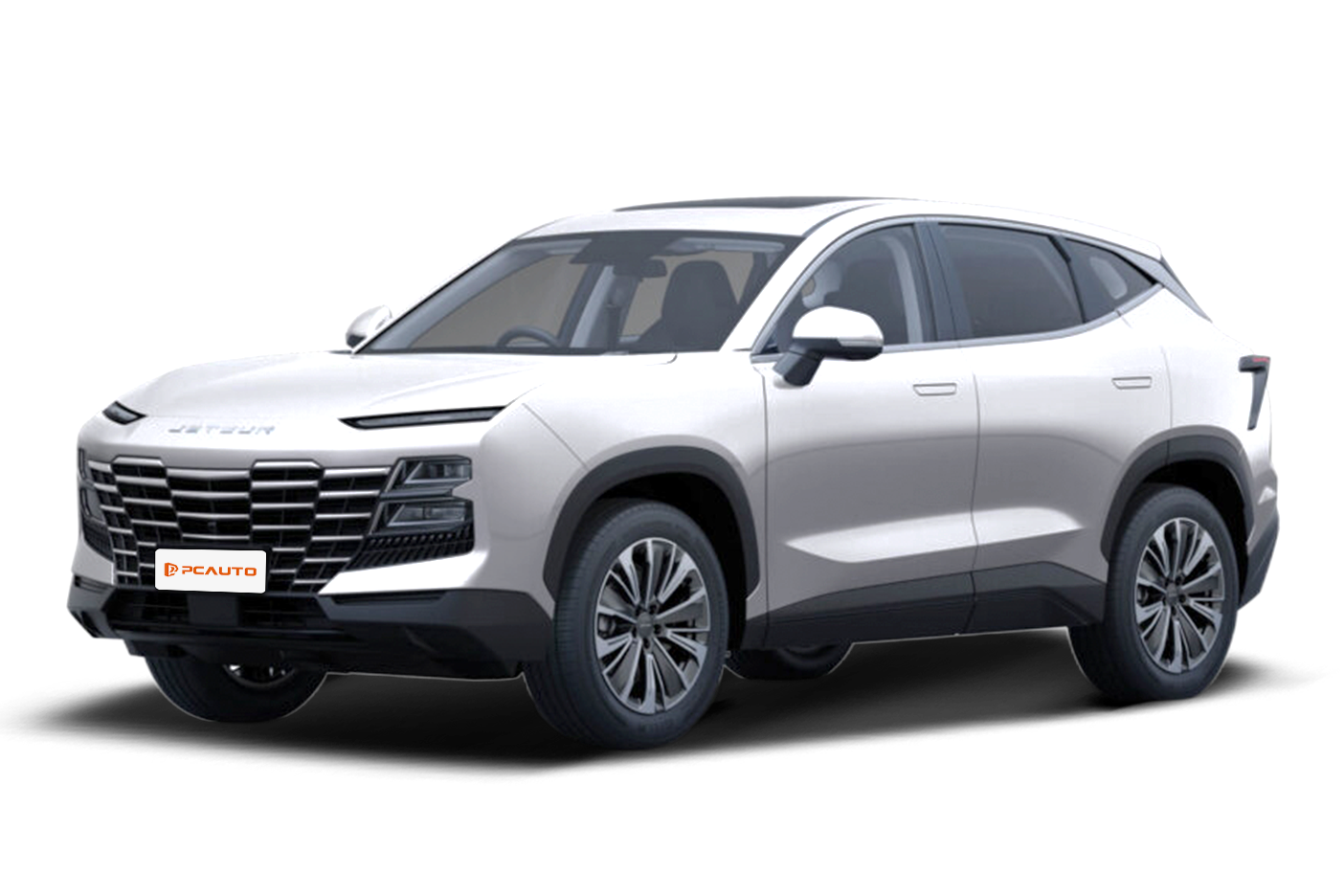
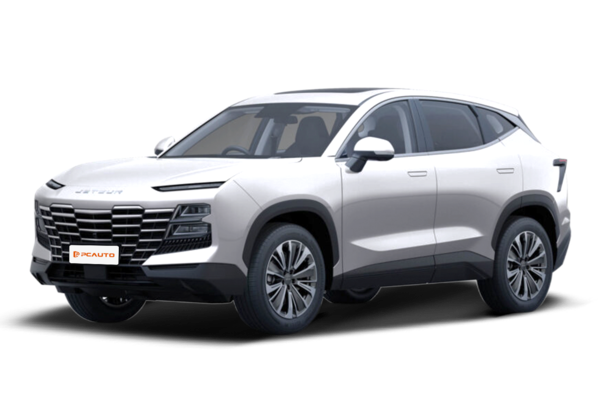
Jetour Dashing 1.5 TCI Comfort 2025 features a 2720mm long wheelbase and a 10.25-inch dual screen as its core, focusing on balanced cost performance to meet family practical needs.
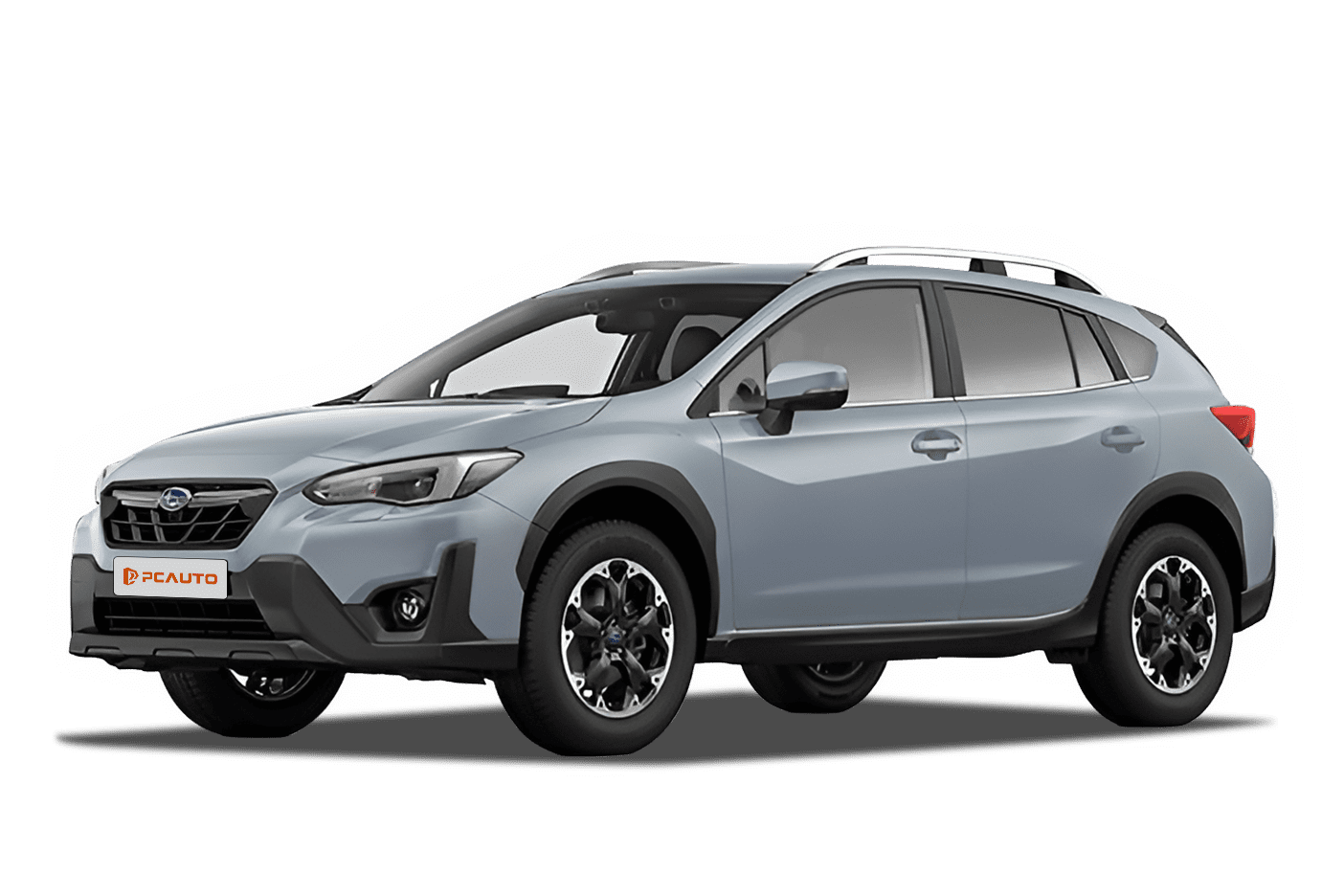
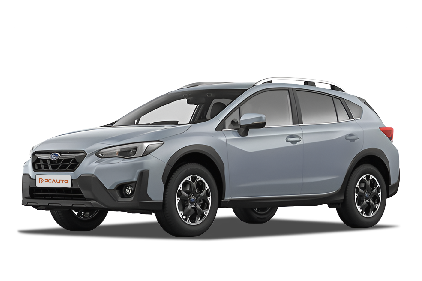
The 2021 Subaru XV 2.0i is a model targeting the C-segment crossover market, equipped with standard all-wheel drive and high safety features, balancing off-road capability and handling, with practical space.
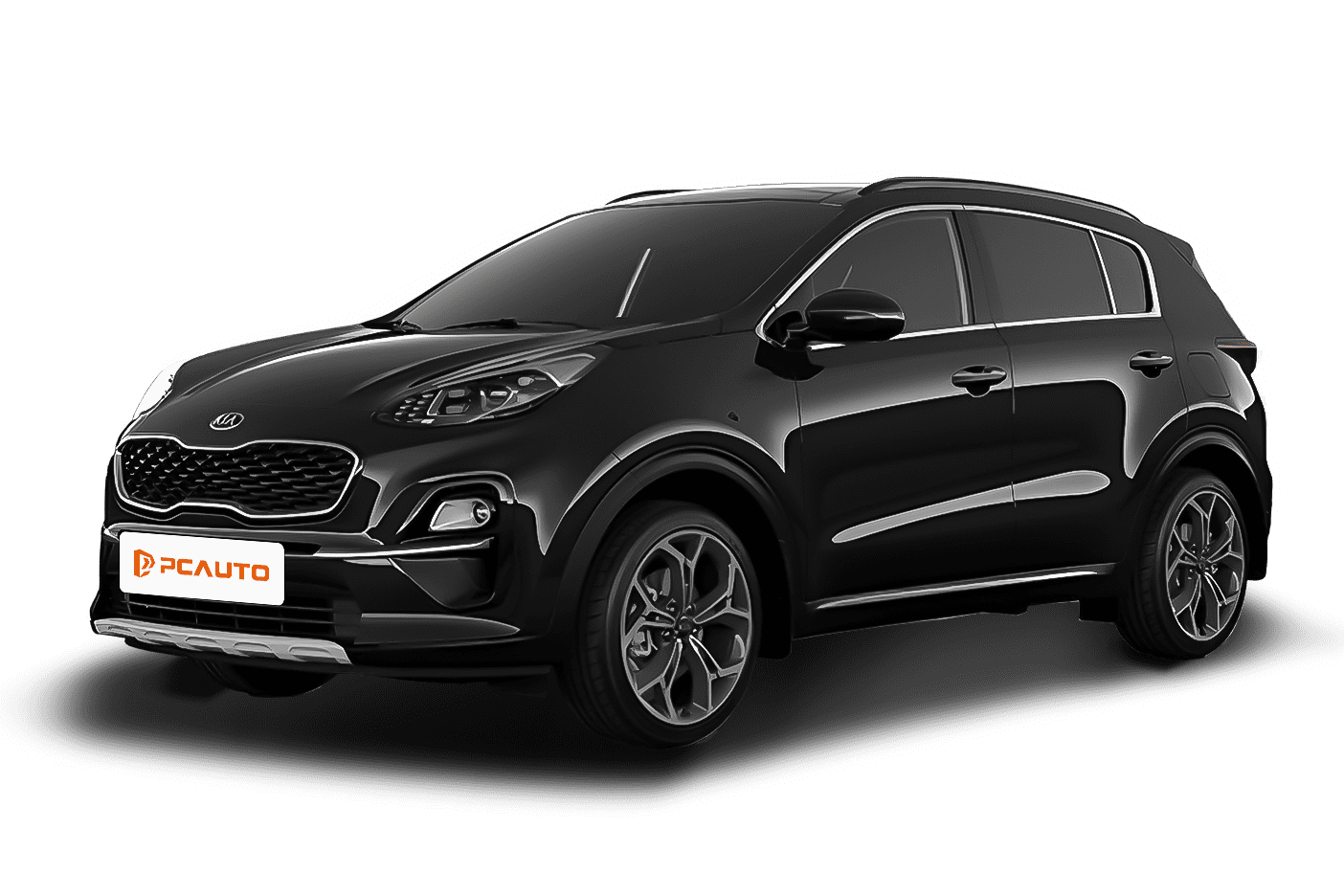
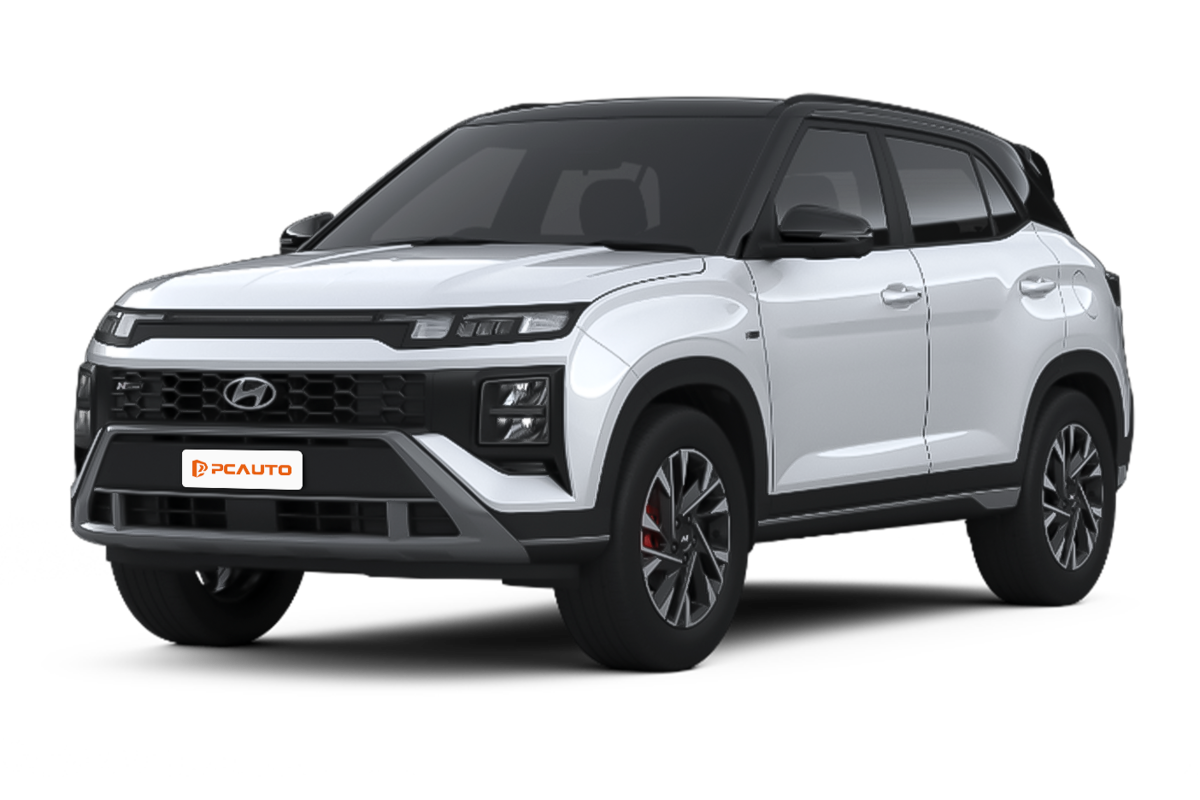
2024 Kia Sportage 2.0G 2WD, as the entry-level fuel version, with avant-garde design, 12.3-inch full LCD instrument panel, practical space, and economical fuel consumption, precisely meets the needs of family and cost-effectiveness-focused users.