

2021 Hyundai Kona 2.0 Active Review

 Share
Share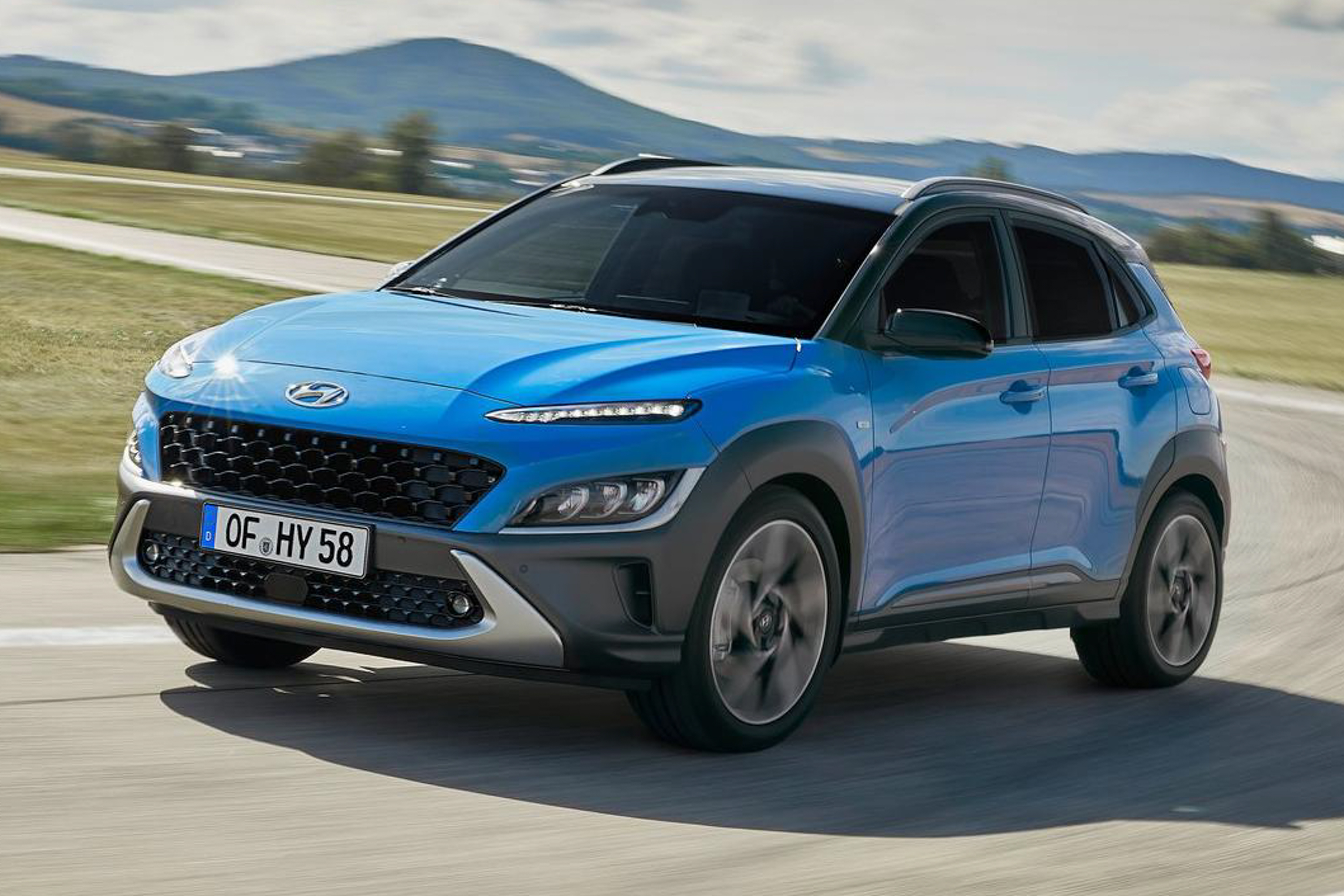
 Segment
 Body Type
 Capacity(L)
 Engine Power(PS)
 Transmission
 Driven Wheels
In recent years, the small SUV market has been consistently booming. Consumers not only want the off-road capability and flexible space of an SUV but also value the convenience of a compact body for urban commuting. The 2021 Hyundai Kona 2.0 Active has become a popular choice in this segment. As a main configuration version of the Kona series, it has garnered the attention of many family users with its balanced features, reliable powertrain, and solid warranty policy. In this review, we will focus on evaluating whether its static experience meets family needs, whether its dynamic performance balances comfort and practicality, and whether its feature advantages truly stand out in the same class.
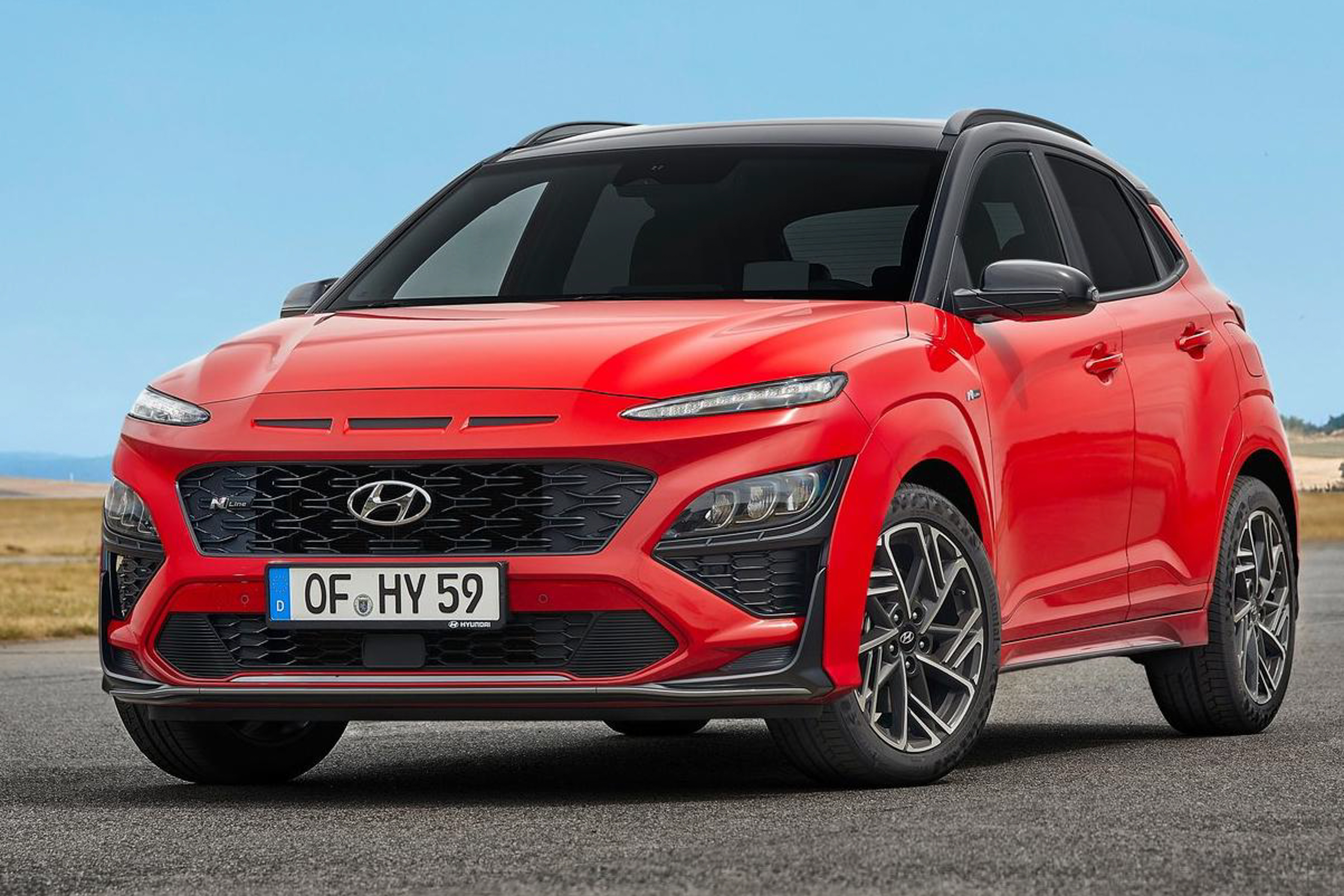
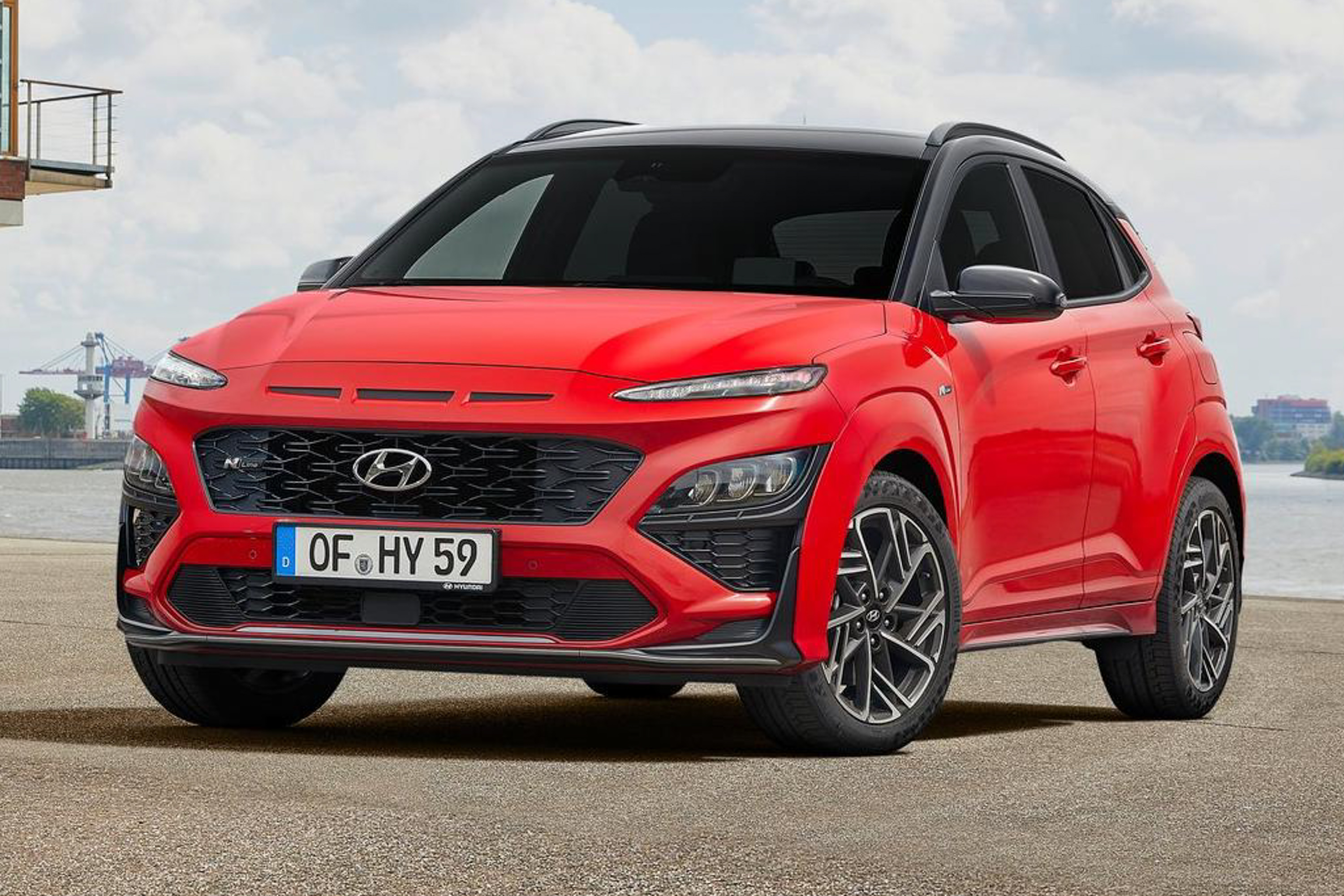
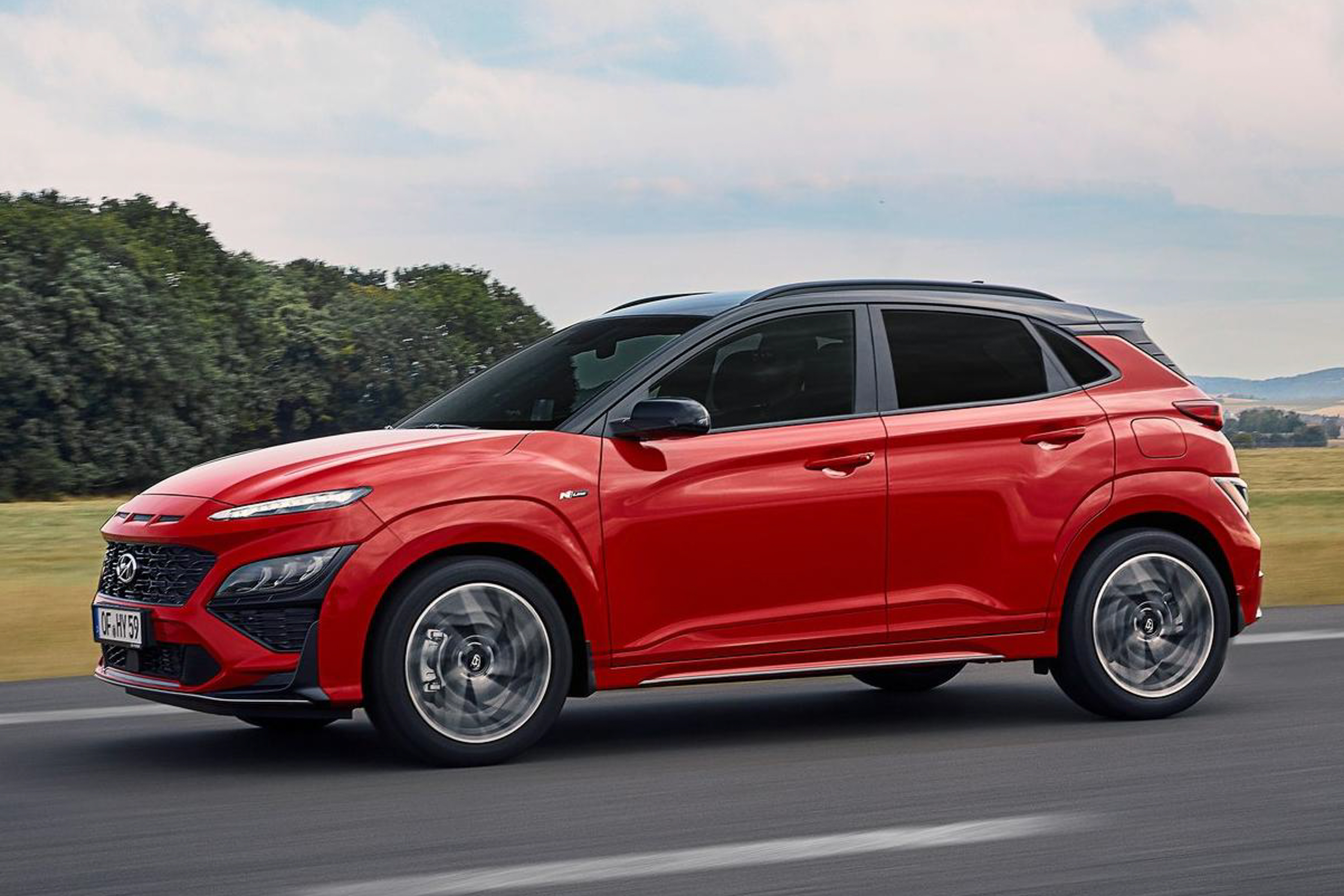
In terms of exterior design, the 2021 Kona 2.0 Active retains the consistent stylishness of Korean cars, with compact and dynamic overall lines. The front features a large blacked-out grille, paired with sharp LED headlamps on both sides. The daytime running lights have a distinctive split design, making it highly recognizable. The waistline on the side of the body extends from the front fender to the rear, complemented by 18-inch multi-spoke wheels, ensuring that the 4205mm body length doesn’t look bulky. At the rear, the LED taillights echo the design of the headlights, while the silver skid plate below the rear bumper adds a touch of off-road flair. The overall design is youthful but not overly flashy, catering to the aesthetic preferences of most family users.
Sitting inside, the interior primarily adopts a black color scheme. The dashboard is wrapped in soft-touch materials, accented by silver trim, which places it in the upper-middle tier in terms of texture within its class. The 8-inch touchscreen sits on top of the dashboard, with a clear interface and smooth operation. It supports the Sound Plus function and a 6-speaker system, making it convenient for everyday music or navigation use. The instrument cluster consists of a 10.25-inch TFT LCD display, showing information like fuel consumption, speed, and the status of driver assistance systems. Together with the HUD head-up display, drivers can access crucial data without looking down, enhancing driving safety. In terms of features, the front seats come with single-zone automatic air conditioning, a 220V/230V power outlet, an 8-way electrically adjustable driver’s seat, and a manually adjustable passenger seat. The rear seats can fold down in a 60:40 split, incorporating both practicality and comfort into its design.
In terms of space, the Kona 2.0 Active has a wheelbase of 2600mm. The front row offers approximately a fist and two fingers of headroom, with sufficient legroom, ensuring that passengers with a height of 175 cm won’t feel cramped. The rear space is average, with about a fist of legroom and headroom measuring roughly a fist, making it adequate for daily short trips with the family. However, space may feel slightly tight for long-distance journeys. The trunk capacity is 361L, which is sufficient to store two 20-inch suitcases. Folding down the rear seats can further expand the storage space, making it suitable for occasionally transporting larger items. Additionally, there are multiple storage compartments inside the car, such as door pockets in the front and rear, and a central armrest compartment, making it convenient to store phones, water bottles, and other small items.
In terms of performance, the Kona 2.0 Active is equipped with a 2.0L naturally aspirated engine, delivering a maximum horsepower of 149PS and peak torque at 4500rpm, paired with a CVT transmission. The power response during start-up is smooth and free of noticeable lag. For daily urban driving, the throttle pedal is tuned to be lightweight, acceleration is linear, and when speeding up, the CVT simulates gear shifts. The power output is sufficient to handle most driving conditions. However, during high-speed overtaking, the power reserves feel slightly inadequate. Driving modes include Economy, Normal, and Sport. In Sport mode, throttle sensitivity increases, and the engine revs are maintained at higher levels, improving power performance slightly.
The handling and chassis performance are moderate, with precise steering and minimal dead zone, making daily driving very agile. The suspension system is tuned for comfort, filtering out most small bumps on the road. When going over speed bumps, the vibration is not overly harsh, maintaining good ride comfort. Body roll in corners is slightly noticeable but within controllable limits, with overall stability being decent. In terms of braking, both front and rear use ventilated disc brakes, offering responsive braking and linear braking force that inspires confidence. For fuel consumption, the official combined fuel consumption is 9L/100km. In actual tests, urban fuel consumption is about 10.5L/100km, and highway consumption is about 7.8L/100km, which aligns with the normal level for a 2.0L SUV.
In terms of driving and riding comfort, the seats of the Kona 2.0 Active offer good support with soft padding, making long rides less fatiguing. Noise control inside the car is well-managed; at speeds below 60km/h, tire and engine noise are not noticeable. However, at speeds exceeding 80km/h, wind noise gradually increases, but it does not affect normal conversations. Additionally, features like electronic parking brake, hill-start assist, and keyless entry enhance everyday convenience.
Safety features are one of the highlights of the Kona 2.0 Active. It comes standard with six airbags, ABS, vehicle stability control, blind-spot monitoring, and lane departure warning system. Rear parking sensors and a rearview camera also assist drivers with parking. The vehicle's warranty is 5 years or 300,000 kilometers, which is very competitive in its class, offering consumers additional peace of mind.
Overall, the core strengths of the 2021 Hyundai Kona 2.0 Active lie in its balanced features, comfortable driving experience, and reliable warranty policy. Compared to similar models like the Honda HR-V or Toyota C-HR, its features are more abundant, with standard equipment such as a HUD head-up display, a 10.25-inch instrument panel, and a 220V power outlet, providing better value for money. This car is suitable for families who value practicality and comfort, especially those who need a vehicle for daily commuting and occasional short trips. If you are looking for a well-equipped, worry-free, and durable compact SUV, the Kona 2.0 Active is worth considering.
Hyundai Kona Car Compare

Hyundai Kona Loan Calculator
More Hyundai Reviews
Cars With Similar Price And Features
8
Rank in SUV
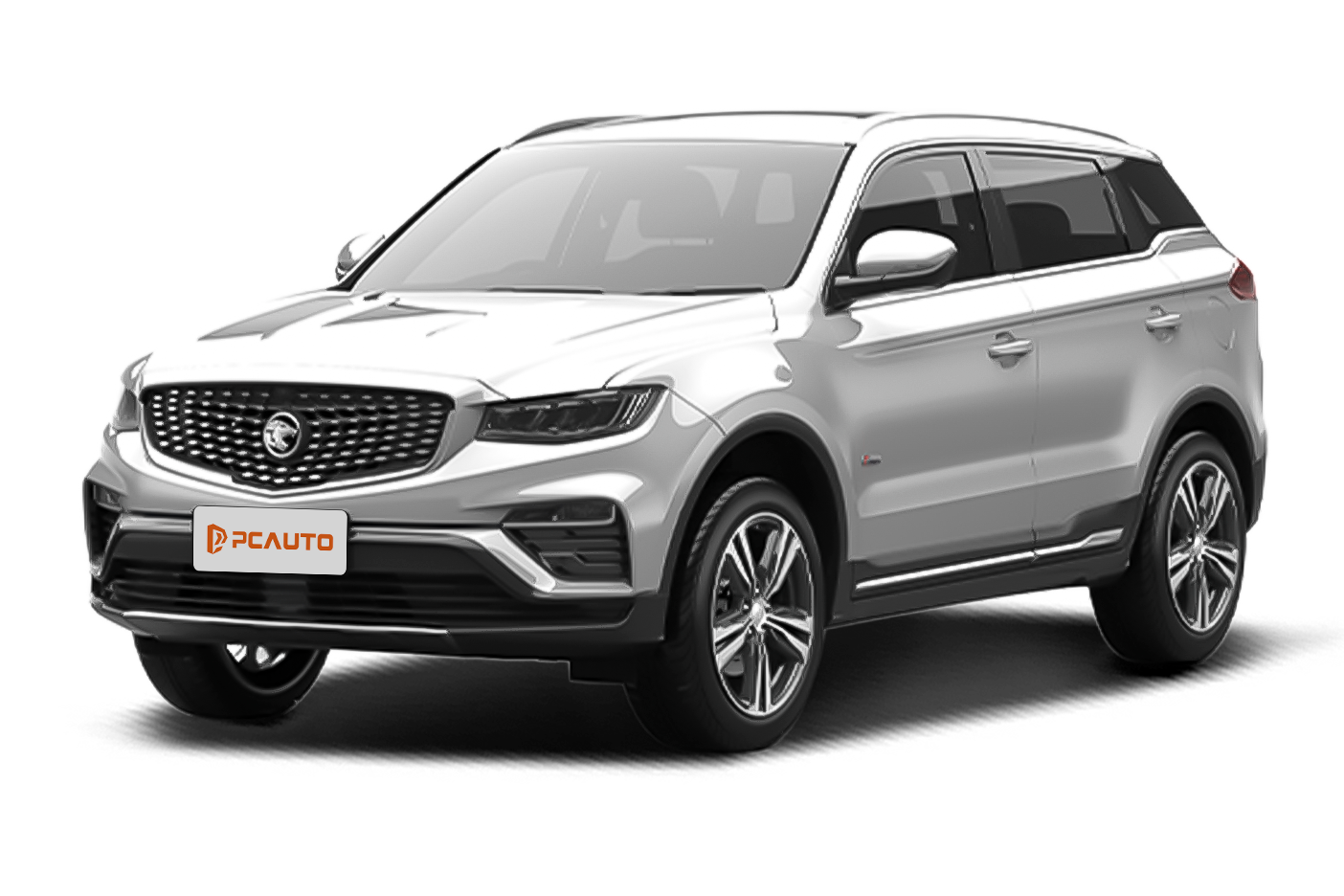
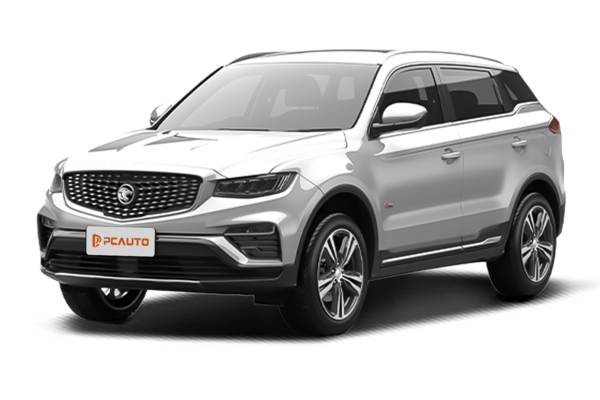
2026 Proton X70 1.5 TGDi Executive focuses on upgrading to a four-cylinder engine, practical configurations, and affordable pricing. It balances family commute practicality with value for money, making it a sensible choice among similarly priced C-segment SUVs.
10
Rank in SUV
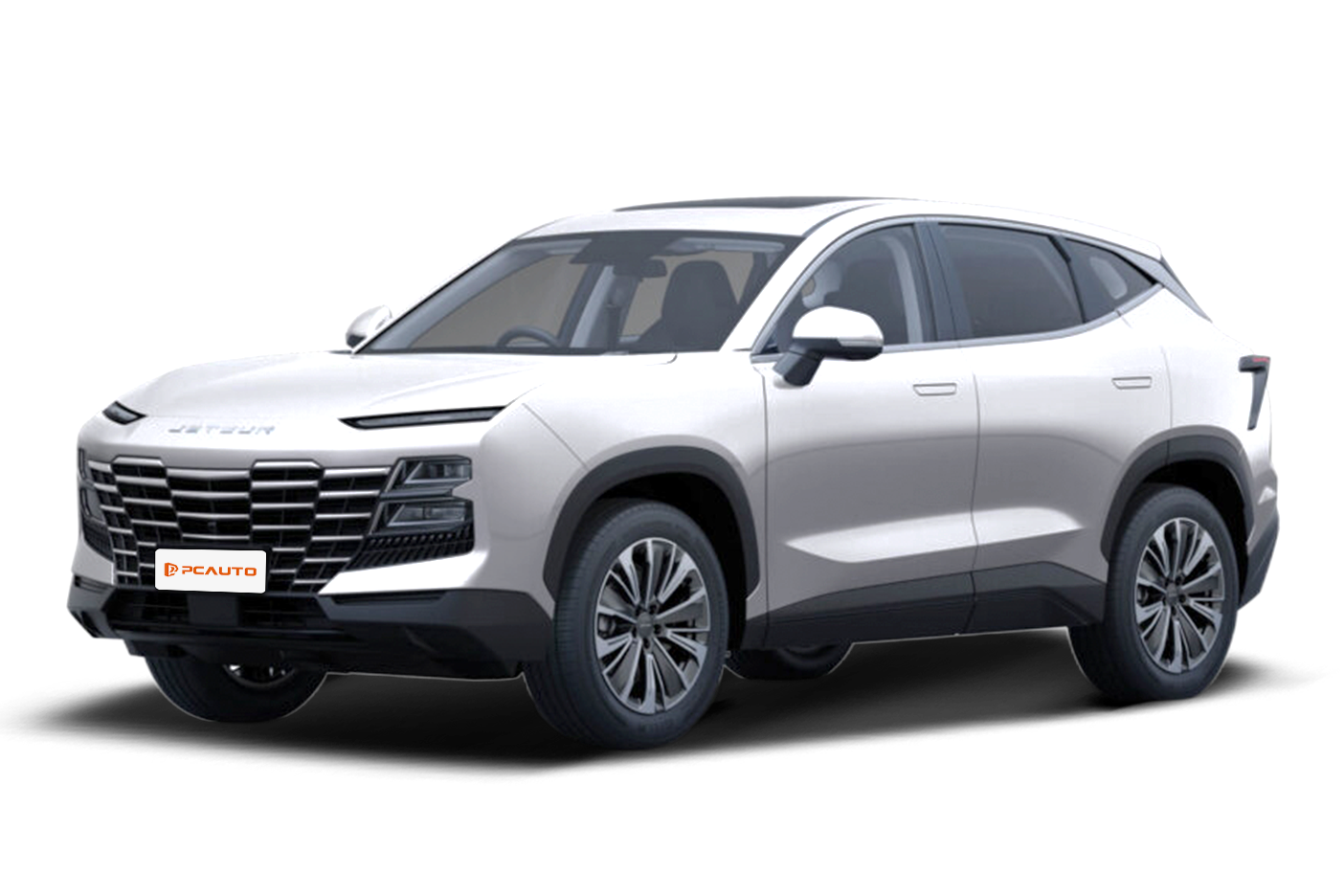
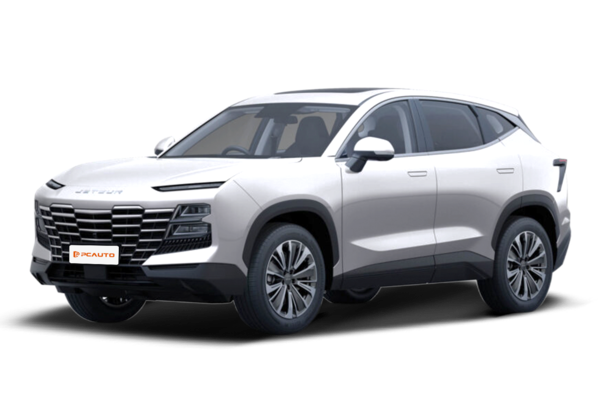
Jetour Dashing 1.5 TCI Comfort 2025 features a 2720mm long wheelbase and a 10.25-inch dual screen as its core, focusing on balanced cost performance to meet family practical needs.
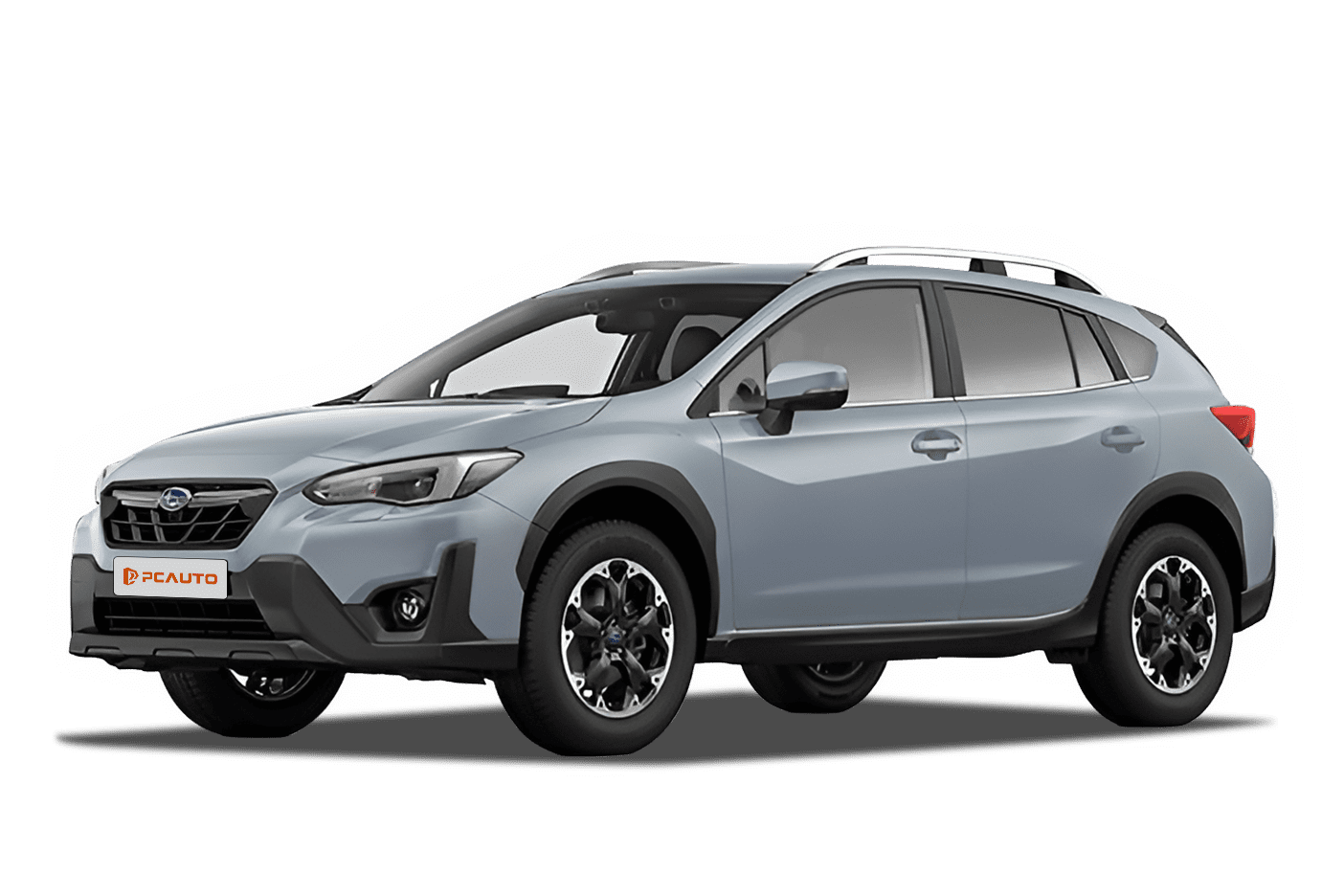
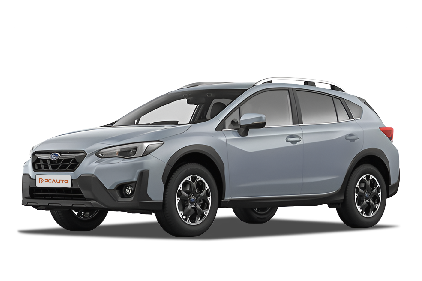
The 2021 Subaru XV 2.0i is a model targeting the C-segment crossover market, equipped with standard all-wheel drive and high safety features, balancing off-road capability and handling, with practical space.
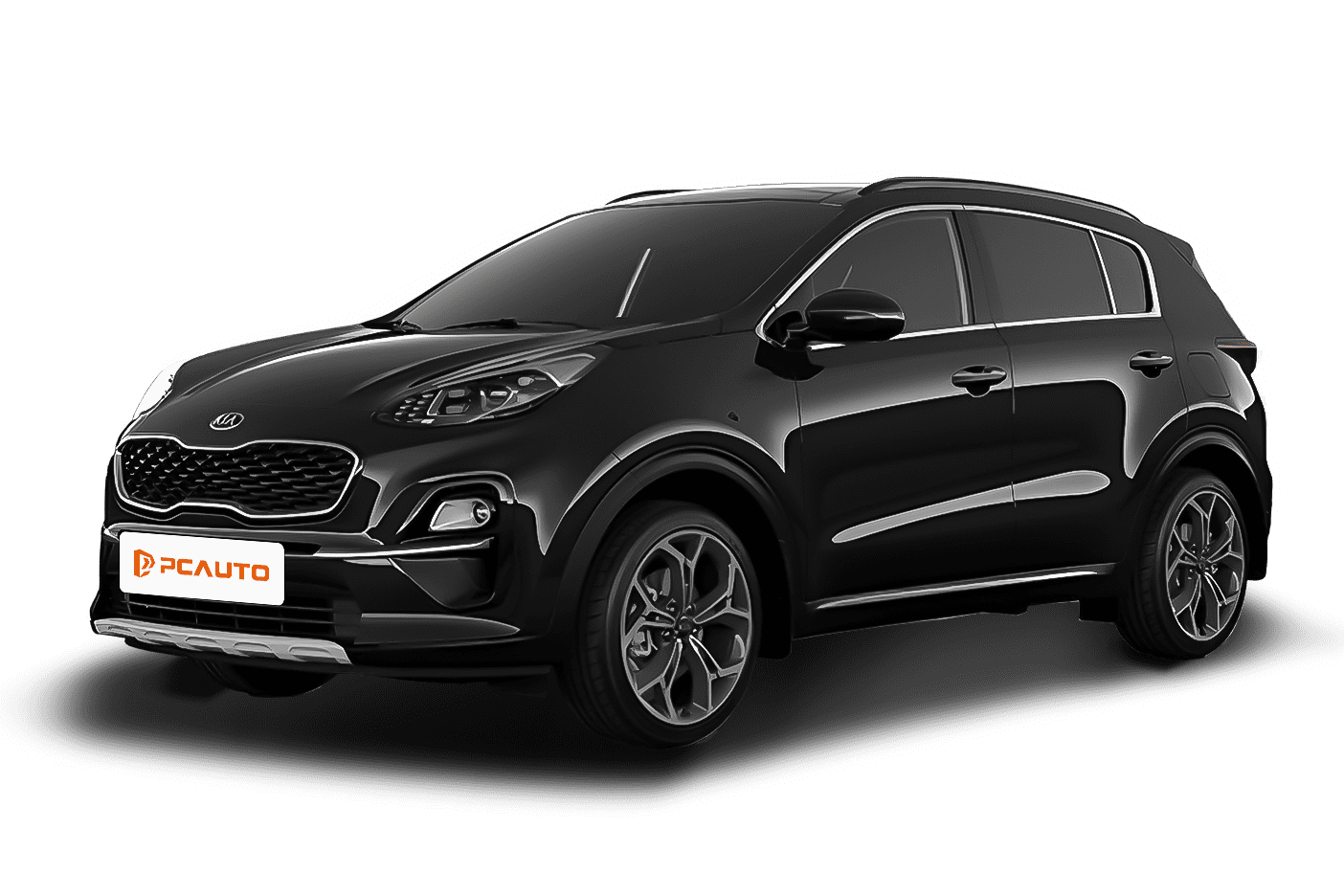
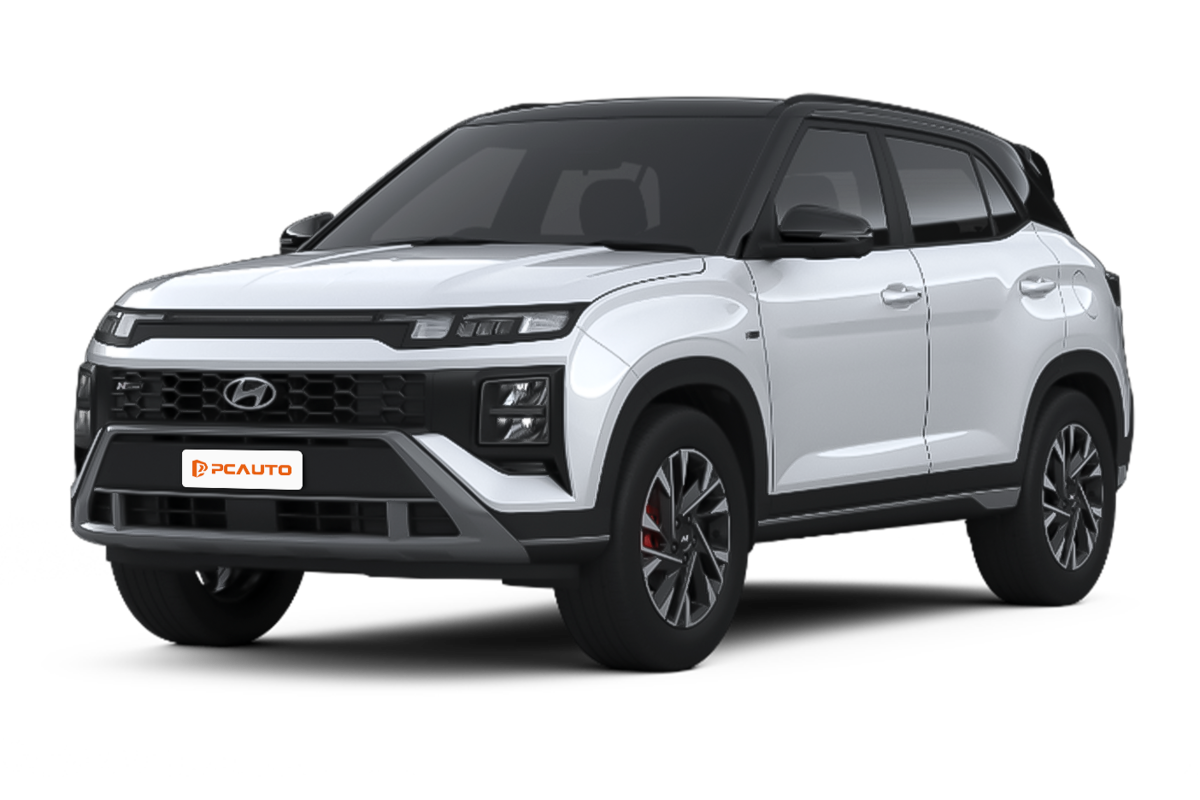
2024 Kia Sportage 2.0G 2WD, as the entry-level fuel version, with avant-garde design, 12.3-inch full LCD instrument panel, practical space, and economical fuel consumption, precisely meets the needs of family and cost-effectiveness-focused users.