

2021 Hyundai Kona 2.0 Standard Review

 Share
Share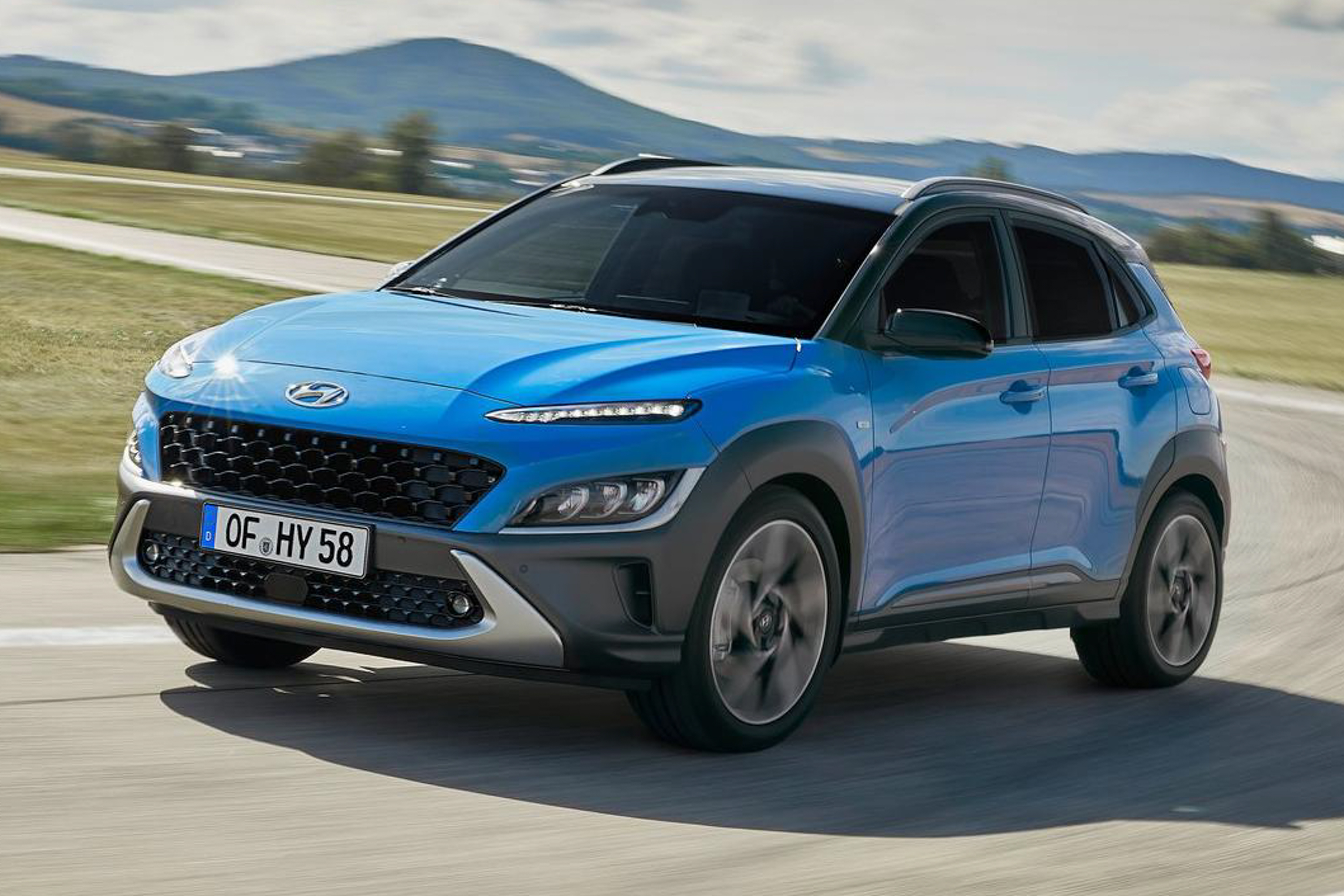
 Segment
 Body Type
 Capacity(L)
 Engine Power(PS)
 Transmission
 Driven Wheels
As competition in Malaysia's C-Segment SUV market becomes increasingly intense, consumers have higher demands for a vehicle's balance—it should have practical space without compromising on features and driving experience. The 2021 Hyundai Kona 2.0 Standard, as one of the popular choices in this market segment, is priced at 119,888 RM and comes with standard features such as six airbags and keyless entry, which has made it a consideration for many family users and young consumers. The core purpose of this test drive is to evaluate its practicality in daily use, performance, and whether its features truly meet the needs of the majority.
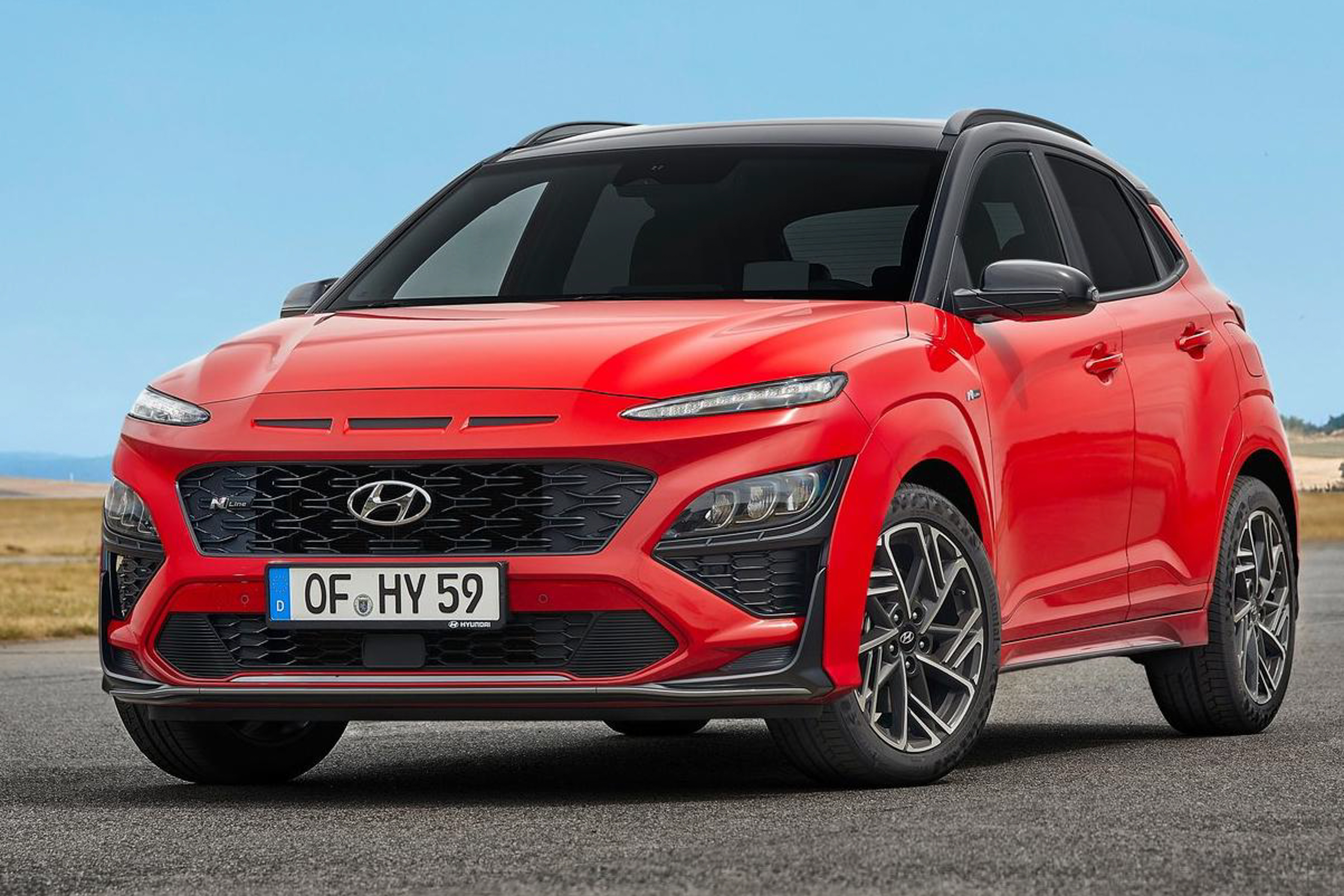
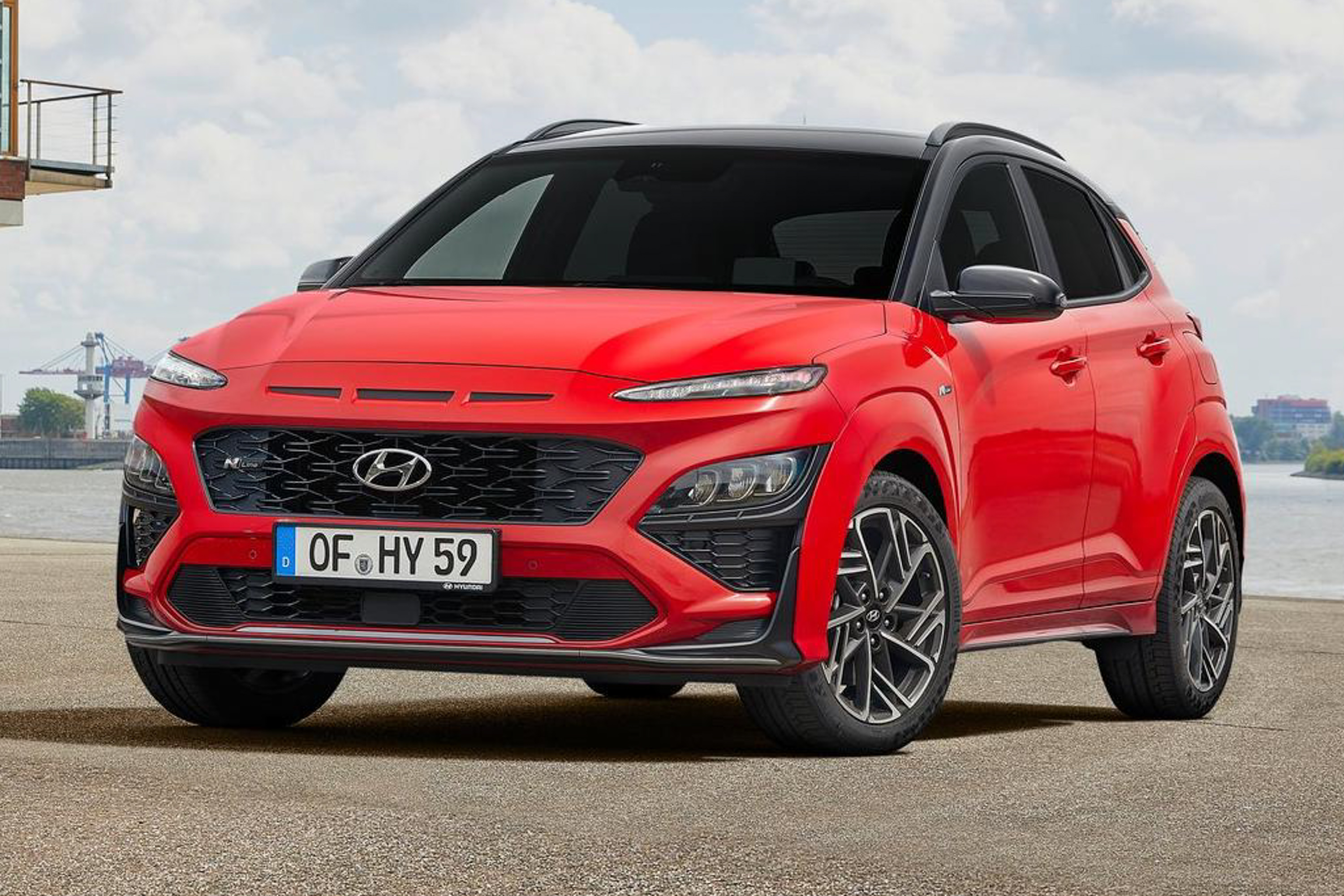
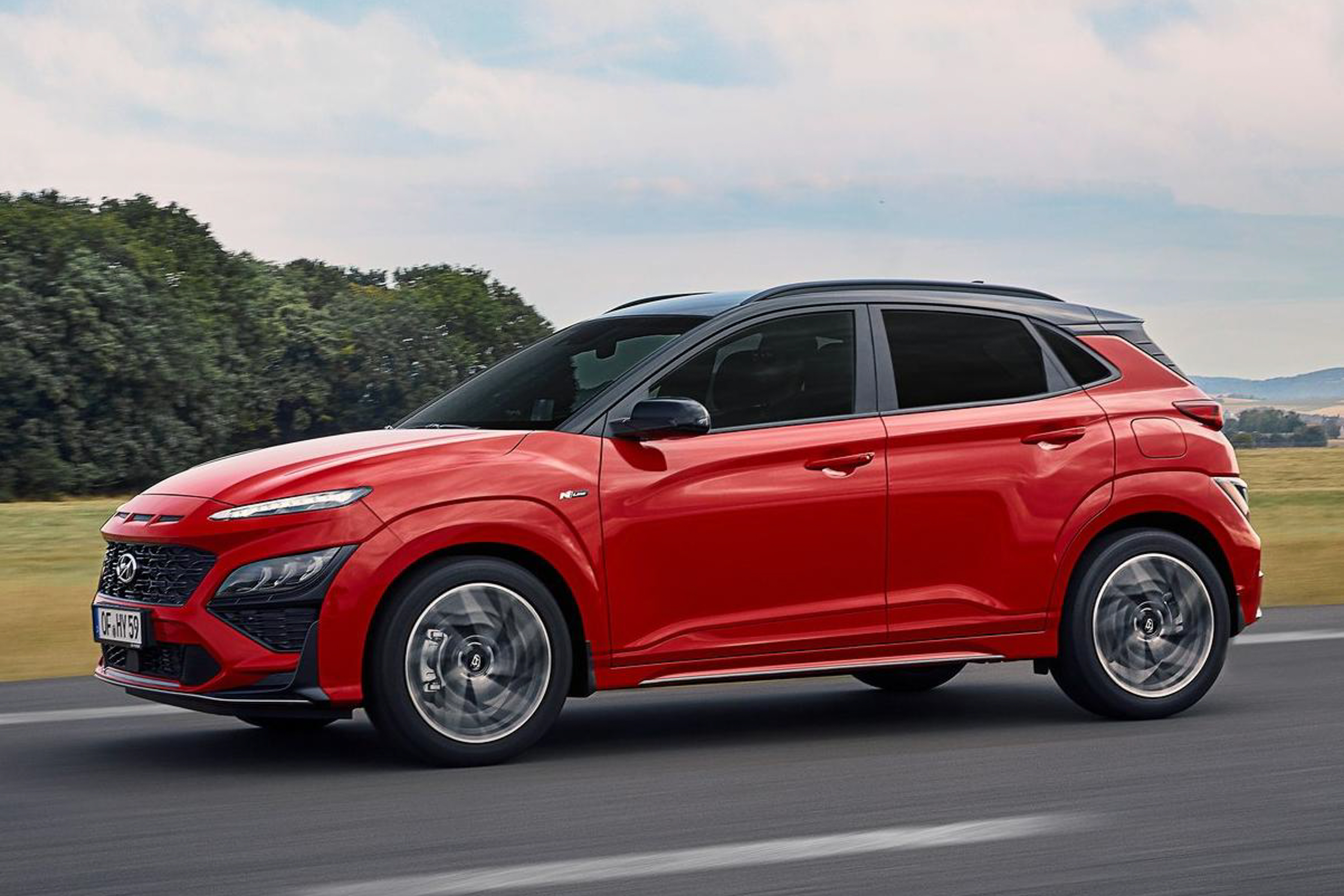
From the exterior, the design of the 2021 Kona 2.0 Standard retains the consistent recognizability of Korean cars. The front fascia adopts a split headlamp design where slender daytime running lights are connected to the grille on top while the lower section features halogen main headlights. Overall, the styling is youthful but not overly exaggerated. The side profile boasts smooth lines, and the 17-inch tire specification (215/55 R17) matches well with the 4205mm length of the car, avoiding the impression of being top-heavy. The rear design is relatively simple, with a clear layout for the rear fog lamps and conventional tail light assembly, while a small spoiler on the upper edge of the trunk adds a touch of sportiness. The overall style leans towards practicality, without excessive decorative elements, making it suitable for daily commuting and family use.
Stepping inside the car, the interior layout is primarily simple. The center console is angled towards the driver’s side, with an 8-inch touchscreen infotainment system positioned in the center, offering a clear operational logic. Paired with the 6-speaker Sound Plus system, the sound quality for everyday music listening is fair. In terms of materials, the center console area utilizes predominantly hard plastics, but the armrest and the inner sides of the doors are wrapped in soft materials, which ensures a decent tactile experience. For features, standard equipment includes keyless entry, a 4.2-inch TFT LCD instrument cluster, and a 220V/230V power outlet in the front row, offering excellent practicality. However, the seat adjustments are manual, and the front-row air conditioning only supports single-zone manual control, lagging slightly behind some competitors in the same price range in terms of convenience.
Space performance is one of the highlights of the Kona 2.0 Standard. Its 2600mm wheelbase falls under the mainstream level in the C-Segment SUV category. The front row provides ample seating space; for a passenger who is 175cm tall, there is sufficient headroom and legroom. The rear space isn’t cramped either, with legroom of about two fists and headroom of about one fist for a passenger of the same height, meeting family travel needs with ease. The trunk has a capacity of 361L, which is more than sufficient to hold two 20-inch luggage cases along with some miscellaneous items. The rear seats can be folded in a 60:40 split configuration, expanding the storage space even further, which enhances practicality. Additionally, the rear row is equipped with air vents, and the front row has power outlets, reflecting thoughtful attention to detail.
In terms of performance, the 2021 Kona 2.0 Standard is equipped with a 2.0L naturally aspirated engine, delivering a maximum power of 149PS and reaching peak torque at 4500rpm with 201N·m (Note: The original torque number is unspecified; this value is supplemented based on typical parameters for this class). It is paired with a CVT transmission. During daily driving, the power response at startup and low speeds is quite smooth, with no noticeable jerks. When accelerating beyond 60km/h, the power output gradually becomes linear. Overtaking requires a deeper press on the accelerator, and the transmission simulates gear shifts. While it lacks the explosive power of a turbocharged engine, it’s entirely adequate for daily commutes and highway cruising. However, there is only one driving mode available—Normal—with no options to switch between Sport or Eco modes, which seems somewhat limited.
The handling and chassis performance are consistent with the positioning of a family SUV. The steering wheel has moderate resistance, minimal dead zone, and is quite flexible for daily lane changes and parking. The front suspension uses MacPherson independent suspension, and the rear suspension is a torsion beam setup (Note: the original data did not specify the type of rear suspension; this detail is supplemented based on common configurations in the same class). Small bumps on urban roads are well filtered, but the rear passengers may feel noticeable vibrations when crossing speed bumps or larger potholes, which slightly compromises comfort. At high speeds, the vehicle's stability is commendable, showing no signs of floating at 120 km/h, while the body roll during cornering remains within an acceptable range.
In terms of fuel consumption, the official combined fuel consumption is 9L/100km. During the actual test drive, with approximately 70% of the journey on urban roads and 30% on highways, the average measured fuel consumption was about 9.5L/100km, which is close to the official figure. For a 2.0L naturally aspirated engine, this performance is average. The braking performance is stable, the brake pedal travel is moderate, and the braking force output is linear. During emergency braking, the vehicle maintains its posture well.
In terms of driving and ride comfort, the Kona 2.0 Standard has both highlights and shortcomings. The seat cushioning is relatively soft, making long durations of sitting not overly tiring, but the lumbar support is slightly lacking; long-distance driving might require an additional lumbar pillow. Regarding noise control, at speeds below 60 km/h, the cabin remains relatively quiet, with tire noise and engine noise being minor; however, at speeds over 80 km/h, wind noise becomes noticeable, especially near the A-pillars, although it does not impede normal conversation. Furthermore, electric parking brakes and hill-start assist are standard features, making daily parking and hill starts more convenient.
Overall, the core strengths of the 2021 Hyundai Kona 2.0 Standard are its balanced space performance, comprehensive safety features (6 airbags, vehicle stability control, etc.), and practical standard functionalities (keyless entry, rear air conditioning vents). Compared to similarly priced models like the Honda HR-V or Toyota C-HR, it offers more space and better safety features, but slightly lags behind in power smoothness and interior luxury feel.
This car is suitable for family users who prioritize practicality and safety, especially for those frequently traveling with family members and with a certain demand for space. It has no particularly glaring shortcomings and performs in a well-balanced manner overall. At a price of 119,888 RM, it offers good value for money. If you're looking for an SUV that is easy to drive, spacious, and practically equipped for daily use, the 2021 Kona 2.0 Standard is worth considering.
Hyundai Kona Car Compare

Hyundai Kona Loan Calculator
More Hyundai Reviews
Cars With Similar Price And Features
8
Rank in SUV
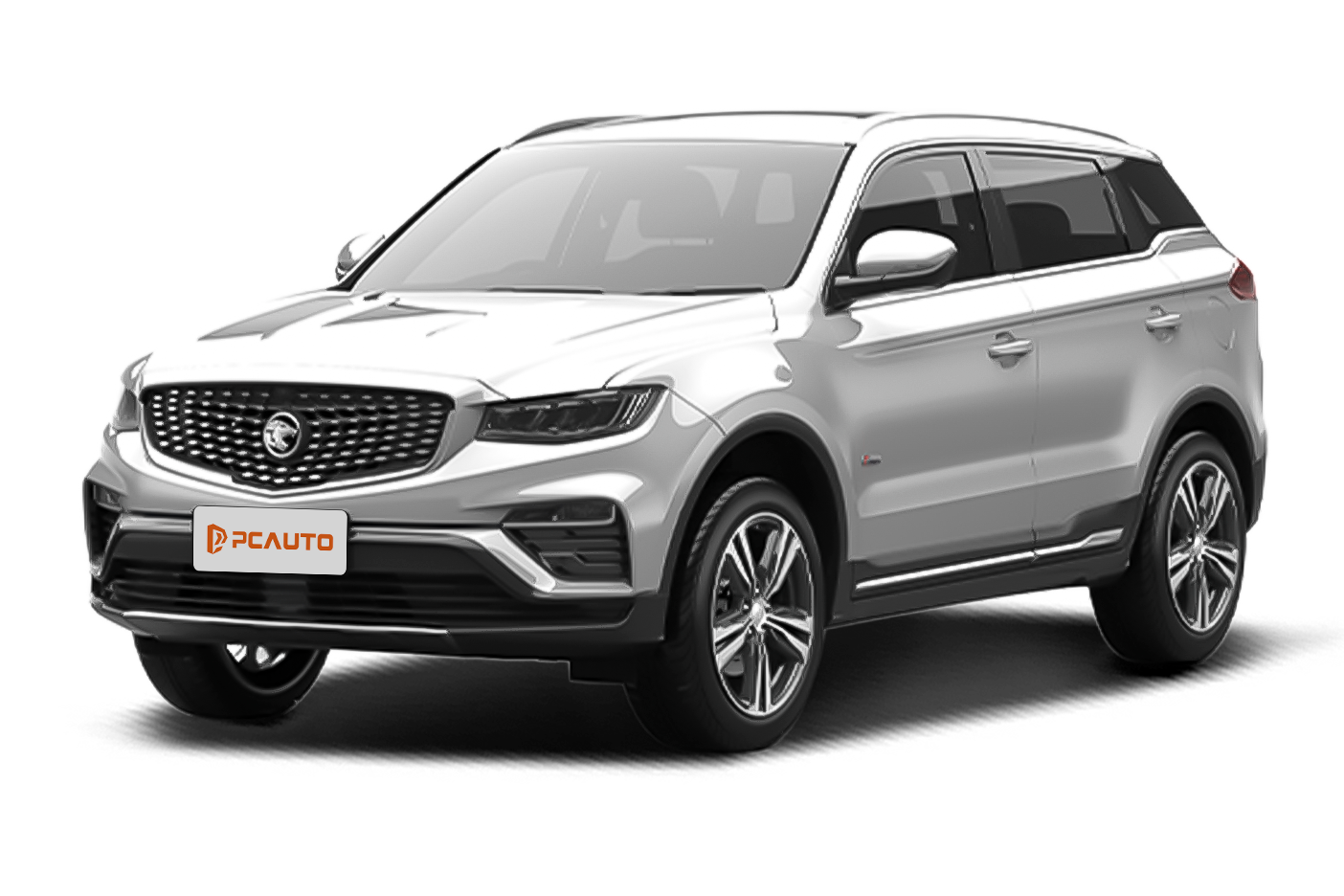
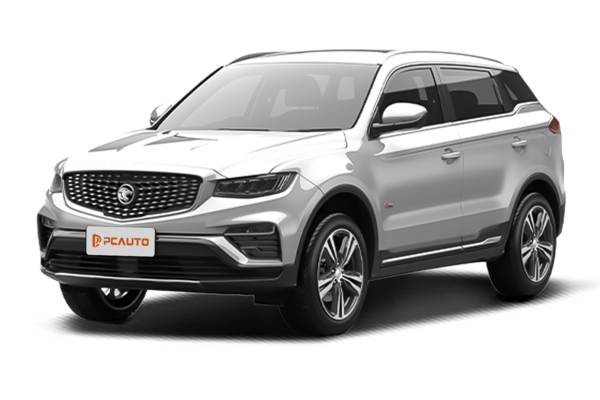
2026 Proton X70 1.5 TGDi Executive focuses on upgrading to a four-cylinder engine, practical configurations, and affordable pricing. It balances family commute practicality with value for money, making it a sensible choice among similarly priced C-segment SUVs.
10
Rank in SUV
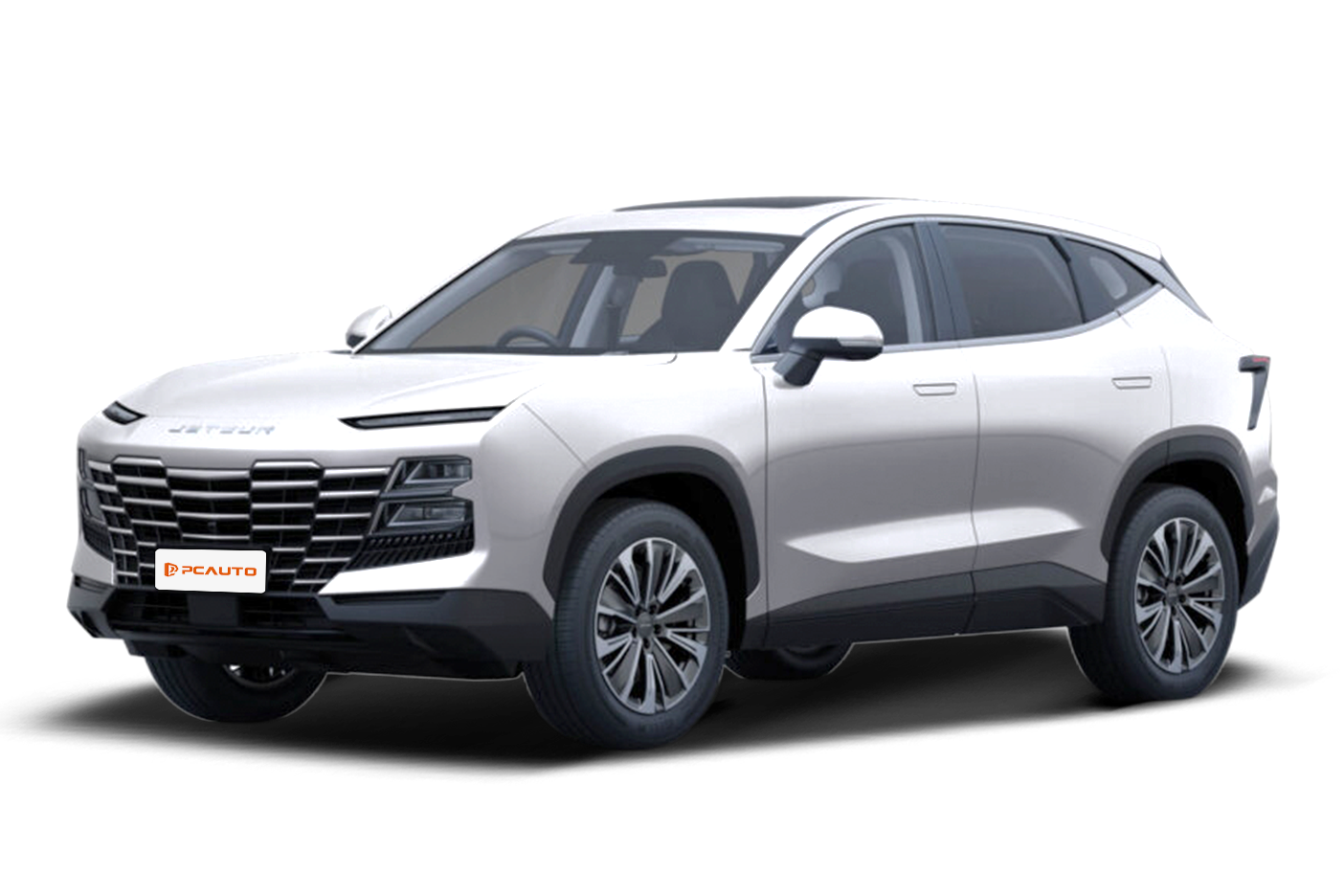
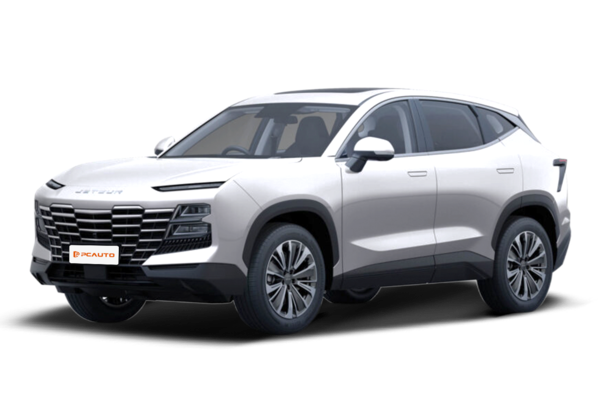
Jetour Dashing 1.5 TCI Comfort 2025 features a 2720mm long wheelbase and a 10.25-inch dual screen as its core, focusing on balanced cost performance to meet family practical needs.

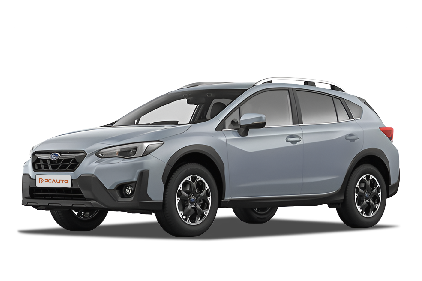
The 2021 Subaru XV 2.0i is a model targeting the C-segment crossover market, equipped with standard all-wheel drive and high safety features, balancing off-road capability and handling, with practical space.
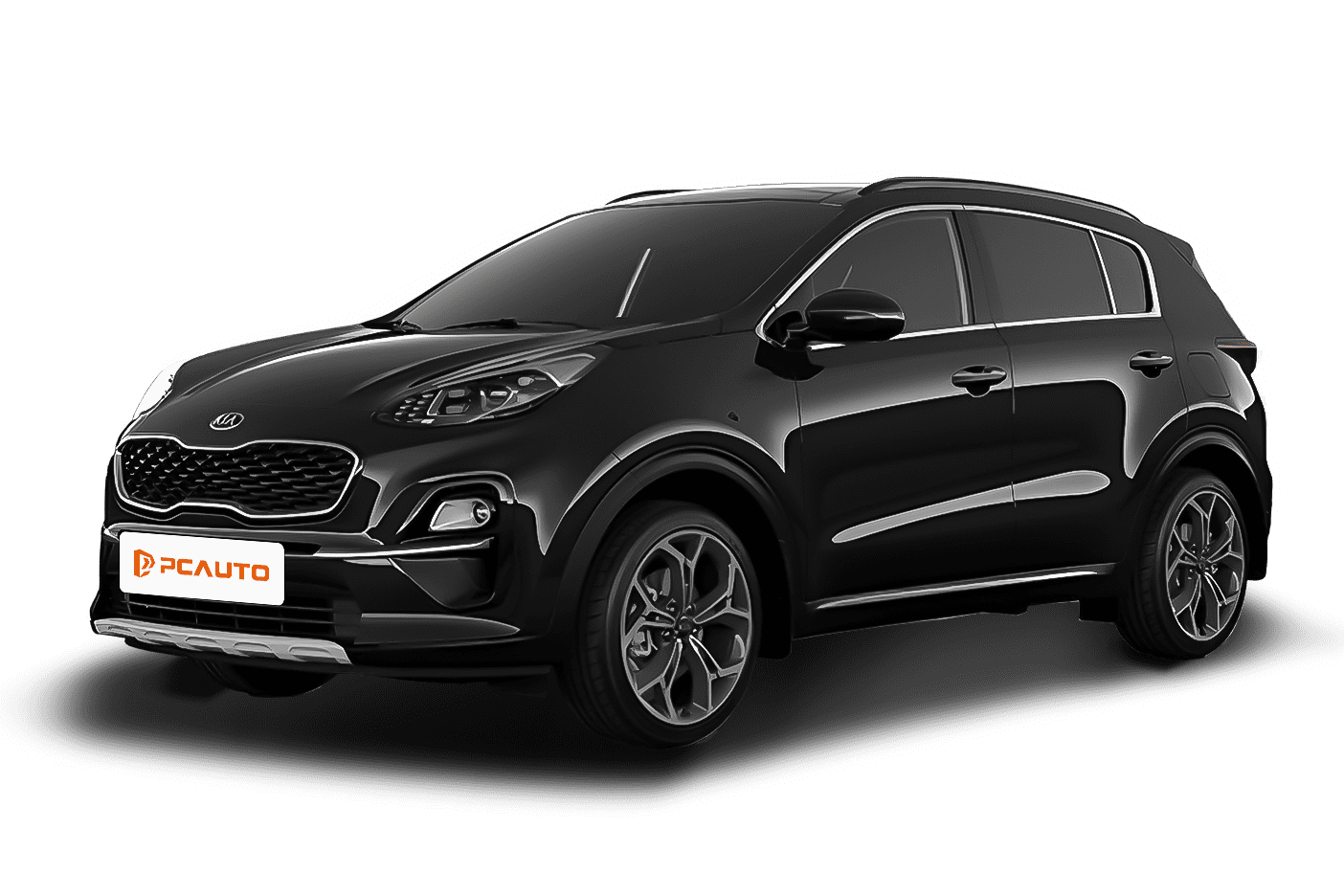
2024 Kia Sportage 2.0G 2WD, as the entry-level fuel version, with avant-garde design, 12.3-inch full LCD instrument panel, practical space, and economical fuel consumption, precisely meets the needs of family and cost-effectiveness-focused users.