

2021 Mercedes-Benz GLA 250 AMG Line Review

 Share
Share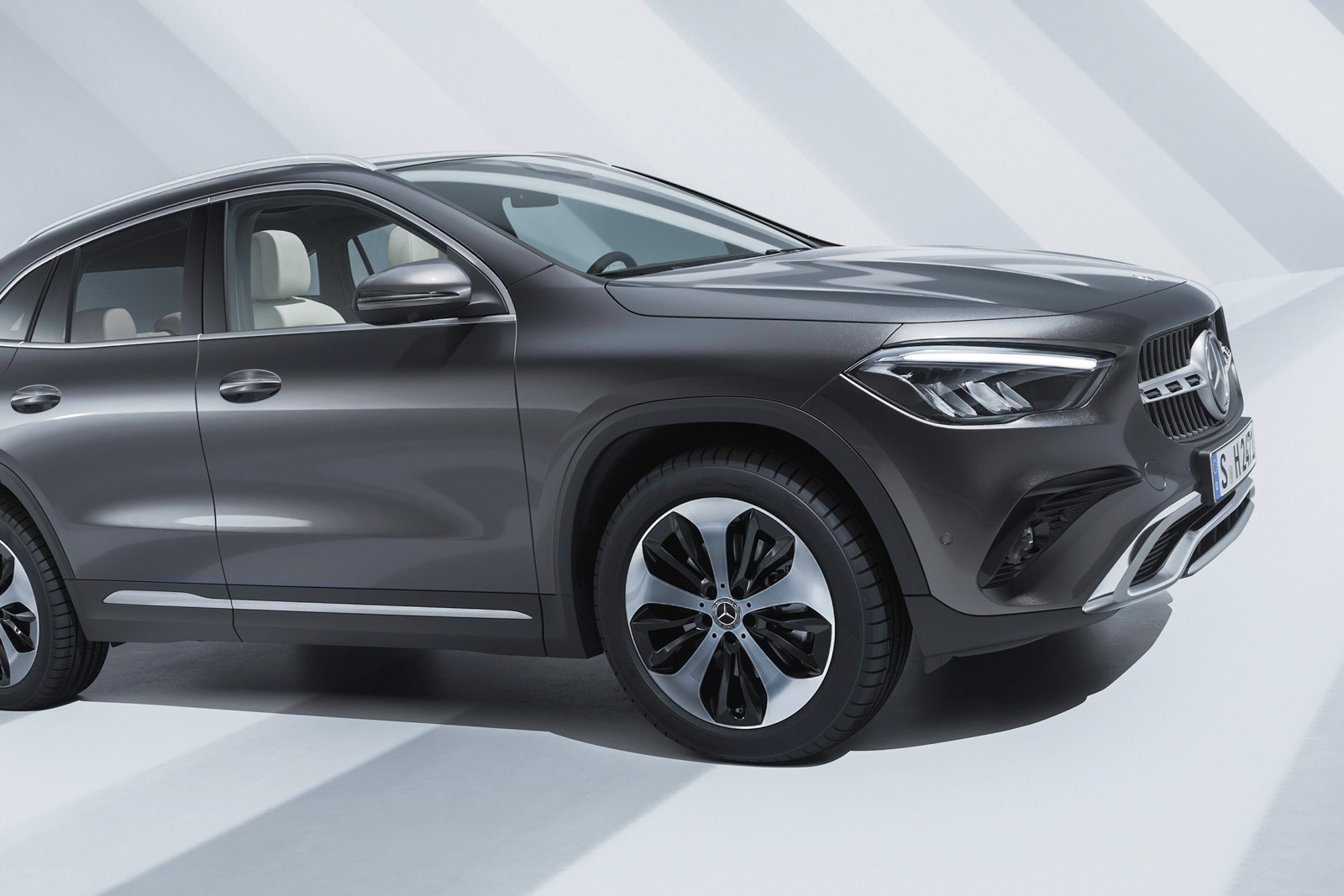
 Segment
 Body Type
 Capacity(L)
 Engine Power(PS)
 Transmission
 Driven Wheels
In recent years, the compact luxury SUV market has been gaining continuous popularity. Consumers want both brand prestige and practical space with value-for-money features — the 2021 Mercedes-Benz GLA 250 AMG Line is precisely a model targeted at this niche demand. As a mid-to-high configuration version of the GLA series, it not only features the visual tension of the AMG sporty package but also offers targeted upgrades in power and intelligent configurations. In this test drive, we focus on three core aspects: whether its luxury feel is sufficiently “Mercedes-like”, how the 2.0T engine performs in city and highway driving, and whether its space truly meets the needs of family users.
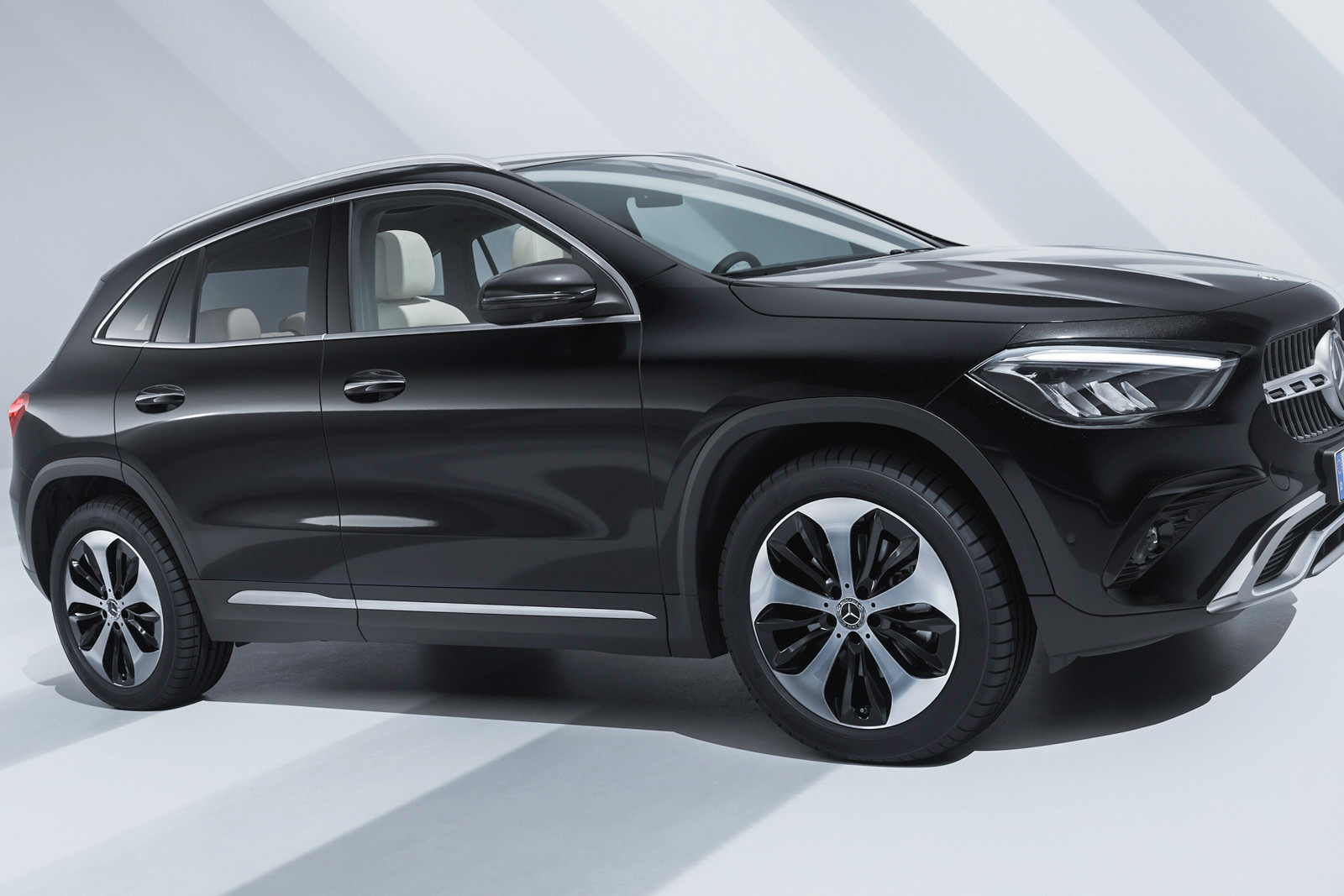
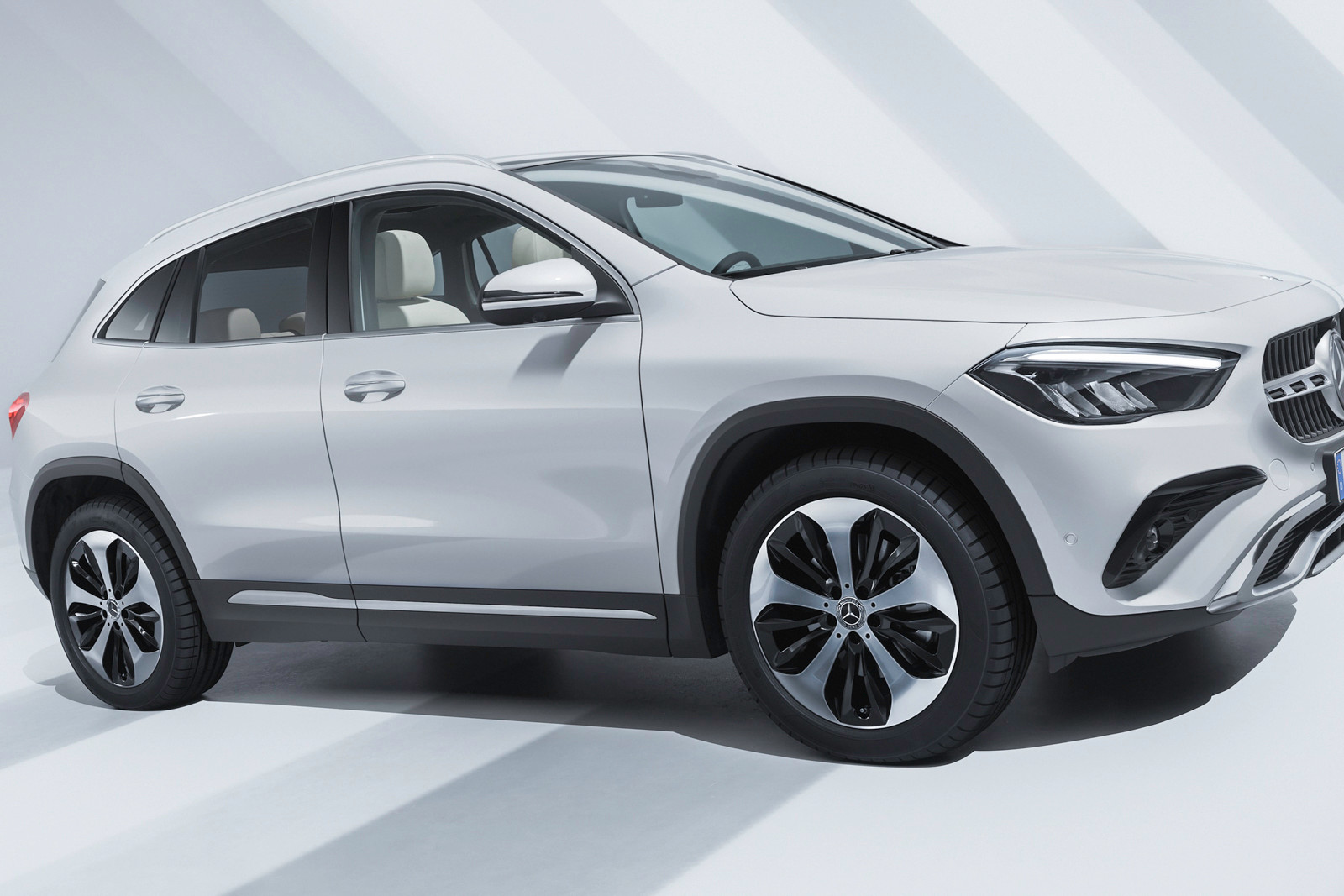
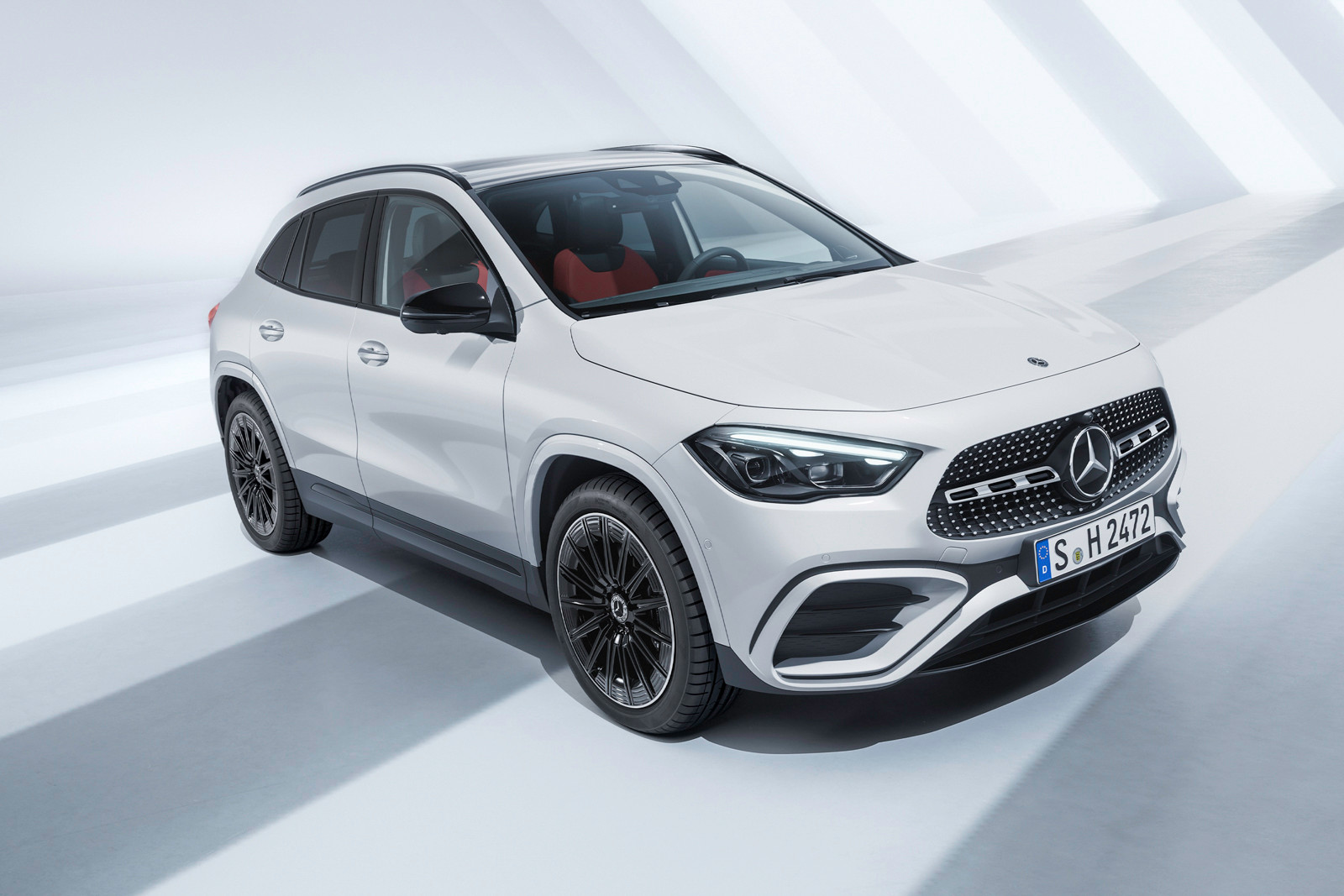
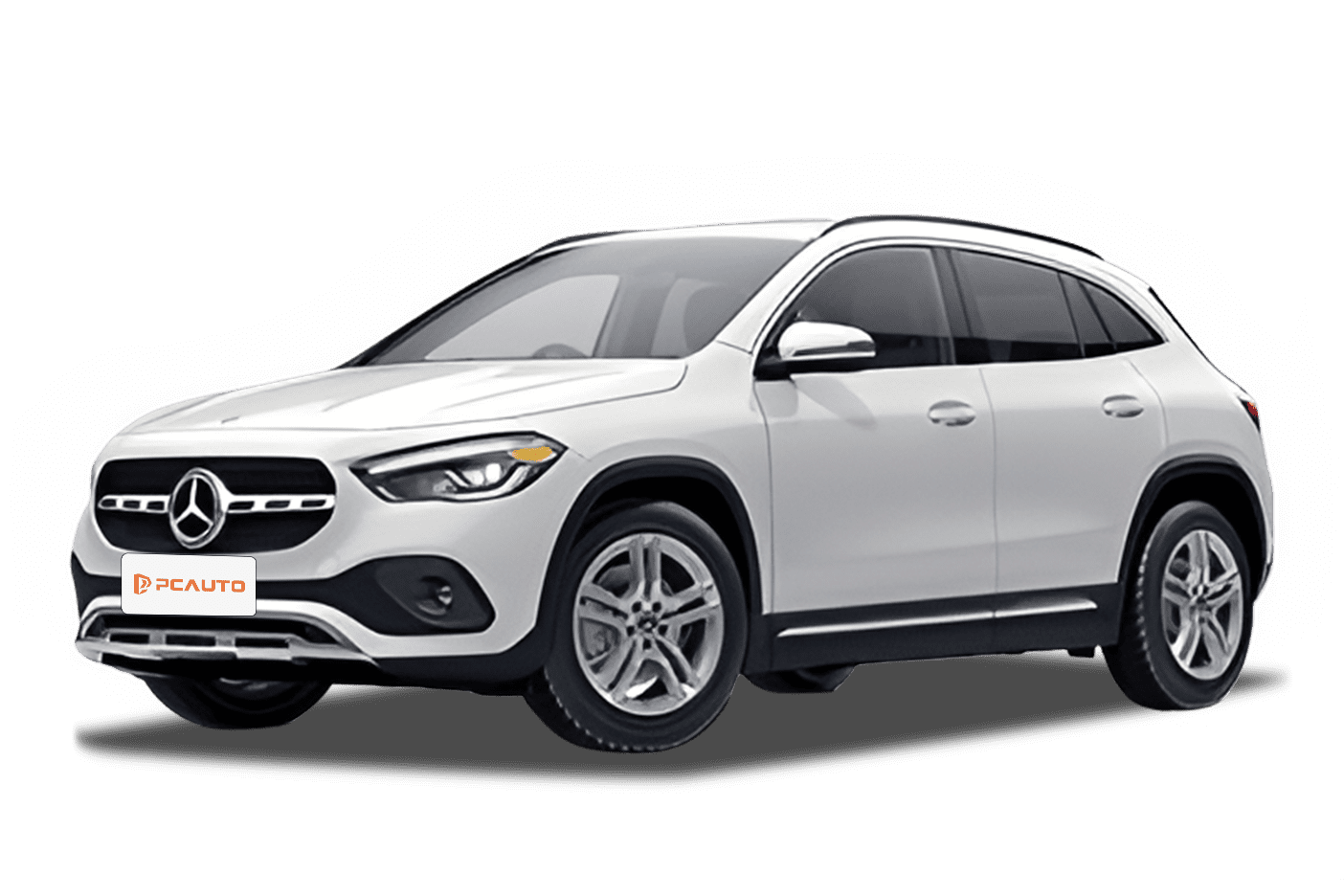
The first impression of the GLA 250 AMG Line is its sporty exterior tuning. The front grille features Mercedes-Benz's signature star-pattern design, paired with AMG-exclusive silver front lip and side air inlets with smoked finishes, making it more aggressive compared to the standard version. The body lines are compact and smooth, with a length of 4410mm and a width of 1834mm, keeping the flexibility of a compact SUV while ensuring headroom through its height of 1611mm. The 19-inch multi-spoke alloy wheels come standard, and the 235/45 R19 tire specifications visually fill the wheel arches perfectly, enhancing the sporty stance. The rear design is simple, with smoked LED taillights echoing the dual chrome exhaust tips on both sides. The diffuser decoration on the rear bumper continues the sporty sense of the AMG package. The lighting system features full LED as standard, with automatic headlights and daytime running lights that prove convenient in daily use. The response time during evening switches is also very prompt.
Opening the car door, the sense of luxury in the interior comes mainly from the detailed materials and functional layout. The dashboard is covered with soft-touch materials, accented with silver trim, offering a delicate texture. The 10.25-inch full LCD instrument cluster and the 10.25-inch touchscreen central control panel form a dual-screen setup, which has been a family design of Mercedes-Benz in recent years. The screen resolution is clear, and the operation logic is intuitive — offering touch, steering wheel buttons, and voice control as three interaction methods, making switching options like navigation or air conditioning adjustments very handy. The seating configuration is a highlight: the front driver and passenger seats are power-adjustable with memory functions, and the leather-wrapped seats provide decent support, with lumbar adjustment effectively relieving fatigue during long trips. The rear seats support a 40:20:40 split-folding configuration. With a 2729mm wheelbase, the rear legroom is approximately two fists when seated normally, and the headroom is more than a fist, fully satisfying the needs of a 175cm tall passenger. As for storage space, the front center armrest box has moderate depth, the door panel storage compartments can hold two 500ml bottles of water, and the trunk offers a standard capacity of 435L, expandable to 1430L by folding the rear seats, enough to fit a baby stroller or carry-on suitcase without issues.
Sitting in the driver’s seat, after adjusting the seating position and fastening the seat belt, start the vehicle — the idle noise from the 2.0T turbocharged engine is well controlled, with virtually no noticeable vibrations. In terms of specifications, this engine delivers a maximum horsepower of 224PS and a maximum torque of 350N·m, paired with a 7-speed DCT gearbox, allowing an official 0-100km/h acceleration time of 6.9 seconds. In daily driving, switching to Comfort mode results in a smooth power response during startup, with no turbo lag. Pressing harder on the accelerator above 3000rpm delivers a noticeable push-back effect as the turbo kicks in. The gearbox responds actively during overtakes, and the process from 60km/h to 120km/h acceleration is very linear. Switching to Sport mode increases throttle sensitivity, and the gearbox shifts up later, keeping the engine in a high RPM range, suitable for scenarios requiring rapid acceleration.
In terms of handling, the steering wheel is precise with minimal slack. It is light and effortless at low speeds and automatically stiffens at high speeds, providing clear directionality. The chassis adopts a front MacPherson independent suspension and a rear multi-link independent suspension, tuned towards sporty handling without being overly stiff. When crossing speed bumps, the suspension quickly filters out vibrations with no excessive bouncing from the body. While cornering, body roll is well-controlled, and coupled with the 235mm wide tires' grip, it provides a sense of confidence during fast turns.
In the fuel consumption test, we simulated typical commuting scenarios: about 60 km of urban roads and about 40 km on highways, with the air conditioning on throughout. The final displayed average fuel consumption was 8.8L/100km, which is close to the official figure of 8.6L/100km. For a 2.0T compact SUV, this result is within the expected range. In terms of safety features, 7 airbags, lane change assist, and active braking are all standard. The automatic parking function is very useful for parallel parking, allowing even new drivers to operate it with ease.
Regarding ride comfort, the NVH control is commendable: on urban roads at speeds below 60km/h, tire and wind noise are almost negligible; at 120km/h on highways, most wind noise comes from the A-pillars, but the volume remains acceptable and does not interfere with normal conversations. The seat cushions are moderately firm, keeping the waist and legs from feeling significantly sore even after 1.5 hours of long-distance driving. The air conditioning is a single-zone automatic climate control system, with quick temperature adjustments. Although the rear row lacks independent climate control, the air outlets are well-positioned, ensuring cooling effectiveness for rear passengers.
Overall, the core advantages of the 2021 GLA 250 AMG Line are clear: First, the luxury and sporty exterior that comes with the brand. The AMG package makes it more distinctive in its class. Second, the practical configurations, such as the dual display screens, electric seats, and active safety systems, are all standard. Compared to similarly priced BMW X1 or Audi Q3, it offers more advantages in seat features and safety configurations. Third, there is a balance between power and space—the 2.0T engine meets both urban and highway driving needs, while the extended wheelbase ensures that the rear space can accommodate family usage.
Its target audience is clear: Firstly, young consumers who value brand image and sporty design, as the AMG package and Mercedes-Benz logo meet the demands of social recognition. Secondly, users who need a car for both commuting and family purposes. Its compact size makes city parking easier, while the rear space and trunk capacity are suitable for carrying strollers, shopping bags, and other items. Compared to competitors, its shortcoming could be the single-zone air conditioning (some competitors offer dual-zone), but considering the price and overall features, this minor shortcoming is acceptable.
In summary, the 2021 Mercedes-Benz GLA 250 AMG Line is a compact luxury SUV with "no significant shortcomings," combining the brand's premium appeal with practical space and configurations. Its performance also meets the needs of daily driving as well as occasional spirited driving. If you're looking for a luxury SUV that balances prestige and practicality within a budget of 300,000 Malaysian Ringgit, it is a top choice worth considering.
Mercedes-Benz GLA Car Compare
Mercedes-Benz GLA Loan Calculator
More Mercedes-Benz Reviews
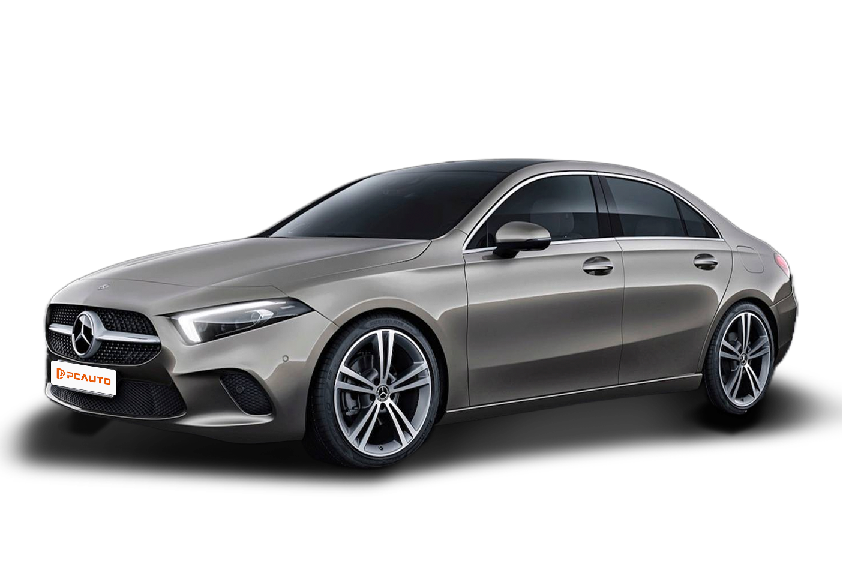
Cars With Similar Price And Features
8
Rank in SUV
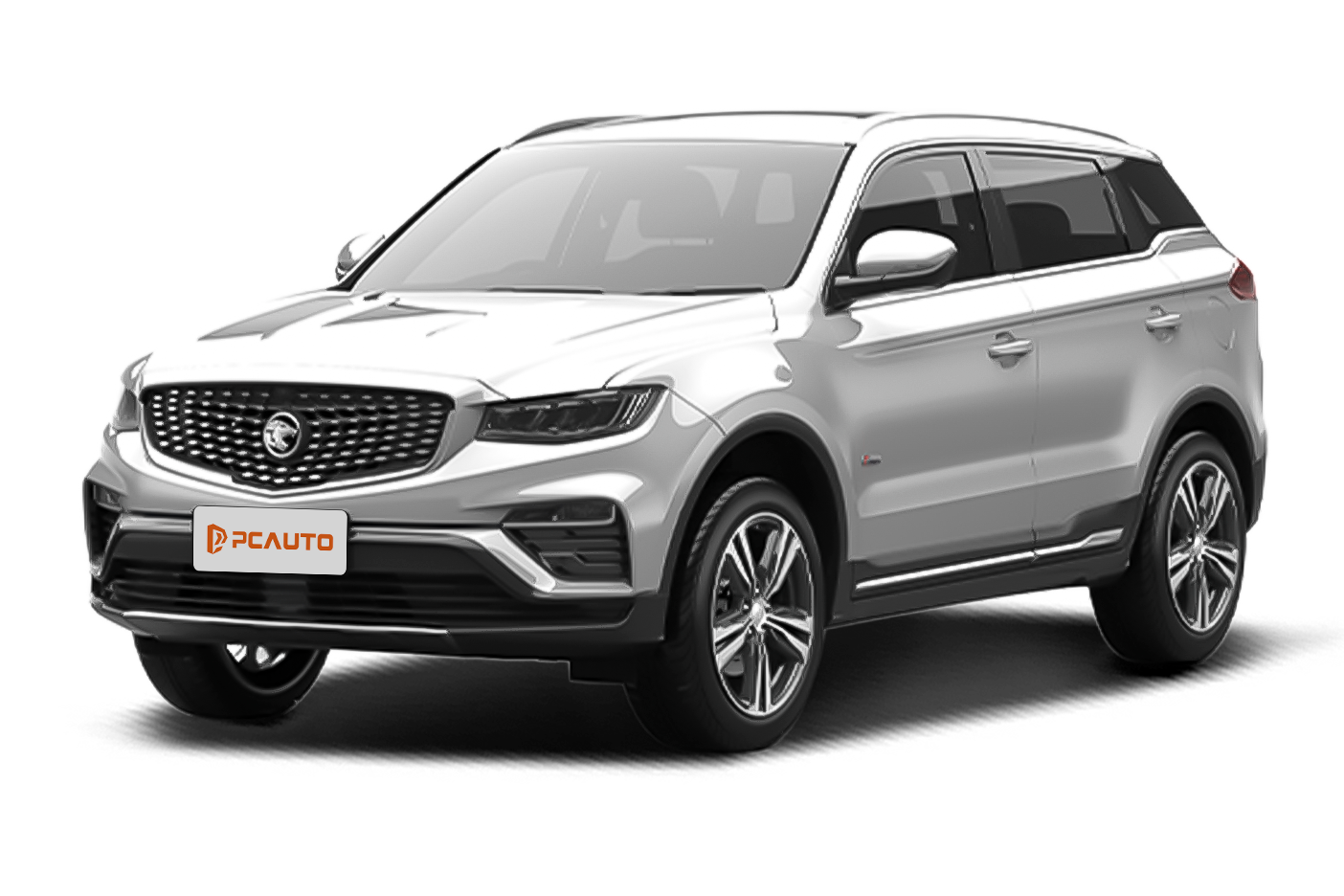
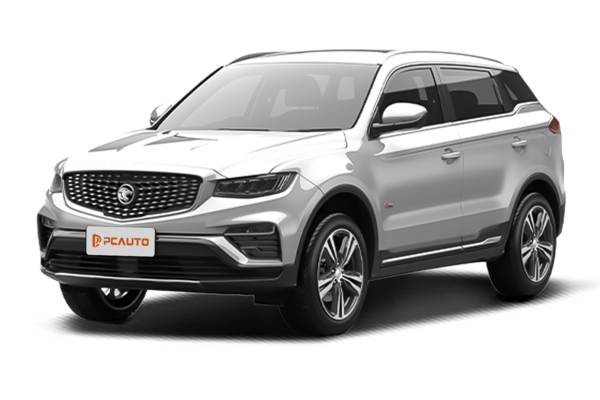
2026 Proton X70 1.5 TGDi Executive focuses on upgrading to a four-cylinder engine, practical configurations, and affordable pricing. It balances family commute practicality with value for money, making it a sensible choice among similarly priced C-segment SUVs.
10
Rank in SUV
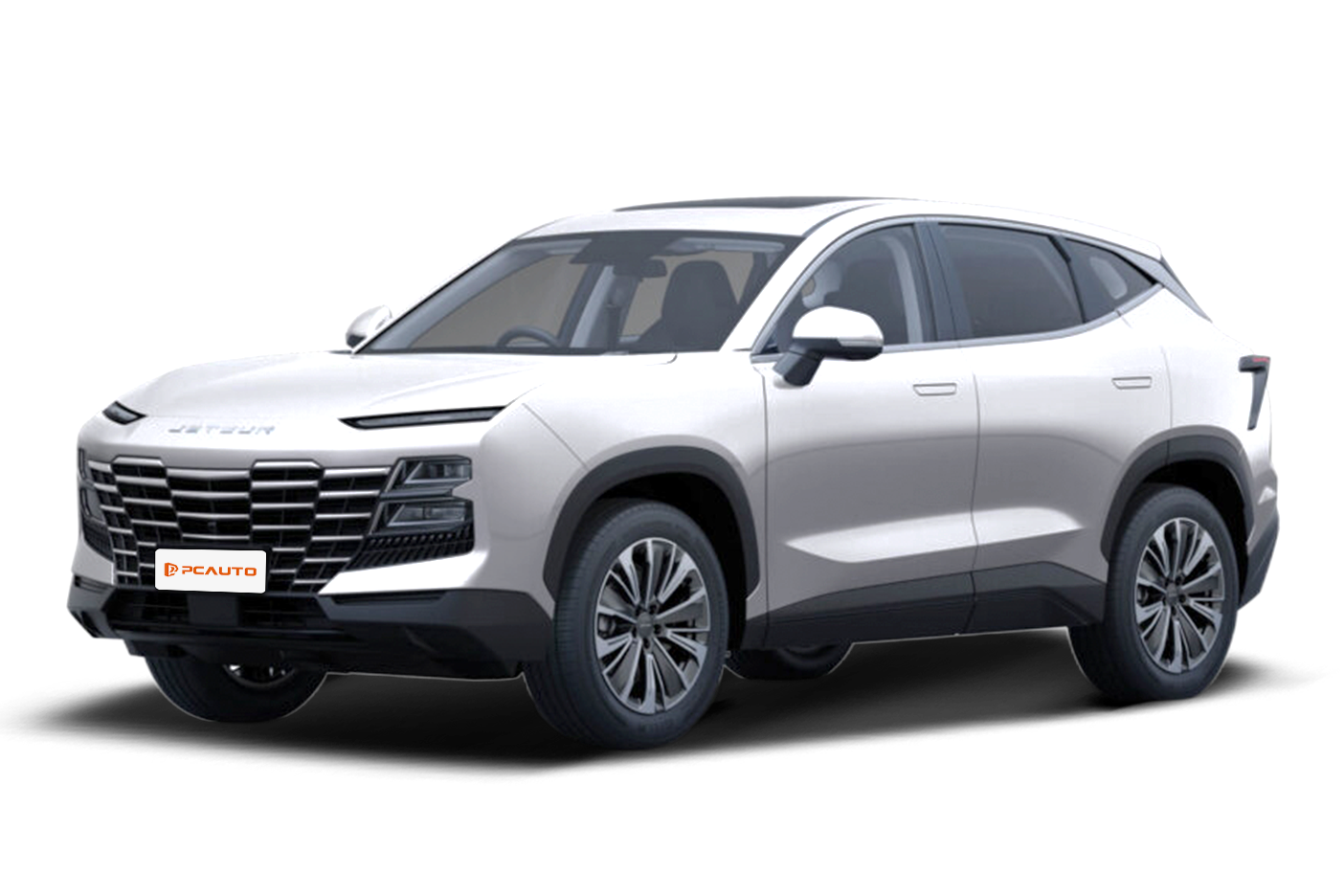
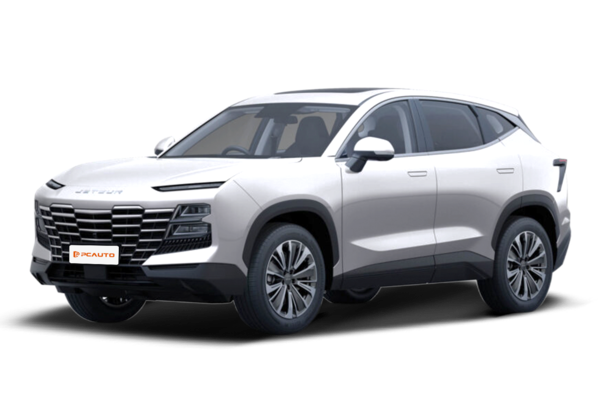
Jetour Dashing 1.5 TCI Comfort 2025 features a 2720mm long wheelbase and a 10.25-inch dual screen as its core, focusing on balanced cost performance to meet family practical needs.
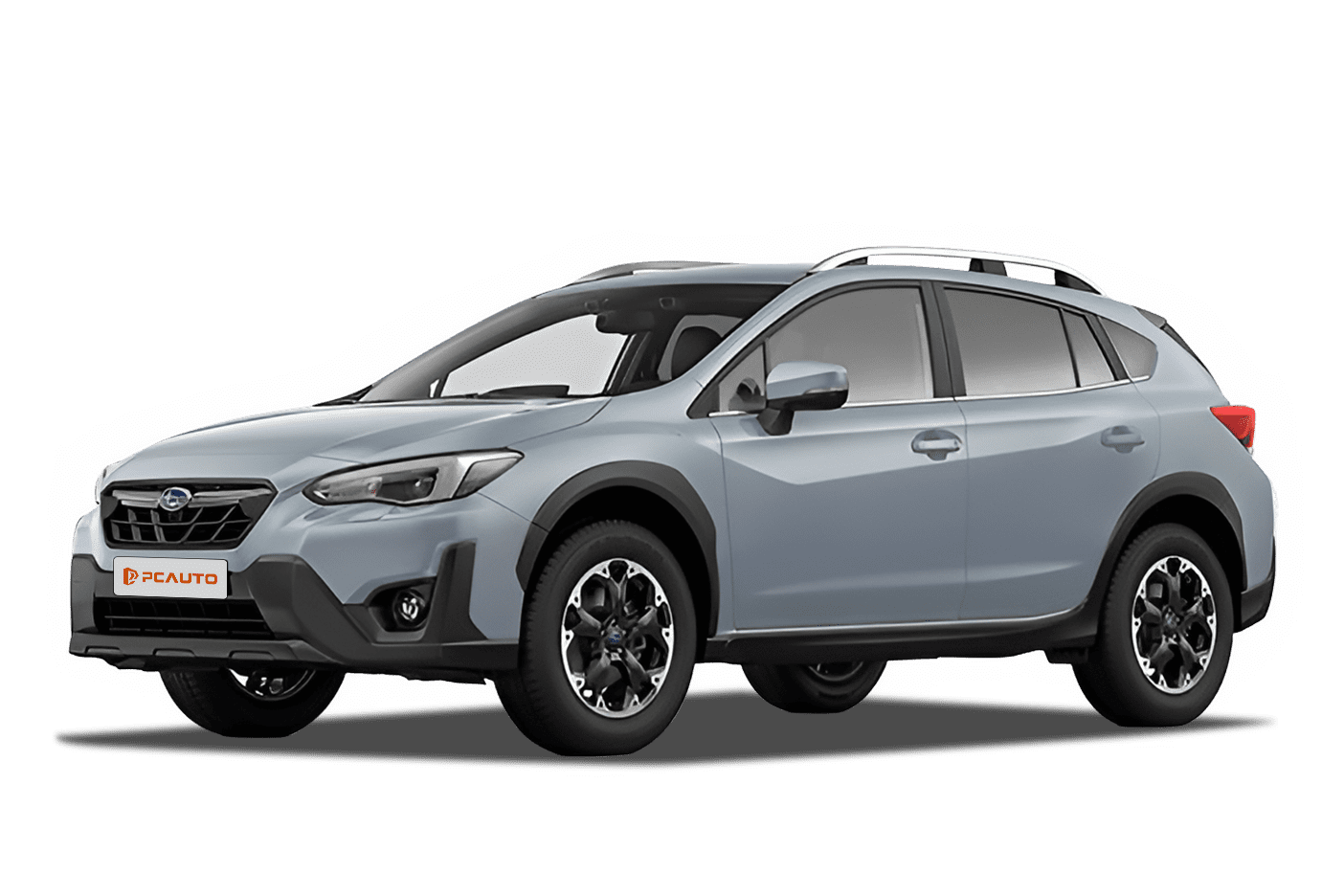
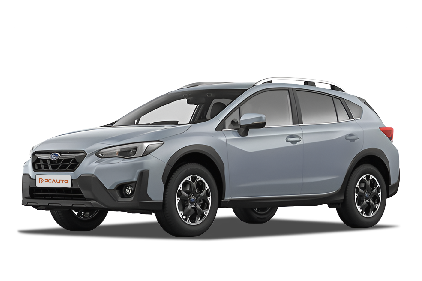
The 2021 Subaru XV 2.0i is a model targeting the C-segment crossover market, equipped with standard all-wheel drive and high safety features, balancing off-road capability and handling, with practical space.

2021 Hyundai Kona 2.0 Standard, as a high-value entry-level compact SUV, retains essential safety and practical features with an affordable price, meeting the daily commuting and loading needs of families.