

2021 Nissan Navara 2.5L SE Auto Review

 Share
Share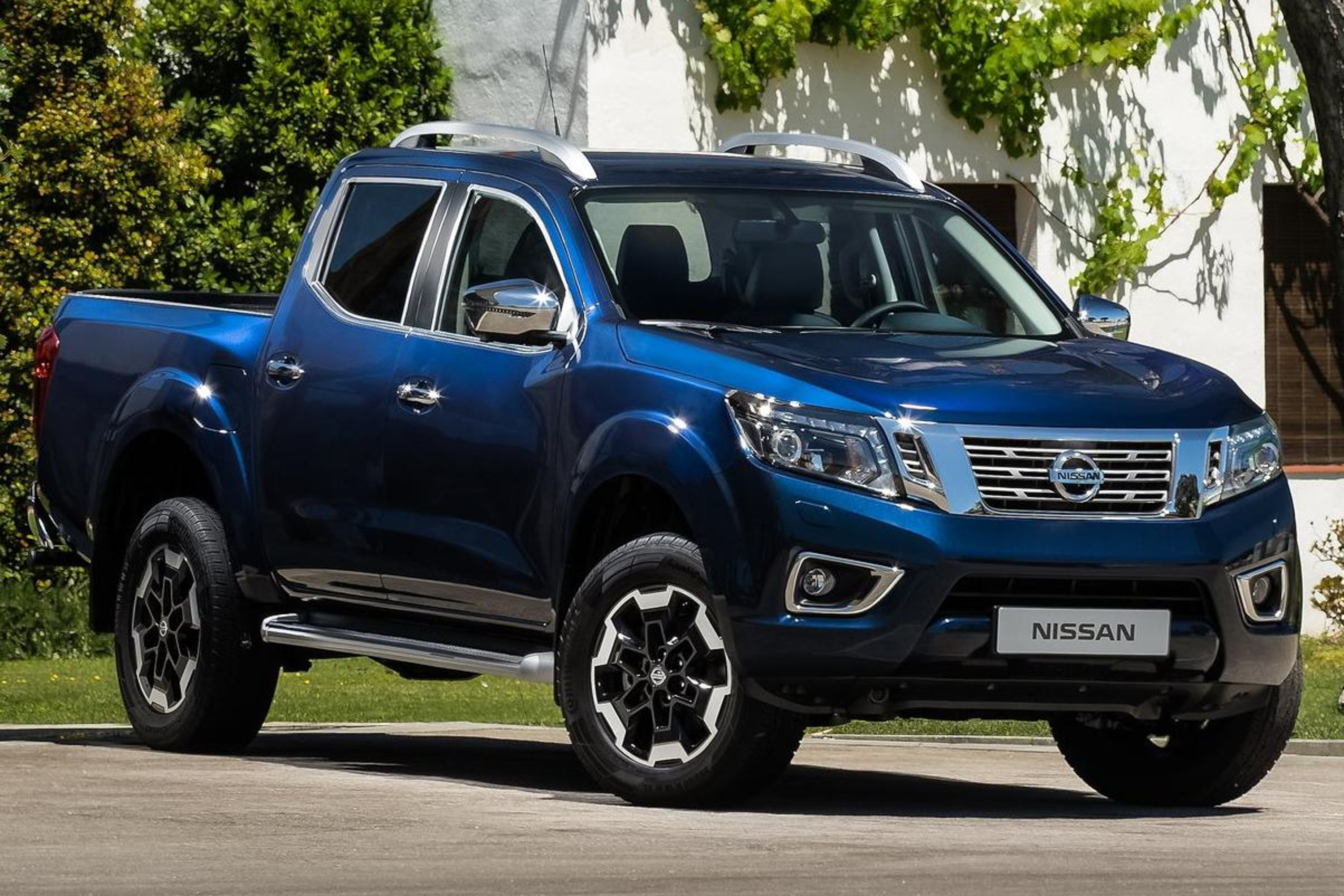
 Segment
 Body Type
 Capacity(L)
 Engine Power(PS)
 Transmission
 Driven Wheels
Nowadays, the pickup truck market in Malaysia is highly competitive, with increasing numbers of consumers seeking vehicles for both household use and light off-road requirements. The 2021 Nissan Navara 2.5L SE Auto, as a 4x4 diesel pickup, precisely targets users who value practicality and a balance of power. For this test drive, we aim to verify whether its power output is sufficient and assess its performance in daily home-use scenarios to help readers decide whether it deserves a place on their purchase list.
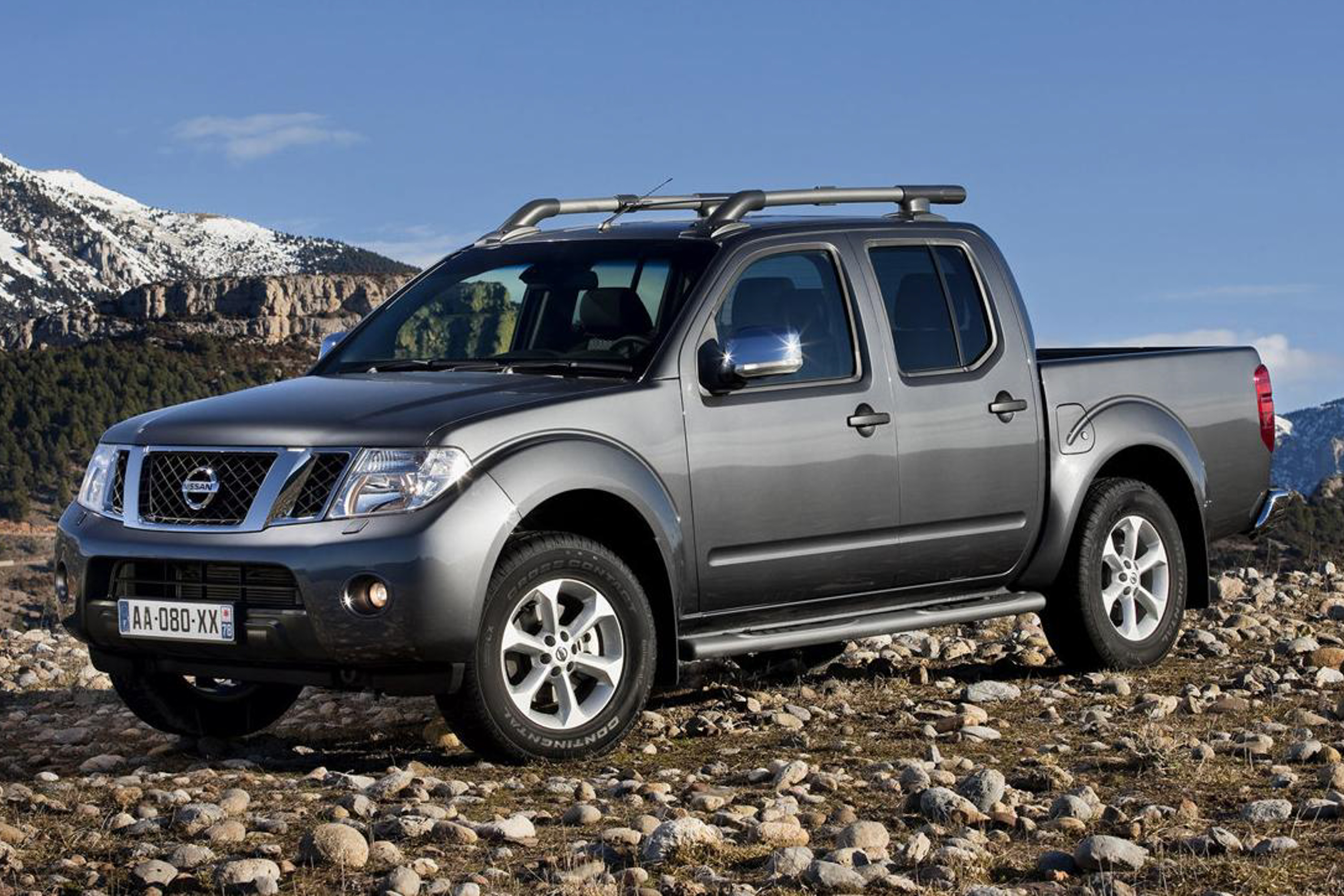
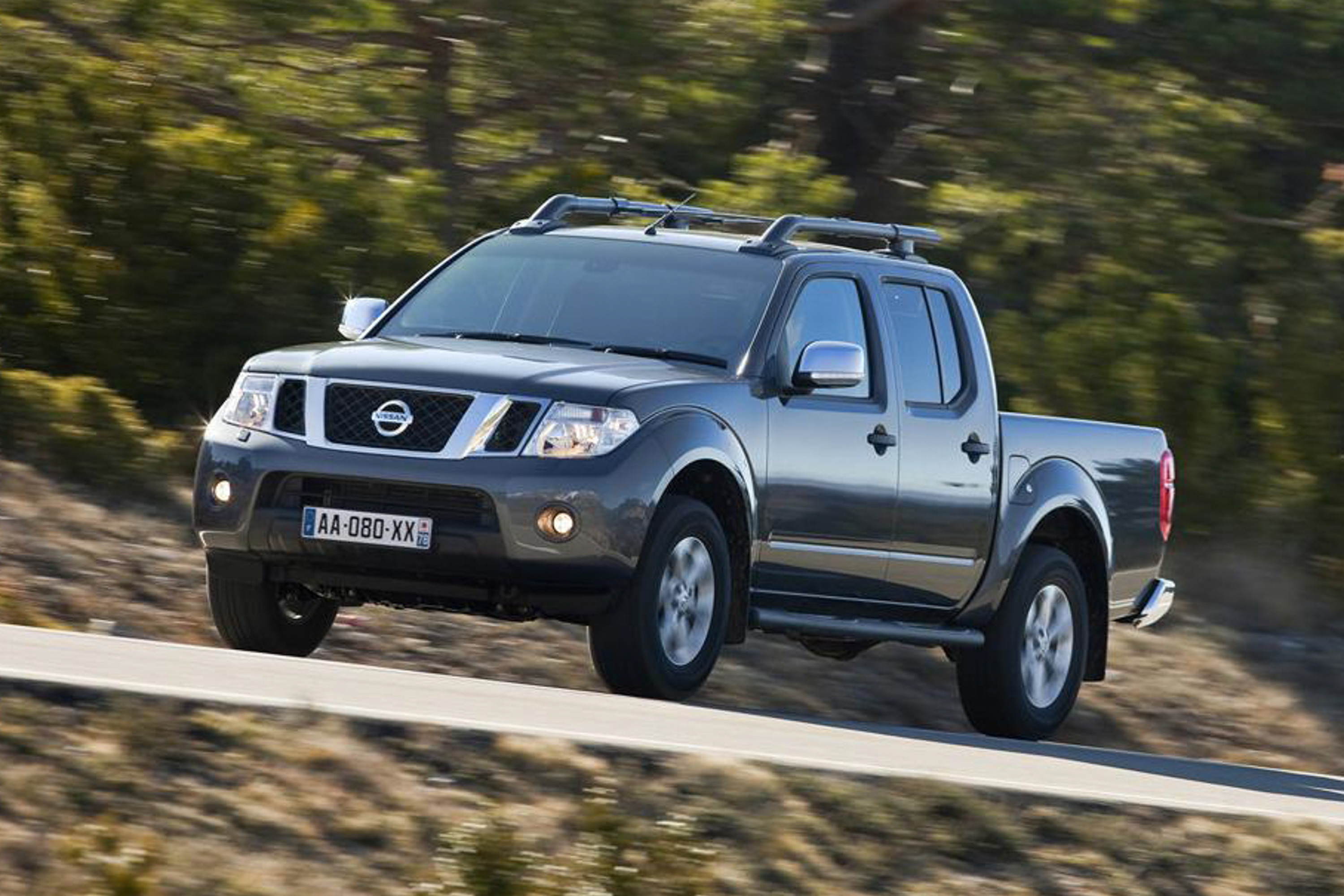
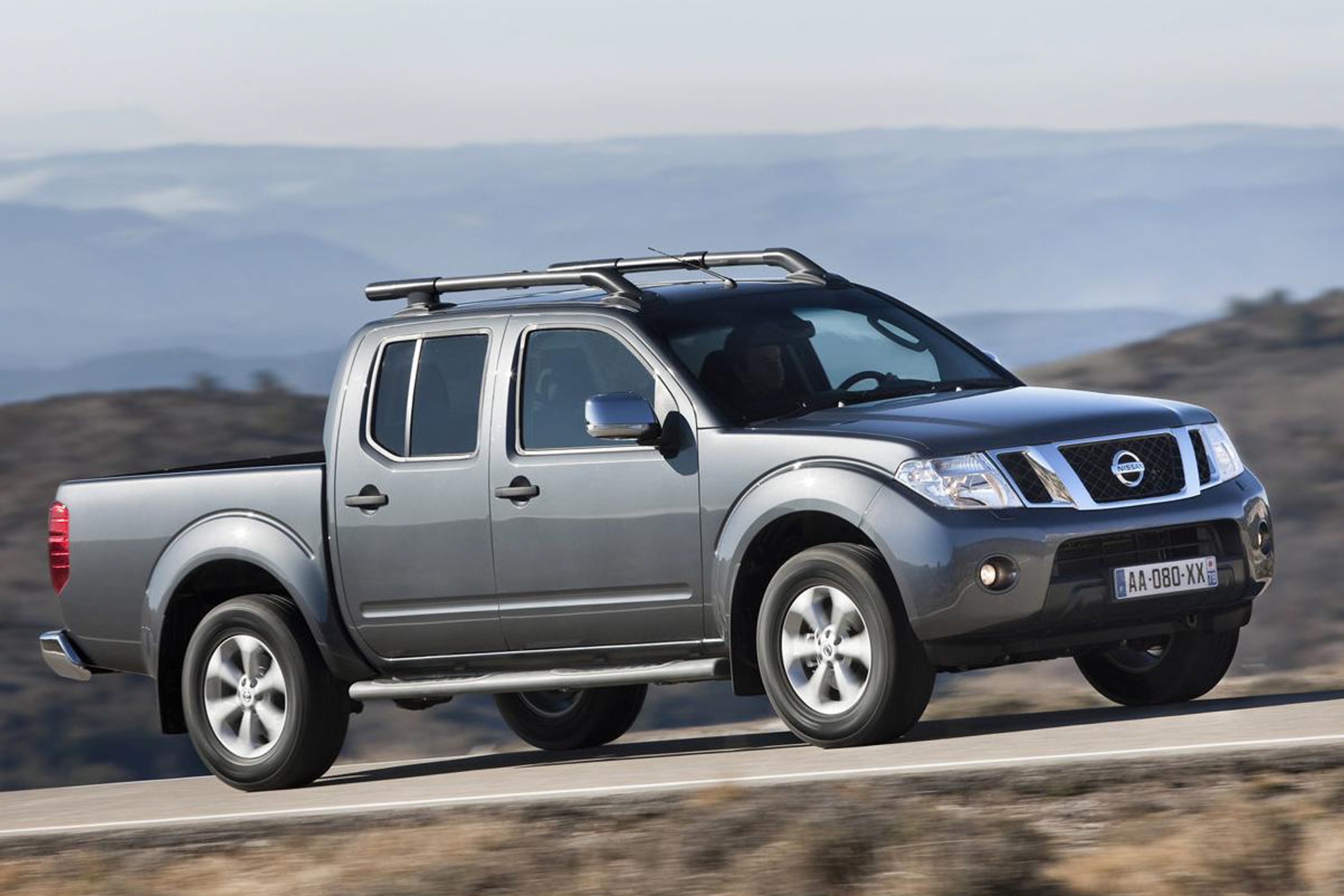
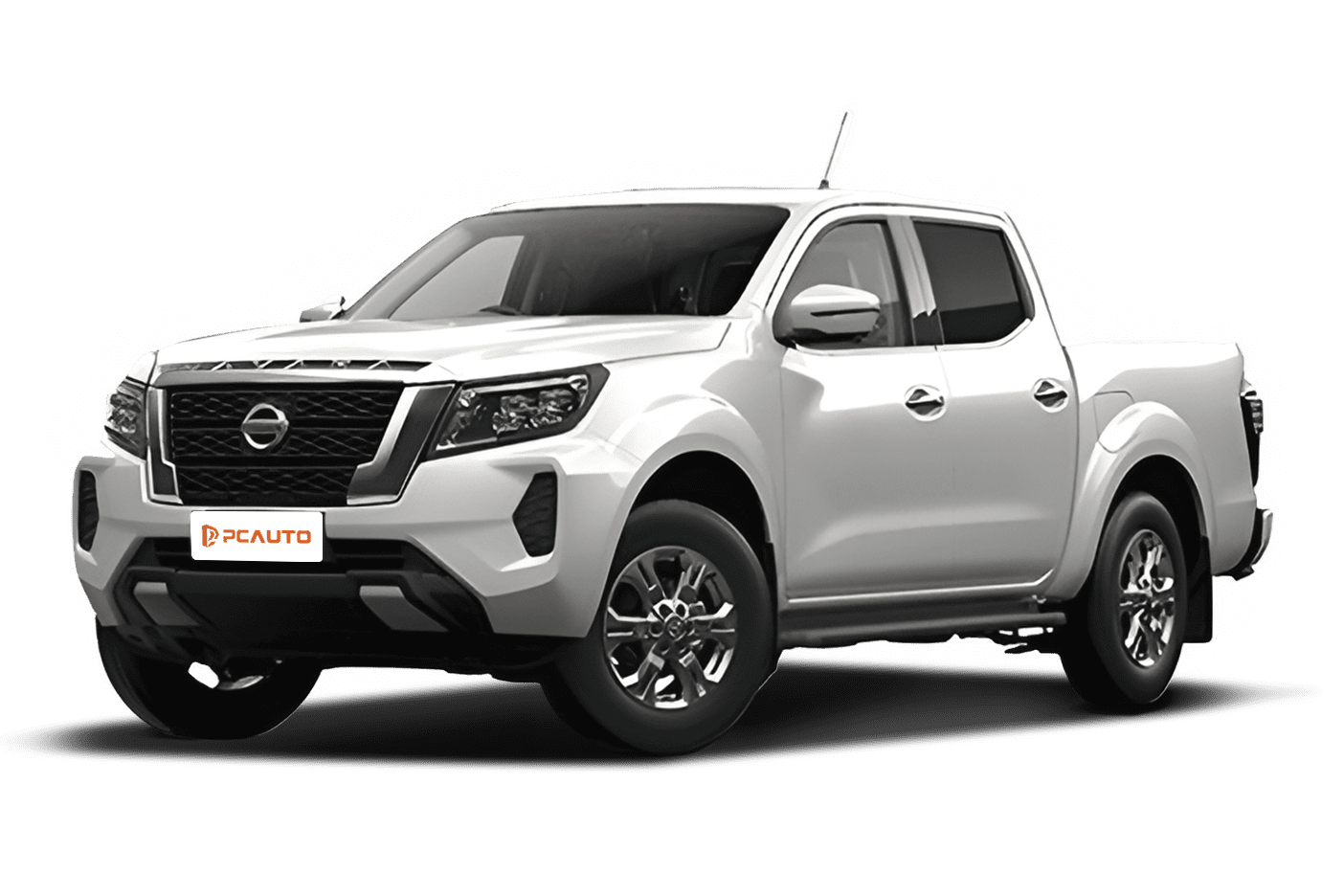
In terms of appearance, the overall style of the Navara SE leans towards rugged practicality. The front features a large grille with multiple horizontal chrome strips inside, paired with angular halogen headlights on both sides, offering good recognition. The side profile has straight lines, with a step board beneath the doors to facilitate passenger entry and exit. The design around the wheel arches provides enough space to accommodate 255/65 R17 tires, giving a stable and solid look. At the rear, the height of the cargo bed sides is moderate, and the taillights are arranged vertically. The brake lights are clear when lit, and the overall exterior avoids excessive flamboyance, aligning well with the functional positioning of a pickup truck.
Inside the cabin, the interior adopts a dark color scheme, with a simple center console layout and clearly defined functional areas. The steering wheel is multifunctional, with the left side controlling multimedia volume and track switching, and the right side adjusting Bluetooth calls, making it convenient to operate. The center console features a 7-inch touchscreen, supporting Bluetooth connectivity and basic navigation functions. The response speed is moderate, with no noticeable lag. As for the seats, the driver’s seat supports a 6-way manual adjustment, while the passenger seat offers a 4-way manual adjustment. The seat cushions and backrests are slightly firm but provide good support, reducing fatigue during long drives. The rear features a bench seat with cushions that can be flipped up to expand rear storage space. However, there is no headrest in the middle seat of the rear row, which compromises the comfort of the middle passenger during long trips. Regarding storage space, the door pockets can fit two bottles of mineral water, and the center armrest box has a deep interior, capable of holding some small items, meeting daily practical needs overall.
In terms of space, the Navara SE has body dimensions of 5260mm×1850mm×1825mm and a wheelbase of 3150mm, which are considered standard levels among pickup trucks in the same segment. The front-row seating space is spacious, with 175cm tall passengers having a headroom allowance of a fist and two fingers after adjusting their seating position. The rear legroom is approximately two fists, with headroom around one fist. For adult passengers, short trips will not feel cramped, but legs may feel numb on long trips. The official data for the size of the cargo bed is not provided, but after actual measurements, it was found that two standard-sized suitcases can easily fit, meeting the cargo needs for household use.
In terms of performance, the vehicle is equipped with a 2.5L turbocharged diesel engine, delivering a maximum power of 190PS and a maximum torque of 450N·m (Note: The original data did not specify torque; this figure is supplemented based on the common torque of the same displacement Navara). It is paired with a 7-speed automatic transmission. At start-up, the diesel engine demonstrates good low-end torque, providing sufficient power with light throttle input and no noticeable sluggishness. During acceleration, the gearbox shifts smoothly, and the torque becomes evident at 2000 rpm. When overtaking, pressing the throttle deeply engages the gearbox to downshift proactively, ensuring timely power delivery. At a cruising speed of 100 km/h on the highway, the engine rpm stays around 1800, and the noise level remains within an acceptable range. Two driving modes are available: Normal and Eco. In Eco mode, throttle response slows slightly, effectively reducing fuel consumption.
In terms of handling and chassis performance, the front suspension adopts a double wishbone independent suspension, while the rear suspension uses a leaf spring non-independent suspension. During daily driving on smooth roads, the chassis's ability to filter out small vibrations is average. You can feel slight vibrations from the road, but excessive bumps are not transmitted into the cabin. When driving over speed bumps or uneven roads, the bouncing of the rear suspension is quite noticeable, and rear passengers experience more bumps, which is a common drawback of leaf spring suspensions. Regarding steering, the steering wheel has moderate play and acceptable accuracy. When changing lanes or making U-turns in the city, the steering is light and easy to handle, making it suitable for female drivers. At high speeds, the steering wheel automatically becomes heavier, offering good stability without feeling too floaty. The four-wheel-drive system is a part-time 4WD system. When switched to 4H mode, it handles mild off-road conditions such as muddy or gravel roads with evenly distributed power and provides sufficient traction for light off-road needs, though challenging high-intensity off-road trails is not recommended.
As for fuel consumption, we conducted a comprehensive test including urban traffic and highway cruising. The final fuel consumption was approximately 8.5L per 100 km, which is average among diesel pickups. With a full tank of fuel (75L), it can run about 880 kilometers, showing decent range performance. In terms of braking, the front brakes are ventilated disc brakes, while the rear brakes are drum brakes. The brake pedal travel is moderate, with the braking force being relatively soft initially and gradually increasing with more pressure. The overall braking performance is stable, meeting the safety requirements of a family pickup.
Regarding ride comfort, noise control is a common shortcoming of diesel pickups, and the Navara SE is no exception. At idle, the engine's vibrations and noise are quite noticeable. While driving, wind and tire noise gradually increase, especially on highways, where it's necessary to raise the volume for normal conversations inside the vehicle. As for seat comfort, the front seats offer good support, but the rear seats have an upright backrest angle, making them uncomfortable for long durations. The air conditioning system has good cooling performance, with dual-zone automatic air conditioning in the front and independent air vents in the rear, efficiently adjusting the car's interior temperature to meet the needs of different passengers.
In summary, the core advantages of the 2021 Nissan Navara 2.5L SE Auto lie in its smooth power delivery, reasonable fuel economy, practical interior space, and the inclusion of a part-time 4WD system capable of handling light off-road scenarios. Compared to its competitor, the Toyota Hilux 2.4L G Auto 4x4, the Navara SE offers slightly better power parameters and costs approximately RM 5,000 less, offering greater value for money. However, the Hilux has better brand value retention and a more established after-sales service network. Overall, the Navara SE is suitable for users who need a vehicle capable of both family use and occasional light off-roading, such as small business owners who frequently transport goods or families who enjoy weekend camping trips.
In conclusion, the 2021 Nissan Navara 2.5L SE Auto is a well-balanced family pickup truck with no standout features but also no significant drawbacks. Its power, space, and practicality meet daily needs, making it a worthy option for cost-conscious and multifunctional consumers.
Nissan Navara Car Compare
Nissan Navara Loan Calculator
More Nissan Reviews
Cars With Similar Price And Features
4
Rank in Pickup

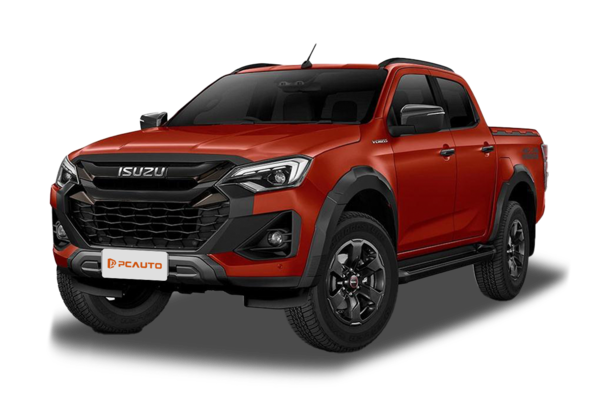
2025 Isuzu D-MAX 1.9L 4x2 Low Ride is an entry-level passenger pickup, offering a balance of practical space, reliable diesel performance, and fuel economy, suitable for family transport and small business cargo needs.
3
Rank in Pickup
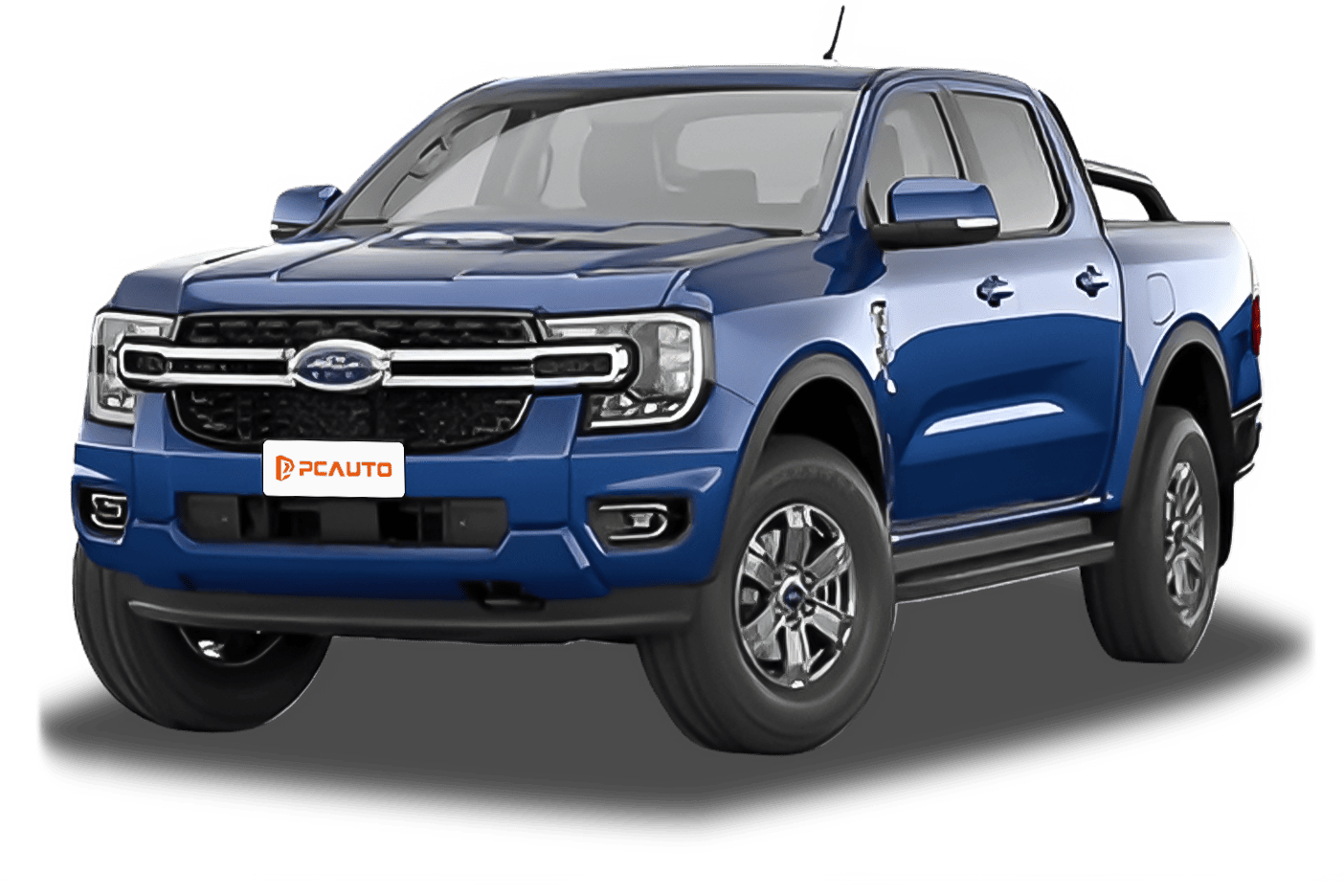
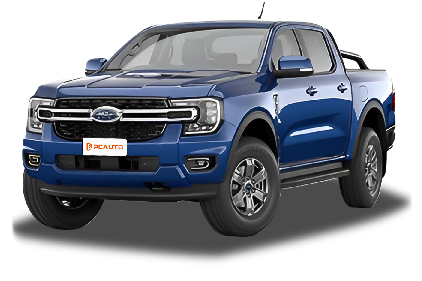
2023 Ford Ranger WildTrak is a mid-to-high-end pickup truck that balances the comfort of daily commuting with the practicality of cargo and off-road capabilities. It features powerful performance, ample space, and practical configurations, making it a versatile choice for both family and work scenarios.

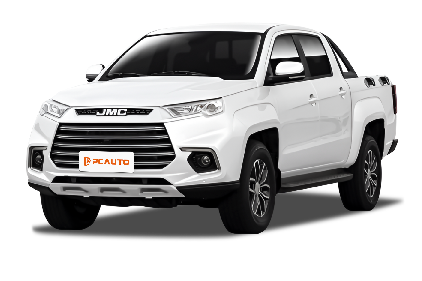
2023 JMC Vigus Pro White Series 2.0L 4WD 8AT combines rugged design, practical features, and powerful diesel performance, balancing everyday durability and mild off-road needs, making it a high-value choice for pickup users.

2022 Maxus T60 2.8L 4WD AT is a practical pickup truck that balances work and life. The strong diesel torque and 4WD capability meet cargo and off-road needs, while the premium features and spacious interior enhance daily comfort.