

2021 Toyota Fortuner 2.4 AT 4x4 Review

 Share
Share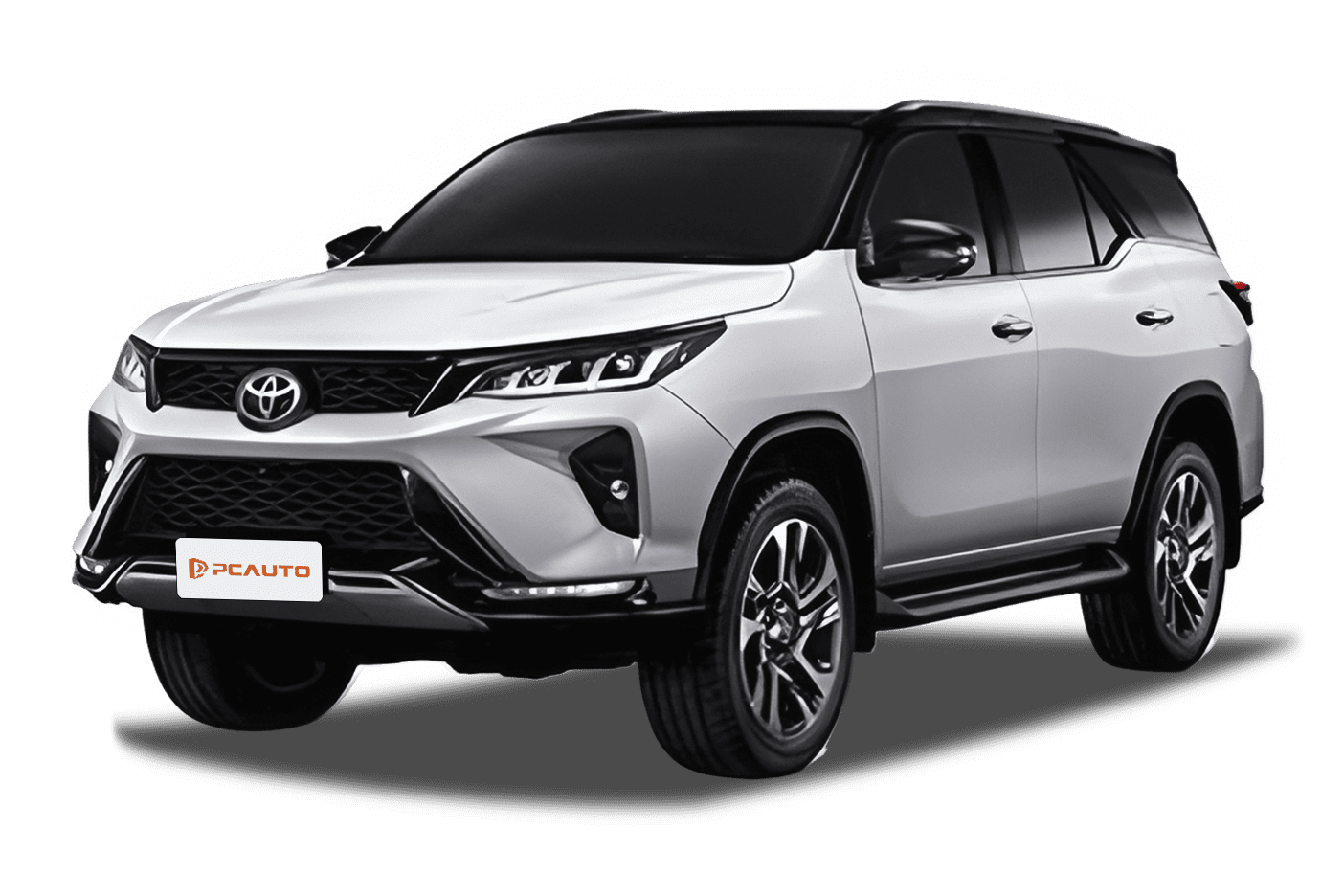
 Segment
 Body Type
 Capacity(L)
 Engine Power(PS)
 Transmission
 Driven Wheels
In the Malaysian market, 7-seater mid-size SUVs have always been a favorite among family users — they need enough space to accommodate the whole family and be versatile enough to handle occasional off-road or light rural road conditions. The 2021 Toyota Fortuner 2.4 AT 4x4 is a regular in this segment, with durability and all-wheel drive as its core selling points. We got a test drive unit this time to evaluate its real-world performance in daily commuting, family outings, and light off-road scenarios, providing a clear reference for potential buyers.
At first glance, the Fortuner strikes you with its straightforward and rugged design. The body lines are mostly straight, the front-end features a large trapezoidal grille with silver trim, which stands out; the halogen and LED combination headlights on both sides have a square design, and their automatic lighting function is very practical in tunnels or on cloudy days. From the side, its length of 4795mm combined with a height of 1835mm gives it great presence. The 265/65 R17 tires are thick enough to handle unpaved roads, and the slightly pronounced fender arches enhance its SUV character. At the rear, the LED taillight cluster and silver skid plate echo the front-end design. The overall style is straightforward and durable without any flashy elements.
Inside, the interior layout focuses on practicality. The dashboard adopts a symmetrical design, with a 9-inch touchscreen centrally positioned. It offers decent smoothness and supports the Sound Plus feature. Below the screen is the manual air conditioning control area, with clear feedback from the knobs and buttons, making them easy to use without looking. In terms of materials, the upper dashboard is made of hard plastic, but commonly touched areas like the door armrests and seats are wrapped in fabric, offering an acceptable texture. In terms of features, the 4.2-inch color TFT instrument panel displays information like fuel consumption and four-wheel-drive status, while the HUD head-up display reduces the need to look at the dashboard. The front row includes a 220V power outlet, and the rear has independently controlled air conditioning vents, which is very practical for family users. The seat adjustments are manual, with the driver’s seat adjustable in 6 ways and the passenger seat in 4 ways. While not as convenient as electric adjustments, the range of adjustments should accommodate most height needs.
Space is one of the Fortuner’s strengths. The 2745mm wheelbase ensures adequate legroom in both the front and rear rows, and the 1855mm width means three adults can sit comfortably in the rear seat. The second-row seats support a 60:40 split and can be folded flat with one touch, while the third row offers a 50:50 split. When folded down, the trunk space can be expanded from 200L to a completely flat state, making it suitable for carrying large luggage or camping gear. As for storage space, the door panel slots can hold two bottles of water, the central armrest box is sufficiently deep, and the front row is equipped with two cup holders, showing good attention to detail.
In terms of power, the 2.4T diesel engine offers a maximum power of 148PS, with maximum torque that kicks in at 1600-2000rpm. Paired with a 6-speed automatic transmission, its low-speed torque performance is smooth and effortless, making acceleration at traffic lights or in urban traffic feel responsive. Switching to sport mode makes the transmission shift down more actively, providing faster throttle response when overtaking. The all-wheel-drive system proves useful for navigating muddy or light off-road terrains. When the 4WD mode is activated, the vehicle’s grip noticeably improves, and the minimum ground clearance of 279mm can handle most uneven surfaces with ease.
In terms of handling, the steering wheel has a moderate steering force, with minimal play, making daily driving relatively easy. The front double-wishbone and rear multi-link suspension are tuned to be on the firm side, which causes noticeable bumps when passing speed bumps. However, the advantage is good stability during high-speed driving or cornering, and the body roll is well-controlled. The braking system features ventilated discs both front and rear, with a linear feedback from the brake pedal. The vehicle maintains a stable posture during emergency braking. In terms of fuel consumption, our tests showed a combined fuel economy of around 8.5L per 100km under mixed driving conditions. For a vehicle weighing 2.1 tons, this performance is quite reasonable.
In terms of driving comfort, the Fortuner's sound insulation is average, with noticeable wind and tire noise at high speeds, but the diesel engine noise is relatively well-controlled and there isn’t significant vibration when idling. The seats provide adequate support, so long trips are not particularly tiring. However, the legroom in the third row is somewhat cramped, making it more suitable for short rides. The manual parking brake requires coordination with the handbrake for hill starts, but the hill-start assist function prevents rollback, so it is sufficient for daily use.
In summary, the core advantages of the 2021 Toyota Fortuner 2.4 AT 4x4 lie in its durability, all-wheel-drive capability, and seven-seat space. It comes standard with 7 airbags, lane change assist, front and rear parking sensors, etc., offering both safety and practicality. Compared to competitors such as the Honda Pilot and Mitsubishi Pajero Sport, the Fortuner is more affordable, and the all-wheel-drive system is better suited for occasional off-road use. It is ideal for users who need to balance daily family commuting with light weekend off-road adventures—such as families who often go on outings, occasionally visit the countryside, or go camping. If you value reliability and versatility, the Fortuner is a dependable choice.
Toyota Fortuner Car Compare
Toyota Fortuner Loan Calculator
More Toyota Reviews
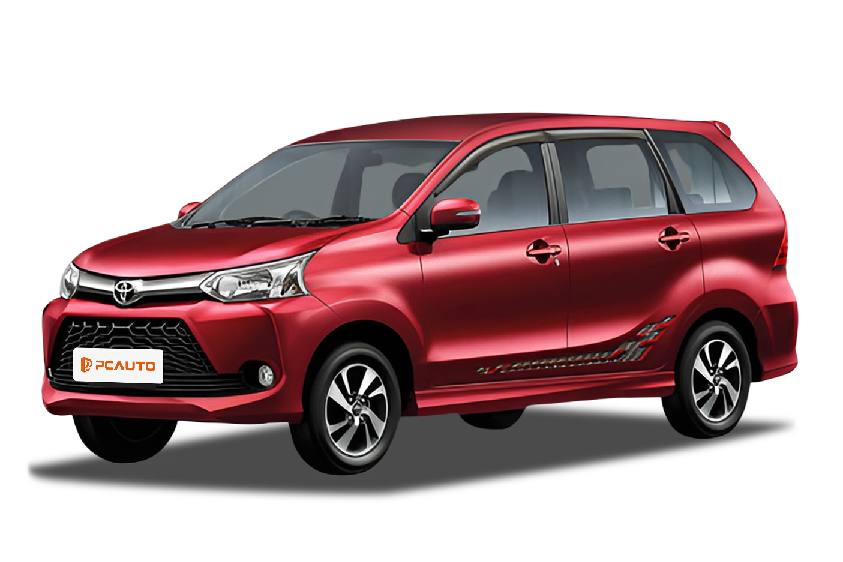
Cars With Similar Price And Features
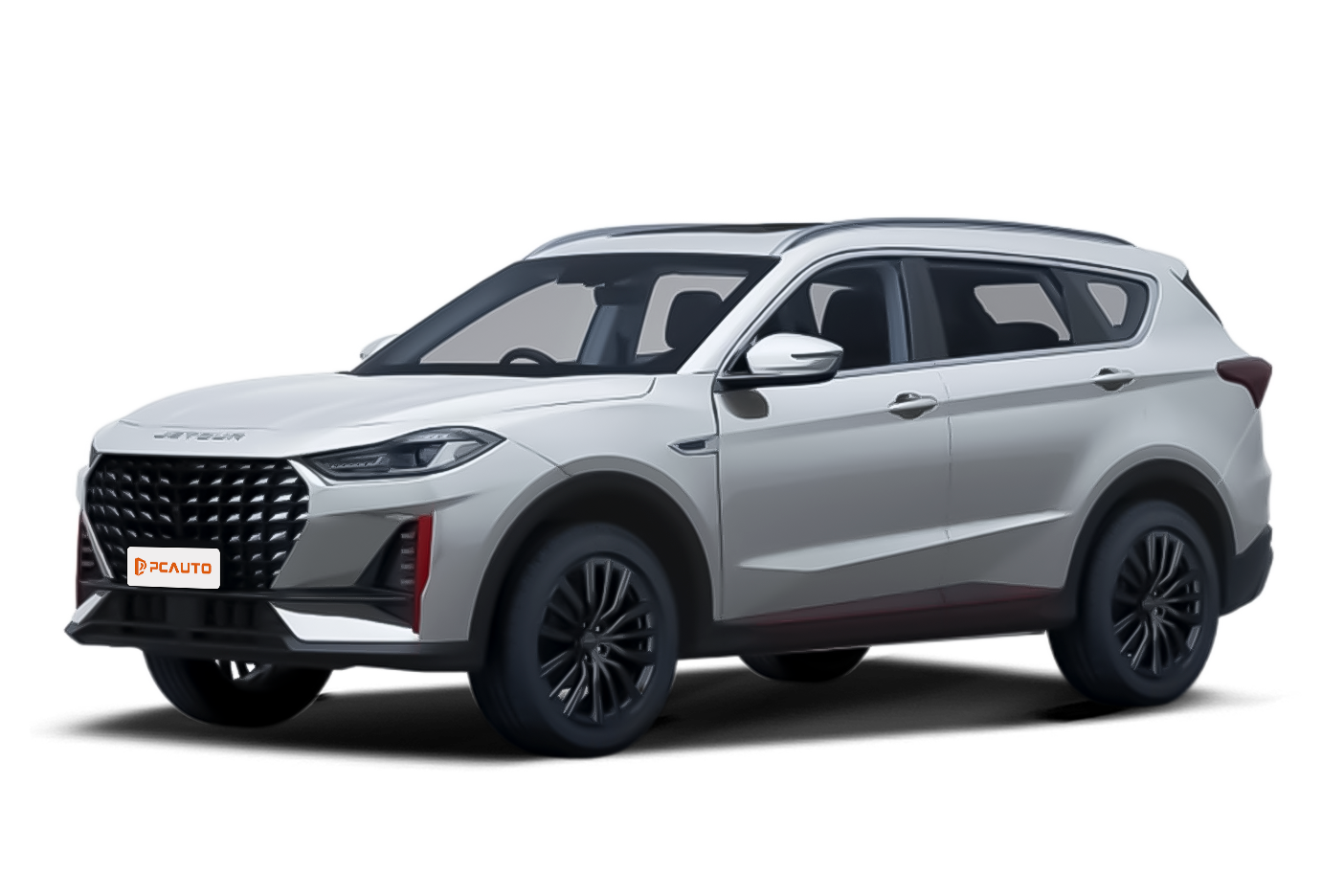
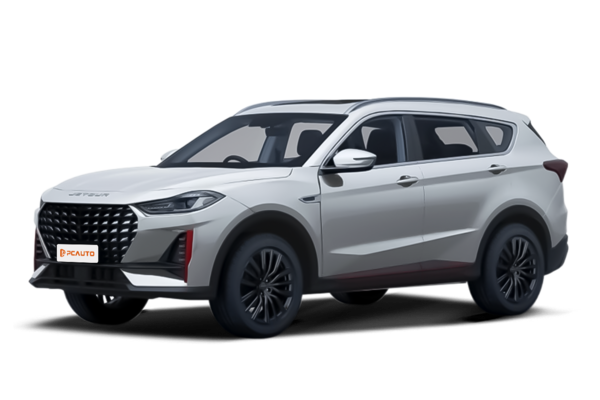
2025 Jetour VT 9 Comfort is a highly cost-effective 7-seater family SUV, featuring practical space, rich configurations, and balanced power, precisely meeting the needs of family short-distance travel.

11
Rank in SUV
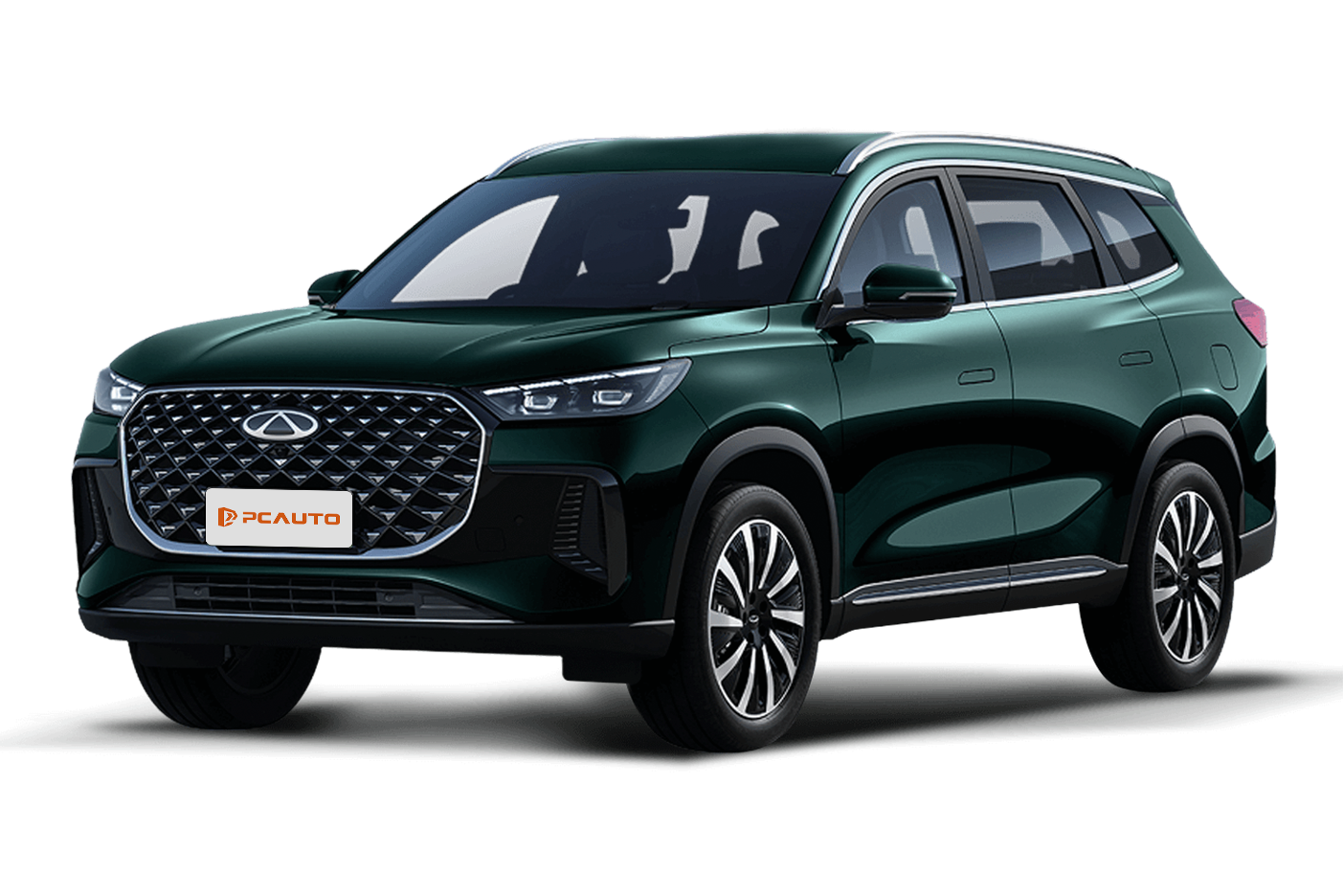
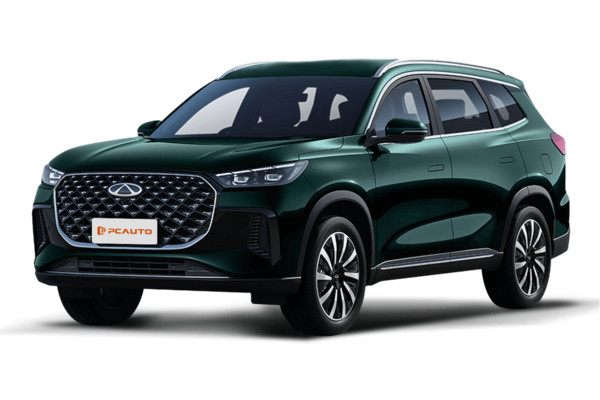
2026 Chery Tiggo 8 is a D-Segment SUV aimed at family users, offering superior configurations, practical space, and smooth power at a high cost-performance ratio, meeting both commuting and light off-road needs.
16
Rank in SUV

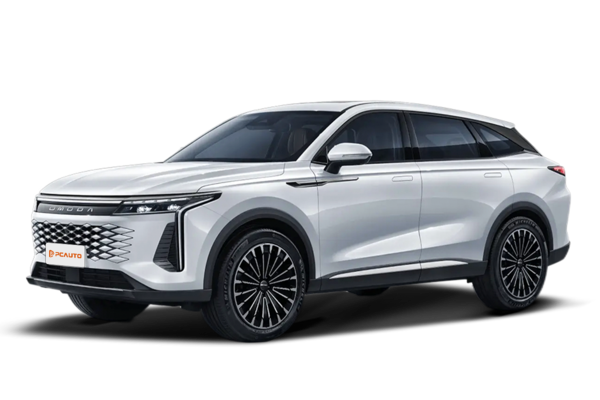
2024 Chery OMODA C9 2WD with 2.0T+8AT powertrain, L2 level assistance, and dual 12.3-inch screens, breaking the stalemate in the D-Segment market and becoming a high-value disruptor.
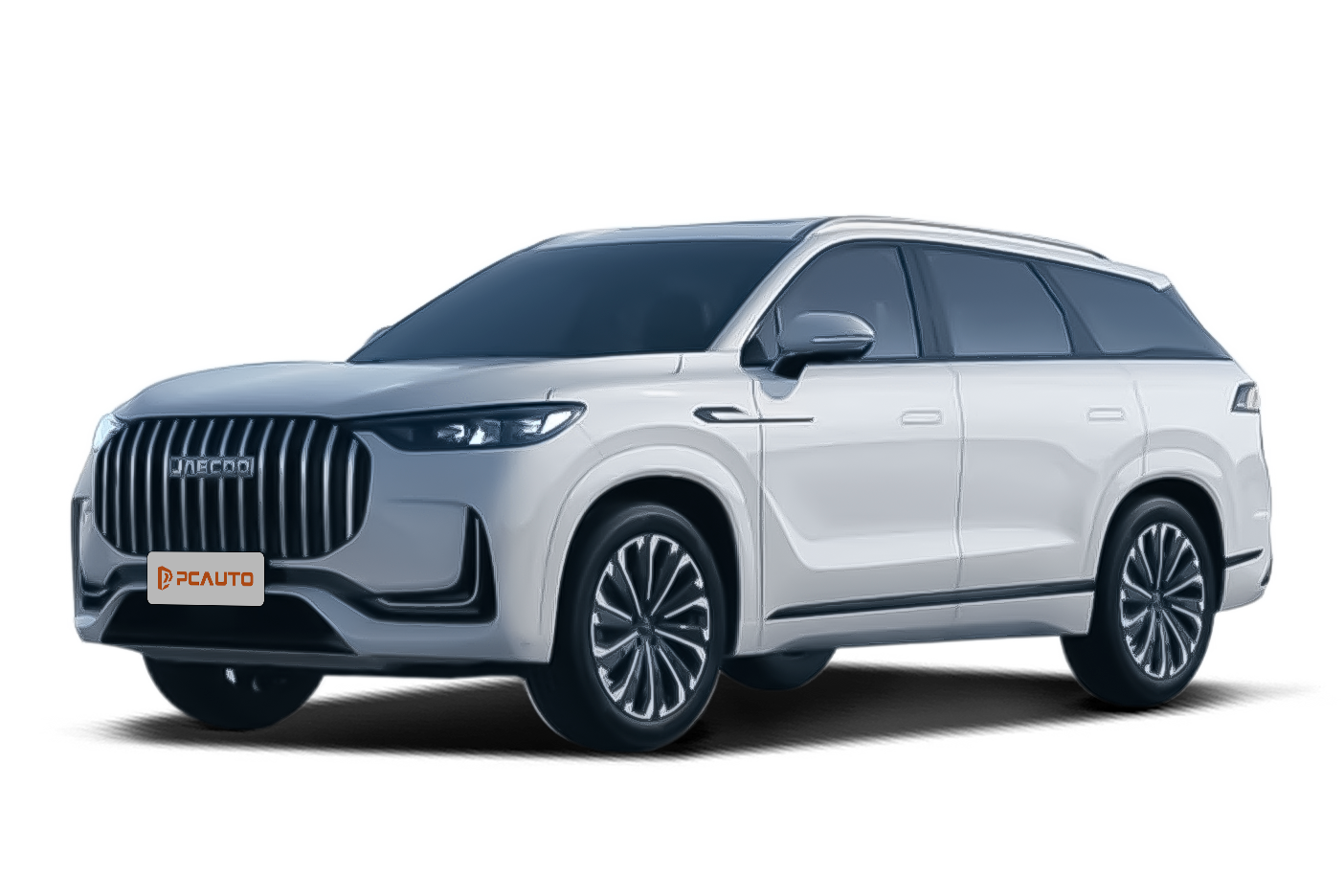
2025 Jaecoo J8 FWD is a dark horse in the D-segment SUV market, offering balanced performance to meet family users' needs for spaciousness, strong power, and rich configurations.