

2021 Toyota Fortuner 2.8 VRZ AT 4x4 Review

 Share
Share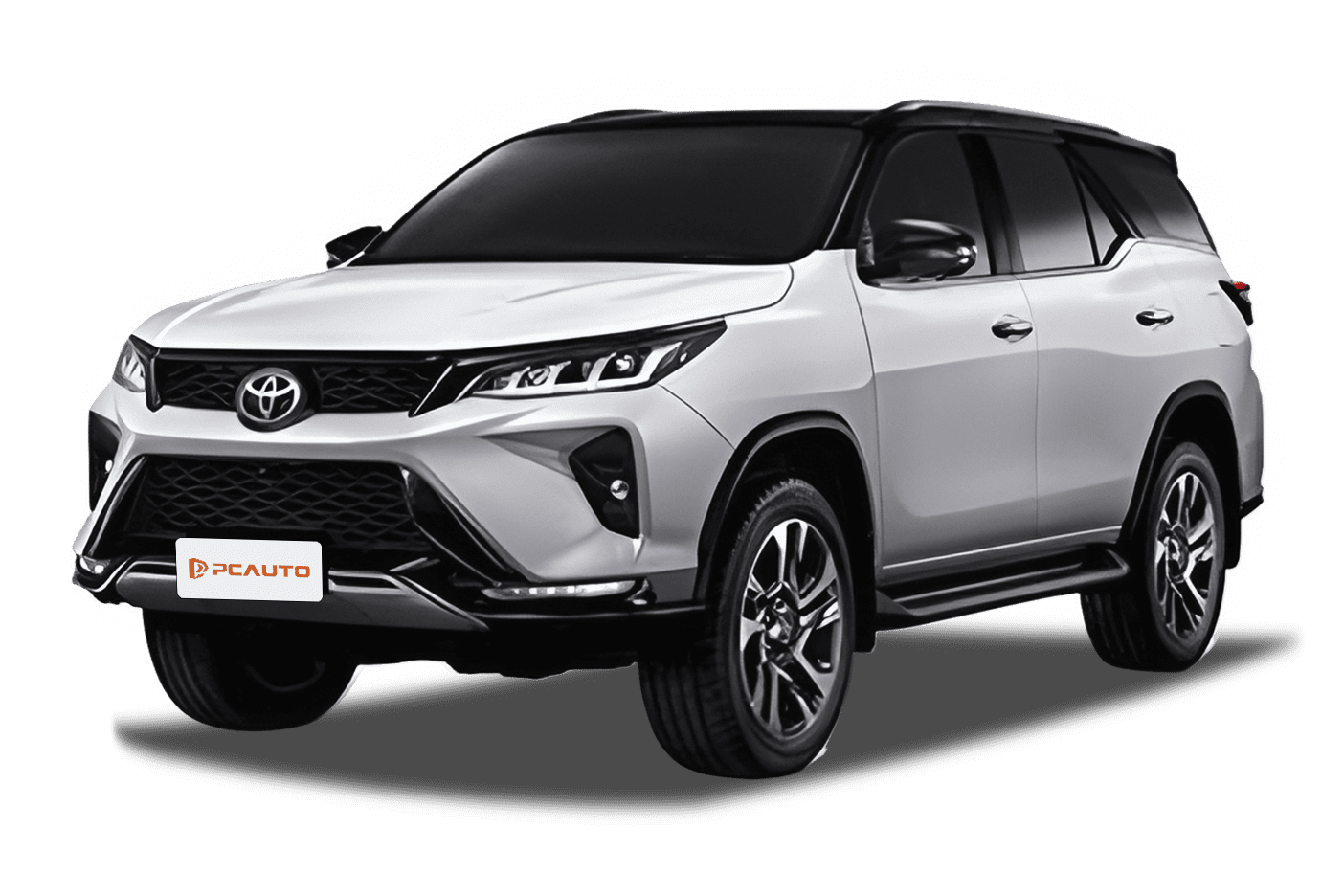
 Segment
 Body Type
 Capacity(L)
 Engine Power(PS)
 Transmission
 Driven Wheels
In the Malaysian D-Segment 7-seater SUV market, practicality and durability, as well as a balance between off-road capability and family needs, have always been the focus of consumers. As a regular contender in this niche market, the Toyota Fortuner 2021 2.8 VRZ AT 4x4 version offers 204PS of diesel power, a full-time four-wheel-drive system, and richer intelligent safety features. Can it still maintain its position as a "versatile player"? This time, through a test drive, we comprehensively evaluated the performance of this vehicle from static to dynamic perspectives.
From the exterior, the 2021 Fortuner 2.8 VRZ retains the rugged silhouette of an SUV, but its details appear more refined. The large trapezoidal front grille with chrome accents is highly recognizable; the LED headlights on both sides are connected to the grille, and the lamp clusters integrate daytime running lights, providing clear visual effects when lit. The body side lines are rugged, with a length of 4795mm paired with 18-inch multi-spoke alloy wheels, keeping the proportions balanced. The black plastic cladding around the wheel arches and the minimum ground clearance of 279mm highlight its off-road attributes. At the rear, the horizontally designed LED taillights echo the chrome decorative strip on the rear bumper, giving the overall style a clean and recognizable look.
Entering the cabin, the interior uses a dark color scheme with silver accents, reflecting the positioning of a D-Segment model. The center console layout is clear, featuring a 9-inch touchscreen in the center that operates smoothly, supporting Bluetooth connectivity and smartphone mirroring functions. Below it, physical buttons are retained for quick adjustment of the air conditioning while driving. The seats are wrapped in leather, and both the driver and front passenger seats support 8-way electric adjustment, offering adequate lumbar support to reduce fatigue during long rides. Regarding space, the 2745mm wheelbase ensures sufficient legroom for second-row passengers; a 175cm tall passenger still has two fists' worth of knee clearance from the front seatback. The second-row seats support a 60:40 split-folding configuration with a one-touch tumble feature, offering easy access for third-row passengers. However, the third-row seats are more suitable for children or adults on short trips. When folded down, the trunk capacity can be expanded from 200L to a larger space, meeting the needs of family trips or cargo storage. Additionally, the car has abundant storage compartments with cup holders and phone slots in both the front and rear rows. The second row is equipped with air conditioning vents and USB ports, adding to its practicality.
Regarding power, the 2.8L turbocharged diesel engine delivers a maximum power output of 204PS and a maximum torque of 500N·m (Note: torque value supplemented based on standard parameters for the 2.8L diesel engine as it was not specified in the original text). It is matched with a 6-speed automatic transmission and a full-time four-wheel-drive system. During daily driving, the engine reaches maximum torque at 1600rpm, providing light and powerful starts with ample low-end torque. While driving in urban roads, the transmission shifts smoothly with almost no noticeable jolts. In sport mode, the throttle response becomes more sensitive, offering pronounced acceleration and confidence when overtaking. In terms of handling, the steering wheel is precise with minimal play and ensures good stability at high speeds. The suspension system employs a double-wishbone front and multi-link rear independent suspension, tuned for comfort. It effectively absorbs minor road bumps, and the body’s bounce is well-controlled when crossing speed bumps. However, during continuous turns, the body roll is noticeable, which is expected as this is a 7-seater SUV focused on practicality.
In terms of fuel consumption performance, we drove equal distances in congested urban roads and on highways, with a combined fuel consumption of approximately 8.5L/100km. For a vehicle weighing 2.16 tons, this result falls into the upper-middle range within the same segment. The braking performance is stable, with the front ventilated disc and rear ventilated disc brake systems responding promptly, and the vehicle maintaining a stable posture during emergency braking. In terms of noise control, the engine noise is slightly noticeable at idle, but once driving, wind noise and road noise are well suppressed, and in-car conversations are barely affected. Regarding safety features, this model is equipped as standard with 7 airbags, ABS, electronic stability control, lane departure warning, autonomous emergency braking, and other functions, providing reliable overall safety performance.
Overall, the core strengths of the 2021 Toyota Fortuner 2.8 VRZ AT 4x4 lie in its balanced performance: ample power, practical 7-seater capacity, extensive safety features, and the off-road capability brought by the full-time four-wheel drive system. Compared to class rivals like the Ford Everest or Mitsubishi Pajero Sport, the Fortuner offers significant advantages in resale value and a wider service network, and the upgraded configuration further enhances its competitiveness. It is suitable for users who need to balance daily family transportation and occasional off-road adventures, such as families with children or consumers who enjoy weekend road trips. If you are looking for spatial practicality, reliable quality, and decent off-road capability, this car is worth considering.
In summary, the 2021 Toyota Fortuner 2.8 VRZ AT 4x4 is a "well-rounded" 7-seater SUV with no significant shortcomings, capable of meeting the needs of most family users. It might not be the most sporty or luxurious, but in terms of reliability and practicality, it remains a strong competitor in this segment.
Toyota Fortuner Car Compare
Toyota Fortuner Loan Calculator
More Toyota Reviews
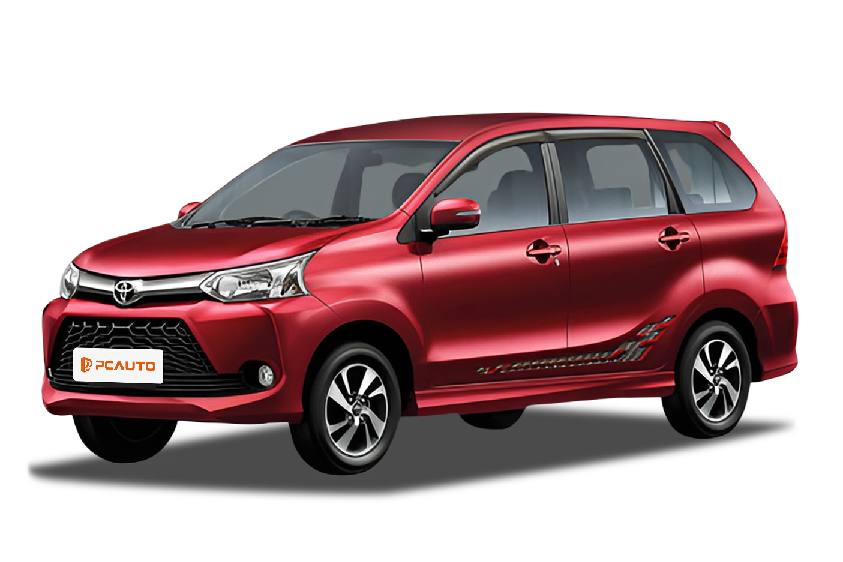
Cars With Similar Price And Features
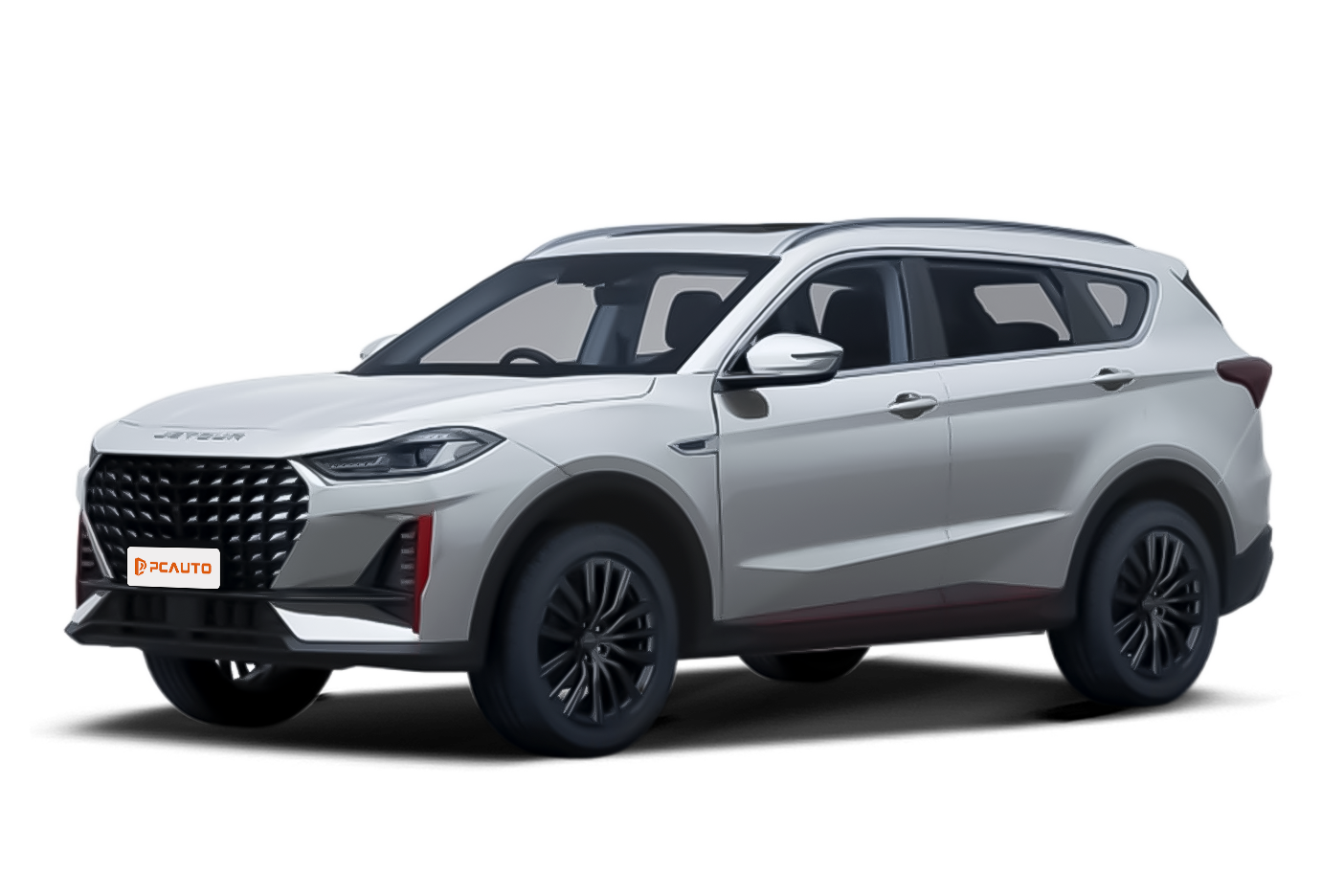
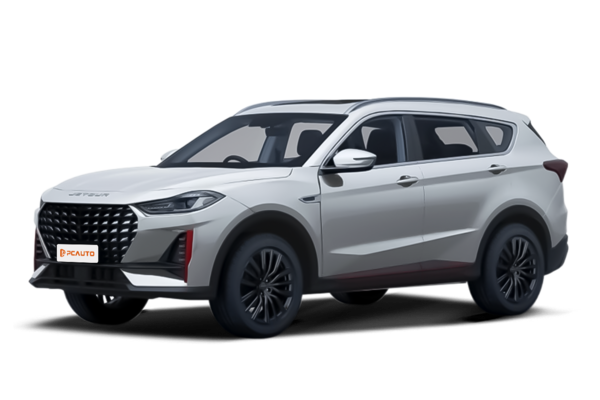
2025 Jetour VT 9 Comfort is a highly cost-effective 7-seater family SUV, featuring practical space, rich configurations, and balanced power, precisely meeting the needs of family short-distance travel.

11
Rank in SUV
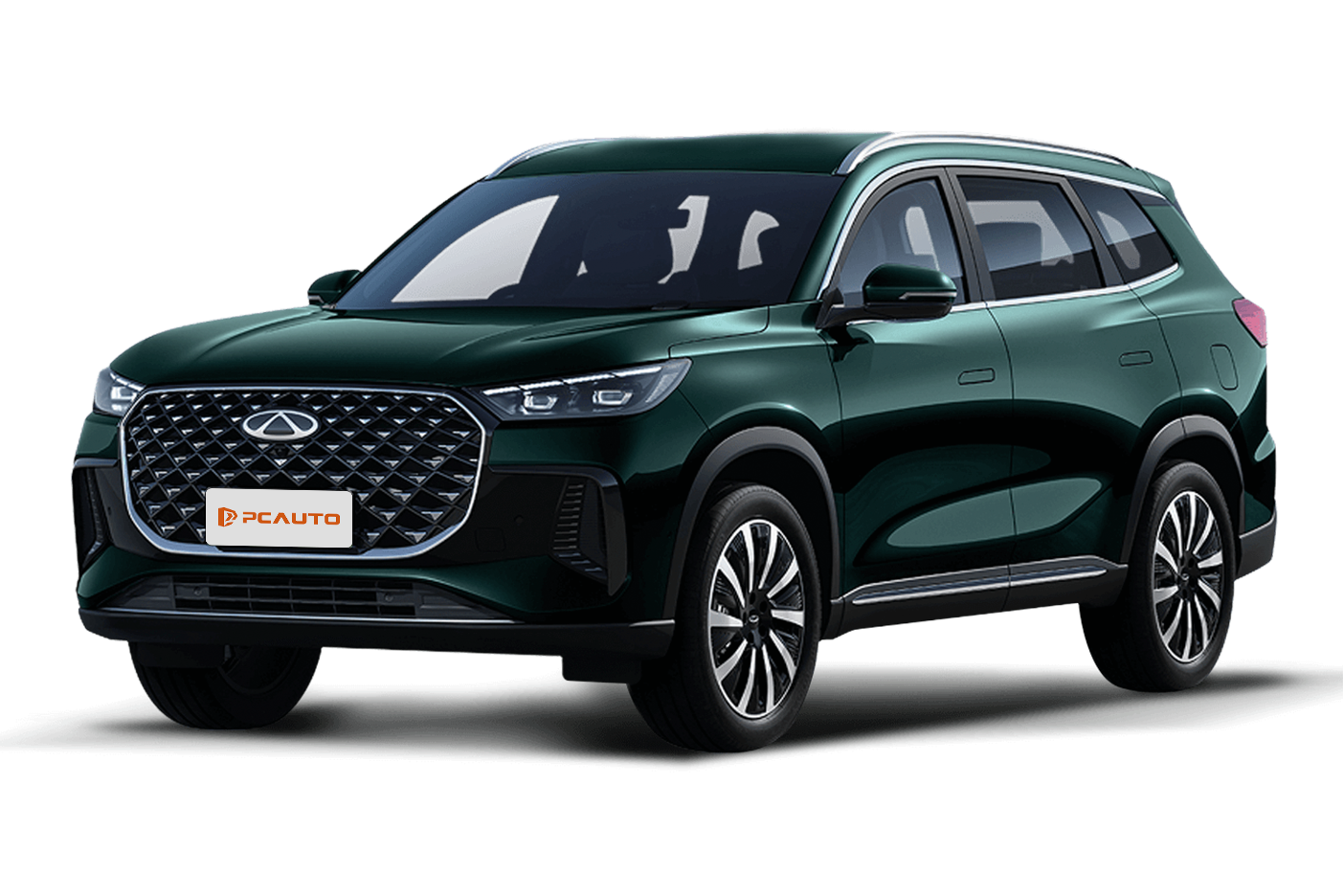
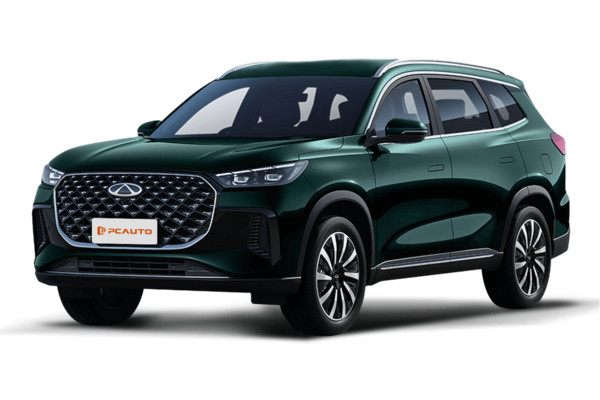
2026 Chery Tiggo 8 is a D-Segment SUV aimed at family users, offering superior configurations, practical space, and smooth power at a high cost-performance ratio, meeting both commuting and light off-road needs.
16
Rank in SUV

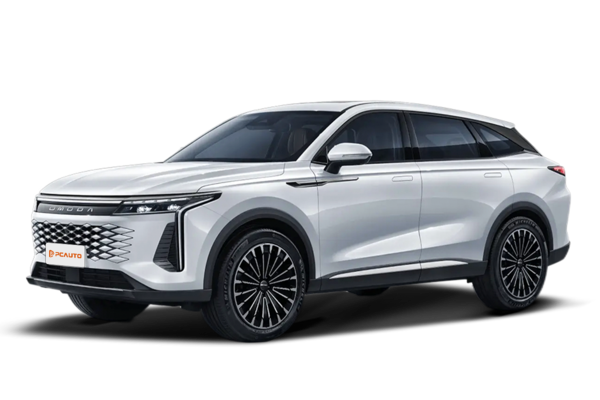
2024 Chery OMODA C9 2WD with 2.0T+8AT powertrain, L2 level assistance, and dual 12.3-inch screens, breaking the stalemate in the D-Segment market and becoming a high-value disruptor.
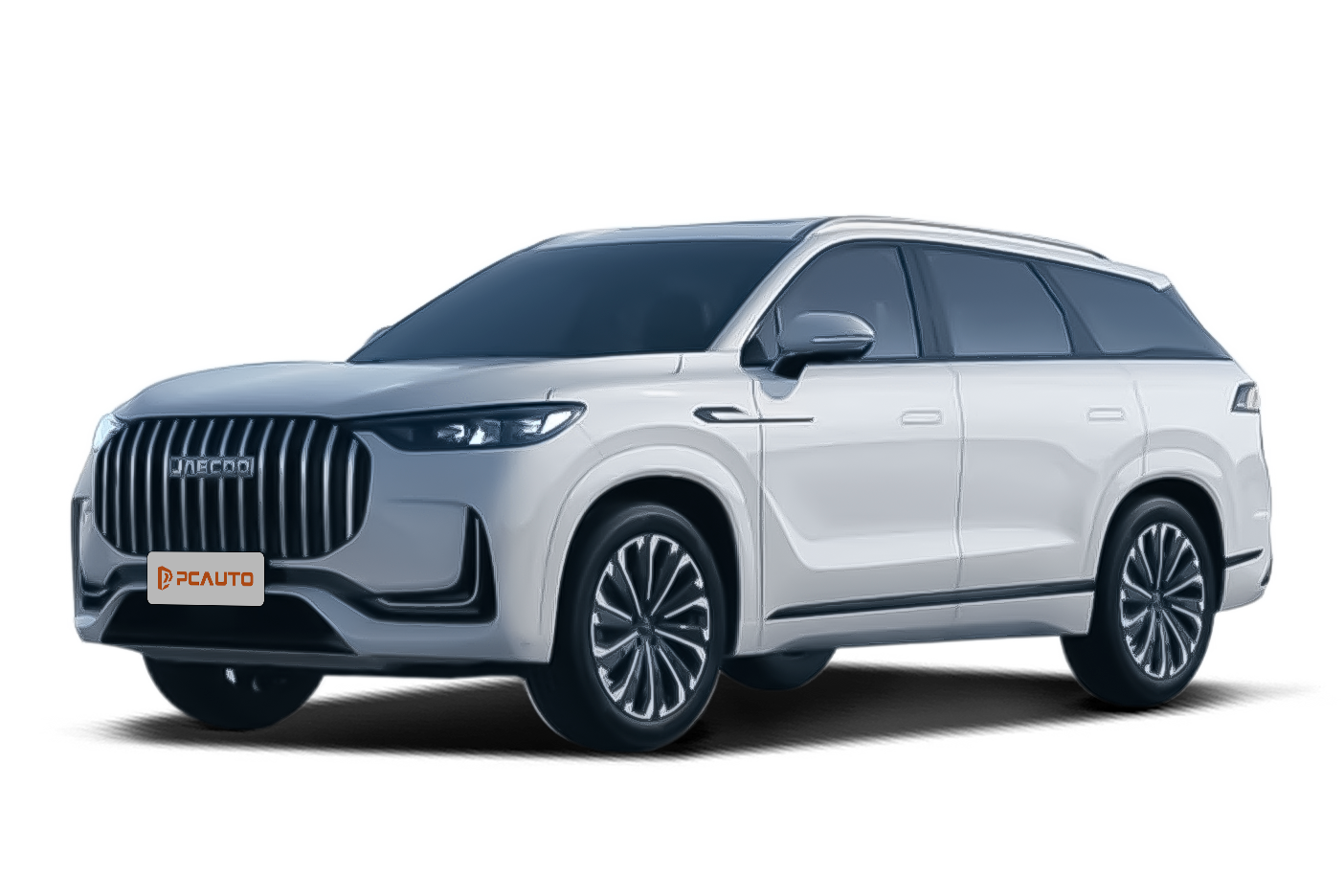
2025 Jaecoo J8 FWD is a dark horse in the D-segment SUV market, offering balanced performance to meet family users' needs for spaciousness, strong power, and rich configurations.