
2022 Ford Ranger Manual Single Cab 2.0L XL Review

 Share
Share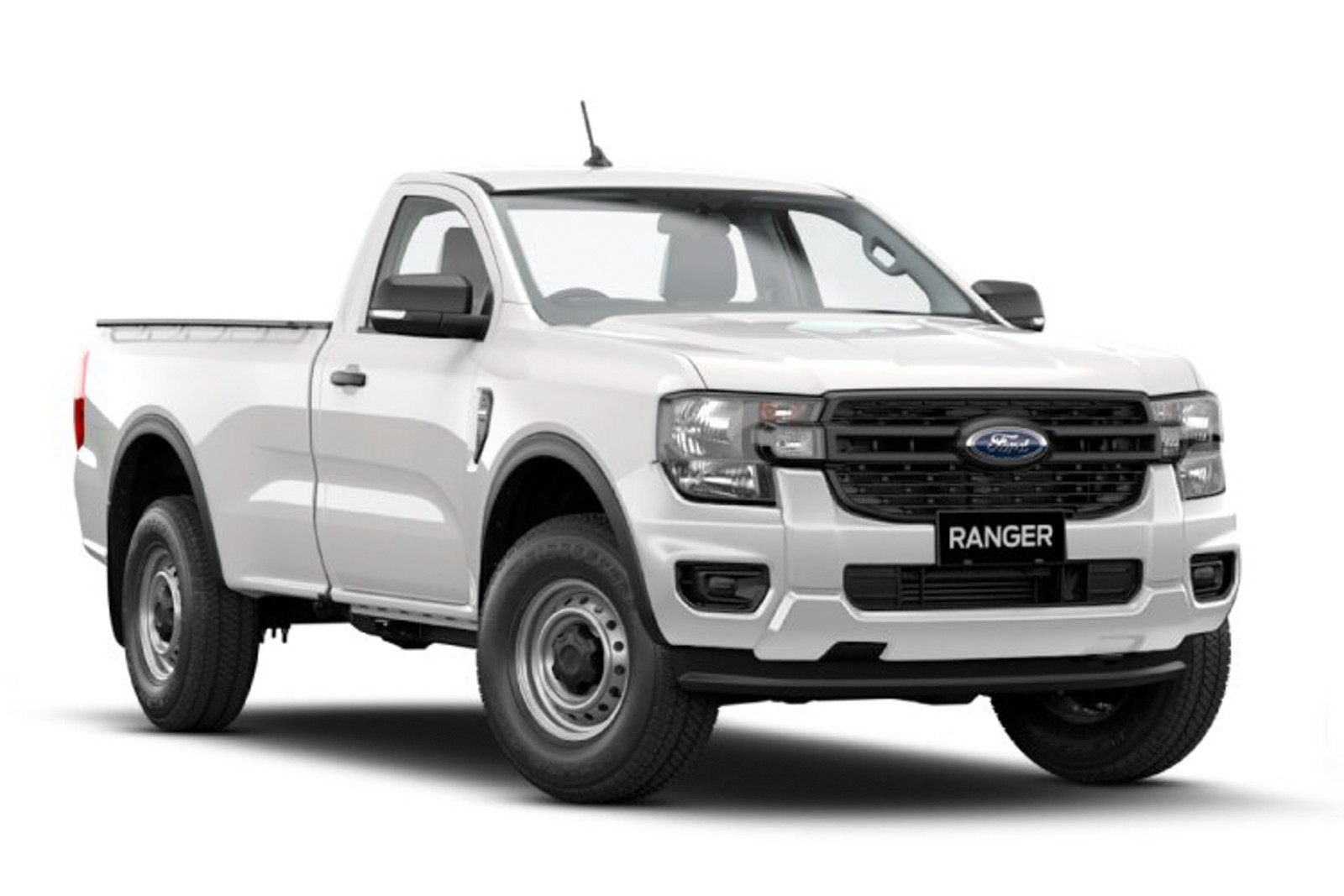
 Segment
 Body Type
 Capacity(L)
 Engine Power(PS)
 Engine Torque(Nm)
 Transmission
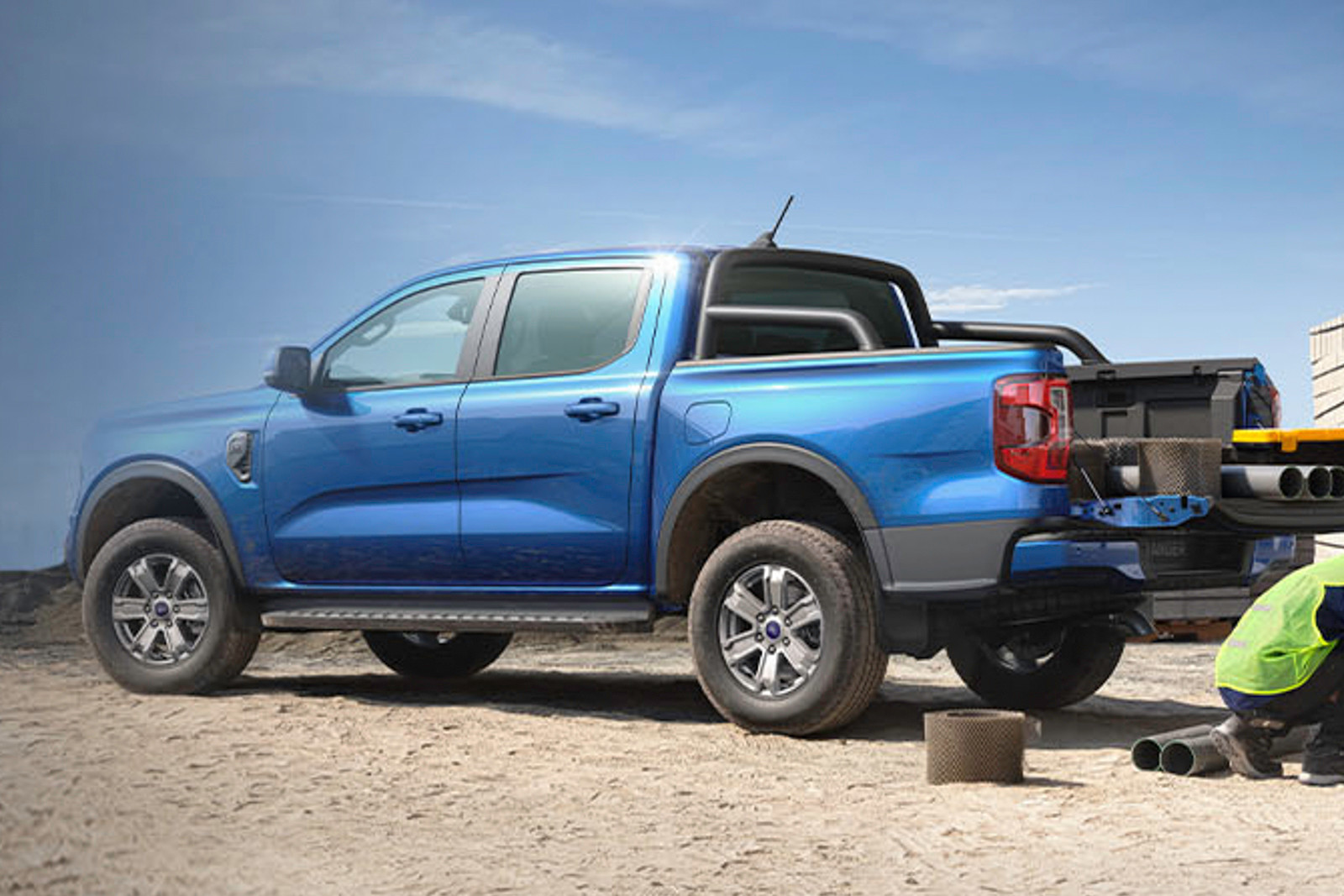
In the Southeast Asian commercial vehicle market, pickup trucks have always been a necessity that balances work and life, especially single-cab models. With their flexible loading capacity and passability, they have become a frequent choice for small business owners and farm operators. The Ford Ranger, a veteran in this niche market, has introduced its 2022 manual single-cab 2.0L XL 4x4 version at a price of RM 98,888. Its core selling points are focused on the practicality of the diesel turbo powertrain, the passability of the 4x4 system, and upgraded smart configurations on a commercial vehicle foundation. This test drive aims to verify whether it can balance the dual demands of "hauling work" and "daily commuting".
In terms of exterior design, the new vehicle continues the rugged style of the Ranger family, with overall straight and robust lines. The front features a large trapezoidal grille with chrome trim and Ford's iconic blue oval logo, providing high recognition. On each side, halogen headlights with automatic lighting functionality are seamlessly integrated with the grille, while front fog lights embedded below the bumper enhance visibility in harsh weather conditions. The side body features a straight waistline that extends from the front to the rear. The 16-inch steel wheels are paired with 255/70 R16 tires with thick sidewalls, capable of handling bumpy roads. The height of the cargo bed’s side panels is moderate, facilitating the loading and unloading of goods. At the rear, the LED tail light design is simple and echo the styling of the front. The overall exterior design lacks superfluous decorations, fully serving the practical positioning of a commercial vehicle.
Stepping into the cabin, the interior is dominated by dark hard plastics, in line with the durability needs of a commercial vehicle, but there are refinements in detail: the 8-inch TFT multifunction instrument panel displays core information such as RPM, fuel level, and four-wheel-drive mode, with clear readings. The 10.1-inch SYNC touchscreen infotainment system is a highlight, supporting Bluetooth connectivity and basic navigation. Its operation is quite smooth, which represents a significant upgrade in smart functionality compared to traditional radios found in competing models of the same price range. The steering wheel is multifunctional, with the left side controlling volume and phone functions and the right side adjusting instrument panel information. The manual adjustment range is adequate to accommodate drivers of various heights. The front seats feature 4-way manual adjustment; while the padding is firm, it provides good support, making long drives less tiresome. The front passenger seat is also equipped with 4-way manual adjustment, and there is ample legroom for passengers. Being a single-cab vehicle, there are no rear seats, which leaves the front row cabin spacious. In terms of storage, the door pockets can hold two large bottles of water. The open storage compartment below the center console is suitable for placing phones or documents. While the storage spaces aren't overly abundant, they meet basic daily needs.
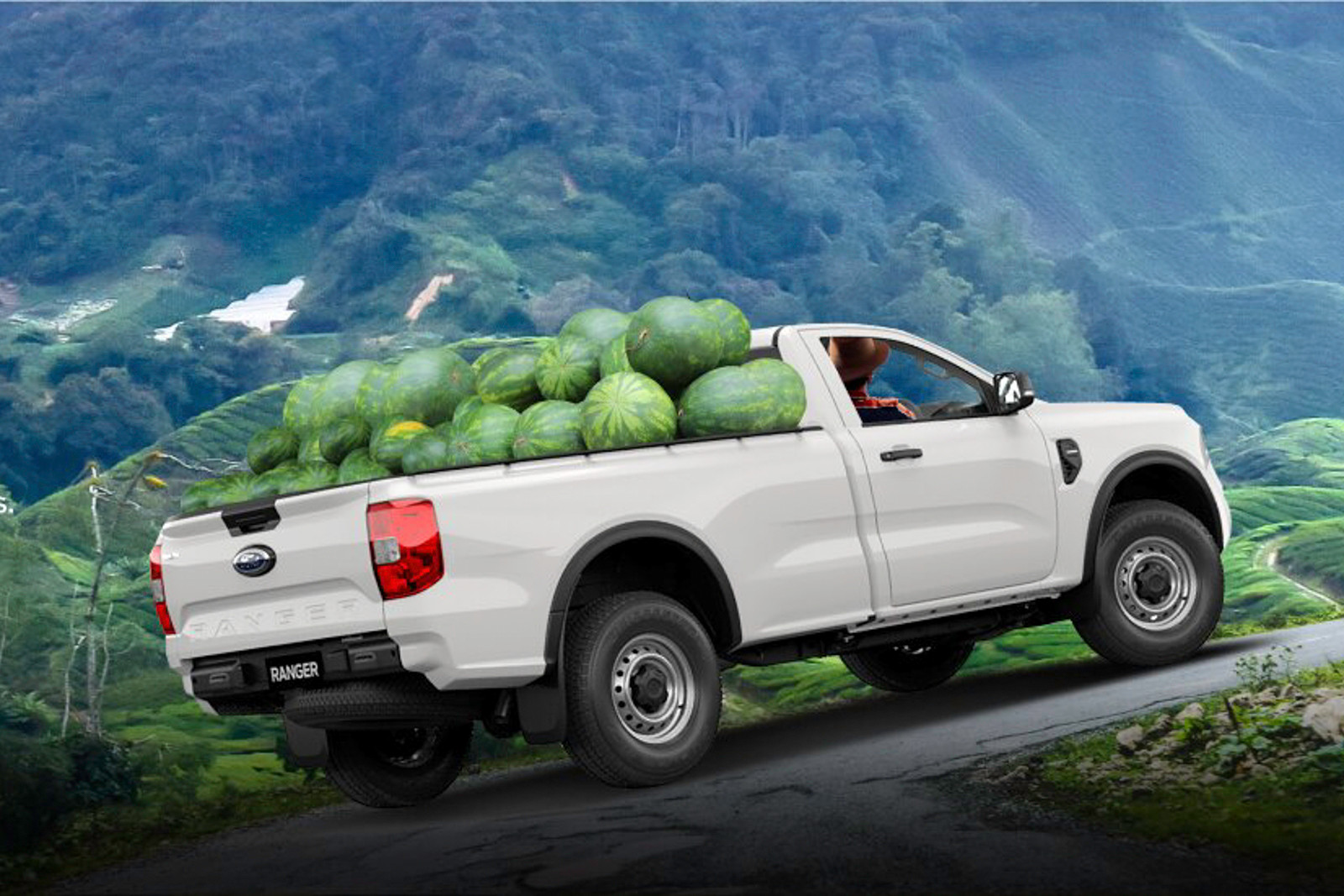
For the powertrain, the 2.0L turbocharged diesel engine offers 170PS of horsepower and 405N·m torque, paired with a 6-speed manual transmission. During takeoff, the clutch engagement point is clear, making it easy for beginners to handle. Around 1,500 rpm, the turbocharger kicks in, delivering ample torque output, which makes climbing hills with a fully loaded cargo bed (500kg during our test) effortless. At 3,500 rpm, the engine reaches its maximum torque output, allowing for swift overtaking by downshifting and rev-matching with immediate and responsive power delivery. The 4x4 system is easy to switch using the rotary knob next to the gear lever, toggling between 2H, 4H, and 4L modes effortlessly. With a minimum ground clearance of 230mm and leaf spring rear suspension, the vehicle efficiently handles rural dirt roads and light muddy trails while absorbing most of the bumps, maintaining good body stability. However, due to the relatively high center of gravity, slight body roll can be felt when cornering at high speeds, which is a common issue with pickup trucks; drivers should control their speed during daily driving.
In the fuel consumption test, we chose a mixed condition of "urban roads + rural dirt roads," with a total mileage of 200km and an average speed of about 40km/h. The final displayed fuel consumption was 8.2L/100km. With a fuel tank capacity of 80L, the vehicle offers a full-tank range of roughly 970km, delivering a reassuring endurance for users who often travel long distances and carry loads. Regarding braking, the combination of front ventilated disc and rear drum brakes provides a linear pedal feel. During emergency braking, the vehicle remains stable without significant nose-diving. Noise control meets expectations for commercial vehicles. While the diesel engine's noise is prominent at idle, at speeds over 60km/h, wind noise and tire noise become the main sources. However, they do not affect in-car conversations; the seats offer excellent support during long drives, preventing noticeable back pain even after driving continuously for three hours.
Compared to competitors in the same class, such as the Toyota Hilux 2.4L single-cab manual version (priced at approximately RM 105,000), this Ranger is over 6,000 RM cheaper, and it also adds features like a 10.1-inch central control screen and automatic headlights, providing better value for money. When compared to the Isuzu D-Max 2.5L single-cab version, the Ranger offers greater diesel torque, giving it a slight edge in cargo-hauling capability. Overall, its core advantage lies in "practical balance": strong diesel power and robust 4x4 capability allow it to handle various work scenarios; the addition of the central control screen and multifunctional steering wheel also enhances the convenience of daily commuting.
The target audience for this vehicle is very clear: small and medium-sized business owners who need to transport goods, farmers who need to handle field conditions, or users who require a "workhorse that can also occasionally serve as a family car." There's no flashy design here; all features revolve around practicality, and the price of RM 98,888 makes it highly competitive in the commercial vehicle market. If you need a reliable, durable pickup that caters to both work and light home use, this Ranger manual single-cab 2.0L XL 4x4 is worth adding to your list.
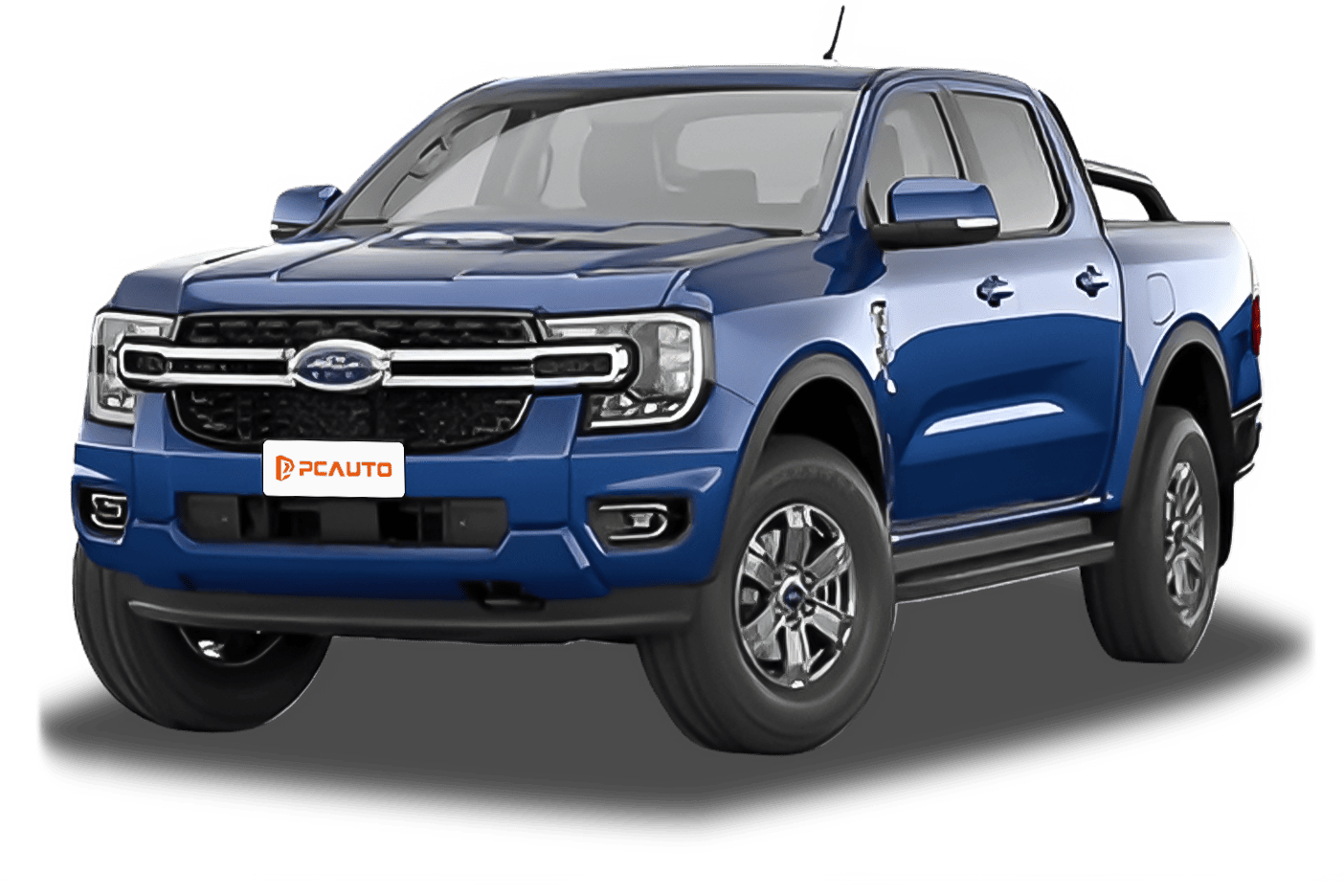
Ford Ranger Car Compare
Ford Ranger Loan Calculator
Cars With Similar Price And Features
5
Rank in Pickup
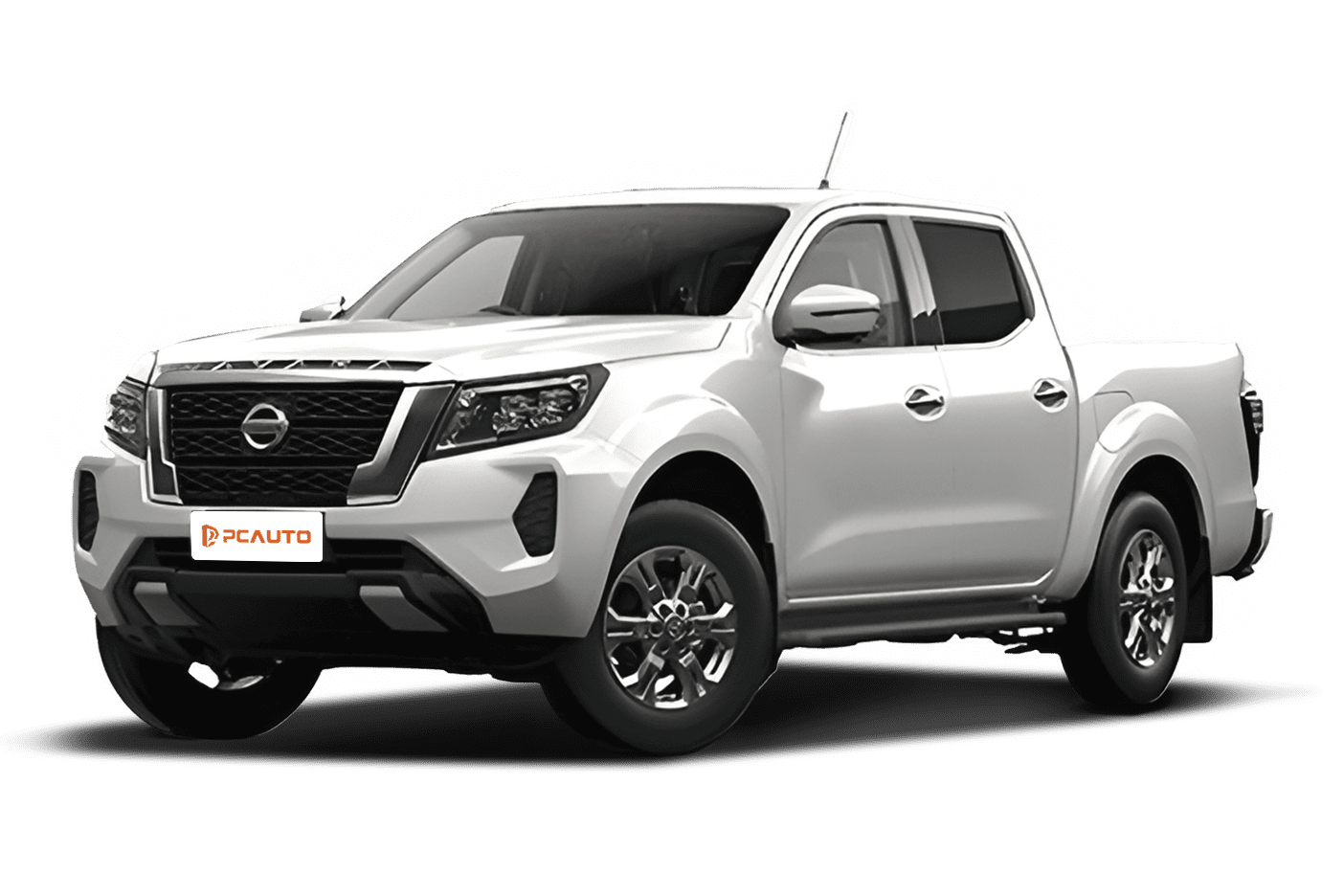
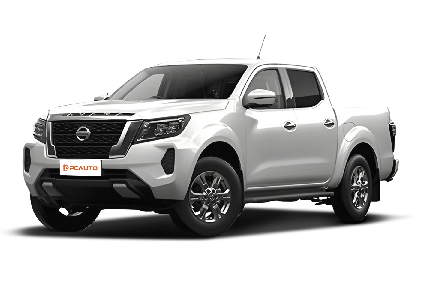
2023 Nissan Navara 2.5 VL Black Edition is a pickup truck that balances household comfort with light off-road capability, featuring exclusive black trims, a full suite of active safety features, and practical configurations, precisely catering to the needs of families and small business owners.
4
Rank in Pickup
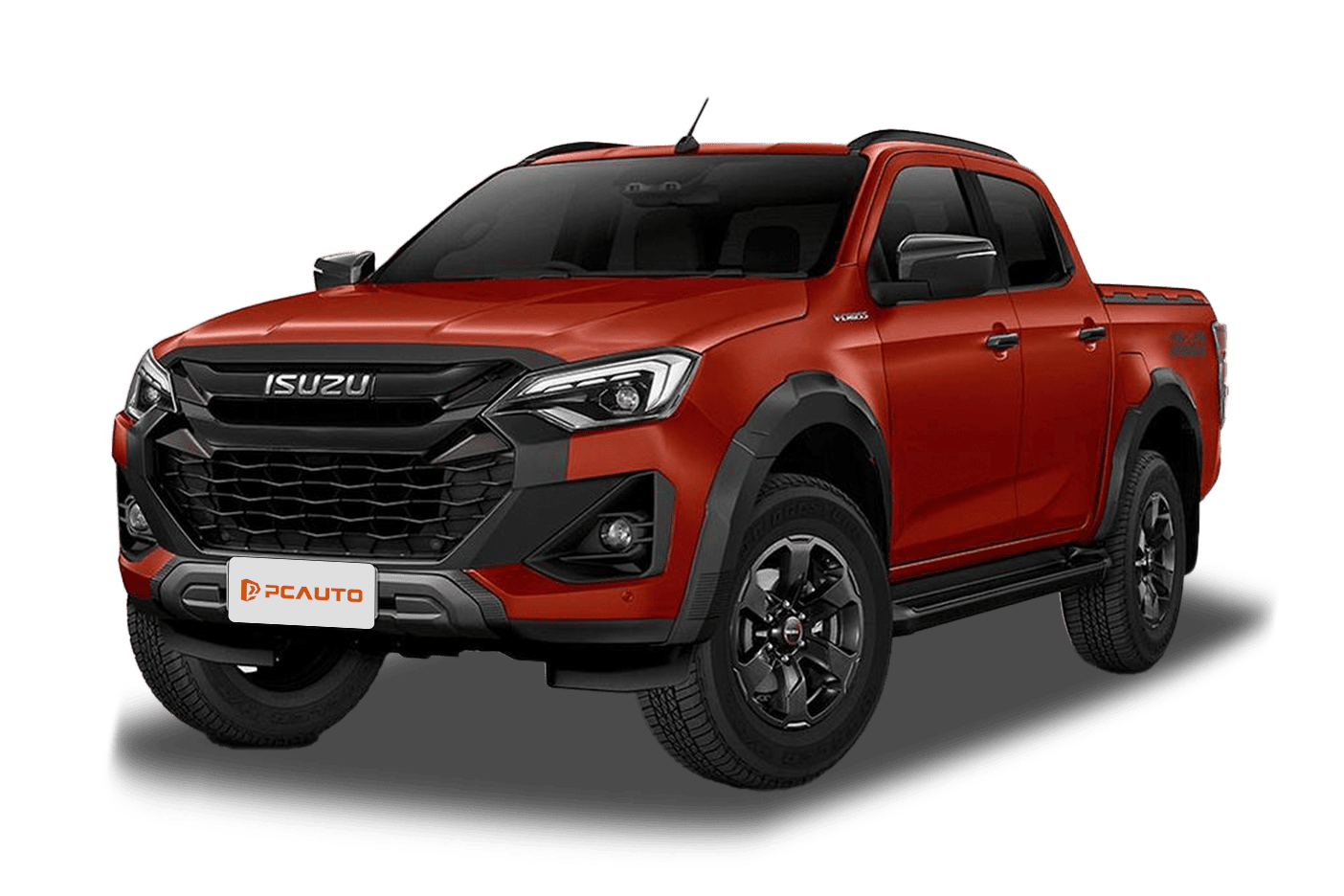
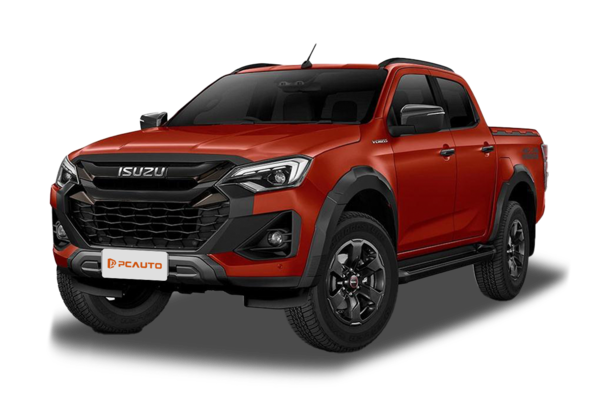
2025 Isuzu D-MAX 1.9L 4x2 Low Ride is an entry-level passenger pickup, offering a balance of practical space, reliable diesel performance, and fuel economy, suitable for family transport and small business cargo needs.

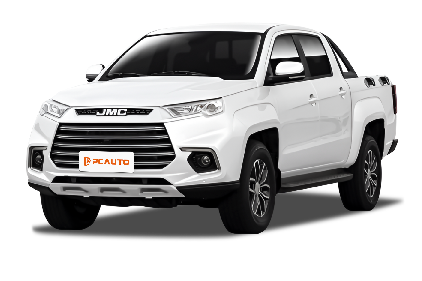
2023 JMC Vigus Pro White Series 2.0L 4WD 8AT combines rugged design, practical features, and powerful diesel performance, balancing everyday durability and mild off-road needs, making it a high-value choice for pickup users.
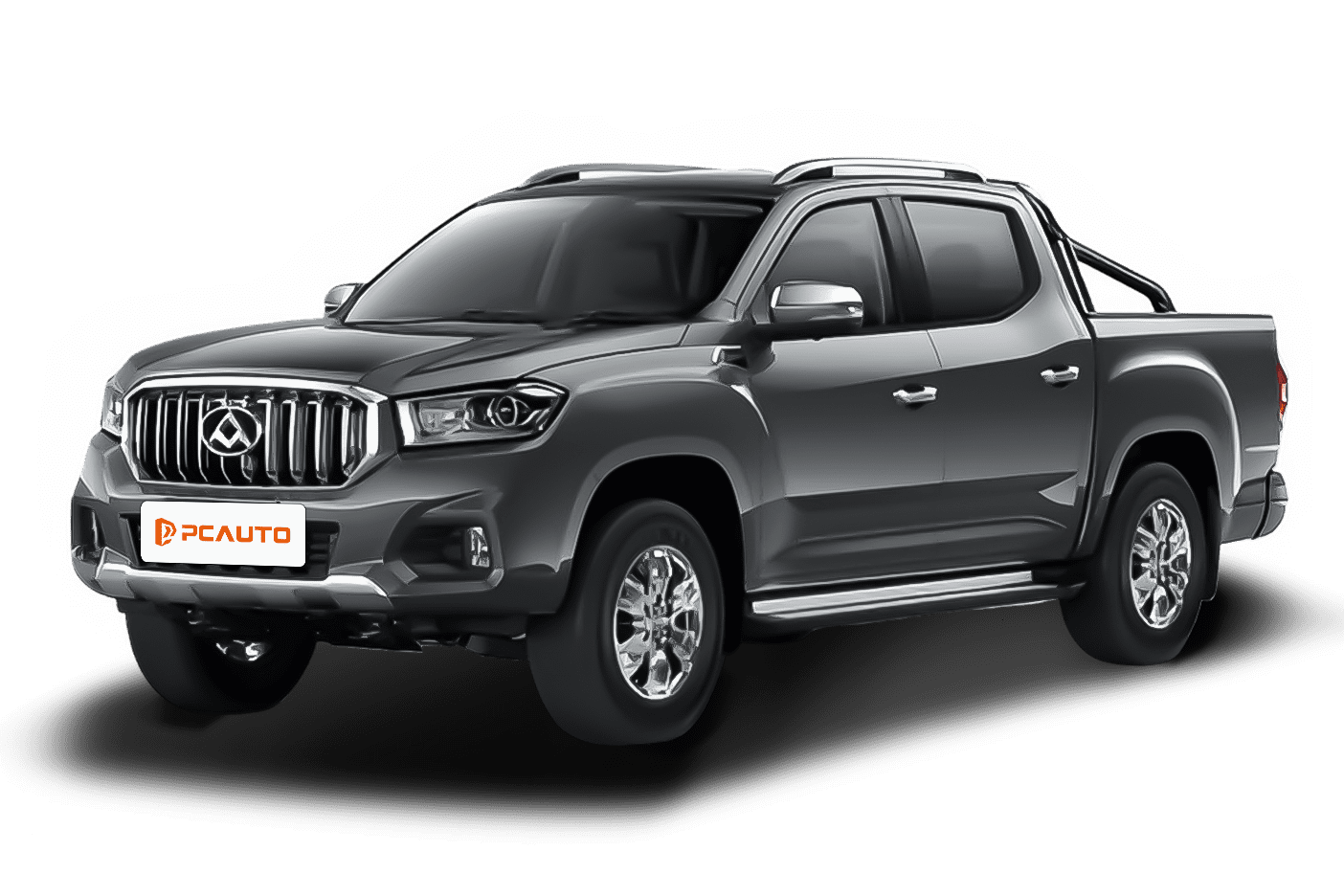
2022 Maxus T60 2.8L 4WD AT is a practical pickup truck that balances work and life. The strong diesel torque and 4WD capability meet cargo and off-road needs, while the premium features and spacious interior enhance daily comfort.